menu

Water Damage Restoration in Buffalo – Complete Repair, Remediation & Cleanup for Homes and Businesses

Alpha Water Damage Restoration Buffalo delivers comprehensive water damage repair, water damage cleanup, and water damage mitigation services throughout the Buffalo metro, handling everything from emergency extraction to final restoration with certified technicians who understand Lake Erie climate challenges.

Slider Image 1
Slider Image 2
Slider Image 3
Slider Image 4
Slider Image 5
Slider Image 7
Slider Image 8
Slider Image 9
Slider Image 10
Slider Image 11

Why Buffalo Properties Face Constant Water Damage Threats

Buffalo sits in a unique climate zone where Lake Erie's moisture combines with freeze-thaw cycles to create year-round water damage risks. Winter brings ice dams and frozen pipe bursts. Spring delivers rapid snowmelt that overwhelms drainage systems. Summer humidity penetrates basements and crawl spaces. Fall storms dump rain on aging infrastructure.

The city's older housing stock compounds these problems. Many Buffalo homes were built before modern waterproofing standards. Brick foundations absorb moisture. Cast iron drain lines corrode from the inside. Original tar roofing fails after decades of thermal expansion and contraction. When these systems fail, water finds its way through foundations, walls, and floors.

Commercial properties face similar challenges. Warehouse roofs collect standing water during spring thaws. Retail spaces in historic downtown buildings fight groundwater seepage through century-old stone foundations. Medical offices and restaurants cannot afford downtime when water damage strikes.

Water damage remediation starts the moment water enters your property. Every hour of delay increases structural damage, raises mold risk, and complicates insurance claims. Professional water removal services use industrial extraction equipment, thermal imaging to find hidden moisture, and commercial dehumidification systems to prevent secondary damage. The difference between quick water damage cleanup and waiting days can mean thousands in additional repair costs. Buffalo's climate does not give you time to hesitate when water invades your space.

Why Buffalo Properties Face Constant Water Damage Threats
How Professional Water Damage Restoration Protects Your Property

How Professional Water Damage Restoration Protects Your Property

Water damage restoration follows strict protocols to prevent permanent harm to your structure. The process begins with source identification. Surface water might come from an obvious broken pipe, but hidden moisture often originates from condensation lines, roof penetrations, or groundwater intrusion through foundation cracks.

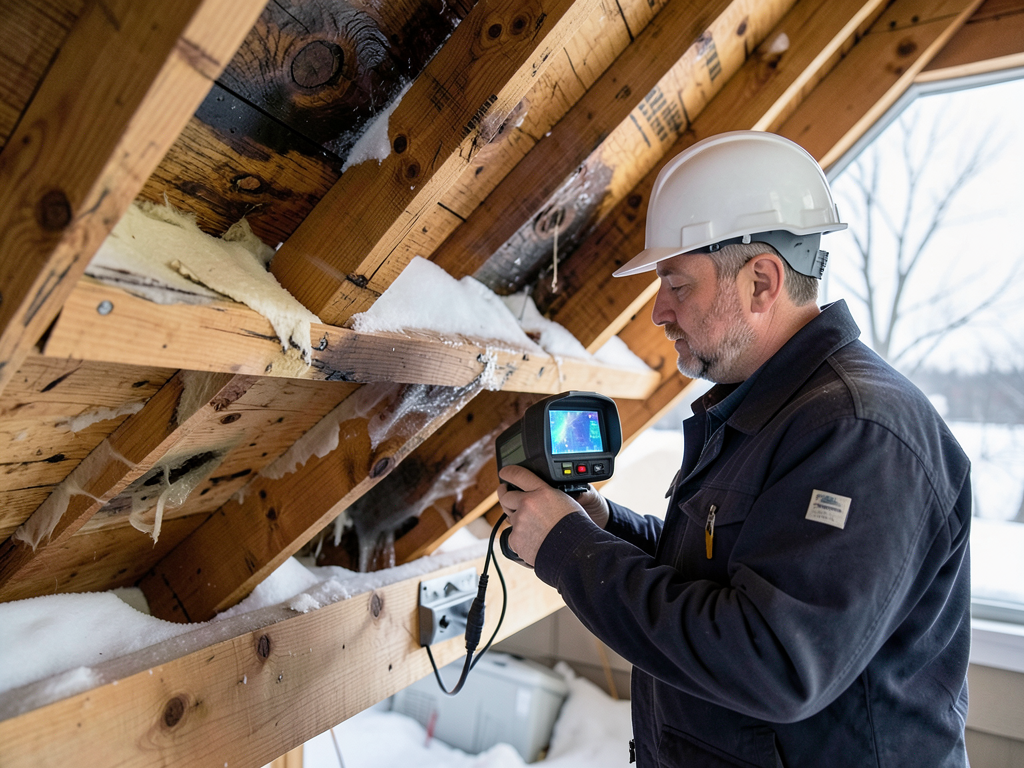
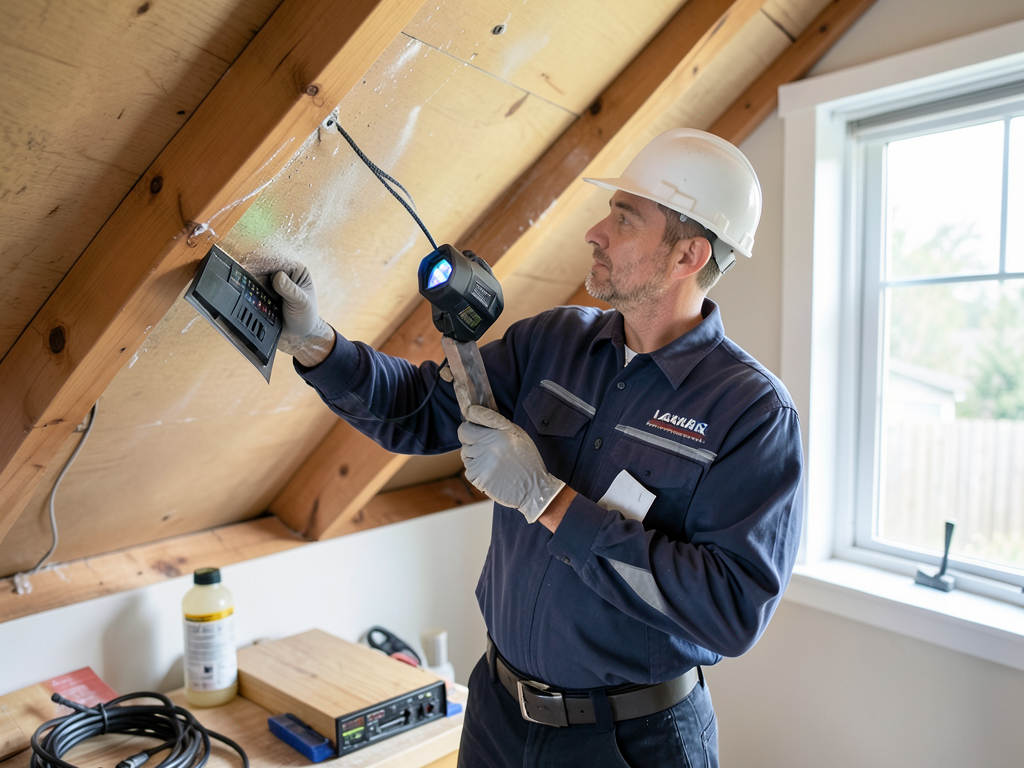
We use moisture meters to measure water content in building materials. Readings above 15 percent in wood framing indicate active water intrusion. Thermal imaging cameras detect temperature differences that reveal wet insulation behind walls. These diagnostic tools prevent guesswork and ensure complete water damage mitigation.

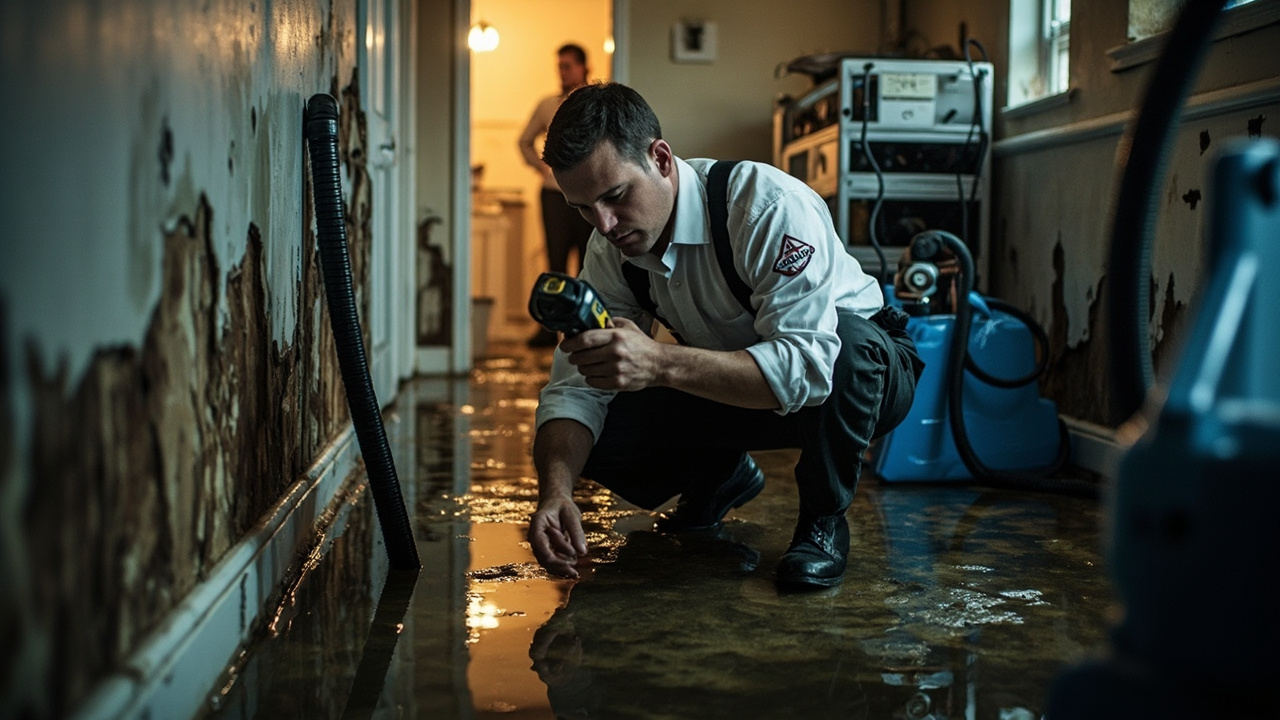
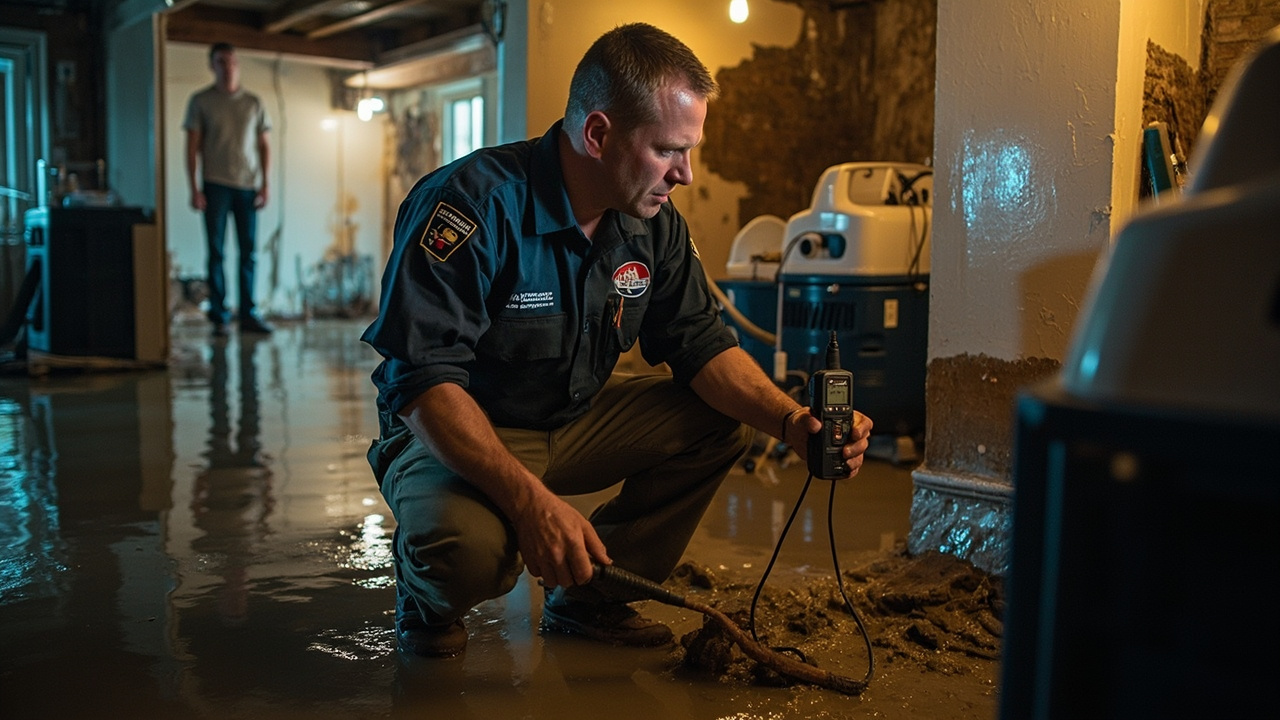
Extraction comes next. Truck-mounted pumps remove standing water at 200 gallons per minute. Portable extractors pull water from carpet padding and subflooring. The goal is to remove bulk water within the first 24 hours to prevent Category 1 clean water from degrading into Category 2 gray water as it absorbs contaminants from building materials.

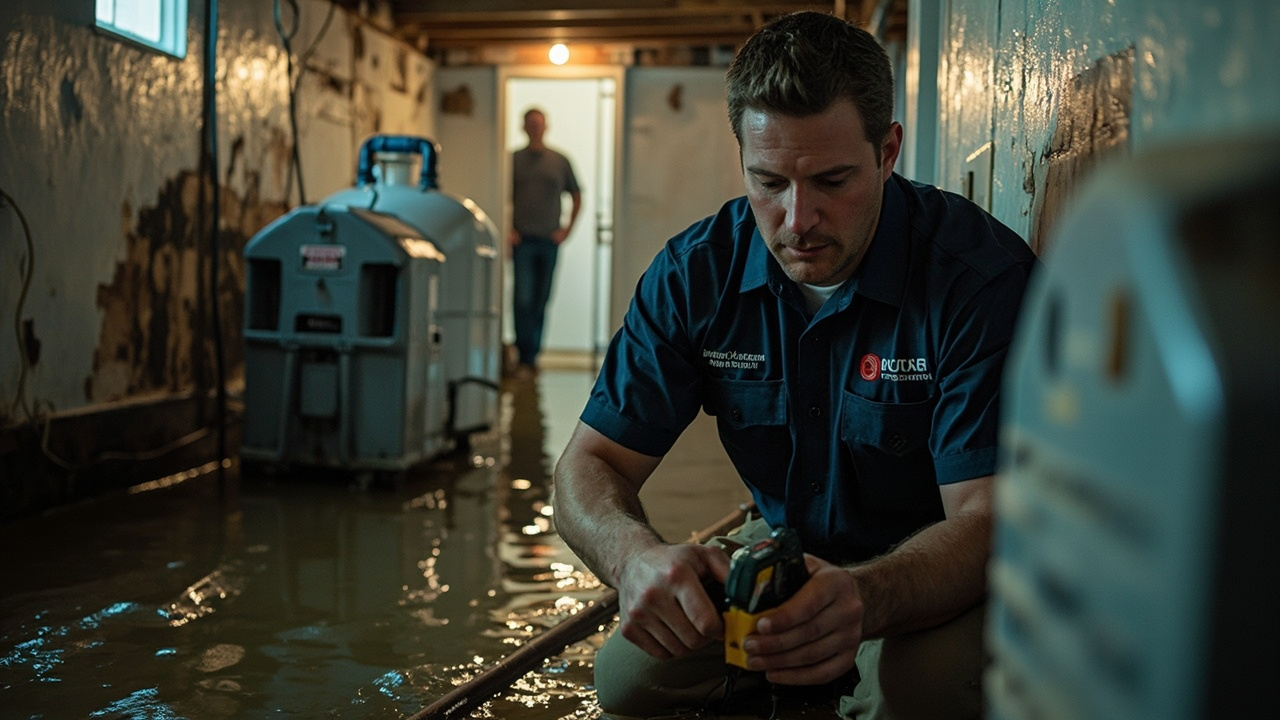
Air movement drives the drying process. We position axial fans to create airflow across wet surfaces, which accelerates evaporation. Low-grain refrigerant dehumidifiers remove moisture from the air, lowering relative humidity below 40 percent. This combination of air movement and dehumidification creates the optimal drying environment.

Antimicrobial application prevents mold colonization during the drying phase. Buffalo's humidity creates ideal conditions for mold growth within 48 hours of water exposure. EPA-registered antimicrobials stop spore germination on wood, drywall, and other porous materials. This protection remains active throughout the drying period and during reconstruction.

Your Water Damage Recovery Timeline

Water Damage Restoration in Buffalo – Complete Repair, Remediation & Cleanup for Homes and Businesses
01

Emergency Response and Assessment

You call our 24-hour line and speak directly with a technician, not an answering service. We dispatch a crew to your Buffalo property within 90 minutes. The team arrives with extraction equipment, moisture meters, and thermal cameras. They identify the water source, classify the contamination level, document damage with photos for insurance, and begin emergency water removal. You receive a written scope of work before any restoration begins.
02

Extraction and Controlled Drying

Our crew removes standing water, then places air movers and dehumidifiers in strategic positions based on airflow modeling and moisture mapping. We monitor drying progress daily with moisture readings logged into a drying chart. Most structures reach dry standard within three to five days depending on materials affected and extent of saturation. You receive daily updates showing moisture reduction in affected areas. Equipment runs continuously until all materials reach acceptable moisture levels.
03

Restoration and Reconstruction

After verification that all materials have dried to industry standards, reconstruction begins. We replace removed drywall, reinstall baseboards, apply texture and paint to match existing finishes, and restore flooring. Our goal is to return your property to pre-loss condition or better. Final walkthrough includes moisture verification testing and documentation for your insurance claim. You receive a completion certificate showing all affected areas have been properly restored and tested.

Why Buffalo Property Owners Choose Local Water Damage Specialists

National franchises send technicians who have never worked in Buffalo's climate. They do not understand how Lake Erie's lake effect snow creates ice dam conditions that differ from typical winter weather. They have not seen how rapid spring thaws overwhelm French drains in Elmwood Village or how summer humidity affects basement moisture levels in North Buffalo.

Alpha Water Damage Restoration Buffalo operates exclusively in the Buffalo metro. Our technicians know which neighborhoods have combined sewer systems that backup during heavy rain. We understand that homes near Delaware Park face different groundwater challenges than properties in South Buffalo. This local knowledge changes how we approach water damage repair.

We work directly with Buffalo-area insurance adjusters who inspect claims in person. You are not waiting days for a regional adjuster to drive from Rochester. Our documentation meets Erie County building code requirements for reconstruction permits. We know which substrates require vapor barriers under New York State building codes and when you need a licensed plumber to verify repairs meet local ordinances.

Our equipment stays in Buffalo. When you call at 2 a.m. because a pipe burst, our truck rolls from our local facility, not from a regional hub 90 minutes away. Response time matters during water damage emergencies. Every minute of delay allows water to spread further through your structure.

We also understand Buffalo's building stock. Century-old homes in Allentown have plaster walls that react differently to water than modern drywall. Commercial buildings downtown have terrazzo floors that require specific drying protocols. This experience prevents the mistakes that turn a manageable water damage cleanup into a total renovation.

What Happens During Your Water Damage Restoration Project

Response Time and Availability

We answer calls 24 hours a day, every day of the year. When you call our emergency line, you speak with a trained technician who asks specific questions about your water damage situation. This conversation helps us dispatch the right equipment and crew size for your specific emergency. Our average response time is 90 minutes or less throughout the Buffalo metro area, including Amherst, Cheektowaga, Tonawanda, and West Seneca. Weekend and holiday response carries no premium charges. Water does not wait for business hours, and neither do we. You receive a confirmed arrival window within minutes of your initial call.

Initial Inspection and Documentation

Our first priority is stopping active water intrusion. Once the source is controlled, we conduct a complete moisture assessment using calibrated meters and thermal imaging. Every wet area gets documented with photos, moisture readings, and written notes. This documentation becomes critical for your insurance claim. We classify water damage into Category 1, 2, or 3 based on contamination level, which determines what materials can be dried versus what requires removal. You receive a detailed scope of work outlining every step of the restoration process before equipment placement begins. No surprises, no hidden steps discovered halfway through the project.

Quality of Final Restoration

Water damage restoration is not complete until your property looks and functions exactly as it did before the loss occurred. We match existing paint colors, texture patterns, and flooring materials. Baseboards get reinstalled at the same height with the same profile. Carpet seams align with original layout. Our goal is to make the affected area invisible within the rest of your space. Final inspection includes verification moisture testing to confirm all materials have reached dry standard. You receive documentation showing moisture readings in all affected areas, antimicrobial application records, and photos of completed work. This documentation protects you if issues arise later.

Post-Restoration Support

Your relationship with us does not end when equipment gets removed. We provide written recommendations to prevent future water damage based on what caused your current situation. If we found a failing sump pump, you receive information on backup systems. If roof flashing caused the intrusion, we explain the repair. We remain available to answer insurance questions, provide additional documentation if your adjuster requests it, and address any concerns during reconstruction. If you notice new moisture indicators in the weeks following restoration, we return to investigate at no charge. Our work is not finished until you have complete confidence in the restoration quality.

Frequently Asked Questions

You Have Questions,
We Have Answers

How much does water damage remediation cost? +

Water damage remediation costs depend on the severity, affected square footage, and contamination level. A small leak in one room costs less than basement flooding from a burst pipe. Category 1 clean water extraction is cheaper than Category 3 sewage cleanup, which requires specialized decontamination. Buffalo homes with older plumbing or freeze-thaw damage often face higher costs if structural repairs are needed. Most companies provide free inspections and work directly with your insurance adjuster. Costs vary widely, so get a detailed estimate that breaks down extraction, drying, antimicrobial treatment, and any necessary demolition or reconstruction work.

What does water damage restoration include? +

Water damage restoration includes emergency water extraction, structural drying, dehumidification, and moisture monitoring. Technicians remove standing water using pumps and extractors, then place commercial air movers and dehumidifiers to dry walls, floors, and subfloors. They monitor moisture levels daily with meters to prevent mold growth. The process also includes antimicrobial treatment, content removal if needed, and documentation for insurance claims. In Buffalo, restoration teams address freeze damage from burst pipes and foundation leaks common in older neighborhoods. Full restoration may include mold remediation, carpet removal, drywall replacement, and odor elimination depending on damage severity.

Can water damage be repaired? +

Yes, water damage can be repaired if addressed quickly. Within 24 to 48 hours, you can prevent permanent structural damage and mold growth. Drywall, flooring, and insulation often need replacement if saturated too long. Wood framing can be dried and saved if treated promptly. Buffalo homes with hardwood floors or plaster walls require careful assessment, as these materials react differently to moisture. Professional restoration teams use thermal imaging and moisture meters to detect hidden water in wall cavities and subfloors. Quick action saves materials and reduces overall repair costs, making professional extraction and drying critical.

Is water damage restoration worth it? +

Yes, water damage restoration is worth it. Untreated water damage leads to mold growth within 24 to 48 hours, structural rot, and compromised air quality. Buffalo's humid climate accelerates mold development, especially in basements and crawl spaces. Professional restoration prevents long-term health issues and preserves your home's value. Insurance typically covers restoration costs for sudden water damage, making the out-of-pocket expense minimal. Skipping restoration leads to expensive repairs later, including foundation issues, wood rot, and potential health liabilities. Fast professional intervention stops damage progression and protects your investment, making it a necessary step after any significant water event.

Does insurance pay for water restoration? +

Insurance typically covers water restoration if the damage is sudden and accidental. Burst pipes, appliance malfunctions, roof leaks from storms, and sump pump failures are usually covered under standard homeowner policies. Flood damage from rising water requires separate flood insurance. Gradual damage from neglected maintenance, like slow leaks, is often denied. Buffalo homeowners should review their policy exclusions and understand coverage limits. Most restoration companies work directly with insurance adjusters, providing documentation and moisture readings to support your claim. File your claim immediately and take photos before any cleanup to maximize coverage and streamline the approval process.

Will insurance pay out for water damage? +

Insurance pays out for water damage when the cause is sudden and accidental. Covered events include burst pipes, appliance leaks, roof damage from wind or ice dams, and accidental overflow. Gradual damage, lack of maintenance, or flooding from external water sources typically require separate flood insurance. Buffalo homes face frequent freeze-thaw cycles, so burst pipe claims are common and usually approved. Your adjuster will assess the damage, review policy limits, and determine covered expenses. Document everything with photos and keep receipts. Work with a restoration company experienced in insurance claims to ensure proper documentation and maximize your payout.

How likely is mold after water damage? +

Mold is highly likely after water damage if not dried within 24 to 48 hours. Buffalo's humidity and fluctuating temperatures create ideal mold conditions, especially in basements and attics. Porous materials like drywall, insulation, and carpet absorb water quickly and become mold breeding grounds. Even small leaks behind walls can lead to hidden mold colonies. Professional restoration teams use dehumidifiers, air movers, and antimicrobial treatments to prevent mold growth. If water damage sits untreated for more than two days, expect mold remediation to become necessary. Fast extraction and thorough drying are your best defenses against mold infestation.

What does category 3 damage look like? +

Category 3 damage involves grossly contaminated water from sewage backups, toilet overflows with feces, or floodwater from rivers and lakes. This water contains harmful bacteria, viruses, and pathogens. You will see dark, foul-smelling water with visible debris and waste. Category 3 damage requires full decontamination, disposal of porous materials like drywall and carpet, and antimicrobial treatment of all affected surfaces. Buffalo homes near waterways or with aging sewer lines face higher Category 3 risk. Never attempt cleanup yourself. Professional remediation teams use protective gear, HEPA filtration, and EPA-approved disinfectants to safely restore contaminated areas.

How to get the most out of a water damage claim? +

Document everything immediately. Take photos and videos of all damage before any cleanup. Contact your insurance company within 24 hours and request a detailed copy of your policy. Hire a licensed restoration company that provides detailed moisture readings, thermal imaging, and itemized estimates for your adjuster. Keep all receipts and communication records. In Buffalo, note if damage resulted from freeze-thaw pipe bursts or ice dams, as these are common covered perils. Do not admit fault or sign any settlement too quickly. Review your adjuster's assessment carefully and challenge lowball offers with professional documentation and contractor estimates.

What not to do after water damage? +

Do not wait to call professionals. Every hour increases damage and mold risk. Do not use household fans or open windows, which spread moisture deeper into walls and subfloors. Do not leave wet materials in place hoping they will air dry. Buffalo's humidity prevents effective air drying. Do not use bleach on mold, it does not kill mold roots and damages surfaces. Avoid walking on wet carpet or floors, as you risk electrical shock and structural collapse. Do not throw away damaged items before documenting them for insurance. Call a certified restoration company immediately to prevent irreversible damage and protect your claim.

How Buffalo's Lake Effect Climate Demands Faster Water Damage Response

Buffalo's position on Lake Erie's eastern shore creates weather patterns that accelerate water damage. Lake effect snow dumps moisture on roofs faster than drainage systems can handle, creating ice dams that force water under shingles. Rapid spring warming sends snowmelt into basements through foundation cracks. Summer humidity keeps relative humidity above 60 percent for weeks, which means wet building materials never fully dry without mechanical dehumidification. These conditions compress the window for effective water damage mitigation. What takes 48 hours to become a mold problem in dry climates happens in 24 hours here.

Buffalo's building codes reflect these climate challenges. New York State requires specific vapor barrier installation in below-grade spaces. Sump pump systems must meet discharge requirements that prevent refreezing in winter. Insurance companies operating in Erie County understand local water damage patterns, but they require documentation that meets regional standards. Working with a local water damage restoration company means your project complies with these requirements from the start. We know what Buffalo building inspectors expect to see, what local adjusters require for claim approval, and how to navigate the specific challenges of restoring properties in this climate zone.

Water Damage Restoration Services in The Buffalo Area

Although we offer rapid mobile service across the entire Buffalo area and surrounding regions, we invite you to view our service area map to confirm our commitment to your community. We are always ready to deploy our expert teams directly to your residential or commercial property, ensuring the fastest possible response time when you need water damage restoration most, right where you are.

Address:
Alpha Water Damage Restoration Buffalo, 369 Washington St, Buffalo, NY, 14203

Additional Services We Offer

Our news updates

Latest Articles & News from The Blogs

The importance of microbial swabbing after a sewer backup in your Lackawanna basement When sewage backs up into your Lackawanna…

The importance of microbial swabbing after a sewer backup in your Lackawanna basement

The importance of microbial swabbing after a sewer backup in your Lackawanna basement When sewage backs up into your Lackawanna…

Simple ways to prevent your pipes from freezing in an unheated North Buffalo crawlspace

Simple ways to prevent your pipes from freezing in an unheated North Buffalo crawlspace Buffalo’s brutal winters and lake-effect snow…

Keeping your kids and pets safe during a home restoration project in Kenmore

Keeping your kids and pets safe during a home restoration project in Kenmore\n\nHome restoration after water damage creates unique safety…

Contact Us

Water spreads through your property every minute you wait. Call Alpha Water Damage Restoration Buffalo now at (716) 317-7717 for 24-hour emergency response. Our crews are standing by with extraction equipment, ready to dispatch to your location within 90 minutes. Stop the damage before it becomes a total loss.