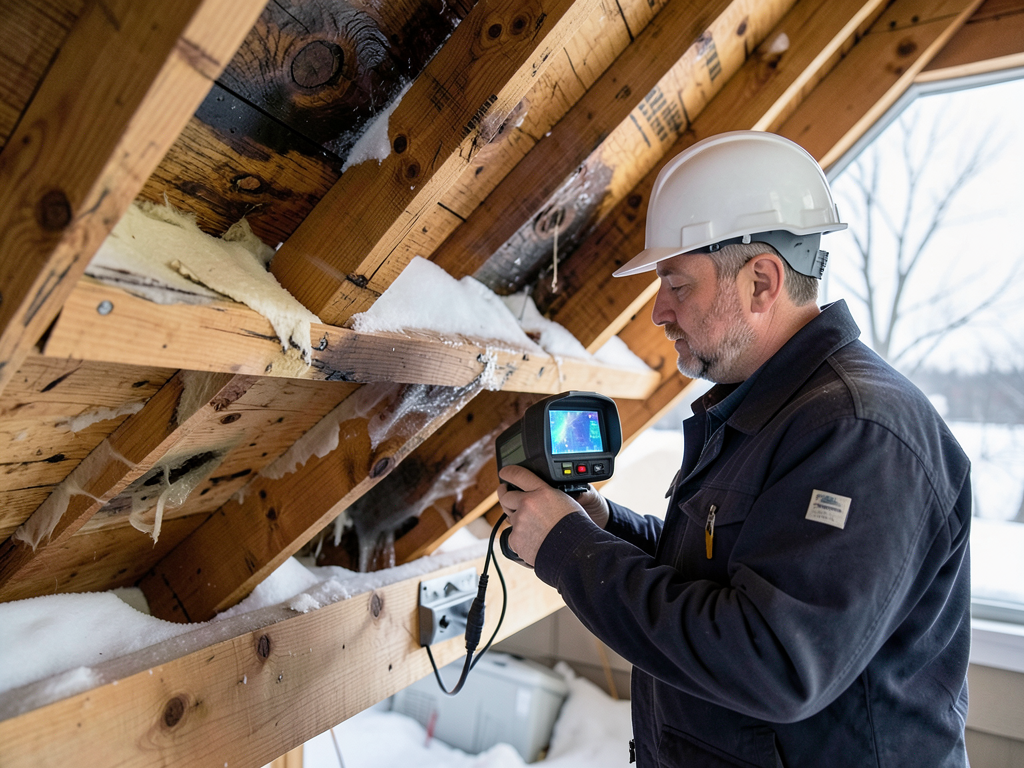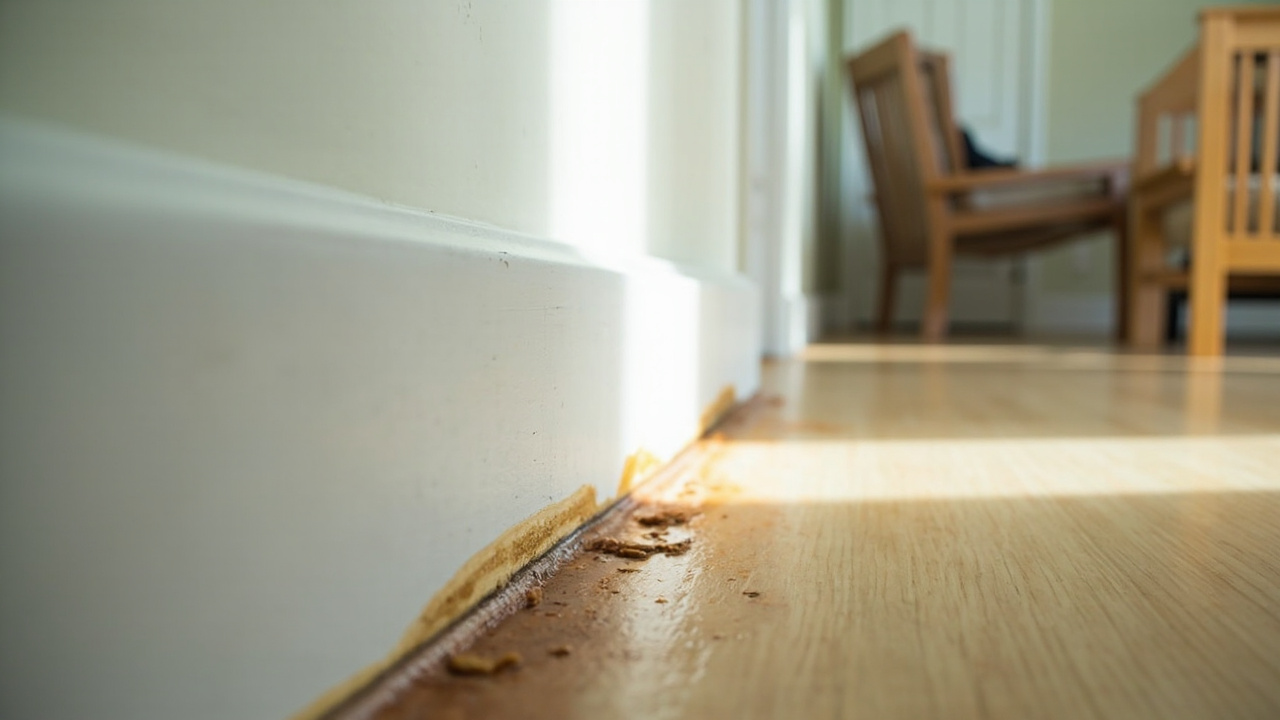
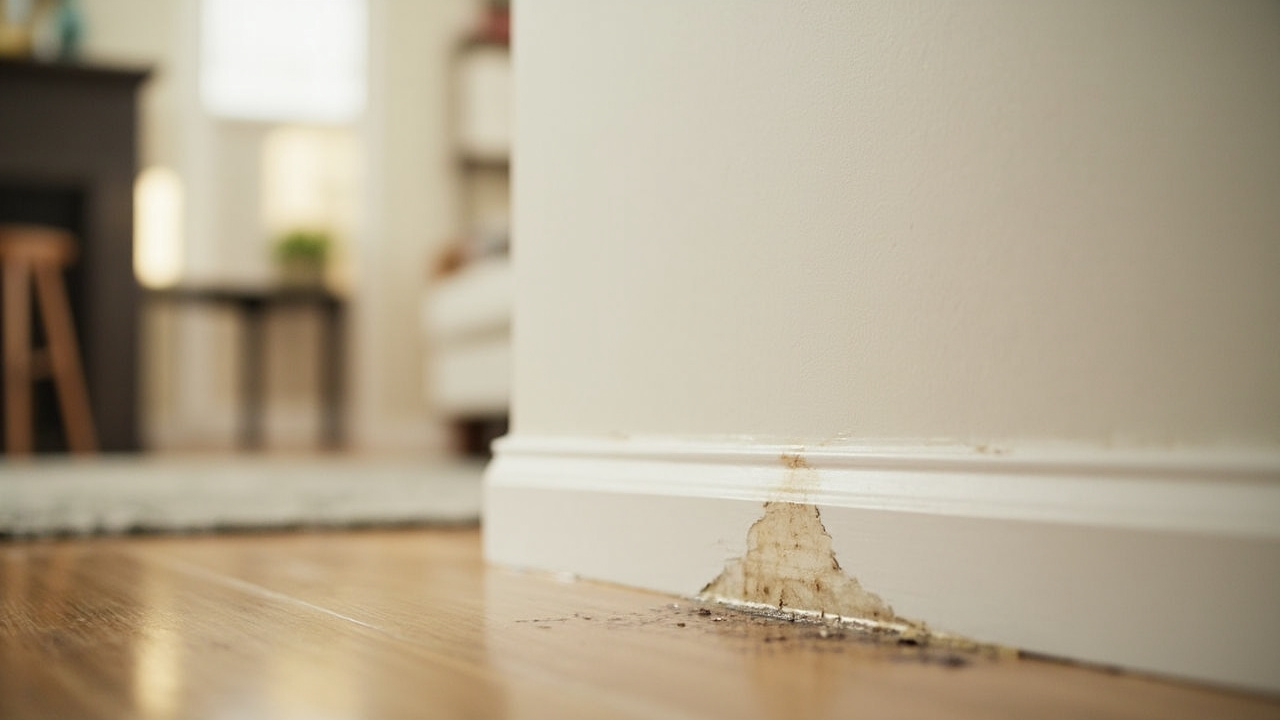
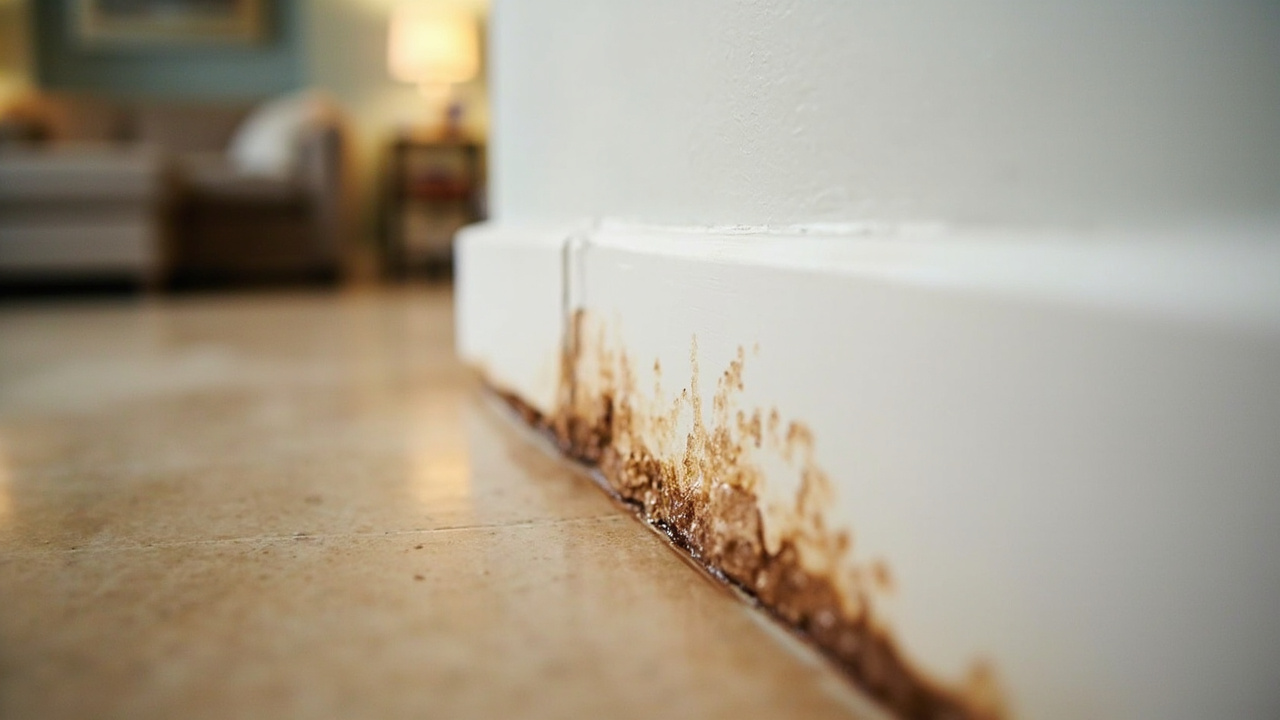
Buffalo receives 94 inches of snow annually, much of it from lake effect storms that deposit moisture-laden snow against building exteriors. As this snow melts and refreezes, water migrates under siding, through brick mortar joints, and around window frames. The city's 160 days per year with measurable precipitation keep exterior walls consistently damp from October through May. This prolonged moisture exposure allows mold to colonize sheathing and wall studs where you cannot see it. Homes in South Buffalo and the First Ward, closest to lake moisture sources, show the highest rates of concealed mold in wall cavities. The indicators of invisible mold often appear as peeling paint or wallpaper bubbling months after water intrusion begins.
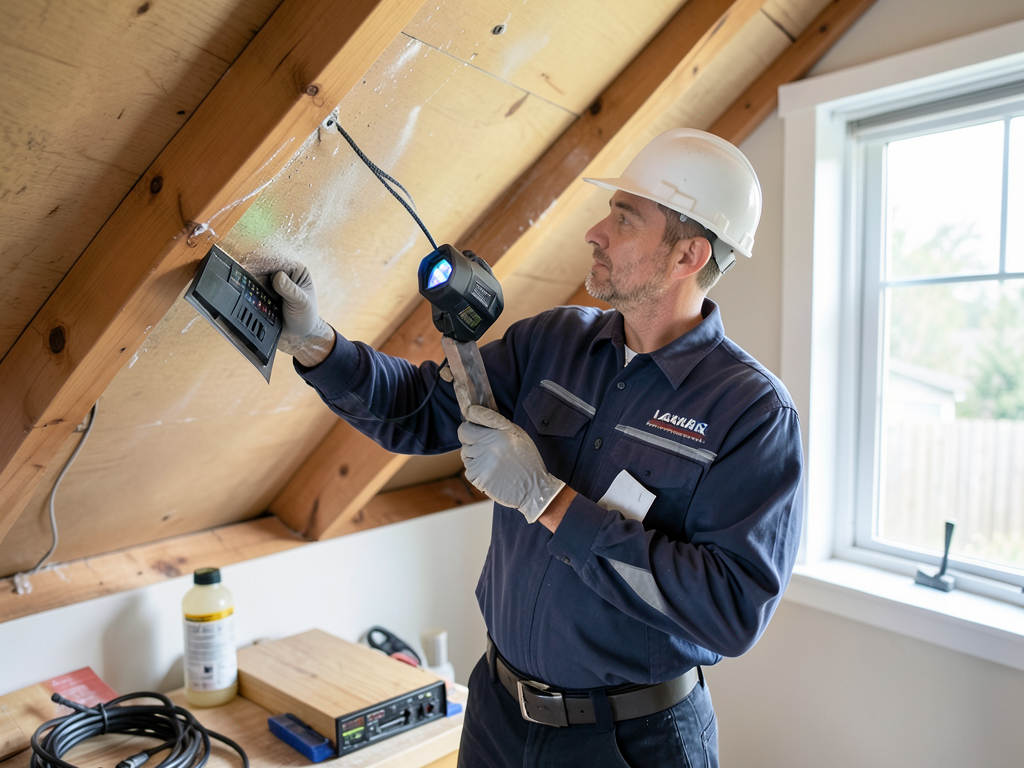
Buffalo's housing stock includes thousands of homes built between 1900 and 1950, before vapor barriers and modern moisture management practices existed. These older properties lack the building science features that prevent mold growth. Alpha Water Damage Restoration Buffalo has developed detection protocols specific to Buffalo's architectural styles, from the balloon-frame construction common in Allentown to the brick veneer colonials in Snyder. We know where to look for evidence of unseen mold based on how these buildings were constructed and how Buffalo's climate attacks them. Our familiarity with local building methods helps us find hidden contamination faster and more accurately than inspectors unfamiliar with the region's unique challenges.