menu

Sewage Backup Cleanup in Buffalo | 24/7 Emergency Response to Stop Contamination Fast

Alpha Water Damage Restoration Buffalo provides immediate sewage removal and raw sewage cleanup for residential and commercial properties across Erie County, with certified technicians on-site within hours to contain biohazard threats and restore safe conditions.

Slider Image 1
Slider Image 2
Slider Image 3
Slider Image 4
Slider Image 5
Slider Image 7
Slider Image 8
Slider Image 9
Slider Image 10
Slider Image 11

Why Sewage Backups Are a Critical Emergency in Buffalo Homes and Businesses

Buffalo's aging sewer infrastructure and freeze-thaw cycles create the perfect storm for sewage backups. When winter temperatures plunge below zero, lateral sewer lines freeze and crack. Spring snowmelt overwhelms the combined sewer overflow system, pushing raw sewage back through floor drains in basements across Elmwood Village, North Buffalo, and South Buffalo.

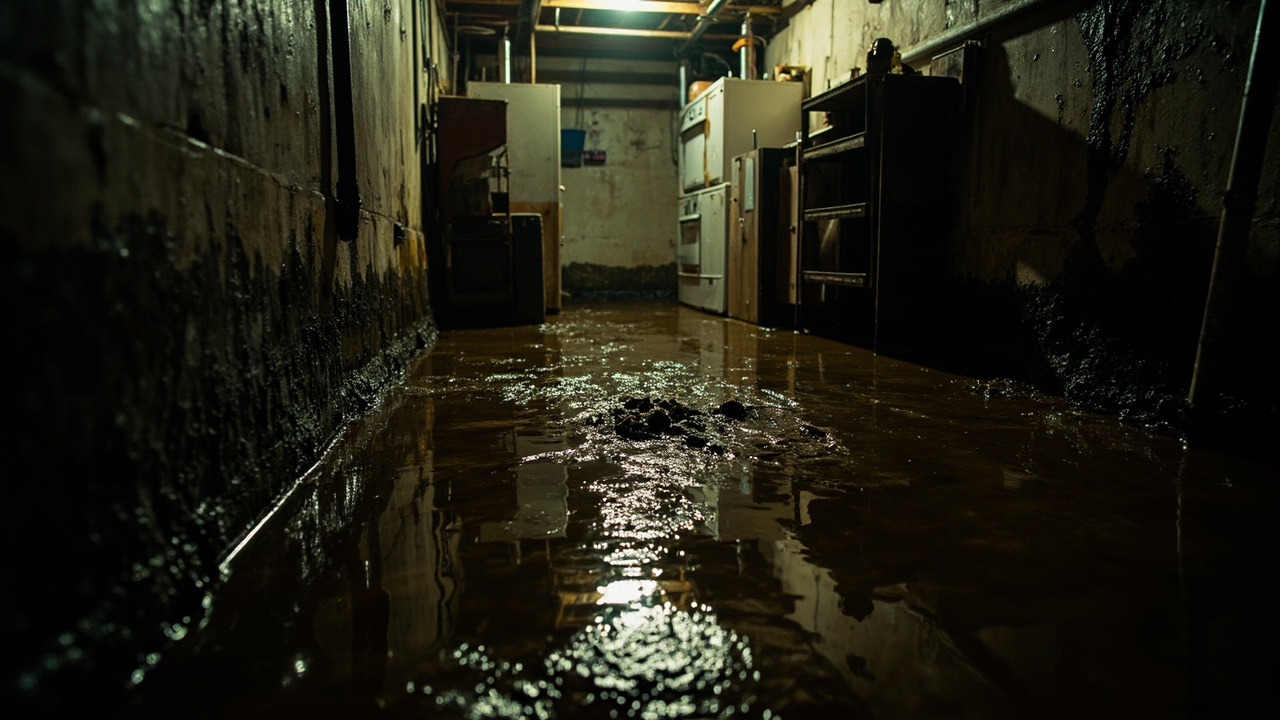
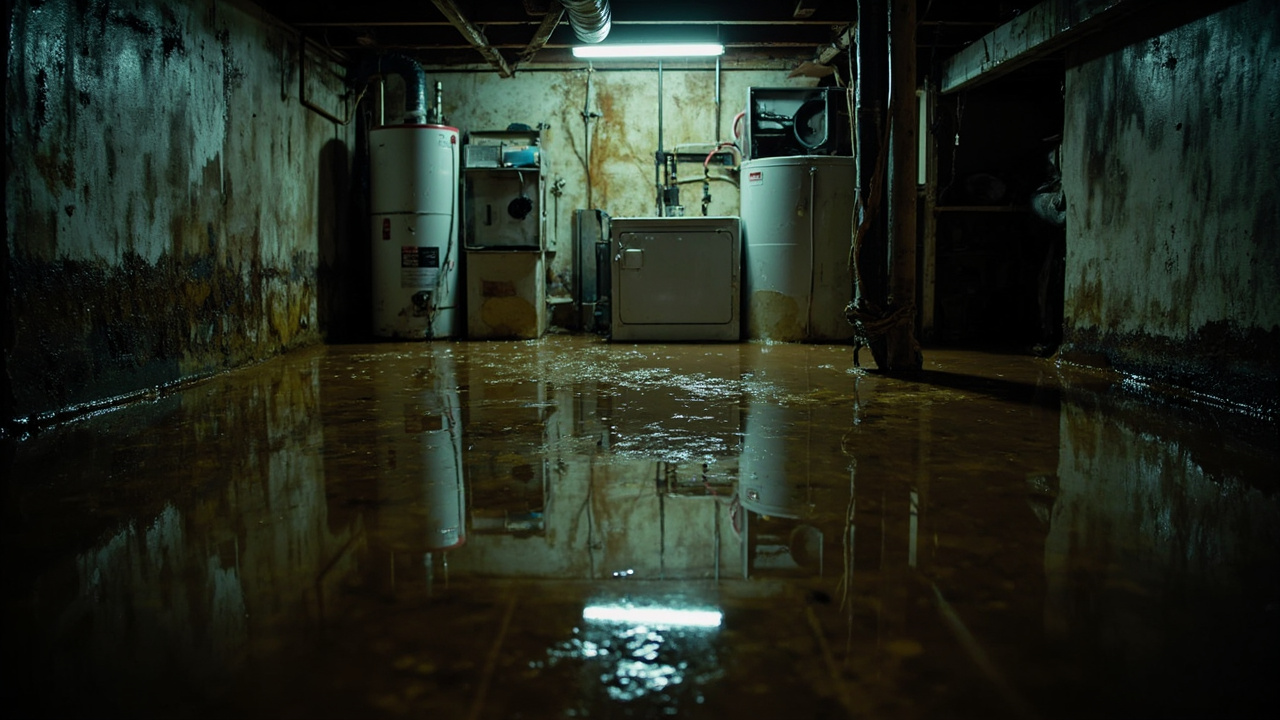
You smell it first. That unmistakable odor rising from your basement floor drain or toilet. Then you see it: dark, contaminated water pooling across your finished basement or commercial space. Raw sewage contains E. coli, hepatitis A, and other pathogens that pose immediate health risks. Every minute you wait increases contamination spread and structural damage.

Buffalo's clay-heavy soil compounds the problem. Poor drainage around foundation walls channels groundwater toward your property, and when the municipal sewer main backs up during heavy rain events, your home becomes the path of least resistance. Sewage remediation requires immediate action to prevent permanent damage to porous materials like drywall, insulation, and subflooring.

The risk escalates in older Buffalo neighborhoods where cast iron sewer lines corrode from the inside out. Tree root intrusion from mature elms and maples along Delaware Avenue and Richmond Avenue crush clay pipes, creating blockages that force sewage backward into your property. This is not a plumbing repair. This is a biohazard event requiring professional sewer backup cleaning protocols that most general contractors cannot legally perform.

Why Sewage Backups Are a Critical Emergency in Buffalo Homes and Businesses
Our Category 3 Water Extraction and Decontamination Protocol

Our Category 3 Water Extraction and Decontamination Protocol

Sewage backup cleanup follows Category 3 water damage protocols established by the Institute of Inspection, Cleaning and Restoration Certification. Category 3 water is grossly contaminated and requires containment, extraction, antimicrobial treatment, and disposal procedures that protect both occupants and our technicians.

We arrive with truck-mounted extraction units capable of removing hundreds of gallons per hour. Portable pumps handle standing water while weighted wands extract sewage from carpet padding and subflooring. We establish negative air pressure using air scrubbers with HEPA filtration to prevent airborne pathogens from spreading to unaffected areas.

After extraction, we remove porous materials that cannot be salvaged. Drywall soaked with raw sewage gets cut 12 inches above the visible water line because wicking draws contamination upward through capillary action. Carpet and padding exposed to sewage backup goes to designated biohazard disposal facilities. We do not bag it and leave it curbside.

Next comes antimicrobial application. We use EPA-registered disinfectants rated for sewage remediation, applied as a foam to ensure contact time on vertical surfaces. Concrete floors get pressure washed and treated with quaternary ammonium compounds. Wood framing receives antimicrobial penetrants that kill bacteria deep in the grain structure.

Our hydroxyl generators neutralize odor at the molecular level without leaving chemical residues. These units run continuously for 72 to 96 hours, breaking down volatile organic compounds released by bacterial decomposition. When we finish sewage damage restoration, your property passes third-party clearance testing for microbial contamination.

What Happens During Emergency Sewage Removal in Buffalo

Sewage Backup Cleanup in Buffalo | 24/7 Emergency Response to Stop Contamination Fast
01

Containment and Extraction

Our crew seals off contaminated areas using polyethylene sheeting and establishes negative air pressure to prevent cross-contamination. Truck-mounted extractors remove standing sewage while technicians document affected materials for insurance claims. We extract water from structural cavities using weighted wands designed for Category 3 contamination, ensuring no sewage remains trapped behind walls or under flooring.
02

Demolition and Disposal

All porous materials exposed to raw sewage get removed and disposed of according to New York State biohazard regulations. This includes carpet, padding, insulation, drywall, and compromised wood framing. We cut drywall above the contamination line and remove baseboards to expose wall cavities for inspection. Affected materials go into sealed bags for transport to approved disposal facilities, not your driveway.
03

Disinfection and Verification

After demolition, we apply EPA-registered antimicrobial treatments to all remaining surfaces, including concrete, studs, and subflooring. Our hydroxyl generators run for 72 to 96 hours to eliminate odors and neutralize airborne pathogens. Before reconstruction begins, we conduct ATP testing to verify microbial load reduction. You receive documentation proving your property meets safe occupancy standards for sewage damage restoration projects.

Why Buffalo Property Owners Choose Alpha Water Damage Restoration for Sewage Cleanup

Sewage backup cleaning requires specialized training, equipment, and disposal capabilities that general water damage companies do not possess. Our technicians hold IICRC certifications in Applied Structural Drying and Applied Microbial Remediation, the industry standards for Category 3 water damage restoration.

We understand Buffalo's municipal sewer system challenges. The combined sewer overflow design dating back to the 1800s means storm drains and sanitary sewers share the same pipes in much of the city. During spring runoff or summer thunderstorms, the system overloads and sewage backs up through basement floor drains in older neighborhoods like Allentown and the West Side. We have cleaned hundreds of these events and know exactly how to document the municipal failure component for your insurance claim.

Our equipment inventory includes truck-mounted extraction units, commercial-grade air scrubbers, hydroxyl generators, and negative air machines. We own this equipment outright, which means we respond immediately without waiting for rental availability. When you call at 2 a.m. because sewage is flooding your basement, we arrive with everything needed to stop the damage progression.

We also navigate the insurance claims process for sewage remediation. Most homeowner policies cover sudden and accidental sewer backups if you have the endorsement, but insurers scrutinize these claims carefully. We provide detailed photo documentation, moisture mapping, and material disposal receipts that satisfy adjuster requirements. Our estimates separate emergency mitigation costs from reconstruction costs, giving you clarity on what insurance covers versus what falls under your deductible.

Buffalo property owners need a restoration company that understands local building stock. We know how to work in century-old homes with stone foundations and tight basements. We respect historic properties while executing modern remediation protocols.

What to Expect When You Call Alpha Water Damage Restoration Buffalo

Emergency Response Time

We dispatch technicians within 60 to 90 minutes of your call, 24 hours a day, seven days a week. Our crew arrives with extraction equipment, personal protective gear, and containment supplies loaded and ready. During initial assessment, we identify the sewage source, measure the affected area, and begin extraction immediately to minimize contamination spread. You receive a preliminary scope of work and emergency service agreement before we start, so you understand what happens next. For commercial properties experiencing sewage backups during business hours, we prioritize containment to allow partial operations in unaffected areas while remediation continues.

Comprehensive Damage Assessment

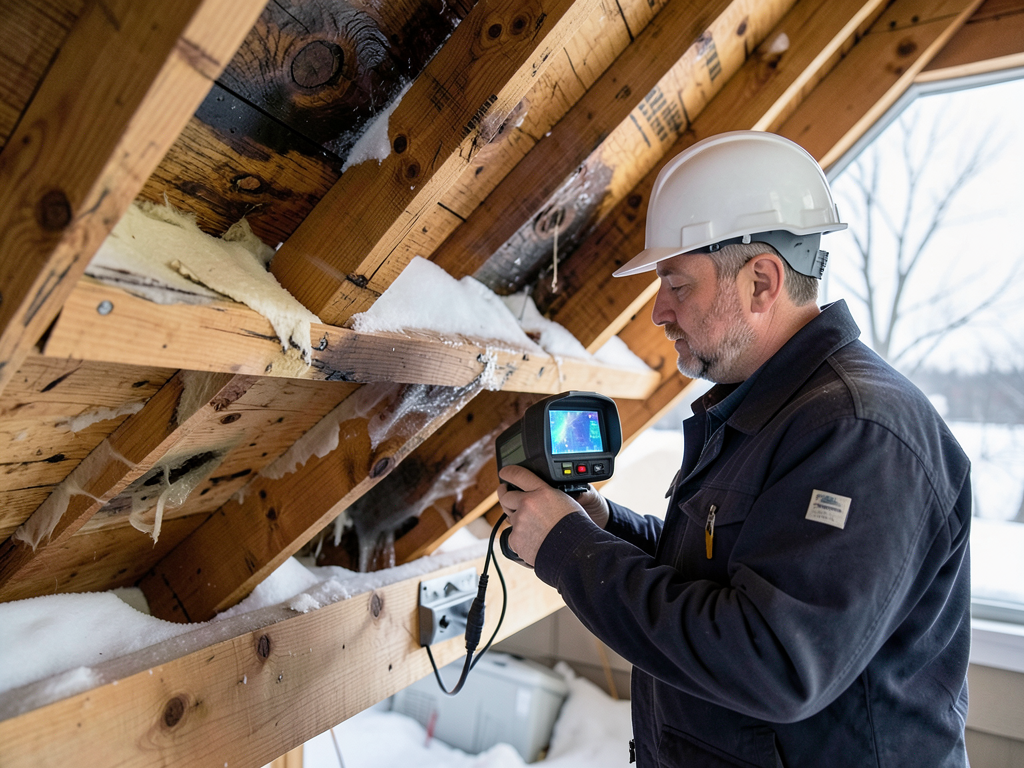
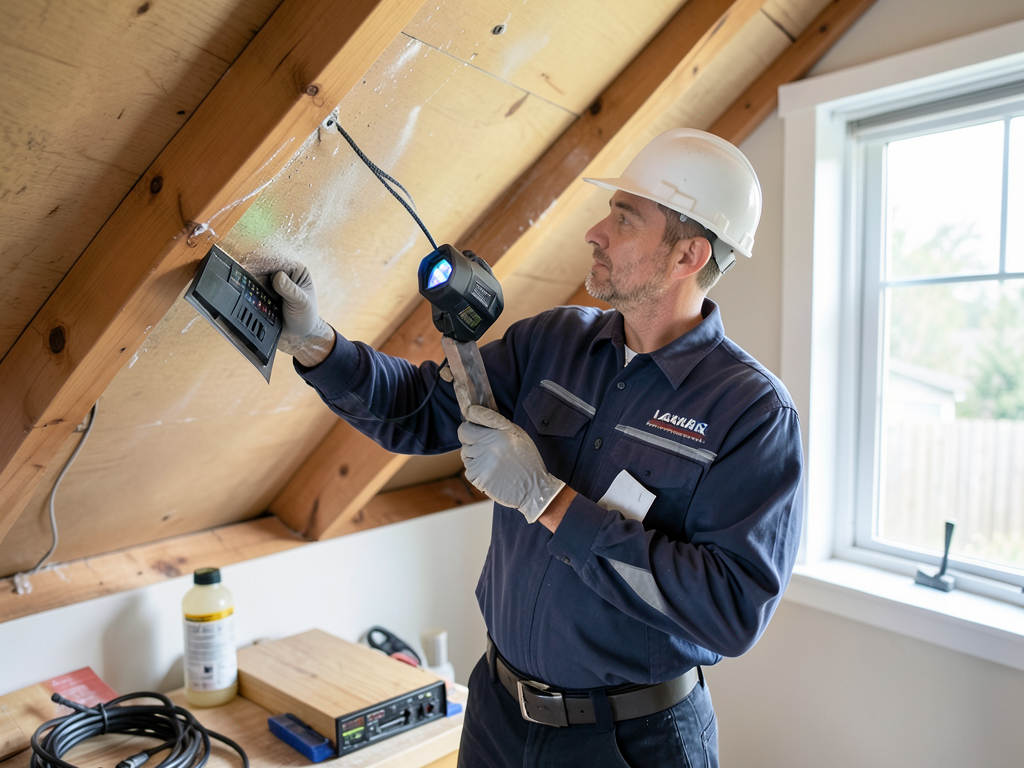
After extraction, our project manager conducts a room-by-room assessment using thermal imaging cameras and moisture meters to identify hidden saturation behind walls and under flooring. We document every affected material with photographs and detailed notes for your insurance claim. This assessment determines what can be salvaged versus what requires removal. For example, hardwood flooring may survive if we extract sewage quickly and the boards were properly sealed, but engineered flooring typically delaminates and requires replacement. You receive a written restoration plan outlining demolition scope, antimicrobial treatment protocols, and drying timelines before reconstruction begins.

Certified Decontamination Results

Our sewage remediation work follows IICRC S500 and S520 standards for water damage restoration and mold remediation. After antimicrobial treatment and drying, we conduct post-remediation verification using ATP surface testing to measure biological contamination levels. These tests provide objective evidence that surfaces are safe for reconstruction and reoccupancy. You receive a certificate of completion documenting that your property meets industry standards for sewage damage restoration. This documentation protects you during property sales and provides proof of professional remediation if future moisture issues arise. Our hydroxyl treatment eliminates odors at the molecular level, ensuring no lingering sewage smell remains after restoration.

Reconstruction and Prevention

Alpha Water Damage Restoration Buffalo handles the complete rebuild after sewage cleanup, from subflooring replacement to drywall finishing and painting. We use moisture-resistant materials in below-grade spaces prone to future water intrusion. During reconstruction, we recommend sewer backup prevention measures like overhead sewer installation, backwater valves, and sump pump systems with battery backup. These modifications reduce your risk of repeat incidents during Buffalo's heavy spring runoff season. Our reconstruction crew coordinates with local plumbers to address the underlying sewer line issues while we restore your interior spaces. You work with one company from emergency extraction through final walkthrough, streamlining communication and project timelines.

Frequently Asked Questions

You Have Questions,
We Have Answers

How to clean up after sewer back up? +

Do not attempt cleanup yourself. Sewage contains E. coli, hepatitis A, and parasites that pose serious health risks. Turn off electricity to affected areas. Evacuate people and pets. Call a certified water damage restoration company immediately. Professionals wear protective gear, extract contaminated water using truck-mounted pumps, remove porous materials like drywall and carpet, then disinfect all surfaces with EPA-approved antimicrobials. Buffalo's older sewer lines are prone to backups during spring thaw and heavy rain events. Professional cleanup typically takes 3-5 days depending on contamination level and affected square footage.

Is it safe to stay in a house with sewage backup? +

No. Evacuate immediately. Sewage backup releases airborne pathogens, methane gas, and hydrogen sulfide that cause respiratory distress, nausea, and infections. Children, elderly residents, and anyone with compromised immune systems face heightened risk. Even brief exposure can trigger gastrointestinal illness within hours. Buffalo's dense housing stock means contamination can spread through shared walls and HVAC systems in multi-family buildings. Do not return until certified professionals complete extraction, disinfection, and air quality testing. Staying in a contaminated space increases infection risk exponentially and delays insurance claim processing.

How much does sewage backup cleanup cost? +

Buffalo sewage cleanup typically ranges from several hundred to several thousand dollars depending on contamination category, affected square footage, and structural damage. Small bathroom backups cost less than basement floods. Category 3 water requires full demolition of porous materials, antimicrobial treatment, and potential mold remediation. Most homeowners insurance policies exclude sewer backup unless you purchased separate endorsement coverage. Buffalo's aging clay tile sewer laterals increase backup frequency. Get three written estimates. Legitimate companies provide detailed scope of work, never quote over the phone, and work directly with your insurance adjuster.

How to get rid of sewer smell after a backup? +

Professional deodorization is required because sewage odor indicates lingering bacteria. After water extraction and disinfection, technicians apply enzymatic cleaners that break down organic matter in porous surfaces. Buffalo's humid climate makes odor elimination harder because moisture gets trapped in subflooring and wall cavities. Hydroxyl generators or ozone machines neutralize airborne particles, but these require occupants to vacate temporarily. Avoid masking agents like air fresheners. They hide problems without eliminating contamination. If smell persists after professional treatment, hidden sewage may remain in crawlspaces, HVAC ducts, or behind walls requiring further investigation.

How long do sewage bacteria last on surfaces? +

Sewage bacteria survive weeks on hard surfaces and months in porous materials if not properly disinfected. E. coli remains viable up to 28 days. Salmonella persists for months in dried sewage residue. Buffalo's cold winters do not kill these pathogens. They enter dormancy and reactivate when temperatures rise. Simply wiping surfaces with household cleaners is inadequate. Professional cleanup requires hospital-grade disinfectants with specific contact times, usually 10-15 minutes of wet dwell time. Porous materials like drywall, insulation, and carpet padding cannot be disinfected and must be removed to eliminate bacterial reservoirs.

Can I clean my sewer line myself? +

No. Sewer line cleaning requires professional equipment and training. Buffalo's sewer laterals often contain decades of grease buildup, tree root intrusion from mature elms and maples, and deteriorating clay tiles common in pre-1960 homes. Licensed plumbers use motorized drain snakes and hydro-jetting systems that generate 3000-4000 PSI to clear blockages without damaging pipes. DIY chemical drain cleaners cause pipe corrosion and environmental harm when they reach Lake Erie tributaries. Attempting repairs yourself risks sewage exposure, property damage, and code violations. Buffalo requires permits for most sewer work.

Does homeowners insurance cover sewer back up? +

Standard homeowners insurance excludes sewer backup damage. You must purchase separate sewer backup endorsement coverage, typically costing 40-80 dollars annually for 5000-10000 dollars protection. This add-on covers water damage from clogged municipal lines, failed sump pumps, and overwhelmed systems during Buffalo's spring runoff events. Read your policy carefully. Some insurers exclude tree root damage or require regular maintenance documentation. File claims immediately. Take photos before cleanup starts. Buffalo's frequent freeze-thaw cycles and aging infrastructure make backup endorsements worthwhile for properties built before 1970 or those near Scajaquada Creek.

How long does it take to get sick from sewage exposure? +

Symptoms appear 1-10 days after sewage exposure depending on pathogen type and exposure route. E. coli causes symptoms within 3-4 days. Hepatitis A incubates 15-50 days. Contact with contaminated surfaces, inhaling aerosolized particles, or ingesting trace amounts all transmit illness. Buffalo residents should seek medical attention immediately after sewage contact, especially if they develop fever, diarrhea, vomiting, or respiratory distress. Tell healthcare providers about sewage exposure. Children under five and adults over 65 face higher complication rates. Even indirect contact through contaminated belongings poses infection risk requiring professional decontamination.

Who is responsible for blocked sewer drains? +

Responsibility splits at the property line. Homeowners own the sewer lateral from their foundation to where it connects with the municipal main, typically under the street or alley. Buffalo homeowners pay for blockages in their lateral caused by tree roots, grease buildup, or collapsed pipes. The Buffalo Sewer Authority handles main line issues. Problems get murky when tree roots from city parkways invade private laterals. Document blockage location with video inspection. Properties in Elmwood Village and Allentown with 100-year-old laterals face higher failure rates. Check if your street has combined sewers that backup during heavy rain.

Why is my sewer bill 200 dollars? +

This question confuses sewage backup cleanup with utility billing. Your sewer bill reflects water usage charges, not backup incidents. Buffalo Sewer Authority bills quarterly based on winter water consumption. High bills indicate leaks, running toilets, or increased household water use. Sewage backup cleanup is a separate emergency service addressing contaminated water intrusion into your property. It involves extraction, disinfection, and restoration work performed by certified water damage companies, not utility providers. If asking about cleanup costs, see the earlier answer about pricing factors. For billing disputes, contact Buffalo Sewer Authority directly at their Clinton Street office.

How Buffalo's Combined Sewer System Increases Sewage Backup Risk

Buffalo operates one of the oldest combined sewer systems in New York State, where sanitary sewage and stormwater share the same underground pipes across much of the city. During heavy rain or rapid snowmelt, the system exceeds capacity and sewage backs up through basement floor drains in neighborhoods built before 1950. The Buffalo Sewer Authority has documented hundreds of overflow events annually, particularly in the Lower West Side and South Buffalo where aging clay pipes deteriorate and tree roots create blockages. This infrastructure challenge makes professional sewage backup cleanup services essential for property owners in older Buffalo neighborhoods where municipal overflows are a recurring threat.

New York State requires sewage remediation contractors to follow strict disposal protocols for Category 3 water contamination. Materials exposed to raw sewage cannot be disposed of as regular construction waste. Alpha Water Damage Restoration Buffalo maintains relationships with licensed biohazard disposal facilities and follows Erie County Health Department guidelines for contaminated material transport. Our technicians complete annual bloodborne pathogen training and maintain current vaccinations required for sewage exposure work. When you hire us for sewer backup cleaning, you get a team that understands local regulations and protects you from liability issues associated with improper sewage waste disposal.

Water Damage Restoration Services in The Buffalo Area

Although we offer rapid mobile service across the entire Buffalo area and surrounding regions, we invite you to view our service area map to confirm our commitment to your community. We are always ready to deploy our expert teams directly to your residential or commercial property, ensuring the fastest possible response time when you need water damage restoration most, right where you are.

Address:
Alpha Water Damage Restoration Buffalo, 369 Washington St, Buffalo, NY, 14203

Additional Services We Offer

Our news updates

Latest Articles & News from The Blogs

The importance of microbial swabbing after a sewer backup in your Lackawanna basement When sewage backs up into your Lackawanna…

The importance of microbial swabbing after a sewer backup in your Lackawanna basement

The importance of microbial swabbing after a sewer backup in your Lackawanna basement When sewage backs up into your Lackawanna…

Simple ways to prevent your pipes from freezing in an unheated North Buffalo crawlspace

Simple ways to prevent your pipes from freezing in an unheated North Buffalo crawlspace Buffalo’s brutal winters and lake-effect snow…

Keeping your kids and pets safe during a home restoration project in Kenmore

Keeping your kids and pets safe during a home restoration project in Kenmore\n\nHome restoration after water damage creates unique safety…

Contact Us

Sewage contamination spreads quickly and poses serious health risks. Alpha Water Damage Restoration Buffalo responds 24/7 with certified technicians and professional-grade extraction equipment. Call (716) 317-7717 now for immediate dispatch. Every minute counts when raw sewage threatens your property.