menu

Emergency Sewage Cleanup in Buffalo – Rapid Response Teams Arrive Within 60 Minutes

When raw sewage floods your property, every minute counts. Our 24 hour sewage extraction crews dispatch immediately across Buffalo, containing contamination and stopping structural damage before it spreads through your home or business.

Slider Image 1
Slider Image 2
Slider Image 3
Slider Image 4
Slider Image 5
Slider Image 7
Slider Image 8
Slider Image 9
Slider Image 10
Slider Image 11

Why Sewage Backups Hit Buffalo Properties So Hard

Sewage backups don't announce themselves politely. One moment your toilet or floor drain is working fine. The next, black water is surging into your basement, bathroom, or commercial space.

Buffalo's aging sewer infrastructure compounds this threat. Many neighborhoods still rely on combined sewer systems built before 1950. When spring snowmelt or heavy rain overwhelms these systems, raw sewage has nowhere to go except back into your property through floor drains and lower-level fixtures.

The freeze-thaw cycles we experience between November and March create another vector for sewage disasters. Shifting ground cracks lateral lines. Tree roots, drawn to the moisture in these cracks, penetrate and block pipes. When temperatures drop, any standing water in compromised pipes freezes and expands, splitting joints and creating catastrophic failure points.

You face a triple threat: contamination, structural damage, and time pressure. Category 3 water, the technical term for sewage, contains viruses, bacteria, and parasites. Porous materials like drywall and insulation absorb this water within minutes. Wood framing begins swelling and warping within hours. The longer contaminated water sits, the deeper it penetrates and the more you lose.

Emergency sewage removal demands immediate action. This is not a situation where you wait until morning or call your regular plumber. Raw sewage remediation requires specialized extraction equipment, antimicrobial treatments, and containment protocols that most service providers simply don't have on their trucks. You need a sewage backup cleanup team that understands both the health hazards and the structural vulnerabilities of Buffalo homes.

Why Sewage Backups Hit Buffalo Properties So Hard
How Professional Sewage Extraction Actually Works

How Professional Sewage Extraction Actually Works

Most property owners have never seen professional urgent sewer water cleanup in action. The process is more complex and more critical than pumping out water and mopping floors.

We arrive with truck-mounted extraction units capable of removing hundreds of gallons per minute. These aren't shop vacs. These are hydraulic systems that pull contaminated water through reinforced hoses directly into containment tanks. The goal is complete removal of all free-standing sewage before any cleaning begins.

Next comes solids removal. Sewage backups carry toilet paper, waste, and debris that clog standard equipment. We use specialized rakes and shovels dedicated solely to contaminated material extraction. Everything gets double-bagged in biohazard-rated containers for proper disposal according to Erie County regulations.

After extraction, we perform antimicrobial application using EPA-registered disinfectants rated for Category 3 water. These treatments are applied as fogs and direct surface sprays to kill pathogens on every exposed surface. This is not bleach from a spray bottle. These are hospital-grade compounds that eliminate E. coli, hepatitis A, and other sewage-borne threats.

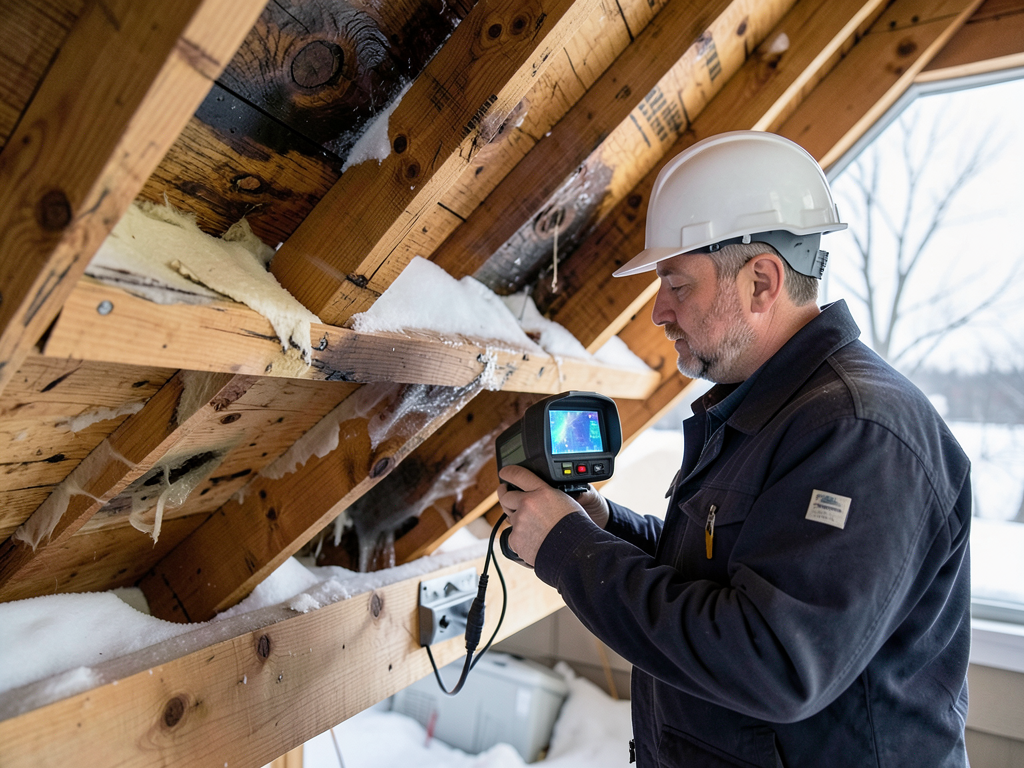
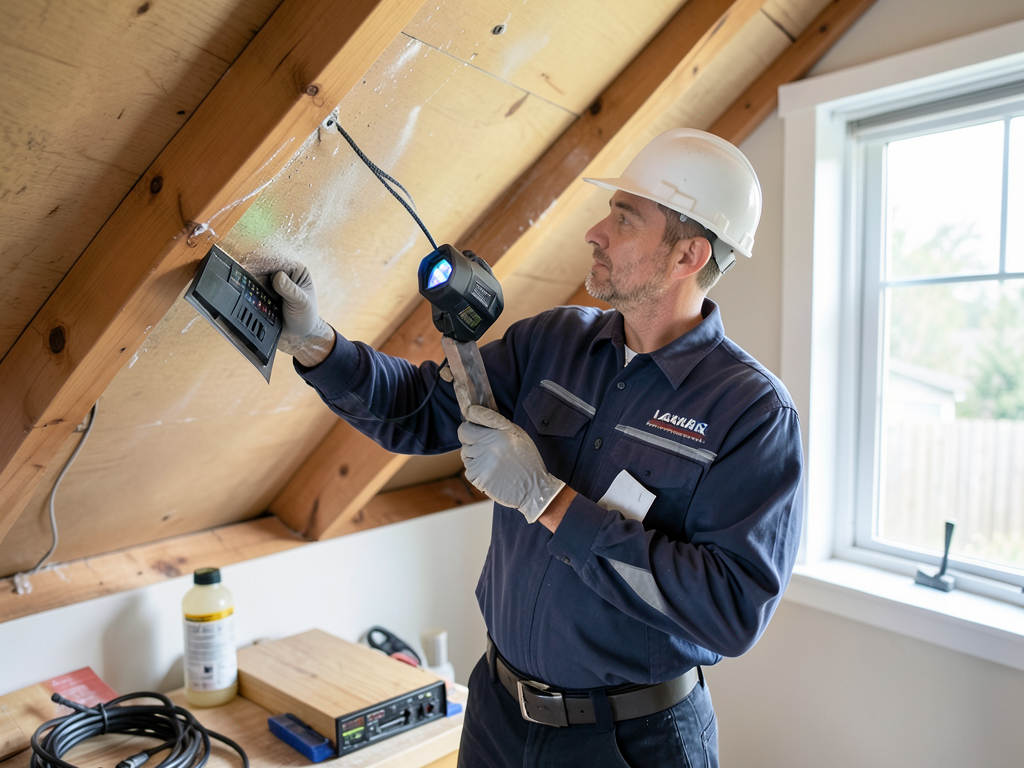
The hidden damage requires the most expertise. We use moisture meters and thermal cameras to track contamination inside wall cavities, under flooring, and within structural components. Any porous material that contacted sewage gets removed. This includes baseboards, drywall below the waterline, carpet, padding, and insulation. These materials cannot be saved. Attempting to clean them leaves contamination and guarantees mold growth within 48 hours.

Air scrubbers with HEPA filtration run continuously during the entire 24 hour sewage extraction process, capturing airborne particles and controlling odor. This equipment cycles the air through the affected space, removing contaminants and preventing cross-contamination to unaffected areas.

What Happens During Your Emergency Response

Emergency Sewage Cleanup in Buffalo – Rapid Response Teams Arrive Within 60 Minutes
01

Immediate Containment and Assessment

Our crew isolates the affected area using physical barriers and negative air pressure to prevent sewage contamination from spreading. We identify the source, whether it's a backed-up floor drain, toilet overflow, or failed ejector pump. We document everything with photos and moisture readings for your insurance claim while simultaneously beginning water extraction. This dual-track approach saves you days on your claim timeline.
02

Complete Extraction and Disinfection

Truck-mounted pumps remove all standing sewage and contaminated water. We then remove unsalvageable materials like soaked drywall, padding, and insulation. Every remaining surface receives EPA-registered antimicrobial treatment. We use injection systems to treat wall cavities and subfloor areas where contamination hides. Air scrubbers and dehumidifiers begin the drying process immediately. This phase takes 4 to 8 hours depending on the affected area size.
03

Drying and Final Verification

Industrial dehumidifiers and air movers run for 3 to 5 days until moisture meters confirm all materials have returned to normal levels. We take final moisture readings in multiple locations and provide you with a documented clearance report. This report proves to your insurance company that the emergency sewage removal was completed properly and that your property is safe for reconstruction. Without this documentation, you may face claim disputes later.

Why Buffalo Properties Need Local Sewage Cleanup Experts

Sewage emergencies reveal which companies actually know what they're doing. You'll find plenty of carpet cleaners and handymen who claim they can handle raw sewage remediation. They can't.

Proper sewage backup cleanup requires specialized equipment that costs more than most service vans. Our trucks carry dedicated Category 3 extraction units that never touch clean water jobs. Cross-contamination between equipment is how companies spread pathogens instead of eliminating them.

We understand Buffalo's building stock. The North Buffalo and West Side neighborhoods contain thousands of homes built between 1900 and 1940. These properties have basement floor drains that connect directly to combined sewers. When the system backs up, sewage enters through these drains first. We know to check crawl spaces, check mechanical chases, and check floor joist cavities in these older homes because we've worked in them hundreds of times.

Our technicians hold IICRC certifications in water damage restoration and applied microbial remediation. This training covers pathogen identification, containment protocols, and proper disposal procedures. We follow OSHA regulations for bloodborne pathogens because sewage often contains blood and other biological hazards.

We work directly with Erie County Department of Health regulations and disposal requirements. Sewage waste cannot go in regular dumpsters. It requires manifested disposal at approved facilities. We handle all documentation and ensure compliance so you don't face fines or violations.

Insurance companies recognize the difference between legitimate emergency sewage extraction and inadequate cleanup attempts. We provide the documentation, detailed estimates, and moisture mapping that adjusters need to approve claims quickly. Our reports include thermal images, moisture logs, and material removal inventories that prove the scope of work was necessary and appropriate.

What You Can Expect from Our Response Team

Response Time and Availability

We dispatch crews 24 hours a day, 365 days a year. When you call our emergency line, you reach a trained dispatcher who immediately sends the nearest available team. Most Buffalo locations receive response within 60 minutes. Our crews arrive with full extraction and containment equipment already loaded. There is no waiting for equipment rental or supply runs. We understand that sewage sitting in your property for 4 or 6 hours while a company scrambles to find equipment is unacceptable. Time directly correlates to damage severity and health risk in sewage situations.

Initial Assessment and Documentation

The first crew member on site performs a safety assessment before any work begins. We identify electrical hazards, structural concerns, and contamination extent. We document affected areas with photos and detailed notes for your insurance claim. We provide you with a written scope of work that outlines exactly what needs to happen, what materials require removal, and what the drying timeline looks like. This assessment typically takes 20 to 30 minutes. You receive a copy immediately so you can contact your insurance company with specific information rather than vague descriptions.

Cleanup Results and Safety Standards

We don't consider a job complete until moisture readings confirm all affected materials are dry and all contaminated materials are removed. You receive a final report with before and after photos, moisture logs, and clearance documentation. We explain what was removed, why it was necessary, and what comes next in the reconstruction process. Your property will be safe, dry, and ready for rebuilding. The odor will be gone. The health hazard will be eliminated. You'll have the documentation you need to move forward confidently with repairs.

Insurance Coordination and Claims Support

We communicate directly with your insurance adjuster and provide detailed estimates using Xactimate, the industry standard software. Our estimates include line-item pricing for extraction, antimicrobial treatment, material removal, and drying equipment. We include photos, moisture maps, and technical justification for every charge. This level of documentation prevents disputes and speeds approval. We've worked with every major insurance carrier operating in Buffalo. We know what they require and how to present information that gets claims approved on the first submission.

Frequently Asked Questions

You Have Questions,
We Have Answers

What is considered a sewer emergency? +

A sewer emergency is any situation where raw sewage backs up into your home or property. This includes toilets overflowing with waste, sewage coming up through drains, or visible contamination in your basement or living areas. In Buffalo, freeze-thaw cycles and aging infrastructure often cause sudden pipe bursts or main line blockages. Category 3 water (blackwater) contains harmful bacteria, viruses, and pathogens. If you see or smell sewage, evacuate the area and call a professional immediately. Do not attempt cleanup yourself. Every minute counts to prevent structural damage and serious health risks.

How much does sewage backup cleanup cost? +

Sewage cleanup costs vary based on contamination severity, affected area size, and structural damage. A small bathroom backup may start at a few hundred dollars, while a flooded basement can reach several thousand. Cost factors include water extraction, antimicrobial treatment, disposal of contaminated materials, drying equipment, and reconstruction. Buffalo homes with older clay tile sewer lines or combined sewer systems face higher risks during heavy rain or snowmelt. Get a free assessment before work begins. Many restoration companies work directly with your insurance carrier to streamline claims and reduce out-of-pocket costs.

Does insurance cover sewage cleanup? +

Standard homeowner policies typically exclude sewer backup damage unless you purchased a separate sewer backup endorsement. This rider covers cleanup, repairs, and damaged belongings when sewage enters your home through drains or toilets. In Buffalo, where spring thaws and heavy storms stress aging sewer systems, this coverage is critical. Review your policy immediately. If you have the endorsement, document everything with photos, save all receipts, and contact your insurer within 24 hours. Professional restoration companies handle insurance paperwork and communicate directly with adjusters to expedite your claim and maximize coverage.

Is sewage backup an emergency? +

Yes. Sewage backup is a true emergency requiring immediate action. Raw sewage contains E. coli, hepatitis, salmonella, and other dangerous pathogens that spread disease through contact or airborne particles. In Buffalo homes, contaminated water can seep into porous materials like drywall, insulation, and flooring within hours, causing permanent damage and mold growth. The longer sewage sits, the more it costs to repair and the greater the health risk to your family. Turn off electricity to affected areas, evacuate, and call a licensed restoration specialist immediately. Do not wait. Professional crews arrive fast with proper PPE and containment equipment.

How Buffalo's Combined Sewer System Creates Sewage Backup Emergencies

Buffalo operates one of the largest combined sewer systems in New York State, serving over 250,000 residents through infrastructure originally built in the late 1800s. These systems combine sanitary sewage and stormwater in the same pipes. When spring snowmelt or heavy rain exceeds system capacity, raw sewage backs up through floor drains and basement fixtures. The Lower West Side, North Buffalo, and parts of South Buffalo face the highest risk because these areas have the oldest combined sewer infrastructure and the least separation between storm and sanitary systems. Understanding this system design is critical for effective emergency sewage removal because the backup source isn't a clogged pipe in your house but an overwhelmed municipal system.

Alpha Water Damage Restoration Buffalo has worked with local plumbers, the Buffalo Sewer Authority, and Erie County Health Department on hundreds of sewage emergencies throughout the metro area. We understand which neighborhoods face chronic backup problems during specific weather events. We know that older homes near Scajaquada Creek and Cazenovia Creek experience basement flooding during rapid thaw periods. We maintain relationships with local reconstruction contractors who understand Buffalo building codes and can begin repairs immediately after we complete urgent sewer water cleanup. This local knowledge and these relationships mean faster response, better coordination, and less total downtime for your property.

Water Damage Restoration Services in The Buffalo Area

Although we offer rapid mobile service across the entire Buffalo area and surrounding regions, we invite you to view our service area map to confirm our commitment to your community. We are always ready to deploy our expert teams directly to your residential or commercial property, ensuring the fastest possible response time when you need water damage restoration most, right where you are.

Address:
Alpha Water Damage Restoration Buffalo, 369 Washington St, Buffalo, NY, 14203

Additional Services We Offer

Our news updates

Latest Articles & News from The Blogs

The importance of microbial swabbing after a sewer backup in your Lackawanna basement When sewage backs up into your Lackawanna…

The importance of microbial swabbing after a sewer backup in your Lackawanna basement

The importance of microbial swabbing after a sewer backup in your Lackawanna basement When sewage backs up into your Lackawanna…

Simple ways to prevent your pipes from freezing in an unheated North Buffalo crawlspace

Simple ways to prevent your pipes from freezing in an unheated North Buffalo crawlspace Buffalo’s brutal winters and lake-effect snow…

Keeping your kids and pets safe during a home restoration project in Kenmore

Keeping your kids and pets safe during a home restoration project in Kenmore\n\nHome restoration after water damage creates unique safety…

Contact Us

Don't wait another minute with sewage in your property. Call Alpha Water Damage Restoration Buffalo at (716) 317-7717 for immediate dispatch. Our crews are ready 24 hours a day with the equipment and expertise to handle your emergency safely and completely.