menu

Emergency Mold Containment in Buffalo – 24/7 Rapid Response Teams Onsite Within 60 Minutes

When mold threatens your property, every minute counts. Alpha Water Damage Restoration Buffalo deploys certified emergency mold containment specialists around the clock to isolate contamination, protect occupants, and prevent spread before the problem escalates.

Slider Image 1
Slider Image 2
Slider Image 3
Slider Image 4
Slider Image 5
Slider Image 7
Slider Image 8
Slider Image 9
Slider Image 10
Slider Image 11

Why Buffalo Properties Face Urgent Mold Threats Year-Round

Buffalo's climate creates a perfect storm for explosive mold growth. Lake effect snow dumps moisture into attics and crawl spaces. Spring thaw cycles push water through foundation cracks. Summer humidity above 60 percent turns basements into incubators. When temperatures swing 40 degrees in 24 hours, condensation forms inside walls where you cannot see it.

Mold does not wait for business hours. A burst pipe at 2 AM becomes a contaminated living room by sunrise. A roof leak during a December blizzard turns into black mold behind drywall before the snow melts. Delayed response means spores spread through your HVAC system, contaminating every room in your home or business.

You need immediate mold mitigation the moment you spot discoloration, smell musty odors, or discover water intrusion. Rapid mold containment services stop spores from colonizing new areas. Emergency mold abatement removes health risks before respiratory symptoms start. Urgent mold isolation protects unaffected zones while technicians address the source.

Buffalo's older housing stock compounds the problem. Homes built before 1950 lack vapor barriers. Historic districts near Elmwood Village and Allentown have plaster walls that trap moisture. Commercial buildings downtown have outdated HVAC systems that recirculate contaminated air. When mold takes hold in these structures, you need 24/7 mold damage containment from professionals who understand how Buffalo buildings behave.

The window for effective containment is 24 to 48 hours. After that, mold becomes entrenched. Your property value drops. Your insurance claim gets complicated. Your family's health is at risk.

Why Buffalo Properties Face Urgent Mold Threats Year-Round
Our Proven Emergency Containment Protocol

Our Proven Emergency Containment Protocol

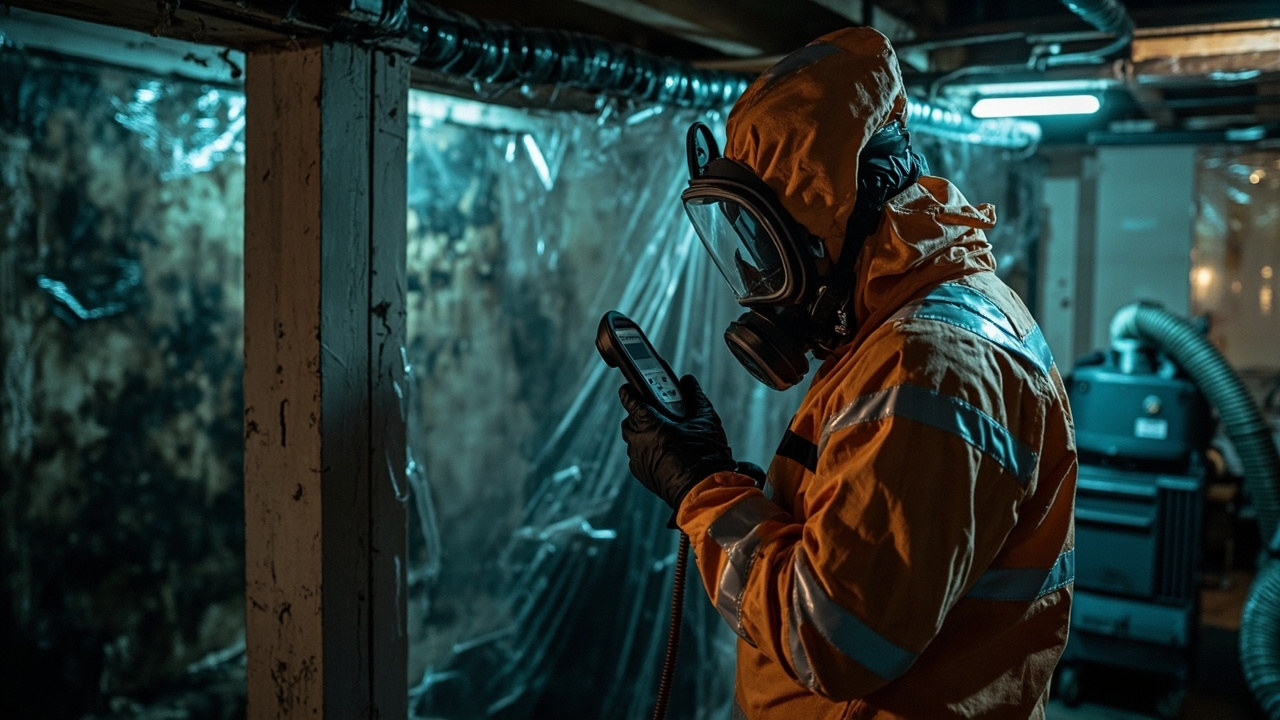
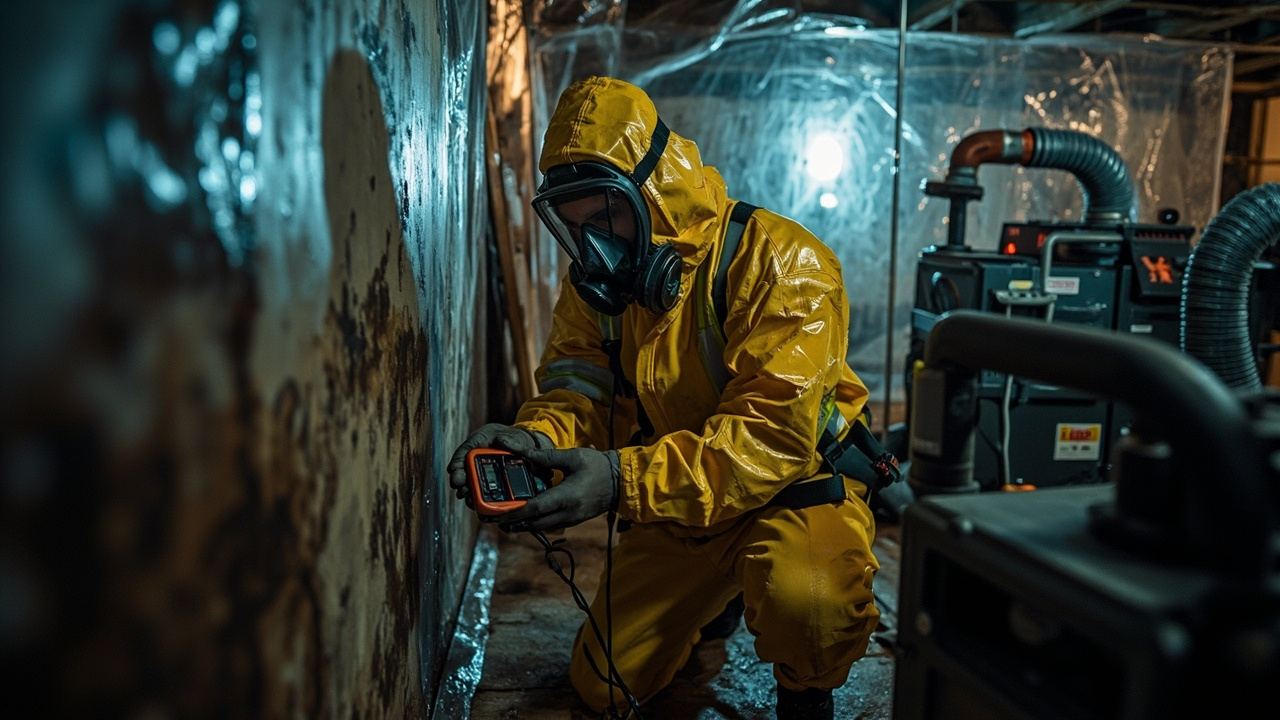
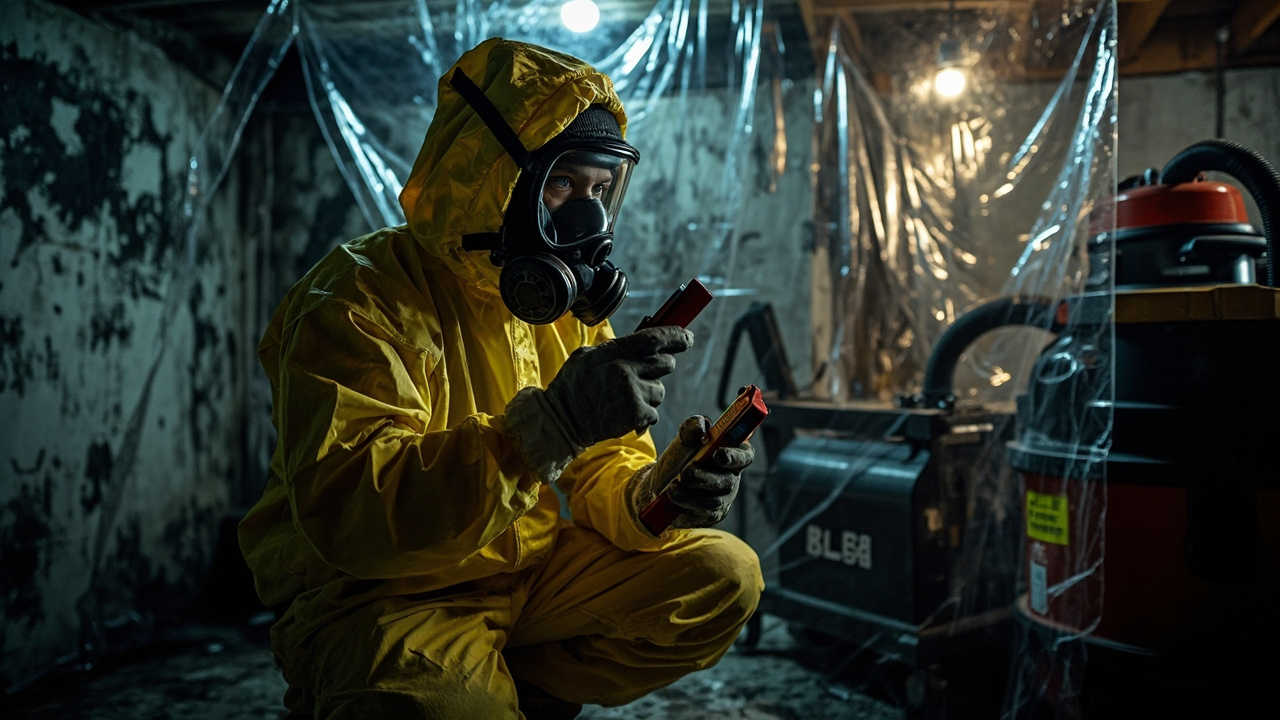
Alpha Water Damage Restoration Buffalo uses negative air pressure chambers to create physical barriers between contaminated and clean zones. We seal affected areas with 6-mil polyethylene sheeting, establishing airlocks at entry points. HEPA filtration units create negative pressure differentials that pull air inward, preventing spore migration during abatement.

Our technicians wear full PPE including N95 respirators, Tyvek suits, and nitrile gloves. We treat this like a biohazard response because mold is a biohazard. Stachybotrys chartarum, the black mold common in Buffalo water damage scenarios, produces mycotoxins that cause neurological symptoms. Aspergillus and Penicillium species trigger asthma attacks and allergic reactions. Proper containment protects you and your family during the removal process.

We do not start tearing out materials until containment is complete. Disturbing mold without proper isolation sends millions of spores airborne. Those spores settle on furniture, infiltrate ductwork, and embed in carpets. You end up with a bigger problem than you started with.

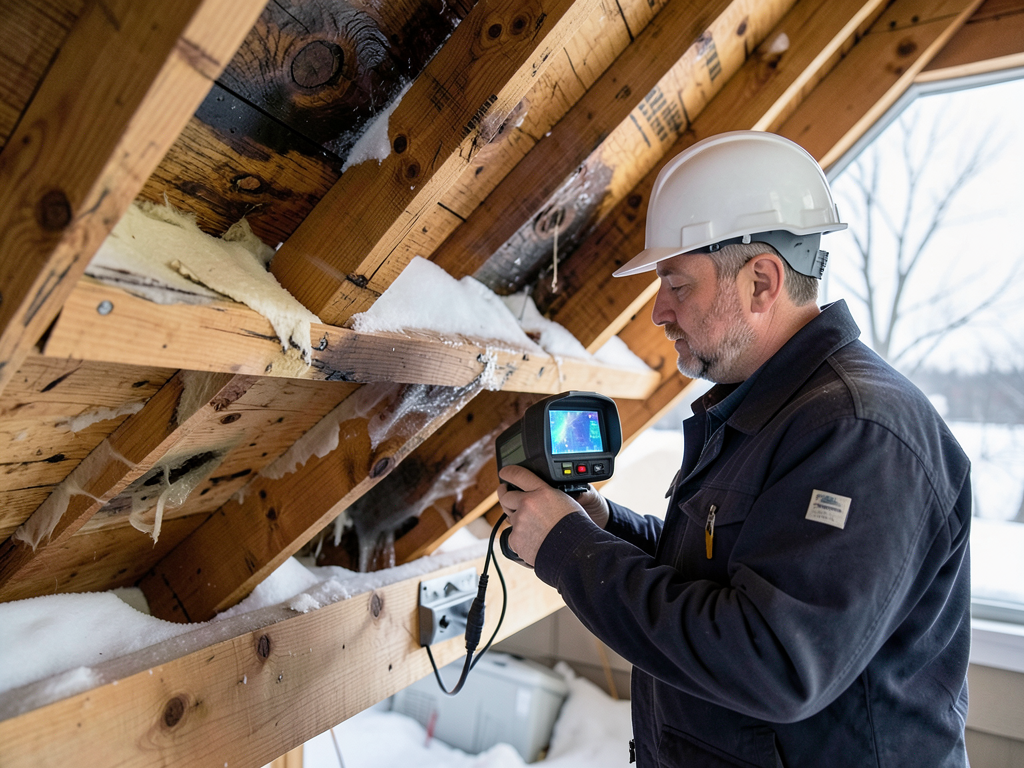
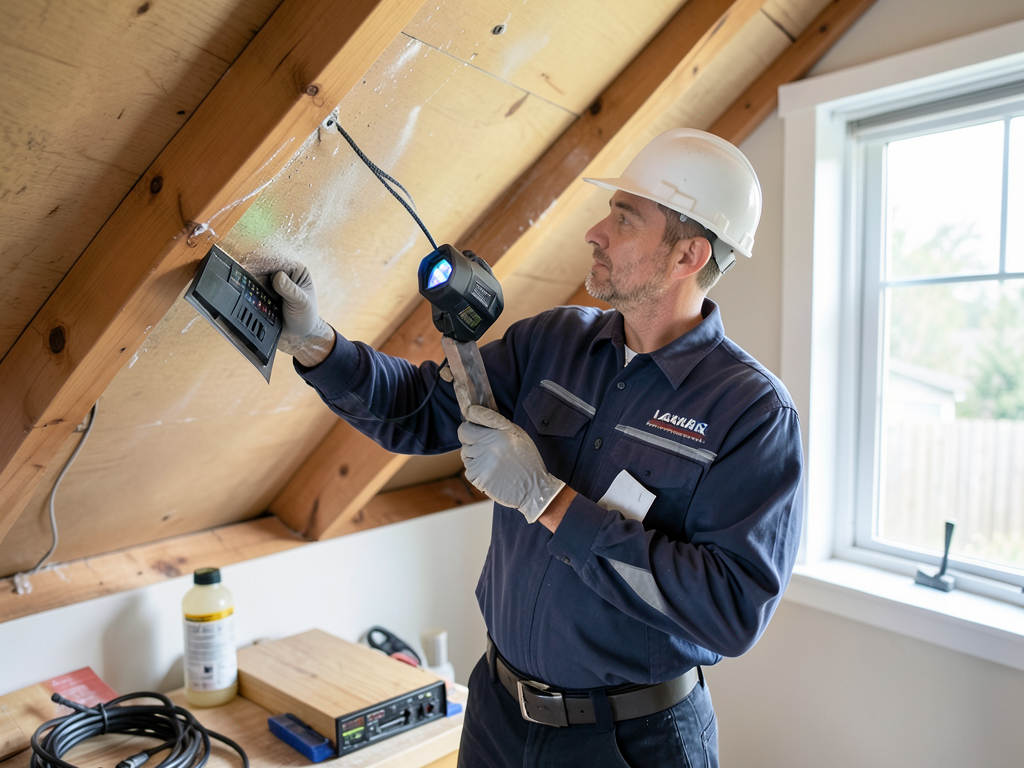
Our moisture mapping identifies hidden water sources feeding the colony. Thermal imaging cameras detect temperature differentials behind walls. Moisture meters measure water content in framing lumber and subfloors. We track down every leak, every condensation point, every humidity source. Containment fails if the water source remains active.

Documentation starts immediately. We photograph conditions before containment. We log humidity readings and temperature data. We map affected areas on floor plans. This creates the evidence trail your insurance company requires. It also establishes baseline conditions so you can verify successful remediation when we finish.

Air scrubbing begins while containment is active. We run commercial-grade HEPA units that cycle room air 15 times per hour. This captures airborne spores before they settle. We monitor particle counts with laser particle counters, verifying air quality drops to acceptable levels before we release containment.

What Happens When You Call for Emergency Containment

Emergency Mold Containment in Buffalo – 24/7 Rapid Response Teams Onsite Within 60 Minutes
01

Immediate Dispatch and Assessment

Your call triggers immediate dispatcher response. We gather critical information: location, water source, visible mold extent, occupant symptoms. Our nearest team mobilizes with containment equipment within 15 minutes. Technicians arrive with moisture meters, thermal cameras, and air quality monitors. They assess contamination spread, identify water sources, and determine containment scope. You receive a verbal action plan before any work begins. This first hour determines whether we contain one room or evacuate an entire floor.
02

Containment Barrier Installation

Technicians seal the contaminated zone with floor-to-ceiling polyethylene barriers. We tape seams with professional-grade adhesive that bonds to painted surfaces, wallpaper, and unpainted drywall. Airlock vestibules prevent cross-contamination when workers enter and exit. Negative air machines create pressure differentials, pulling air inward through HEPA filters. We verify containment integrity with smoke tests before disturbing any mold growth. This phase prevents spore spread to clean areas while abatement proceeds. Proper containment means you can occupy unaffected parts of your property safely.
03

Ongoing Monitoring and Adjustment

Containment is not static. We monitor pressure differentials every two hours. We check barrier integrity after material removal. We adjust HEPA unit positioning as work progresses. Air quality testing verifies spore counts remain below 500 counts per cubic meter in adjacent rooms. We maintain containment until post-remediation verification testing confirms clearance. Only then do we remove barriers and release the space. This vigilance prevents recontamination and ensures your property is genuinely safe when we leave. Your clearance report documents spore counts and moisture levels.

Why Buffalo Property Owners Trust Our Emergency Response

Buffalo's building characteristics demand local expertise. We know how balloon framing in century-old homes allows mold to travel vertically through wall cavities. We understand how Lake Erie humidity affects basement moisture levels differently in North Buffalo versus South Buffalo. We recognize when galvanized plumbing common in 1940s construction has finally corroded through, causing the slow leak that fed your mold problem.

Our technicians train on Buffalo-specific scenarios. We have contained mold in Allentown Victorians with horsehair plaster walls. We have handled emergency mitigation in Delaware Avenue commercial buildings with terra cotta floor systems. We have isolated contamination in Kenmore ranch homes with slab-on-grade foundations. This experience means we anticipate complications before they arise.

We maintain relationships with local industrial hygienists who perform independent clearance testing. We work with Buffalo insurance adjusters daily, speaking their documentation language. We coordinate with city building inspectors when permits are required for structural repairs. This network speeds your recovery and simplifies the claims process.

Our equipment inventory supports simultaneous emergency responses. We stock 40 HEPA air scrubbers, 60 industrial dehumidifiers, and enough polyethylene sheeting to contain 30,000 square feet. When multiple water main breaks flood North Buffalo during a cold snap, we have capacity to respond to your emergency without delay. Smaller operations run out of equipment and put you on a waiting list while mold spreads.

We answer calls 24/7/365 because mold emergencies do not respect business hours. A technician answers your call, not an answering service. We dispatch from Buffalo, not a national call center routing your emergency to the lowest bidder. You get local professionals who arrive fast and know exactly what Buffalo properties need.

What to Expect During Emergency Containment

Response Time and Availability

We guarantee technician arrival within 60 minutes for Buffalo city properties. Suburban response times run 90 minutes maximum. Our dispatch system tracks technician locations in real time, sending the closest team to your emergency. We operate three trucks during peak hours, two overnight. You receive dispatcher contact information and estimated arrival time within five minutes of your call. Weekend and holiday response carries no surcharge. Emergency containment cannot wait for Monday morning, and we price accordingly. You pay for expertise and speed, not artificial urgency fees.

Initial Assessment and Scope Determination

Technicians perform visual inspection, thermal imaging, and moisture mapping during the first site visit. We identify all water sources, measure relative humidity, and document visible mold growth. We explain what containment entails: affected rooms, equipment required, estimated duration. You receive a written scope of work and cost estimate before we install barriers. We clarify what insurance typically covers and what may require out-of-pocket payment. This transparency eliminates surprise charges. Assessment takes 45 to 90 minutes depending on property size. We start containment immediately after you approve the scope.

Containment Quality and Air Safety

We achieve and maintain negative pressure differentials of 5 to 10 pascals in containment zones. HEPA filtration removes 99.97 percent of particles 0.3 microns or larger, capturing mold spores that range from 2 to 20 microns. We verify air quality in adjacent living spaces every four hours using laser particle counters. You receive daily updates on containment integrity and air quality readings. We do not compromise barrier quality to save time. Proper containment takes longer but prevents the cross-contamination that turns a one-room problem into a whole-house disaster.

Post-Containment Verification and Documentation

We require third-party clearance testing before we release containment. Independent industrial hygienists collect air samples from remediated areas and compare spore counts to outdoor baseline samples. Clearance standards require indoor counts below outdoor ambient levels, typically under 1000 spores per cubic meter. We provide complete photo documentation, moisture logs, air quality data, and clearance reports. This package satisfies insurance requirements and proves your property is safe. We do not consider the job complete until you have written verification that contamination is eliminated. Your clearance report is your proof.

Frequently Asked Questions

You Have Questions,
We Have Answers

What is the proper containment for mold? +

Proper mold containment uses physical barriers to prevent spores from spreading during remediation. You need polyethylene sheeting (minimum 6 mil) to seal off the work area, negative air machines with HEPA filters to create pressure differentials, and sealed entry points with zipper doors. Critical areas like doorways, vents, and HVAC returns must be covered and taped. In Buffalo homes, containment is urgent because older heating systems and humidity from Lake Erie can rapidly spread spores through ductwork. Do not attempt containment yourself. Professional-grade barriers and air scrubbers are required to protect unaffected rooms.

What plant removes 78% of airborne mold? +

The English Ivy plant reportedly removes up to 78% of airborne mold spores in controlled laboratory studies. However, this is not a substitute for emergency mold containment in Buffalo homes. While houseplants can marginally improve air quality in small spaces, they cannot address active mold colonies or high spore concentrations caused by water damage. Buffalo's freeze-thaw cycles and basement moisture issues require professional remediation, not botanical solutions. If you see visible mold or smell musty odors, you need containment barriers and HEPA filtration immediately, not a plant on your windowsill.

Does FEMA pay for mold remediation? +

FEMA typically does not pay for mold remediation directly. Federal disaster assistance covers immediate damage from qualifying events like floods, but mold that develops later due to delayed cleanup is often excluded. However, if a federally declared disaster damaged your Buffalo property and mold appeared within the initial damage window, you may qualify for limited assistance. Your homeowners insurance is the primary resource. Many Buffalo residents face mold after winter pipe bursts or spring flooding. Document everything immediately. If you need emergency containment now, do not wait for FEMA approval. Delays worsen the damage and reduce your claim options.

Is mold an OSHA violation? +

Yes, mold exposure in workplaces can trigger OSHA violations. Employers must provide a safe environment under the General Duty Clause. If mold reaches levels that cause respiratory hazards or allergic reactions, OSHA can issue citations. This applies to Buffalo commercial properties, especially older buildings near the waterfront or in humid manufacturing districts. Employers must address visible mold, provide proper ventilation, and use containment during remediation. Workers have the right to report unsafe conditions. If you operate a business in Buffalo and discover mold, immediate containment protects your employees and limits your liability exposure.

How do Japanese bathrooms not get mold? +

Japanese bathrooms resist mold through superior ventilation, rapid drainage, and water-resistant materials. Many use whole-room waterproofing, heated floors to prevent condensation, and exhaust fans that run continuously. Buffalo bathrooms often lack these features. Older Buffalo homes have poor bathroom ventilation, cast iron pipes prone to leaks, and porous tile grout. The high humidity from Lake Erie compounds the problem. You cannot retrofit your Buffalo bathroom to Japanese standards during a mold emergency. If you see black spots or smell mildew, you need professional containment now. Ventilation helps prevent mold, not eliminate active colonies.

What kills mold permanently? +

Nothing kills mold permanently if moisture remains. Effective mold elimination requires removing the contaminated material and fixing the water source. EPA-registered antimicrobials and oxidizing agents like hydrogen peroxide or sodium hypochlorite kill surface mold, but spores embedded in porous materials like drywall or insulation cannot be fully sanitized. In Buffalo, you must address the root cause: leaking roofs from heavy snow loads, basement seepage from spring thaws, or condensation from poor insulation. Professional remediation includes removal, not just spraying. Stop the water first. Remove affected materials second. Surface treatments alone fail every time.

What pulls mold out of the air? +

HEPA air scrubbers and negative air machines pull mold spores from the air during remediation. These industrial devices filter particles as small as 0.3 microns, capturing mold spores before they settle on clean surfaces. Standard HVAC filters and consumer air purifiers lack the necessary filtration efficiency. In Buffalo homes during emergency containment, professionals use multiple air scrubbers to create negative pressure, forcing contaminated air through HEPA filters before exhausting outside. Portable units run continuously during demolition and cleanup. Do not rely on box fans or household purifiers. Professional-grade equipment is required to protect your family during active remediation.

Is it true that English Ivy absorbs mold? +

Yes, studies suggest English Ivy can absorb some airborne mold spores, but this effect is minimal and irrelevant during a mold emergency. A potted plant cannot contain an active infestation in a Buffalo basement or attic. English Ivy requires specific light and humidity conditions and grows slowly. If you face visible mold growth from a burst pipe, roof leak, or flooding common in Buffalo winters, you need physical containment barriers and HEPA filtration within hours. Plants are a passive, long-term air quality tool, not an emergency response. Stop the spread now with professional containment, not houseplants.

How long do airborne mold spores last? +

Airborne mold spores can remain suspended for hours to days depending on air movement, humidity, and ventilation. In still air, spores settle slowly due to their microscopic size. Buffalo homes with forced-air heating can circulate spores throughout the entire structure in minutes. Once spores land on damp surfaces, they germinate within 24 to 48 hours. This is why emergency containment is critical. Delay allows spores to spread from a single water-damaged room to your entire home. If water damage occurred within the last 72 hours, assume spores are airborne. Professional containment stops the spread immediately.

What to do if I can't afford mold removal? +

If you cannot afford mold removal, start with immediate containment to prevent spread. Seal the affected area with plastic sheeting and stop using HVAC systems that connect to that zone. Many Buffalo homeowners insurance policies cover sudden water damage and resulting mold if reported quickly. Contact your insurer immediately. Some restoration companies offer financing or work directly with insurers. For low-income Buffalo residents, check Erie County health department resources or nonprofit housing assistance programs. Do not ignore mold. Small patches spread rapidly in Buffalo's humid climate. Address containment now to prevent a $5,000 problem from becoming a $30,000 disaster.

How Buffalo's Lake Effect Climate Accelerates Mold Emergencies

Buffalo receives 95 inches of snow annually, and that moisture has to go somewhere. When lake effect dumps two feet overnight, the weight compresses attic insulation and drives snow through soffit vents. Spring thaw sends meltwater down exterior walls into rim joists and sill plates. Freeze-thaw cycles crack foundation walls, creating entry points for groundwater. Summer dew points above 65 degrees create condensation inside air conditioning ducts. This constant moisture cycling makes Buffalo properties vulnerable to rapid mold colonization. A small leak becomes a contamination event within 48 hours when conditions are right. Emergency mold abatement stops this progression before health risks escalate and structural damage begins.

Buffalo's housing age increases containment complexity. The city has 35,000 homes built before 1940. These properties have plaster walls, balloon framing, and no vapor barriers. Mold travels through hidden cavities, appearing in unexpected locations. Proper containment requires understanding how these older systems behave. Alpha Water Damage Restoration Buffalo has remediated hundreds of historic properties. We know where hidden cavities exist. We know how plaster keys trap moisture. We know when galvanized plumbing indicates potential concealed leaks. This local knowledge prevents containment failures that plague contractors unfamiliar with Buffalo's building stock. We protect your property correctly the first time.

Water Damage Restoration Services in The Buffalo Area

Although we offer rapid mobile service across the entire Buffalo area and surrounding regions, we invite you to view our service area map to confirm our commitment to your community. We are always ready to deploy our expert teams directly to your residential or commercial property, ensuring the fastest possible response time when you need water damage restoration most, right where you are.

Address:
Alpha Water Damage Restoration Buffalo, 369 Washington St, Buffalo, NY, 14203

Additional Services We Offer

Our news updates

Latest Articles & News from The Blogs

The importance of microbial swabbing after a sewer backup in your Lackawanna basement When sewage backs up into your Lackawanna…

The importance of microbial swabbing after a sewer backup in your Lackawanna basement

The importance of microbial swabbing after a sewer backup in your Lackawanna basement When sewage backs up into your Lackawanna…

Simple ways to prevent your pipes from freezing in an unheated North Buffalo crawlspace

Simple ways to prevent your pipes from freezing in an unheated North Buffalo crawlspace Buffalo’s brutal winters and lake-effect snow…

Keeping your kids and pets safe during a home restoration project in Kenmore

Keeping your kids and pets safe during a home restoration project in Kenmore\n\nHome restoration after water damage creates unique safety…

Contact Us

Mold doubles its colony size every 24 to 48 hours under ideal conditions. Waiting until morning means exponentially more contamination. Call Alpha Water Damage Restoration Buffalo now at (716) 317-7717. Our emergency containment teams deploy immediately to isolate contamination and protect your property.