menu

Categories of Water in Buffalo – Understanding the Three Contamination Levels That Determine Your Restoration Strategy

Buffalo property owners need to know the IICRC water categories before restoration begins. Category 1, 2, and 3 classifications determine everything from safety protocols to insurance coverage, and misidentifying water contamination levels can put your family or employees at risk.

Slider Image 1
Slider Image 2
Slider Image 3
Slider Image 4
Slider Image 5
Slider Image 7
Slider Image 8
Slider Image 9
Slider Image 10
Slider Image 11

Why Buffalo Property Owners Must Understand Water Quality Classifications Before Restoration

When water enters your Buffalo property, the clock starts ticking. But not all water damage is equal. The Institute of Inspection, Cleaning and Restoration Certification defines three water damage categories based on contamination levels, and understanding these types of water contamination is the difference between safe restoration and exposing your family to hidden health risks.

Buffalo's aging infrastructure and harsh freeze-thaw cycles create unique vulnerabilities. When a pipe bursts in Elmwood Village or flooding hits the First Ward near the Buffalo River, the water contamination levels can escalate rapidly. A Category 1 clean water leak from a supply line can turn into Category 2 gray water within 48 hours as bacteria multiply. If that water contacts sewage lines or flood water from Lake Erie, it becomes Category 3 black water, the most hazardous classification.

Most Buffalo homeowners focus on visible damage. They see wet carpets and drywall and want it dried immediately. But the IICRC water categories exist because invisible contamination determines the correct restoration approach. Category 1 water from a broken supply line requires different protocols than Category 3 sewage backup. The wrong approach can leave dangerous microorganisms embedded in your building materials, creating long-term health risks that insurance adjusters will catch during inspections.

Understanding water quality classifications is not academic. It affects which materials can be salvaged, what protective equipment technicians must wear, and whether your insurance claim gets approved or denied. Buffalo's older homes in areas like North Buffalo and South Buffalo often contain multiple contaminant sources, making proper category assessment critical before any restoration work begins.

Why Buffalo Property Owners Must Understand Water Quality Classifications Before Restoration
How Water Damage Categories Determine the Correct Restoration Protocol

How Water Damage Categories Determine the Correct Restoration Protocol

Alpha Water Damage Restoration Buffalo uses IICRC S500 standards to classify every water event before beginning extraction or drying. This classification system is not arbitrary. The three water contamination levels dictate specific safety protocols, equipment requirements, and disposal procedures that many inexperienced contractors skip.

Category 1 water originates from sanitary sources. A broken water supply line, a leaking faucet, or toilet tank condensation qualifies as Category 1. This water poses no immediate health threat, but it degrades quickly. In Buffalo's humid summer climate or heated indoor environments during winter, Category 1 water becomes Category 2 within 48 hours as microorganisms colonize.

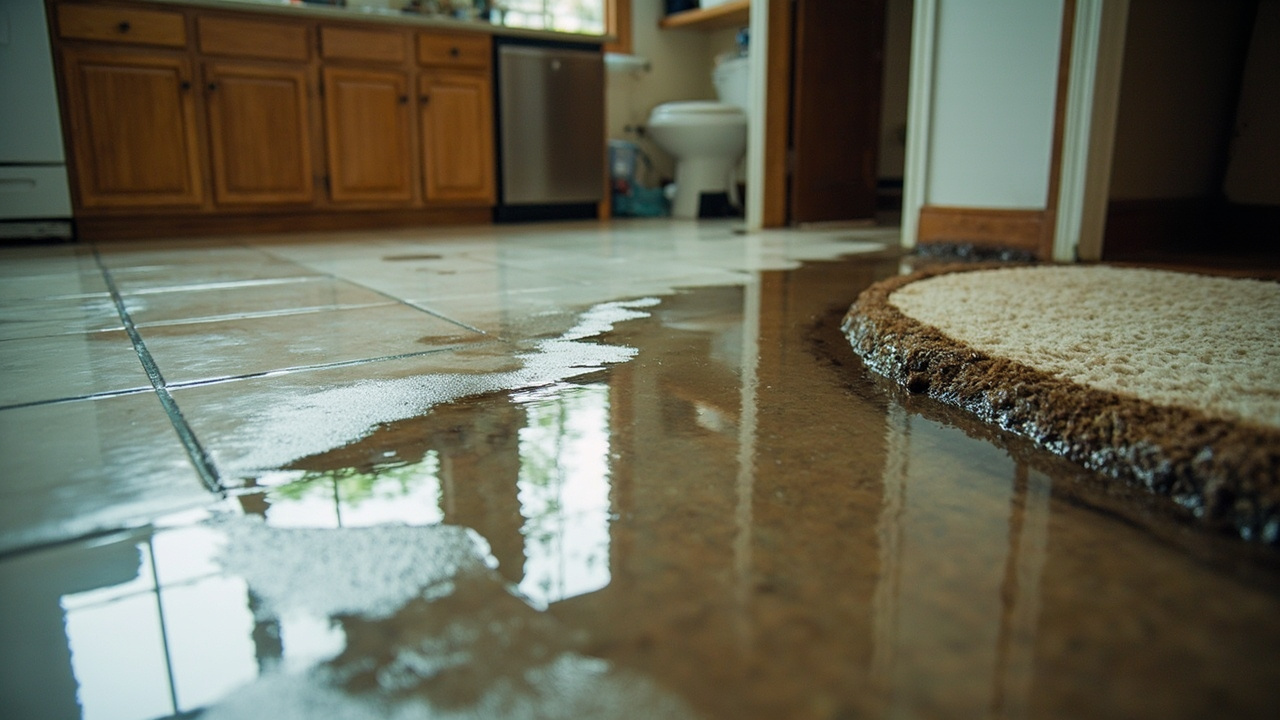
Category 2 water contains significant biological or chemical contamination. Dishwasher overflows, washing machine discharge, and sump pump failures typically fall into this classification. Category 2 requires antimicrobial treatment and more aggressive drying protocols. Porous materials like carpet padding usually cannot be salvaged.

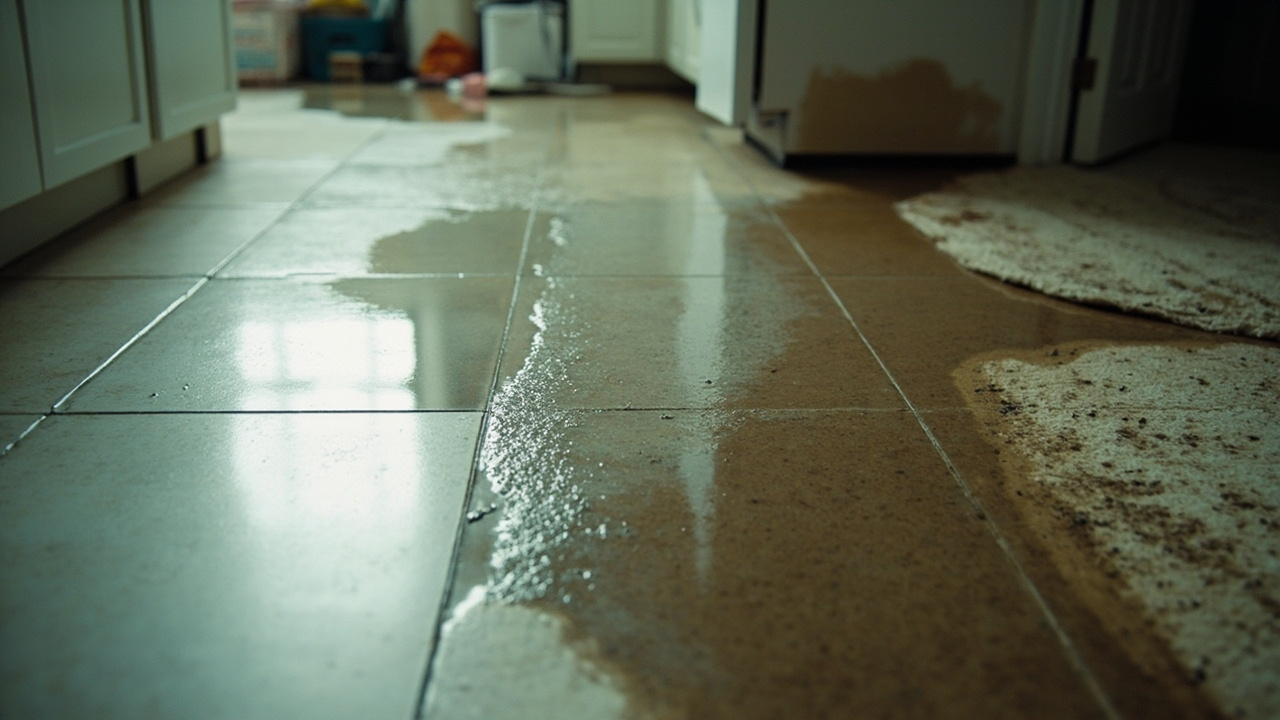
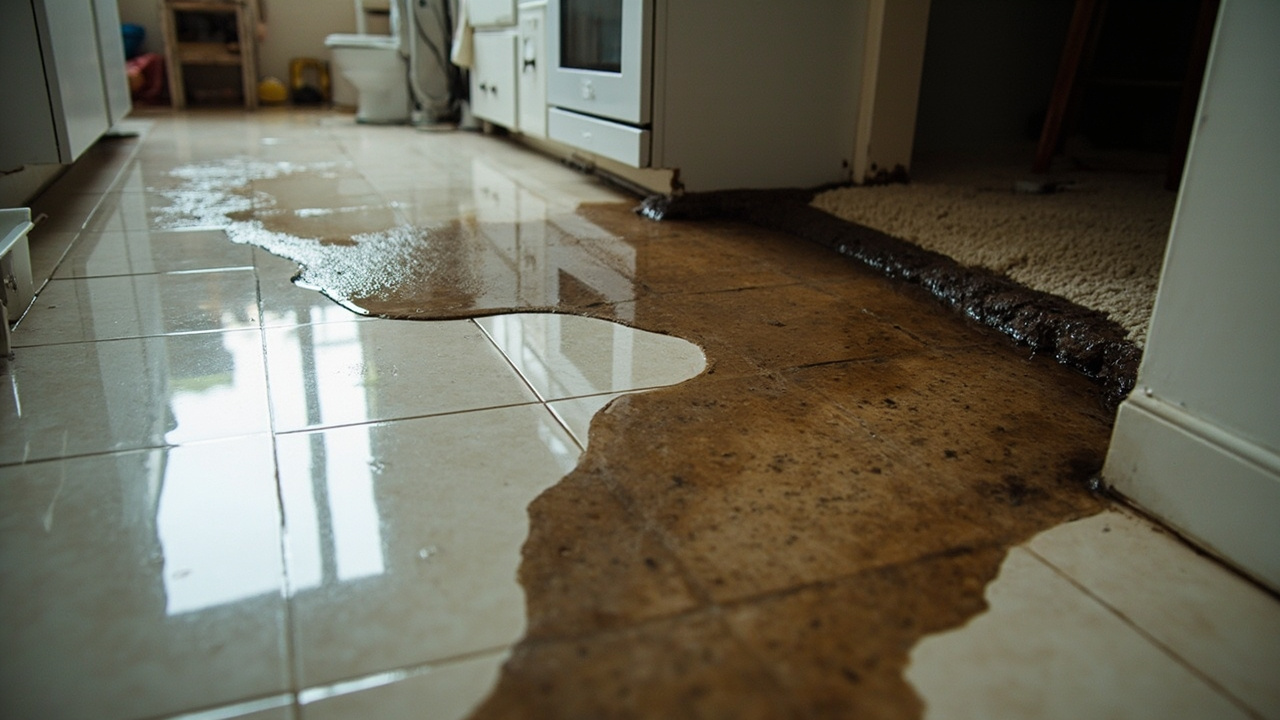
Category 3 water is grossly contaminated and contains pathogenic agents. Sewage backups, toilet overflows beyond the trap, and any flooding from rivers or lakes qualifies as Category 3. Buffalo properties near the Buffalo River, Scajaquada Creek, or Cazenovia Creek face Category 3 contamination during flood events. This water requires full protective equipment, controlled demolition of affected materials, and specialized disposal procedures.

The contamination level determines which materials get removed versus restored. Category 1 allows for drying and disinfection. Category 3 requires removal of all porous materials including drywall, insulation, and flooring. Understanding these types of water contamination prevents the costly mistake of trying to save materials that will harbor dangerous microorganisms.

How We Assess and Document Water Categories for Your Buffalo Property

Categories of Water in Buffalo – Understanding the Three Contamination Levels That Determine Your Restoration Strategy
01

Initial Source Identification

We arrive at your Buffalo property and immediately trace the water to its origin point. A broken supply line indicates Category 1. A toilet overflow or sewer backup signals Category 3. We photograph the source, document the flow path, and note any contact with contaminated surfaces. This documentation protects your insurance claim and determines which IICRC water categories apply to your specific situation.
02

Contamination Level Testing

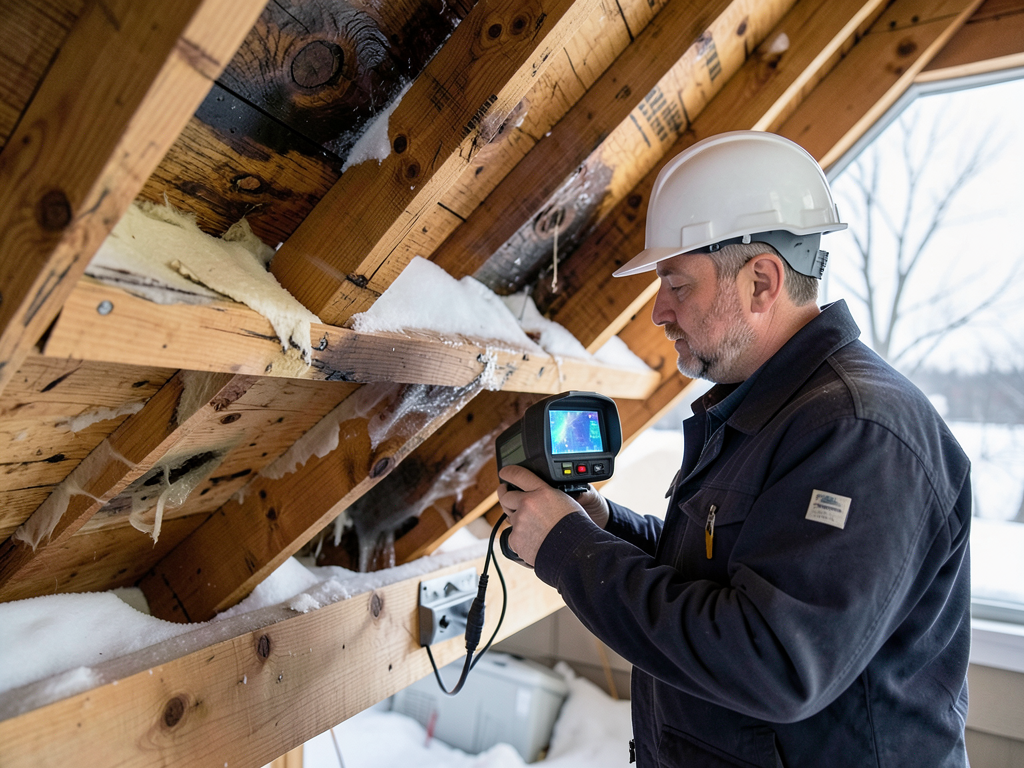
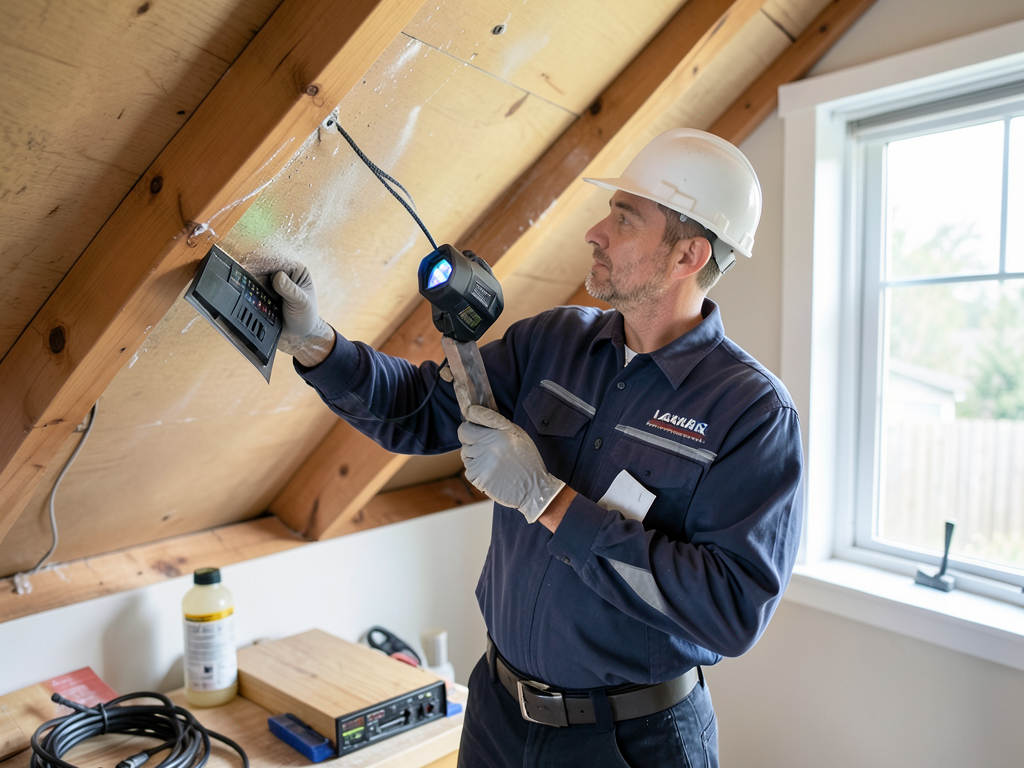
We use moisture meters, thermal imaging, and visual inspection to map the affected areas. We check for cross-contamination where clean water may have contacted sewage lines, crawl spaces, or flood water. Buffalo's older homes often have hidden contamination pathways. We test water quality classifications in multiple locations because water contamination levels can vary throughout a single property, especially in multi-level buildings.
03

Protocol Assignment and Documentation

Once we establish the water damage categories, we assign the appropriate restoration protocol and document everything for your insurance carrier. Category 1 gets standard extraction and drying. Category 2 requires antimicrobial application. Category 3 demands controlled demolition and disposal. We create a detailed scope of work based on types of water contamination present, ensuring no contaminated materials remain hidden in your walls or subfloors.

Why Buffalo Property Owners Trust Alpha Water Damage Restoration for Accurate Water Category Assessment

Most restoration companies in Buffalo treat all water damage the same. They extract, dry, and leave. This approach works for simple Category 1 events but creates serious problems when contamination levels are higher. Alpha Water Damage Restoration Buffalo follows IICRC S500 standards because we understand that water quality classifications determine health outcomes, not just drying times.

Buffalo's unique infrastructure challenges require local expertise. Our technicians know that homes in the Fruit Belt and Broadway-Fillmore neighborhoods often have combined sewer systems where heavy rain can cause sewage backups. We understand that properties near the Buffalo River face Category 3 flood contamination during spring thaw events. This local knowledge helps us identify contamination sources that out-of-town contractors miss.

We also know Buffalo's building stock. The city's inventory of pre-1940 homes means plaster walls, horsehair insulation, and balloon framing that creates hidden pathways for contaminated water. When a Category 2 dishwasher overflow happens in an Allentown Victorian, the water does not just affect the kitchen. It can travel through wall cavities to first-floor ceilings or basement areas. We check these pathways because we have seen how Buffalo's older construction allows water contamination to spread.

Insurance carriers in Buffalo trust our category assessments because we document everything with photos, moisture readings, and detailed notes. When we classify water damage as Category 3, we can prove why with evidence. This protects your claim and ensures your insurance adjuster understands why certain materials must be removed rather than dried. Our documentation has helped Buffalo property owners recover thousands of dollars in additional coverage because we properly identified water contamination levels.

What Buffalo Property Owners Should Know About Water Category Assessment and Restoration

How Quickly Categories Change

Water damage categories are not static. Clean Category 1 water becomes contaminated Category 2 water within 48 hours as bacteria colonize. In Buffalo's humid summer climate, this degradation happens faster. If Category 1 water contacts any contaminated surface like a toilet bowl, crawl space soil, or sewage line, it immediately becomes Category 3. We respond quickly because water quality classifications change by the hour, and delayed response means more contamination, more demolition, and higher costs for your property.

Why Source Matters More Than Appearance

Clear water is not always clean water. A toilet overflow beyond the trap is Category 3 regardless of how clean it looks. Floodwater from Scajaquada Creek may appear relatively clear but contains agricultural runoff, sewage, and chemical contamination. We classify water based on source and contamination potential, not appearance. This is why IICRC water categories exist. Visual assessment alone misses dangerous pathogens. We use the S500 standard because it protects your health, not just your property value.

Which Materials Can Be Saved

The water contamination level determines what stays and what goes. Category 1 allows us to dry and disinfect most materials. Category 2 requires removal of porous items like carpet padding and insulation. Category 3 demands removal of all porous materials including drywall, insulation, baseboards, and flooring. Buffalo homeowners often want to save historic woodwork or plaster, but if Category 3 water contacted these materials, removal is mandatory. We follow IICRC guidelines because attempting to salvage contaminated materials creates long-term health risks.

How Documentation Protects Your Insurance Claim

Insurance carriers require proof of water damage categories before approving demolition costs. We photograph the water source, document the contamination pathway, and record moisture readings throughout your Buffalo property. This documentation proves why we classified the event as Category 2 or Category 3, which justifies the removal of materials rather than simple drying. Our detailed reports have helped Buffalo property owners receive full insurance coverage because we can prove the types of water contamination present and why specific protocols were necessary.

Frequently Asked Questions

You Have Questions,
We Have Answers

What are the 5 types of water? +

In water damage restoration, we classify water into three main categories, not five. Category 1 is clean water from supply lines or rain. Category 2 is gray water with contaminants from appliances like washing machines or dishwashers. Category 3 is black water, which is grossly unsanitary and includes sewage or flooding from rivers like the Buffalo River. Buffalo homes often face Category 2 and 3 issues during spring thaws or heavy lake-effect storms when basements flood. Understanding these categories helps you know the health risks and restoration approach needed for your property.

What is category 1, 2, and 3 water? +

Category 1 water is clean and poses no health risk. It comes from broken supply lines, sink overflows, or melting snow. Category 2 water contains contaminants that can cause discomfort or illness. Sources include washing machine overflows, toilet bowls without feces, or sump pump failures common in Buffalo basements. Category 3 water is grossly contaminated with pathogens and toxins. This includes sewage backups, flooding from the Niagara River, or any water that has contacted soil. In Buffalo, Category 2 water can quickly become Category 3 if left untreated, especially in our humid climate.

What are the 7 forms of water? +

This question confuses water states with damage categories. The seven physical forms of water include solid ice, liquid, vapor, rain, snow, hail, and sleet. However, for restoration purposes in Buffalo, you need to focus on the three contamination categories. Category 1 is clean, Category 2 is gray water with contaminants, and Category 3 is black water with severe contamination. Buffalo properties face all forms, from ice dam leaks in winter to storm flooding in spring. The restoration approach depends on contamination level, not the water's physical form.

What are the three categories of water? +

Water damage professionals recognize three contamination categories. Category 1 is clean water from sanitary sources like supply lines or rainwater. Category 2 is gray water with chemical or biological contaminants from sources like dishwashers or sump pumps. Category 3 is black water that is grossly unsanitary, including sewage or floodwater from the Buffalo River. Buffalo homes frequently experience all three categories due to aging infrastructure, basement flooding during spring runoff, and occasional sewer backups in older neighborhoods near downtown. Each category requires different safety protocols and restoration methods to protect your health and property.

What are the 7 types of water? +

The restoration industry uses three water categories, not seven types. Category 1 is clean water from broken pipes or appliances. Category 2 is gray water containing contaminants from washing machines, aquariums, or toilet bowls without feces. Category 3 is black water that is highly contaminated, including sewage or floodwater. Buffalo properties often deal with Category 3 during spring flooding when Lake Erie levels rise and overwhelm storm sewers. You might be thinking of water sources rather than categories. What matters for restoration is contamination level because that determines the safety equipment needed and disposal requirements for affected materials.

What are the 8 types of water? +

There are three standard water damage categories in restoration, not eight types. Category 1 is clean water from sanitary sources. Category 2 is gray water with contaminants that can cause illness. Category 3 is black water that is grossly unsanitary and dangerous. Buffalo properties see all three categories, with basement flooding being the most common issue due to spring thaws and heavy precipitation. The category determines cleanup costs, safety requirements, and which materials can be saved versus replaced. A Category 1 leak might only need drying, while Category 3 flooding requires extensive sanitization and material removal to protect your family.

What is category 4 water? +

Category 4 water does not exist in standard water damage classification. The industry recognizes three categories of contamination. Category 1 is clean, Category 2 is gray water, and Category 3 is black water. You might be confusing categories with classes. There are four classes that describe the rate of evaporation and affected materials. Class 1 affects minimal porous materials. Class 2 has fast evaporation. Class 3 comes from overhead sources. Class 4 requires specialty drying for materials like hardwood or plaster, which is common in older Buffalo homes near Elmwood Village or Allentown with original construction materials.

What class is toilet water? +

Toilet water classification depends on what the bowl contains. Clean water in the bowl without feces is Category 2 gray water because it contains bacteria and contaminants. However, if the toilet contains feces or has backed up from a sewer line, it becomes Category 3 black water, which is grossly unsanitary. Buffalo homes with older plumbing, particularly in neighborhoods near downtown, sometimes experience sewage backups during heavy rain when combined sewer systems overflow. Any toilet overflow requires immediate attention because Category 2 water can degrade to Category 3 within 48 hours in our humid climate, increasing health risks and restoration costs.

What are the four classes of water? +

Water damage professionals use four classes to describe evaporation rates and material saturation, not contamination. Class 1 affects minimal porous materials and has slow evaporation. Class 2 has fast evaporation rates and affects carpet and cushions. Class 3 comes from overhead sources like roof leaks, saturating walls and ceilings. Class 4 requires specialty drying for dense materials like hardwood floors, plaster, or stone, which are common in historic Buffalo homes. These classes are separate from the three contamination categories. Buffalo properties often experience Class 3 damage from ice dams or roof failures during winter storms, requiring specialized drying equipment.

What are the 10 types of water? +

The restoration industry does not recognize ten types of water. There are three contamination categories that matter for cleanup. Category 1 is clean water from supply lines. Category 2 is gray water from appliances or fixtures. Category 3 is black water from sewage or flooding. You might be confusing this with water sources, which can include supply lines, rain, groundwater, sewage, rivers, lakes, and more. In Buffalo, the most common sources are basement seepage from groundwater, sump pump failures, burst pipes during freezes, and flooding from Lake Erie or the Buffalo River. The contamination category determines how we restore your property safely.

How Buffalo's Combined Sewer System and Spring Flooding Affect Water Contamination Categories

Buffalo's aging combined sewer system creates unique water contamination challenges that many restoration companies do not understand. When heavy rain overwhelms the system, sewage can back up into basements throughout neighborhoods like Black Rock, Riverside, and the Lower West Side. What appears to be a simple basement flood is actually Category 3 black water contaminated with human waste and chemicals. The Buffalo Sewer Authority has documented hundreds of combined sewer overflow events annually, meaning Buffalo property owners face higher Category 3 risk than communities with separated systems. Spring snowmelt compounds this problem when runoff from Lake Erie and local creeks brings additional contamination into flooded properties.

Alpha Water Damage Restoration Buffalo has worked with property owners throughout Erie County and understands how local conditions affect water quality classifications. We know which Buffalo neighborhoods face combined sewer backup risk and which areas near Cazenovia Creek or the Buffalo River see Category 3 flooding during spring thaw. This local knowledge ensures we properly classify contamination levels and apply the correct IICRC protocols. Insurance adjusters in Buffalo recognize our documentation standards because we understand the specific contamination sources that affect Western New York properties, from Lake Erie flood water to frozen pipe failures during Buffalo's harsh winters.

Water Damage Restoration Services in The Buffalo Area

Although we offer rapid mobile service across the entire Buffalo area and surrounding regions, we invite you to view our service area map to confirm our commitment to your community. We are always ready to deploy our expert teams directly to your residential or commercial property, ensuring the fastest possible response time when you need water damage restoration most, right where you are.

Address:
Alpha Water Damage Restoration Buffalo, 369 Washington St, Buffalo, NY, 14203

Additional Services We Offer

Our news updates

Latest Articles & News from The Blogs

The importance of microbial swabbing after a sewer backup in your Lackawanna basement When sewage backs up into your Lackawanna…

The importance of microbial swabbing after a sewer backup in your Lackawanna basement

The importance of microbial swabbing after a sewer backup in your Lackawanna basement When sewage backs up into your Lackawanna…

Simple ways to prevent your pipes from freezing in an unheated North Buffalo crawlspace

Simple ways to prevent your pipes from freezing in an unheated North Buffalo crawlspace Buffalo’s brutal winters and lake-effect snow…

Keeping your kids and pets safe during a home restoration project in Kenmore

Keeping your kids and pets safe during a home restoration project in Kenmore\n\nHome restoration after water damage creates unique safety…

Contact Us

Do not guess about water contamination levels. Misclassifying water damage categories puts your health at risk and can invalidate your insurance claim. Alpha Water Damage Restoration Buffalo provides professional IICRC-compliant assessments with same-day documentation. Call (716) 317-7717 now for immediate category classification and the correct restoration protocol for your property.