menu

Fire & Smoke Damage Restoration in Buffalo – Complete Recovery from Structure to Air Quality

Alpha Water Damage Restoration Buffalo delivers full-scale fire damage repair, smoke damage cleanup, and air quality restoration for residential and commercial properties across Western New York, handling both visible destruction and hidden contamination.

Slider Image 1
Slider Image 2
Slider Image 3
Slider Image 4
Slider Image 5
Slider Image 7
Slider Image 8
Slider Image 9
Slider Image 10
Slider Image 11

Why Buffalo Properties Face Unique Fire and Smoke Damage Challenges

Buffalo's older housing stock and harsh winters create specific vulnerabilities when fire strikes. Many homes in neighborhoods like Elmwood Village and Allentown feature balloon-frame construction and plaster walls, which allow smoke particles to migrate through hidden cavities long after the flames are out. You smell it for weeks because the structure trapped it.

Winter fires in Buffalo create a secondary problem. When firefighters spray thousands of gallons of water in subzero temperatures, you get immediate ice damage and burst pipes alongside the fire destruction. The freeze-thaw cycle compounds structural damage to already-compromised framing and masonry. This is not just fire restoration. This is fire and smoke mitigation combined with water extraction and structural drying.

Smoke damage cleanup in older Buffalo buildings requires understanding how soot behaves in century-old plaster versus modern drywall. Acidic smoke residue etches into porous materials differently depending on building age and construction type. The smoke infiltrates HVAC ductwork, crawls into attic insulation, and embeds in wood subflooring. Surface cleaning alone fails.

Commercial properties face operational shutdown risk. A kitchen fire in a Delaware Avenue restaurant means lost revenue for every day you're closed. Fire cleanup services must prioritize business continuity while meeting New York State fire code requirements for reopening. You need a team that understands both the restoration science and the local permitting process to get you operational again.

Why Buffalo Properties Face Unique Fire and Smoke Damage Challenges
Our Fire and Smoke Restoration Methodology

Our Fire and Smoke Restoration Methodology

Alpha Water Damage Restoration Buffalo uses a layered approach that addresses thermal damage, chemical residue, and airborne particulates simultaneously. We do not treat fire restoration services as a single-phase project. The work splits into containment, extraction, remediation, and verification.

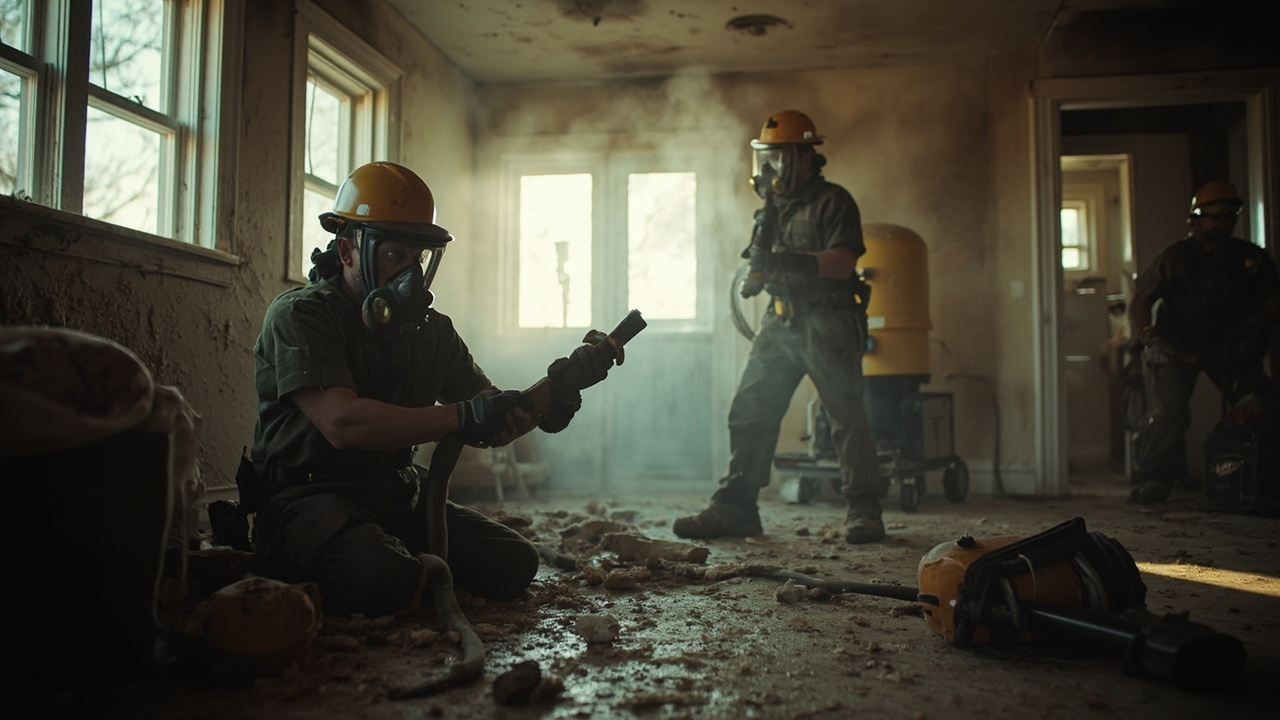
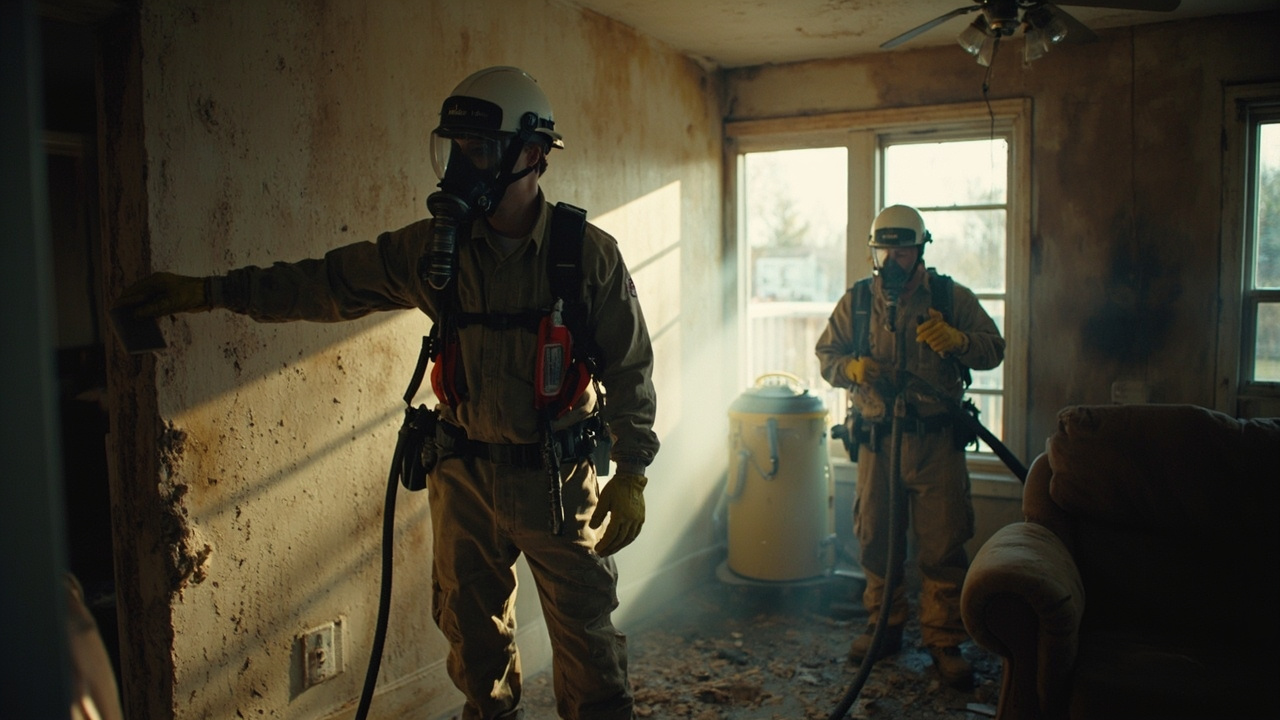
First, we establish negative air pressure containment using HEPA-filtered air scrubbers to prevent cross-contamination into unaffected areas. This matters in multi-unit buildings common throughout North Buffalo and the West Side, where smoke can migrate through shared walls and ceiling cavities. Containment stops the spread before we begin aggressive cleaning.

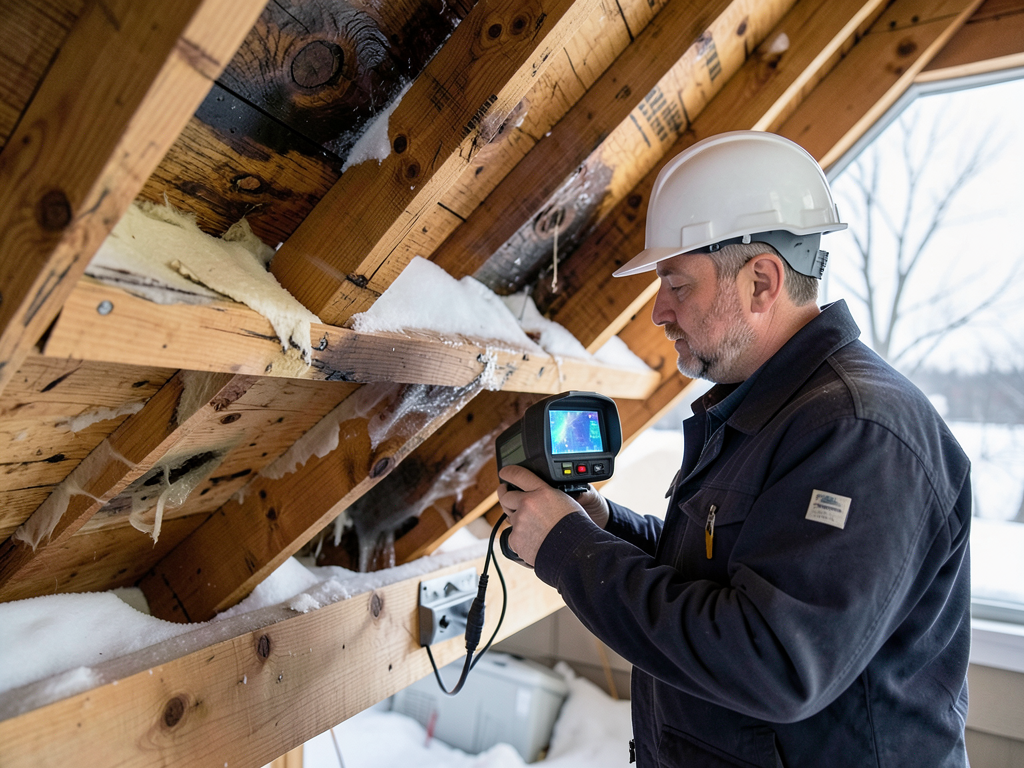
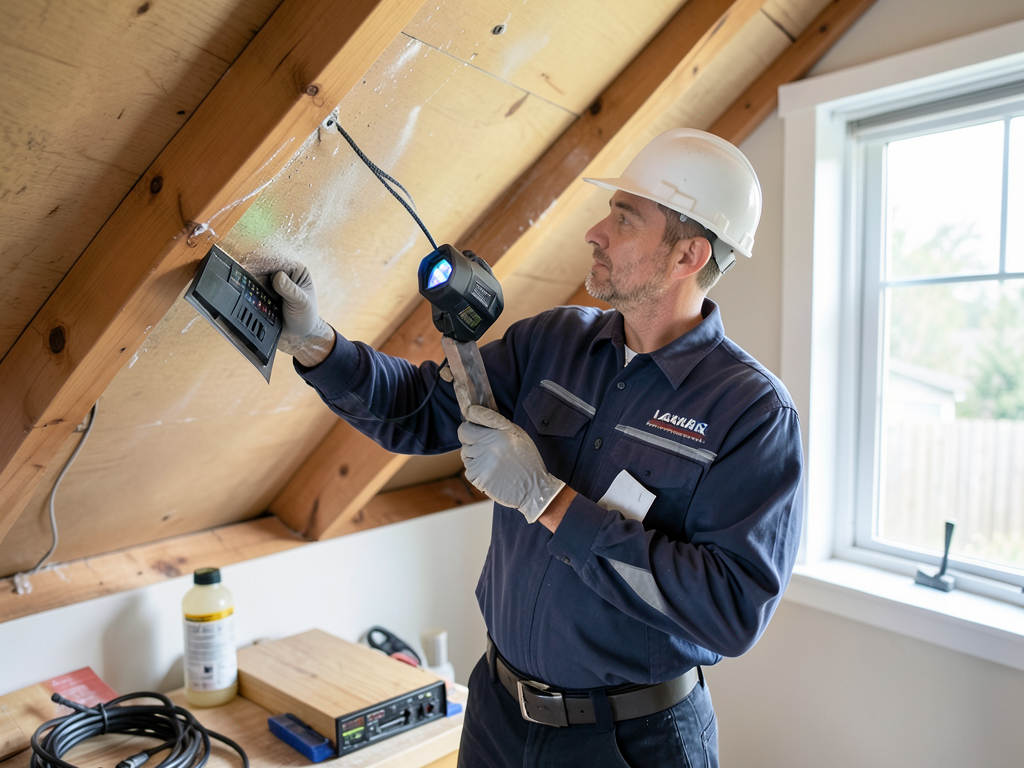
We perform thermal imaging to identify heat-damaged framing hidden behind intact surfaces. Wood loses structural integrity at temperatures well below combustion. Compromised studs and joists must be identified and replaced, even if they look fine. This is where most companies cut corners. We document everything for insurance and code compliance.

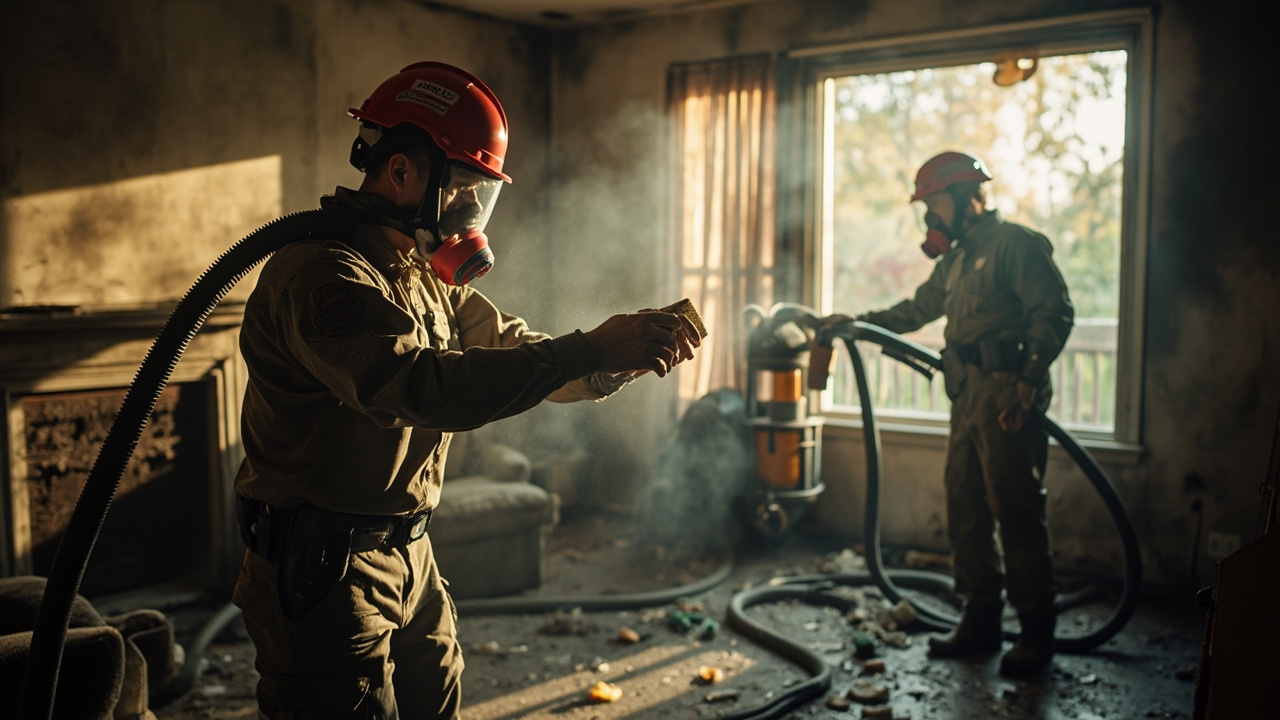
Smoke damage cleanup involves dry chemical sponging for soot removal, followed by alkaline or acidic cleaning agents depending on residue type. Protein-based smoke from kitchen fires requires different chemistry than synthetic smoke from burning furniture. We test pH levels and adjust our approach accordingly. Then we apply odor encapsulation to seal residual particles into porous materials.

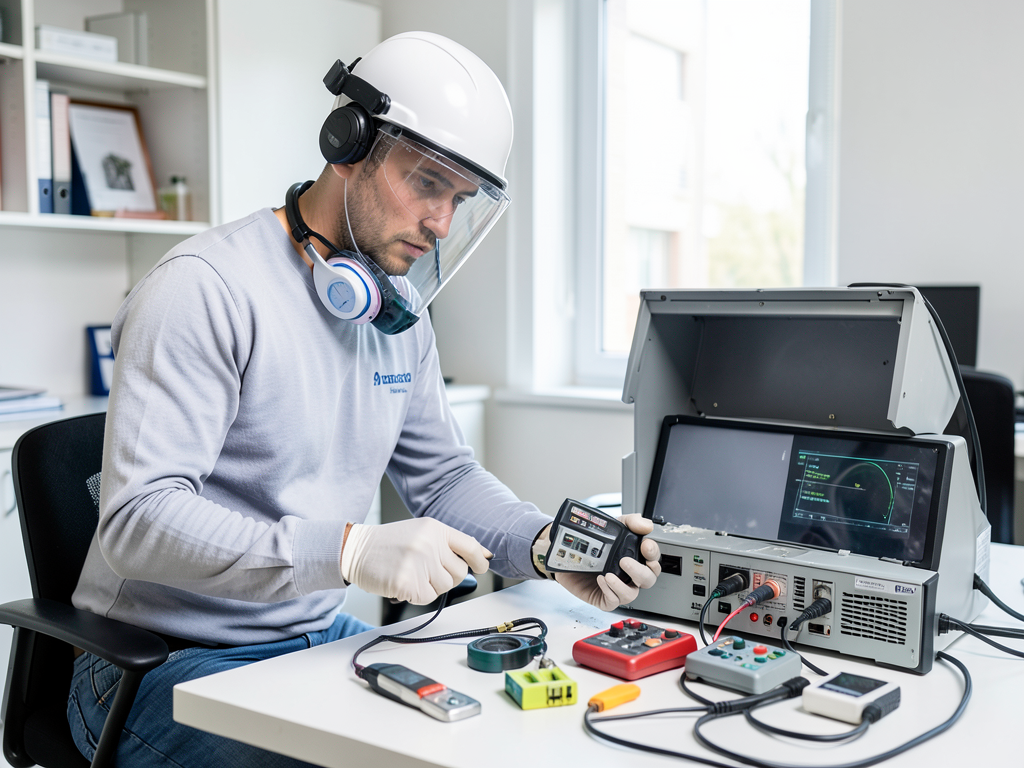
Air quality restoration uses hydroxyl generators or ozone treatment, depending on occupancy status and material sensitivity. Ozone works faster but requires full evacuation. Hydroxyls allow occupied treatment. We measure VOC levels before and after to verify air safety. No guesswork. Fire cleanup services end when air quality testing confirms safe occupancy, not when the visible damage disappears.

What Happens During Your Fire Damage Recovery

Fire & Smoke Damage Restoration in Buffalo – Complete Recovery from Structure to Air Quality
01

Emergency Stabilization and Assessment

We arrive within hours to secure the structure, extract standing water from firefighting efforts, and document all damage with thermal imaging and moisture mapping. This initial assessment identifies immediate safety hazards like compromised floors or ceilings, establishes containment zones to prevent smoke migration, and creates the restoration scope. We coordinate with your insurance adjuster during this phase to ensure complete documentation for your claim.
02

Content Removal and Deep Cleaning

Salvageable contents are packed out for off-site cleaning using ultrasonic and specialized chemical processes. Non-salvageable materials are inventoried, photographed, and removed. We then begin structural cleaning, removing soot from all surfaces using dry sponging and wet cleaning methods tailored to each material type. HVAC systems are disassembled and cleaned or replaced. Hidden cavities are accessed and treated. This phase removes the contamination before reconstruction begins.
03

Reconstruction and Air Verification

We rebuild fire-damaged structure using code-compliant materials and methods, matching original finishes where possible. Odor control treatment is applied during reconstruction, not after. Once construction completes, we run air scrubbers and verify air quality using VOC testing and particle counts. You receive documentation showing before and after contamination levels. The space is safe when the data says it's safe, not when it smells okay.

Why Buffalo Properties Require Local Fire Restoration Expertise

Fire and smoke mitigation in Buffalo requires understanding how Great Lakes humidity interacts with fire damage. High moisture levels accelerate corrosion on metal components and promote mold growth in fire-damaged cavities. Companies from outside the region underestimate how quickly secondary damage develops in Buffalo's climate. We know you have a 48-hour window before mold colonizes wet, soot-covered framing.

Alpha Water Damage Restoration Buffalo has worked with every major insurance carrier operating in Erie County. We understand how claims are processed, what documentation adjusters require, and how to advocate for complete scope coverage. When an insurance company tries to limit coverage to visible damage while ignoring hidden smoke infiltration, we provide the thermal imaging and air quality data that supports full remediation. You need someone who knows how to navigate the claims process while managing the physical restoration.

Our team understands Buffalo's building codes and permit requirements. The City of Buffalo Building Department requires specific inspections for structural fire damage before occupancy is restored. We coordinate those inspections and ensure all work meets or exceeds code. This local knowledge prevents delays and failed inspections that extend your displacement.

We have established relationships with local building officials, insurance adjusters, and environmental testing labs throughout Western New York. When your project needs expedited permitting or rush lab results, those relationships matter. A company working its first Buffalo fire restoration project does not have those connections. We do. That translates to faster recovery and fewer complications during an already stressful situation for residential clients or reduced downtime for commercial operations.

What to Expect During Fire Damage Restoration

Response Time and Project Duration

We dispatch to fire scenes throughout Buffalo within two hours of your call, 24 hours a day. Emergency stabilization and water extraction happen the same day to prevent secondary damage. Initial assessment and containment take one to two days. Content removal and structural cleaning typically require one to three weeks depending on fire severity and building size. Reconstruction timelines vary based on scope, but most residential projects complete within four to eight weeks from start to final inspection. Commercial projects are expedited when business continuity is critical. We provide detailed timelines during the assessment phase and update you as conditions change.

The Assessment and Documentation Process

Your initial assessment includes thermal imaging to identify hidden damage, moisture mapping to locate water from firefighting, and air quality baseline testing. We photograph and document every affected area and damaged item for insurance purposes. You receive a detailed scope of work that breaks down each phase of restoration, explains why each step is necessary, and identifies what is salvageable versus what requires replacement. This documentation becomes your insurance claim support. We can meet with your adjuster on-site to walk through findings and ensure nothing is missed. The assessment establishes the roadmap for your entire recovery.

Final Air Quality and Safety Verification

Your project does not end when reconstruction is complete. We conduct post-restoration air quality testing measuring VOC levels, particulate counts, and residual odor compounds. You receive a written report with before and after data showing your property meets safe occupancy standards. If odors persist or air quality testing shows elevated readings, we continue treatment until levels are acceptable. This verification is not optional. It protects your health and provides documentation that restoration was completed properly. Many insurance companies now require this testing before closing claims on fire damage projects.

Post-Restoration Monitoring and Support

We provide follow-up inspections at 30 and 90 days post-completion to verify no latent odors or moisture issues have developed. Buffalo's humidity can sometimes reactivate trapped odors in porous materials, especially during summer months. If issues arise, we address them. You also receive guidance on HVAC filter replacement schedules and air quality maintenance specific to post-fire environments. Our documentation remains available for future insurance needs or property transactions. Fire damage creates lasting questions about property condition. We provide ongoing answers and support beyond project completion to ensure your long-term peace of mind.

Frequently Asked Questions

You Have Questions,
We Have Answers

How much does smoke damage restoration cost? +

Smoke damage restoration costs vary based on fire severity, square footage, and soot type. Minor smoke cleaning in one room starts lower, while whole-home restorations involving HVAC duct cleaning, ozone treatment, and wall sealing cost more. Buffalo homes with older ductwork or asbestos-containing materials may require additional abatement, increasing expenses. Insurance typically covers most fire and smoke damage restoration, so your out-of-pocket costs depend on your deductible and policy limits. Get a detailed estimate that includes thermal fogging, content cleaning, and odor removal. Never attempt DIY smoke cleanup on structural materials, you risk embedding soot deeper and creating permanent staining.

Can a fire-damaged house be repaired? +

Yes, most fire-damaged houses can be repaired if the structural frame remains intact. Professional restoration teams assess foundation stability, load-bearing walls, and roof trusses before starting repairs. In Buffalo, older brick homes often withstand fire better than vinyl-sided structures, but smoke and water damage from firefighting efforts still require extensive cleaning and reconstruction. Severe fires may necessitate partial rebuilds, including new drywall, insulation, electrical rewiring, and flooring replacement. Insurance adjusters determine repair feasibility versus total loss. Quick action prevents secondary damage like mold growth, especially in Buffalo's humid summers. Professional fire restoration companies coordinate repairs from initial board-up through final finishes.

What's the best way to clean fire and smoke damaged wood? +

Cleaning fire and smoke damaged wood requires dry chemical sponges to lift soot without spreading it, followed by TSP (trisodium phosphate) solution or specialized wood cleaners. Test a small area first. Light surface soot wipes away, but heat-damaged or charred wood needs sanding or replacement. Buffalo's historic homes often feature hardwood floors and trim worth salvaging. Professionals use HEPA vacuums before wet cleaning to prevent soot from penetrating grain. Sealed or painted wood cleans easier than raw surfaces. Porous wood absorbs smoke odor deep into fibers, requiring sealing primers like BIN or Kilz after cleaning. Never use water alone, it turns dry soot into sticky residue.

Can smoke damage be repaired? +

Yes, smoke damage can be repaired through systematic cleaning, sealing, and odor elimination. Professionals remove soot from walls, ceilings, and contents using specialized equipment and chemical sponges. HVAC systems need thorough duct cleaning to prevent recirculating smoke particles throughout your Buffalo home. Porous materials like drywall, insulation, and upholstery absorb smoke and may require replacement if cleaning fails. Thermal fogging and ozone treatments neutralize embedded odors. Sealing primers lock in remaining stains and smells before repainting. The key is acting fast. Smoke residue becomes acidic and permanently etches surfaces within days. Professional restoration prevents long-term damage and health risks from lingering particulates.

Will insurance cover smoke damage? +

Most homeowners insurance policies cover smoke damage from sudden, accidental fires. This includes structural cleaning, content restoration, and temporary living expenses while your Buffalo home is uninhabitable. Coverage depends on your policy's dwelling and personal property limits. Document everything with photos before cleanup begins. Insurance may not cover smoke damage from intentional acts, neglect, or certain excluded perils. File your claim immediately and request a detailed scope from your restoration company to provide the adjuster. Many fire restoration companies work directly with insurance carriers and help navigate the claims process, ensuring you receive fair compensation for all necessary repairs and cleaning.

Are fire restoration companies worth it? +

Yes, professional fire restoration companies are worth it because they prevent secondary damage, handle hazardous materials safely, and restore properties insurance adjusters might otherwise total. DIY cleanup misses hidden soot in HVAC systems, wall cavities, and subfloors, causing permanent odor and corrosion. Professionals use industrial equipment like hydroxyl generators, thermal foggers, and HEPA air scrubbers unavailable to homeowners. In Buffalo, restoration teams understand local building codes and weather challenges, like preventing mold growth during humid summers. They coordinate directly with insurance carriers, document damage properly, and complete repairs faster than general contractors. The cost difference between professional restoration and replacement makes hiring experts financially smart for most fire incidents.

What is the 30/30/30 rule for fire? +

The 30/30/30 rule for fire safety means a working smoke alarm gives you roughly 30 seconds to detect a fire, 30 seconds to alert household members, and 30 seconds to evacuate before conditions become life-threatening. Modern fires burn faster and hotter than decades ago due to synthetic furnishings and open floor plans common in newer Buffalo homes. This rule emphasizes speed over salvaging belongings. Once you escape, never re-enter a burning structure. Fire restoration professionals handle property recovery after firefighters declare the scene safe. Install smoke alarms on every level, test them monthly, and practice evacuation routes with your family to maximize those critical 90 seconds.

How much does it cost to clean up a burned down house? +

Cleaning up a completely burned down house varies widely based on square footage, debris removal needs, hazardous material abatement, and foundation condition. Total losses require demolition, hauling charred materials to approved disposal sites, and environmental testing before rebuilding. Buffalo properties may need asbestos or lead paint abatement if built before 1980, adding expenses. Insurance coverage depends on your dwelling limit and policy type. Some homeowners rebuild, others sell the cleared lot. Partial burns cost less since salvageable structure remains. Professional restoration companies provide itemized estimates after assessing damage severity. Always involve your insurance carrier immediately to understand your coverage and coordinate approved contractors for cleanup and reconstruction.

What's the difference between restoration and remediation? +

Restoration returns your property to its pre-loss condition through cleaning, repairs, and reconstruction after fire, water, or smoke damage. Remediation removes contamination or hazards like mold, asbestos, or lead paint to make a space safe. Fire restoration often includes both processes. You remediate hazardous soot and char, then restore damaged surfaces. In Buffalo's older housing stock, remediation may address asbestos-containing materials disturbed by fire before restoration begins. Remediation focuses on health and safety, while restoration focuses on rebuilding functionality and appearance. Professional companies handle both services, ensuring your home is safe and livable. Understanding this distinction helps when discussing scopes of work with contractors and insurance adjusters.

What to throw away after smoke damage in house? +

Throw away food, medicine, cosmetics, and anything porous that contacted smoke or heat. This includes open pantry items, baby products, and personal care items. Discard melted plastics, charred fabrics, and items with permanent soot embedding. Buffalo homeowners should dispose of compromised insulation, drywall, and carpeting professionals deem unsalvageable. Keep damaged items until your insurance adjuster documents them for your claim. Hard, non-porous items like metal cookware and glass often clean successfully. Upholstered furniture, mattresses, and stuffed items absorb smoke odor and require professional ozone treatment or replacement. When unsure, ask your restoration company. They inventory salvageable contents and clean them offsite using specialized equipment unavailable for home use.

How Buffalo's Winter Climate Complicates Fire Damage Restoration

Buffalo's extended heating season means furnace fires and chimney-related incidents spike from November through March. When structure fires occur during cold months, water from firefighting operations freezes inside walls and creates ice dams in gutters and roofing. This frozen water expands, cracking masonry and splitting wood framing already weakened by fire exposure. Fire restoration services in Buffalo must address this freeze damage simultaneously with fire and smoke mitigation. The combination of thermal stress from fire followed by freeze-thaw cycles creates structural complications rarely seen in warmer climates. Companies without Great Lakes experience miss these secondary failure points.

Alpha Water Damage Restoration Buffalo has restored fire-damaged properties throughout Erie County for years, building expertise in how local construction methods and climate factors interact with fire damage. We understand how smoke behaves in Buffalo's older housing stock and how winter conditions affect the restoration timeline. Our relationships with local inspectors, testing labs, and insurance adjusters streamline the recovery process when timing is critical. Choosing a restoration company that knows Buffalo's building department procedures and environmental conditions means fewer delays and proper remediation the first time.
Water Damage Restoration Services in The Buffalo Area

Although we offer rapid mobile service across the entire Buffalo area and surrounding regions, we invite you to view our service area map to confirm our commitment to your community. We are always ready to deploy our expert teams directly to your residential or commercial property, ensuring the fastest possible response time when you need water damage restoration most, right where you are.

Address:
Alpha Water Damage Restoration Buffalo, 369 Washington St, Buffalo, NY, 14203

Additional Services We Offer

Our news updates

Latest Articles & News from The Blogs

Why Your Sump Pump Alarm is Chirping and What it Means for Your Hamburg Basement Your sump pump alarm is…

Why Your Sump Pump Alarm is Chirping and What it Means for Your Hamburg Basement

Why Your Sump Pump Alarm is Chirping and What it Means for Your Hamburg Basement Your sump pump alarm is…

How Clogged Gutters Lead to Flooded Basements in North Collins during Fall Rains

How Clogged Gutters Lead to Flooded Basements in North Collins during Fall Rains When fall rains hit North Collins, clogged…

The Real Cost of a Slow Refrigerator Leak in Your High End Snyder Kitchen

The Real Cost of a Slow Refrigerator Leak in Your High End Snyder Kitchen A slow drip from your refrigerator’s…

Contact Us

Fire damage worsens every day you wait. Call Alpha Water Damage Restoration Buffalo at (716) 317-7717 for immediate response. We handle insurance coordination, structural repairs, and complete smoke odor elimination throughout Western New York.