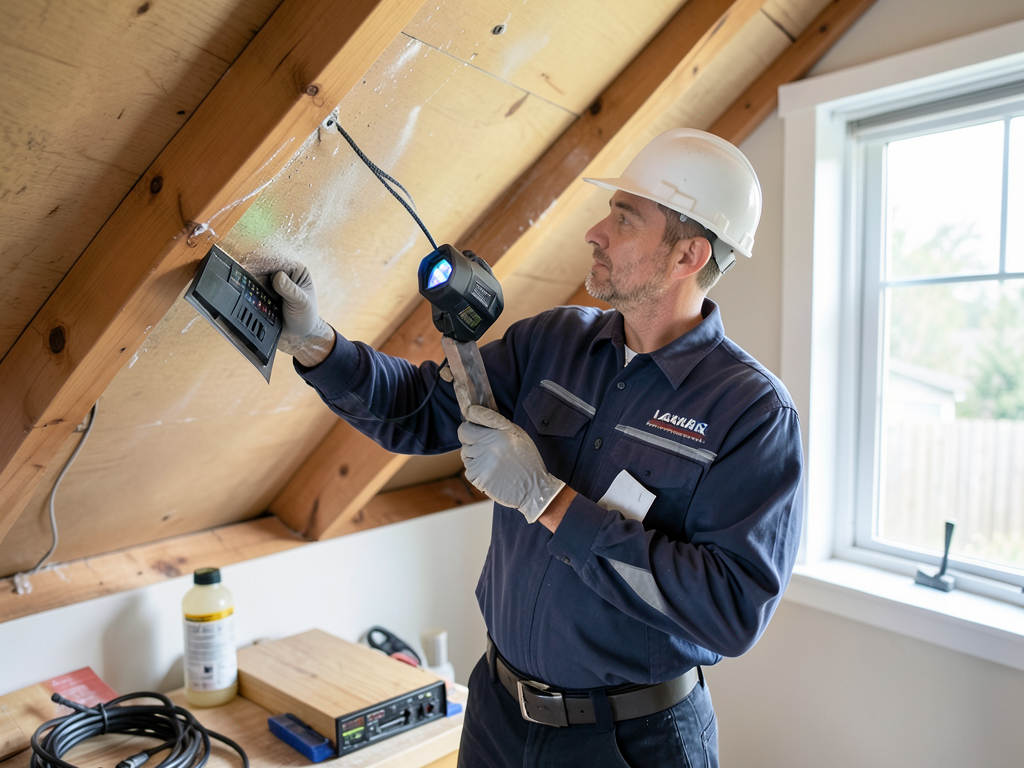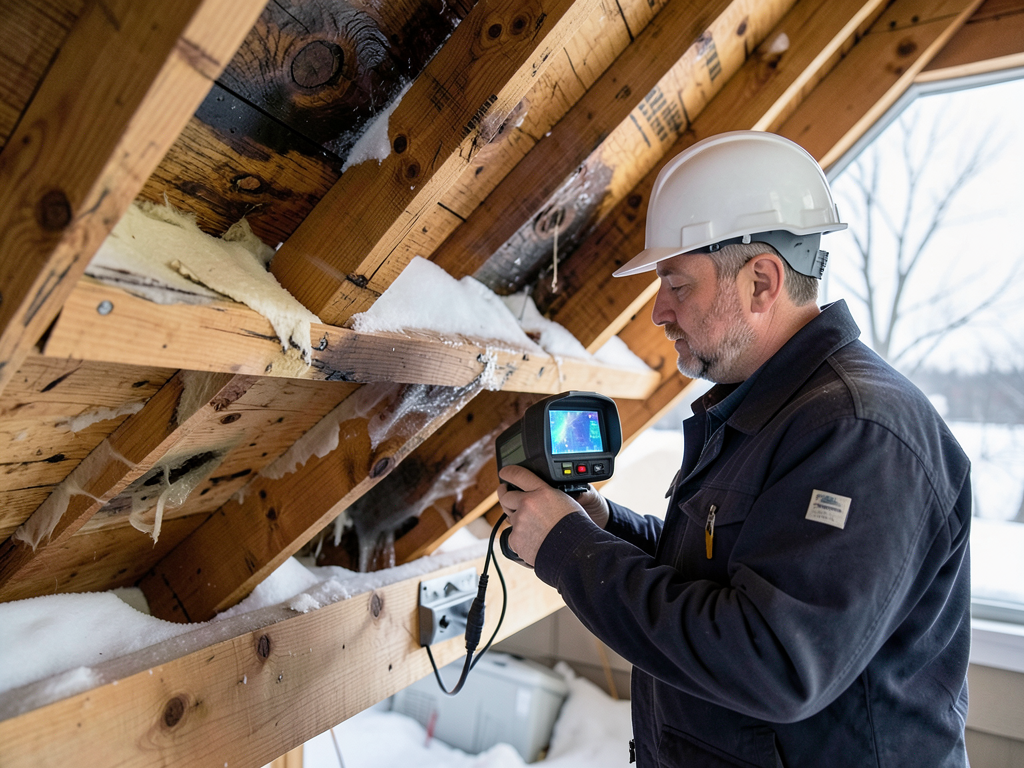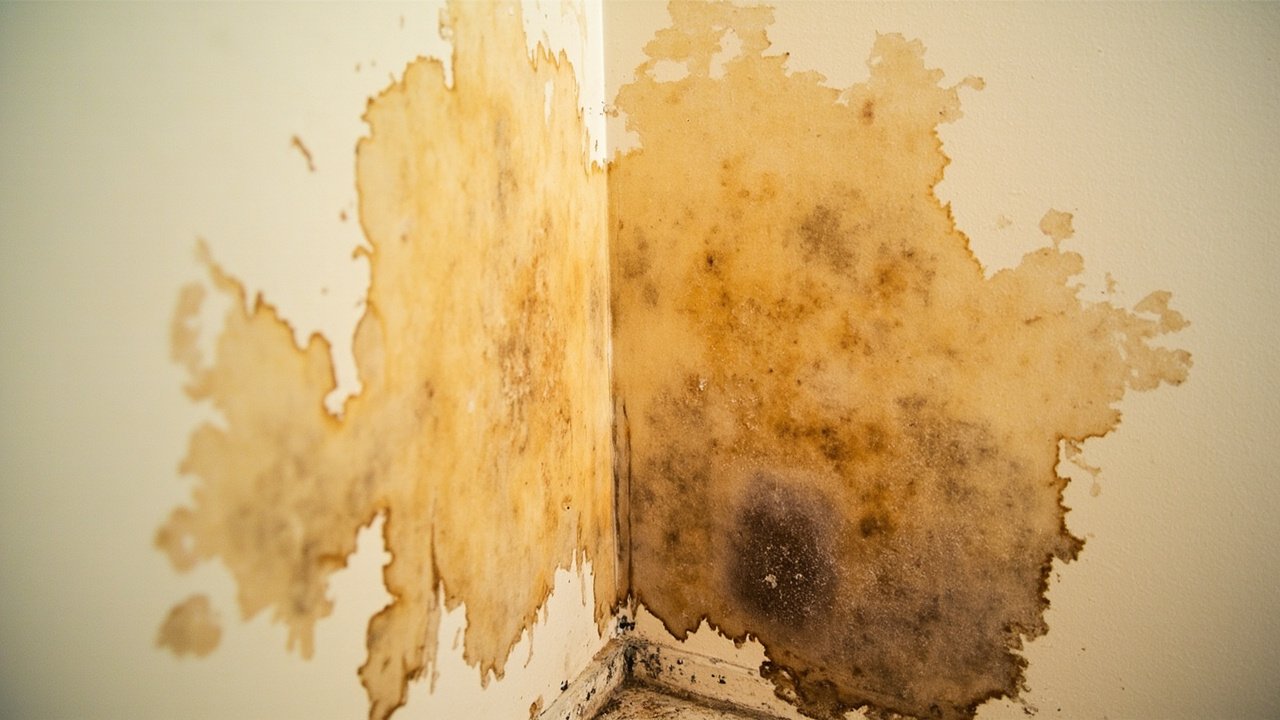
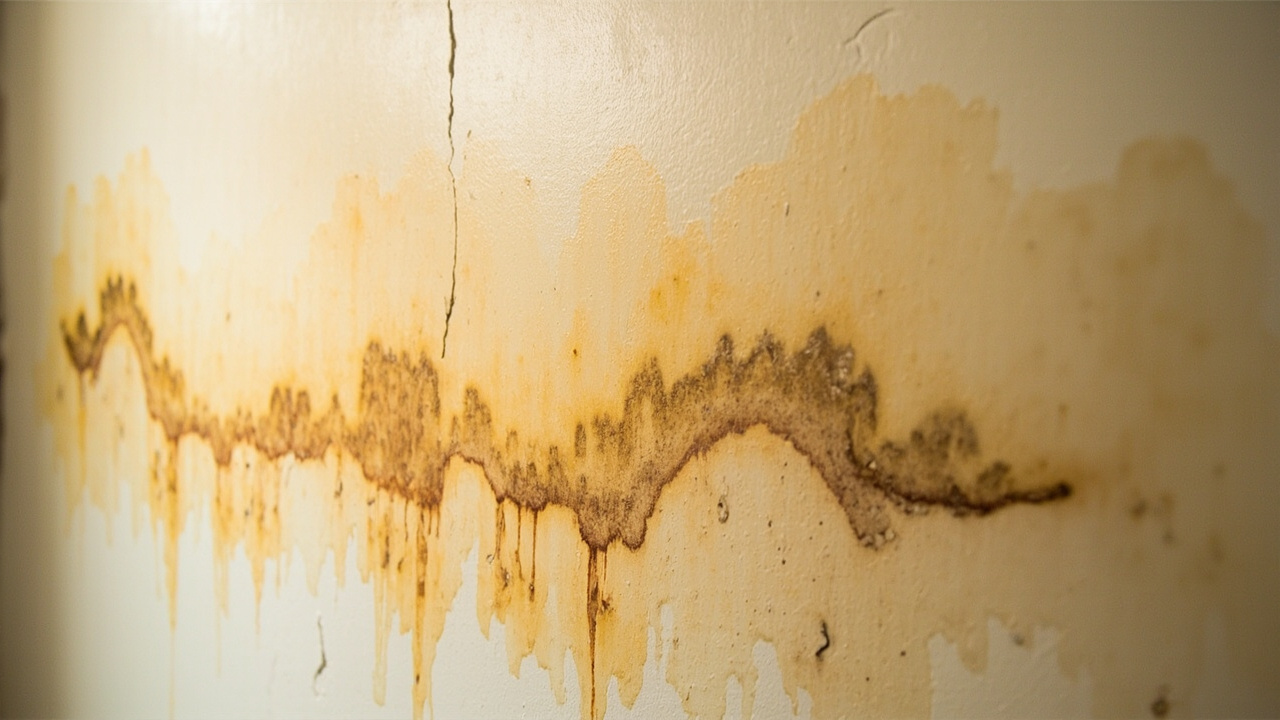
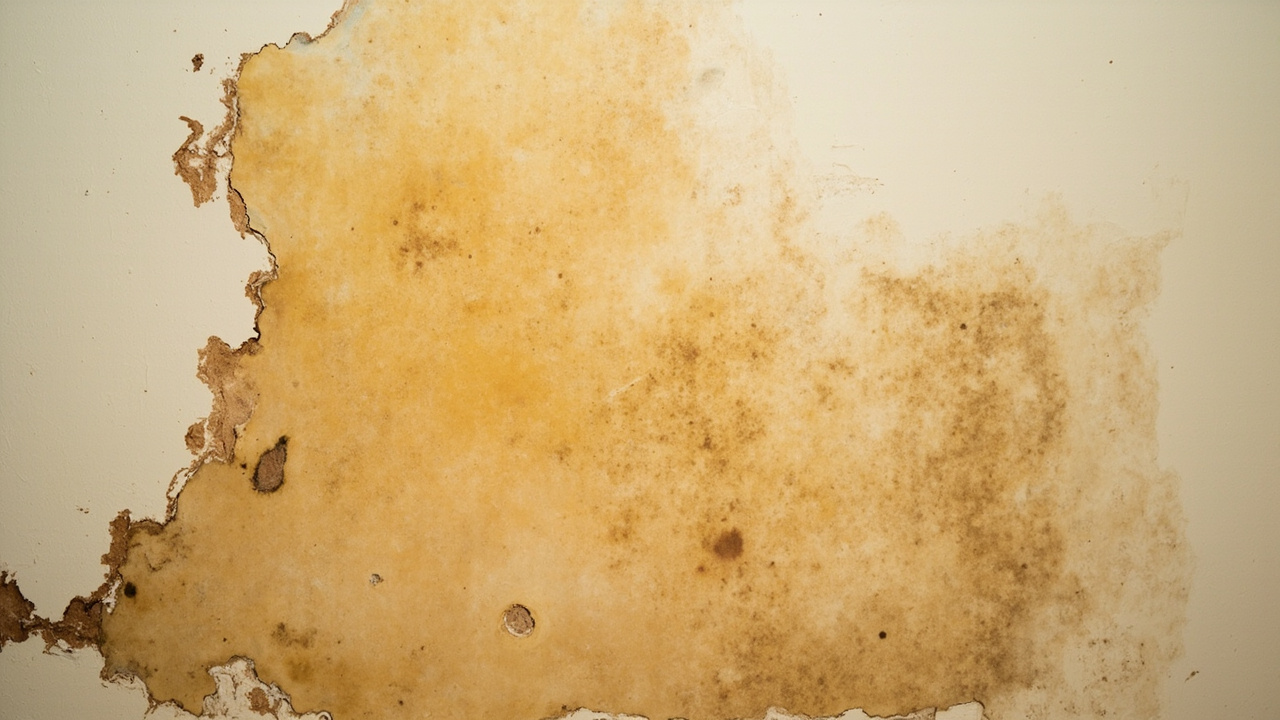
Buffalo receives an average of 95 inches of snow annually, much of it from lake effect bands that dump heavy accumulation in short periods. When temperatures swing from 15 degrees to 40 degrees within 48 hours, rapid snowmelt overwhelms drainage systems. Ice dams form along roof eaves when heat loss from poorly insulated attics melts snow, and the runoff refreezes at the cold roof edge. Water backs up under shingles and infiltrates roof sheathing. You see the result as brown water spots on walls or wet patches on plasterboard weeks later. Homes in North Buffalo and West Seneca experience this cycle repeatedly each winter, making water stains a recurring issue without proper attic insulation and ventilation upgrades.
Buffalo's housing stock includes thousands of homes built between 1900 and 1950, many with original plaster walls and outdated roof systems. These homes were built before modern moisture barriers and ice dam protection became standard. Local contractors who understand historical construction methods recognize that water travels differently through plaster and lath compared to modern drywall. We work with Buffalo's building codes and preservation guidelines, particularly in protected historic districts. Our team knows when repairs require permits and how to coordinate with city inspectors. Choosing a water damage company unfamiliar with Buffalo's building stock risks improper repairs that fail inspection or violate local codes.