menu

Flood Cleanup & Extraction in Buffalo – 24/7 Emergency Response When Minutes Matter

Expert flood damage restoration teams dispatch immediately to Buffalo homes and businesses, extracting standing water and preventing structural damage before mold takes hold in your property.

Slider Image 1
Slider Image 2
Slider Image 3
Slider Image 4
Slider Image 5
Slider Image 7
Slider Image 8
Slider Image 9
Slider Image 10
Slider Image 11

Why Buffalo Flooding Demands Immediate Professional Extraction

Buffalo sits at the eastern end of Lake Erie, where lake-effect weather systems dump heavy precipitation year-round. When spring snowmelt combines with sudden rainstorms, the rapid runoff overwhelms aging storm sewer systems throughout Allentown, North Buffalo, and the Old First Ward. Basement flooding becomes a critical emergency, not just an inconvenience.

Standing water in your basement doesn't just sit there. Within 24 hours, moisture penetrates drywall, insulation, and wooden floor joists. Within 48 hours, mold spores begin colonizing damp surfaces. Buffalo's older housing stock, with stone foundations and crawlspaces built before modern waterproofing standards, makes water intrusion particularly destructive. That century-old limestone foundation in your Elmwood Village home will absorb water like a sponge.

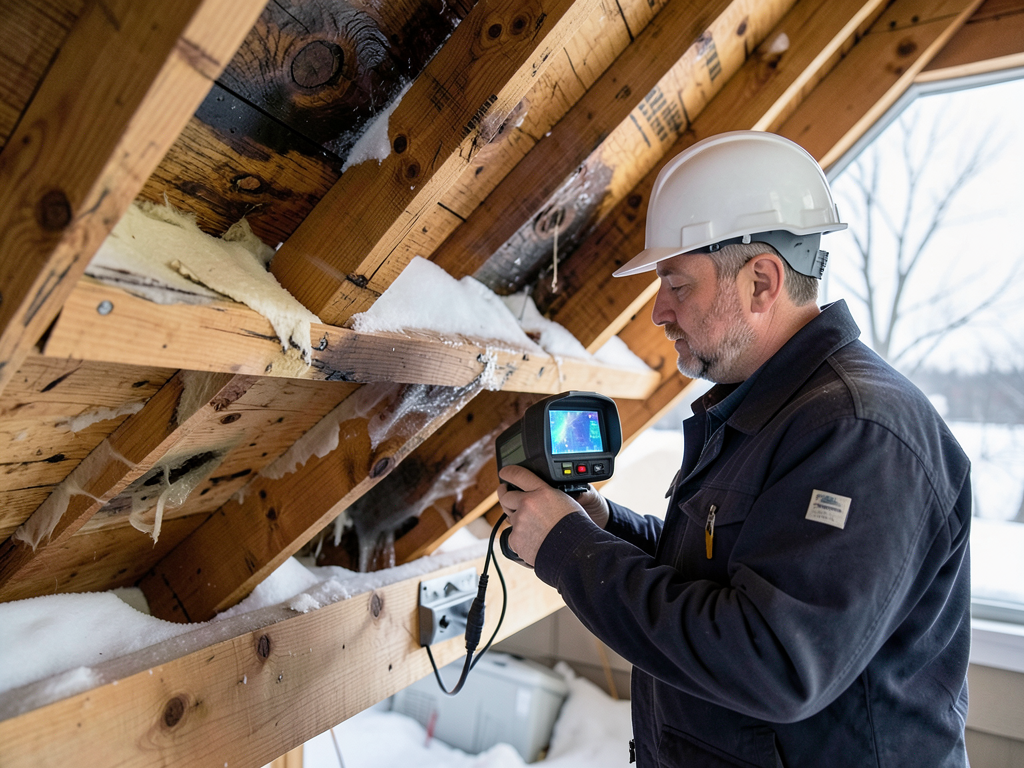
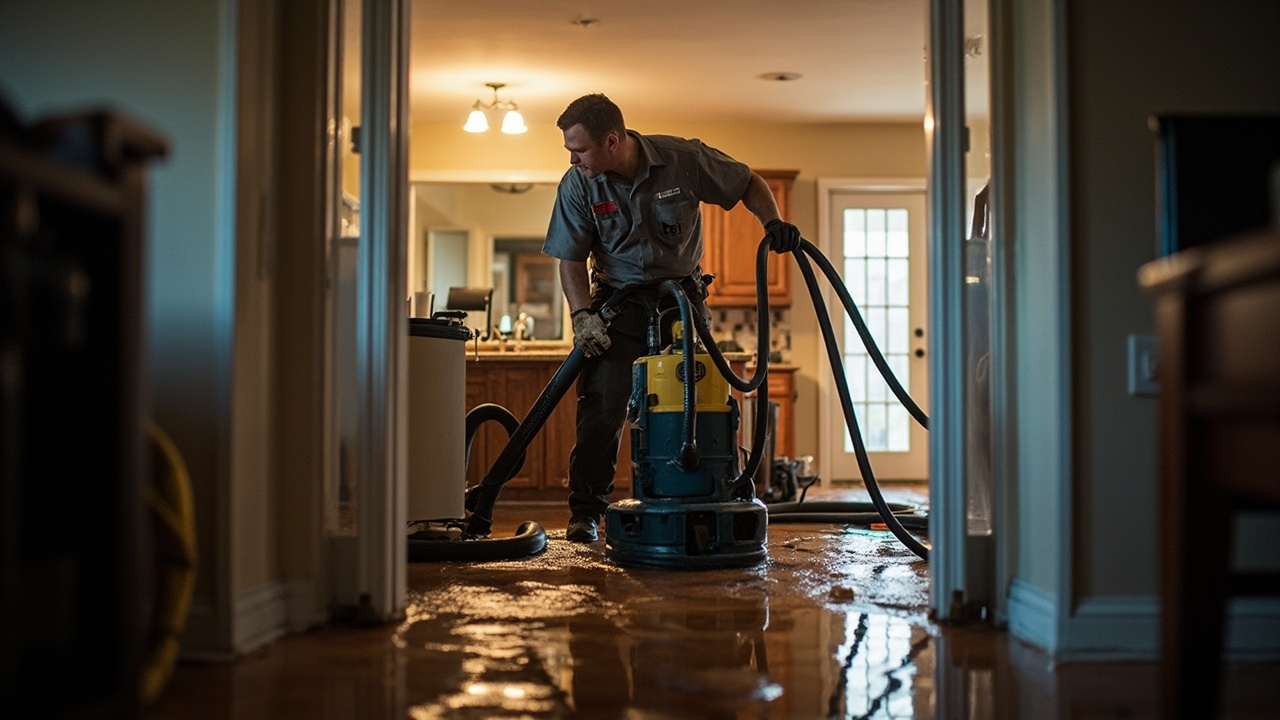
Emergency water extraction requires industrial-grade pumps and truck-mounted extraction units that remove thousands of gallons per hour. Wet-vacs and shop vacuums cannot handle the volume. Professional water removal services use thermal imaging cameras to detect hidden moisture pockets behind walls and under flooring, areas you cannot see but where the worst damage occurs.

Flood damage restoration addresses both the visible standing water and the hidden moisture that causes long-term structural problems. Buffalo's freeze-thaw cycles already stress foundations. Add trapped moisture, and you accelerate foundation deterioration, wood rot, and electrical hazards. Water mitigation services stop the damage cascade before it becomes a total loss scenario.

Why Buffalo Flooding Demands Immediate Professional Extraction
Our Scientific Approach to Water Extraction and Structural Drying

Our Scientific Approach to Water Extraction and Structural Drying

Alpha Water Damage Restoration Buffalo uses a four-phase protocol based on IICRC S500 standards for water damage cleanup. This is not cleanup. This is controlled structural drying using psychrometric calculations to track moisture reduction.

Phase one involves source control and classification. We identify whether you're dealing with clean water from a supply line, gray water from appliances, or black water from sewer backup. Classification determines the extraction method and safety protocols. Contaminated floodwater requires antimicrobial treatment and disposal procedures that meet New York State health codes.

Phase two deploys truck-mounted extraction units pulling 300 cubic feet per minute. Submersible pumps handle deep standing water. Weighted extraction wands pull water from carpet and pad. We measure moisture content in structural materials using penetrating pin meters and non-invasive scanners. The goal is rapid removal before absorption extends the affected area.

Phase three establishes controlled drying conditions using commercial dehumidifiers and air movers positioned based on airflow modeling. We create negative pressure environments that pull moisture-laden air away from structural cavities. Desiccant dehumidifiers work better in cold Buffalo basements than refrigerant models because they function efficiently below 60 degrees.

Phase four involves continuous monitoring using data loggers that record temperature, humidity, and material moisture content every four hours. We adjust equipment placement and calculate drying velocity using vapor pressure differentials. Most structures reach dry standard within three to five days if extraction begins within 24 hours of initial water intrusion.

What Happens During Emergency Flood Extraction

Flood Cleanup & Extraction in Buffalo – 24/7 Emergency Response When Minutes Matter
01

Immediate Water Removal

Crews arrive with truck-mounted extraction equipment and begin removing standing water within one hour of your call. Submersible pumps handle deep flooding while weighted extraction tools pull water from carpets, padding, and porous flooring. We document water levels and affected areas with photos and moisture readings for your insurance claim before starting extraction work.
02

Structural Drying Setup

After extracting standing water, technicians place industrial dehumidifiers and high-velocity air movers based on the specific layout of your property. We position equipment to create controlled airflow patterns that accelerate evaporation from walls, floors, and hidden cavities. Moisture meters measure saturation levels in wood framing, drywall, and insulation to establish baseline readings for monitoring progress.
03

Monitoring and Verification

Technicians return every 24 hours to take new moisture readings and adjust equipment. You receive daily progress reports showing measured moisture reduction. When all structural materials reach dry standard (typically below 15 percent moisture content for wood), we provide a completion certificate with final readings. This documentation proves proper drying occurred, protecting you from future mold liability issues.

Why Buffalo Property Owners Choose Local Flood Restoration Experts

Buffalo's building stock presents unique challenges that out-of-town restoration companies often mishandle. Homes in the Fruit Belt and Hamlin Park were built between 1900 and 1940, featuring plaster walls over wood lath, balloon framing, and pier-and-beam foundations. Water travels differently through these older assemblies than through modern construction.

Plaster walls require different drying techniques than drywall. Attempting to dry wet plaster too quickly causes cracking and detachment from the lath. We understand these material-specific requirements because we work with Buffalo's housing stock every day. We know which Historic District properties require preservation-approved methods and materials.

Local knowledge extends to insurance procedures. Most Buffalo homeowners carry policies through regional carriers familiar with lake-effect flooding patterns. We work directly with adjusters from these companies regularly, understand their documentation requirements, and can expedite claims processing. That familiarity cuts days off the approval timeline.

Buffalo's climate creates a narrow window for effective drying during humid summer months. Outdoor humidity above 70 percent reduces drying efficiency. We compensate by using desiccant dehumidification systems that maintain effectiveness regardless of outdoor conditions. Companies from drier climates often arrive with refrigerant-based equipment that struggles in Buffalo's humid air.

Code compliance matters for commercial properties. Erie County requires specific antimicrobial treatments for Category 3 water damage in commercial spaces. We maintain the proper certifications and product registrations that New York State requires. Alpha Water Damage Restoration Buffalo technicians hold IICRC Water Damage Restoration certification, meaning they have demonstrated competency in industry-standard procedures through proctored examinations and fieldwork verification.

What to Expect During Professional Flood Cleanup

Response Time and Availability

Emergency crews dispatch 24 hours a day, seven days a week, including holidays. Most Buffalo-area properties receive response within 60 to 90 minutes during normal conditions. Severe weather events that affect multiple properties simultaneously may extend response time, but you will receive a confirmed arrival window within 15 minutes of your initial call. Crews work in shifts during large-scale flooding events to maintain continuous service. We do not stop work at 5 pm when your basement is still underwater. Extraction and initial stabilization continue until standing water is removed and drying equipment is operational.

Initial Assessment Process

The first technician on-site performs a rapid damage assessment before starting work. This includes identifying the water source, measuring the affected area, determining water category (clean, gray, or black), and photographing conditions for insurance documentation. You receive a verbal overview of necessary work before crews begin extraction. For insurance purposes, we document moisture readings in both affected and unaffected areas to establish the contamination boundary. This assessment typically requires 15 to 20 minutes and produces a written scope of work that we provide to you and your insurance adjuster.

Completion Standards and Results

Flood cleanup is complete when all structural materials reach dry standard as defined by IICRC S500 guidelines. For wood framing, this means moisture content below 15 percent. For concrete, it means relative humidity below 75 percent. We provide a completion certificate showing final moisture readings at multiple test locations throughout the affected area. This certificate serves as proof that proper drying occurred, which protects you if mold problems emerge later due to hidden moisture that was not addressed. Insurance companies and future home buyers recognize these completion certificates as verification that professional restoration occurred.

Post-Restoration Monitoring

We recommend a follow-up moisture inspection 30 days after equipment removal to verify that no hidden moisture pockets remain. This inspection is complimentary for most residential flood restoration projects. Buffalo's temperature swings can occasionally reveal trapped moisture that was not initially apparent. During this inspection, we check the same test locations measured during the original assessment. If any readings show elevated moisture, we address it immediately at no additional charge. This follow-up catches problems before they become visible mold growth or structural damage.

Frequently Asked Questions

You Have Questions,
We Have Answers

How much does flood removal cost? +

Flood removal costs in Buffalo vary based on severity, square footage, and water category. Minor extraction for a small basement might start around a few hundred dollars, while extensive structural damage from Lake Erie flooding or a burst pipe can reach several thousand. Black water contamination costs more due to biohazard protocols. Insurance often covers sudden events like storm surges or pipe failures. Buffalo homes face freeze-thaw basement seepage and aging infrastructure, which affect pricing. Get a professional assessment before work begins to understand your specific situation and coverage.

How much does it cost to clean a basement after a flood? +

Basement flood cleanup in Buffalo depends on water source, contamination level, and structural damage. Clean water extraction from a sump pump failure costs less than sewage backup removal. Typical basements need water extraction, drying equipment, antimicrobial treatment, and debris removal. Older Buffalo homes with stone foundations or dirt floors add complexity. Expect higher costs for structural drying in winter when humidity control is harder. Most professionals charge by square footage and equipment days. Insurance may cover sudden flooding but not neglect or groundwater seepage common in the area.

How much does Servpro charge to clean a basement? +

Servpro pricing varies by location, damage extent, and water category. Buffalo franchises follow corporate pricing models but adjust for local market conditions. They charge for extraction, drying equipment rental, labor, antimicrobial treatment, and disposal. You pay for equipment days, so drying time affects total cost. Large national franchises sometimes charge more than local specialists who know Buffalo building stock and insurance claims processes. Always get multiple estimates. Your insurance adjuster will review any contractor estimate before approval, so documentation matters more than the company name.

Does flood insurance pay for clean-up? +

Flood insurance through NFIP or private carriers covers cleanup costs related to covered flood events. This includes debris removal, structural drying, and necessary demolition. You must prove the damage came from rising water or storm surge, not sewer backup or groundwater seepage. Buffalo homeowners near creeks or Lake Erie tributaries need this coverage since standard policies exclude flood damage. File claims quickly and document everything with photos. Cleanup must prevent further damage, so start extraction immediately but save receipts. Coverage limits and deductibles apply.

Is flood damage covered under homeowners insurance? +

Standard homeowners insurance does not cover flood damage in Buffalo or anywhere else. Flooding from rivers, Lake Erie storm surges, or heavy rain requires separate flood insurance. Your policy may cover sudden internal water damage like burst pipes, appliance failures, or roof leaks from wind-driven rain. Gradual seepage, sump pump failures without backup coverage, or groundwater intrusion get denied. Buffalo homes face basement water issues from clay soil and aging infrastructure. Read your policy exclusions carefully and consider flood insurance if you live near waterways or in low-lying neighborhoods.

How much does it cost to lift a house in a flood zone? +

House lifting in Buffalo flood zones costs tens of thousands of dollars depending on foundation type, square footage, and elevation requirements. You need structural engineering, permits, utility disconnection, hydraulic jacks, new foundation work, and reconnection. Buffalo building codes and frost depth requirements add complexity. Older homes near Cazenovia Creek or the Niagara River may qualify for FEMA grants or flood mitigation assistance. Most homeowners choose flood insurance and basement waterproofing instead. Lifting makes sense only for severe repetitive loss properties or new construction in high-risk zones.

Will insurance pay for a flooded basement? +

Insurance coverage for flooded basements in Buffalo depends on the water source. Sudden events like burst pipes, water heater failures, or sump pump mechanical breakdowns may be covered under dwelling or equipment breakdown endorsements. Gradual seepage, foundation cracks, or surface water intrusion get denied. Sewer backup coverage requires a separate endorsement. Spring snowmelt and clay soil cause chronic basement moisture issues that insurers consider maintenance problems. Document the cause immediately with photos and timestamps. File claims quickly and start mitigation to prevent mold, which carriers may exclude after 48 hours.

How much does it cost to finish a 2000 sq ft basement? +

Basement finishing costs are separate from flood cleanup work. This question asks about remodeling, not water damage restoration. If your Buffalo basement flooded and you need repair before finishing, focus on proper waterproofing first. Address foundation cracks, install sump pumps, and ensure drainage works. Buffalo clay soil and freeze-thaw cycles cause ongoing moisture issues. Finishing a basement that floods repeatedly wastes money. Remodeling costs involve framing, electrical, HVAC, and materials, which differ completely from emergency water extraction, structural drying, and mold remediation needed after flooding.

How much should I charge to deep clean a 1000 sq ft house? +

Deep cleaning rates for residential homes differ from flood cleanup work. Water damage restoration involves extraction equipment, structural drying, antimicrobial treatment, and contamination protocols that standard cleaning services do not provide. If you experienced flooding in Buffalo and need cleanup, you need water damage specialists with thermal imaging, air movers, dehumidifiers, and moisture meters. Cleaning companies remove dirt. Restoration contractors remove water, dry structures, and prevent mold. Do not confuse the two services. Flood damage requires immediate professional response within 24 hours to prevent secondary damage.

How long does it take to deep clean a 2000 sq ft house? +

Deep cleaning timelines are unrelated to flood restoration work. If your Buffalo home flooded, you need emergency water extraction and structural drying, not deep cleaning. Water damage restoration takes 3-7 days depending on water category, materials affected, and humidity levels. Buffalo winter flooding takes longer to dry due to cold temperatures and high indoor humidity. Professional equipment runs 24/7 until moisture readings reach acceptable levels. Cleaning happens after restoration completes. Do not delay flood cleanup thinking it resembles housecleaning. Every hour increases mold risk and structural damage in Buffalo's humid climate.

How Lake Erie Weather Patterns Create Buffalo Flood Risks Year-Round

Buffalo receives an average of 40 inches of precipitation annually, but lake-effect systems concentrate that rainfall into intense bursts that overwhelm drainage infrastructure. The sudden temperature shifts when warm air crosses cold Lake Erie water create localized downpours that drop two to three inches of rain in under two hours. These microbursts hit neighborhoods like South Buffalo and Kaisertown particularly hard because combined sewer systems cannot handle the volume. Basement flooding follows within minutes when street drains back up. Winter thaw cycles add another risk factor when rapid snowmelt combines with frozen ground that cannot absorb runoff.

Effective flood damage restoration in Buffalo requires understanding how the city's aging infrastructure responds to weather extremes. Alpha Water Damage Restoration Buffalo has worked with Erie County building departments and local insurance adjusters for years. We understand which neighborhoods face elevated risk due to outdated sewer laterals and where clay soil conditions cause chronic foundation seepage. That local knowledge means faster, more accurate damage assessment and fewer surprises during the restoration process. When you call a local company, you work with technicians who recognize your specific flood risk factors.

Water Damage Restoration Services in The Buffalo Area

Although we offer rapid mobile service across the entire Buffalo area and surrounding regions, we invite you to view our service area map to confirm our commitment to your community. We are always ready to deploy our expert teams directly to your residential or commercial property, ensuring the fastest possible response time when you need water damage restoration most, right where you are.

Address:
Alpha Water Damage Restoration Buffalo, 369 Washington St, Buffalo, NY, 14203

Additional Services We Offer

Our news updates

Latest Articles & News from The Blogs

The importance of microbial swabbing after a sewer backup in your Lackawanna basement When sewage backs up into your Lackawanna…

The importance of microbial swabbing after a sewer backup in your Lackawanna basement

The importance of microbial swabbing after a sewer backup in your Lackawanna basement When sewage backs up into your Lackawanna…

Simple ways to prevent your pipes from freezing in an unheated North Buffalo crawlspace

Simple ways to prevent your pipes from freezing in an unheated North Buffalo crawlspace Buffalo’s brutal winters and lake-effect snow…

Keeping your kids and pets safe during a home restoration project in Kenmore

Keeping your kids and pets safe during a home restoration project in Kenmore\n\nHome restoration after water damage creates unique safety…

Contact Us

Every hour you wait, water penetrates deeper into your structure. Call Alpha Water Damage Restoration Buffalo now at (716) 317-7717. Emergency crews dispatch immediately to begin extraction and prevent permanent damage to your Buffalo property.