

menu

How to Handle Insurance Claims in Buffalo – Get Your Water Damage Claim Approved Fast

Alpha Water Damage Restoration Buffalo walks you through every step of the water damage insurance claim process, from documenting structural damage to negotiating with adjusters, so Buffalo homeowners get fair compensation without delays or denials.

Slider Image 1
Slider Image 2
Slider Image 3
Slider Image 4
Slider Image 5
Slider Image 7
Slider Image 8
Slider Image 9
Slider Image 10
Slider Image 11

Why Water Damage Insurance Claims Get Denied in Buffalo

Buffalo's freeze-thaw cycles cause basement flooding and burst pipes more than most homeowners realize. When ice dams form along Erie County rooflines or a sump pump fails during spring snowmelt, the damage spreads fast. You file a water damage claim expecting help, but adjusters scrutinize every detail. Missing documentation, vague descriptions, or delayed reporting can tank your payout.

Insurance companies look for reasons to deny or lowball water restoration claims. They question whether the damage was sudden or gradual. They argue pre-existing conditions. They undervalue structural drying costs. Filing a water damage claim without understanding policy exclusions or mitigation requirements puts you at a disadvantage.

Buffalo's older housing stock, including homes in the Elmwood Village and Delaware District, often has aging plumbing and roof systems that complicate claims. Adjusters use this against you. If you cannot prove the pipe burst was sudden or that you maintained the system, they will fight you. Navigating water restoration claims requires proof, precision, and understanding the water damage insurance claim process from documentation to final settlement. Most homeowners do not know what insurers need to see. That gap costs thousands.

The difference between a denied claim and full compensation often comes down to how you present the damage, when you report it, and whether you have professional support. Managing water mitigation claims is not intuitive. You need to know what to photograph, which forms to submit, and how to respond when the adjuster challenges your version of events.

Why Water Damage Insurance Claims Get Denied in Buffalo
The Right Way to File a Water Damage Claim

The Right Way to File a Water Damage Claim

The water damage insurance claim process starts the moment you discover the leak, flood, or burst pipe. Your first action is mitigation. Insurance policies require you to stop ongoing damage immediately. That means shutting off water, extracting standing water, and setting up drying equipment. If you delay, the insurer can reduce or deny your payout for negligence.

Document everything before you move a single item. Take wide-angle photos of every affected room, close-ups of damaged materials, and video walkthroughs with timestamps. Capture water lines on walls, soaked drywall, and saturated flooring. These images become evidence when the adjuster questions the severity. Alpha Water Damage Restoration Buffalo helps Buffalo residents generate the documentation insurers demand.

Next, review your policy declarations page. Understand your coverage limits, deductibles, and exclusions. Standard homeowner policies cover sudden water events like burst pipes but exclude gradual leaks or flooding from external sources. Knowing this before filing a water damage claim prevents surprises when the adjuster arrives.

Contact your insurer within 24 hours. Late reporting gives them leverage to argue the damage worsened due to your inaction. Provide a clear, factual description of what happened, when it started, and what you did to mitigate. Avoid speculation or emotional language. Stick to observable facts.

When the adjuster visits, have a professional present. Adjusters work for the insurance company, not you. They look for reasons to minimize payouts. A certified water damage technician can walk them through moisture readings, structural drying protocols, and replacement costs. This levels the playing field. Managing water mitigation claims without expert backup often results in underpayment.

Your Water Damage Claim Roadmap

How to Handle Insurance Claims in Buffalo – Get Your Water Damage Claim Approved Fast
01

Emergency Mitigation and Documentation

Stop the water source, extract standing water, and begin drying within hours to meet policy requirements. Photograph all damage before moving belongings. Create a detailed inventory of affected items with descriptions and estimated values. This documentation becomes your evidence package when filing a water damage claim and protects you if the adjuster disputes the extent of damage.
02

Filing and Adjuster Coordination

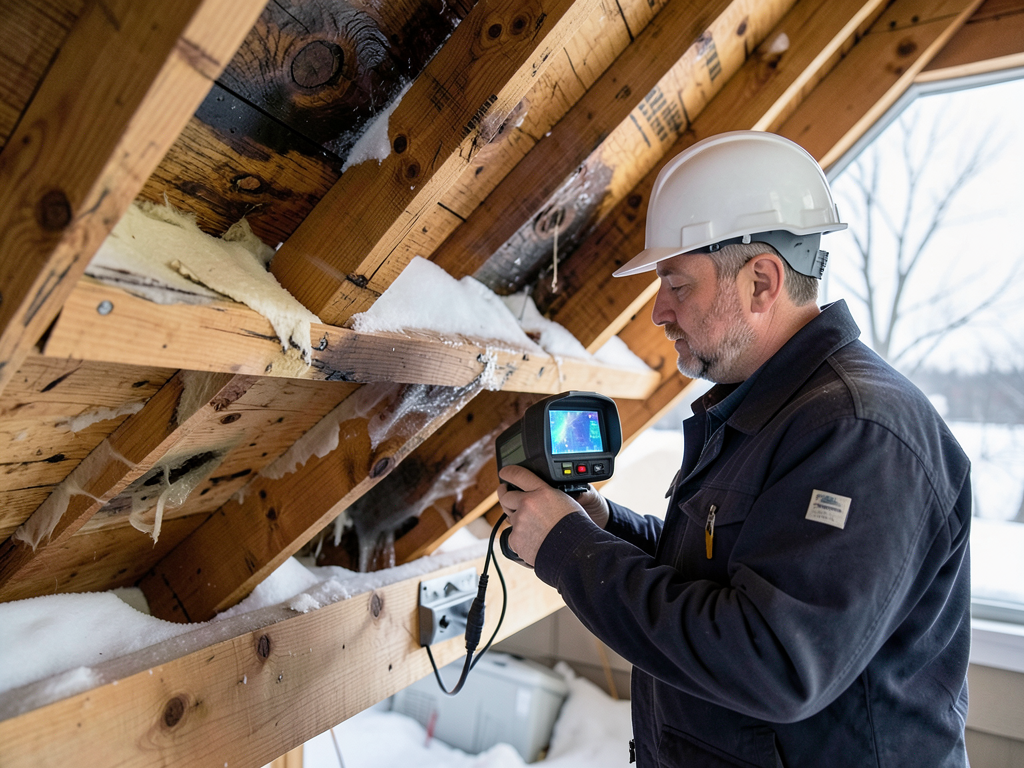
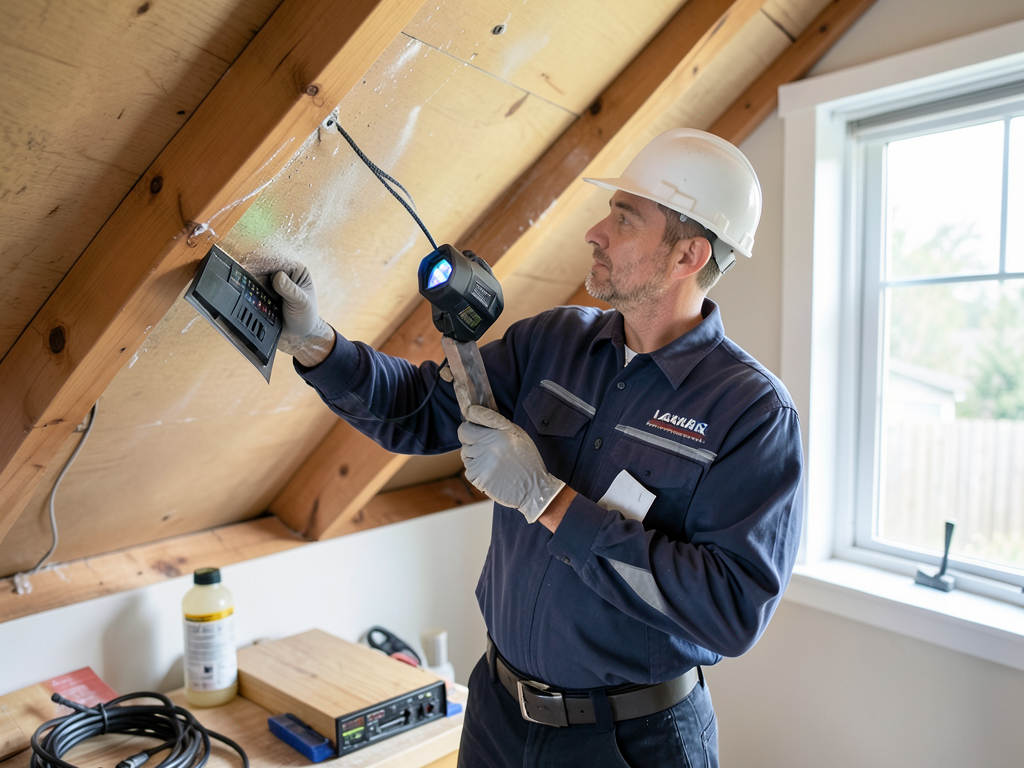
Submit your claim with photos, moisture readings, and mitigation invoices. Schedule the adjuster visit quickly but ensure a restoration professional attends. They verify moisture levels using thermal imaging and hygrometers, identify hidden damage behind walls, and provide technical explanations for drying timelines. This prevents the adjuster from underestimating scope or claiming you could have prevented secondary damage through faster action.
03

Negotiation and Settlement Approval

Review the adjuster's estimate line by line. Challenge lowball figures for structural drying, antimicrobial treatment, or material replacement. Insurance companies often use depreciated values or exclude necessary services. A restoration contractor provides competing estimates based on actual repair costs, not theoretical minimums. This documentation forces the insurer to justify denials and often results in higher settlements that cover full restoration costs.

Why Buffalo Homeowners Trust Alpha Water Damage Restoration Buffalo with Insurance Claims

We have worked with every major insurer operating in Erie County. We know what Allstate, State Farm, Erie Insurance, and local carriers accept as valid documentation. We understand their estimating software, depreciation schedules, and common objections. This experience means we know how to present your water damage claim in a way that minimizes pushback and maximizes approval.

Buffalo's building codes require specific moisture thresholds before reconstruction can begin. Insurers sometimes pressure homeowners to start repairs before drying is complete, which leads to mold growth and future claims denials. We use calibrated moisture meters and thermal imaging to verify surfaces meet IICRC S500 standards before we sign off. This protects you from liability and ensures the insurer cannot later claim you rushed the process.

Our technicians document every phase of water mitigation with timestamped photos, moisture logs, and equipment placement records. When an adjuster questions whether you needed ten air movers or three days of dehumidification, we provide data that justifies every decision. This level of detail is what separates approved claims from denied ones.

We also navigate the water restoration claims process for commercial properties, including multi-unit buildings in neighborhoods like North Buffalo and the Fruit Belt. Commercial policies have different coverage triggers and higher documentation standards. We adjust our reporting to meet those requirements, whether the damage involves tenant improvements, business interruption, or structural components.

Local expertise matters. We know Buffalo's housing inventory, common failure points in older homes, and how seasonal weather patterns impact claims. When we tell an adjuster that basement seepage during spring thaw is a recurring issue in Kaisertown due to high water tables, they listen. That credibility helps your claim.

What to Expect During the Insurance Claim Process

Rapid Response and Immediate Mitigation

We arrive within two hours of your call to begin water extraction and equipment setup. Speed is critical for insurance approval. Policies require immediate mitigation, and delays give adjusters ammunition to reduce payouts. We document start times, equipment placement, and initial moisture readings to prove you acted quickly. This documentation becomes part of your claim file and demonstrates compliance with policy requirements. Our 24/7 availability means we respond during holidays, weekends, and overnight emergencies when most competitors are closed.

Comprehensive Damage Assessment and Claim Support

We conduct moisture mapping using thermal imaging and pin-type meters to identify hidden water intrusion behind walls, under flooring, and in ceiling cavities. This assessment generates a detailed scope of work that goes directly to your insurer. We attend the adjuster meeting, explain technical findings, and counter any attempts to minimize damage. Our estimates include line-item breakdowns for extraction, drying, antimicrobial treatment, and demolition. This transparency prevents disputes and speeds approval. We also review your policy to identify coverage you might miss, like temporary housing or contents cleaning.

Complete Restoration and Claim Closure

Once the insurer approves the claim, we execute the full restoration from structural drying through final reconstruction. We handle demolition, mold remediation if needed, drywall replacement, flooring installation, and paint. You deal with one contractor, not multiple trades. We provide daily updates and final documentation for your claim file, including before and after photos, certificates of completion, and air quality testing results if mold was present. This comprehensive record protects you if the insurer questions future damage or if you sell the property.

Ongoing Support and Claim Advocacy

If the insurer denies your claim or offers a low settlement, we provide supplemental documentation and revised estimates to support an appeal. We communicate directly with adjusters and supervisors, escalating when necessary to secure fair compensation. Our role does not end when drying finishes. We stay involved through final settlement and payment. If you encounter delays or disputes months after the initial claim, we provide additional documentation or expert statements. This ongoing advocacy ensures you receive every dollar your policy entitles you to.

Frequently Asked Questions

You Have Questions,
We Have Answers

What not to say during an insurance claim? +

Avoid admitting fault or speculating about the cause of damage. Do not minimize the damage by saying things are fine when they are not. Never accept a first settlement offer without documentation. Do not sign anything before reading it completely. Avoid giving recorded statements without understanding your policy rights. In Buffalo, where freeze-thaw cycles and heavy snow cause complex damage patterns, do not guess at water source locations or structural impact. Stick to facts you can verify. Document everything with photos and notes before making any statements to your adjuster.

What are the 3 D's of insurance claims? +

The 3 D's are Duty, Deductible, and Denial. Duty means your insurance company must investigate your claim fairly. Deductible is your out-of-pocket cost before coverage applies. Denial is when the insurer refuses to pay your claim. Buffalo homeowners often face denials related to ice dam damage or foundation seepage because insurers claim these stem from maintenance neglect. Understanding these three concepts helps you navigate the claims process more effectively and recognize when an adjuster is not acting in good faith during your water damage claim.

What is the 80% rule in insurance? +

The 80% rule requires you to insure your property for at least 80% of its replacement cost to receive full claim payments. If you insure below this threshold, you become a co-insurer and face penalties. For example, if your Buffalo home has a replacement cost of $300,000, you need at least $240,000 in coverage. Insuring for only $180,000 means the insurer pays a reduced percentage of claims. With Buffalo's aging housing stock and rising construction costs, many homeowners unknowingly fall below this threshold and face unexpected out-of-pocket expenses during water damage claims.

What are the 5 W's when submitting a claim? +

The 5 W's are Who, What, When, Where, and Why. Who was affected by the damage? What type of damage occurred? When did you discover it? Where is the damage located in your property? Why did it happen? Answering these questions accurately speeds up your claim. In Buffalo, be specific about winter-related damage timing. Saying you found basement water on March 15 after snowmelt gives your adjuster critical context. Document each W with photos, receipts, and written notes. Clear answers prevent delays and reduce the chance of claim disputes.

What's the biggest mistake people often make when dealing with an insurance claim? +

The biggest mistake is waiting too long to file your claim. Most Buffalo homeowners delay because they think damage is minor or fear premium increases. This allows secondary damage like mold growth or structural rot to develop. Insurance policies have strict notification deadlines. Missing these deadlines gives insurers grounds to deny coverage completely. Another major mistake is failing to document damage before emergency repairs. Take extensive photos and videos before tarping a roof or extracting water. Without documentation, proving the extent of your loss becomes difficult during the adjustment process.

What are the 7 rules of insurance? +

The seven rules are insurable interest, utmost good faith, indemnity, subrogation, contribution, proximate cause, and loss minimization. Insurable interest means you must own what you insure. Utmost good faith requires honesty from both parties. Indemnity prevents profit from claims. Subrogation lets insurers recover costs from responsible third parties. Contribution applies when multiple policies cover one loss. Proximate cause determines coverage based on the primary damage trigger. Loss minimization requires you to prevent further damage. Buffalo homeowners must understand proximate cause especially, since freeze-thaw damage often involves multiple contributing factors that complicate coverage determinations.

What are the three most common mistakes on a claim that will cause denials? +

The three most common denial triggers are incomplete documentation, missed filing deadlines, and failure to prevent additional damage. Incomplete documentation means missing photos, receipts, or contractor estimates. In Buffalo, insurers often request specific evidence of sudden pipe bursts versus gradual seepage. Missed deadlines occur when homeowners wait weeks to report damage. Failure to mitigate happens when you do not tarp a roof or extract standing water promptly. Each mistake gives adjusters justification to reduce or deny your payout. Address all three by documenting immediately, filing quickly, and taking reasonable protective measures.

What not to say to an insurance claim adjuster? +

Never say you are not sure about damage extent or causes. Avoid statements like it has been leaking for a while, which suggests gradual damage that policies exclude. Do not speculate about maintenance history or prior issues. Never say the damage is your fault. Avoid casual remarks that downplay severity. In Buffalo, do not guess whether ice dams or roof defects caused your leak. Stick to observable facts like I found water in the ceiling on this date. Do not accept blame, admit negligence, or provide unnecessary details that adjusters can use against you.

How long should an insurance company take to settle a claim? +

New York insurance law requires insurers to acknowledge claims within 15 business days and make coverage decisions promptly after receiving all documentation. Simple water damage claims often settle within 30 to 60 days. Complex structural claims involving multiple contractors can take 90 days or longer. Buffalo claims involving winter storm damage may face delays during peak filing seasons. If your insurer is unresponsive beyond reasonable timeframes, you have the right to file a complaint with the New York Department of Financial Services. Document all communication delays to support potential bad faith claims.

What is the golden rule of insurance? +

The golden rule is to restore you to your pre-loss financial position without allowing profit from the claim. Insurance indemnifies you for actual losses but does not create windfalls. This means your Buffalo home gets repairs that match original condition, not upgrades. If your 15-year-old carpet floods, you receive depreciated value unless you have replacement cost coverage. Insurers calculate payouts based on repair costs, not your emotional attachment or inconvenience. Understanding this principle helps you set realistic expectations during water damage claims and prevents frustration when settlement offers reflect actual cash value rather than hoped-for amounts.

Why Buffalo's Freeze-Thaw Cycles Make Insurance Claims More Complex

Buffalo experiences some of the most severe freeze-thaw cycles in the country. Temperatures swing from below zero in January to above freezing within 24 hours, causing ice dams, frozen pipes, and foundation cracks. When pipes burst or basements flood during these events, insurance adjusters scrutinize whether the damage was preventable. They question whether you insulated pipes or maintained heating. These challenges make filing a water damage claim in Buffalo more difficult than in mild climates. You need documentation that proves the event was sudden and unavoidable, not gradual neglect.

Buffalo's older housing stock, particularly in neighborhoods like the West Side and South Buffalo, often has outdated plumbing and insufficient insulation. Insurance companies know this and use it to argue pre-existing conditions. Local restoration contractors understand Erie County building codes and can demonstrate that damage resulted from extreme weather, not deferred maintenance. Navigating water restoration claims requires familiarity with local construction methods, common failure points in Buffalo homes, and the water damage insurance claim process specific to New York State insurance regulations.

Water Damage Restoration Services in The Buffalo Area

Although we offer rapid mobile service across the entire Buffalo area and surrounding regions, we invite you to view our service area map to confirm our commitment to your community. We are always ready to deploy our expert teams directly to your residential or commercial property, ensuring the fastest possible response time when you need water damage restoration most, right where you are.

Address:
Alpha Water Damage Restoration Buffalo, 369 Washington St, Buffalo, NY, 14203

Additional Services We Offer

Our news updates

Latest Articles & News from The Blogs

The importance of microbial swabbing after a sewer backup in your Lackawanna basement When sewage backs up into your Lackawanna…

The importance of microbial swabbing after a sewer backup in your Lackawanna basement

The importance of microbial swabbing after a sewer backup in your Lackawanna basement When sewage backs up into your Lackawanna…

Simple ways to prevent your pipes from freezing in an unheated North Buffalo crawlspace

Simple ways to prevent your pipes from freezing in an unheated North Buffalo crawlspace Buffalo’s brutal winters and lake-effect snow…

Keeping your kids and pets safe during a home restoration project in Kenmore

Keeping your kids and pets safe during a home restoration project in Kenmore\n\nHome restoration after water damage creates unique safety…

Contact Us

Do not let your insurance company minimize your payout. Call Alpha Water Damage Restoration Buffalo at (716) 317-7717 for immediate claim support and professional documentation that gets results.