menu

Professional Mold Remediation & Removal in Buffalo – Certified Technicians, Complete Contamination Control

Alpha Water Damage Restoration Buffalo deploys IICRC-certified mold remediation specialists who eliminate fungal contamination at the source, restore indoor air quality, and protect your property from recurring growth using proven containment and decontamination protocols.

Slider Image 1
Slider Image 2
Slider Image 3
Slider Image 4
Slider Image 5
Slider Image 7
Slider Image 8
Slider Image 9
Slider Image 10
Slider Image 11

Why Buffalo Properties Face Persistent Mold Problems

Buffalo's climate creates the perfect conditions for mold growth. Lake-effect moisture, freeze-thaw cycles, and aging housing stock combine to produce chronic humidity problems. The city's older homes, many built before modern vapor barriers became standard, trap moisture in basements and crawl spaces. When snow melts in spring or heavy rains saturate the ground, water seeps through foundation cracks common in homes built on clay soil.

Mold spores exist everywhere, but they need moisture to colonize. In Buffalo, that moisture comes from roof leaks caused by ice dams, condensation in poorly insulated attics, basement seepage after snowmelt, and plumbing failures in aging infrastructure. Once mold establishes itself behind drywall or under flooring, it spreads rapidly. You might notice musty odors, visible black or green patches, or respiratory symptoms that worsen at home.

Professional mold removal requires more than bleach and a scrub brush. Surface cleaning leaves the root structure intact. Without proper containment, disturbed spores spread to clean areas. Without addressing the moisture source, mold returns within weeks. Mold abatement demands controlled demolition, negative air pressure, HEPA filtration, antimicrobial treatment, and verification testing. Half-measures create health risks and property damage.

Buffalo homeowners often discover mold after water damage from burst pipes during January cold snaps or spring flooding in low-lying neighborhoods near the Buffalo River. By the time visible growth appears, contamination has usually spread through wall cavities and insulation.

Why Buffalo Properties Face Persistent Mold Problems
Our Science-Based Mold Mitigation Protocol

Our Science-Based Mold Mitigation Protocol

Alpha Water Damage Restoration Buffalo uses containment-based mold decontamination that prevents cross-contamination during removal. We establish negative air pressure zones using commercial air scrubbers equipped with HEPA filters rated to capture 99.97% of particles down to 0.3 microns. This creates airflow from clean areas toward contaminated zones, preventing spore migration.

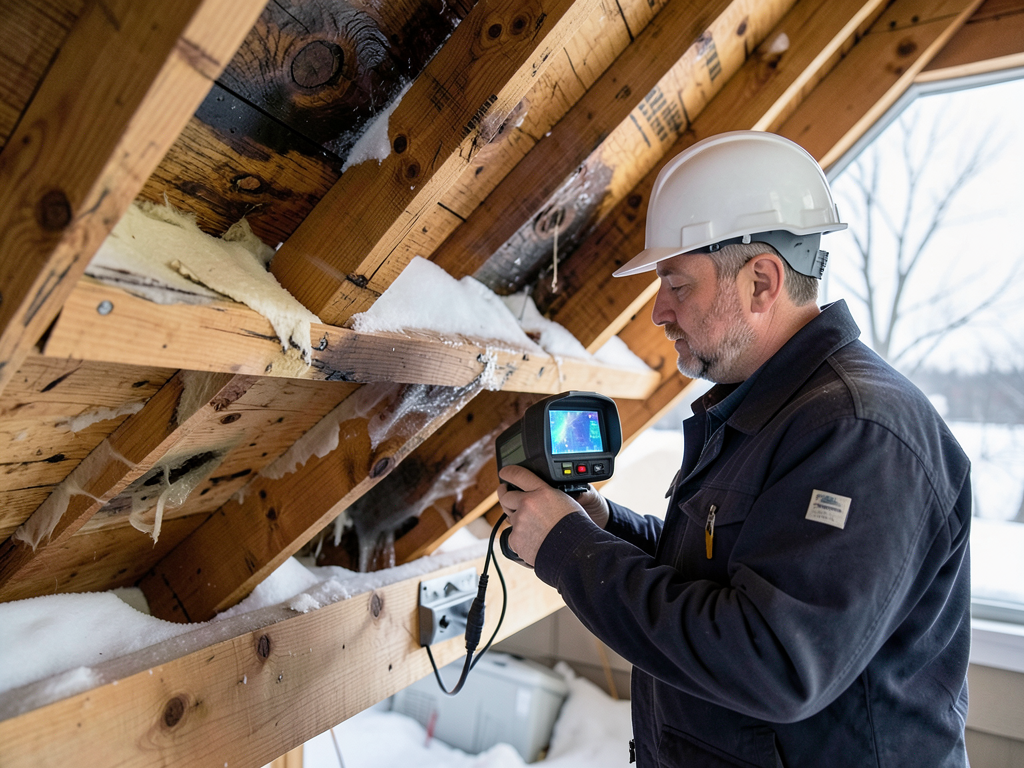
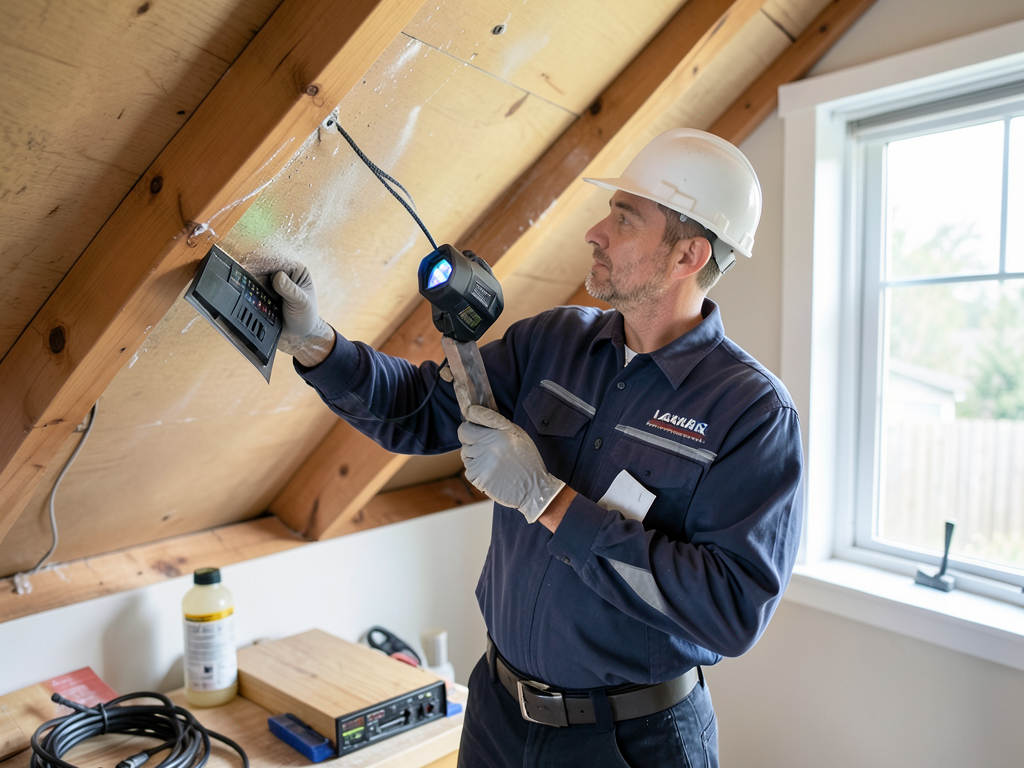
We identify the moisture source first. Thermal imaging cameras detect hidden water intrusion behind walls and under floors. Moisture meters measure exact humidity levels in building materials. We trace the water path from entry point to affected areas. Until we eliminate the moisture source, mold mitigation fails.

Contaminated materials get removed under containment. We bag porous materials like drywall, insulation, and carpeting in sealed containers before transport through decontamination chambers. Non-porous surfaces get treated with EPA-registered antimicrobial solutions that kill mold at the cellular level. We don't just wipe surfaces clean. We apply biocides that prevent regrowth.

Air quality testing happens before, during, and after remediation. Pre-testing establishes baseline spore counts. Post-remediation clearance testing verifies that airborne spore levels match outdoor ambient levels. We provide lab reports showing specific mold species identified and concentration levels measured.

Our technicians hold IICRC certifications in Applied Microbial Remediation. They follow ANSI/IICRC S520 standards for mold cleanup services. This means proper personal protective equipment, documented containment procedures, and chain-of-custody for all removed materials. Buffalo's building inspectors recognize these protocols during home sales and insurance claims.

How Professional Mold Cleanup Works in Your Buffalo Property

Professional Mold Remediation & Removal in Buffalo – Certified Technicians, Complete Contamination Control
01

Containment and Assessment

We seal the affected area with polyethylene sheeting and create negative air pressure using HEPA-filtered air scrubbers. Technicians conduct moisture mapping with infrared cameras and meters to identify all water-damaged materials. We document the extent of contamination with photos and detailed notes. This prevents mold spores from spreading to clean areas while we assess the full scope of remediation needed.
02

Removal and Treatment

Contaminated porous materials get removed and bagged in sealed containers. We HEPA-vacuum all surfaces before applying antimicrobial treatments to remaining structures. Non-porous materials get scrubbed and treated with fungicides. All debris passes through a decontamination chamber before leaving your home. We treat the entire affected cavity, not just visible growth, because mold colonizes inside wall cavities and insulation.
03

Verification and Prevention

After cleaning, we conduct post-remediation air quality testing through an independent lab. Results confirm that spore counts have returned to normal ambient levels. We provide detailed reports showing specific mold species and concentrations. Before reconstruction, we address the moisture source with waterproofing, ventilation improvements, or plumbing repairs. This prevents recurrence and protects your investment in professional mold decontamination.

Why Buffalo Homeowners Choose Alpha Water Damage Restoration Buffalo

We understand Buffalo's specific mold challenges because we work in these conditions year-round. We know that basement mold in Elmwood Village often stems from historic homes lacking proper foundation drainage. We recognize that North Buffalo ranch homes built in the 1950s commonly have condensation problems in poorly insulated attics. We've remediated mold in South Buffalo basements flooded during spring thaw events.

Our technicians carry IICRC Applied Microbial Remediation certification, the industry standard for professional mold cleanup services. We follow New York State Department of Labor regulations for mold remediation, including proper licensing and worker safety protocols. Insurance adjusters in Erie County recognize our documentation standards, which speeds claim processing.

We provide transparent scope-of-work documents before starting remediation. You see exactly which materials require removal, what treatment methods we'll use, and what testing we'll conduct. No surprise charges. No scope creep. We break down costs for containment, removal, treatment, testing, and prevention measures separately.

Local building inspectors accept our clearance testing because we use certified independent laboratories. We don't test our own work. Third-party verification protects you during home sales and refinancing. When buyers request mold disclosures, you provide professional documentation showing proper remediation and clearance.

We respond to mold emergencies 24/7 because contamination spreads rapidly once discovered. A basement flood at midnight becomes a mold problem within 48 hours. Fast containment limits damage and reduces remediation costs. We dispatch technicians immediately, not next week.

What You Can Expect From Our Mold Remediation Service

Rapid Emergency Response

We arrive within hours of your call, not days later. Mold contamination accelerates rapidly in Buffalo's humid climate, particularly during spring and fall when temperature swings create condensation. Our technicians perform initial containment immediately to prevent spore spread. We set up negative air machines and seal affected areas before you go to bed. Emergency response includes weekend and holiday availability because mold doesn't wait for business hours. You get a preliminary assessment and moisture readings on the first visit, so you understand the scope before work begins.

Comprehensive Moisture and Contamination Assessment

We use thermal imaging cameras to detect hidden moisture in walls, ceilings, and floors that standard inspections miss. Moisture meters provide exact humidity readings in wood framing, drywall, and concrete. We trace the water source from roof leaks, plumbing failures, or foundation seepage to all affected areas. Air sampling identifies specific mold species and concentration levels in different rooms. Surface sampling on visible growth confirms the type of contamination. You receive a written report with photos, moisture maps, and lab results showing exactly what we found and where.

Certified Decontamination and Clearance

Your property gets treated to IICRC S520 standards using HEPA filtration, antimicrobial solutions, and proper containment protocols. We remove contaminated materials completely, not just cover them. Non-porous surfaces receive professional-grade biocide treatment that kills mold at the root. After remediation, an independent laboratory conducts clearance testing to verify that airborne spore counts match normal outdoor levels. You receive official lab reports suitable for insurance claims, home sales, and building inspections. We don't consider the job complete until testing confirms your indoor air quality is safe.

Moisture Control and Prevention Strategy

Removing mold without fixing the moisture source guarantees recurrence. We identify and repair the underlying water problem whether it's a leaking roof, foundation crack, or condensation issue. Our team coordinates with plumbers, roofers, and waterproofing specialists as needed. We install vapor barriers, improve ventilation, and recommend dehumidification where appropriate. You receive a written moisture management plan specific to your property and Buffalo's climate challenges. Follow-up moisture readings confirm that humidity levels stay below the threshold for mold growth. This prevention approach protects your investment in professional remediation.

Frequently Asked Questions

You Have Questions,
We Have Answers

How much does it cost to remove mold? +

Mold removal costs in Buffalo vary widely based on the extent of contamination, location, and property type. Small, localized areas under 10 square feet might run a few hundred dollars. Larger infestations affecting multiple rooms, crawl spaces, or HVAC systems can reach several thousand. Factors include containment needs, air filtration, material disposal, and structural drying. Buffalo's high humidity and older housing stock often complicate projects. Most certified remediators offer free inspections to assess scope before quoting. Avoid focusing solely on price. Cheap fixes often miss hidden growth behind walls or under flooring, leading to recurring problems.

What is the difference between mold removal and mold remediation? +

Mold removal means physically scrubbing or wiping away visible mold from surfaces. Mold remediation is a comprehensive process that addresses the root cause. Remediation includes containment to prevent spore spread, air filtration, removing contaminated materials, treating affected areas with antimicrobials, and fixing moisture sources like leaks or poor ventilation. In Buffalo, where basements flood and old homes trap moisture, remediation is critical. Simply cleaning surface mold without controlling humidity or repairing water intrusion guarantees regrowth. Certified professionals follow IICRC S520 standards for remediation, which removal alone does not satisfy. Remediation protects long-term indoor air quality.

How much does full mold remediation cost? +

Full mold remediation in Buffalo typically ranges from a few thousand dollars for moderate projects to tens of thousands for severe, whole-home contamination. Cost drivers include square footage affected, depth of material removal (drywall, insulation, subfloors), containment complexity, and HVAC decontamination. Properties with finished basements or crawl space issues often cost more due to access challenges. Post-remediation verification testing and structural repairs add to totals. Buffalo's older building stock and freeze-thaw cycles can hide extensive damage. Get written estimates from IICRC-certified firms. Insurance may cover costs if linked to a covered peril like a burst pipe.

Is professional mold removal worth it? +

Yes. Professional mold remediation protects your health and property value. DIY methods miss hidden colonies behind walls, in HVAC ducts, or under flooring. Certified technicians use containment barriers, HEPA filtration, and moisture meters to prevent cross-contamination and ensure complete removal. In Buffalo, where basements stay damp and ice dams cause attic leaks, professionals identify moisture sources you might overlook. Improper handling spreads spores throughout your home, worsening respiratory issues. Professionals also document the work for insurance claims and future home sales. Cutting corners now leads to recurring growth, structural rot, and costly repairs down the line.

What kills mold permanently? +

Nothing kills mold permanently if moisture remains. Mold needs water to grow. Effective remediation combines antimicrobial treatments with moisture control. EPA-registered fungicides kill active colonies on hard surfaces. Porous materials like drywall or insulation often require removal and disposal. After treatment, you must fix leaks, improve ventilation, and maintain indoor humidity below 60 percent. In Buffalo, dehumidifiers and proper grading around foundations help. Bleach kills surface mold but does not penetrate porous materials and can damage substrates. Professional-grade products and moisture management prevent regrowth. Without controlling water intrusion, mold always returns.

What are signs of mold exposure? +

Common signs of mold exposure include persistent coughing, sneezing, throat irritation, nasal congestion, and watery eyes. Some people experience headaches, fatigue, skin rashes, or worsened asthma symptoms. Individuals with compromised immune systems or mold allergies react more severely. In Buffalo, where older homes trap moisture and basements flood, prolonged exposure is common. Symptoms often improve when you leave the property and worsen upon return. If you notice musty odors, visible growth, or water stains alongside these symptoms, get a professional assessment. Not everyone reacts the same way, but respiratory distress should never be ignored.

Do you have to throw everything away with mold in the house after? +

No. You do not have to discard everything. Hard, non-porous items like glass, metal, and hard plastics clean with detergent and water. Porous materials like drywall, carpet, insulation, and upholstered furniture often require disposal if heavily contaminated. Clothing and linens usually wash clean with hot water and detergent. In Buffalo, where basements store valuables, quick action after flooding saves belongings. Professionals assess each item individually. Documents and photos can sometimes be freeze-dried or restored. The key is speed. Mold colonizes porous materials within 48 hours of water exposure. Act fast to minimize loss.

Can I remediate mold myself? +

Small areas under 10 square feet with no HVAC involvement can be cleaned by homeowners using proper PPE, containment, and EPA-registered cleaners. Larger infestations, hidden mold, or contamination in HVAC systems require certified professionals. In Buffalo, where basement flooding and ice dams are common, mold often hides behind walls or under flooring. DIY efforts risk spreading spores, incomplete removal, and health exposure. If you have respiratory issues, immune concerns, or suspect black mold, hire a pro. Improper remediation voids insurance claims and complicates future home sales. Know your limits and prioritize safety.

Is it hard to sell a house that has had mold remediation? +

Not if remediation was done correctly and documented. Buyers want proof the issue was resolved professionally. Provide certificates of completion, post-remediation testing results, and documentation of moisture repairs. In Buffalo, where older homes have mold histories, transparency builds trust. Hiding past remediation can trigger legal issues during disclosure. Properly remediated homes often sell without issue, especially if you fixed underlying moisture problems like sump pump failures or poor grading. Unresolved mold or DIY fixes scare buyers and tank offers. Certified remediation protects resale value and demonstrates responsible ownership. Honesty and documentation are everything.

How Lake-Effect Moisture and Aging Housing Stock Drive Buffalo's Mold Problems

Buffalo receives over 90 inches of snow annually, much of it from lake-effect systems that dump moisture on the eastern suburbs. When this snow melts in spring, it saturates the ground and seeps through foundation cracks common in homes built before 1970. The freeze-thaw cycles crack foundation walls and mortar joints, creating entry points for water. Add Buffalo's aging housing stock, where nearly 60% of homes were built before 1960, and you have properties with outdated waterproofing, no vapor barriers, and inadequate ventilation. These conditions create chronic basement humidity and condensation problems that fuel mold growth year-round.

Professional mold abatement in Buffalo requires understanding local building construction and climate patterns. Historic homes in Allentown and the Elmwood Village have unique challenges like stone foundations, balloon framing, and uninsulated wall cavities. Ranch homes in Kenmore and Tonawanda face attic condensation from insufficient insulation during cold winters. Alpha Water Damage Restoration Buffalo has remediated mold in every neighborhood and housing type across Erie County. We work with local building inspectors who recognize our documentation standards and clearance protocols. When you choose local expertise, you get technicians who understand how Buffalo's climate interacts with regional construction methods.

Water Damage Restoration Services in The Buffalo Area

Although we offer rapid mobile service across the entire Buffalo area and surrounding regions, we invite you to view our service area map to confirm our commitment to your community. We are always ready to deploy our expert teams directly to your residential or commercial property, ensuring the fastest possible response time when you need water damage restoration most, right where you are.

Address:
Alpha Water Damage Restoration Buffalo, 369 Washington St, Buffalo, NY, 14203

Additional Services We Offer

Our news updates

Latest Articles & News from The Blogs

The importance of microbial swabbing after a sewer backup in your Lackawanna basement When sewage backs up into your Lackawanna…

The importance of microbial swabbing after a sewer backup in your Lackawanna basement

The importance of microbial swabbing after a sewer backup in your Lackawanna basement When sewage backs up into your Lackawanna…

Simple ways to prevent your pipes from freezing in an unheated North Buffalo crawlspace

Simple ways to prevent your pipes from freezing in an unheated North Buffalo crawlspace Buffalo’s brutal winters and lake-effect snow…

Keeping your kids and pets safe during a home restoration project in Kenmore

Keeping your kids and pets safe during a home restoration project in Kenmore\n\nHome restoration after water damage creates unique safety…

Contact Us

Mold doubles its coverage area every 48 to 72 hours under ideal conditions. Call Alpha Water Damage Restoration Buffalo now at (716) 317-7717 for immediate containment and certified remediation. We deploy technicians 24/7 and provide free moisture assessments.