menu

Industrial Drying Services in Buffalo – Minimize Downtime with 24-Hour Commercial Water Extraction

Industrial-grade structural drying and dehumidification services engineered to restore operational continuity for Buffalo manufacturing facilities, warehouses, and commercial properties with minimal business interruption.

Slider Image 1
Slider Image 2
Slider Image 3
Slider Image 4
Slider Image 5
Slider Image 7
Slider Image 8
Slider Image 9
Slider Image 10
Slider Image 11

Buffalo's Industrial Sector Faces Unique Water Damage Vulnerabilities

Buffalo's location along the Great Lakes and Niagara River creates persistent humidity challenges for industrial facilities. Winter freeze-thaw cycles rupture overhead piping in warehouses. Spring snowmelt overwhelms aging storm drains near the Inner Harbor and South Buffalo industrial corridors. Summer humidity condenses on cold surfaces in temperature-controlled manufacturing spaces. These conditions create catastrophic water intrusion events that halt production.

When a sprinkler line fails at a grain processing plant on Elk Street or a roof leak floods a distribution center in Cheektowaga, every hour of downtime translates to revenue loss, missed shipments, and contract penalties. Standard commercial water drying services lack the capacity and speed required for large-scale industrial environments. You need industrial structural drying systems capable of processing thousands of cubic feet per minute, not residential-grade equipment scaled up.

Buffalo's industrial buildings often feature concrete slab foundations, steel structural elements, and complex HVAC systems that trap moisture in hidden voids. Water migrates through expansion joints and penetrates insulation systems. Without proper industrial dehumidification services, secondary damage compounds. Corrosion attacks machinery. Mold colonizes inventory. Production equipment fails calibration.

The challenge extends beyond water removal. You must maintain environmental controls for sensitive processes, protect expensive machinery from humidity exposure, and document every step for insurance and liability purposes. Generic restoration approaches fail in industrial settings. You need commercial structural drying protocols designed for high-volume, mission-critical facilities where operational continuity determines business survival.

Buffalo's Industrial Sector Faces Unique Water Damage Vulnerabilities
Industrial-Scale Water Extraction and Structural Drying Methodology

Industrial-Scale Water Extraction and Structural Drying Methodology

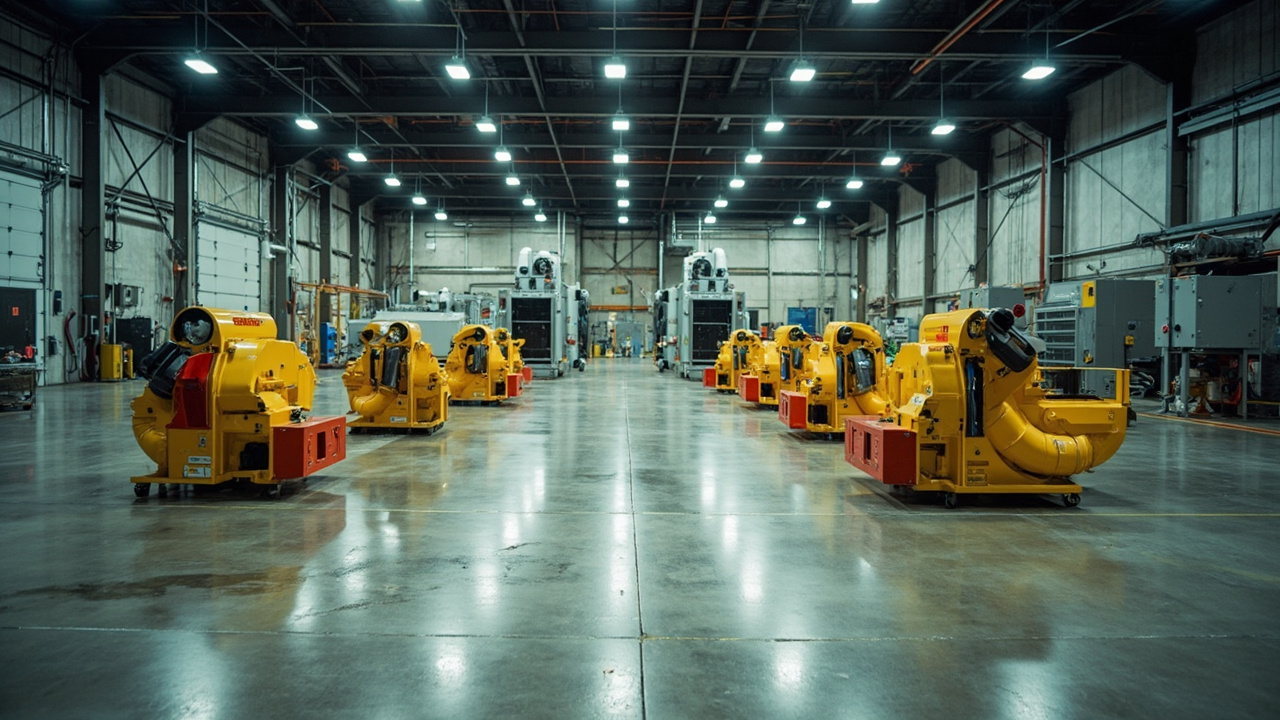
Alpha Water Damage Restoration Buffalo deploys commercial drying solutions engineered for industrial environments. We mobilize truck-mounted extraction units capable of removing thousands of gallons per hour from flooded manufacturing floors. Our industrial dehumidification services utilize desiccant systems that operate effectively even in cold warehouse conditions where refrigerant dehumidifiers fail.

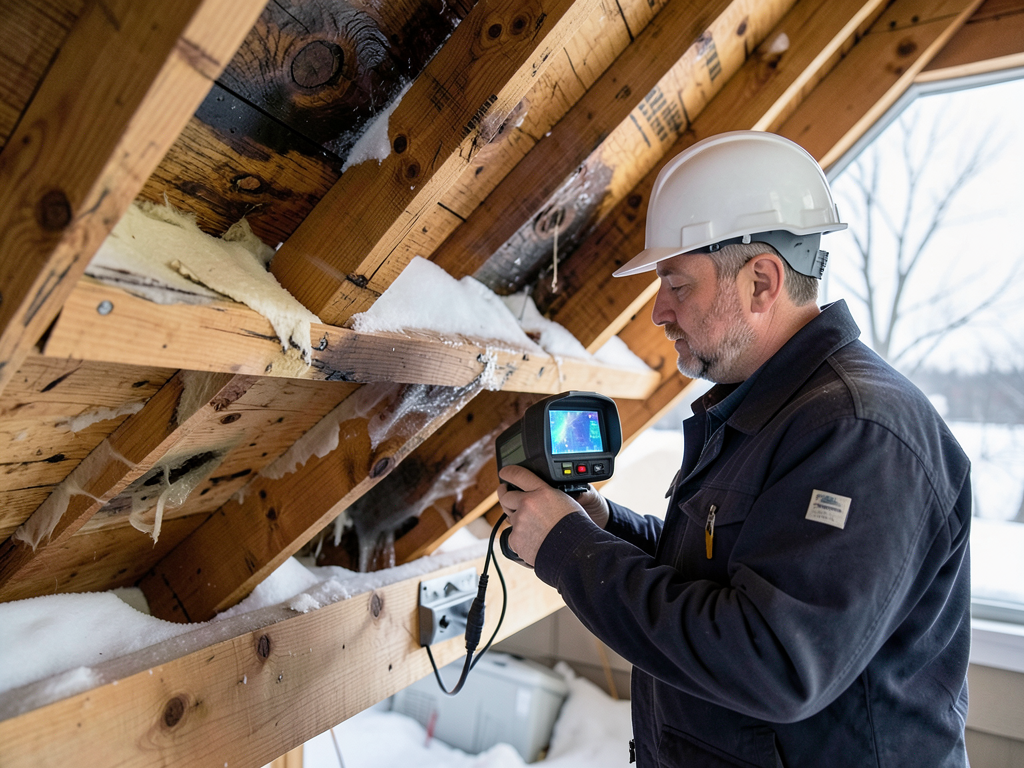
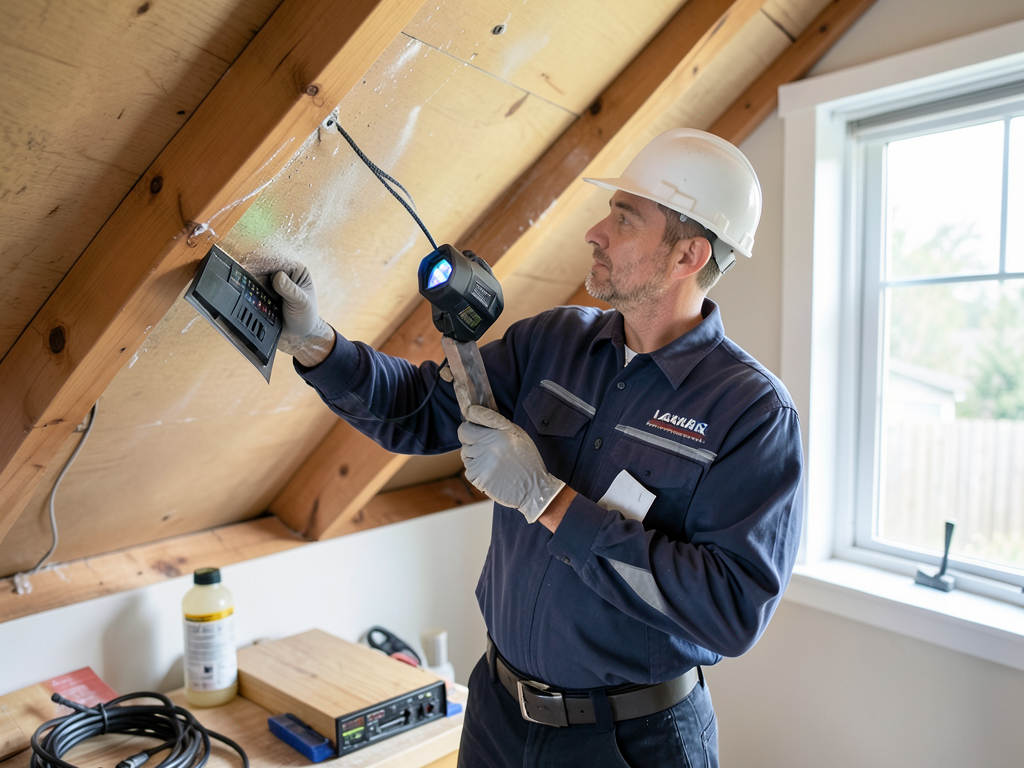
We establish containment zones using negative air machines with HEPA filtration to prevent cross-contamination between production areas. Thermal imaging cameras map moisture intrusion through concrete walls and beneath equipment foundations. Hygrometers placed throughout the facility create a real-time monitoring network that tracks drying progress across multiple zones simultaneously.

For concrete slab drying, we drill strategic ports and inject heated air beneath the surface to drive moisture from the substrate. This prevents efflorescence and structural degradation that develops when water remains trapped in the slab. Steel structural elements receive focused airflow from high-velocity air movers positioned to prevent corrosion in bolt connections and weld joints.

Our approach integrates with your operational requirements. We schedule drying equipment deployment around production shifts, create temporary environmental controls for sensitive processes, and coordinate with your facilities team to maintain safety protocols. Documentation includes moisture readings logged every four hours, thermal imaging comparisons, and equipment placement diagrams required for insurance claims and regulatory compliance.

We use commercial structural drying techniques developed for industrial applications, not residential methods adapted for larger spaces. This distinction determines whether you achieve proper drying in days rather than weeks, preventing the compounding losses that occur when facilities remain offline.

Industrial Water Damage Response Protocol

Industrial Drying Services in Buffalo – Minimize Downtime with 24-Hour Commercial Water Extraction
01

Emergency Assessment and Containment

Our industrial response team arrives within two hours to assess damage scope and establish containment protocols. We identify the water source, evaluate structural integrity, and determine which production zones require immediate isolation. Thermal imaging reveals hidden moisture in walls, beneath equipment foundations, and within ceiling cavities. We create a facility-specific extraction and drying plan that prioritizes business continuity, documenting all findings for insurance and regulatory compliance before any equipment deployment begins.
02

High-Volume Extraction and Drying

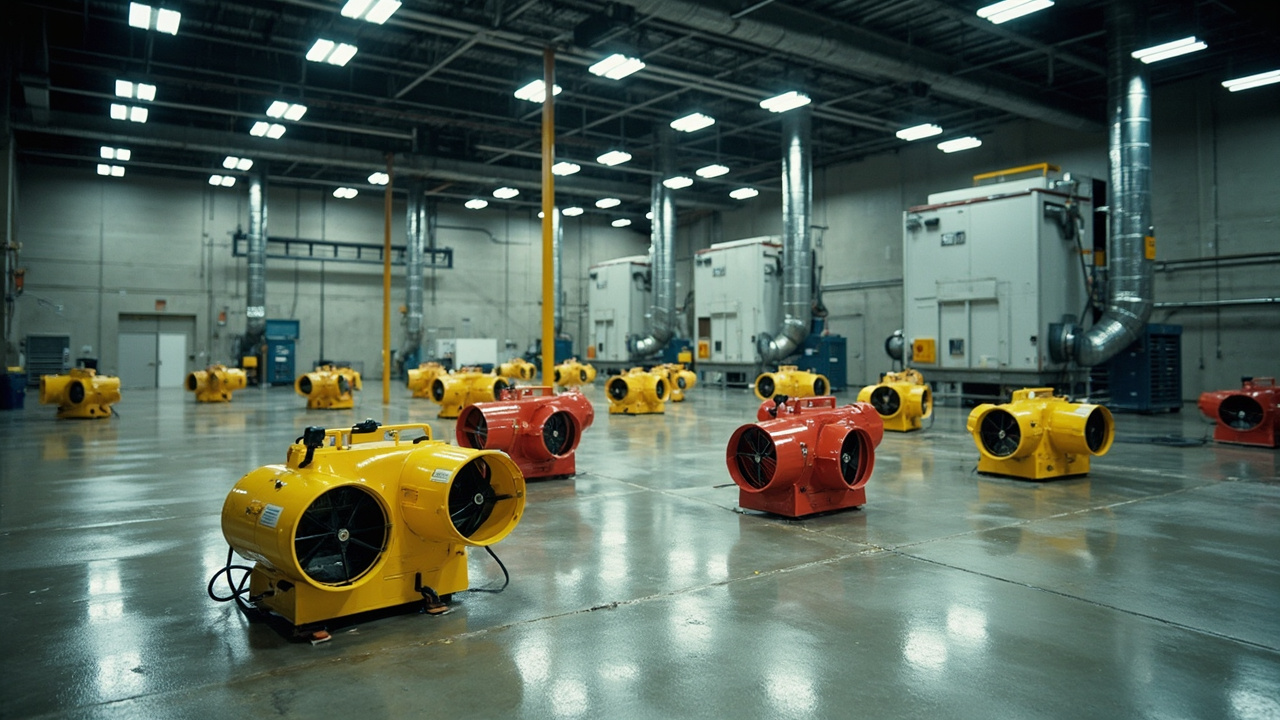
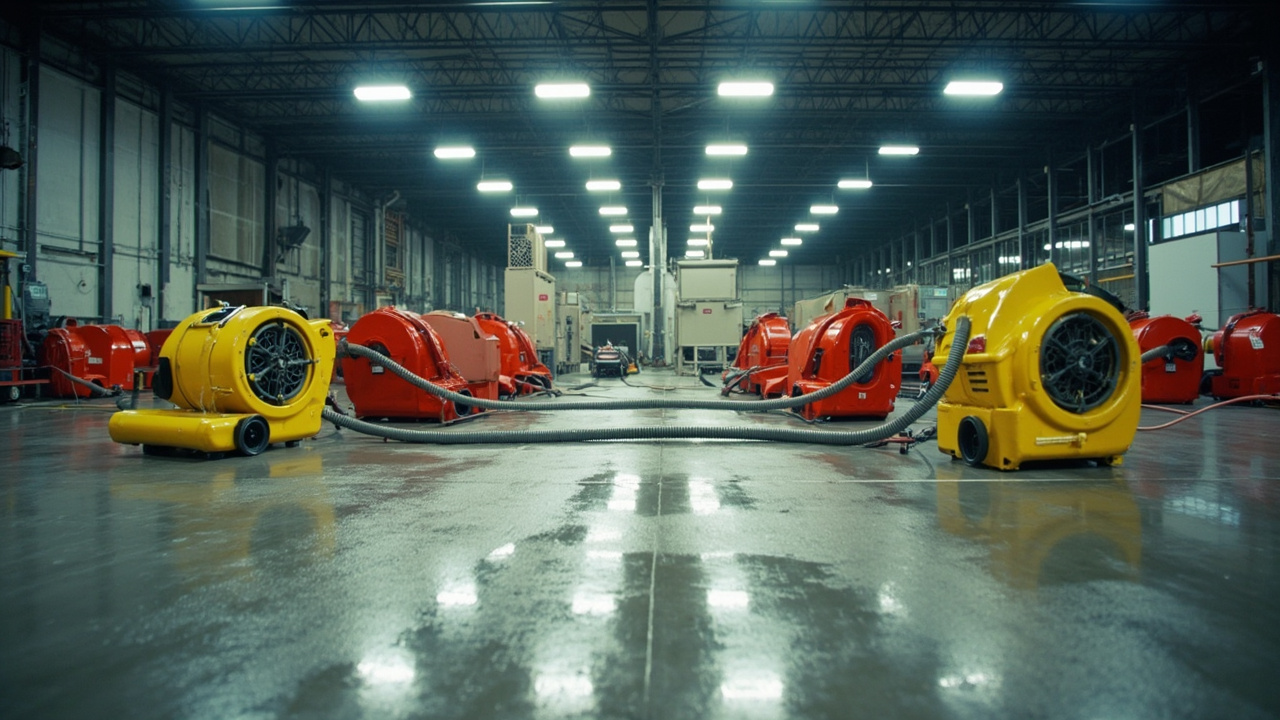
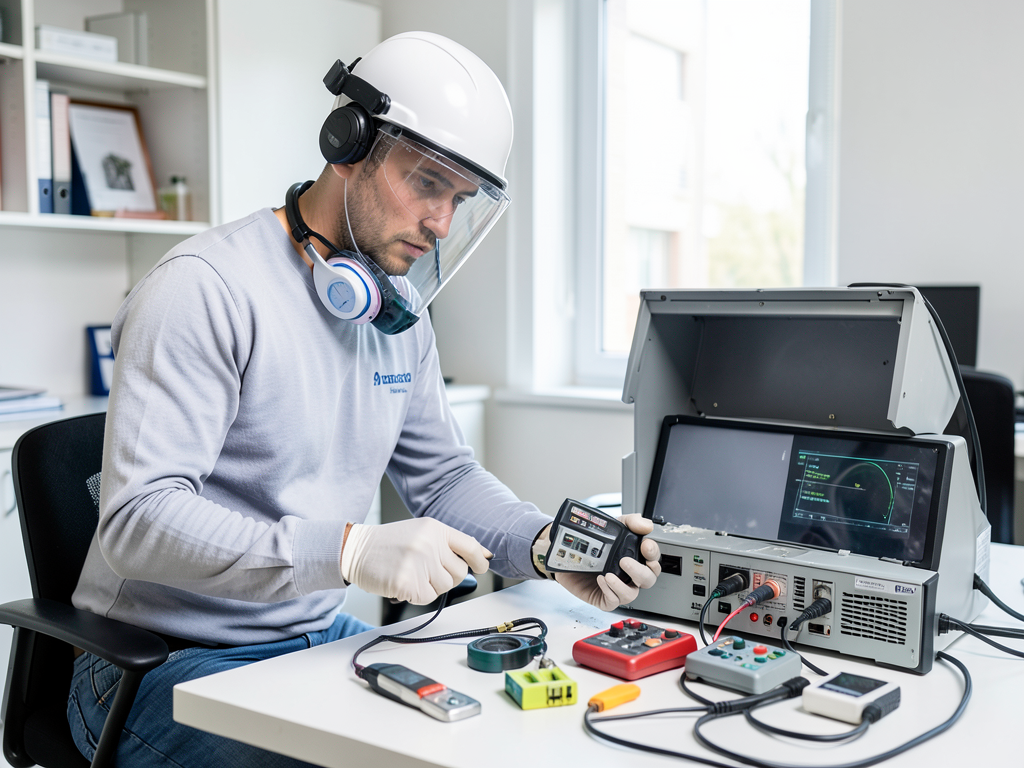
Truck-mounted extractors remove standing water from production floors, loading docks, and storage areas. We deploy industrial dehumidification services using desiccant and refrigerant systems calibrated for your facility's volume and environmental conditions. Air movers create directed airflow patterns that accelerate evaporation from structural surfaces and equipment. Negative air machines prevent moisture migration to unaffected areas. Moisture meters and hygrometers track drying progress in real-time, with readings logged every four hours to verify effectiveness and adjust equipment placement as conditions change.
03

Verification and System Restoration

Final moisture readings confirm all structural elements and substrates meet industry drying standards before equipment removal. We conduct thermal imaging verification to ensure no hidden moisture remains in wall cavities or beneath flooring systems. Post-drying documentation includes comprehensive moisture mapping, equipment runtime logs, and before-after comparisons required for insurance settlement. Our team coordinates with your facilities personnel to verify HVAC systems, electrical panels, and production equipment are safe for re-energization, ensuring your facility returns to full operational status.

Buffalo Industrial Facilities Require Local Structural Drying Expertise

Buffalo's industrial infrastructure presents restoration challenges that demand local expertise. Facilities along the Buffalo River and South Park Avenue corridor occupy buildings constructed between 1920 and 1960, featuring unreinforced masonry walls, outdated drainage systems, and electrical panels that fail when exposed to water. We understand how moisture migrates through these older structures and which building materials require specialized drying protocols.

Our familiarity with Buffalo's commercial building codes ensures compliance during restoration. We coordinate with city inspectors when structural drying requires documentation for occupancy permits. Our team understands the New York State Department of Labor requirements for confined space entry when accessing flooded utility tunnels or below-grade mechanical rooms common in Buffalo's industrial facilities.

We maintain relationships with commercial insurance adjusters who handle claims for Buffalo manufacturing and distribution operations. This experience streamlines the documentation process and prevents disputes over drying protocols or equipment selection. We provide the detailed moisture logs, equipment inventories, and progress photos required for claims exceeding six figures.

Our equipment inventory includes industrial-grade assets permanently stationed in Buffalo, not residential units transported from distant locations when emergencies occur. We stock desiccant dehumidifiers that operate in cold warehouses during Buffalo winters. Our generator capacity supports full-scale drying operations when facility power remains offline. This local infrastructure eliminates the delays that occur when restoration companies must mobilize equipment from Rochester or Syracuse.

Alpha Water Damage Restoration Buffalo operates exclusively in Western New York, serving the same industrial corridors where your facility operates. We understand the business continuity pressures facing Buffalo manufacturers competing in regional and national markets where production delays create cascading consequences.

What Industrial Facilities Should Expect from Professional Structural Drying

Rapid Emergency Response Timeline

We dispatch industrial water damage response teams within two hours of contact, 24 hours per day. Our trucks arrive equipped with assessment tools, extraction equipment, and initial drying systems to begin containment immediately. For facilities experiencing active flooding, we provide emergency water removal before comprehensive drying protocols begin. Large-scale operations requiring multiple dehumidification units and dozens of air movers mobilize within four hours. We maintain equipment reserves specifically for industrial-scale responses, ensuring your facility receives adequate capacity regardless of concurrent demand. Emergency response includes coordination with your insurance carrier and facilities management team to streamline approval processes that could otherwise delay mitigation efforts.

Comprehensive Moisture Assessment Process

Initial assessment includes thermal imaging of all affected areas to map moisture intrusion patterns. We test moisture content in concrete slabs, wall assemblies, insulation systems, and structural steel using calibrated meters that provide quantifiable readings for documentation. Our team identifies secondary damage risks, including compromised electrical systems, contaminated insulation, and machinery exposed to humidity. We evaluate your facility's HVAC capacity to determine whether existing systems can support drying operations or require supplemental equipment. Assessment findings generate a detailed scope of work that specifies equipment quantities, estimated drying timeline, and operational considerations. This documentation provides the foundation for insurance claims and helps your team plan production scheduling around restoration activities.

Verified Structural Drying Standards

We dry structures to industry standards established by the Institute of Inspection, Cleaning and Restoration Certification, using moisture content thresholds specific to each building material. Concrete slabs reach 75% of their dry standard reading. Wood framing achieves 15% moisture content or less. Drywall and insulation materials meet manufacturer specifications to prevent mold growth and structural degradation. Our verification process includes final thermal imaging to confirm no hidden moisture pockets remain in wall cavities or beneath equipment platforms. You receive comprehensive documentation showing initial moisture readings, daily progress measurements, and final verification results. This proof of proper drying protects you from future liability claims and provides insurance carriers with the evidence required for claim settlement.

Post-Restoration Monitoring Services

After equipment removal, we provide follow-up moisture monitoring at 72 hours and seven days to verify structural elements remain within acceptable ranges. This secondary verification catches rebound moisture that occasionally occurs in thick concrete slabs or complex wall assemblies. We coordinate with your facilities team to inspect HVAC systems, verify proper operation of dehumidification controls, and ensure building envelope integrity prevents future water intrusion. Our documentation package includes all moisture logs, equipment runtime records, thermal images, and verification certificates required for insurance closeout and regulatory compliance. For facilities requiring ongoing humidity control, we provide recommendations for permanent dehumidification systems or building envelope improvements that prevent future damage events. This consultation helps you make informed decisions about long-term facility protection.

Frequently Asked Questions

You Have Questions,
We Have Answers

How Buffalo's Lake Effect Climate Demands Specialized Industrial Dehumidification

Buffalo receives over 95 inches of annual snowfall and maintains relative humidity above 70% for six months each year due to Lake Erie's influence. This persistent moisture creates condensation on cold surfaces inside industrial facilities, particularly during spring when warm air contacts cold structural elements. Warehouses along South Park Avenue and manufacturing plants near the Buffalo River experience accelerated corrosion on steel structural members and equipment. When water damage occurs in these high-humidity conditions, standard commercial water drying services fail because ambient moisture recontaminates dried surfaces. Industrial dehumidification services must process incoming air while simultaneously drying structural elements, requiring desiccant systems that function effectively in cold, humid environments where refrigerant dehumidifiers lose capacity.

Buffalo's commercial building stock includes numerous facilities built before modern moisture control standards existed. Industrial buildings in the Old First Ward and Valley neighborhoods feature masonry construction with minimal vapor barriers and outdated drainage systems. These structures require restoration technicians who understand how water migrates through unreinforced brick walls and deteriorated foundation systems. Alpha Water Damage Restoration Buffalo has restored industrial facilities throughout Western New York, working with local building inspectors and insurance adjusters familiar with regional construction methods. Our team knows which Buffalo industrial zones require confined space permits for below-grade drying operations and maintains the safety certifications required for work in regulated environments. This local expertise prevents compliance issues that delay restoration and extends operational downtime.
Water Damage Restoration Services in The Buffalo Area

Although we offer rapid mobile service across the entire Buffalo area and surrounding regions, we invite you to view our service area map to confirm our commitment to your community. We are always ready to deploy our expert teams directly to your residential or commercial property, ensuring the fastest possible response time when you need water damage restoration most, right where you are.

Address:
Alpha Water Damage Restoration Buffalo, 369 Washington St, Buffalo, NY, 14203

Additional Services We Offer

Our news updates

Latest Articles & News from The Blogs

The importance of microbial swabbing after a sewer backup in your Lackawanna basement When sewage backs up into your Lackawanna…

The importance of microbial swabbing after a sewer backup in your Lackawanna basement

The importance of microbial swabbing after a sewer backup in your Lackawanna basement When sewage backs up into your Lackawanna…

Simple ways to prevent your pipes from freezing in an unheated North Buffalo crawlspace

Simple ways to prevent your pipes from freezing in an unheated North Buffalo crawlspace Buffalo’s brutal winters and lake-effect snow…

Keeping your kids and pets safe during a home restoration project in Kenmore

Keeping your kids and pets safe during a home restoration project in Kenmore\n\nHome restoration after water damage creates unique safety…

Contact Us

Every hour of delayed response increases water damage severity and extends operational downtime. Call Alpha Water Damage Restoration Buffalo at (716) 317-7717 for immediate industrial structural drying deployment. Our teams respond 24 hours per day to Buffalo facilities requiring emergency water extraction and commercial dehumidification services.