menu

Large Scale Water Extraction in Buffalo – Industrial-Grade Solutions That Keep Your Business Running

Alpha Water Damage Restoration Buffalo deploys truck-mounted pumps, commercial extractors, and rapid-response teams to remove thousands of gallons fast, minimizing downtime and protecting your bottom line across manufacturing facilities, warehouses, and multi-tenant properties.

Slider Image 1
Slider Image 2
Slider Image 3
Slider Image 4
Slider Image 5
Slider Image 7
Slider Image 8
Slider Image 9
Slider Image 10
Slider Image 11

Buffalo's Infrastructure Creates High-Volume Water Emergencies

Buffalo's aging industrial zones, combined with harsh freeze-thaw cycles and heavy snowmelt runoff from Lake Erie, create predictable commercial water disasters. When a main line ruptures in a 50,000-square-foot warehouse on the East Side or a sprinkler system fails in a Larkinville manufacturing plant, you face catastrophic loss within hours.

Standard residential equipment cannot handle bulk water removal services at the scale commercial properties demand. A ruptured 6-inch supply line discharges 1,500 gallons per minute. Your standard shop vac is irrelevant. You need industrial water extraction capacity that matches the inflow rate, or you watch inventory, machinery, and structural integrity disappear.

Buffalo's clay-heavy soil compounds the problem. Water does not percolate. It pools. A flooded loading dock does not drain naturally in Western New York. Gravity will not save you. You need high volume water pumping systems that force water out mechanically, not equipment designed for basement seepage.

Commercial tenants in the Buffalo Niagara Medical Campus and Canalside development face additional liability. Building codes require rapid water removal to prevent mold colonization in HVAC systems. Every hour of standing water increases your exposure to business interruption claims, environmental remediation costs, and potential code violations.

Large loss water mitigation is not a scaled-up version of residential service. It requires different equipment, different certifications, and different logistics. You need a team that understands commercial building systems, not just how to dry a living room.

Buffalo's Infrastructure Creates High-Volume Water Emergencies
How Industrial Water Extraction Actually Works

How Industrial Water Extraction Actually Works

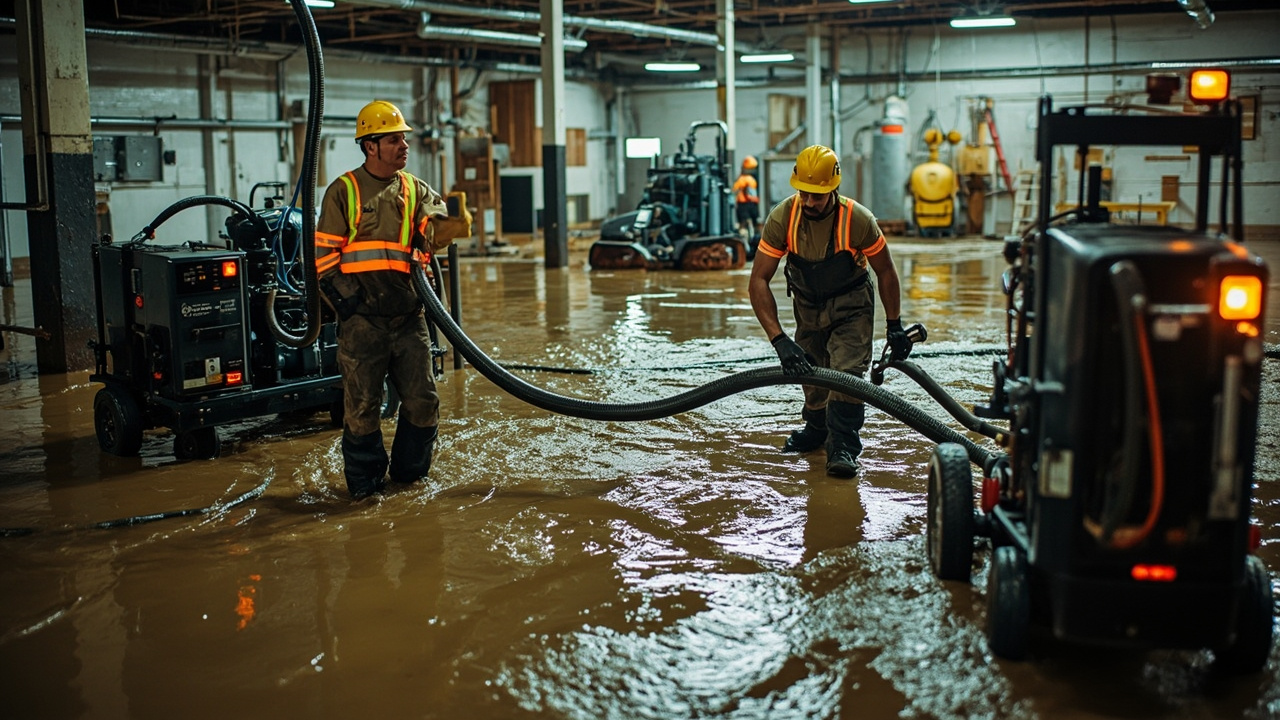
Alpha Water Damage Restoration Buffalo arrives with truck-mounted extractors capable of removing 200 gallons per minute. These are not portable units. They are diesel-powered pumps with 3-inch discharge hoses that evacuate standing water faster than most supply lines can refill a space.

We start with source isolation. If your sprinkler riser failed, we shut the zone valve. If a chiller line ruptured, we isolate the loop. Commercial water removal begins with stopping the inflow, not chasing the symptom. We coordinate with your facility manager or building engineer to identify shutoff points without disrupting unaffected systems.

Next, we deploy submersible pumps in the lowest points. Water flows downhill. We do not fight gravity. We position high-capacity pumps in elevator pits, below-grade storage areas, and mechanical rooms. These pumps discharge directly to storm drains or exterior grade through lay-flat hoses, bypassing your building's drainage system entirely.

Simultaneously, we extract surface water using ride-on extractors for open floor plans and weighted wands for tight spaces. This is not mopping. This is mechanized water removal that pulls moisture from carpet backing, underlayment, and subflooring in a single pass.

Once bulk water is removed, we deploy commercial dehumidifiers and air movers. These are not residential units. We use low-grain refrigerant (LGR) dehumidifiers that pull moisture at 150 pints per day, paired with axial fans that move 3,600 cubic feet per minute. We create negative pressure environments that force moisture out of porous materials and into the dehumidification loop.

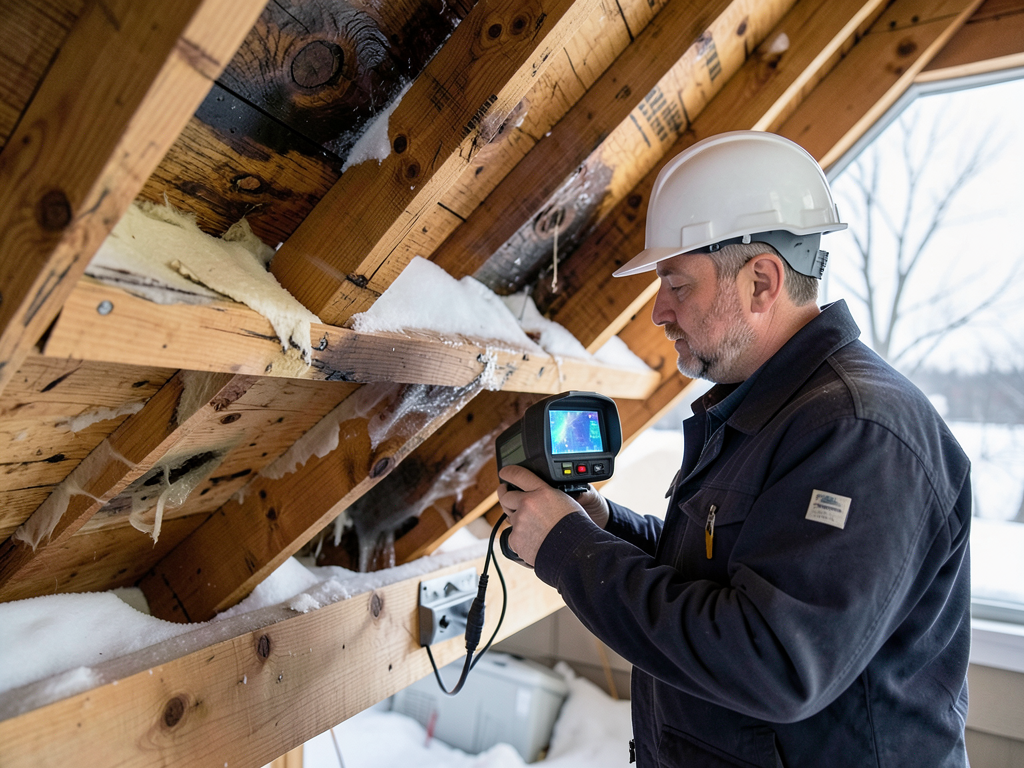
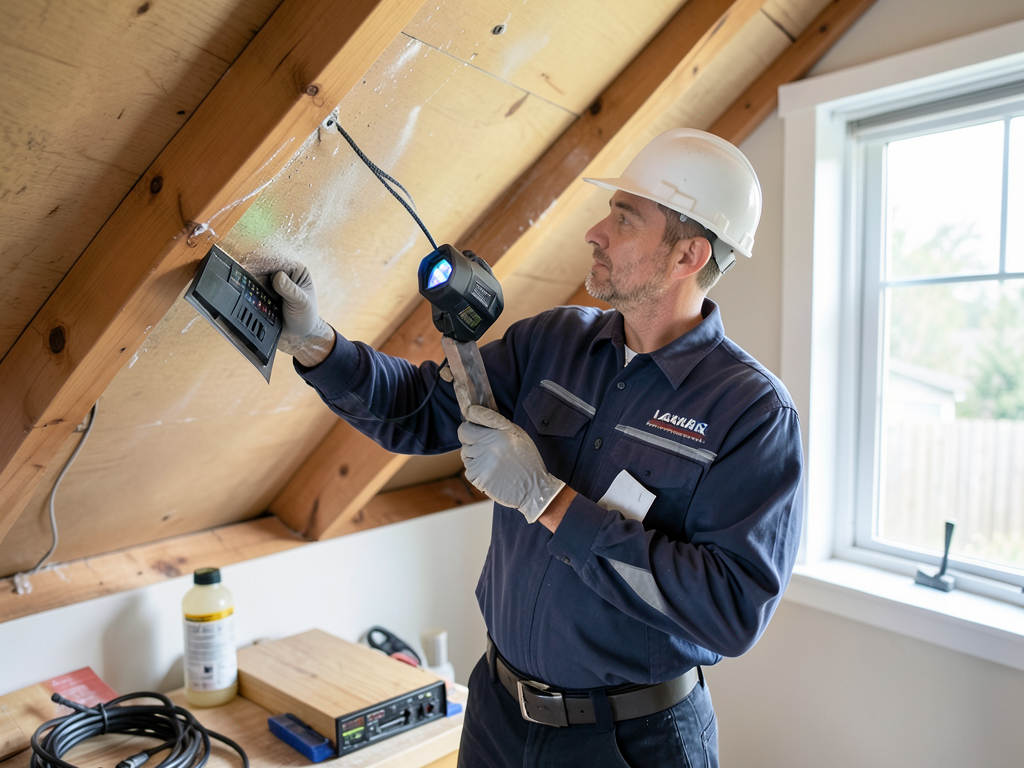
We monitor with thermal imaging and moisture meters daily. You get documentation for insurance adjusters and compliance records.

What Happens When You Call for Emergency Commercial Extraction

Large Scale Water Extraction in Buffalo – Industrial-Grade Solutions That Keep Your Business Running
01

Immediate Dispatch and Assessment

Our dispatch confirms your facility type, square footage, and water source within the first call. We mobilize truck-mounted extraction units and a lead technician who coordinates with your property manager or maintenance staff. You receive an estimated arrival time and preliminary equipment list before we leave our facility. No guesswork. No delays.
02

High-Volume Water Removal

We position submersible pumps and truck-mounted extractors to remove standing water first. Ride-on extraction equipment follows for surface moisture in open areas. Our team documents water levels, affected materials, and contamination risks with photos and moisture readings. You get a preliminary scope of work within two hours of arrival, not two days.
03

Structural Drying and Monitoring

After extraction, we install industrial dehumidifiers and air movers to dry structural components and prevent secondary damage. Daily moisture readings track progress. You receive documented proof of drying for insurance claims and building code compliance. We do not pull equipment until your facility meets IICRC S500 drying standards. No shortcuts.

Why Buffalo Businesses Choose Alpha Water Damage Restoration Buffalo

Alpha Water Damage Restoration Buffalo operates in Western New York year-round. We understand how Lake Effect snow creates sudden melt events that overwhelm commercial drainage systems. We know which manufacturing districts on the East Side have combined sewer systems that backflow during heavy rain. We have extracted water from cold storage facilities where subfreezing temperatures complicate drying protocols.

Our equipment fleet includes truck-mounted pumps, trailer-mounted generators, and diesel-powered extractors that do not depend on your building's electrical system. When a transformer fails during a flood event, we do not wait for power restoration. We run independent systems that keep extraction and dehumidification running 24/7.

We coordinate with commercial insurance adjusters daily. You do not chase documentation. We provide moisture logs, thermal imaging reports, and equipment manifests that satisfy adjuster requirements for large loss claims. Our estimating software integrates with Xactimate, so your adjuster sees line-item costs in their native platform.

Buffalo's commercial building codes require specific drying protocols for healthcare facilities, food service operations, and multi-tenant buildings. We follow IICRC S500 standards and ANSI/IICRC S520 mold remediation guidelines. Our lead technicians hold Water Restoration Technician (WRT) and Applied Structural Drying (ASD) certifications. You get compliant work, not improvised solutions.

We have removed water from distribution centers in Cheektowaga, office buildings in downtown Buffalo, and manufacturing plants in Lackawanna. Large-scale extraction is not a side service for us. It is our core competency. You get a team that has handled six-figure losses, not a crew learning on your property.

What to Expect During Commercial Water Extraction

Response Time and Equipment Deployment

We arrive within 90 minutes of your call for Buffalo metro locations. Our trucks carry truck-mounted extractors, submersible pumps, and 500 feet of discharge hose on every dispatch. You do not wait for equipment to be sourced or rented. For facilities over 20,000 square feet, we deploy multiple crews simultaneously to accelerate bulk water removal. Your timeline matters. We staff accordingly. Overnight and weekend extractions are standard, not exceptions.

Initial Assessment and Scope Development

Our project manager walks the affected area with thermal imaging and moisture meters. We identify hidden moisture in wall cavities, under flooring systems, and within insulation. You receive a preliminary scope within two hours that outlines affected square footage, equipment requirements, and estimated drying time. We document contamination levels using IICRC categories. If your water source is a sanitary line failure, we classify it as Category 3 and plan for antimicrobial treatment. No surprises later.

Drying Results and Final Documentation

We do not consider a project complete until moisture readings meet or fall below IICRC drying standards. You receive a final report with before-and-after moisture logs, thermal images, and equipment run times. This documentation satisfies insurance requirements and provides proof of proper remediation if future issues arise. For regulated industries, we provide chain-of-custody records and certifications required by health departments or OSHA inspections.

Post-Extraction Monitoring and Follow-Up

We recommend follow-up moisture inspections 72 hours after equipment removal to confirm no rebound humidity. For facilities with ongoing operations, we schedule checks during off-hours to avoid disrupting your workflow. If secondary damage appears, we address it immediately under the original scope. You get a single point of contact, not a referral to another vendor. Our team remains available for questions during reconstruction or insurance negotiations.

Frequently Asked Questions

You Have Questions,
We Have Answers

How to purify water on a large scale? +

Large scale water purification for commercial facilities in Buffalo involves multi-stage processes. First, remove sediment and debris through filtration or settling tanks. Next, apply chemical coagulation to bind suspended particles. Follow with activated carbon filtration to eliminate organic compounds and odors. UV sterilization or chlorination kills pathogens. Reverse osmosis handles dissolved solids if needed. Buffalo's aging infrastructure and Lake Erie proximity mean facilities must account for potential contaminants like heavy metals or agricultural runoff. Commercial operations require regular testing, proper disposal permits, and compliance with EPA and New York State DEC regulations to maintain water quality standards.

How to remove large amounts of water? +

Removing large water volumes from commercial properties requires industrial-grade extraction equipment. Truck-mounted extractors handle 200-400 gallons per minute for parking structures or warehouses. Submersible pumps move standing water from basements or elevator pits. Trailer-mounted vacuum systems extract water from carpet and flooring in offices or retail spaces. Buffalo's clay soil and high water table complicate drainage, so pumps must discharge to approved areas or storm sewers per city ordinances. Speed matters because every hour of standing water increases structural damage risk, mold growth potential, and business interruption costs. Professional crews operate equipment 24/7 to minimize downtime.

What is the machine that extracts water? +

Commercial water extraction uses specialized machines. Truck-mounted extractors combine vacuum power with heated drying for maximum efficiency in large spaces. Portable extraction units handle smaller areas or upper floors where truck mounts cannot reach. Weighted wands apply pressure to pull water from carpets and upholstery. Submersible trash pumps move standing water at high volumes. Air movers and dehumidifiers dry structural components after extraction. Buffalo facilities often need cold weather extraction equipment because frozen pipes cause winter flooding. These machines must meet OSHA safety standards and maintain proper electrical grounding to prevent hazards in wet commercial environments.

What is excessive water extraction? +

Excessive water extraction refers to removing groundwater faster than natural recharge rates. This causes aquifer depletion, land subsidence, and environmental damage. In commercial contexts, it also means inadequate water removal after flooding. Incomplete extraction leaves moisture in wall cavities, subflooring, and insulation. Buffalo's freeze-thaw cycles worsen this problem because trapped moisture expands when frozen, cracking concrete and masonry. Excessive moisture breeds mold within 48 hours, triggers code violations, and creates liability issues. Professional extraction must be thorough but strategic. Remove all standing water, then use moisture meters to verify structural drying before restoration begins.

How to purify 100 gallons of water? +

Purifying 100 gallons of water for commercial use requires scalable methods. Boiling kills pathogens but demands significant energy. Chemical treatment with chlorine tablets or iodine works for temporary emergency supplies but leaves taste issues. Portable reverse osmosis systems filter contaminants and work well for Buffalo facilities needing backup water during main line failures. UV purification units treat large batches quickly without chemicals. Filtration through activated carbon removes sediment and improves taste. Commercial operations must document purification methods for health department compliance. Test water quality before and after treatment. This volume suits small restaurants, medical offices, or retail spaces during short-term disruptions.

Can you drink any water with LifeStraw? +

This question falls outside commercial water damage restoration scope. LifeStraw products filter drinking water for personal use. They do not address large scale extraction needs or commercial facility water damage. Buffalo businesses facing flooding require industrial extraction equipment, structural drying, and contamination remediation. Personal filtration devices cannot handle the volumes, contaminants, or structural moisture issues present in commercial water damage scenarios. Focus on professional water extraction services that remove hundreds or thousands of gallons, dry building materials, prevent mold growth, and restore business operations quickly while meeting insurance and regulatory requirements.

How do preppers purify water? +

This question relates to personal preparedness, not commercial water extraction. Buffalo businesses need professional restoration services after flooding events. Commercial facilities cannot rely on prepper methods like boiling, distillation, or chemical tablets for large scale operations. These approaches do not address structural water damage, contamination from sewage backups, or business continuity requirements. Commercial properties require industrial extraction pumps, air movers, dehumidifiers, antimicrobial treatments, and documentation for insurance claims. Focus on preventing water damage through maintenance, having emergency response plans, and partnering with certified restoration contractors who understand Buffalo building codes and can mobilize equipment immediately.

How to deal with standing water in a yard? +

Standing yard water at commercial properties creates liability and code violations. First, identify the source. Poor grading, clogged storm drains, or high water table issues are common in Buffalo due to clay soil and lake effect precipitation. Install French drains or catch basins to redirect water away from foundations. Regrade surfaces to create positive drainage. For immediate removal, use pumps to discharge water to approved locations per city stormwater ordinances. Buffalo facilities near waterways need DEC permits for certain drainage work. Persistent standing water damages foundations, attracts pests, and creates slip hazards. Professional site drainage solutions prevent recurring problems.

How to get rid of all the water weight? +

This health question does not relate to commercial water extraction services. Buffalo businesses need professional water damage restoration, not weight loss advice. Commercial water extraction removes flood water from buildings using industrial pumps, extractors, and drying equipment. This protects property, prevents mold growth, minimizes business interruption, and meets insurance requirements. Focus on facility maintenance, emergency preparedness, and rapid response plans for water damage events. Professional restoration contractors mobilize quickly, document damage for claims, and restore operations efficiently. If you face water damage at your Buffalo commercial property, contact certified restoration professionals immediately to minimize losses.

How do the Amish collect water? +

This cultural question does not address commercial water extraction needs. Buffalo businesses require professional restoration services using modern equipment and methods. Commercial water damage demands industrial-grade pumps, extractors, dehumidifiers, and antimicrobial treatments to protect property values and maintain operations. Manual or traditional water collection methods cannot handle flooding emergencies, meet health codes, or satisfy insurance requirements. Professional restoration contractors use truck-mounted extraction systems, moisture detection technology, and documented drying protocols. Buffalo's commercial building codes require specific moisture levels before reconstruction begins. Focus on rapid professional response, proper equipment, and compliance with regulations rather than alternative approaches.

Why Buffalo's Freeze-Thaw Cycles Demand Industrial-Grade Water Extraction

Buffalo experiences 40 to 50 freeze-thaw cycles annually. This creates predictable pipe failures in unheated warehouses, loading docks, and mechanical rooms. When temperatures drop below 20 degrees Fahrenheit for extended periods, then spike to 40 degrees within 48 hours, cast iron and copper supply lines fracture. These failures discharge thousands of gallons before building managers discover the breach. Standard residential extraction equipment cannot match the inflow rate. Industrial water extraction systems with 200-gallon-per-minute capacity are not optional in Western New York. They are required to prevent total loss.

Buffalo's commercial districts include historic buildings with outdated drainage systems and modern facilities with complex HVAC and sprinkler networks. Alpha Water Damage Restoration Buffalo has extracted water from both. We understand how to navigate basements with low clearances in Allentown's older structures and how to coordinate with building engineers in the new developments along Canalside. Local expertise matters when you need permits for discharge into municipal storm drains or when coordinating with the Buffalo Fire Department to shut down sprinkler risers without violating occupancy codes.
Water Damage Restoration Services in The Buffalo Area

Although we offer rapid mobile service across the entire Buffalo area and surrounding regions, we invite you to view our service area map to confirm our commitment to your community. We are always ready to deploy our expert teams directly to your residential or commercial property, ensuring the fastest possible response time when you need water damage restoration most, right where you are.

Address:
Alpha Water Damage Restoration Buffalo, 369 Washington St, Buffalo, NY, 14203

Additional Services We Offer

Our news updates

Latest Articles & News from The Blogs

The importance of microbial swabbing after a sewer backup in your Lackawanna basement When sewage backs up into your Lackawanna…

The importance of microbial swabbing after a sewer backup in your Lackawanna basement

The importance of microbial swabbing after a sewer backup in your Lackawanna basement When sewage backs up into your Lackawanna…

Simple ways to prevent your pipes from freezing in an unheated North Buffalo crawlspace

Simple ways to prevent your pipes from freezing in an unheated North Buffalo crawlspace Buffalo’s brutal winters and lake-effect snow…

Keeping your kids and pets safe during a home restoration project in Kenmore

Keeping your kids and pets safe during a home restoration project in Kenmore\n\nHome restoration after water damage creates unique safety…

Contact Us

Every hour of standing water increases your loss. Call Alpha Water Damage Restoration Buffalo at (716) 317-7717 now. Our trucks are loaded and ready to deploy. You get a project manager on-site within 90 minutes, not a voicemail system.