menu

Emergency Roof Leak Tarping in Buffalo – 24/7 Dispatch and On-Site Within 90 Minutes

When Your Roof is Leaking, Every Minute Counts. Alpha Water Damage Restoration Buffalo Provides Immediate Emergency Roof Tarp Installation to Stop Water Intrusion and Protect Your Property Around the Clock.

Slider Image 1
Slider Image 2
Slider Image 3
Slider Image 4
Slider Image 5
Slider Image 7
Slider Image 8
Slider Image 9
Slider Image 10
Slider Image 11

Buffalo's Lake-Effect Storms and Freeze-Thaw Cycles Leave Roofs Vulnerable Year-Round

Buffalo's location on the eastern shore of Lake Erie creates relentless weather patterns that punish roofs. Lake-effect snow dumps feet of accumulation on structures from November through March. Spring thaw cycles cause rapid ice dam melting. Summer thunderstorms bring high winds and hail. Fall nor'easters rip shingles off homes across neighborhoods like Elmwood Village and North Buffalo.

When a roof fails, water does not wait. It penetrates through compromised flashing, damaged shingles, or torn membrane within minutes. Interior ceilings absorb moisture. Insulation becomes saturated. Drywall swells. Mold begins colonizing damp materials within 24 to 48 hours.

You need emergency roof tarp installation before secondary damage multiplies your loss. A leaking roof during Buffalo's volatile weather can destroy ceilings, ruin attics, and compromise structural framing. Urgent roof tarping services stop active water intrusion immediately. This is not cosmetic work. This is damage control.

Alpha Water Damage Restoration Buffalo understands the urgency. We provide 24 hour roof tarping to residents throughout Erie County. Our emergency temporary roof covering services stabilize your property while permanent repairs are scheduled. When wind lifts shingles off your Allentown bungalow or a fallen tree punctures your roof in Kenmore, we respond.

Your insurance adjuster cannot assess damage if water continues pouring in. Our emergency roof leak tarp service creates a controlled environment for documentation, prevents further loss, and buys you time to make informed repair decisions.

Buffalo's Lake-Effect Storms and Freeze-Thaw Cycles Leave Roofs Vulnerable Year-Round
How Professional Emergency Tarping Protects Your Property from Cascading Water Damage

How Professional Emergency Tarping Protects Your Property from Cascading Water Damage

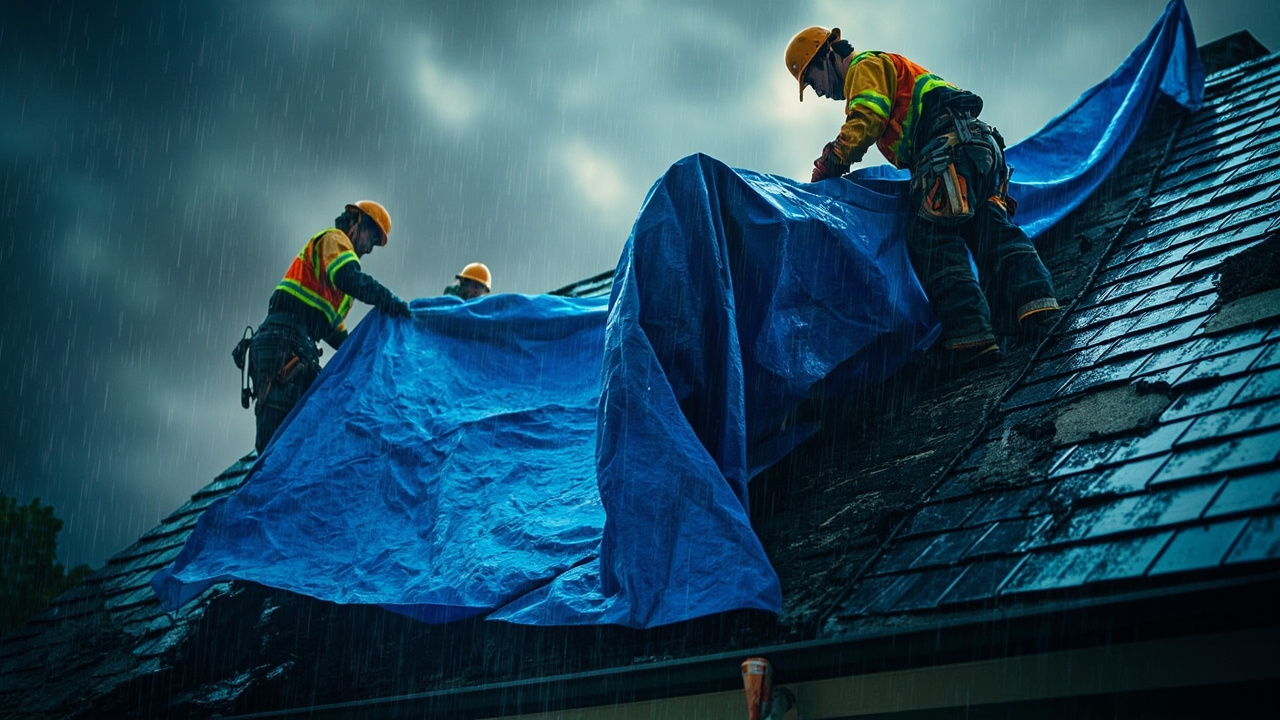
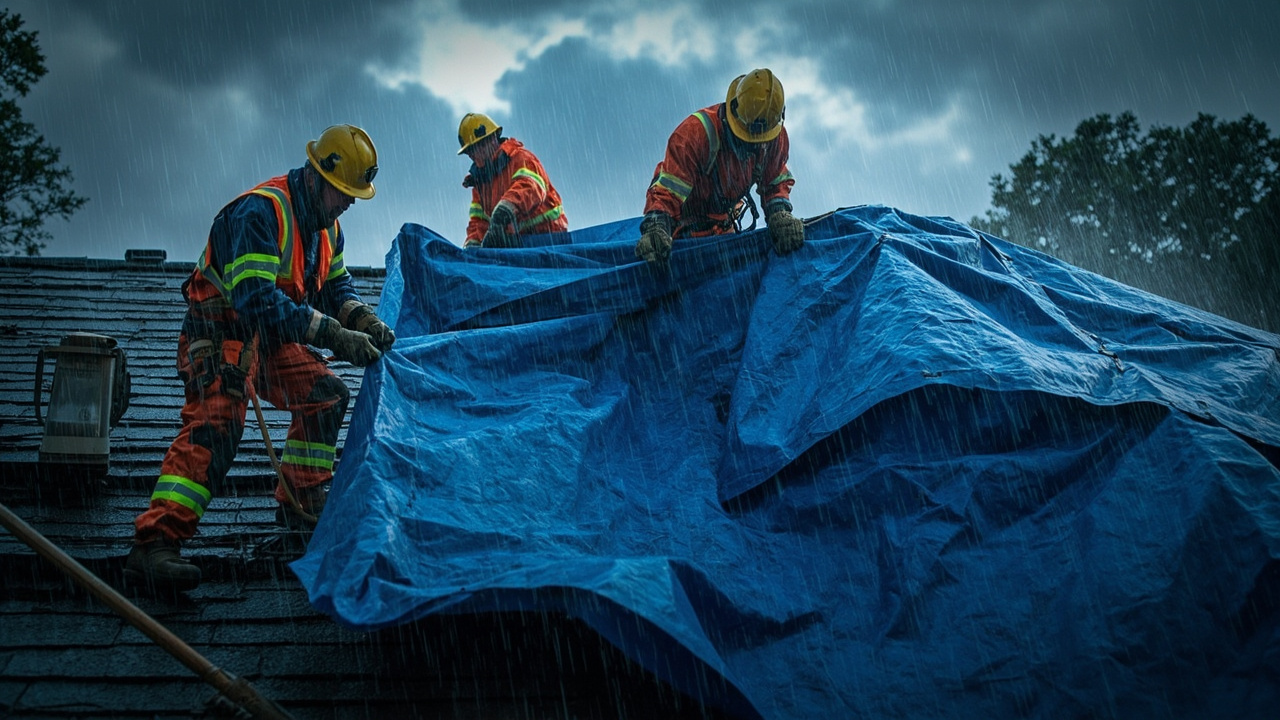
Emergency roof tarp installation is not just throwing plastic over a hole. Professional tarping requires specific materials, anchoring methods, and knowledge of roof geometry to create a watertight barrier that withstands Buffalo's wind and precipitation.

We use heavy-duty reinforced polyethylene tarps rated for commercial applications. These tarps resist tearing, UV degradation, and puncture from debris. Standard blue tarps from hardware stores fail within days when exposed to Buffalo's weather cycles. Our materials last weeks or months if necessary.

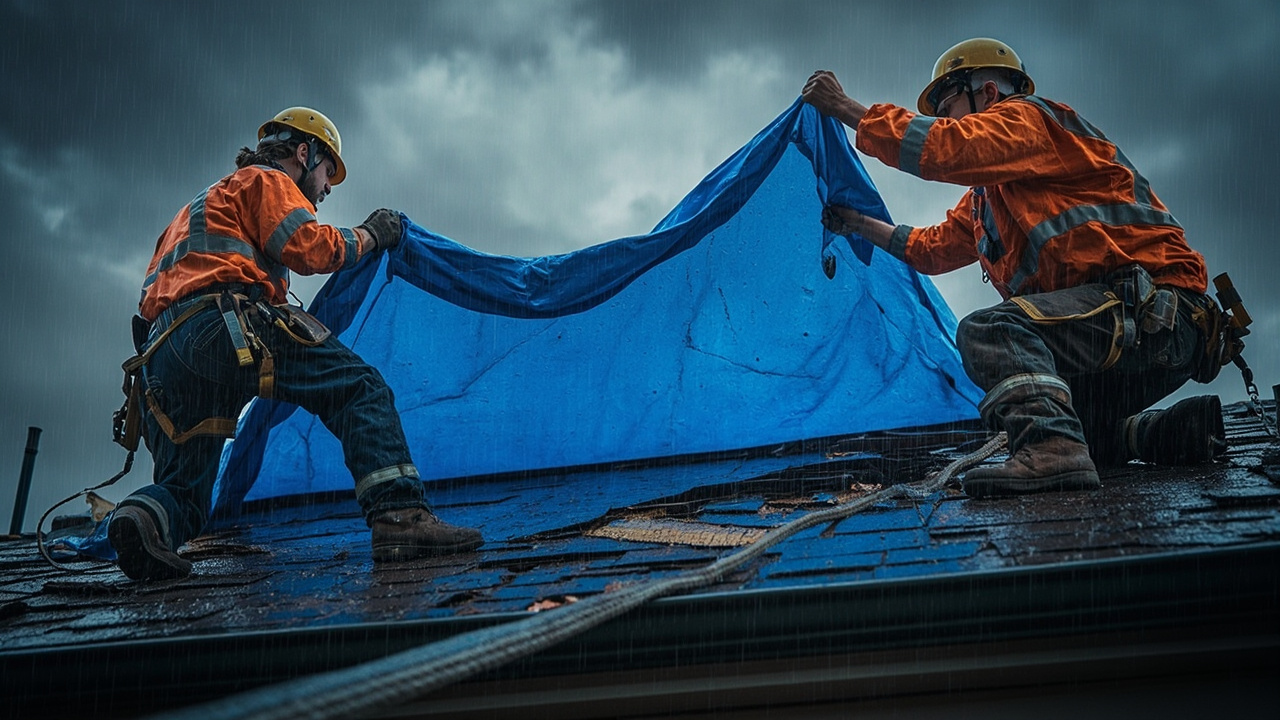
Anchoring is critical. We never use nails or screws that penetrate healthy roofing material. This creates new leak points. Instead, we use sand bags, 2x4 lumber batten strips, and strategic weighting systems that secure tarps without additional roof penetration. On steep-pitch roofs common in Buffalo's older housing stock, we deploy rope anchor systems tied to structural elements or vehicle anchors on the opposite side of the structure.

We extend tarps beyond the damaged area by at least four feet in all directions. Water travels horizontally under shingles before dripping through ceilings. Inadequate tarp coverage allows moisture to migrate under the tarp edge and continue damaging the interior.

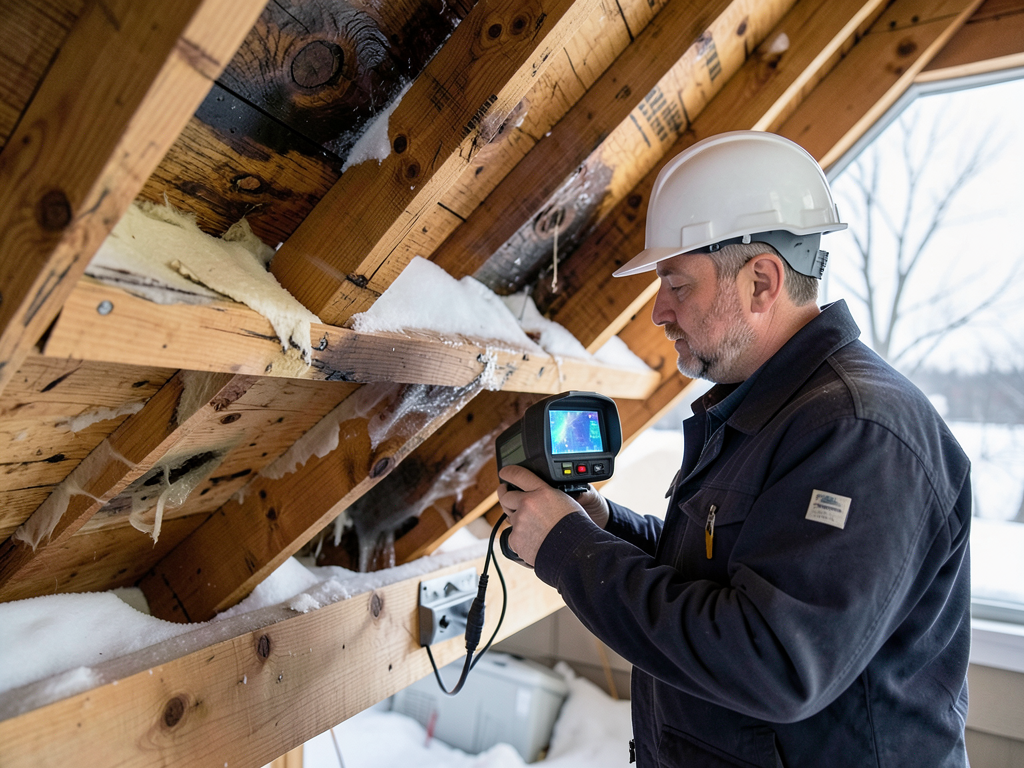
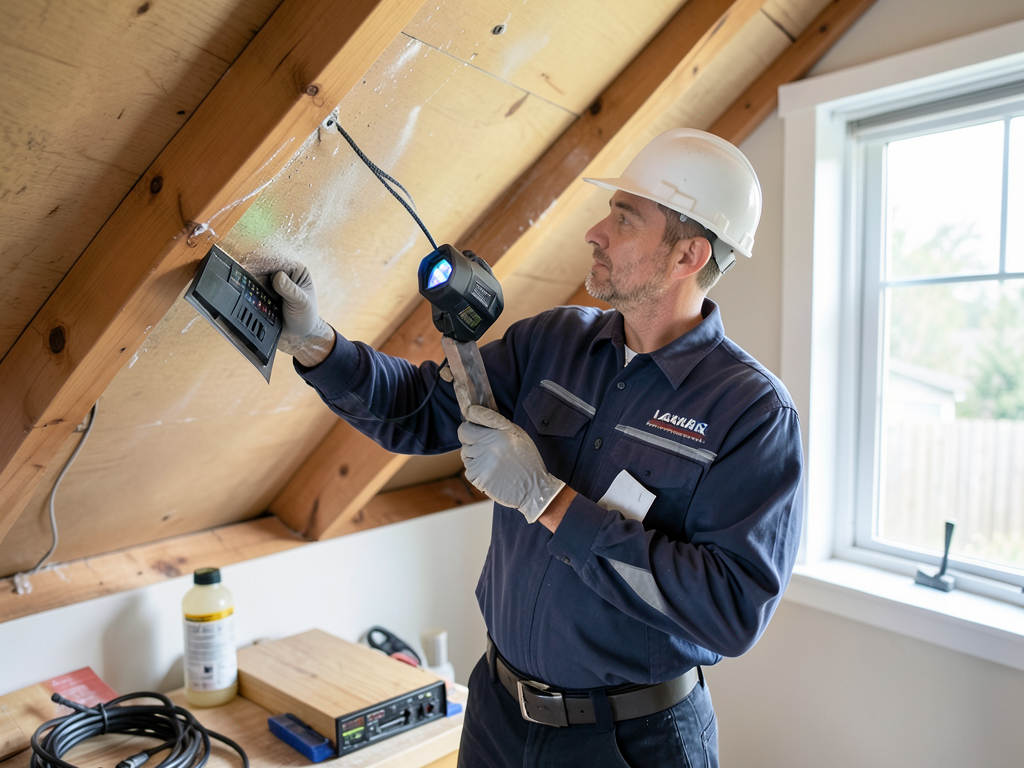
Our emergency temporary roof covering process includes interior moisture mapping using thermal imaging cameras. We document wet areas in attics and ceilings before tarping. This creates a baseline for your insurance claim and allows us to monitor whether the tarp is performing correctly.

Alpha Water Damage Restoration Buffalo treats every urgent roof tarping service as a water damage mitigation project, not just a roofing repair. We understand how water moves through building assemblies and where secondary damage will occur if the leak is not stopped immediately.

What Happens When You Call for Emergency Roof Leak Tarping

Emergency Roof Leak Tarping in Buffalo – 24/7 Dispatch and On-Site Within 90 Minutes
01

Immediate Dispatch and Assessment

You call our 24 hour emergency line. We ask about the leak location, visible damage, and whether water is actively entering the building. A crew is dispatched to your Buffalo property within 90 minutes. While en route, we provide guidance on placing buckets, moving valuables, and shutting off power to affected areas if necessary. Our technicians arrive with tarps, anchoring equipment, and safety gear ready for immediate deployment.
02

Tarp Installation and Securing

Our crew inspects the roof damage from both exterior and interior access points. We identify all compromised areas, including hidden damage not visible from the ground. The tarp is positioned to cover the damaged section plus a minimum four-foot perimeter. We secure the tarp using batten boards, sandbags, and rope anchors. No new roof penetrations are created. The installation is tested for wind resistance and water channeling before we leave your property.
03

Documentation and Follow-Up Monitoring

We photograph all damage and tarp placement for your insurance documentation. You receive a detailed report describing the damage, our mitigation efforts, and recommendations for permanent repair. We schedule a follow-up inspection within 48 hours to verify the tarp is holding and no additional moisture intrusion is occurring. If Buffalo weather worsens or the tarp requires adjustment, we return at no additional emergency call-out fee until permanent repairs are completed.

Why Buffalo Property Owners Trust Alpha Water Damage Restoration for Emergency Roof Tarping

Buffalo's housing stock includes century-old homes with complex roof lines, steep pitches, and multiple dormers. Emergency roof tarp installation on these structures requires experience with historic architecture and safe access methods. Our technicians work on Tudor revivals in Parkside, brick Colonials in Delaware District, and multi-family buildings in the West Side daily.

We understand Buffalo's building codes and how temporary roof coverings must be installed to comply with local ordinances while insurance claims are processed. Erie County requires permits for certain roof repairs. We coordinate with your contractor to ensure tarping does not interfere with permanent repair timelines or inspection requirements.

Our rapid response time matters because Buffalo weather changes fast. Lake-effect snow bands can develop in hours. Thunderstorms roll off Lake Erie with little warning. When your roof is compromised, the next weather system determines whether you face minor water staining or catastrophic interior damage. Our 24 hour roof tarping availability means you get protection before the next front arrives.

We carry full commercial liability insurance and workers' compensation coverage. Roof work is dangerous. Falls cause serious injuries. When you hire Alpha Water Damage Restoration Buffalo, you are not liable if someone is hurt on your property during emergency tarping. Unlicensed contractors or friends helping out create massive liability exposure.

Our crews drive clearly marked vehicles and wear company identification. You know who is arriving at your property during an emergency. We do not subcontract tarping work to unknown third parties. The technicians who answer your call are our trained employees who follow our safety protocols and quality standards.

What to Expect During Emergency Roof Leak Tarping Service

90-Minute Response Time, 24/7/365

We dispatch crews immediately upon receiving your call, regardless of time or weather conditions. Our average response time to Buffalo addresses is 90 minutes or less. During major storm events affecting multiple properties, we prioritize based on severity and arrival order. You receive an estimated arrival time when you call. Our dispatch center provides updates if conditions delay response. We do not cancel or postpone emergency calls due to weather. When other services shut down, we show up.

Comprehensive Roof and Interior Damage Assessment

Before installing tarps, we inspect both the exterior roof damage and interior moisture intrusion. Our technicians access attics, check insulation saturation levels, and use moisture meters to map wet areas in ceilings and walls. This assessment determines tarp size, placement, and whether immediate water extraction is needed inside the structure. You receive a written damage summary with photographs that documents conditions before tarping. This report supports your insurance claim and establishes a baseline for monitoring whether additional water enters after tarp installation.

Professional-Grade Materials That Withstand Buffalo Weather

We use only reinforced polyethylene tarps rated for commercial roofing applications. These tarps are UV-stabilized, tear-resistant, and rated for high wind loads. Standard consumer tarps fail quickly in Buffalo's climate. Our tarps remain effective for months if permanent repairs are delayed. All anchoring uses non-penetrating methods. Sandbags, lumber battens, and rope systems secure tarps without creating new holes in your roof. The tarp extends at least four feet beyond damaged areas to prevent water migration under edges.

Follow-Up Inspections and Storm Monitoring

We schedule a follow-up inspection within 48 hours of initial installation to verify the tarp is performing correctly and no new leaks have developed. If significant weather is forecast, we proactively contact you to offer pre-storm inspections and tarp reinforcement. During the time your roof remains tarped, you have direct access to our emergency line. If wind lifts a corner or heavy snow loads shift the tarp, we return to re-secure it at no additional emergency call-out fee. Your tarp remains our responsibility until permanent roofing repairs are completed.

Frequently Asked Questions

You Have Questions,
We Have Answers

Can I put a tarp on my roof to stop leaks? +

Yes, but only if you can do it safely. Buffalo's steep roof pitches and unpredictable weather make DIY tarping risky. You need proper fall protection, heavy-duty polyethylene tarps, and lumber to secure edges under shingles. If your roof is icy, wet, or you lack experience working at heights, call a professional immediately. A poorly installed tarp can shift during windstorms or trap moisture, causing more damage. For active leaks, speed matters more than perfection. Tarp the area fast, then get a contractor to assess permanent repairs before Buffalo's next storm hits.

How to temporarily cover a leaking roof? +

First, identify the leak source from inside your home. Move valuables and place buckets to catch water. From the exterior, use a heavy-duty polyethylene tarp at least 6 mil thick. Extend the tarp 4 feet past the damaged area on all sides. Sandwich the top edge under a row of shingles using 2x4 boards and secure with roofing nails. Weight down the tarp edges with sandbags or lumber. Buffalo's wind gusts require extra anchoring. Work only in safe conditions. If the roof is slippery or you're unsure, call emergency tarping services immediately.

How to emergency tarp a roof? +

Stop the interior damage first. Place buckets under active leaks and move furniture. Measure the damaged area from the ground and add 4 feet on all sides for your tarp size. Use 6 mil or thicker polyethylene tarps. Climb safely with proper footwear and a harness if possible. Position the tarp over the damage, tucking the top edge under existing shingles. Secure with 2x4 boards nailed through the tarp into roof decking. Use sandbags on tarp edges. Buffalo's lake-effect conditions demand secure fastening. If conditions are unsafe, wait for professionals.

How much does it cost to emergency tarp a roof? +

Emergency roof tarping in Buffalo typically ranges from $200 to $1,500, depending on roof size, pitch, damage extent, and accessibility. Multi-story homes or steep pitches cost more due to safety equipment needs. After-hours emergency calls during Buffalo's winter storms may include premium rates. Most water damage restoration companies include tarping as part of their emergency response. Many homeowners insurance policies cover emergency mitigation, including tarping, under your dwelling coverage. Always document the damage with photos before tarping. Get written estimates and confirm insurance coverage before authorizing work.

Can I spray roof maxx myself? +

Roof Maxx is a soy-based rejuvenation treatment applied by certified contractors, not a DIY product. You cannot purchase or apply it yourself. The treatment requires specialized equipment, proper surface preparation, and specific weather conditions. More importantly, if you have an active leak during a Buffalo storm, Roof Maxx will not stop water intrusion. It is a preventive maintenance product for aging asphalt shingles, not an emergency repair solution. For active leaks, you need immediate tarping and professional assessment. Focus on stopping water damage now, then explore long-term roof preservation options after the emergency.

How do you stop a leaking roof during heavy rain? +

During heavy rain, go inside immediately. Place buckets under leaks and move valuables. Poke small holes in bulging ceiling areas to drain water in a controlled way. From inside your attic, locate where water enters and mark it. Do not attempt exterior roof work during active storms. Buffalo's rain and wind combinations create deadly conditions. Wait until the storm passes, then tarp the damaged area or call emergency services. If water pours through electrical fixtures, shut off power to that area. Document everything with photos for insurance. Your safety matters more than property damage.

What can I use instead of tarping my roof? +

Alternatives to tarping include emergency roof patching with roofing cement and mesh, waterproof roof coatings, or temporary metal flashing for small areas. However, these methods work only for minor leaks and accessible damage. Buffalo's weather extremes make tarps the most reliable emergency solution for larger breaches. Roofing cement fails in freezing temperatures. Spray sealants do not work on wet surfaces. For significant storm damage, tarps provide the best temporary protection until permanent repairs happen. Skip Pinterest DIY hacks during emergencies. Use proven methods or call professionals who understand Buffalo's climate challenges.

Does flex seal work on roof leaks? +

Flex Seal may work for tiny cracks on dry surfaces, but it fails during active leaks or Buffalo's freeze-thaw cycles. You cannot apply it to wet roofing, and rain will wash it away before it cures. The product was not designed for structural roof damage or emergency water intrusion. It also voids most roofing warranties. For real leaks, you need proper flashing repairs, shingle replacement, or professional tarping. Flex Seal is a temporary band-aid at best. Do not rely on it during a Buffalo storm. Use it only for minor surface cracks in dry conditions after consulting your roofer.

How long can I leave a tarp on my roof? +

A properly installed tarp lasts 90 days maximum in Buffalo's climate. Lake-effect snow loads, ice dams, and wind gusts degrade tarps quickly. UV exposure weakens the material within weeks. Check your tarp weekly for tears, lifted edges, or water pooling. Most insurance companies expect permanent repairs within 60 to 90 days. Leaving a tarp longer risks secondary damage from trapped moisture, mold growth, and further roof deterioration. Tarps are emergency solutions, not long-term fixes. Schedule permanent repairs immediately after tarping. Buffalo's weather will not wait, and neither should you.

Why are people putting blue tarps on their roof? +

Blue tarps signal emergency roof damage and temporary weatherproofing. You see them throughout Buffalo after severe storms, hail events, or winter ice dam failures. The blue color comes from standard polyethylene tarps available at hardware stores. Homeowners use them while waiting for insurance adjusters, contractor availability, or permanent repair materials. In some neighborhoods, multiple blue tarps indicate widespread storm damage. The bright color also helps insurance adjusters and contractors identify affected homes quickly. If you see blue tarps in your Buffalo neighborhood, expect roofing contractors to be busy and schedule repairs early.

How Lake-Effect Snow and Ice Dams Make Emergency Roof Tarping Critical in Buffalo

Buffalo receives an average of 95 inches of snow annually, with lake-effect bands dumping two to three feet in single events. This snow accumulation creates ice dams along roof edges when attic heat melts snow. Meltwater backs up under shingles and penetrates roof decking. When shingles are already compromised by wind or age, ice dams accelerate leaks. Emergency roof tarp installation during winter requires removing snow loads before tarps can be secured. Our crews carry roof rakes and snow removal tools specifically for winter tarping operations across Buffalo's residential neighborhoods.

Buffalo's older housing stock in areas like Allentown and Elmwood Village features steep-pitch roofs and complex architectural details. These roofs require specialized access equipment and experience working on historic structures. Alpha Water Damage Restoration Buffalo has protected properties throughout Erie County for years. We understand local building code requirements, work with Buffalo's insurance adjusters regularly, and know how to navigate permit processes when temporary coverings remain in place for extended periods. Choosing a local provider means faster response, familiarity with your neighborhood's housing stock, and accountability to the community we serve.

Water Damage Restoration Services in The Buffalo Area

Although we offer rapid mobile service across the entire Buffalo area and surrounding regions, we invite you to view our service area map to confirm our commitment to your community. We are always ready to deploy our expert teams directly to your residential or commercial property, ensuring the fastest possible response time when you need water damage restoration most, right where you are.

Address:
Alpha Water Damage Restoration Buffalo, 369 Washington St, Buffalo, NY, 14203

Additional Services We Offer

Our news updates

Latest Articles & News from The Blogs

The importance of microbial swabbing after a sewer backup in your Lackawanna basement When sewage backs up into your Lackawanna…

The importance of microbial swabbing after a sewer backup in your Lackawanna basement

The importance of microbial swabbing after a sewer backup in your Lackawanna basement When sewage backs up into your Lackawanna…

Simple ways to prevent your pipes from freezing in an unheated North Buffalo crawlspace

Simple ways to prevent your pipes from freezing in an unheated North Buffalo crawlspace Buffalo’s brutal winters and lake-effect snow…

Keeping your kids and pets safe during a home restoration project in Kenmore

Keeping your kids and pets safe during a home restoration project in Kenmore\n\nHome restoration after water damage creates unique safety…

Contact Us

Your roof is leaking. Water is damaging your property right now. Call (716) 317-7717 immediately for emergency roof tarp installation. Our crew will be on-site within 90 minutes to stop water intrusion and protect your Buffalo home or business.