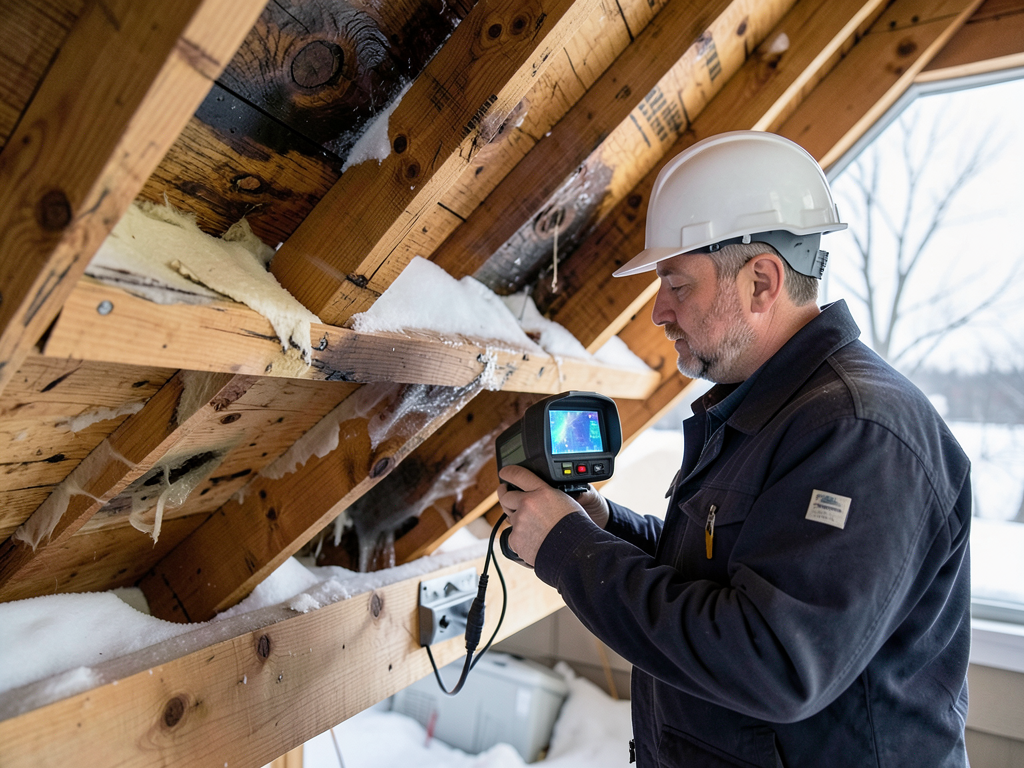


Buffalo receives an average of 95 inches of snow annually, with lake effect events dumping 2 to 4 feet in 24-hour periods. This creates predictable spring melt conditions that overwhelm drainage systems and stress building envelopes. Commercial properties face roof collapse risk during heavy snow loading, followed by catastrophic interior flooding when rapid temperature swings trigger melt events. The combination of freeze-thaw cycles and aging infrastructure in older commercial districts creates a continuous water intrusion risk cycle. Your disaster recovery planning must account for these seasonal patterns rather than treating water events as random occurrences.
Buffalo's commercial building stock includes structures dating to the city's industrial peak in the early 1900s. Many facilities in the Hydraulics, Larkinville, and Cobblestone districts occupy repurposed industrial buildings with updated systems grafted onto original infrastructure. This creates hidden vulnerabilities that generic disaster plans miss. Alpha Water Damage Restoration Buffalo has mapped these risk patterns through hundreds of emergency responses across the metro area. Our pre-loss planning identifies the specific failure modes common to Buffalo's commercial building types, delivering protocols that address actual local conditions rather than theoretical scenarios.