
Managing Basement Moisture During the Humid Dog Days of a Buffalo Summer
Your basement smells musty. The walls feel damp. You notice condensation on the windows even though it hasn’t rained in days. Buffalo summers bring more than just heat and humidity—they bring a specific moisture problem that affects thousands of homes across Western New York. Safe basement water removal services in Lancaster NY.
When warm Lake Erie air meets your cool basement walls, condensation forms. This creates the perfect breeding ground for mold, mildew, and structural damage. The good news is that most moisture problems can be controlled with the right approach, but some require professional intervention before they cause thousands of dollars in damage.
Buffalo’s unique climate—sitting between Lake Erie and Lake Ontario—creates humidity levels that regularly exceed 80% during July and August. Your basement becomes ground zero for moisture problems because it’s the coldest part of your home. When that humid air contacts your basement’s cooler surfaces, water vapor condenses into liquid water, just like a cold drink on a summer day. Repairing water damage from frozen pipes in Clarence.
The stack effect in older Buffalo homes makes this worse. Warm air rises through your house, pulling in humid outside air through basement cracks and gaps. This constant air exchange brings more moisture into your basement than you might realize. Understanding this process is the first step to controlling it.
Why Buffalo Basements Get Damp Every Summer
Buffalo’s geographic location creates a perfect storm for basement moisture. Lake Erie’s vast surface area acts like a moisture generator, releasing water vapor into the air throughout the summer months. When prevailing winds blow this humid air across the city, it finds its way into your home. Commercial water damage and drying experts in Downtown Buffalo.
The soil composition in Western New York compounds the problem. Heavy clay soils common in areas like Amherst and Tonawanda don’t drain well. After summer thunderstorms, water sits in the soil surrounding your foundation, creating hydrostatic pressure that pushes moisture through basement walls and floors.. Read more about Fixing Hidden Water Damage from a Clogged AC Condensate Line in Williamsville.
Older Buffalo homes built before modern building codes often lack proper vapor barriers. Victorian homes in Allentown and century-old structures in Riverside were constructed when energy efficiency wasn’t a concern. These homes breathe more, allowing humid air to enter through countless small openings.
The age of your home matters too. Many Buffalo neighborhoods like Black Rock and Lovejoy have homes over 80 years old. Their foundations have settled, creating cracks that act as entry points for both moisture and humid air. The mortar between foundation blocks deteriorates over time, becoming porous and allowing water vapor to pass through.
The Lake Erie Effect: Humidity and Your Foundation
Lake Erie’s influence extends far beyond the shoreline. The lake creates a microclimate that affects humidity levels as far as 20 miles inland. During summer months, the lake releases massive amounts of moisture into the air, creating dew points that regularly exceed 70 degrees Fahrenheit.
When this humid air contacts your basement’s cooler surfaces, condensation occurs. Your basement walls, typically 10-15 degrees cooler than the outside air during summer, become the perfect surface for moisture to collect. This isn’t just uncomfortable—it’s destructive.
Concrete, the most common basement material in Buffalo, is actually porous. Water vapor can pass through concrete walls at a rate of several gallons per day under high humidity conditions. This process, called vapor diffusion, means your basement walls are constantly absorbing moisture from the surrounding air.
The ground around your foundation stays cooler than the summer air. This temperature difference creates a continuous moisture problem. Even if your basement walls don’t leak, they can still absorb moisture from the humid air and release it into your basement space.
5 Immediate Steps to Control Basement Moisture
Before calling professionals, try these proven methods to reduce basement humidity. These steps address the most common sources of moisture and can often solve the problem without expensive repairs. EPA mold information.
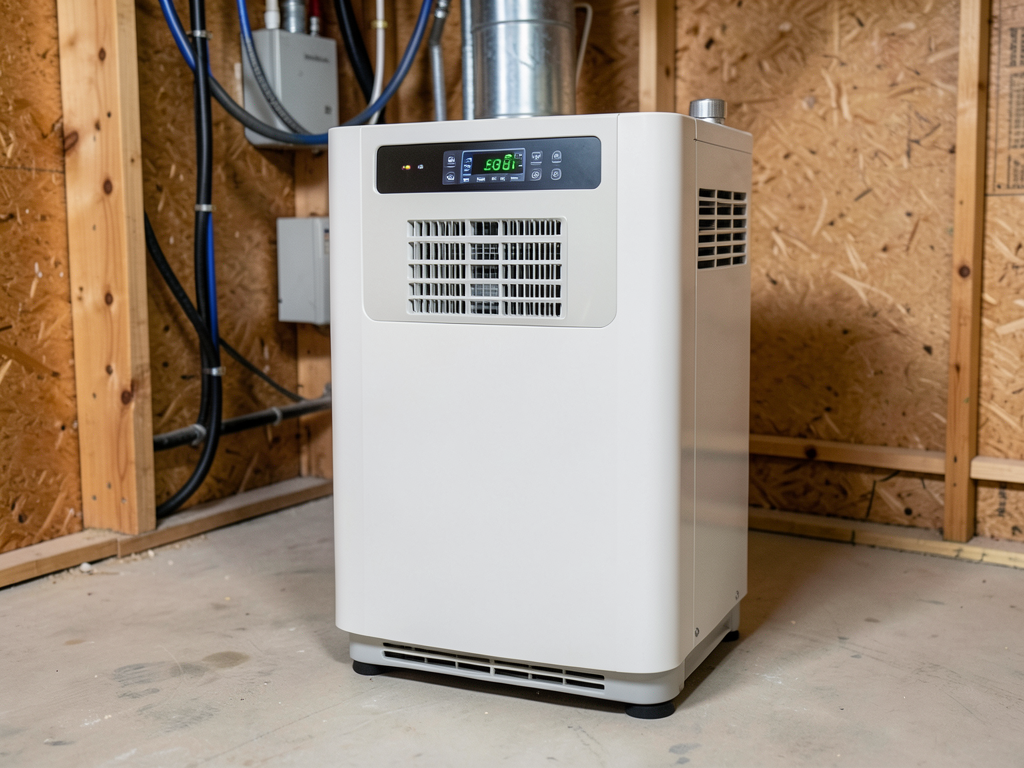
First, check your dehumidifier settings. Many homeowners run their units at 50-60% relative humidity, but for Buffalo summers, you need to target 30-40%. A properly sized commercial-grade dehumidifier can remove 50-70 pints of water per day, compared to 20-30 pints for typical residential units.
Second, examine your gutters and downspouts. Clogged gutters cause water to overflow and pool around your foundation. Ensure downspouts extend at least 5-6 feet from your home. This simple fix prevents thousands of gallons of water from saturating the soil around your foundation each year.
Third, improve basement ventilation. While it seems logical to open windows on cooler days, this often makes moisture worse. Outside air, even when cooler, carries more moisture than your conditioned basement air. Running a fan to circulate air helps, but keep windows closed during humid periods.
Fourth, check for plumbing leaks. A small drip from a pipe or water heater can add gallons of moisture to your basement air daily. Look for water stains, mold growth around pipes, or the sound of dripping water. Even minor leaks significantly impact humidity levels.
Fifth, inspect your sump pump. Summer thunderstorms can overwhelm sump systems. Test your pump by pouring water into the pit. If it doesn’t activate, or if you hear unusual noises, you may need repairs before the next big storm hits.
Signs Your Basement Has a Humidity Problem (Beyond the Smell)
Musty odors are the most obvious sign, but other indicators reveal moisture problems you might miss. Recognizing these signs early can prevent costly damage and health issues.
Condensation on windows and pipes is a clear indicator. If you see water droplets forming on basement windows or cold water pipes, your humidity levels are too high. This condensation can drip onto floors and walls, creating water damage even without a leak.
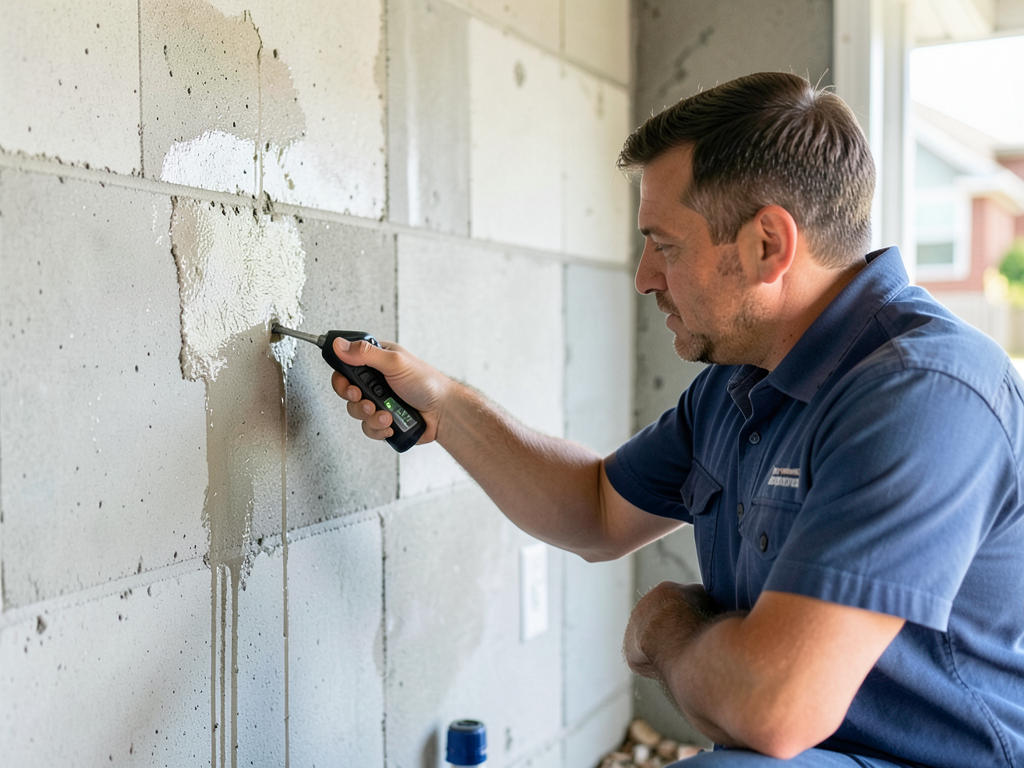
Efflorescence—a white, powdery substance on concrete walls—indicates moisture problems. This occurs when water moves through concrete, carrying dissolved salts that crystallize on the surface as the water evaporates. While not harmful itself, efflorescence signals that water is moving through your foundation.
Mold growth in corners and on organic materials is another warning sign. Black mold (Stachybotrys) and other toxic molds thrive in humid environments. If you see fuzzy growth on cardboard boxes, wood framing, or drywall, you have a serious moisture problem that requires immediate attention.
Wood rot in basement framing indicates long-term moisture exposure. Press on wooden support posts or floor joists. If they feel soft or crumble slightly, rot has begun. This compromises your home’s structural integrity and requires professional assessment.
Peeling paint or bubbling wallpaper on basement walls shows moisture trapped behind the surface. Paint acts as a vapor barrier, but when moisture levels are too high, it can’t hold back the water vapor. The result is bubbling, peeling, and eventual wall damage.
Professional Solutions for Buffalo Foundation Drainage
When DIY methods fail, professional solutions can permanently solve basement moisture problems. These approaches address the root causes rather than just treating symptoms.
Interior drainage systems collect water that enters your basement and channel it to a sump pump. This involves installing a perforated pipe along your basement perimeter, connecting it to a sump pit. When water enters, the pump activates automatically, removing thousands of gallons per hour.
Exterior waterproofing creates a barrier between your foundation and the surrounding soil. This involves excavating around your foundation, applying waterproof membranes, and installing drainage boards. While expensive, this method addresses moisture at its source and can last 20-30 years.
Sump pump upgrades provide better protection against flooding. Modern pumps include battery backups that activate during power outages—crucial during summer storms when you need protection most. Some systems include dual pumps for redundancy, ensuring your basement stays dry even if one pump fails.
Vapor barriers installed on basement walls prevent moisture from entering your living space. These thick plastic sheets, properly sealed at seams and edges, block water vapor transmission. Combined with insulation, they create a conditioned basement environment that resists humidity.
Foundation crack repair addresses specific entry points for moisture. Epoxy injections seal cracks in poured concrete foundations, while hydraulic cement works better for block foundations. Professional assessment determines the best repair method for your specific foundation type.
When to Call a Water Damage Restoration Expert
Some moisture problems require professional intervention. Knowing when to call experts can save you money and prevent health hazards.
Extensive mold growth covering more than 10 square feet requires professional remediation. The IICRC S520 standard mandates specific procedures for mold removal, including containment, air filtration, and proper disposal of contaminated materials. DIY attempts often spread mold spores throughout your home. IICRC standards.
Structural damage from prolonged moisture exposure needs expert assessment. If you notice sagging floors, cracked walls, or doors that no longer close properly, moisture may have compromised your home’s structure. Professionals can evaluate damage extent and recommend appropriate repairs.
Flooding from heavy rains or plumbing failures creates immediate health hazards. Category 3 water (contaminated with sewage or chemicals) requires specialized cleanup procedures. Professionals use antimicrobial treatments, proper drying equipment, and follow EPA guidelines for safe restoration. How to handle a sewage backup in your Orchard Park home.
Insurance claims for water damage often require professional documentation. Restoration companies provide detailed damage assessments, photographs, and repair estimates that insurance adjusters need. They can also help navigate the claims process, ensuring you receive proper compensation. How to Handle Insurance Claims.
Persistent moisture problems despite DIY efforts indicate underlying issues. If you’ve tried dehumidifiers, improved drainage, and sealed cracks but still have problems, professional assessment can identify hidden causes like high water tables or foundation settlement.
Comparing Dehumidifier Options for Buffalo Basements
Choosing the right dehumidifier makes a significant difference in moisture control. Here’s how different options compare for Western New York conditions.
| Dehumidifier Type | Capacity (Pints/Day) | Best For | Energy Use |
|---|---|---|---|
| Residential Portable | 20-50 | Small basements under 1,000 sq ft | Low |
| Commercial Grade | 70-100 | Large basements or severe humidity | Medium |
| Whole House System | 100-150 | Attached to HVAC system | High |
| Desiccant Dehumidifier | 30-60 | Cold basement temperatures | Very High |
Buffalo’s high humidity requires more capacity than standard recommendations suggest. A 1,500 square foot basement in Amherst might need a 70-pint unit, while the same size basement in a more humid area near Lake Erie could require 100 pints during peak summer months.
Energy efficiency matters when running dehumidifiers for months. Look for Energy Star certified units, which use 15% less energy than standard models. The energy savings often offset the higher upfront cost within two years of operation.
Summer Maintenance Checklist for Buffalo Homeowners
Regular maintenance prevents moisture problems before they start. This checklist helps you stay ahead of potential issues during Buffalo’s humid summer months.
- Check Dehumidifier Operation
Test your dehumidifier early in the season. Clean or replace filters, check water collection containers, and verify it’s removing moisture effectively.
- Inspect Gutters and Downspouts
Clear debris from gutters. Ensure downspouts direct water at least 6 feet from your foundation. Check for leaks or separation at joints.
- Test Sump Pump
Pour water into the sump pit to verify activation. Check the discharge pipe for clogs or damage. Consider adding a battery backup if you don’t have one.
- Examine Foundation Exterior
Look for new cracks, settling, or areas where soil slopes toward your foundation. Address grading issues that direct water toward your home.
- Check Plumbing Connections
Inspect water heater, washing machine hoses, and other plumbing fixtures for leaks or corrosion. Replace old washing machine hoses with steel-braided versions.
Completing this checklist by early June prepares your home for the worst of Buffalo’s summer humidity. Most problems caught early cost far less to fix than emergency repairs during a heat wave.
Frequently Asked Questions
Should I open my basement windows during summer to reduce humidity?
No. Opening windows during humid summer days typically increases basement moisture. Outside air at 80% humidity entering your cooler basement will condense on surfaces, making the problem worse. Keep windows closed and use mechanical dehumidification instead.
How much does professional basement waterproofing cost in Buffalo?
Costs vary based on your home’s size and the specific solution needed. Interior drainage systems typically cost $3,000-$7,000, while exterior waterproofing can range from $8,000-$15,000. Most companies offer free assessments to provide accurate quotes for your specific situation.
Can I install a dehumidifier myself, or do I need a professional?
Most portable dehumidifiers are DIY-friendly and simply require plugging in and emptying the collection tank. However, whole-house systems or units requiring permanent drainage lines should be installed by professionals to ensure proper operation and warranty coverage.
How do I know if my basement moisture problem is seasonal or structural?
Seasonal problems typically improve during dry winter months and worsen during humid summers. Structural problems persist year-round and often worsen over time. If you notice consistent moisture regardless of weather conditions, you likely have a structural issue requiring professional assessment.
What’s the ideal humidity level for a basement in Buffalo?
Target 30-50% relative humidity for your basement. Levels above 60% promote mold growth, while levels below 30% can cause wood to shrink and crack. Use a hygrometer to monitor levels, especially during summer months when humidity tends to spike.
Take Control of Your Basement Moisture Today
Buffalo’s summer humidity doesn’t have to ruin your basement. By understanding the unique challenges our climate creates and taking proactive steps, you can maintain a dry, healthy basement year-round. However, some problems require professional expertise to solve permanently.
If you’ve tried DIY methods without success, or if you notice signs of serious moisture damage, don’t wait for the problem to worsen. Professional assessment can identify hidden issues and provide solutions that protect your home and your family’s health.
Call (716) 317-7717 today to schedule your basement moisture inspection. Our certified technicians understand Buffalo’s unique climate challenges and can recommend solutions tailored to your home’s specific needs. Don’t let another humid summer damage your basement—take action now before small problems become major repairs.
Pick up the phone and call (716) 317-7717 before the next storm hits. Your home deserves professional care from experts who understand Western New York’s moisture challenges.
{
“@context”: “https://schema.org”,
“@type”: “BlogPosting”,
“headline”: “Managing Basement Moisture During the Humid Dog Days of a Buffalo Summer”,
“description”: “Buffalo’s summer humidity can turn your basement into a mold factory. Learn how to control moisture, prevent damage, and know when to call the experts.”,
“wordCount”: 2338,
“datePublished”: “2026-06-13T14:02:00.000Z”,
“dateModified”: “2026-06-13T14:02:00.000Z”,
“inLanguage”: “en-US”,
“mainEntityOfPage”: {
“@type”: “WebPage”,
“@id”: “https://alphawaterdamagerestorationbuffalo.com”
},
“publisher”: {
“@type”: “LocalBusiness”,
“name”: “Alpha Water Damage Restoration Buffalo”,
“url”: “https://alphawaterdamagerestorationbuffalo.com”
},
“author”: {
“@type”: “Organization”,
“name”: “Alpha Water Damage Restoration Buffalo”,
“url”: “https://alphawaterdamagerestorationbuffalo.com”
},
“image”: {
“@type”: “ImageObject”,
“url”: “https://alphawaterdamagerestorationbuffalo.com/wp-content/uploads/2026/03/managing-basement-moisture-during-the-humid-dog-da-1.png”
}
}
{
“@context”: “https://schema.org”,
“@type”: “LocalBusiness”,
“name”: “Alpha Water Damage Restoration Buffalo”,
“url”: “https://alphawaterdamagerestorationbuffalo.com”,
“address”: {
“@type”: “PostalAddress”,
“addressLocality”: “Buffalo”
},
“areaServed”: {
“@type”: “City”,
“name”: “Buffalo”
}
}
{
“@context”: “https://schema.org”,
“@type”: “FAQPage”,
“mainEntity”: [
{
“@type”: “Question”,
“name”: “Should I open my basement windows during summer to reduce humidity?”,
“acceptedAnswer”: {
“@type”: “Answer”,
“text”: “No. Opening windows during humid summer days typically increases basement moisture. Outside air at 80% humidity entering your cooler basement will condense on surfaces, making the problem worse. Keep windows closed and use mechanical dehumidification instead.”
}
},
{
“@type”: “Question”,
“name”: “How much does professional basement waterproofing cost in Buffalo?”,
“acceptedAnswer”: {
“@type”: “Answer”,
“text”: “Costs vary based on your home’s size and the specific solution needed. Interior drainage systems typically cost $3,000-$7,000, while exterior waterproofing can range from $8,000-$15,000. Most companies offer free assessments to provide accurate quotes for your specific situation.”
}
},
{
“@type”: “Question”,
“name”: “Can I install a dehumidifier myself, or do I need a professional?”,
“acceptedAnswer”: {
“@type”: “Answer”,
“text”: “Most portable dehumidifiers are DIY-friendly and simply require plugging in and emptying the collection tank. However, whole-house systems or units requiring permanent drainage lines should be installed by professionals to ensure proper operation and warranty coverage.”
}
},
{
“@type”: “Question”,
“name”: “How do I know if my basement moisture problem is seasonal or structural?”,
“acceptedAnswer”: {
“@type”: “Answer”,
“text”: “Seasonal problems typically improve during dry winter months and worsen during humid summers. Structural problems persist year-round and often worsen over time. If you notice consistent moisture regardless of weather conditions, you likely have a structural issue requiring professional assessment.”
}
},
{
“@type”: “Question”,
“name”: “What’s the ideal humidity level for a basement in Buffalo?”,
“acceptedAnswer”: {
“@type”: “Answer”,
“text”: “Target 30-50% relative humidity for your basement. Levels above 60% promote mold growth, while levels below 30% can cause wood to shrink and crack. Use a hygrometer to monitor levels, especially during summer months when humidity tends to spike.”
}
}
]
}
{
“@context”: “https://schema.org”,
“@type”: “HowTo”,
“name”: “Summer Basement Maintenance”,
“step”: [
{
“@type”: “HowToStep”,
“position”: 1,
“name”: “Check Dehumidifier Operation”,
“text”: “Test your dehumidifier early in the season. Clean or replace filters, check water collection containers, and verify it’s removing moisture effectively.”
},
{
“@type”: “HowToStep”,
“position”: 2,
“name”: “Inspect Gutters and Downspouts”,
“text”: “Clear debris from gutters. Ensure downspouts direct water at least 6 feet from your foundation. Check for leaks or separation at joints.”
},
{
“@type”: “HowToStep”,
“position”: 3,
“name”: “Test Sump Pump”,
“text”: “Pour water into the sump pit to verify activation. Check the discharge pipe for clogs or damage. Consider adding a battery backup if you don’t have one.”
},
{
“@type”: “HowToStep”,
“position”: 4,
“name”: “Examine Foundation Exterior”,
“text”: “Look for new cracks, settling, or areas where soil slopes toward your foundation. Address grading issues that direct water toward your home.”
},
{
“@type”: “HowToStep”,
“position”: 5,
“name”: “Check Plumbing Connections”,
“text”: “Inspect water heater, washing machine hoses, and other plumbing fixtures for leaks or corrosion. Replace old washing machine hoses with steel-braided versions.”
}
],
“image”: “https://alphawaterdamagerestorationbuffalo.com/wp-content/uploads/2026/03/managing-basement-moisture-during-the-humid-dog-da-1.png”
}
{
“@context”: “https://schema.org”,
“@type”: “BreadcrumbList”,
“itemListElement”: [
{
“@type”: “ListItem”,
“position”: 1,
“name”: “Home”,
“item”: “https://alphawaterdamagerestorationbuffalo.com”
},
{
“@type”: “ListItem”,
“position”: 2,
“name”: “Blog”,
“item”: “https://alphawaterdamagerestorationbuffalo.com/blog”
},
{
“@type”: “ListItem”,
“position”: 3,
“name”: “Managing Basement Moisture During the Humid Dog Days of a Buffalo Summer”
}
]
}
{
“@context”: “https://schema.org”,
“@type”: “Service”,
“serviceType”: “Water Damage Restoration”,
“provider”: {
“@type”: “LocalBusiness”,
“name”: “Alpha Water Damage Restoration Buffalo”,
“url”: “https://alphawaterdamagerestorationbuffalo.com”
},
“areaServed”: {
“@type”: “City”,
“name”: “Buffalo”
},
“description”: “Buffalo’s summer humidity can turn your basement into a mold factory. Learn how to control moisture, prevent damage, and know when to call the experts.”
}