
Why High Humidity in Your Lackawanna Attic is a Recipe for Structural Rot
High attic humidity in Lackawanna homes isn’t just uncomfortable—it’s a silent destroyer of your home’s structure. When warm moist air from your living space rises into your attic, it meets cold surfaces and condenses into water droplets that feed mold growth and wood rot. In Buffalo’s climate zone, where Lake Erie moisture and heavy snow loads are constant threats, this attic humidity problem accelerates damage to roof decking, trusses, and insulation. The stack effect pulls warm air upward through gaps around light fixtures, plumbing stacks, and attic hatches, creating a perfect environment for condensation when outdoor temperatures drop below freezing. Repairing water damage from frozen pipes in Clarence.
Attic humidity above 60% combined with temperatures below 32°F creates frost on nails and sheathing that melts during daytime thaws, soaking insulation and promoting black mold growth on wood surfaces. This cycle repeats throughout Buffalo’s long heating season, gradually weakening structural members and reducing your home’s energy efficiency. The problem compounds when bathroom fans vent directly into the attic instead of outdoors, dumping warm moist air that instantly condenses on cold surfaces.
Lackawanna’s older housing stock, built before modern building codes required proper vapor barriers and ventilation, faces unique challenges. Many homes in the Abbott Road corridor and near the former Bethlehem Steel plant have balloon framing that allows air to move freely from basement to attic, creating continuous pathways for moisture migration. Combined with the area’s clay-heavy soil that retains moisture and affects foundation humidity levels, these homes require specialized attention to break the moisture cycle. Safe basement water removal services in Lancaster NY.
Understanding the Stack Effect and How It Drives Attic Humidity
The stack effect works like a chimney in your home. Warm air rises because it’s less dense than cold air, creating negative pressure at the bottom of your house and positive pressure at the top. This pressure difference pulls cold outdoor air in through your basement while pushing warm indoor air out through your attic. In Lackawanna’s climate, where winter temperatures regularly drop below 20°F, this effect intensifies dramatically.
Every unsealed penetration between your living space and attic becomes a highway for moisture-laden air. Recessed lights, attic access panels, plumbing vent stacks, and even small gaps around electrical boxes allow warm humid air to escape upward. Once this air reaches your cold attic, it cools rapidly and releases moisture as condensation on the coldest surfaces—typically the underside of your roof deck and around nail heads.
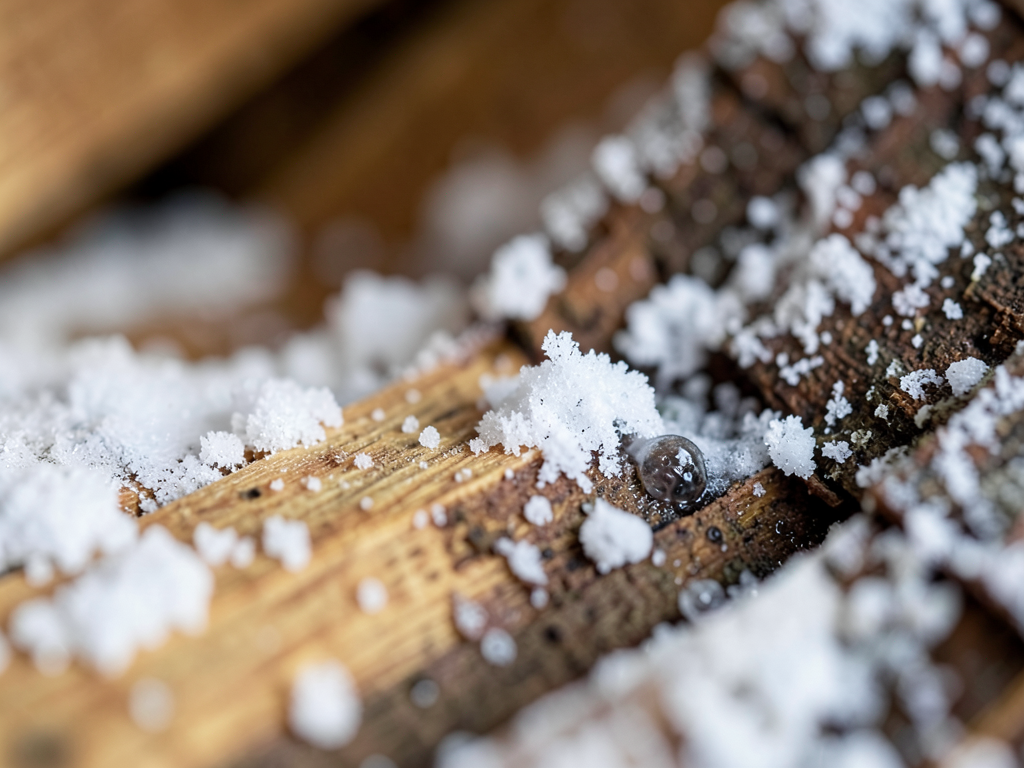
The physics get worse when you consider dew point. When indoor relative humidity reaches 35-40% and outdoor temperatures fall below freezing, the dew point temperature drops below the surface temperature of your attic components. This means moisture in the air converts directly to ice crystals on cold surfaces, creating frost that melts during daytime thaws and soaks into wood and insulation.
Common Sources of Attic Moisture in Lackawanna Homes
Bathroom exhaust fans represent the most common violation in older Lackawanna homes. Many houses built before 2000 have fans that terminate in the attic space rather than venting through the roof or sidewall. When these fans run, they pump warm moist air directly onto cold attic surfaces, creating instant condensation problems. The sound of a bathroom fan running should be accompanied by air movement you can feel at the exterior vent—if you don’t feel air movement, the duct is likely dumping moisture into your attic.
Kitchen range hoods that vent into the attic instead of outdoors create similar problems. Cooking generates significant moisture from boiling water, steaming vegetables, and even the moisture content in foods themselves. When this warm humid air hits your cold attic, it condenses immediately on rafters and roof sheathing. Commercial water damage and drying experts in Downtown Buffalo.
Leaky roofs allow exterior moisture to enter your attic space. Missing shingles, damaged flashing around chimneys, and ice dam formations create pathways for water intrusion. In Lackawanna, where winter snow loads can exceed 30 inches, ice dams form when heat escaping from your attic melts snow on the roof surface. This meltwater runs down to the colder eaves where it refreezes, creating a dam that backs up water under shingles and into your attic.
Plumbing leaks in attic-mounted water heaters or supply lines introduce liquid water that evaporates into the attic air, raising humidity levels. Even small drips accumulate over time, creating mold-friendly environments in insulation and on wood surfaces.
The Buffalo Climate Factor: How Lake Erie Shapes Your Attic’s Moisture Problems
Lackawanna sits in the heart of Lake Erie’s snow belt, receiving an average of 85-95 inches of snow annually. This lake-effect precipitation creates unique attic moisture challenges that homes in other regions don’t face. The proximity to the lake means higher baseline humidity levels throughout the year, with summer dew points often exceeding 70°F.
Winter brings the most severe attic moisture problems. When heavy snow accumulates on your roof, it insulates the surface and traps heat from your attic. This creates a temperature gradient where the bottom layer of snow stays at 32°F while the top layer can be much colder. The heat from your attic melts the bottom layer, and this meltwater runs down to the eaves where it refreezes, forming ice dams.
Ice dams can back up water 6-8 inches under shingles, allowing moisture to penetrate roof decking and drip into your attic space. The weight of heavy snow—sometimes exceeding 20 pounds per square foot—can also cause structural stress that creates gaps in your roof assembly, providing additional entry points for moisture.
Spring thaw cycles in Lackawanna create rapid temperature swings that stress your attic assembly. When daytime temperatures reach 40-50°F but nighttime temperatures drop below freezing, any moisture in your attic freezes and thaws repeatedly. This freeze-thaw cycle causes wood to expand and contract, creating cracks that allow more moisture infiltration.
Warning Signs: How to Spot Attic Humidity Problems Before They Cause Major Damage
Visual inspection reveals the earliest warning signs of attic humidity problems. Frost on nail heads protruding through your roof deck indicates moisture in the air has condensed and frozen. These frost patterns often appear in clusters where warm air escapes most readily from your living space below.
Matted or discolored insulation signals moisture problems. When insulation gets wet, it loses its R-value and clumps together, creating cold spots that promote further condensation. Dark staining on the north side of roof rafters often indicates mold growth, as this area receives less direct sunlight and stays cooler.
Musty odors in your attic or upstairs bedrooms suggest active mold growth. Mold produces volatile organic compounds that create distinctive earthy or musty smells. If you detect these odors, especially during humid weather or after rain, you likely have a moisture problem requiring immediate attention.
Peeling paint on your home’s exterior walls near the roofline can indicate moisture problems originating in your attic. When attic humidity is high, moisture can migrate through walls and cause paint to blister and peel. This often appears as horizontal strips of peeling paint along the top of exterior walls.
Ice dam formations along your roof eaves during winter provide clear evidence of heat loss and moisture problems. These ice ridges can grow several feet up your roof slope and create dangerous conditions when they fall. The presence of large ice dams almost always indicates inadequate attic insulation or ventilation.
Testing Your Attic: The Screwdriver Test and Moisture Meter Diagnosis
Professional attic moisture diagnosis starts with the screwdriver test. Insert a screwdriver into suspicious wood members—if it penetrates easily or feels soft, you have rot. Sound wood resists penetration and feels solid throughout. This simple test quickly identifies compromised structural members that require replacement.
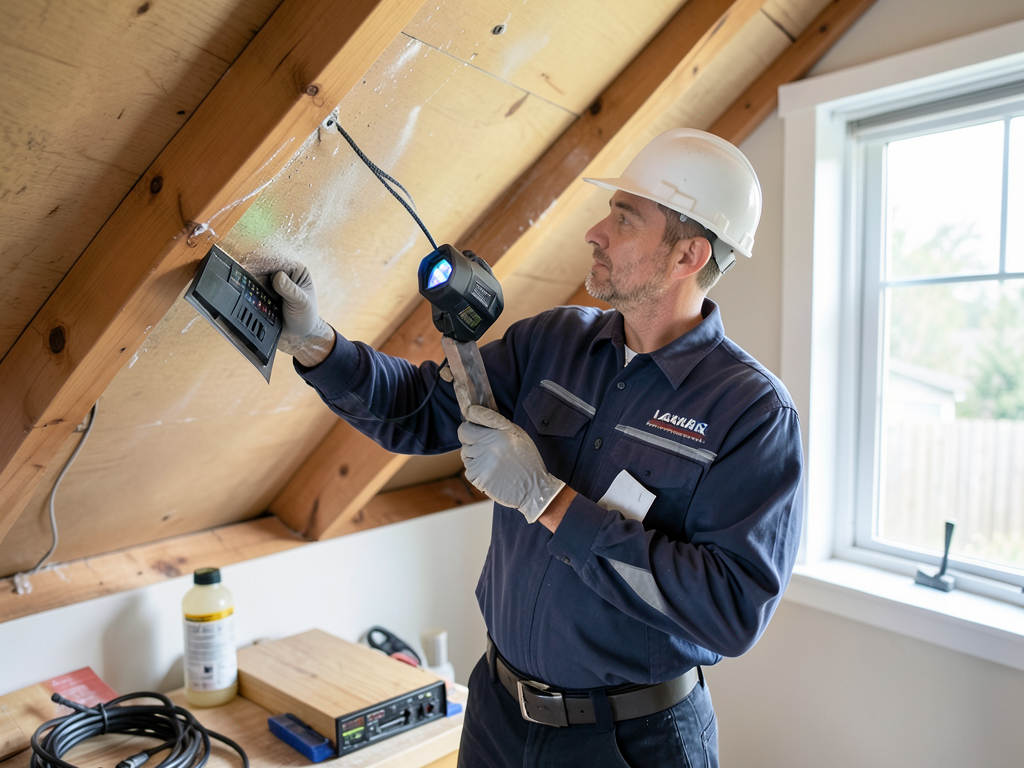
Moisture meters provide quantitative data about wood moisture content. Readings above 20% indicate active moisture problems, while readings above 30% suggest conditions favorable for wood-destroying fungi. Professional restoration technicians use pin-type moisture meters that penetrate the wood surface to measure internal moisture levels, not just surface conditions. Choosing a Restoration Company.
Infrared thermal imaging cameras reveal temperature differentials that indicate moisture presence. Wet materials conduct heat differently than dry materials, creating thermal patterns visible through infrared scanning. Cold spots on your roof deck often correspond to areas of moisture accumulation or inadequate insulation.
Hygrometers measure relative humidity in your attic space. Readings consistently above 60% indicate ventilation problems, while readings above 70% create conditions favorable for mold growth within 24-48 hours. Professional restoration teams use data loggers that record humidity and temperature over several days to establish patterns and identify peak moisture conditions.
Professional Solutions: When DIY Fixes Aren’t Enough
Professional attic restoration goes beyond simple ventilation improvements. When moisture problems have progressed to the point of structural damage, comprehensive remediation becomes necessary. This process follows IICRC S520 standards for mold remediation and involves containment, removal of contaminated materials, and installation of new moisture-resistant components.
Containment prevents mold spores from spreading to other areas of your home during remediation. Professionals establish negative air pressure zones using HEPA-filtered air scrubbers and seal off the work area with polyethylene sheeting. This containment protocol protects your living space from cross-contamination. EPA Mold Guidelines.
Material removal involves taking out contaminated insulation, drywall, and damaged wood members. Porous materials that have absorbed moisture and developed mold cannot be adequately cleaned and must be removed. This includes fiberglass insulation that has matted from moisture exposure and wood members with advanced rot.
Structural drying uses commercial-grade dehumidifiers and air movers to remove moisture from remaining materials. Professional-grade dehumidifiers can extract 20-30 gallons of water per day from an attic space, while air movers create airflow patterns that accelerate evaporation from wood surfaces.
Post-remediation verification ensures the work meets industry standards. Independent third-party inspectors conduct clearance testing to verify that mold levels have returned to normal and that moisture content in remaining materials falls within acceptable ranges. This documentation proves the remediation was successful and protects you if you sell your home.
Prevention Strategies: Breaking the Moisture Cycle for Good
Proper attic ventilation forms the foundation of moisture control. The general rule calls for 1 square foot of net free ventilation area for every 300 square feet of attic floor space, split evenly between soffit vents and ridge or gable vents. This balanced ventilation system creates continuous airflow that carries moisture out of your attic.
Soffit vents allow cool outdoor air to enter your attic at the lowest point, while ridge vents or gable vents provide exhaust at the highest point. This natural convection creates airflow even when wind isn’t blowing. In Lackawanna’s climate, where winter winds frequently come from the southwest, this passive ventilation system works year-round.
Air sealing between your living space and attic prevents warm moist air from entering in the first place. This involves installing weatherstripping around attic access hatches, sealing gaps around plumbing and electrical penetrations with expanding foam, and adding insulation covers to recessed light fixtures. Every sealed penetration reduces the moisture load on your attic ventilation system.
Insulation upgrades improve both moisture control and energy efficiency. Current building codes require R-49 to R-60 insulation in attic floors for Buffalo’s climate zone. This thickness provides adequate thermal resistance to prevent heat loss that contributes to ice dam formation. Spray foam insulation applied to the underside of roof decks can also prevent moisture migration through roof sheathing.
Vapor barriers on the warm side of your attic assembly prevent moisture from migrating into the attic space. In cold climates like Lackawanna, this means installing vapor retarder paint on interior ceiling surfaces or using faced insulation with the vapor barrier facing the living space. This barrier allows some moisture transmission while preventing bulk vapor movement.
The Cost of Inaction: Why Ignoring Attic Humidity Leads to Expensive Repairs
Structural damage from attic moisture progresses through predictable stages, each more expensive to repair than the last. Initial condensation creates conditions for mold growth within 24-48 hours. Mold colonies expand rapidly in warm humid conditions, producing enzymes that break down wood cellulose and compromise structural integrity.
Wood rot develops when moisture content exceeds 20% for extended periods. Brown rot fungi cause wood to crack and crumble, while white rot fungi break down both cellulose and lignin, making wood spongy and weak. Once rot establishes, affected members lose 50-75% of their structural strength, creating safety hazards.
Insulation replacement costs multiply when moisture problems go unaddressed. Wet insulation loses 40-70% of its R-value and must be removed and replaced. In a typical Lackawanna attic, this means removing and reinstalling 10-15 inches of blown-in cellulose or fiberglass, costing $1.50-2.50 per square foot.
Roof replacement becomes necessary when moisture damage compromises roof decking. Delaminated plywood or OSB sheathing cannot support new shingles and must be replaced at $3-5 per square foot. For a 2,000-square-foot roof, this adds $6,000-10,000 to your repair costs.
Health costs from mold exposure can be substantial. Black mold exposure causes respiratory problems, allergic reactions, and in severe cases, neurological symptoms. Medical treatment for mold-related illnesses can cost thousands of dollars, while the stress of dealing with a sick family member creates immeasurable personal costs.
Seasonal Maintenance: Your Monthly Attic Health Checklist
January through March requires vigilance for ice dam formations. After heavy snowfalls, use a roof rake to remove snow from the bottom 3-4 feet of your roof edge. This prevents meltwater from backing up under shingles. Check your attic for frost accumulation after cold snaps and address any air leaks you discover.
April and May bring rapid temperature swings that stress your attic assembly. Inspect for water stains on ceiling drywall that might indicate ice dam meltwater intrusion from winter. Check that your attic ventilation isn’t blocked by spring debris or animal nests.
June through August humidity levels peak in Lackawanna, with outdoor relative humidity often exceeding 85%. Run your bathroom exhaust fans for 30 minutes after showers and ensure kitchen range hoods vent outdoors. Consider installing a dehumidifier in your attic if relative humidity consistently exceeds 60%.
September and October mark the transition to heating season. Inspect your attic before cold weather arrives, sealing any air leaks you discover. Check that insulation hasn’t shifted or become compressed over summer, and add more if needed to maintain R-49 minimum levels.
November and December require preparation for winter moisture problems. Ensure all roof vents are clear of debris and functioning properly. Check that bathroom and kitchen exhaust ducts are securely connected and venting outdoors. Consider having a professional inspection if your home is over 30 years old or has had previous moisture problems.
Frequently Asked Questions
How much does professional attic moisture remediation cost in Lackawanna?
Professional attic moisture remediation in Lackawanna typically costs $3,000-8,000 depending on the extent of damage. Simple ventilation improvements might cost $500-1,500, while comprehensive mold remediation with structural repairs can exceed $10,000. Most homeowners insurance policies cover sudden water damage but not long-term moisture problems. How to Handle Insurance Claims.
Can I fix attic humidity problems myself or do I need a professional?
Minor attic humidity problems like adding insulation or sealing obvious air leaks can be DIY projects. However, if you see mold growth, structural damage, or have persistent moisture problems despite basic fixes, you need professional help. Mold remediation requires specialized equipment and training to avoid spreading spores throughout your home.
How long does it take for mold to grow in a humid attic?
Mold can begin growing within 24-48 hours when relative humidity exceeds 60% and temperatures stay above 40°F. Active mold colonies become visible within 1-2 weeks under favorable conditions. The combination of Lackawanna’s humid summers and cold winters creates ideal conditions for year-round mold growth in poorly ventilated attics.
Will improving my attic ventilation solve all my moisture problems?
Ventilation helps but rarely solves all moisture problems alone. You must also address air leaks between your living space and attic, ensure exhaust fans vent outdoors, and maintain proper insulation levels. In some cases, especially in older Lackawanna homes, you may need to remove contaminated materials and start fresh with modern building assemblies.
What building codes apply to attic moisture control in Erie County?
New York State Uniform Fire Prevention and Building Code requires R-49 to R-60 insulation in attic floors for Erie County’s climate zone. The code also mandates proper vapor barriers, balanced ventilation systems, and requires bathroom and kitchen exhaust fans to vent directly outdoors. Local amendments may impose additional requirements for older home renovations.
Take Action Before Your Attic Problem Becomes a Structural Nightmare
High attic humidity in your Lackawanna home isn’t just an inconvenience—it’s a ticking time bomb that can destroy your roof structure, promote dangerous mold growth, and cost you thousands in repairs. The combination of Lake Erie moisture, heavy snow loads, and older home construction in the Abbott Road and Ridge Road areas creates perfect conditions for attic moisture problems to develop and worsen over time.
Don’t wait until you see water stains on your ceiling or smell musty odors throughout your home. By then, you’re already facing expensive structural repairs and potential health hazards from mold exposure. Professional attic moisture assessment can identify problems while they’re still manageable and prevent the costly damage that comes from years of unchecked humidity.
Call (716) 317-7717 today to schedule your comprehensive attic moisture inspection. Our certified technicians use thermal imaging, moisture meters, and decades of local experience to diagnose your specific attic problems and recommend cost-effective solutions. We serve all of Lackawanna, including the Old Lackawanna neighborhood, the Bethlehem Park area, and the residential communities near Ridge Road Park.
Don’t let another winter of ice dams and condensation destroy your home’s structure. Pick up the phone and call (716) 317-7717 before the next storm hits. Your attic’s health—and your family’s safety—depends on taking action now. For more information, visit FEMA Building Science.
{
“@context”: “https://schema.org”,
“@type”: “BlogPosting”,
“headline”: “Why High Humidity in Your Lackawanna Attic is a Recipe for Structural Rot”,
“description”: “High attic humidity in Lackawanna homes leads to mold, rot, and costly repairs. Learn how Buffalo’s climate and ice dams accelerate attic damage and what to do now.”,
“wordCount”: 2969,
“datePublished”: “2026-06-12T09:20:00.000Z”,
“dateModified”: “2026-06-12T09:20:00.000Z”,
“inLanguage”: “en-US”,
“mainEntityOfPage”: {
“@type”: “WebPage”,
“@id”: “https://alphawaterdamagerestorationbuffalo.com”
},
“publisher”: {
“@type”: “LocalBusiness”,
“name”: “Alpha Water Damage Restoration Buffalo”,
“url”: “https://alphawaterdamagerestorationbuffalo.com”
},
“author”: {
“@type”: “Organization”,
“name”: “Alpha Water Damage Restoration Buffalo”,
“url”: “https://alphawaterdamagerestorationbuffalo.com”
},
“image”: {
“@type”: “ImageObject”,
“url”: “https://alphawaterdamagerestorationbuffalo.com/wp-content/uploads/2026/03/why-high-humidity-in-your-lackawanna-attic-is-a-re-1.png”
}
}
{
“@context”: “https://schema.org”,
“@type”: “LocalBusiness”,
“name”: “Alpha Water Damage Restoration Buffalo”,
“url”: “https://alphawaterdamagerestorationbuffalo.com”,
“address”: {
“@type”: “PostalAddress”,
“addressLocality”: “Buffalo”
},
“areaServed”: {
“@type”: “City”,
“name”: “Buffalo”
}
}
{
“@context”: “https://schema.org”,
“@type”: “FAQPage”,
“mainEntity”: [
{
“@type”: “Question”,
“name”: “How much does professional attic moisture remediation cost in Lackawanna?”,
“acceptedAnswer”: {
“@type”: “Answer”,
“text”: “Professional attic moisture remediation in Lackawanna typically costs $3,000-8,000 depending on the extent of damage. Simple ventilation improvements might cost $500-1,500, while comprehensive mold remediation with structural repairs can exceed $10,000. Most homeowners insurance policies cover sudden water damage but not long-term moisture problems. How to Handle Insurance Claims.”
}
},
{
“@type”: “Question”,
“name”: “Can I fix attic humidity problems myself or do I need a professional?”,
“acceptedAnswer”: {
“@type”: “Answer”,
“text”: “Minor attic humidity problems like adding insulation or sealing obvious air leaks can be DIY projects. However, if you see mold growth, structural damage, or have persistent moisture problems despite basic fixes, you need professional help. Mold remediation requires specialized equipment and training to avoid spreading spores throughout your home.”
}
},
{
“@type”: “Question”,
“name”: “How long does it take for mold to grow in a humid attic?”,
“acceptedAnswer”: {
“@type”: “Answer”,
“text”: “Mold can begin growing within 24-48 hours when relative humidity exceeds 60% and temperatures stay above 40°F. Active mold colonies become visible within 1-2 weeks under favorable conditions. The combination of Lackawanna’s humid summers and cold winters creates ideal conditions for year-round mold growth in poorly ventilated attics.”
}
},
{
“@type”: “Question”,
“name”: “Will improving my attic ventilation solve all my moisture problems?”,
“acceptedAnswer”: {
“@type”: “Answer”,
“text”: “Ventilation helps but rarely solves all moisture problems alone. You must also address air leaks between your living space and attic, ensure exhaust fans vent outdoors, and maintain proper insulation levels. In some cases, especially in older Lackawanna homes, you may need to remove contaminated materials and start fresh with modern building assemblies.”
}
},
{
“@type”: “Question”,
“name”: “What building codes apply to attic moisture control in Erie County?”,
“acceptedAnswer”: {
“@type”: “Answer”,
“text”: “New York State Uniform Fire Prevention and Building Code requires R-49 to R-60 insulation in attic floors for Erie County’s climate zone. The code also mandates proper vapor barriers, balanced ventilation systems, and requires bathroom and kitchen exhaust fans to vent directly outdoors. Local amendments may impose additional requirements for older home renovations.”
}
}
]
}
{
“@context”: “https://schema.org”,
“@type”: “BreadcrumbList”,
“itemListElement”: [
{
“@type”: “ListItem”,
“position”: 1,
“name”: “Home”,
“item”: “https://alphawaterdamagerestorationbuffalo.com”
},
{
“@type”: “ListItem”,
“position”: 2,
“name”: “Blog”,
“item”: “https://alphawaterdamagerestorationbuffalo.com/blog”
},
{
“@type”: “ListItem”,
“position”: 3,
“name”: “Why High Humidity in Your Lackawanna Attic is a Recipe for Structural Rot”
}
]
}
{
“@context”: “https://schema.org”,
“@type”: “Service”,
“serviceType”: “Water Damage Restoration”,
“provider”: {
“@type”: “LocalBusiness”,
“name”: “Alpha Water Damage Restoration Buffalo”,
“url”: “https://alphawaterdamagerestorationbuffalo.com”
},
“areaServed”: {
“@type”: “City”,
“name”: “Buffalo”
},
“description”: “High attic humidity in Lackawanna homes leads to mold, rot, and costly repairs. Learn how Buffalo’s climate and ice dams accelerate attic damage and what to do now.”
}