


Kenmore sits in Erie County where freeze-thaw cycles wreak havoc on plumbing systems and foundations. When February temperatures swing from 15 degrees to 45 degrees in days, pipes expand and contract until they burst. The older housing stock near Delaware Avenue features cast iron pipes and knob-and-tube plumbing that fails without warning. Spring snowmelt combines with clay-heavy soil that doesn't drain well, pushing water into basements throughout neighborhoods like Boulevard Park and Westwood.
The Village's proximity to Tonawanda Creek means properties near the waterway face seasonal flooding risks during heavy rain events. When storms dump three inches in an hour, storm sewers back up and water enters through basement floor drains. Kenmore's tree-lined streets with mature canopies shed leaves that clog gutters, causing roof leaks that go unnoticed until ceilings stain brown. Insurance companies require fast mitigation to prevent mold growth, which starts within 24 to 48 hours in Western New York's humid climate. Delays mean higher costs and potential claim denials.
Alpha Water Damage Restoration Buffalo has served Erie County for years, building relationships with local insurance adjusters who know our documentation standards and trust our assessments. When you call us, you get a live person who dispatches a crew immediately, not an answering service that takes messages. Our technicians arrive in fully stocked trucks carrying truck-mounted extraction units that pull thousands of gallons per hour, not shop-vacs that take days to make progress.
We understand Kenmore construction. We know the difference between remediating a 1920s bungalow with plaster walls versus a 1960s ranch with drywall. We know which areas have full basements prone to sump pump failures and which have crawl spaces that trap moisture. This local knowledge means we assess damage correctly the first time and create mitigation plans that actually work for your home's specific construction.
Our crews hold IICRC certifications in water damage restoration and applied structural drying. We follow protocols that insurance companies require, using moisture meters and thermal imaging to document wet areas and prove when structures are dry. We photograph everything, measure moisture levels daily, and create reports that adjusters approve without arguments. When your claim gets processed smoothly, you get back to normal life faster. We also work directly with local plumbers, electricians, and contractors to coordinate repairs beyond water extraction, giving you one point of contact instead of juggling multiple companies during a crisis.

We dispatch crews to Kenmore properties within one hour of your call. Our trucks carry industrial extraction equipment, air movers, and dehumidifiers so we start mitigation immediately. Fast response stops water from spreading through floors and walls, reducing total damage and repair costs.

We handle claims documentation and work directly with your insurance carrier. Our technicians photograph damage, document moisture readings, and create detailed reports that adjusters approve. You avoid claim disputes and out-of-pocket costs while we handle the paperwork that insurance companies require.
Our crews complete training through the Institute of Inspection, Cleaning and Restoration Certification. This means we follow industry standards for water extraction, structural drying, and antimicrobial treatment. Proper certification protects your insurance claim and ensures work meets national restoration standards.
We understand how water moves through Kenmore's diverse housing stock. From pre-war homes near Delaware Avenue to mid-century properties in Westwood, we know which construction methods require specific drying techniques. Local expertise means faster mitigation and no expensive mistakes.
Water damage restoration requires more than mopping floors and running fans. Alpha Water Damage Restoration Buffalo provides complete water damage mitigation from initial extraction through final restoration. We handle emergency flooding, sewage backups, appliance failures, and storm damage with the same systematic approach that stops secondary damage and gets your property dry.
Our services divide into three critical phases. Emergency water removal stops active flooding and prevents water from spreading. Structural drying eliminates moisture trapped in walls, floors, and ceilings before mold grows. Restoration repairs rebuild damaged structures and return your home to pre-loss condition. Each phase requires specific equipment, techniques, and expertise. We maintain commercial-grade truck-mounted extractors, industrial dehumidifiers, and thermal imaging cameras that find hidden moisture. Our crews document everything with photographs and moisture readings that satisfy insurance requirements while protecting your claim.
When water floods your basement or soaks your floors, we dispatch crews with truck-mounted extraction units that remove thousands of gallons per hour. We pull standing water, extract moisture from carpets and padding, and stop water from spreading to unaffected areas. Emergency extraction includes moving furniture to dry areas, removing unsalvageable materials, and setting up temporary power if your electrical system is compromised. Speed matters because water wicks through drywall and flooring in hours.
After extracting standing water, we dry structures using commercial air movers and dehumidifiers that create airflow patterns through walls and floors. We monitor moisture levels daily with pin and pinless meters, tracking progress until readings match dry standards. Structural drying prevents mold growth, wood rot, and material deterioration that happens when moisture stays trapped. We use thermal imaging to find hidden wet spots behind walls and under floors that cause problems later.
Sewage backups and toilet overflows require specialized cleanup protocols because contaminated water carries bacteria and pathogens. We extract black water using dedicated equipment, remove contaminated materials that can't be salvaged, and sanitize affected areas with EPA-registered antimicrobial treatments. Sewage cleanup includes air scrubbing to remove odors and particles, containment barriers to prevent cross-contamination, and proper disposal of contaminated materials following health department regulations.
Kenmore's housing diversity creates varied water damage patterns. Older homes near the Village core face plumbing failures from aged cast iron pipes that corrode and leak. Basement properties throughout the area battle groundwater intrusion during spring thaw when clay soil stays saturated for weeks. Appliance failures happen without warning when washing machine hoses burst or water heaters leak, often discovered only after water spreads across multiple rooms.
Understanding these common problems helps homeowners recognize warning signs early. Brown ceiling stains indicate roof leaks or second-floor plumbing issues. Musty basement odors mean moisture problems even without visible water. Peeling paint and soft drywall signal hidden leaks inside walls. The faster you address these signs, the less damage occurs and the lower your restoration costs run.
Frozen pipes burst when temperatures drop below 20 degrees, flooding basements and crawl spaces with hundreds of gallons. Older homes with poor insulation face highest risk. We extract water immediately, dry structures before mold grows, and work with plumbers to prevent future freezing problems through proper insulation and heat tape installation.
Spring snowmelt saturates clay soil that pushes water through foundation cracks and floor joints. Chronic seepage causes efflorescence on walls, musty odors, and eventual mold growth. We dry basements completely, identify entry points, and recommend waterproofing solutions that stop future intrusion.
When sump pumps fail during heavy rain, basements flood fast. Power outages, mechanical failures, and overwhelmed systems cause backups that damage finished basements and stored belongings. We respond immediately to extract water, dry structures, and help coordinate sump pump replacement or battery backup installation.
Water heaters leak without warning, washing machines overflow when hoses fail, and dishwashers flood kitchens when seals break. These failures happen when you're asleep or away, allowing water to spread through multiple rooms before discovery. Fast extraction prevents flooring damage and reduces replacement costs significantly.
Water damage creates panic. Your home is flooding, your belongings are soaking, and you need help now. When you call Alpha Water Damage Restoration Buffalo, you talk to a real person who dispatches a crew immediately. We explain what happens next, give you an accurate arrival time, and answer questions about insurance coverage. Our goal is to stop your panic by taking control of the situation with speed and competence.
You won't wait hours wondering when help arrives. You won't deal with answering services or callbacks. You get immediate dispatch and a crew that shows up with everything needed to start mitigation right away. We treat your emergency as urgent because it is urgent. Water spreads fast, and delays cost you money and increase damage. Here's exactly what happens when you work with us.
Our crew arrives in under 60 minutes to assess damage and start mitigation. We identify the water source, categorize contamination level, and measure affected areas. You receive a clear explanation of what happened, what needs to be done, and how long restoration will take. We answer all questions and explain insurance procedures before starting work.
We photograph all damage, document moisture readings, and create detailed reports for your insurance claim. You receive daily updates on drying progress with actual meter readings that show moisture levels dropping. We communicate directly with your insurance adjuster and handle paperwork that claims require. You stay informed throughout the process without chasing us for updates.
We don't just dry your property and leave. We coordinate all repairs needed to return your home to pre-loss condition, including drywall replacement, flooring installation, and paint. You work with one company instead of managing multiple contractors. We handle scheduling, ensure quality work, and guarantee everything meets code and insurance requirements.
We follow systematic procedures proven to stop damage and return properties to dry standards fast. Each phase builds on the previous one to ensure complete restoration.
We arrive with truck-mounted extractors and portable pumps that remove standing water immediately. Technicians extract water from carpets, pull soaked padding, and move furniture to dry areas. We document damage with photographs and identify the water source to stop active flooding. This phase focuses on removing visible water and preventing spread to unaffected areas.
After extraction, we place commercial dehumidifiers and air movers to dry hidden moisture in walls, floors, and ceilings. We measure moisture levels daily using pin meters and thermal imaging cameras. Drying continues until readings match industry standards for dry materials. We adjust equipment placement based on progress and maintain detailed logs for insurance documentation.
Once structures are dry, we repair or replace damaged materials. This includes drywall installation, flooring replacement, trim work, and painting. We coordinate with licensed plumbers and electricians if repairs require additional trades. You receive a fully restored home that meets code requirements and matches pre-loss condition.
Professional water damage restoration follows protocols established by the Institute of Inspection, Cleaning and Restoration Certification. These standards define proper procedures for water extraction, structural drying, and documentation that insurance companies require. IICRC guidelines categorize water by contamination level into three classes. Category 1 is clean water from supply lines or rain. Category 2 is gray water from appliances or toilet bowls without feces. Category 3 is black water from sewage or flooding that contains pathogens requiring specialized cleanup procedures.
Drying standards require specific moisture content levels before materials are considered dry. Wood framing must reach 15 percent or lower moisture content. Concrete must reach levels appropriate for its thickness and density. We use penetrating pin meters that measure moisture deep in materials and non-invasive meters that scan large areas without creating holes. Thermal imaging cameras reveal temperature differences that indicate trapped moisture behind walls and under floors.
Insurance companies require daily documentation showing drying progress. We create logs with dated photographs, moisture meter readings, and equipment placement diagrams. This documentation proves we followed proper procedures and dried structures completely. It protects your claim from disputes and ensures adjusters approve our work without delays. Proper remediation also prevents mold growth, which starts within 24 to 48 hours when moisture remains. Western New York's humidity makes mold prevention critical because spores thrive in damp conditions.
IICRC certification requires classroom training and field experience in water damage restoration. Technicians learn psychrometry, which is the science of moisture and air relationships. They study drying techniques, equipment operation, and documentation standards. Certification proves technicians understand professional remediation protocols that insurance companies and building codes require.
Restoration costs depend on water category, affected square footage, and material damage. Category 3 sewage cleanup costs more because it requires specialized equipment and disposal procedures. Larger affected areas need more dehumidifiers and air movers. Insurance typically covers sudden water damage from burst pipes or appliance failures but excludes gradual leaks or maintenance issues.
Structural drying takes three to seven days depending on materials, saturation level, and humidity. Hardwood floors take longer than carpet. Plaster walls take longer than drywall. We monitor progress daily and adjust equipment until moisture meters confirm dry readings. Rushing the process causes mold growth and material failure that costs more to fix later.
New York Insurance Law Section 3408 requires carriers to acknowledge claims within 15 business days and approve or deny within 30 days after receiving proof of loss. Insurers must provide reasonable explanations for claim denials. Proper documentation from certified restoration companies protects homeowners from unfair claim disputes or delays.
This video explains professional water damage restoration procedures in Kenmore, New York. Learn about emergency water extraction, structural drying techniques, and restoration processes that meet IICRC standards. The video covers common causes of water damage in Kenmore including burst pipes, basement flooding, and appliance failures. Alpha Water Damage Restoration Buffalo demonstrates equipment used for water mitigation and explains insurance documentation requirements for homeowners in Erie County.
Alpha Water Damage Restoration Buffalo serves the entire Village of Kenmore and neighboring Erie County communities. We respond to properties throughout Boulevard Park, where tree-lined streets feature early 20th century homes with original plumbing that requires careful restoration techniques. The Westwood neighborhood sees frequent service calls for basement flooding during spring thaw when groundwater saturates clay soil. Properties near Delaware Avenue face unique challenges from mixed commercial and residential construction that requires specialized water mitigation approaches.
We serve homes near Tonawanda Creek, where seasonal water level changes affect properties close to the waterway. The East Side of Kenmore near Elmwood Avenue includes mid-century ranch homes with crawl spaces that trap moisture differently than full basement properties. North Kenmore properties near Kenmore Boulevard feature varied construction from different decades, each requiring specific drying techniques based on building materials and methods.
Our service area extends throughout the Town of Tonawanda and into North Buffalo neighborhoods adjacent to Kenmore. We understand how Buffalo's weather patterns affect the entire region, from lake effect snow creating spring runoff to summer thunderstorms that overwhelm storm sewers. Properties near the Niagara Falls Boulevard corridor face water damage from both residential and light commercial structures that require different remediation approaches.
We maintain relationships with local insurance adjusters throughout Erie County who know our work and trust our documentation. This regional knowledge combined with fast response times means Kenmore residents get service that understands local construction methods, seasonal challenges, and insurance requirements specific to Western New York. Whether you own a historic bungalow near the Village center or a newer property in the northern sections, we respond fast with equipment and expertise matched to your home's specific needs.
Yes. Water damage worsens fast in Kenmore homes, especially in basements prone to snowmelt and spring flooding. Ignoring it leads to structural rot, compromised floor joists, and toxic mold growth within 24 to 48 hours. Professional restoration stops damage progression, protects your home's resale value, and prevents health hazards. DIY efforts often miss hidden moisture in wall cavities and subflooring, which creates long-term problems. Restoration also documents damage properly for insurance claims, increasing your payout potential. The cost of restoration is far less than replacing framing, drywall, or dealing with a mold lawsuit later.
Costs vary based on water source, contamination level, and affected area size. Clean water from a pipe leak costs less than sewage backup remediation. Small jobs start around a few hundred dollars. Larger incidents involving multiple rooms, structural drying, and antimicrobial treatment run higher. Kenmore homes with finished basements or older plumbing systems often face more extensive work. Insurance typically covers sudden incidents like burst pipes, reducing your out-of-pocket expense. Get a detailed estimate before work begins. Proper drying and documentation prevent future mold issues, which saves money long-term. Speed matters, delaying increases total costs.
Restoration includes water extraction, structural drying, humidity control, and contamination cleanup. Technicians remove standing water using pumps and extractors, then place air movers and dehumidifiers to dry walls, floors, and subflooring. They monitor moisture levels daily using meters to ensure complete drying. Antimicrobial treatments prevent mold growth. Damaged materials like drywall, insulation, or carpeting get removed if unsalvageable. The process also includes odor removal and sanitation. In Kenmore, basement restoration often requires mold prevention due to high humidity. Full-service companies handle insurance documentation, helping you navigate claims efficiently. The goal is complete structural drying and safety.
Yes. Water damage worsens fast in Kenmore homes, especially in basements prone to snowmelt and spring flooding. Ignoring it leads to structural rot, compromised floor joists, and toxic mold growth within 24 to 48 hours. Professional restoration stops damage progression, protects your home's resale value, and prevents health hazards. DIY efforts often miss hidden moisture in wall cavities and subflooring, which creates long-term problems. Restoration also documents damage properly for insurance claims, increasing your payout potential. The cost of restoration is far less than replacing framing, drywall, or dealing with a mold lawsuit later.
Costs vary based on water source, contamination level, and affected area size. Clean water from a pipe leak costs less than sewage backup remediation. Small jobs start around a few hundred dollars. Larger incidents involving multiple rooms, structural drying, and antimicrobial treatment run higher. Kenmore homes with finished basements or older plumbing systems often face more extensive work. Insurance typically covers sudden incidents like burst pipes, reducing your out-of-pocket expense. Get a detailed estimate before work begins. Proper drying and documentation prevent future mold issues, which saves money long-term. Speed matters, delaying increases total costs.
Restoration includes water extraction, structural drying, humidity control, and contamination cleanup. Technicians remove standing water using pumps and extractors, then place air movers and dehumidifiers to dry walls, floors, and subflooring. They monitor moisture levels daily using meters to ensure complete drying. Antimicrobial treatments prevent mold growth. Damaged materials like drywall, insulation, or carpeting get removed if unsalvageable. The process also includes odor removal and sanitation. In Kenmore, basement restoration often requires mold prevention due to high humidity. Full-service companies handle insurance documentation, helping you navigate claims efficiently. The goal is complete structural drying and safety.
Most jobs take three to five days for drying and initial restoration. Simple water extraction and drying finish faster. Extensive damage involving multiple floors, sewage contamination, or structural repairs takes one to two weeks. Kenmore winters slow drying times due to cold temperatures and high indoor humidity. Technicians monitor moisture daily to prevent mold. Reconstruction like replacing drywall or flooring adds time. Fast response reduces total restoration time. The longer water sits, the more damage occurs, extending the timeline. Your insurance adjuster inspection may also affect scheduling. Professional crews work efficiently to return your home to normal quickly.
Usually, if the damage is sudden and accidental. Homeowners insurance covers burst pipes, appliance failures, and storm-related water intrusion. Policies exclude gradual damage from neglected maintenance, like slow leaks or repeated basement seepage. Flood damage requires separate flood insurance. Sewage backups need specific sewer backup coverage. In Kenmore, winter pipe bursts and spring snowmelt incidents are commonly covered. Document everything immediately with photos and detailed notes. Professional restoration companies handle insurance communication, providing required documentation and moisture readings. Review your policy exclusions before filing. Quick action and proper documentation improve approval rates. Deductibles apply, but coverage significantly reduces your costs.
Not if remediation was done correctly and documented. Buyers care about disclosure and proof of professional treatment. Homes in Kenmore with finished basements or past water issues need clear remediation records. Provide invoices, moisture test results, and any structural repairs completed. Mold that returns signals incomplete work, which hurts resale. Professional remediation with post-testing reassures buyers the problem is resolved. Failure to disclose past mold creates legal risk and kills deals. Transparency builds trust. Homes with documented, successful remediation sell without issue. The key is hiring qualified contractors who provide verifiable results and warranties on their work.
Yes, for covered perils. Sudden water damage from burst pipes, appliance malfunctions, or roof leaks during storms typically qualifies. Gradual damage, like slow leaks ignored over months, gets denied. Kenmore homeowners face frequent winter pipe bursts, which insurers cover if pipes were properly maintained. Sewage backups require endorsement coverage. Flood damage needs separate flood insurance, not standard homeowners policies. Filing quickly and documenting damage with photos strengthens claims. Professional restoration companies provide detailed reports insurers require. Expect your adjuster to inspect before approving payment. Deductibles apply. Review your policy annually to understand what water damage scenarios you are covered for.
Water spreads fast and damages more than you see. It seeps into wall cavities, subflooring, insulation, and structural framing. Kenmore homes with basements face hidden moisture in concrete and foundation cracks. Detection requires thermal imaging and moisture meters. Drying demands industrial dehumidifiers running 24/7 for days. Labor, equipment, antimicrobial treatments, and disposal of unsalvageable materials add up. Category 3 water (sewage) requires hazmat protocols. Structural repairs like replacing floor joists or drywall increase costs. Delaying restoration worsens damage, inflating the final bill. Speed, expertise, and proper equipment justify the expense. Cheap shortcuts cause mold and future problems.
Yes, with professional restoration. Water damage is repairable if addressed quickly. Technicians extract water, dry structural elements, and replace damaged materials like drywall or insulation. Kenmore homes with basement flooding need foundation moisture barriers and proper drainage solutions to prevent recurrence. Severe cases require structural reinforcement if floor joists or beams rot. The key is complete drying before reconstruction to prevent mold. Surface fixes without thorough drying fail. Most homes return to pre-loss condition after proper restoration. Ignoring water damage leads to irreversible structural failure, requiring far more expensive repairs. Speed and thoroughness determine success. Professional assessment identifies all affected areas.
Very likely if moisture remains for 24 to 48 hours. Mold spores exist everywhere and activate in damp conditions. Kenmore humidity, especially in basements, accelerates mold growth after water events. Porous materials like drywall, insulation, and carpeting grow mold fastest. Hidden moisture in wall cavities or under flooring creates invisible mold colonies. Professional drying and antimicrobial treatment prevent mold. DIY cleanup often misses hidden moisture, causing mold weeks later. Monitoring moisture levels with meters ensures complete drying. Quick water extraction and dehumidification within hours drastically reduce mold risk. Delaying restoration almost guarantees mold problems, requiring separate remediation.
Most jobs take three to five days for drying and initial restoration. Simple water extraction and drying finish faster. Extensive damage involving multiple floors, sewage contamination, or structural repairs takes one to two weeks. Kenmore winters slow drying times due to cold temperatures and high indoor humidity. Technicians monitor moisture daily to prevent mold. Reconstruction like replacing drywall or flooring adds time. Fast response reduces total restoration time. The longer water sits, the more damage occurs, extending the timeline. Your insurance adjuster inspection may also affect scheduling. Professional crews work efficiently to return your home to normal quickly.
Usually, if the damage is sudden and accidental. Homeowners insurance covers burst pipes, appliance failures, and storm-related water intrusion. Policies exclude gradual damage from neglected maintenance, like slow leaks or repeated basement seepage. Flood damage requires separate flood insurance. Sewage backups need specific sewer backup coverage. In Kenmore, winter pipe bursts and spring snowmelt incidents are commonly covered. Document everything immediately with photos and detailed notes. Professional restoration companies handle insurance communication, providing required documentation and moisture readings. Review your policy exclusions before filing. Quick action and proper documentation improve approval rates. Deductibles apply, but coverage significantly reduces your costs.
Not if remediation was done correctly and documented. Buyers care about disclosure and proof of professional treatment. Homes in Kenmore with finished basements or past water issues need clear remediation records. Provide invoices, moisture test results, and any structural repairs completed. Mold that returns signals incomplete work, which hurts resale. Professional remediation with post-testing reassures buyers the problem is resolved. Failure to disclose past mold creates legal risk and kills deals. Transparency builds trust. Homes with documented, successful remediation sell without issue. The key is hiring qualified contractors who provide verifiable results and warranties on their work.
Yes, for covered perils. Sudden water damage from burst pipes, appliance malfunctions, or roof leaks during storms typically qualifies. Gradual damage, like slow leaks ignored over months, gets denied. Kenmore homeowners face frequent winter pipe bursts, which insurers cover if pipes were properly maintained. Sewage backups require endorsement coverage. Flood damage needs separate flood insurance, not standard homeowners policies. Filing quickly and documenting damage with photos strengthens claims. Professional restoration companies provide detailed reports insurers require. Expect your adjuster to inspect before approving payment. Deductibles apply. Review your policy annually to understand what water damage scenarios you are covered for.
Water spreads fast and damages more than you see. It seeps into wall cavities, subflooring, insulation, and structural framing. Kenmore homes with basements face hidden moisture in concrete and foundation cracks. Detection requires thermal imaging and moisture meters. Drying demands industrial dehumidifiers running 24/7 for days. Labor, equipment, antimicrobial treatments, and disposal of unsalvageable materials add up. Category 3 water (sewage) requires hazmat protocols. Structural repairs like replacing floor joists or drywall increase costs. Delaying restoration worsens damage, inflating the final bill. Speed, expertise, and proper equipment justify the expense. Cheap shortcuts cause mold and future problems.
Yes, with professional restoration. Water damage is repairable if addressed quickly. Technicians extract water, dry structural elements, and replace damaged materials like drywall or insulation. Kenmore homes with basement flooding need foundation moisture barriers and proper drainage solutions to prevent recurrence. Severe cases require structural reinforcement if floor joists or beams rot. The key is complete drying before reconstruction to prevent mold. Surface fixes without thorough drying fail. Most homes return to pre-loss condition after proper restoration. Ignoring water damage leads to irreversible structural failure, requiring far more expensive repairs. Speed and thoroughness determine success. Professional assessment identifies all affected areas.
Very likely if moisture remains for 24 to 48 hours. Mold spores exist everywhere and activate in damp conditions. Kenmore humidity, especially in basements, accelerates mold growth after water events. Porous materials like drywall, insulation, and carpeting grow mold fastest. Hidden moisture in wall cavities or under flooring creates invisible mold colonies. Professional drying and antimicrobial treatment prevent mold. DIY cleanup often misses hidden moisture, causing mold weeks later. Monitoring moisture levels with meters ensures complete drying. Quick water extraction and dehumidification within hours drastically reduce mold risk. Delaying restoration almost guarantees mold problems, requiring separate remediation.
Although we offer rapid mobile service across the entire Buffalo area and surrounding regions, we invite you to view our service area map to confirm our commitment to your community. We are always ready to deploy our expert teams directly to your residential or commercial property, ensuring the fastest possible response time when you need water damage restoration most, right where you are.
Address:
Kenmore, NY, 14217
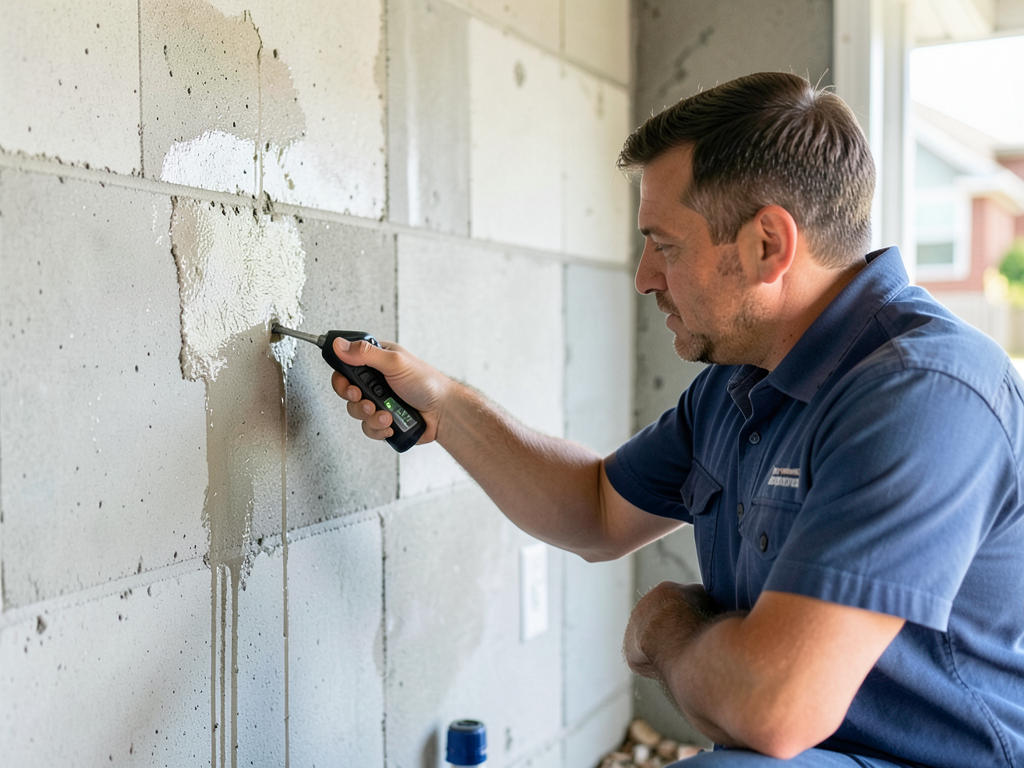
Managing Basement Moisture During the Humid Dog Days of a Buffalo Summer Your basement smells musty. The walls feel damp. You notice condensation on the windows even though it hasn’t rained in days. Buffalo summers…
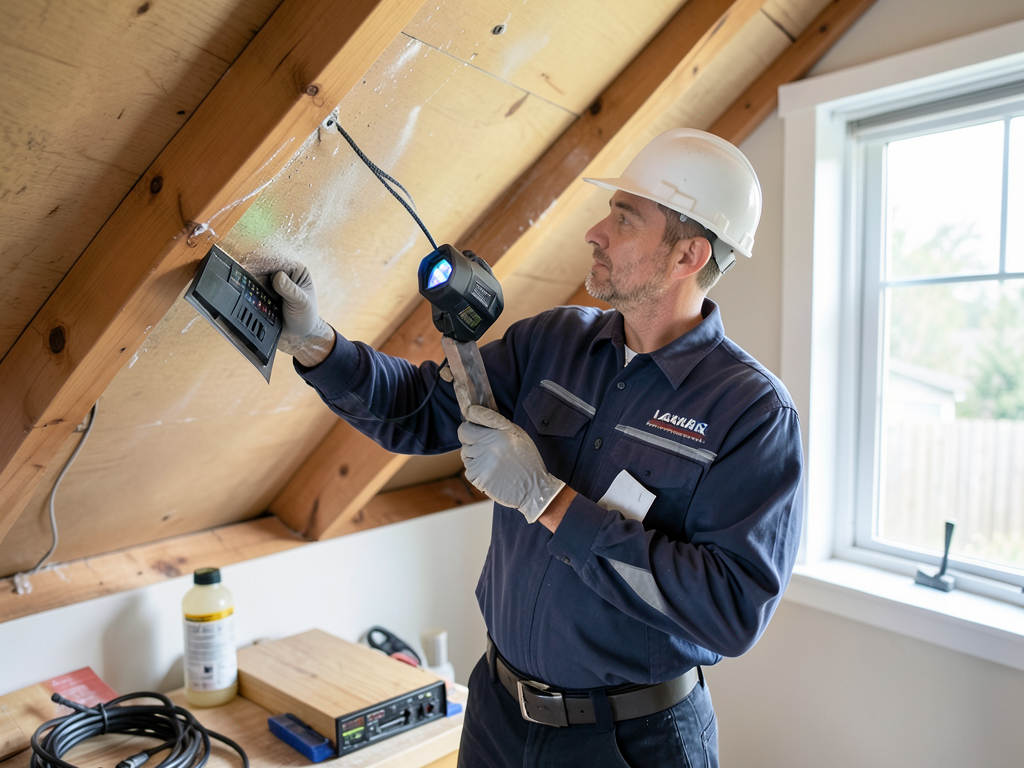
Why High Humidity in Your Lackawanna Attic is a Recipe for Structural Rot High attic…

Protecting Your Home Office Electronics After a Water Leak in Your Snyder Spare Room Water…
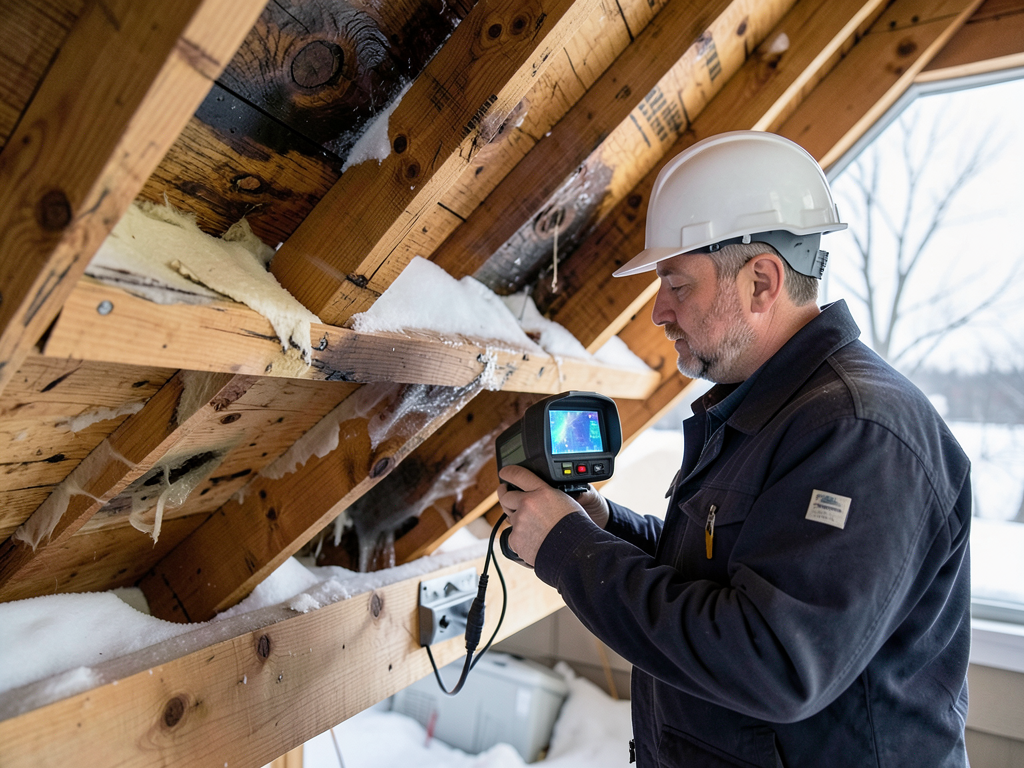
How to Tell if a Small Roof Leak is Actually a Major Mold Risk in…
Every minute counts when water damages your Kenmore home. Call Alpha Water Damage Restoration Buffalo at (716) 317-7717 for immediate dispatch. Our crews arrive in under 60 minutes with commercial extraction equipment and start mitigation right away.