menu

Fire Damage Safety Checklist in Buffalo – Your Step-by-Step Guide to Protecting Family and Property After a Fire

After experiencing a fire in your Buffalo home or business, knowing which safety steps to take first can prevent injuries, secondary damage, and costly mistakes. This fire damage safety checklist walks you through the critical post-fire safety steps that protect your family, employees, and property.

Slider Image 1
Slider Image 2
Slider Image 3
Slider Image 4
Slider Image 5
Slider Image 7
Slider Image 8
Slider Image 9
Slider Image 10
Slider Image 11

Why Post-Fire Safety Protocol Matters More in Buffalo Homes

You stand in front of your Buffalo home after the fire trucks leave. The flames are out, but the danger is not over. Many property owners make the mistake of rushing back inside before the structure is safe, leading to injuries from weakened floors, toxic air, or electrical hazards still active in the walls.

Buffalo's older housing stock, particularly in neighborhoods like Elmwood Village and North Buffalo, presents unique post-fire hazards. Many homes built before 1950 contain materials that release toxic compounds when burned. The freeze-thaw cycles that characterize Western New York winters can also worsen structural damage after a fire, as water used to extinguish flames seeps into cracks and expands when temperatures drop overnight.

The first 48 hours after a fire determine whether you face a manageable recovery or a cascade of additional problems. Soot becomes harder to remove as it sets. Water damage spreads through subflooring and wall cavities. Smoke odor penetrates deeper into porous materials. You need a fire recovery safety guide that accounts for Buffalo's climate and building types.

This is not the time to make emotional decisions. Your home may look intact from the outside, but fire creates hidden hazards. Compromised structural members, contaminated HVAC systems, and saturated insulation all pose risks. A proper post-fire hazard checklist helps you prioritize safety while documenting damage for insurance claims. Understanding after fire safety precautions specific to Buffalo properties protects your family and your financial recovery.

Why Post-Fire Safety Protocol Matters More in Buffalo Homes
The Professional Approach to Post-Fire Safety Assessment

The Professional Approach to Post-Fire Safety Assessment

A comprehensive fire damage safety protocol starts with professional assessment before anyone enters the property. Alpha Water Damage Restoration Buffalo follows a systematic approach that prioritizes life safety, structural integrity, and environmental hazards in that order.

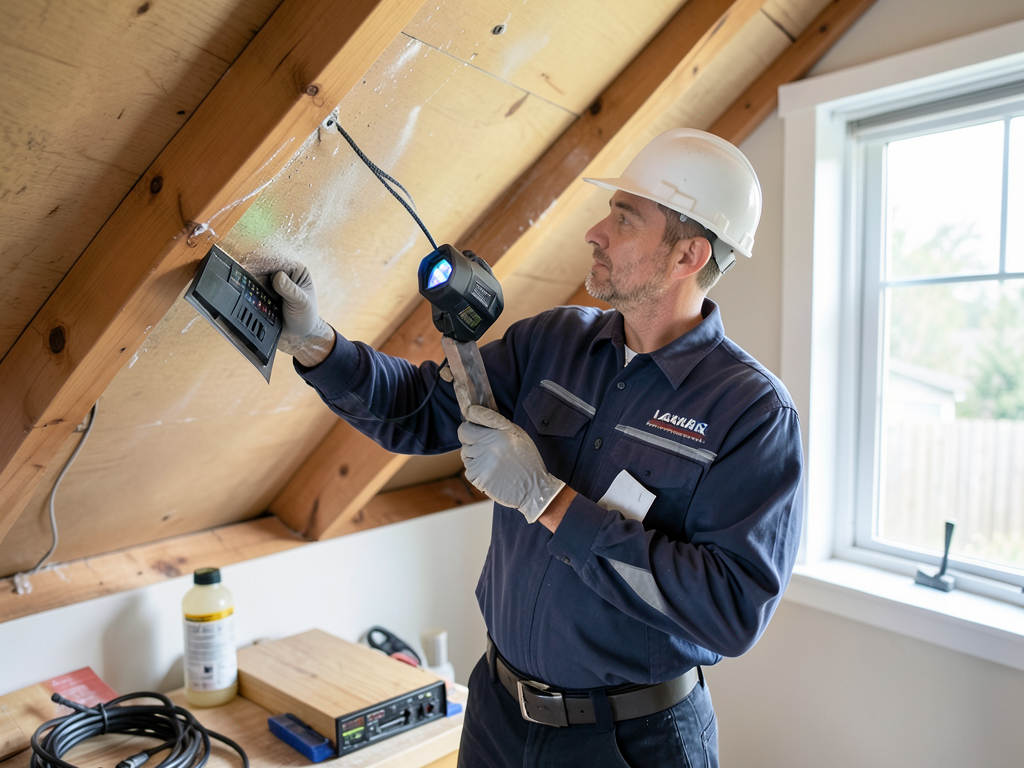
We begin with exterior structural evaluation. Fire weakens load-bearing members in ways not visible to untrained eyes. Roof trusses lose integrity when exposed to high heat, even if they appear intact. Floor joists can fail under weight after the cellulose structure breaks down. We check for sagging rooflines, cracked masonry, and compromised foundation walls before clearing entry.

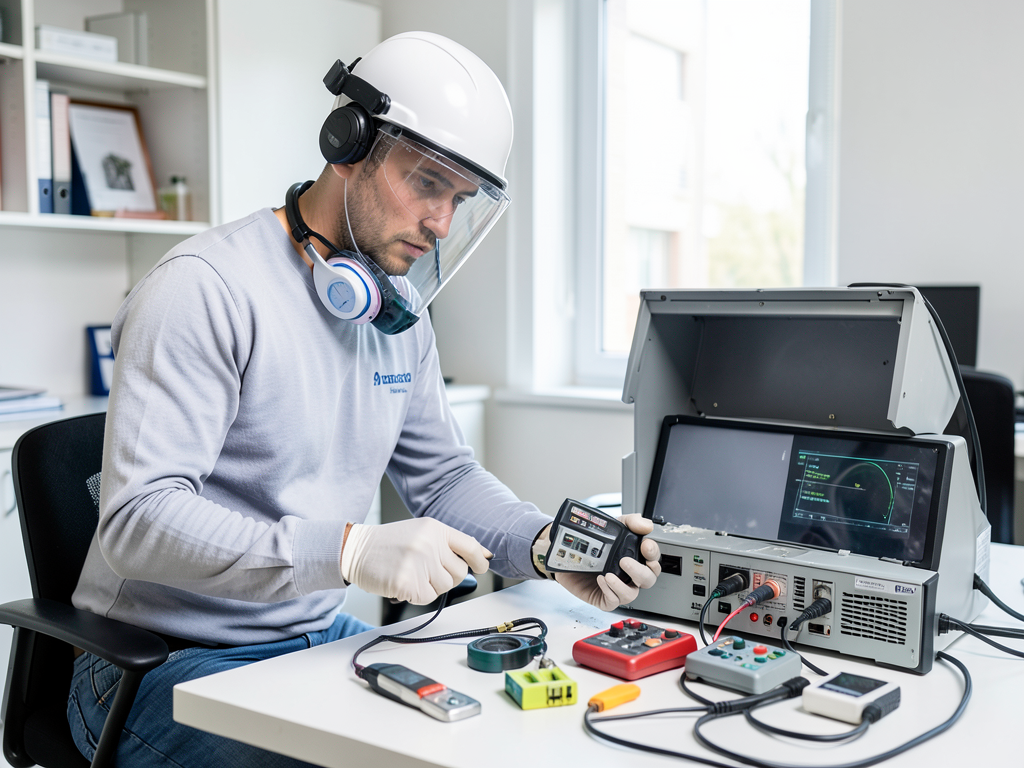
Next comes air quality testing. Burning synthetic materials releases volatile organic compounds that linger in the air and settle on surfaces. Buffalo homes often contain asbestos in older insulation, vinyl flooring, and textured ceilings. When these materials burn, they create carcinogenic particles that require professional remediation. We use particle counters and gas detectors to measure contamination levels before declaring spaces safe for occupancy.

Electrical systems demand careful inspection. Water used to fight the fire conducts electricity through walls and ceilings. Circuit breakers may have tripped, but energized wires still pose electrocution risks. We coordinate with licensed electricians to verify all circuits are de-energized and check for arc faults that could reignite materials.

The methodology differs from standard water damage restoration. Fire creates complex chemical reactions that transform ordinary building materials into hazardous waste. We treat every surface as potentially contaminated until testing proves otherwise. This cautious approach prevents exposure to toxins that cause respiratory problems, skin conditions, and long-term health effects. Your safety checklist must account for these invisible threats.

How We Help You Navigate Post-Fire Safety Steps

Fire Damage Safety Checklist in Buffalo – Your Step-by-Step Guide to Protecting Family and Property After a Fire
01

Initial Safety Documentation

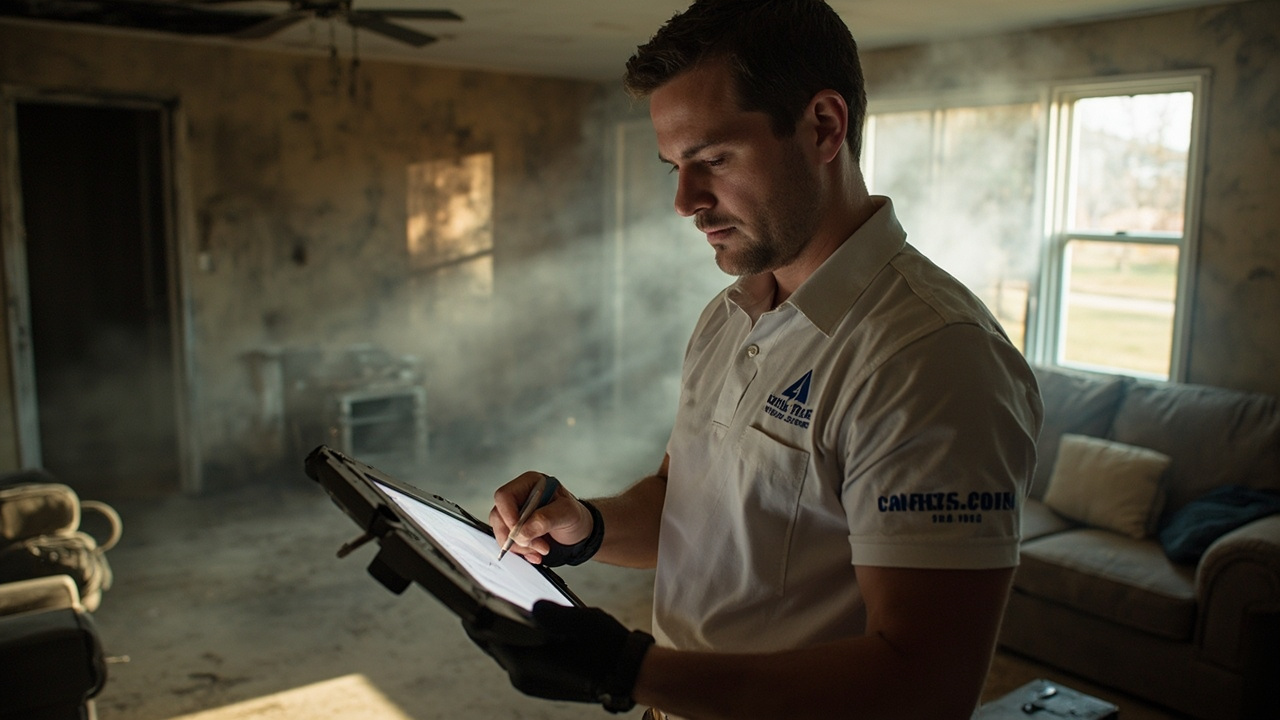
When you call Alpha Water Damage Restoration Buffalo, we dispatch a team within two hours to secure the property and document conditions for your insurance claim. We photograph structural damage, test air quality, and create a detailed site map showing affected areas. This documentation becomes the foundation of your fire recovery safety guide and establishes baseline conditions before any remediation work begins. We also install temporary barriers to prevent unauthorized entry until the structure is cleared.
02

Hazard Identification and Mitigation

Our technicians identify and address immediate threats. We shore up compromised structural elements, shut off utilities at the main service points, and remove standing water that creates slip hazards or promotes mold growth. We test for carbon monoxide, natural gas leaks, and chemical off-gassing. Any materials containing asbestos or lead are flagged for specialized removal. We also assess the HVAC system for smoke contamination that could spread toxins through ductwork when the system operates.
03

Clearance and Recovery Planning

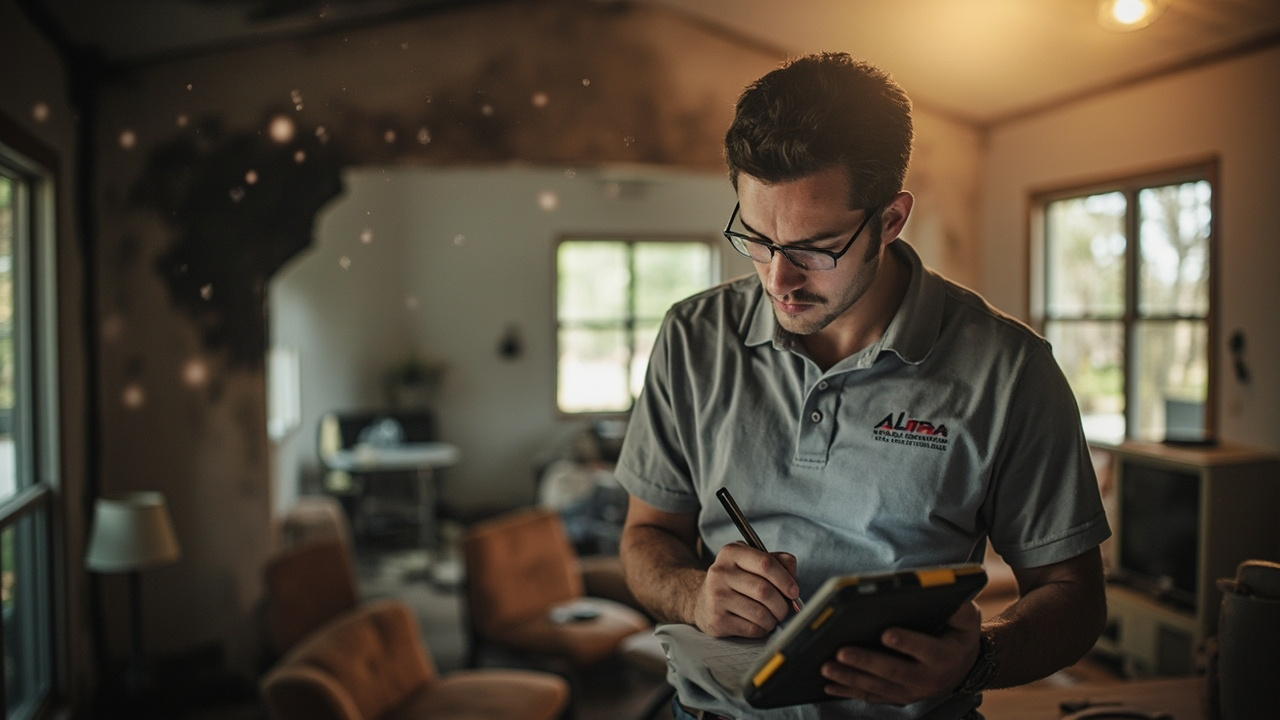
After hazard mitigation, we provide written clearance documentation identifying which areas are safe for occupancy and which require professional remediation. This post-fire hazard checklist gives you a clear roadmap for recovery. We coordinate with your insurance adjuster, structural engineers, and contractors to develop a comprehensive restoration plan. You receive detailed instructions on what you can safely salvage, what requires professional cleaning, and what must be discarded as contaminated or unsalvageable.

Why Buffalo Property Owners Trust Local Fire Damage Experts

Fire damage recovery requires specialized knowledge of local construction methods and environmental factors. Alpha Water Damage Restoration Buffalo has worked with every type of structure in Western New York, from century-old brick homes in the Delaware District to modern commercial buildings downtown.

We understand how Buffalo's climate affects fire damage. When temperatures drop below freezing, water used to fight fires turns to ice inside walls and attics. This creates secondary damage that inexperienced contractors miss. We know which building materials were common in different eras of Buffalo construction and how they react to fire exposure. This knowledge prevents mistakes that cost thousands in unnecessary demolition or missed contamination.

Our relationships with local building inspectors, insurance adjusters, and environmental testing labs speed your recovery. We know which documentation Erie County requires for permits. We understand how local insurance companies process fire claims. We work with testing facilities that provide 24-hour turnaround on air quality results so you are not waiting days to know if your home is safe.

Buffalo property owners face unique challenges after fires. Many older homes lack proper fire barriers between units in multi-family buildings. Knob-and-tube wiring common in pre-1940 homes creates electrical hazards that standard inspections miss. Balloon framing in Victorian-era houses allows fire to spread vertically through wall cavities faster than modern platform framing. We recognize these regional construction patterns and adjust our safety protocols accordingly.

Choosing a local company means faster response and better outcomes. We keep equipment staged throughout Erie County for rapid deployment. Our technicians live in Buffalo neighborhoods and understand the urgency when your family needs answers about safety. We do not use generic checklists designed for other regions. Every fire recovery safety guide we provide reflects Buffalo-specific risks and local building standards.

What to Expect During Post-Fire Safety Assessment

Response Time and Availability

We dispatch teams 24 hours a day, seven days a week because fire damage creates time-sensitive safety hazards. Most Buffalo-area properties receive initial assessment within two hours of your call. Our technicians arrive with air quality testing equipment, moisture meters, thermal imaging cameras, and documentation tools. The initial visit takes 60 to 90 minutes depending on property size. You receive a verbal briefing on immediate safety concerns before we leave the site, followed by written documentation within 24 hours. Emergency stabilization work such as board-up, tarp installation, or utility shutdown happens during the first visit.

Comprehensive Property Evaluation

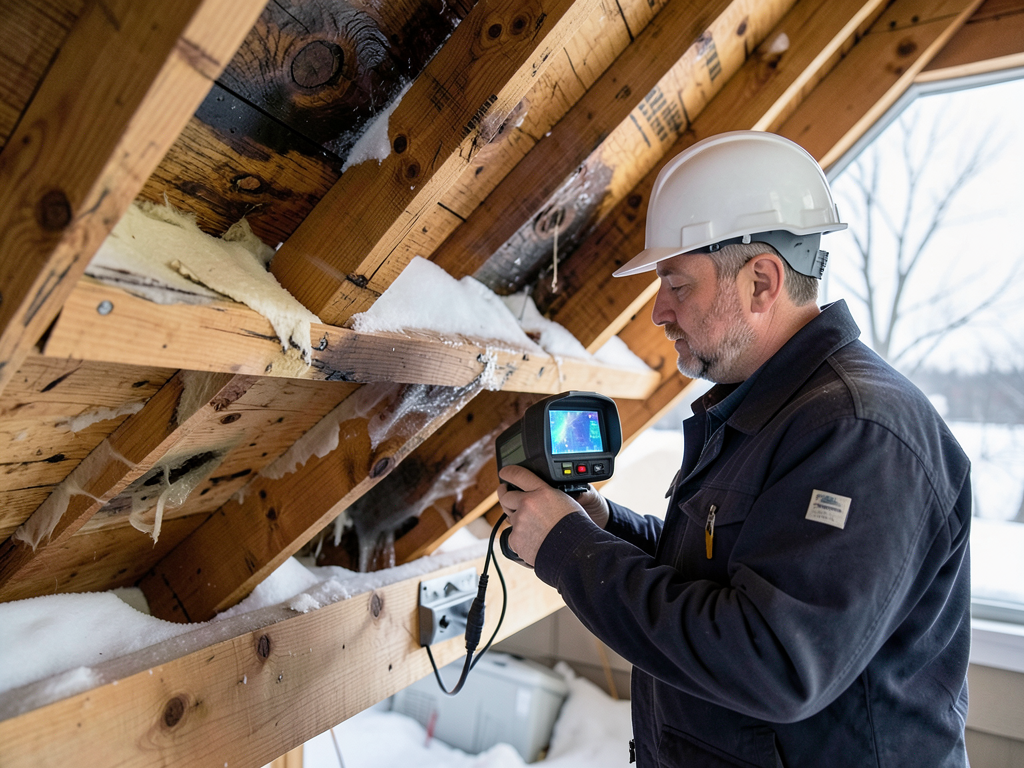
Our assessment covers structural integrity, environmental hazards, and systems functionality. We check every room affected by fire, smoke, or water used in firefighting efforts. Thermal imaging reveals hot spots that could reignite. Moisture mapping identifies water trapped in walls and ceilings that leads to mold growth. Air quality testing measures particulate levels and identifies toxic gases. We inspect electrical panels, plumbing systems, HVAC equipment, and appliances for damage. Each finding is photographed, measured, and documented with precise location information. This thoroughness ensures nothing gets missed and your insurance claim includes all damages.

Detailed Safety Recommendations

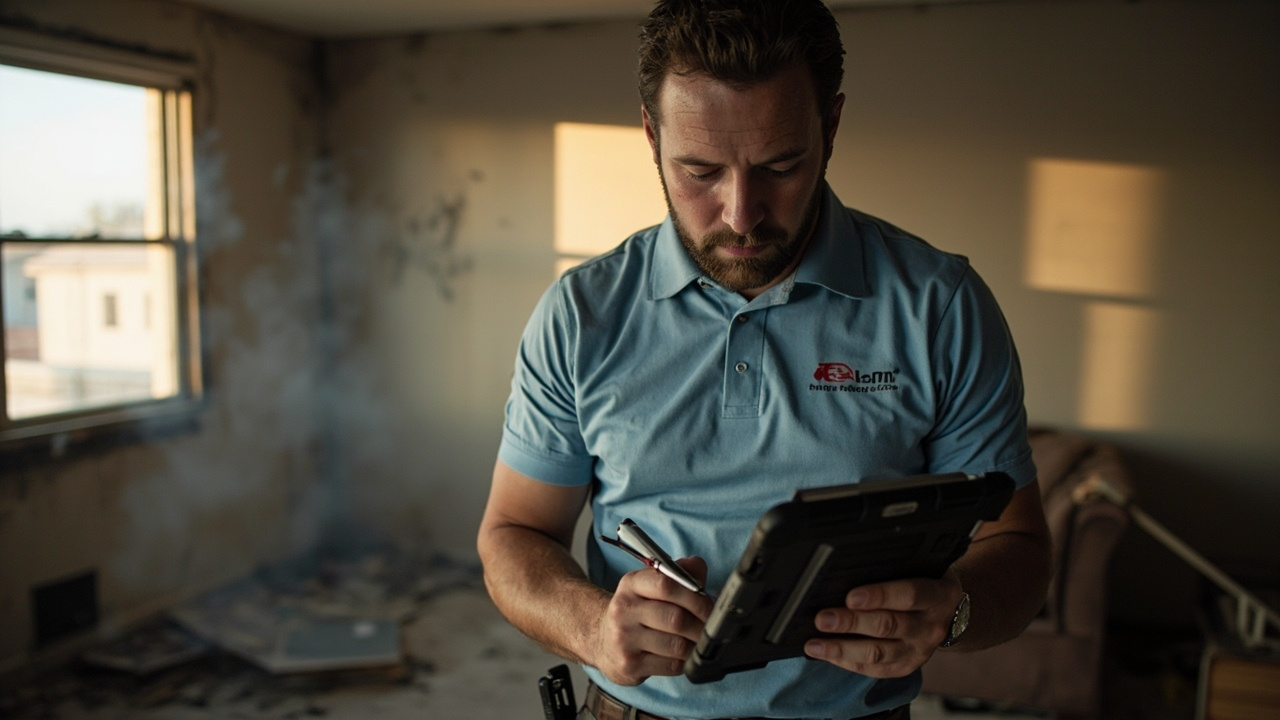
You receive a written report that categorizes areas as safe, restricted, or prohibited access. The post-fire safety checklist includes specific actions required before each space can be used. We identify which personal belongings can be cleaned, which require professional restoration, and which must be discarded due to contamination. The report includes air quality test results with explanations of what the numbers mean for your health. We provide step-by-step instructions for temporary living arrangements if the property is uninhabitable. This document serves as your roadmap for recovery and supports your insurance claim with professional documentation.

Ongoing Support and Coordination

Fire recovery involves multiple specialists including structural engineers, electricians, environmental testing firms, and general contractors. We coordinate these professionals to keep your project moving efficiently. As remediation progresses, we conduct follow-up inspections to verify work meets safety standards. We perform final air quality testing before you reoccupy the property to ensure all contamination has been removed. Our documentation supports your certificate of occupancy application with the City of Buffalo. You receive copies of all test results, inspection reports, and clearance letters for your records. We remain available to answer questions throughout reconstruction and after project completion.

Frequently Asked Questions

You Have Questions,
We Have Answers

How Buffalo's Housing Age Affects Fire Recovery Safety Protocols

Buffalo's housing stock predates modern fire safety codes. More than 60 percent of homes in the city were built before 1950, when standards for fire barriers, electrical systems, and hazardous materials were less strict or nonexistent. This means post-fire hazard checklists for Buffalo properties must account for asbestos insulation, lead paint, and outdated wiring that create dangerous conditions when exposed to fire and water. The combination of extreme temperature swings and older construction methods means fire damage in Buffalo often triggers secondary problems like ice dam formation in damaged roofs and accelerated deterioration of compromised structural members during winter freezes.

Alpha Water Damage Restoration Buffalo has earned trust throughout Erie County by understanding these local factors. We have worked with the City of Buffalo building department on hundreds of fire damage cases and know exactly what documentation inspectors require. Our technicians receive specialized training on regional construction types including balloon framing, unreinforced masonry, and early electrical systems common in Western New York. We maintain relationships with local environmental testing labs that understand Buffalo-specific hazards. This local expertise means faster approvals, accurate safety assessments, and better outcomes for property owners navigating the complex intersection of fire damage, insurance requirements, and municipal regulations.
Water Damage Restoration Services in The Buffalo Area

Although we offer rapid mobile service across the entire Buffalo area and surrounding regions, we invite you to view our service area map to confirm our commitment to your community. We are always ready to deploy our expert teams directly to your residential or commercial property, ensuring the fastest possible response time when you need water damage restoration most, right where you are.

Address:
Alpha Water Damage Restoration Buffalo, 369 Washington St, Buffalo, NY, 14203

Additional Services We Offer

Our news updates

Latest Articles & News from The Blogs

The importance of microbial swabbing after a sewer backup in your Lackawanna basement When sewage backs up into your Lackawanna…

The importance of microbial swabbing after a sewer backup in your Lackawanna basement

The importance of microbial swabbing after a sewer backup in your Lackawanna basement When sewage backs up into your Lackawanna…

Simple ways to prevent your pipes from freezing in an unheated North Buffalo crawlspace

Simple ways to prevent your pipes from freezing in an unheated North Buffalo crawlspace Buffalo’s brutal winters and lake-effect snow…

Keeping your kids and pets safe during a home restoration project in Kenmore

Keeping your kids and pets safe during a home restoration project in Kenmore\n\nHome restoration after water damage creates unique safety…

Contact Us

Do not risk your health or safety by entering a fire-damaged property without professional assessment. Call Alpha Water Damage Restoration Buffalo at (716) 317-7717 right now for 24-hour emergency response. We provide detailed safety documentation that protects your family and supports your insurance claim.