menu

Hardwood Floor Water Damage in Buffalo – Expert Restoration for Every Square Foot of Your Home

Alpha Water Damage Restoration Buffalo brings specialized equipment and proven techniques to save water damaged wood floors throughout Western New York, preventing permanent warping and expensive replacement costs.

Slider Image 1
Slider Image 2
Slider Image 3
Slider Image 4
Slider Image 5
Slider Image 7
Slider Image 8
Slider Image 9
Slider Image 10
Slider Image 11

Why Buffalo's Climate Destroys Wet Hardwood Flooring Faster Than You Think

Buffalo's lake-effect snow and sudden spring thaws create a brutal cycle for water damaged wood floors. When snow melts rapidly or ice dams force water through aging window seals, your hardwood absorbs moisture faster than you can grab a towel.

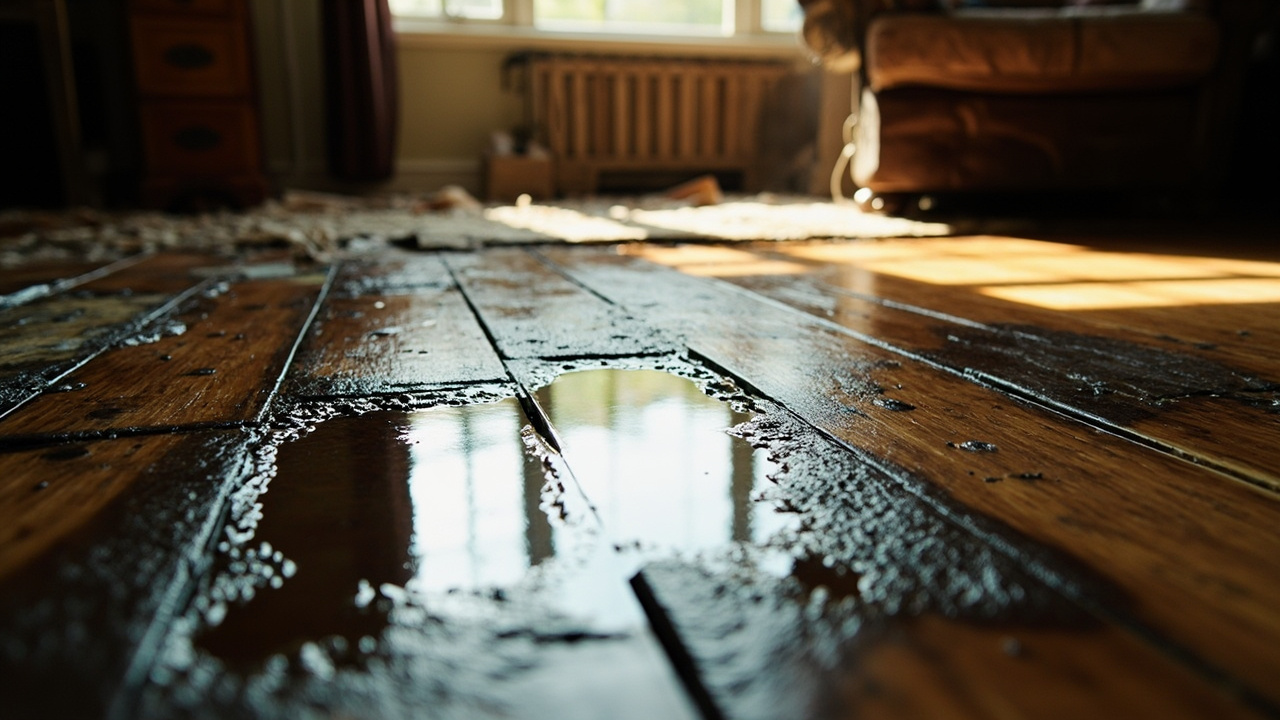
The combination of below-freezing winters and humid summers puts Western New York floors under constant stress. Water seeps between planks during thaw cycles, then freezes again overnight. This freeze-thaw pattern accelerates hardwood floor cupping and creates the crowned edges you see when planks push against each other.

Historic Buffalo homes built before 1960 face additional risks. Original oak and maple floors lack the moisture barriers found in modern installations. When basement flooding occurs or a pipe bursts in an old Victorian near Delaware Park, water wicks upward through subflooring in hours, not days.

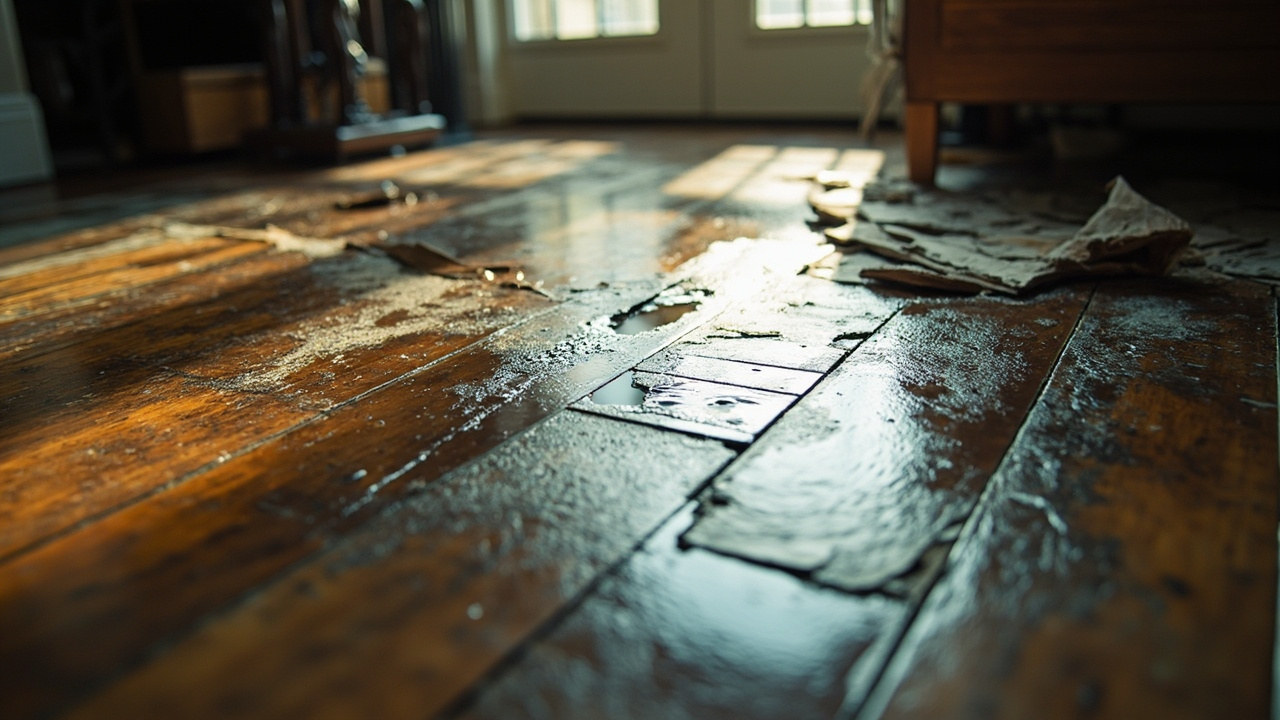
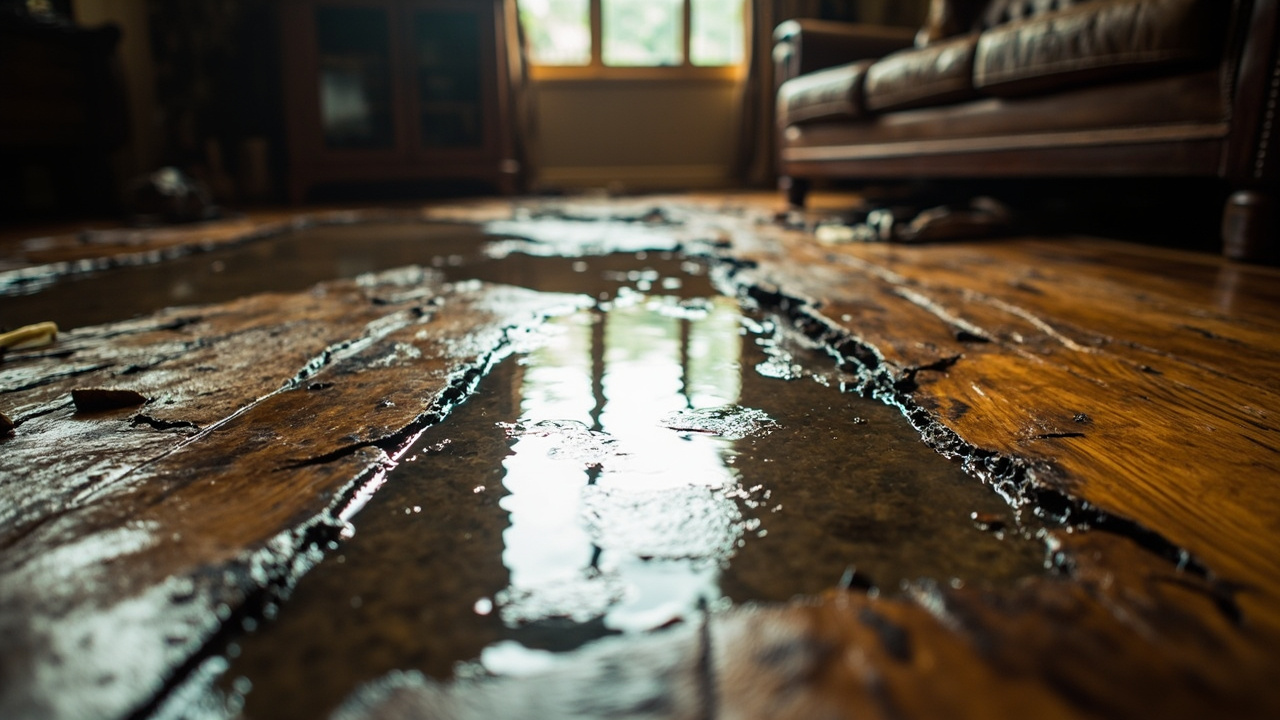
You might spot the damage as dark staining between boards or a spongy feel underfoot. That soft spot means the wood has absorbed enough water to compromise structural integrity. Without professional drying hardwood floors techniques, mold colonizes within 48 hours in Buffalo's humidity.

The real problem starts beneath the surface. Moisture meters detect saturation you cannot see. What looks like minor wet hardwood flooring damage often extends six feet beyond the visible stain. Trapped moisture creates perfect conditions for rot and subfloor failure.

Buffalo's clay-heavy soil compounds the issue. When foundation drains fail during heavy rain, water pools against basement walls and seeps up through floor joists. Your hardwood floor becomes a wick, pulling moisture from below even after you mop up surface water.

Why Buffalo's Climate Destroys Wet Hardwood Flooring Faster Than You Think
How Professional Wood Floor Water Damage Repair Actually Works

How Professional Wood Floor Water Damage Repair Actually Works

Water extraction must happen before drying begins. We use truck-mounted extractors pulling 200+ gallons per hour from subflooring cavities. Surface mopping misses the water trapped in your floor system.

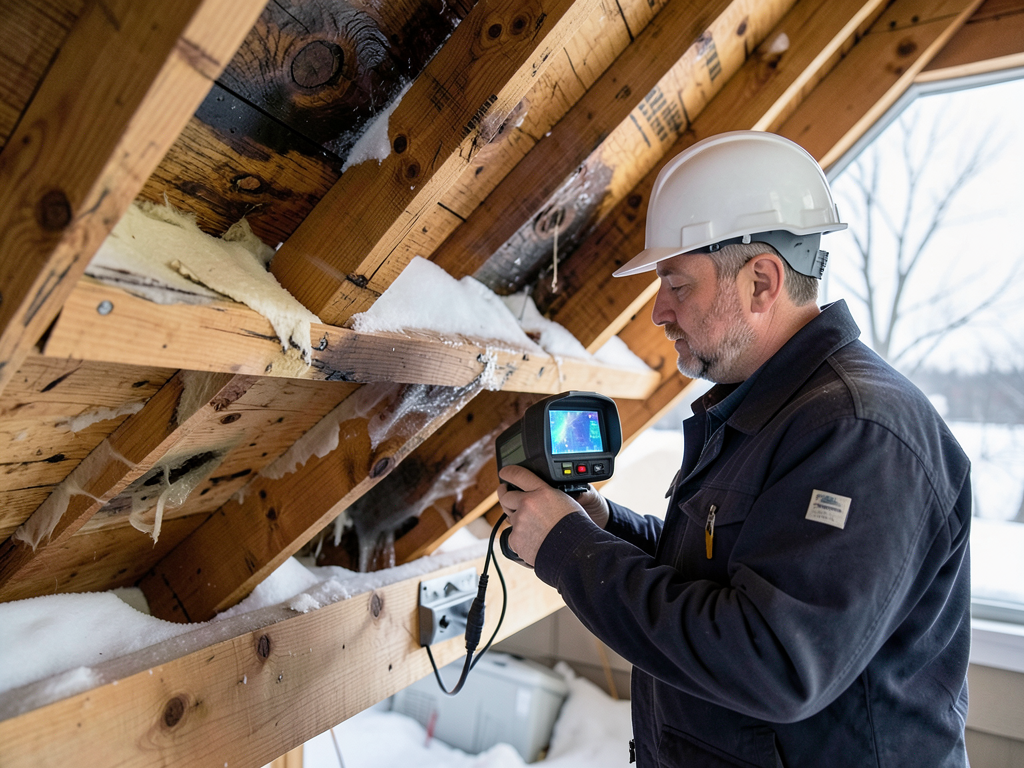
Infrared cameras map moisture distribution across your entire floor. A wet spot in your kitchen often indicates saturation extending under cabinets and into adjacent rooms. We document the full scope before placing equipment, because guessing costs you money in wasted drying time.

Commercial dehumidifiers and air movers create controlled evaporation. The goal is not speed but precision. Drying hardwood floors too fast causes checking and cracking. Too slow allows mold growth. We target 12-15% moisture content, matching Buffalo's ambient humidity levels, and adjust equipment every 12 hours based on meter readings.

Subfloor drying requires different equipment than surface drying. We inject warm air beneath your hardwood through small access points, forcing moisture out through the plank gaps. This prevents the "dry on top, wet underneath" failure that leads to buckled floors two weeks after you think the problem is solved.

Hardwood floor cupping reverses only when moisture equalizes slowly. We leave monitoring equipment for 5-7 days after visible drying completes. Cupped planks often flatten naturally as the wood releases trapped moisture. Sanding before this equalization period destroys floors permanently.

Alpha Water Damage Restoration Buffalo uses moisture mapping software to track drying progress. You receive daily updates showing exactly which areas reached safe levels. This documentation proves thorough drying to your insurance adjuster and prevents claim disputes about work quality.

The difference between amateur and professional wood floor water damage repair shows up months later. DIY drying leaves residual moisture that telegraphs through refinishing. Our approach prevents callbacks and protects your investment.

What Happens During Your Hardwood Floor Water Damage Restoration

Hardwood Floor Water Damage in Buffalo – Expert Restoration for Every Square Foot of Your Home
01

Emergency Water Extraction

We arrive within 90 minutes of your call and immediately extract standing water using truck-mounted vacuums. Technicians remove baseboards to access wall cavities and pull moisture from subfloor spaces your wet vac cannot reach. This first hour determines whether your hardwood survives or requires replacement. Speed matters because wood swells rapidly once saturated beyond 20% moisture content.
02

Controlled Drying Setup

After extraction, we position commercial air movers to create consistent airflow across your wet hardwood flooring without over-drying surface layers. Desiccant dehumidifiers run continuously, removing 150+ pints daily from your home's air. We place floor mat systems over severely damaged areas, using negative air pressure to extract moisture directly from wood grain. Equipment placement follows psychrometric calculations, not guesswork, ensuring even drying across different wood species and plank thicknesses.
03

Verification and Documentation

Before removing equipment, we verify every section of your floor tests at or below 12% moisture content using pin-type and pinless meters. You receive a moisture map showing before and after readings for insurance documentation. We inspect for secondary damage like delaminated subflooring or joist rot that water exposure may have revealed. This final check prevents future callbacks and gives you confidence the job finished correctly.

Why Buffalo Homeowners Choose Alpha Water Damage Restoration for Hardwood Floors

Western New York's architecture demands specialized knowledge most restoration companies lack. Buffalo's housing stock includes 1920s bungalows with tongue-and-groove oak, post-war ranches with thin maple strip flooring, and new construction with engineered hardwood. Each type requires different drying protocols.

We understand how lake-effect weather patterns affect drying times. January water damage takes twice as long to dry as July damage because cold outdoor air holds less moisture. Our equipment staging accounts for Buffalo's seasonal humidity swings, preventing the common mistake of under-drying during winter months when ambient moisture feels low but actually saturates building materials.

Alpha Water Damage Restoration Buffalo maintains relationships with local flooring suppliers who stock period-appropriate oak and maple for historic home repairs. When partial board replacement becomes necessary, we match grain patterns and plank widths to your existing floor. This matters in Elmwood Village or Allentown homes where maintaining original character affects property value.

Insurance adjusters in Erie County know our documentation standards. We photograph damage progression, log equipment placement with timestamps, and provide moisture readings that satisfy even the strictest claim requirements. This thoroughness speeds up your claim approval and prevents the payment disputes that delay repairs for weeks.

Our technicians train specifically on water damaged wood floors, not just general water damage. They understand wood species behavior, subfloor construction methods common to Buffalo builders, and how foundation types affect moisture migration. This specialization means accurate damage assessment on the first visit, not discovery of hidden problems after tearing up your floor.

You deal with one crew from start to finish. No subcontractors, no handoffs between teams. The technician who extracts your water also monitors drying and signs off on completion. This continuity prevents miscommunication and ensures accountability for results.

Buffalo winters do not wait for fair weather. We respond to frozen pipe bursts at 3 a.m. and extract water during blizzards when other companies close. Your hardwood cannot wait 48 hours for conditions to improve.

What to Expect During Hardwood Floor Water Damage Restoration

Response Time and Availability

We dispatch crews within 90 minutes for emergency calls anywhere in Buffalo and surrounding Erie County communities. Night, weekend, and holiday response carries no surcharge because water damage follows no schedule. During your initial call, we ask specific questions about water source, affected square footage, and floor age to bring correct equipment on the first trip. You receive a two-hour arrival window, not vague "sometime today" promises. Our trucks stock extraction equipment, moisture meters, and commercial drying gear so work begins immediately upon arrival.

Damage Assessment Process

Initial assessment takes 30-45 minutes and covers areas beyond visible damage. We use thermal imaging to trace water migration through your floor system and test moisture levels in walls, subflooring, and joists. You receive a written scope identifying salvageable versus replacement sections, estimated drying time, and equipment requirements. This assessment includes photos documenting pre-existing floor condition to protect you from insurance disputes about prior damage. We explain findings in plain language and answer questions about the restoration process before starting work.

Final Results and Quality

Successful wood floor water damage repair leaves your hardwood structurally sound and ready for use, though cosmetic refinishing may be needed separately. Cupping and crowning often self-correct within two weeks after proper drying, though minor unevenness may remain in severely damaged areas. We provide final moisture readings proving your floor meets industry-standard dryness levels below 12%. All removed baseboards are reinstalled, and work areas are left clean. You receive documentation suitable for insurance claims and future home sale disclosures.

Post-Restoration Monitoring

We schedule a follow-up inspection 7-10 days after equipment removal to verify your floor remains stable. This catch-and-correct visit identifies any areas where moisture reappeared due to hidden leaks or inadequate initial drying. Buffalo's humidity fluctuations sometimes cause floors to react days after restoration completes. If problems surface within 30 days related to our drying process, we return to address them. You also receive guidance on maintaining proper indoor humidity levels to prevent future water damage and wood movement.

Frequently Asked Questions

You Have Questions,
We Have Answers

Can hardwood floors be repaired after water damage? +

Yes, hardwood floors can often be repaired after water damage, but it depends on the severity and how quickly you act. Minor surface water may only require drying and refinishing. Cupping or crowning from subflooring moisture needs professional extraction and controlled drying to prevent permanent warping. Severe cases with rotted planks or mold growth may require partial replacement. Buffalo's freeze-thaw cycles and old housing stock mean many homes have compromised subflooring that worsens water intrusion. A restoration professional will assess moisture levels in both the hardwood and subfloor to determine if repair or replacement is needed.

What to do if water gets under hardwood floors? +

If water gets under your hardwood floors, act immediately to prevent irreversible damage. First, stop the water source and remove standing water. Pull up a few planks in the affected area to allow airflow beneath the surface. Run fans and dehumidifiers continuously, targeting the subfloor. Buffalo homes with plaster walls and older subfloors trap moisture longer, so professional extraction equipment is often necessary. Do not apply heat or speed up drying too fast, as this causes severe cupping. A moisture meter should confirm the subfloor is below 12 percent before reinstalling planks or refinishing.

What happens to hardwood floors when they get wet? +

When hardwood floors get wet, the wood fibers absorb moisture and expand. This causes visible cupping, where plank edges rise higher than the center. Prolonged exposure leads to crowning, where the center swells above the edges, or complete warping. Buffalo's humidity fluctuations worsen this cycle. The finish may cloud or peel. Water also weakens adhesive bonds in engineered hardwood. If moisture reaches the subfloor, structural rot and mold growth begin within 24 to 48 hours. The longer water sits, the more likely you'll need full replacement instead of repair.

How to flatten a wood floor after water damage? +

Flattening a wood floor after water damage requires controlled drying and patience. Remove all surface water and run commercial-grade dehumidifiers to pull moisture from the wood gradually. Cupping may self-correct as the floor dries evenly, but you must wait weeks for the wood to acclimate. Once moisture levels stabilize, a professional can sand down minor crowning or warping and refinish the surface. Buffalo's seasonal humidity swings mean you should monitor moisture content year-round. Forced heat or rapid drying worsens warping. If planks remain buckled after full drying, replacement is the only option.

How much does it cost to repair a water damaged hardwood floor? +

Repairing a water damaged hardwood floor in Buffalo typically ranges from a few hundred dollars for minor refinishing to several thousand for full plank replacement and subfloor repairs. Costs depend on the extent of damage, square footage, wood species, and whether subflooring or joists need work. Older Buffalo homes with plaster and lath or compromised floor systems increase labor costs. Professional water extraction, drying, mold remediation, sanding, and refinishing all add to the total. Insurance may cover sudden incidents like burst pipes. Always get a detailed estimate after a moisture inspection.

Can mold grow under hardwood floors? +

Yes, mold can absolutely grow under hardwood floors. Once moisture infiltrates the subfloor, mold spores colonize within 24 to 48 hours. Buffalo's humid summers and poorly ventilated crawl spaces create ideal conditions. You may not see mold on the surface, but it thrives on damp plywood, particleboard, or floor joists underneath. Signs include musty odors, visible staining when planks are lifted, or allergy symptoms. Mold under hardwood requires professional remediation, often involving plank removal, subfloor treatment, and controlled drying. Ignoring it compromises indoor air quality and structural integrity.

Will a one-time water leak cause mold? +

A one-time water leak can cause mold if moisture is not fully extracted within 24 to 48 hours. Even a small leak that seeps into subflooring, wall cavities, or insulation creates the damp environment mold needs to grow. Buffalo's older homes with balloon framing and limited vapor barriers let water travel between floors and walls, spreading contamination. The key is immediate action. Extract all water, dry affected areas with dehumidifiers and fans, and verify moisture levels with a meter. If drying is incomplete or delayed, mold growth is likely, even from a single incident.

Is there a way to reverse water damage on wood? +

Reversing water damage on wood depends on how quickly you respond and the severity. Light surface water may be dried and refinished without visible effects. Moderate cupping can sometimes self-correct as the wood dries evenly. However, severe warping, cracking, or delamination in engineered hardwood is permanent. Rotted wood fibers cannot be restored. Buffalo's climate adds complexity, as freeze-thaw cycles and humidity swings accelerate deterioration. Professional restoration focuses on halting further damage and stabilizing moisture content. In many cases, replacement is more cost-effective than attempting to reverse advanced damage.

How long can wood be wet before mold? +

Wood can start developing mold within 24 to 48 hours of being wet, especially in Buffalo's humid conditions. Mold spores are always present. They just need moisture, warmth, and an organic food source like wood or drywall. Subflooring, joists, and the underside of hardwood planks are particularly vulnerable because they stay damp longer. Temperature does not need to be high. Mold thrives at room temperature. The faster you extract water and reduce humidity below 60 percent, the better your chances of preventing colonization. Delaying drying by even a day significantly increases mold risk.

How long can water sit on hardwood floors? +

Water should not sit on hardwood floors for more than a few hours. Prolonged exposure leads to cupping, staining, and finish damage. Within 24 hours, water penetrates the wood fibers and subfloor, causing swelling and potential mold growth. Buffalo homes with older hardwood and compromised subflooring absorb moisture faster. Even small amounts of standing water can warp planks permanently if left overnight. If water sits for days, expect severe structural damage and the need for plank replacement. Always blot up spills immediately and use fans to dry the surface and surrounding air.

How Lake Erie Humidity and Buffalo Freeze-Thaw Cycles Make Hardwood Floor Water Damage Worse

Buffalo sits in a humidity microclimate created by Lake Erie's temperature differential with surrounding land. Summer humidity regularly exceeds 70%, while winter indoor heating drops levels below 30%. This extreme swing stresses hardwood floors year-round. When water damage occurs during humid months, drying takes longer because air already carries maximum moisture. During winter, frozen ground prevents foundation drainage, forcing meltwater upward through basement floors. Historic neighborhoods near Delaware Park and Elmwood Village face additional risks from aging clay pipe water mains that crack during freeze cycles, flooding basements with little warning.

Alpha Water Damage Restoration Buffalo understands these local conditions because we work exclusively in Western New York. We adjust equipment and drying timelines based on current weather patterns, not generic protocols designed for different climates. Our technicians recognize the specific hardwood species Buffalo builders preferred in different decades and know which floors tolerate aggressive drying versus which require gentle moisture removal. This local expertise prevents the expensive mistakes that out-of-area restoration companies make when they misread Buffalo's unique combination of lake-effect weather and aging housing stock.

Water Damage Restoration Services in The Buffalo Area

Although we offer rapid mobile service across the entire Buffalo area and surrounding regions, we invite you to view our service area map to confirm our commitment to your community. We are always ready to deploy our expert teams directly to your residential or commercial property, ensuring the fastest possible response time when you need water damage restoration most, right where you are.

Address:
Alpha Water Damage Restoration Buffalo, 369 Washington St, Buffalo, NY, 14203

Additional Services We Offer

Our news updates

Latest Articles & News from The Blogs

The importance of microbial swabbing after a sewer backup in your Lackawanna basement When sewage backs up into your Lackawanna…

The importance of microbial swabbing after a sewer backup in your Lackawanna basement

The importance of microbial swabbing after a sewer backup in your Lackawanna basement When sewage backs up into your Lackawanna…

Simple ways to prevent your pipes from freezing in an unheated North Buffalo crawlspace

Simple ways to prevent your pipes from freezing in an unheated North Buffalo crawlspace Buffalo’s brutal winters and lake-effect snow…

Keeping your kids and pets safe during a home restoration project in Kenmore

Keeping your kids and pets safe during a home restoration project in Kenmore\n\nHome restoration after water damage creates unique safety…

Contact Us

Water damage worsens every hour you wait. Call Alpha Water Damage Restoration Buffalo now at (716) 317-7717 for emergency response. We arrive fast, work efficiently, and document everything for your insurance claim.