menu

Soggy Insulation in Buffalo | Expert Water Damage Restoration and Permanent Mold Prevention

From attic crawlspaces to basement walls, Alpha Water Damage Restoration Buffalo removes saturated insulation, dries structural cavities, and replaces materials correctly to stop recurring moisture problems and protect your home's energy efficiency.

Slider Image 1
Slider Image 2
Slider Image 3
Slider Image 4
Slider Image 5
Slider Image 7
Slider Image 8
Slider Image 9
Slider Image 10
Slider Image 11

Why Buffalo Homes Suffer from Chronic Wet Insulation

Buffalo's weather creates a perfect storm for insulation failure. You deal with lake-effect snow that dumps moisture into attics through ice dams, followed by freeze-thaw cycles that crack roof penetrations and let meltwater seep into wall cavities. Spring flooding from the Niagara River basin saturates basements, while summer humidity above 70 percent keeps damp insulation from ever fully drying out.

Most homeowners notice the problem when energy bills spike or a musty smell develops. You might see brown stains on ceilings in Elmwood Village bungalows or feel cold spots along exterior walls in North Buffalo colonials. That soggy insulation loses 50 percent of its R-value when moisture content hits just 5 percent. At 15 percent moisture, it becomes a breeding ground for mold spores that spread through your HVAC system.

Water damaged insulation does not dry on its own in Buffalo's climate. The material compresses, creating permanent thermal bridges that waste heating dollars every winter. Fiberglass batts stay wet for months. Cellulose insulation turns into a sodden mass that pulls away from joists. Spray foam absorbs water like a sponge when improperly installed over existing moisture problems.

The structural damage extends beyond comfort issues. Soaked insulation adds weight to ceiling joists, corrodes electrical wiring, and creates conditions for wood rot in rafters and studs. Buffalo's older housing stock, built before modern vapor barriers became standard, faces higher risk because original construction methods allowed more air and moisture movement through wall assemblies.

Why Buffalo Homes Suffer from Chronic Wet Insulation
How Professional Water Damage Restoration Handles Saturated Insulation

How Professional Water Damage Restoration Handles Saturated Insulation

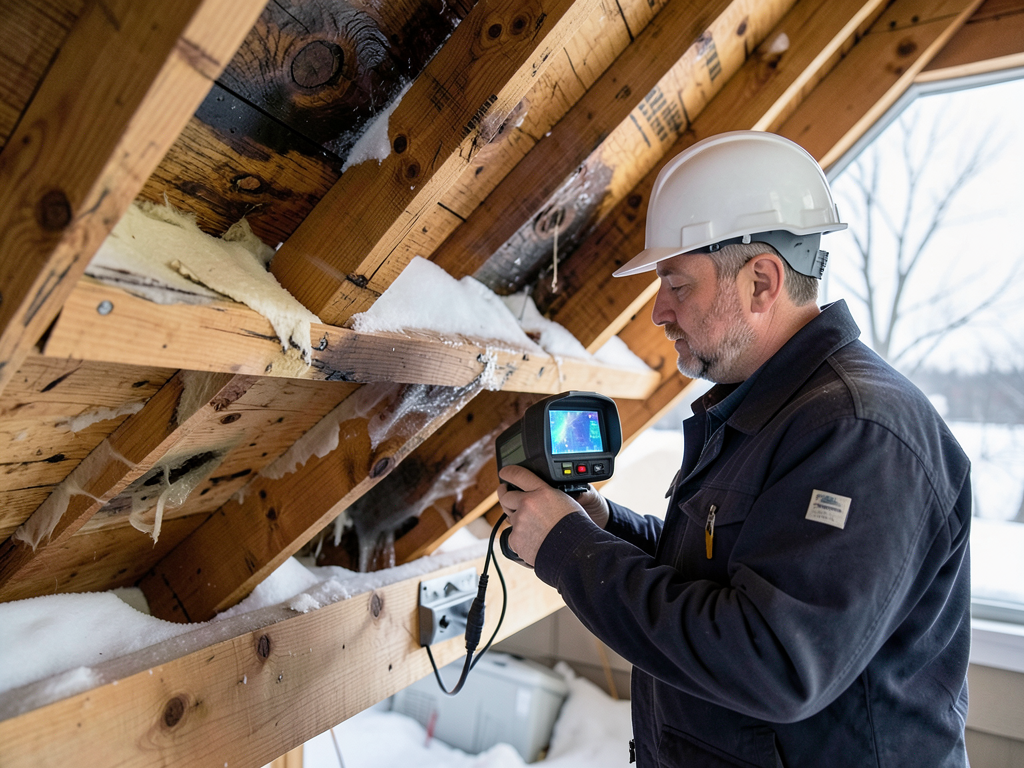
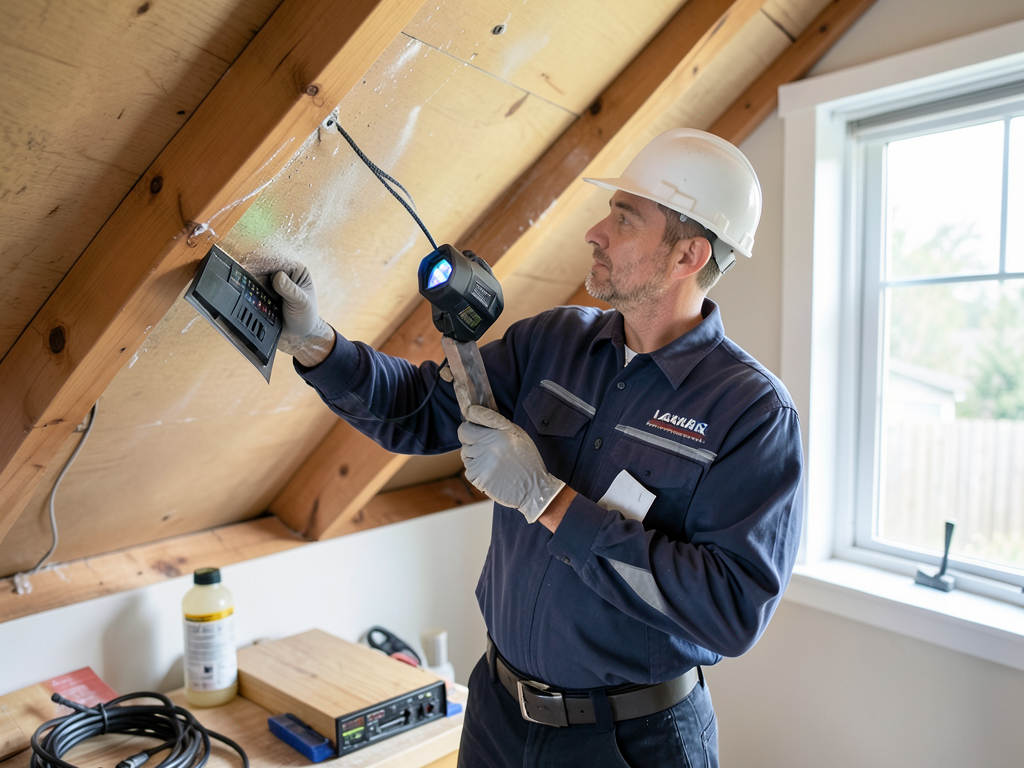
Alpha Water Damage Restoration Buffalo does not treat soggy insulation as a simple removal job. We trace the moisture source first. Our technicians use thermal imaging cameras to map temperature differentials that reveal hidden water intrusion points. Moisture meters measure exact water content in wood framing and drywall to establish drying benchmarks.

We document the full scope before touching anything. This matters for insurance claims and prevents incomplete repairs that let problems return. You get photo evidence of failed roof flashing, condensation on cold water pipes, or foundation cracks that fed water into the insulation cavity.

Removal follows containment protocols. We seal off work areas with polyethylene sheeting to prevent cross-contamination of mold spores into clean zones. HEPA-filtered negative air machines create pressure differentials that pull airborne particles toward collection points rather than spreading them through your home. Wet insulation goes into heavy-duty disposal bags, not dragged through living spaces.

Structural drying comes next. Commercial-grade dehumidifiers pull moisture from wood framing until levels drop below 15 percent, the threshold where microbial growth stops. Air movers create convective drying that reaches into wall cavities and under subfloors. We monitor daily with calibrated hygrometers, adjusting equipment placement based on real-time readings.

The cavity gets treated with antimicrobial applications on any surfaces that showed mold growth. We verify complete drying before new insulation goes in. This step separates professional restoration from handyman tear-out jobs. Installing new insulation over damp framing guarantees the problem returns within months, wasting your money and creating worse damage.

What Happens During Your Insulation Restoration Project

Soggy Insulation in Buffalo | Expert Water Damage Restoration and Permanent Mold Prevention
01

Emergency Water Extraction

Our crew arrives within 90 minutes to assess damage severity and stop active water intrusion. We extract standing water from affected areas using truck-mounted pumps, then remove soaked insulation before saturation spreads to adjacent cavities. Immediate action prevents secondary damage to electrical systems and load-bearing members. You receive a detailed moisture map showing every compromised area before demolition begins.
02

Structural Cavity Drying

After removing water damaged insulation, we deploy commercial dehumidifiers and air movers calibrated to your home's cubic footage. Drying takes 3 to 7 days depending on material density and saturation levels. We monitor moisture content twice daily in wall studs, floor joists, and subfloor sheathing. Temperature and humidity logs track progress toward the 12 percent moisture equilibrium needed for safe reconstruction.
03

Insulation Replacement and Sealing

Once framing meets drying standards, we install new insulation matched to your home's original R-value requirements. This includes proper vapor barrier placement, air sealing around penetrations, and ventilation improvements that prevent future moisture accumulation. You get documentation showing insulation type, R-value, and installation photos for building department records. Final thermal imaging confirms complete coverage without compression or gaps.

Why Buffalo Homeowners Choose Local Water Damage Specialists

Buffalo's building codes and climate demands require restoration expertise you will not find in national franchises. Alpha Water Damage Restoration Buffalo understands how lake-effect weather patterns create unique moisture problems in different neighborhoods. We know that West Side homes built before 1950 lack adequate attic ventilation, making them prone to condensation issues. We recognize that South Buffalo basements flood differently than those in Riverside because of varying elevation relative to the Buffalo River.

Our technicians receive ongoing training in New York State building codes and IICRC water damage restoration standards. This matters when dealing with insurance adjusters who scrutinize every line item. We document moisture readings using industry-standard protocols that satisfy carrier requirements for coverage. You avoid claim denials caused by inadequate documentation or improper drying procedures.

We work directly with local building inspectors who enforce Buffalo's residential rehabilitation codes. When soggy insulation reveals underlying structural damage, we coordinate necessary permits and inspections to keep your project compliant. This prevents costly rework or stop-work orders that delay completion.

Equipment capacity separates professional restoration from disaster cleanup services. We maintain industrial dehumidifiers capable of removing 150 pints per day, not the 50-pint residential units that take weeks to dry a single room. Our air movers deliver 2,000 cubic feet per minute of airflow to create the rapid convective drying needed in Buffalo's high-humidity environment.

Local availability matters during peak damage seasons. Spring flooding and winter pipe bursts overwhelm out-of-area contractors who cannot respond quickly. We maintain crews and equipment locally, ensuring you get help within hours rather than days when water damage strikes.

What to Expect from Start to Finish

Rapid Response Time

You reach our dispatch team 24 hours a day at (716) 317-7717. We commit to on-site arrival within 90 minutes for emergency water damage throughout the Buffalo metro area. Our technicians carry moisture detection equipment in service vehicles, allowing immediate assessment without waiting for a second trip. You receive a verbal scope of work and timeline estimate before any demolition begins. Most residential insulation restoration projects take 5 to 10 days from initial water extraction through final installation, depending on the extent of structural drying required and material availability.

Comprehensive Moisture Assessment

Our initial evaluation uses thermal imaging to identify temperature anomalies that indicate hidden moisture in wall cavities and ceiling spaces. Penetrating moisture meters measure water content in wood framing, while non-invasive sensors scan through drywall without creating additional holes. You receive a written report documenting moisture levels in each affected area, plus photographs showing the extent of saturated insulation and any visible mold growth. This assessment becomes the baseline for tracking drying progress and verifying complete restoration before reconstruction begins.

Complete Structural Restoration

Your project does not end with dry framing. We replace damp insulation with new material that meets or exceeds your home's original R-value specifications. This includes proper installation techniques like maintaining consistent density in blown cellulose, cutting fiberglass batts to exact cavity dimensions, and ensuring continuous coverage without compression. Vapor barriers get positioned correctly for Buffalo's climate zone, with careful sealing around electrical boxes and plumbing penetrations. Final thermal imaging confirms uniform insulation coverage and identifies any remaining thermal bridges before drywall goes back up.

Post-Restoration Monitoring

Alpha Water Damage Restoration Buffalo provides documentation showing final moisture readings in all structural components, plus photos of completed insulation installation. We offer follow-up moisture checks at 30 and 90 days after project completion to verify your home maintains proper humidity levels and the restored areas remain dry. You receive recommendations for preventing future moisture problems, including ventilation improvements, gutter maintenance, and humidity control strategies specific to Buffalo's climate. Our team remains available to answer questions about unusual odors, temperature inconsistencies, or other concerns that might indicate hidden moisture issues.

Frequently Asked Questions

You Have Questions,
We Have Answers

Will wet insulation ever dry out? +

Wet insulation can dry out under ideal conditions, but most types retain moisture for extended periods. Fiberglass and cellulose insulation compress when wet, losing their insulating ability. Buffalo's high humidity makes natural drying nearly impossible. Even if the surface dries, trapped moisture deep inside creates perfect conditions for mold growth and rot. Drywall and wood framing absorb water from wet insulation, spreading damage throughout your walls or attic. Most insurance adjusters and restoration professionals recommend removal rather than waiting. The cost of replacement is far less than dealing with hidden mold and structural damage months later.

Will mold grow in wet insulation? +

Yes, mold grows rapidly in wet insulation. Fiberglass, cellulose, and foam insulation all provide food sources for mold once moisture is present. Buffalo's climate creates perfect growing conditions with temperatures between 60 and 80 degrees for most of the year. Mold spores are already present in every home. They just need moisture to activate. Wet insulation acts like a sponge, holding water against wood framing and drywall. Colonies can form within 24 to 48 hours after water exposure. Hidden mold in walls or attics goes undetected until you smell musty odors or see health symptoms in your family.

How to fix wet insulation? +

Fixing wet insulation requires complete removal in most cases. First, identify and stop the water source. Roof leaks, burst pipes, and ice dam damage are common culprits in Buffalo homes. Next, remove affected insulation and check framing for rot or mold. Treat wood surfaces with antimicrobial solutions if needed. Allow cavities to dry completely using fans and dehumidifiers. This takes several days minimum. Install moisture barriers if they were missing. Finally, replace insulation with new material rated for Buffalo's climate. Fiberglass batts work well for most applications. Spray foam provides better moisture resistance for problem areas like rim joists.

How long does it take for mold to grow on wet insulation? +

Mold can begin growing on wet insulation within 24 to 48 hours under the right conditions. Buffalo's humidity levels accelerate this timeline, especially during summer months. Temperature plays a role. Warm attics and wall cavities speed up mold colonization. Cellulose insulation supports faster growth than fiberglass because of its organic composition. Hidden areas with poor ventilation create ideal conditions. You might not see visible mold for weeks, but microscopic colonies are already releasing spores into your home. Early detection is critical. Musty odors often appear before visible growth. Professional inspection can identify hidden mold using thermal imaging and moisture meters.

How long does it take wet insulation to dry an attic? +

Wet insulation in a Buffalo attic takes weeks to months to dry naturally, and often never dries completely. Fiberglass batts hold moisture deep in their fibers. Blown cellulose compacts when wet and stays damp even longer. Buffalo's humidity extends drying time significantly compared to drier climates. Winter creates additional problems with freeze-thaw cycles preventing evaporation. Attic ventilation helps but is rarely sufficient after major water intrusion. Meanwhile, moisture spreads to roof decking and framing, causing rot and mold. Professional extraction equipment and dehumidifiers can reduce drying time to days, but removal and replacement is usually more cost-effective than waiting.

Does insulation need to be replaced after water damage? +

Yes, insulation usually needs replacement after water damage. Water compromises the material's ability to insulate your home. Fiberglass loses its loft and traps moisture against your framing. Cellulose compresses and becomes a breeding ground for mold. Even if insulation appears to dry, contamination from sewage, bacteria, or mold spores remains. Insurance companies typically cover replacement costs after covered water damage events. Buffalo's climate makes restoration impractical. The risk of hidden mold growth outweighs any cost savings from keeping wet insulation. Replacement also gives you the opportunity to upgrade to higher R-values, improving energy efficiency for Buffalo's cold winters.

Why is it hard to sell a house with spray foam insulation? +

Spray foam insulation complicates home sales because it can hide problems and affects inspections. Closed-cell foam makes it impossible to inspect wall cavities, plumbing, and electrical systems without destructive testing. Buffalo home inspectors flag this as a concern. Buyers worry about hidden water damage, knob-and-tube wiring, or structural issues sealed behind foam. Some foam installations were done improperly, creating moisture traps that lead to rot. FHA and VA loans sometimes have restrictions on homes with spray foam. The material also makes future renovations difficult and expensive. Proper installation with documentation helps, but many buyers simply avoid homes with spray foam altogether.

What are the symptoms of insulation sickness? +

Insulation sickness occurs when you breathe fibers, mold, or chemicals from damaged insulation. Symptoms include respiratory irritation, coughing, wheezing, and throat discomfort. Fiberglass particles cause skin itching and eye irritation. Mold growth in wet insulation triggers allergic reactions like sneezing, runny nose, and sinus congestion. Some people develop headaches, fatigue, or difficulty concentrating from mold exposure. Buffalo's older homes often contain deteriorating insulation releasing more particles into living spaces. Formaldehyde in some insulation types causes chemical sensitivity reactions. Prolonged exposure worsens symptoms over time. Children and people with asthma face higher risks. Professional removal eliminates the source and improves indoor air quality.

What are the 10 warning signs of mold toxicity? +

The 10 warning signs of mold toxicity include persistent fatigue, brain fog, memory problems, headaches, respiratory issues, sinus congestion, skin rashes, joint pain, digestive problems, and sensitivity to light or sound. Buffalo residents often attribute these symptoms to seasonal allergies or stress, missing the connection to hidden mold in wet insulation. Symptoms worsen when you are home and improve when you leave. Multiple family members often show signs simultaneously. Chronic exposure creates cumulative effects over months or years. Children and elderly family members show symptoms first. Medical tests often come back normal because doctors do not check for mold exposure. Professional mold inspection identifies hidden sources in walls, attics, and crawl spaces.

What does water damaged insulation look like? +

Water damaged insulation looks discolored, compressed, and stained. Fiberglass batts turn gray or brown and sag between joists. Cellulose forms clumps and loses its fluffy texture. You might see dark spots indicating mold growth. Wet insulation feels heavy and damp to the touch. Water stains appear on paper backing or surrounding drywall. Buffalo homeowners often discover damage after ice dams or roof leaks. Insulation in walls might leave visible bulges or waves in drywall as it swells with moisture. Musty odors often accompany visible damage. Thermal imaging cameras reveal cold spots where wet insulation has lost effectiveness before visible signs appear.

How Buffalo's Lake-Effect Climate Creates Persistent Insulation Moisture Problems

Buffalo receives 95 inches of snow annually, with lake-effect bands dumping 2 to 3 feet in single storms. This snow accumulation creates ice dams on roof eaves that force meltwater under shingles and into attic spaces. Your insulation absorbs this water throughout winter, never fully drying before the next storm arrives. Spring brings rapid temperature swings that cause condensation inside wall cavities when warm, humid outdoor air contacts cold interior surfaces. Summer humidity averages 72 percent, well above the 60 percent threshold where damp insulation supports mold growth. These conditions make Buffalo one of the most challenging climates for maintaining dry insulation year-round.

Choosing a restoration company familiar with Buffalo's unique moisture challenges protects your investment. We understand how homes in Allentown's historic district require different ventilation strategies than newer construction in Amherst. Our technicians recognize the signs of chronic moisture problems common in Buffalo's older housing stock, including failed vapor barriers, inadequate attic ventilation, and foundation drainage issues related to clay soil conditions. This local knowledge ensures we address root causes rather than just treating symptoms, preventing the expensive cycle of recurring water damage that plagues homeowners who hire inexperienced contractors.

Water Damage Restoration Services in The Buffalo Area

Although we offer rapid mobile service across the entire Buffalo area and surrounding regions, we invite you to view our service area map to confirm our commitment to your community. We are always ready to deploy our expert teams directly to your residential or commercial property, ensuring the fastest possible response time when you need water damage restoration most, right where you are.

Address:
Alpha Water Damage Restoration Buffalo, 369 Washington St, Buffalo, NY, 14203

Additional Services We Offer

Our news updates

Latest Articles & News from The Blogs

The importance of microbial swabbing after a sewer backup in your Lackawanna basement When sewage backs up into your Lackawanna…

The importance of microbial swabbing after a sewer backup in your Lackawanna basement

The importance of microbial swabbing after a sewer backup in your Lackawanna basement When sewage backs up into your Lackawanna…

Simple ways to prevent your pipes from freezing in an unheated North Buffalo crawlspace

Simple ways to prevent your pipes from freezing in an unheated North Buffalo crawlspace Buffalo’s brutal winters and lake-effect snow…

Keeping your kids and pets safe during a home restoration project in Kenmore

Keeping your kids and pets safe during a home restoration project in Kenmore\n\nHome restoration after water damage creates unique safety…

Contact Us

Water damaged insulation creates mold growth within 48 hours and permanent structural damage within weeks. Call Alpha Water Damage Restoration Buffalo now at (716) 317-7717 for same-day assessment and emergency water extraction. Our crews are ready 24 hours a day to stop the damage and start the drying process.