menu

High Indoor Humidity Levels in Buffalo – Expert Diagnosis and Permanent Solutions for Your Home

Buffalo's lake-effect weather creates persistent indoor moisture problems. Alpha Water Damage Restoration Buffalo identifies hidden humidity sources and eliminates excess moisture before it damages your home or threatens your health.

Slider Image 1
Slider Image 2
Slider Image 3
Slider Image 4
Slider Image 5
Slider Image 7
Slider Image 8
Slider Image 9
Slider Image 10
Slider Image 11

Why Buffalo Homes Struggle with Elevated Home Humidity

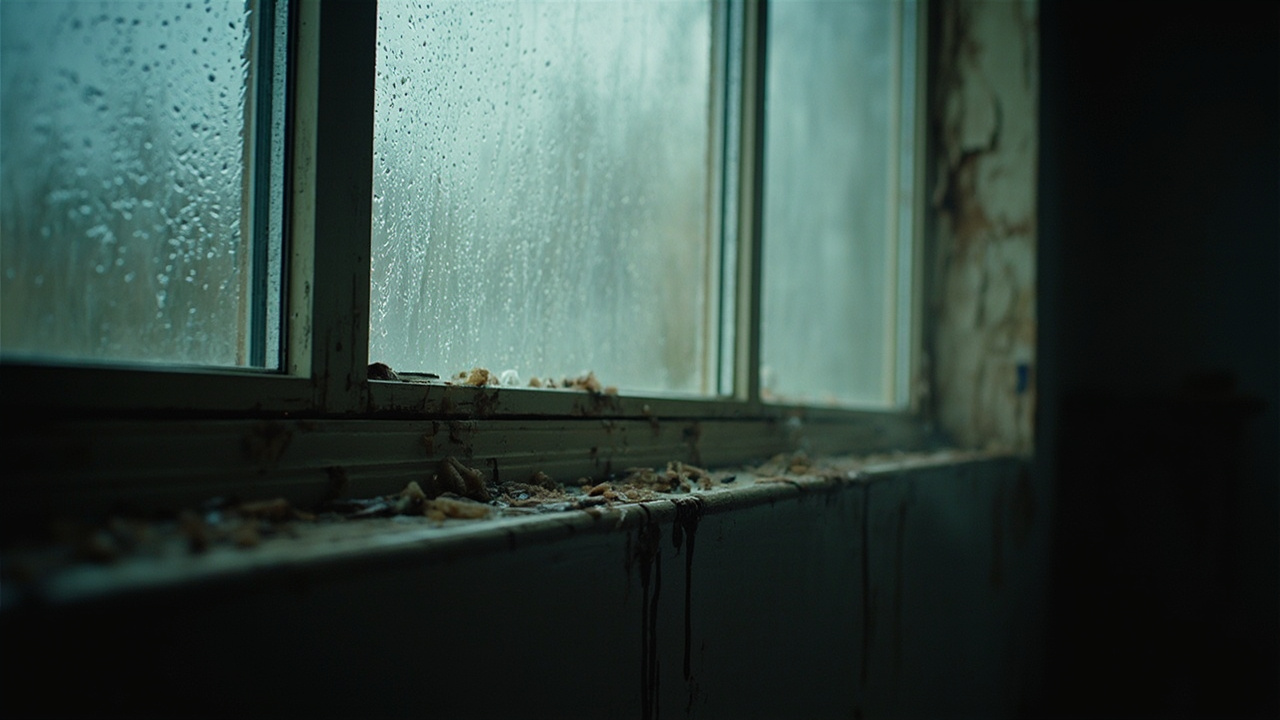
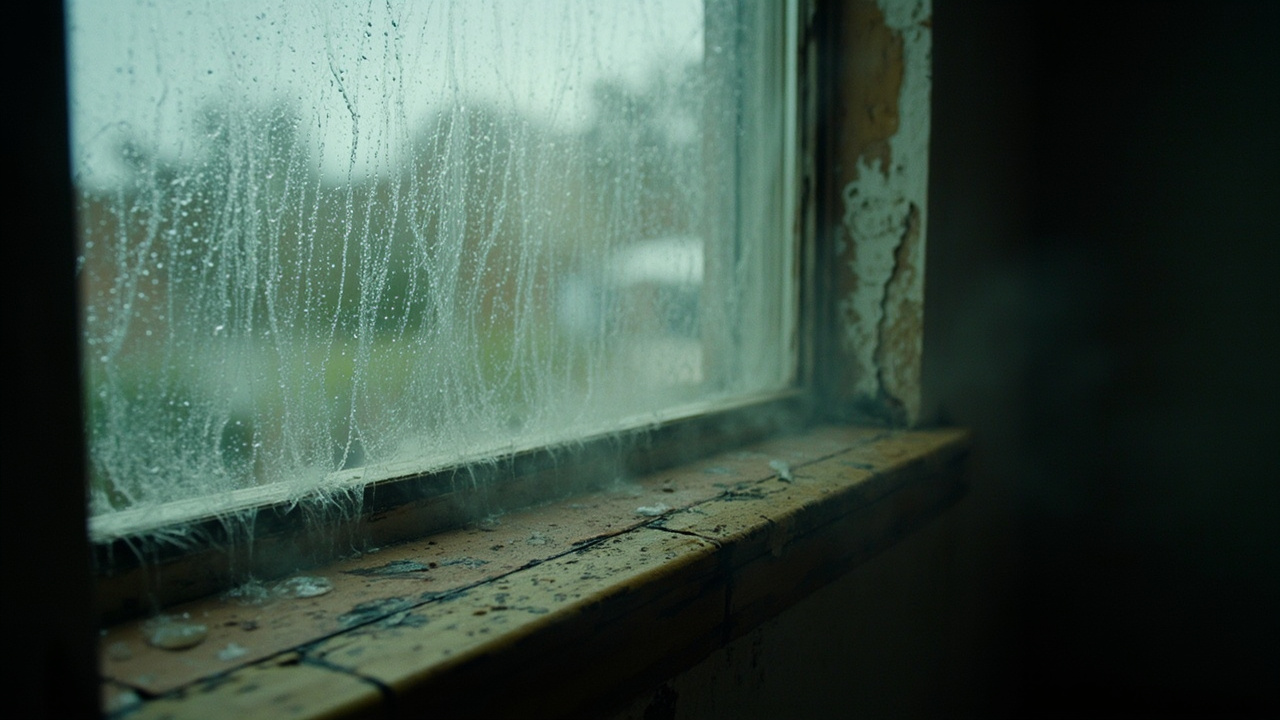
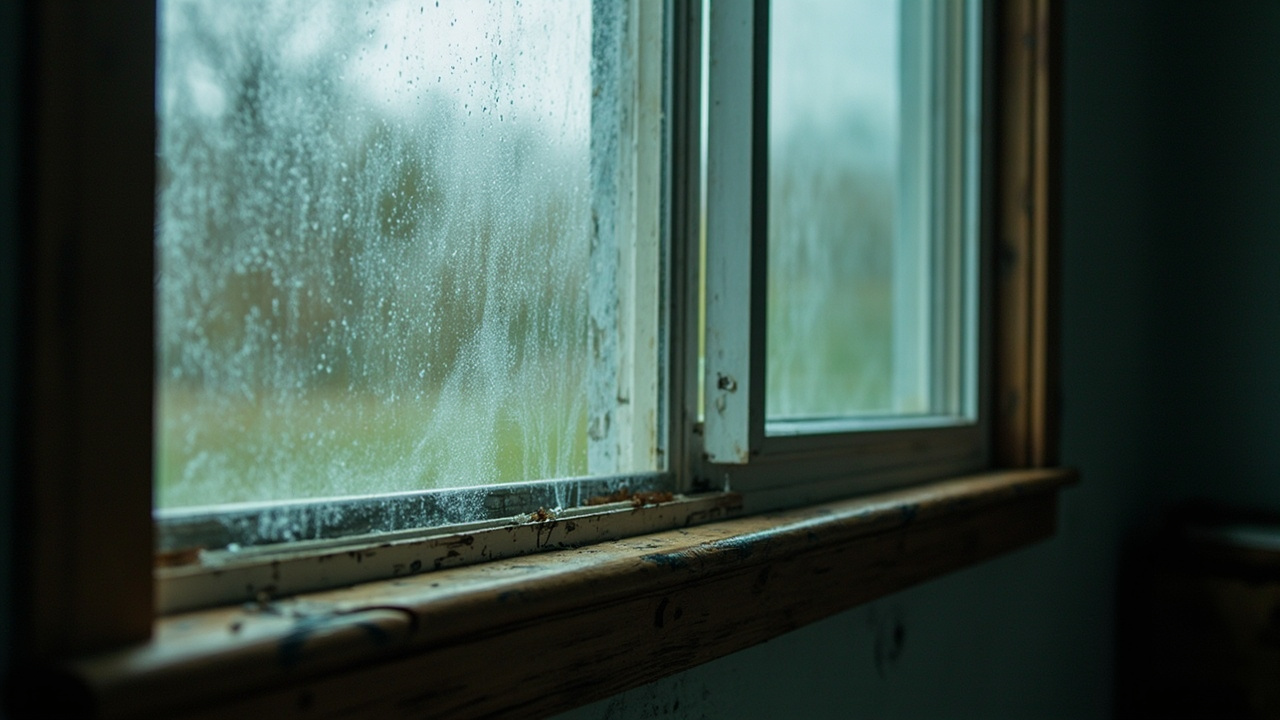
You notice condensation on windows. Your basement smells musty. Wood floors buckle for no obvious reason. These are symptoms of high relative humidity indoors, and Buffalo homes face this problem more than most.

Buffalo sits on Lake Erie's eastern shore, where lake-effect moisture drives outdoor humidity above 70% for much of the year. Cold winters force you to seal your home tight, trapping that excessive indoor moisture inside. Add poor attic ventilation or a damp crawl space, and you have created an environment where mold thrives and structural wood rots.

Many Buffalo homes were built before modern vapor barriers became standard. Older brick construction absorbs moisture from rain and snow, then releases it into living spaces. Finished basements in homes near Elmwood Village or North Buffalo often lack proper drainage, allowing groundwater to seep through foundation walls and elevate humidity levels.

Indoor moisture problems damage more than your property. High humidity feeds dust mites and mold spores, triggering allergies and respiratory issues. Paint peels. Drywall softens. Metal fixtures corrode. The longer you ignore elevated home humidity, the more expensive the repairs become.

You cannot fix excess humidity in house by running a portable dehumidifier. You need to find where the moisture enters, why it accumulates, and how to stop it permanently. That requires diagnostic equipment and an understanding of how Buffalo's climate interacts with your specific home construction.

Why Buffalo Homes Struggle with Elevated Home Humidity
How We Eliminate Excessive Indoor Moisture at the Source

How We Eliminate Excessive Indoor Moisture at the Source

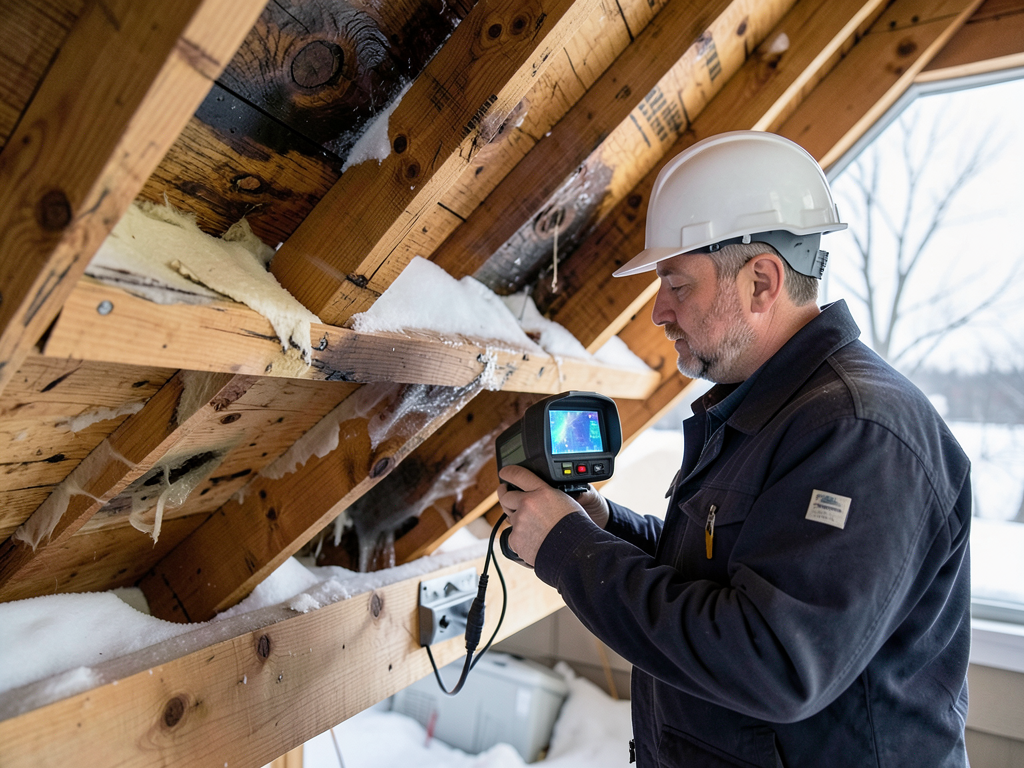
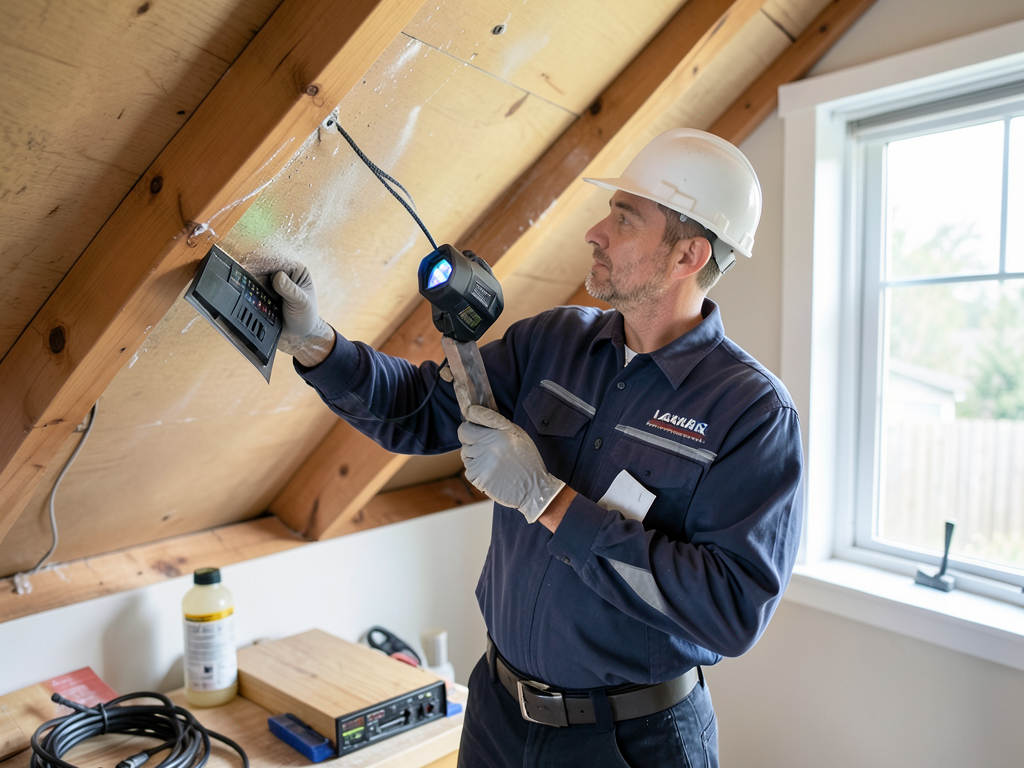
Most contractors treat symptoms. We diagnose causes. Alpha Water Damage Restoration Buffalo uses thermal imaging cameras and hygrometers to map moisture patterns throughout your home. We measure relative humidity in each room, identify cold spots where condensation forms, and trace moisture back to its entry point.

Common sources include failed vapor barriers, unvented bathroom exhaust, leaking HVAC ducts in unconditioned spaces, and hydrostatic pressure pushing groundwater through basement walls. We also check for plumbing leaks behind walls and appliance failures that introduce water vapor into living areas.

Once we identify the source, we create a targeted remediation plan. This might include installing a whole-home dehumidification system, repairing foundation drainage, sealing crawl spaces with vapor barriers, or improving attic ventilation to prevent warm air from condensing on cold surfaces. We do not guess. We measure, diagnose, and fix.

For homes with chronic basement moisture, we often install interior drain tile systems that intercept groundwater before it enters the living space. In cases where exterior grading directs rain toward the foundation, we recommend regrading or installing French drains to divert surface water away from the structure.

We also address HVAC system issues. Oversized air conditioners cycle too quickly to remove humidity. Undersized systems run constantly but never catch up. We work with HVAC professionals when necessary to ensure your mechanical systems support proper indoor humidity control.

The result is a home that maintains 30-50% relative humidity year-round, the range where mold cannot grow and building materials remain stable.

What Happens During a Humidity Assessment

High Indoor Humidity Levels in Buffalo – Expert Diagnosis and Permanent Solutions for Your Home
01

Comprehensive Moisture Mapping

We measure humidity levels in every room and use infrared cameras to detect hidden moisture in walls, ceilings, and floors. This reveals cold spots where condensation occurs and wet materials that feed indoor moisture problems. You see exactly where the problem exists, not just where symptoms appear.
02

Source Identification and Testing

We trace moisture back to its origin. Is groundwater seeping through your foundation? Is a plumbing leak hidden behind drywall? Are bathroom exhaust fans venting into the attic instead of outside? We use moisture meters and pressure testing to pinpoint the exact failure point, eliminating guesswork and preventing unnecessary repairs.
03

Custom Remediation Plan

You receive a written report explaining what we found, why it causes elevated home humidity, and what fixes will permanently resolve the problem. We prioritize repairs by urgency and cost, giving you control over the process. No upselling. No scare tactics. Just clear information that lets you make informed decisions about your home.

Why Buffalo Homeowners Trust Alpha Water Damage Restoration Buffalo

Buffalo's housing stock is unique. Homes built in the early 1900s have different moisture challenges than ranch houses from the 1960s or new construction in Amherst. We have worked in every neighborhood, from the brick colonials in Delaware District to the split-levels in Kenmore, and we understand how each construction type responds to Buffalo's humid summers and frozen winters.

We know that basements in North Buffalo flood during heavy rains because storm sewers cannot handle runoff. We know that homes near the lake develop condensation problems when warm indoor air meets cold exterior walls. We know that attic ventilation requirements changed after the ice dam problems of 2014, and older homes often need retrofitting to prevent moisture accumulation in insulation.

This local knowledge matters because generic solutions fail. A contractor from out of town might install a basement dehumidifier without addressing the foundation crack letting water in. They might seal a crawl space without accounting for Buffalo's freeze-thaw cycles that crack concrete and allow groundwater infiltration.

We also understand Buffalo's building codes. The 2020 Energy Conservation Code changed ventilation requirements for new construction, but older homes need different strategies to balance energy efficiency with moisture control. We design solutions that meet code, protect your home, and work with Buffalo's climate instead of against it.

You also get honest communication. If your problem requires a structural engineer or a licensed plumber, we tell you. We coordinate with other trades when necessary, but we do not perform work outside our expertise. That protects you legally and ensures every repair meets professional standards.

What to Expect When You Call Alpha Water Damage Restoration Buffalo

Rapid Response and Scheduling

We answer calls seven days a week and schedule assessments within 24 to 48 hours for non-emergency situations. If you have an active water intrusion event causing spiking humidity, we respond immediately. Our diagnostic equipment stays ready in service vehicles, so we arrive prepared to start work the same day. You do not wait weeks for answers while mold colonizes damp surfaces.

Thorough Diagnostic Assessment

Our initial assessment takes 60 to 90 minutes. We inspect your entire home, not just the area where you notice problems. Excessive indoor moisture often originates far from where symptoms appear. We use calibrated hygrometers to measure humidity, thermal cameras to find temperature differentials, and moisture meters to test building materials. You receive documentation of every reading and photo evidence of problem areas.

Clear, Actionable Solutions

We explain our findings in plain language, not jargon. You see the data, understand what it means, and learn exactly what repairs will fix the problem. We provide written estimates before starting work, with line-item breakdowns so you know what you are paying for. If your situation requires multiple phases, we prioritize by urgency and budget, giving you control over the timeline.

Post-Repair Monitoring and Support

After remediation, we return to verify that humidity levels have stabilized. We provide guidance on maintaining proper indoor moisture control, including ideal dehumidifier settings for Buffalo's seasonal humidity swings. If issues resurface within the first year, we investigate at no charge to determine if additional work is needed. You are not left guessing whether the problem is truly solved.

Frequently Asked Questions

You Have Questions,
We Have Answers

Why is my house 75% humidity? +

Your house hits 75% humidity because moisture is entering faster than it can escape. Common culprits in Buffalo include basement seepage from heavy snow melt, poor attic ventilation trapping warm air, leaking pipes hidden in walls, or inadequate bathroom and kitchen exhaust. Buffalo's freeze-thaw cycles can crack foundations, allowing groundwater intrusion. You might also have blocked soffit vents or a failed vapor barrier in crawl spaces. Check for condensation on windows, musty odors in basements, or water stains on ceilings. High humidity does not fix itself. It signals a moisture imbalance that requires source identification and elimination.

What happens if indoor humidity is too high? +

High indoor humidity creates a chain reaction of damage. You will see peeling paint, warping hardwood floors, and condensation streaking down windows. Mold colonizes drywall and insulation within 48 hours of sustained moisture. Dust mites thrive above 50% humidity, worsening allergies and asthma. Your HVAC system works harder but cools less effectively, spiking energy bills. Structural wood in attics and crawl spaces can rot, compromising your home's integrity. In Buffalo's older housing stock, high humidity accelerates deterioration of plaster walls and damages antique woodwork. You will also smell mustiness that permeates fabrics and furniture.

Is 70% humidity too high for a house? +

Yes, 70% humidity is too high for any house. The safe range is 30% to 50%. At 70%, mold spores germinate rapidly on organic surfaces like drywall, wood trim, and insulation. You create ideal conditions for dust mites and bacterial growth. Condensation forms inside wall cavities during Buffalo's cold winters, where warm indoor air meets cold exterior sheathing. This hidden moisture rots framing lumber and destroys insulation value. Your home feels clammy and uncomfortable. HVAC systems struggle to dehumidify at this level. You need immediate intervention to identify moisture sources and restore balance before structural damage occurs.

Can humidity cause nausea? +

High humidity can trigger nausea in sensitive individuals. Excess moisture promotes mold growth, which releases mycotoxins and volatile organic compounds that irritate respiratory and digestive systems. You might experience headaches, dizziness, and nausea from prolonged exposure. High humidity also amplifies dust mite populations, and their waste proteins can cause similar reactions. Poor air quality from trapped moisture creates a stuffy environment that reduces oxygen effectiveness. In Buffalo's tightly sealed older homes, winter humidity buildup concentrates these irritants. If you feel sick primarily at home and better outdoors, humidity-driven mold or allergens are likely culprits requiring air quality testing.

How do you fix high humidity in your house? +

Fixing high humidity requires a systematic approach. First, identify moisture sources like basement seepage, plumbing leaks, or inadequate ventilation. Run bathroom and kitchen exhaust fans during and 20 minutes after use. Install a whole-house dehumidifier if levels consistently exceed 50%. Seal foundation cracks that allow Buffalo's seasonal groundwater intrusion. Improve attic ventilation with ridge and soffit vents to prevent moisture trapping. Fix grading issues that direct water toward your foundation. Clean gutters and extend downspouts. Replace failed vapor barriers in crawl spaces. Check dryer vents for blockages. If humidity persists despite these fixes, you may need professional moisture mapping to locate hidden leaks.

Does opening a window reduce humidity? +

Opening windows reduces humidity only when outdoor air is drier than indoor air. In Buffalo's humid summers, opening windows introduces more moisture and worsens the problem. During dry winter months, cold outdoor air holds less moisture, so opening windows briefly can help. The trade-off is heat loss and higher energy costs. This method works temporarily but does not address underlying moisture sources like basement seepage or poor ventilation. You need mechanical dehumidification and source control for consistent results. Relying on windows alone risks condensation damage during Buffalo's temperature swings. Use hygrometers to compare indoor and outdoor humidity before opening windows.

What is an unsafe indoor humidity level? +

Indoor humidity above 60% becomes unsafe for your home and health. Mold grows aggressively at these levels, releasing spores that trigger respiratory issues. Dust mites reproduce rapidly, worsening allergies and asthma. Structural damage accelerates as wood absorbs moisture and rots. At 70% and higher, you risk visible mold colonies, peeling paint, and warped floors. Buffalo's older homes with limited ventilation trap moisture more easily, making monitoring critical. Levels below 30% are also unsafe, causing dry skin, static electricity, and cracked woodwork. Maintain 30% to 50% year-round using dehumidifiers in summer and humidifiers in winter for balanced indoor air quality.

Do dehumidifiers really work for humidity? +

Yes, dehumidifiers work effectively when sized correctly for your space. They pull moisture from air, condensing it into collection tanks or drain lines. Portable units handle single rooms or basements. Whole-house dehumidifiers integrate with HVAC systems to control moisture throughout your home. In Buffalo's humid summers and damp spring thaw periods, dehumidifiers prevent mold growth and protect belongings. Choose units by square footage and daily moisture removal capacity measured in pints. Empty tanks regularly or install continuous drainage. Dehumidifiers treat symptoms but do not fix root causes like foundation leaks or poor ventilation. Combine dehumidification with source repairs for lasting control.

Can you get sick if your house is too humid? +

Yes, high humidity makes you sick through multiple pathways. Mold spores trigger allergic reactions, asthma attacks, and respiratory infections. Mycotoxins from toxic mold cause headaches, fatigue, and cognitive issues. Dust mite populations explode above 50% humidity, and their waste proteins are potent allergens. Bacteria and viruses survive longer in humid air, increasing infection risk. You might experience skin rashes, eye irritation, and sinus congestion. Buffalo's tightly sealed homes trap these contaminants during heating season. Children, elderly residents, and people with compromised immune systems face higher risks. Persistent illness that improves away from home suggests humidity-driven indoor air quality problems requiring professional remediation.

Will mold grow at 70 humidity? +

Mold will absolutely grow at 70% humidity. Most mold species thrive between 60% and 80% relative humidity. At 70%, mold colonizes porous materials like drywall, insulation, ceiling tiles, and fabric within 24 to 48 hours. You might not see surface growth initially, but mold spreads inside wall cavities and under flooring. Buffalo's seasonal moisture from snow melt and summer humidity creates perfect conditions for continuous growth. Common species include black mold, which produces harmful mycotoxins. Mold damages surfaces, reduces air quality, and triggers health issues. Maintaining humidity below 50% prevents germination. If you already have mold, lowering humidity alone will not kill existing colonies.

How Lake Erie's Moisture Drives Indoor Humidity Problems in Buffalo Homes

Lake Erie sits 570 feet above sea level and rarely freezes completely, creating a massive moisture source that feeds Buffalo's lake-effect weather. Summer dew points regularly hit 65 to 70 degrees, meaning outdoor air carries more than a pound of water vapor per thousand cubic feet. When that air infiltrates your home through leaky windows, door gaps, or unvented crawl spaces, it raises indoor humidity to levels where mold grows and wood swells. Homes in Riverside, Black Rock, and waterfront neighborhoods experience this more intensely because prevailing winds push moist lake air directly inland.

Buffalo's housing age compounds the problem. Nearly 60% of Erie County homes were built before 1970, when vapor barriers and modern moisture management techniques were rare. These older structures absorb and release moisture constantly, making humidity control more complex than in newer construction. Alpha Water Damage Restoration Buffalo understands these vintage building methods and how to retrofit moisture protection without compromising historic character. We have worked with homes in Allentown's preservation district and know how to balance moisture control with maintaining architectural integrity.

Water Damage Restoration Services in The Buffalo Area

Although we offer rapid mobile service across the entire Buffalo area and surrounding regions, we invite you to view our service area map to confirm our commitment to your community. We are always ready to deploy our expert teams directly to your residential or commercial property, ensuring the fastest possible response time when you need water damage restoration most, right where you are.

Address:
Alpha Water Damage Restoration Buffalo, 369 Washington St, Buffalo, NY, 14203

Additional Services We Offer

Our news updates

Latest Articles & News from The Blogs

The importance of microbial swabbing after a sewer backup in your Lackawanna basement When sewage backs up into your Lackawanna…

The importance of microbial swabbing after a sewer backup in your Lackawanna basement

The importance of microbial swabbing after a sewer backup in your Lackawanna basement When sewage backs up into your Lackawanna…

Simple ways to prevent your pipes from freezing in an unheated North Buffalo crawlspace

Simple ways to prevent your pipes from freezing in an unheated North Buffalo crawlspace Buffalo’s brutal winters and lake-effect snow…

Keeping your kids and pets safe during a home restoration project in Kenmore

Keeping your kids and pets safe during a home restoration project in Kenmore\n\nHome restoration after water damage creates unique safety…

Contact Us

High indoor humidity will not fix itself. Every day you wait, mold spreads and wood deteriorates. Call Alpha Water Damage Restoration Buffalo now at (716) 317-7717 for a professional humidity assessment. We identify the source, explain your options, and eliminate the problem permanently.