
menu

Does Insurance Cover Mold in Buffalo? Get Clear Answers on Your Property Insurance Mold Coverage

Understanding homeowners insurance mold coverage in Buffalo can save you thousands. We break down what your policy actually covers, when carriers deny claims, and how to navigate mold remediation insurance claims successfully.

Slider Image 1
Slider Image 2
Slider Image 3
Slider Image 4
Slider Image 5
Slider Image 7
Slider Image 8
Slider Image 9
Slider Image 10
Slider Image 11

Why Mold Insurance Coverage Is Confusing for Buffalo Property Owners

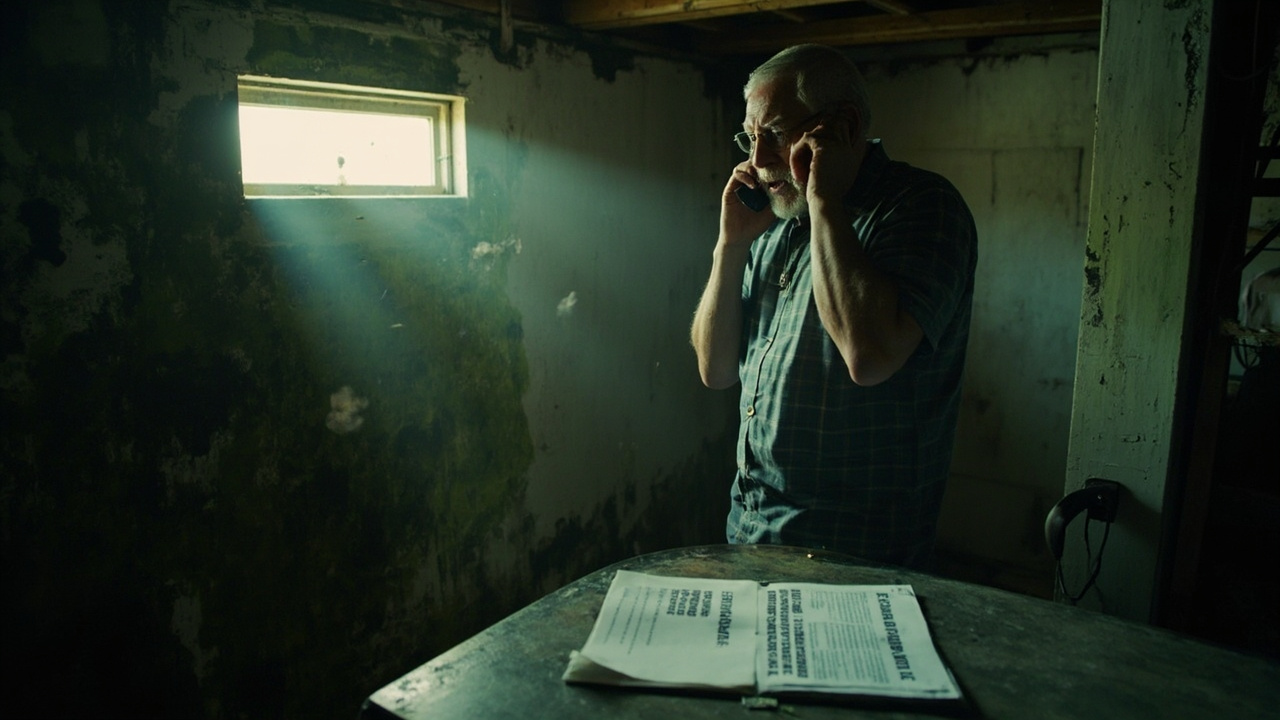
You discovered mold growing behind your bathroom wall or in your Elmwood Village basement. Your first question is whether home insurance pays for mold removal. The answer depends entirely on what caused the mold.

Buffalo's freeze-thaw cycles create perfect conditions for hidden water damage. A pipe bursts during a January cold snap, water saturates your drywall, and mold begins colonizing within 48 hours. That scenario typically falls under property insurance mold coverage because the source was sudden and accidental. But if mold developed from years of poor ventilation in your North Buffalo attic, your carrier will deny the claim. They classify that as maintenance neglect.

Insurance companies draw a hard line between covered perils and excluded perils. Homeowners insurance mold coverage almost always requires that mold resulted from a covered water event like a burst pipe, storm damage, or appliance malfunction. If mold grew from chronic humidity, roof leaks you ignored, or groundwater seepage through your foundation, your policy excludes coverage.

Most Buffalo homeowners policies include mold remediation limits between $5,000 and $10,000, even when the underlying cause is covered. Some carriers cap coverage at $1,000. You need to read your declarations page to understand your actual protection.

The claim process for is mold damage covered by insurance requires documentation of the water source, proof of when damage occurred, and evidence you mitigated damage promptly. Carriers scrutinize mold remediation insurance claims more than almost any other claim type because of the cost and liability involved.

Why Mold Insurance Coverage Is Confusing for Buffalo Property Owners
How Alpha Water Damage Restoration Buffalo Navigates Your Insurance Claim

How Alpha Water Damage Restoration Buffalo Navigates Your Insurance Claim

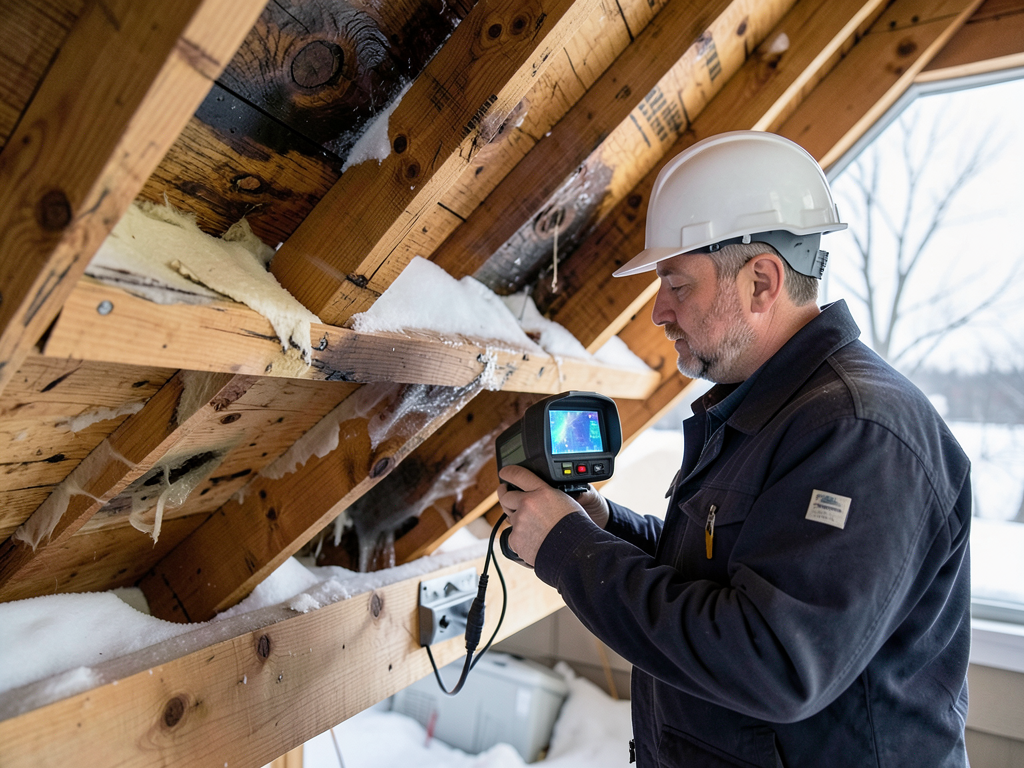
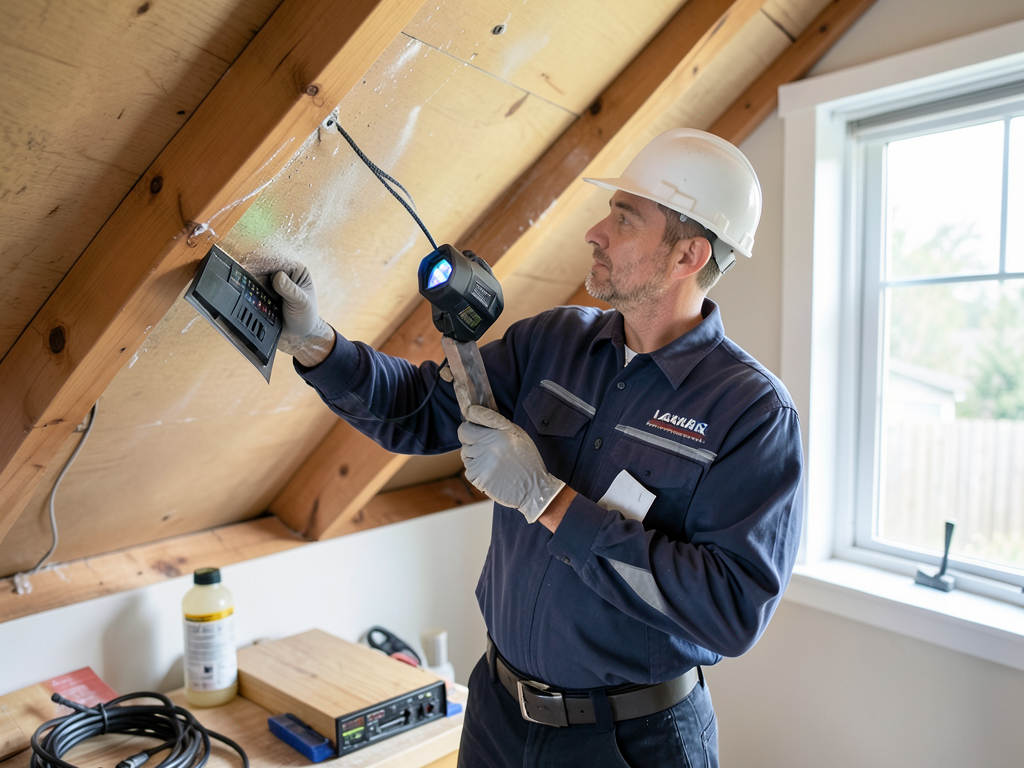
We document every phase of your mold remediation to support your insurance claim. Our process starts with moisture mapping using thermal imaging cameras and hygrometers to identify the water source. Insurance adjusters need proof that mold resulted from a covered peril, not gradual damage. We photograph affected areas, measure moisture levels in structural materials, and create a timeline showing when contamination likely began.

Our technicians understand the difference between Category 1, 2, and 3 water damage because it affects coverage eligibility. Clean water from a supply line break gets better treatment than gray water from your washing machine or black water from a sewage backup. We classify the loss accurately in our initial assessment so your adjuster sees the full scope.

We provide itemized estimates that separate emergency mitigation from full remediation. Your policy covers emergency services like containment barriers, negative air machines with HEPA filtration, and initial material removal differently than it covers reconstruction. Breaking down costs helps adjusters approve claims faster.

Alpha Water Damage Restoration Buffalo communicates directly with your insurance company when you authorize it. We send moisture readings, containment protocols, and air quality test results that prove our work meets IICRC S520 mold remediation standards. Adjusters trust documentation that follows industry protocols.

We explain when additional claims open during remediation. If we discover a hidden plumbing leak while treating visible mold, that becomes a separate loss with its own coverage determination. We help you file supplemental claims correctly so you receive maximum benefits under your homeowners insurance mold coverage limits.

What Happens During Your Insurance Mold Coverage Review

Does Insurance Cover Mold in Buffalo? Get Clear Answers on Your Property Insurance Mold Coverage
01

Initial Contact and Documentation

You call us and your insurance carrier the same day you discover mold. We arrive within hours to photograph damage, identify the moisture source, and establish a loss timeline. Our technicians document visible growth patterns, affected square footage, and materials requiring removal. This evidence becomes the foundation of your mold remediation insurance claims package that we forward to your adjuster.
02

Adjuster Inspection and Scope Agreement

Your insurance adjuster visits your Buffalo property to verify our findings. We walk them through contaminated areas, explain our containment strategy, and justify our scope of work. Adjusters often challenge the extent of removal needed. We reference moisture meter readings and EPA guidelines to defend our estimate. Once the adjuster approves scope, we begin containment and remediation under your property insurance mold coverage.
03

Clearance Testing and Claim Closure

After remediation, an independent hygienist tests air quality to verify mold spore counts meet safe levels. We provide your carrier with the clearance report, photos of completed work, and final invoices. Your adjuster issues payment based on actual costs versus estimated costs. If your claim falls short of total expenses, we help you file a dispute with documentation showing why additional coverage applies under your policy terms.

Why Buffalo Homeowners Trust Our Insurance Expertise

Alpha Water Damage Restoration Buffalo works with every major carrier operating in Erie County. We know how State Farm, Allstate, Erie Insurance, and local providers interpret policy language differently. That knowledge helps us frame your claim in terms your specific carrier accepts.

We understand New York State insurance regulations that protect policyholders. When carriers delay payment or dispute coverage, we reference specific policy provisions and state insurance law to advocate for you. Our documentation has helped hundreds of Buffalo homeowners overturn initial claim denials.

Our estimating software matches the platforms adjusters use. When we write an estimate using Xactimate, your adjuster sees line items they recognize and trust. This reduces back-and-forth negotiation and speeds up approval. We also know local Buffalo labor rates and material costs, so our estimates reflect actual replacement costs in your market.

We work in older Buffalo housing stock daily. Whether you own a Queen Anne Victorian in the Allentown District or a post-war ranch in Kenmore, we understand how mold behaves in your home's specific construction. Adjusters value contractors who can explain why remediation in a 1920s plaster-wall home costs more than in a 1990s drywall ranch.

Our team includes former insurance adjusters who know how claims get evaluated. They teach our technicians what documentation moves claims forward and what raises red flags. This inside knowledge makes us better advocates when you file does home insurance pay for mold removal claims.

We never inflate estimates or recommend unnecessary work to maximize your payout. That approach burns bridges with carriers and puts your claim at risk. We document actual damage and defend legitimate costs.

What to Expect When Filing a Mold Insurance Claim

Response Time and Claim Filing

We arrive at your Buffalo property within two hours of your call. Our technicians begin emergency mitigation immediately because insurance policies require prompt action to prevent further damage. We help you file your claim while we work, providing photos and moisture readings your adjuster needs to open the claim. Most carriers assign an adjuster within 24 hours. We maintain containment barriers and run dehumidifiers throughout the claims process to show you mitigated damage properly. Speed matters because delayed mitigation gives carriers grounds to deny coverage for damage that worsened after you discovered the problem.

Inspection and Scope Negotiation

Your adjuster typically inspects within three to five business days. We schedule our presence during their visit to answer technical questions and defend our remediation plan. Adjusters often approve emergency mitigation immediately but take longer to approve full remediation and reconstruction. We provide moisture mapping reports, photos showing contamination extent, and references to IICRC standards that justify our approach. If your adjuster disputes our scope, we request a re-inspection with additional documentation. Most scope disagreements resolve within one week. We do not begin demolition until your carrier approves the full scope in writing.

Remediation Quality and Clearance

We follow IICRC S520 protocols throughout remediation. This includes HEPA-filtered negative air pressure, proper disposal of contaminated materials, antimicrobial treatment of affected surfaces, and documentation of every step. Your insurance company requires proof that remediation eliminated the problem. We hire third-party industrial hygienists to test air quality after work completes. These clearance tests measure airborne spore counts and confirm levels match outdoor ambient air. Your adjuster will not authorize final payment without this documentation. We provide you and your carrier with complete remediation records including before and after photos, air test results, and material disposal receipts.

Payment Processing and Dispute Resolution

Insurance carriers typically issue payment in two stages. You receive actual cash value immediately, which covers depreciation. After repairs complete, you submit final invoices and receive replacement cost value. We help you track both payments and follow up when carriers delay. If your claim gets denied or underpaid, we provide additional documentation supporting your position. We explain when hiring a public adjuster makes sense for complex claims exceeding your policy limits. Our goal is full payment for all covered work. We work with you on payment plans if your out-of-pocket costs exceed what you expected. Most homeowners insurance mold coverage disputes resolve within 30 days when proper documentation supports the claim.

Frequently Asked Questions

You Have Questions,
We Have Answers

Should I tell my insurance company about mold? +

Yes, report visible mold to your insurance company immediately. Document the discovery date, location, and size. Take photos. In Buffalo, delayed reporting can void coverage, especially if water damage occurred weeks earlier. Insurers investigate whether mold resulted from a covered peril like burst pipes or storm damage. Do not start remediation before the adjuster inspects. Your policy requires prompt notification. Filing a claim does not guarantee coverage, but hiding mold and later filing creates suspicion. Be honest about when you first noticed moisture or damage. Transparency protects your claim rights under New York insurance law.

Can you claim for mold on house insurance? +

You can claim mold if it resulted from a sudden, covered water event like pipe bursts, storm damage, or appliance leaks. Standard homeowners policies in Buffalo exclude mold from gradual issues like poor ventilation, chronic leaks, or deferred maintenance. Review your declarations page for mold sublimits, often capped at $5,000 to $10,000. Some carriers offer mold endorsements that increase limits. The key factor is causation. If the adjuster determines mold grew because you ignored a slow leak for months, expect denial. File claims only when water damage is sudden and accidental.

How long does it take for mold to spread in walls? +

Mold spreads within 24 to 48 hours in Buffalo's humid conditions, especially during summer months. Behind drywall, mold colonies expand rapidly in dark, damp cavities where air circulation is poor. Older homes near the Niagara River or Lake Erie face accelerated growth due to proximity to water sources. Once spores colonize wall studs or insulation, remediation requires cutting out affected materials. Surface mold you see is often just the visible portion. Hidden growth behind walls can be extensive before detection. Speed matters. Immediate water extraction and drying prevent mold from establishing.

What is an example of a mold claim for insurance? +

A typical covered mold claim involves a burst second-floor pipe flooding the bathroom and bedroom in a Buffalo home. Water seeps into walls and subfloors. The homeowner notices the leak, shuts off water, and calls a plumber and insurance company within hours. The adjuster confirms sudden pipe failure, a covered peril. The insurer pays for water extraction, drywall removal, mold remediation, and restoration up to policy limits. An example of a denied claim is mold discovered in a basement due to years of seepage through foundation cracks, which is considered maintenance neglect.

Will my rates go up if I file a mold claim? +

Filing a mold claim can raise your premiums, though not all claims trigger increases. New York insurers consider claim frequency and severity. A single mold claim from a covered event may not impact rates significantly. Multiple claims within three years often result in non-renewal or rate hikes. Insurers view mold as high-risk because remediation costs escalate quickly. Before filing, compare your mold damage cost to your deductible and sublimit. If cleanup costs $3,000 and your deductible is $2,500, paying out-of-pocket avoids a claim record. Consult your agent about potential rate impacts before proceeding.

What to do if you can't afford mold removal? +

If you cannot afford professional mold removal in Buffalo, contact your insurance company first to confirm whether coverage applies. If denied or uninsured, prioritize containment. Seal affected rooms with plastic sheeting to prevent spore spread. Small surface mold on non-porous materials can be cleaned with detergent and water, but avoid disturbing large colonies without protection. Local non-profits sometimes offer housing assistance. Payment plans exist with remediation companies. Do not ignore mold. It worsens quickly in Buffalo's climate and poses health risks. Address moisture sources immediately to stop growth while exploring financing options.

What does it cost to get rid of black mold? +

Black mold remediation in Buffalo ranges widely based on contamination extent and location. Small areas under 10 square feet may cost a few hundred dollars for DIY cleaning supplies and protective equipment. Professional remediation for rooms or wall cavities typically costs several thousand dollars. Whole-home remediation can reach five figures, especially in older Buffalo homes with plaster walls and hidden cavities. Costs include containment setup, air filtration, material removal, antimicrobial treatment, and disposal. Insurance may cover expenses if mold resulted from a covered water event. Always get multiple estimates before proceeding.

How much does it cost to fix damp issues in a house? +

Fixing damp issues in Buffalo homes depends on the source. Foundation waterproofing with interior drainage systems and sump pumps runs several thousand dollars. Exterior excavation and membrane installation costs more. Repairing roof leaks causing attic moisture may cost hundreds to low thousands depending on damage extent. Basement vapor barriers and dehumidifiers are lower-cost solutions. Buffalo's freeze-thaw cycles crack foundations, and lake-effect snow creates ice dams. Addressing moisture prevents mold. Insurance rarely covers gradual dampness repairs, viewing them as maintenance. Identify moisture entry points first, then prioritize fixes based on severity and budget.

What are the signs of mold in a house? +

Visible mold appears as black, green, or white patches on walls, ceilings, or grout. You may smell a musty, earthy odor in basements or bathrooms. Condensation on windows or walls signals excess humidity that fosters growth. In Buffalo homes, check attics after ice dam leaks and basements after spring thaws. Peeling paint or wallpaper can hide mold underneath. Water stains, warped floors, or discolored drywall suggest moisture problems. Allergic symptoms like sneezing, coughing, or eye irritation worsening indoors may indicate hidden mold. Inspect crawl spaces and behind appliances where leaks go unnoticed.

Will mold go away if it dries out? +

No, mold does not go away when it dries out. Drying stops active growth, but dead spores remain on surfaces and can cause allergic reactions. Dormant mold reactivates when moisture returns, which happens frequently in Buffalo's humid climate. Dried mold is often more dangerous because disturbed spores become airborne easily. You must physically remove contaminated materials like drywall, insulation, or carpet. Cleaning non-porous surfaces with antimicrobial solutions can work for small areas. Simply drying a moldy area without removal leaves hidden colonies that spread once conditions favor regrowth. Remediation requires elimination, not just dehumidification.

How Buffalo's Housing Age Affects Mold Insurance Claims

Buffalo's housing stock predates modern building codes. Homes built before 1950 lack vapor barriers, have inadequate attic ventilation, and use materials that absorb moisture differently than modern construction. When mold develops in these older structures, insurance adjusters scrutinize whether the problem stems from a covered sudden loss or from decades of moisture accumulation. We help you prove that recent water damage caused your mold problem, not the age of your West Side colonial or Delaware Avenue mansion. Our moisture mapping shows exactly where active water intrusion occurred, separating new damage from old construction issues that your homeowners insurance mold coverage excludes.

Alpha Water Damage Restoration Buffalo maintains relationships with local insurance agents who refer clients to us because they trust our documentation. We understand how Erie County property values affect replacement cost coverage and how Buffalo's weather patterns create seasonal claim spikes. Our team knows which local carriers handle claims efficiently and which require additional advocacy. This local expertise means we communicate with your adjuster in terms they understand and respect. We reference local building inspection standards and New York State mold remediation requirements that govern does home insurance pay for mold removal decisions in your jurisdiction.

Water Damage Restoration Services in The Buffalo Area

Although we offer rapid mobile service across the entire Buffalo area and surrounding regions, we invite you to view our service area map to confirm our commitment to your community. We are always ready to deploy our expert teams directly to your residential or commercial property, ensuring the fastest possible response time when you need water damage restoration most, right where you are.

Address:
Alpha Water Damage Restoration Buffalo, 369 Washington St, Buffalo, NY, 14203

Additional Services We Offer

Our news updates

Latest Articles & News from The Blogs

The importance of microbial swabbing after a sewer backup in your Lackawanna basement When sewage backs up into your Lackawanna…

The importance of microbial swabbing after a sewer backup in your Lackawanna basement

The importance of microbial swabbing after a sewer backup in your Lackawanna basement When sewage backs up into your Lackawanna…

Simple ways to prevent your pipes from freezing in an unheated North Buffalo crawlspace

Simple ways to prevent your pipes from freezing in an unheated North Buffalo crawlspace Buffalo’s brutal winters and lake-effect snow…

Keeping your kids and pets safe during a home restoration project in Kenmore

Keeping your kids and pets safe during a home restoration project in Kenmore\n\nHome restoration after water damage creates unique safety…

Contact Us

Do not let confusion about property insurance mold coverage delay treatment. Call Alpha Water Damage Restoration Buffalo at (716) 317-7717 right now. We will assess your damage, document everything for your carrier, and start emergency mitigation while you file your claim.