menu

Musty Smells & Odor Removal in Buffalo – Permanent Mildew Odor Elimination, Not Just Masking

Professional damp smell remediation using EPA-registered antimicrobials and hydroxyl generators to neutralize musty odors at the molecular level, restoring air quality in homes and businesses across Western New York.

Slider Image 1
Slider Image 2
Slider Image 3
Slider Image 4
Slider Image 5
Slider Image 7
Slider Image 8
Slider Image 9
Slider Image 10
Slider Image 11

Why Buffalo Basements and Crawl Spaces Smell Like a Wet Blanket

You walk down the stairs and hit a wall of damp, stale air. That musty smell in your Buffalo home is not just unpleasant. It signals active microbial growth, moisture intrusion, or incomplete water damage remediation.

Buffalo's climate makes this worse. Lake-effect snow dumps moisture on the region from October through April. When that snow melts in spring, groundwater tables rise and hydrostatic pressure pushes water through foundation cracks and porous concrete block. Relative humidity in Buffalo basements routinely exceeds 60 percent, the threshold where mold and mildew colonies explode.

The smell you notice is microbial volatile organic compounds, or MVOCs. These are gaseous byproducts released as mold digests organic material like wood studs, drywall paper, and carpet backing. The odor means you have an active problem, not a stale one.

Many homeowners try candles, air fresheners, or ozone machines. These mask the smell temporarily but do nothing to address the root cause. Ozone can also damage rubber seals, gaskets, and wiring if misapplied. Removing moldy scents requires identifying the moisture source, eliminating the contamination, and treating affected materials with the right chemistry.

Neighborhoods near Scajaquada Creek, Cayuga Creek, and the Niagara River see higher rates of basement moisture intrusion due to shallow water tables and clay-heavy soils that retain water. If your home was built before 1980, you likely have no vapor barrier under the slab, making eradicating water damage smells even more difficult without professional intervention.

Ignoring the problem allows spores to spread through HVAC systems, contaminating upper floors and triggering respiratory issues, especially in children and elderly residents.

Why Buffalo Basements and Crawl Spaces Smell Like a Wet Blanket
How We Eliminate Odors by Treating the Source, Not the Symptom

How We Eliminate Odors by Treating the Source, Not the Symptom

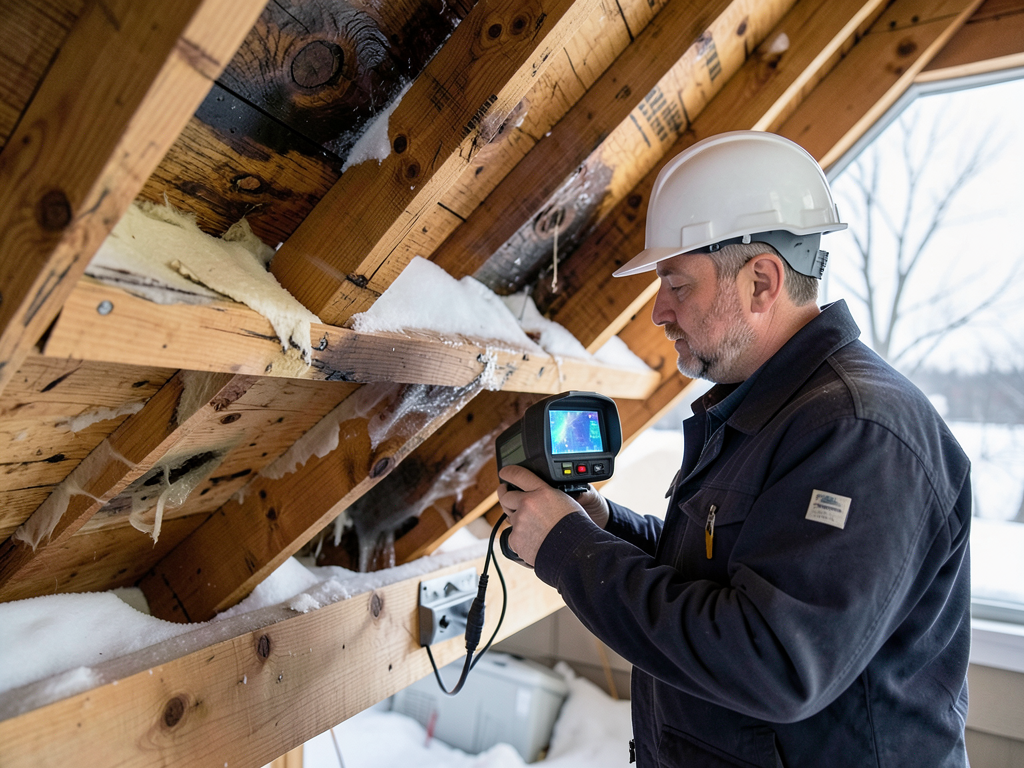
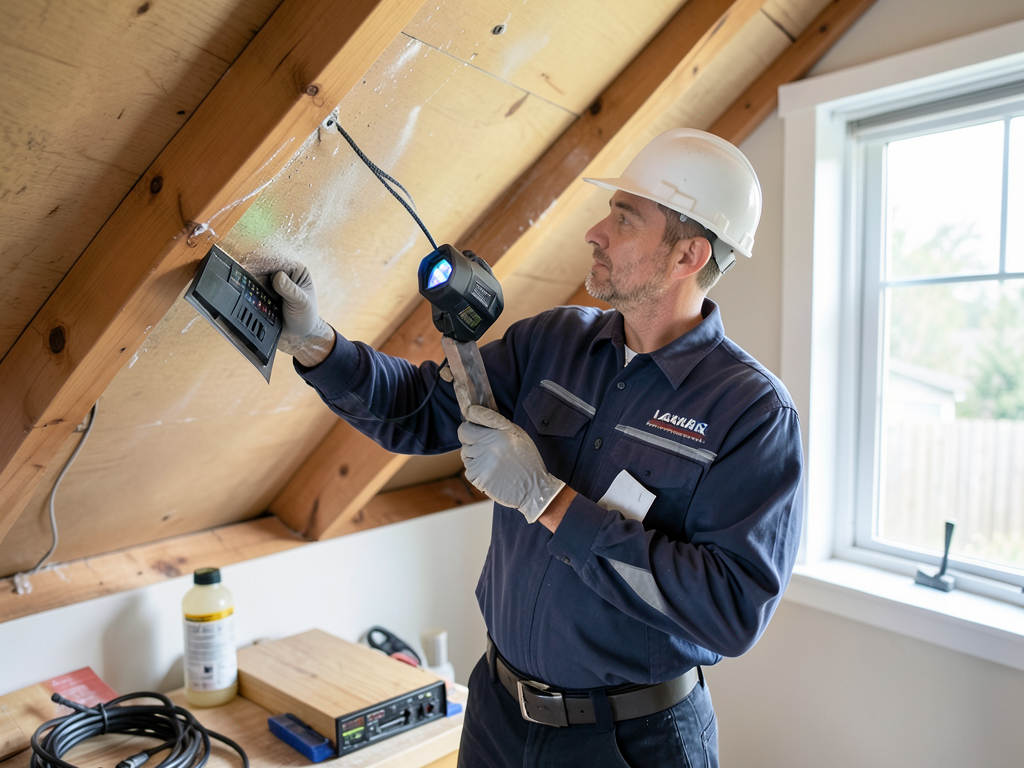
Mildew odor elimination starts with moisture mapping. We use thermal imaging cameras and pin-type moisture meters to locate hidden water sources behind walls, under flooring, and in ceiling cavities. You cannot treat what you cannot see.

Once we identify the moisture source, we stop it. That might mean sealing foundation cracks with polyurethane or epoxy injection, repairing a failed sump pump discharge line, or correcting negative grading that directs stormwater toward your foundation instead of away from it.

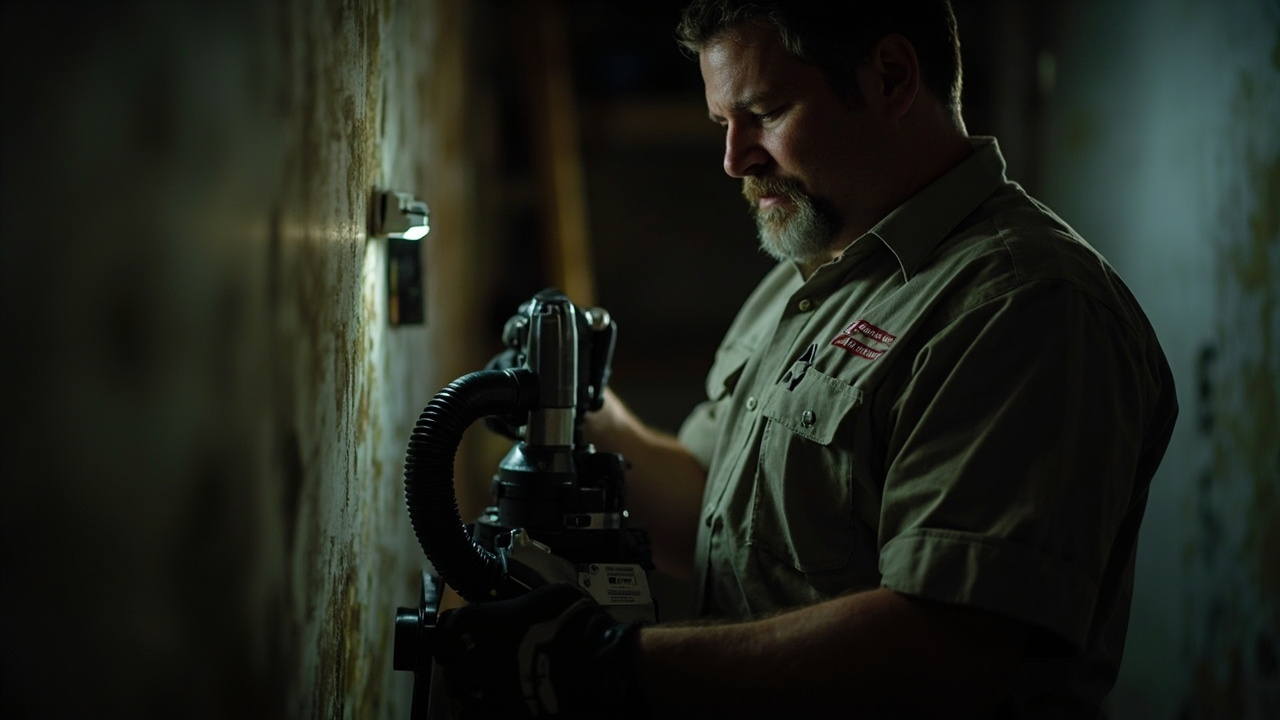
Next comes contamination removal. We physically remove mold-damaged materials that cannot be salvaged, including soaked insulation, delaminated drywall, and carpet with pad. HEPA-filtered negative air machines create controlled airflow to prevent cross-contamination during demo.

For structural materials like floor joists and studs that test below 20 percent moisture content and show only surface growth, we apply EPA-registered antimicrobials. These are not bleach. Sodium hypochlorite only kills surface mold and raises moisture content in porous materials. We use quaternary ammonium compounds and botanical extracts that penetrate wood grain and prevent regrowth.

Damp smell remediation also requires addressing airborne spores. We deploy hydroxyl generators, which produce hydroperoxides that oxidize odor molecules and microbial cells without leaving chemical residue. Unlike ozone, hydroxyls are safe to use in occupied spaces and do not degrade materials.

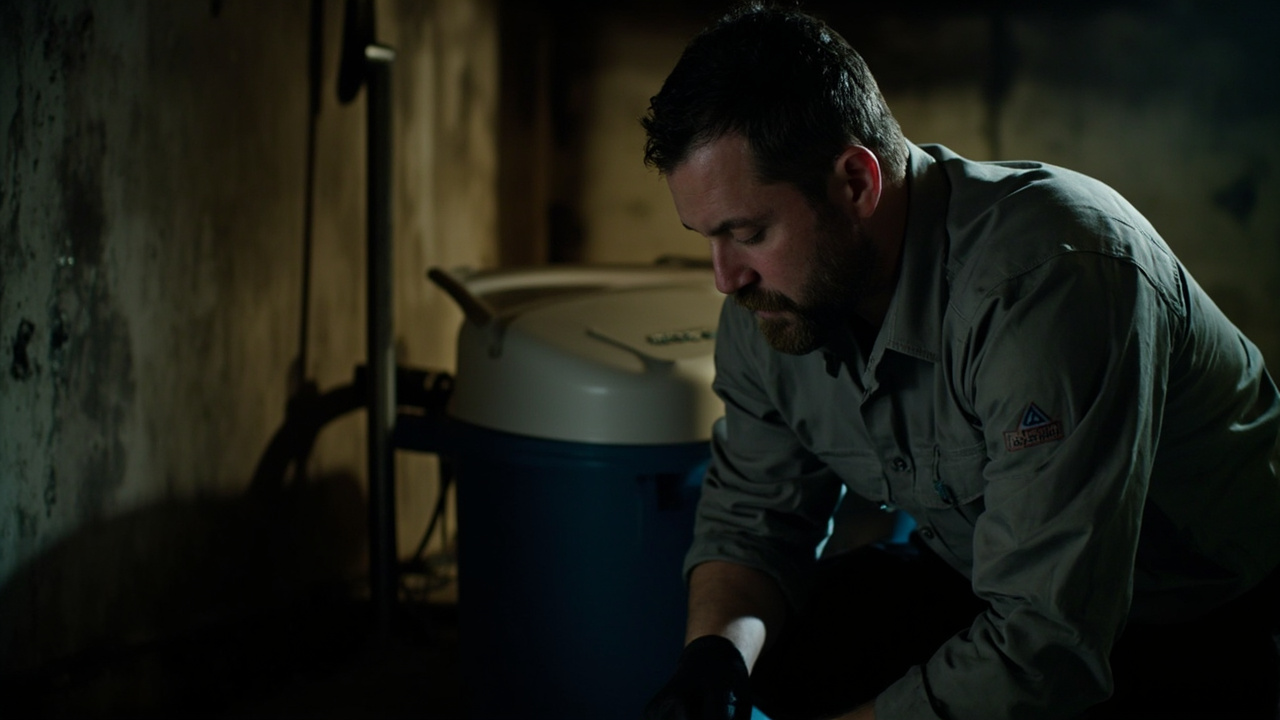
Finally, we reduce ambient humidity with commercial dehumidifiers rated for basement conditions. These units pull 90 to 150 pints per day and include auto-restart functions for power outages. We target 45 to 50 percent relative humidity to prevent recolonization.

Neutralizing musty odors is not about spraying something that smells like pine. It is about changing the environmental conditions that allow odor-causing organisms to thrive.

What Happens During Professional Odor Remediation

Musty Smells & Odor Removal in Buffalo – Permanent Mildew Odor Elimination, Not Just Masking
01

Moisture Source Investigation

We start with a detailed inspection using infrared thermography to detect temperature differentials that indicate hidden moisture. Moisture meters give us quantitative readings on wood, drywall, and concrete. We check HVAC condensate lines, water heater drip pans, and plumbing behind walls. Understanding where the water comes from dictates the entire remediation strategy and prevents recurrence after we leave.
02

Containment and Material Removal

We isolate the work area with polyethylene sheeting and establish negative air pressure using HEPA-filtered air scrubbers. This prevents spores from migrating to clean areas during demolition. Non-salvageable materials get bagged and removed following IICRC S520 mold remediation standards. We wear respiratory protection and dispose of waste according to New York State Department of Environmental Conservation guidelines for contaminated building materials.
03

Treatment and Air Quality Restoration

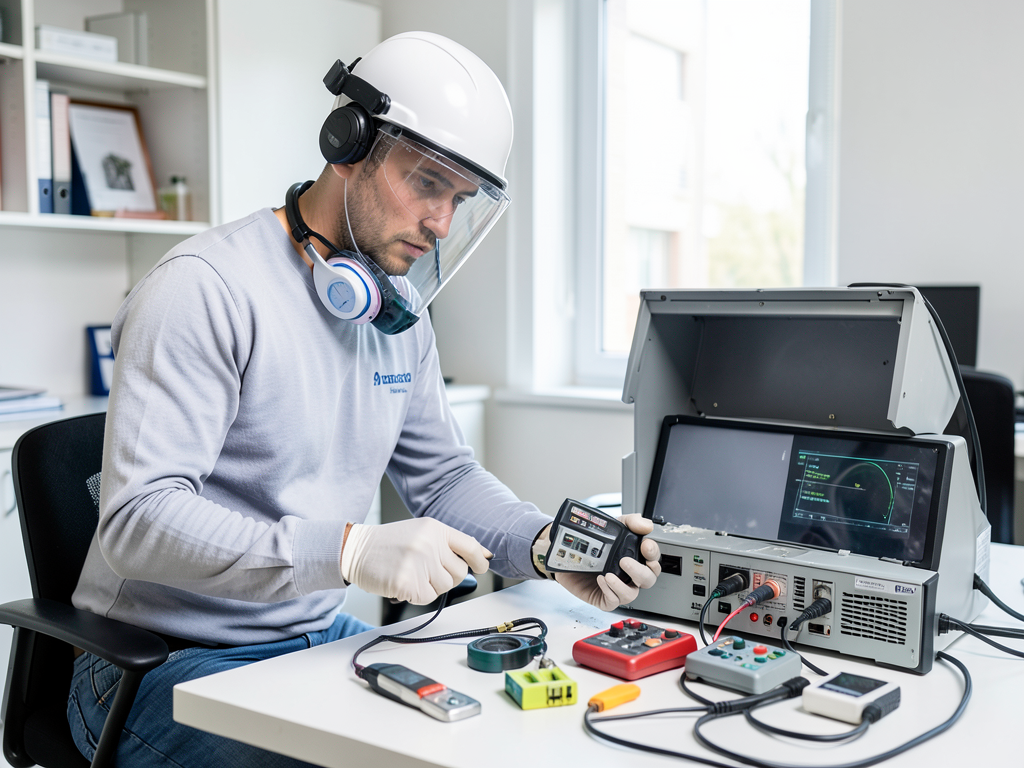
After cleaning structural elements with wire brushes and HEPA vacuums, we apply antimicrobial treatments to all affected surfaces. Hydroxyl generators run continuously to oxidize airborne MVOCs and reduce spore counts. We verify remediation success with air quality testing, comparing spore counts inside to outdoor baselines. You get a detailed report showing pre- and post-remediation conditions, along with moisture readings confirming the space is dry.

Why Buffalo Property Owners Choose Alpha Water Damage Restoration

Removing moldy scents in Buffalo requires understanding local building construction and climate patterns. Homes in Elmwood Village, North Buffalo, and Riverside feature balloon-frame construction and uninsulated rim joists, creating thermal bridges where condensation forms. We know these vulnerabilities because we work in these neighborhoods daily.

We also understand how Buffalo's freeze-thaw cycles damage foundations. When soil moisture freezes, it expands and exerts lateral pressure on basement walls, creating hairline cracks that leak when snow melts. Generic drying companies might extract standing water but miss the structural issues that caused it.

Our technicians hold IICRC certifications in water damage restoration and applied microbial remediation. We do not send untrained crews with box fans. You get professionals who understand psychrometrics, vapor pressure differentials, and the drying science required for eradicating water damage smells permanently.

We also coordinate with local environmental labs for third-party air quality testing. If your insurance adjuster or mortgage company requires independent verification, we facilitate that process. Our remediation protocols meet ANSI/IICRC S500 and S520 standards, which gives you documentation that the work was done correctly.

Buffalo winters are brutal. When your furnace condensate line freezes and floods your mechanical room, you need a team that responds fast. We dispatch crews within two hours for emergency calls and work directly with your insurance carrier to document losses and expedite claims.

You also get straight answers. If the smell is from a dead rodent in the wall cavity and not mold, we tell you. If your crawl space needs encapsulation and a dehumidifier, we explain why and what it costs. No upselling services you do not need.

Local expertise matters when you are dealing with odor issues tied to water intrusion. We know the difference between surface mildew on a basement window sill and systemic contamination from a failed French drain.

What to Expect During Musty Smell Removal

Response Time and Availability

We dispatch crews within two hours for emergency water events and schedule non-emergency odor assessments within 24 hours of your call. Most residential odor remediation projects take two to four days depending on the extent of contamination and drying requirements. Commercial projects with larger square footage or complex HVAC systems may take longer. We work evenings and weekends to minimize disruption to your household or business operations. You get a project timeline during the initial assessment so you know what to expect.

Initial Assessment and Moisture Testing

Your assessment includes thermal imaging, moisture mapping, and visual inspection of all suspected areas. We test airflow patterns to determine if your HVAC system is distributing spores. You receive a written scope of work detailing what needs removal, what can be treated in place, and what equipment we will deploy. We explain moisture sources in plain language and show you the readings on our meters so you understand the severity. If third-party testing is recommended, we coordinate that and wait for lab results before proceeding with remediation.

The Final Result

When we finish, your space smells neutral. Not like chemicals or fragrances, just clean and dry. You get documentation showing final moisture readings, antimicrobial application records, and air quality test results if performed. We leave the space ready for reconstruction, with all affected materials removed and structural elements treated and dried. If we identified a moisture source that requires repair beyond our scope, like a failed foundation drain tile, we provide recommendations and can refer you to trusted contractors who specialize in that work.

Follow-Up and Prevention

We follow up two weeks after project completion to confirm the odor has not returned and humidity levels remain stable. You receive guidance on maintaining proper ventilation, managing indoor humidity, and recognizing early warning signs of moisture problems. If you need ongoing humidity control, we can install commercial-grade dehumidifiers with condensate pumps that run automatically. We also offer annual inspections to catch small issues before they escalate. Our goal is to keep your property dry and odor-free long after we leave.

Frequently Asked Questions

You Have Questions,
We Have Answers

How to get rid of a strong musty smell? +

Strong musty smells signal hidden moisture or mold growth. Start by finding the source. Check basements, crawl spaces, and areas near plumbing. In Buffalo's humid climate, dampness accumulates fast. Run a dehumidifier to drop humidity below 50 percent. Remove wet materials like carpets or drywall if needed. Clean hard surfaces with antimicrobial solutions. Improve ventilation by opening windows or using exhaust fans. If the smell persists after these steps, you likely have hidden mold behind walls or under flooring. A professional inspection can locate the source and eliminate it permanently.

What is the hardest smell to get rid of in a house? +

Mold and mildew create the hardest smells to remove because they grow inside porous materials like drywall, insulation, and wood framing. Surface cleaning does not work. Buffalo homes face this often due to freeze-thaw cycles that crack foundations and let groundwater seep in. The spores penetrate deep into building materials. You cannot mask it with air fresheners. You must remove contaminated materials and treat the root moisture problem. Smoke damage runs a close second, but mold requires demolition and reconstruction to truly eliminate the odor at its source.

Will DampRid get rid of musty smell? +

DampRid absorbs excess moisture in small, enclosed spaces like closets or cabinets. It helps prevent new musty smells from forming. However, it will not eliminate existing odors caused by mold or mildew. If you already smell mustiness in your Buffalo home, moisture has already infiltrated porous materials. DampRid cannot reverse that damage. You need to identify the moisture source, fix leaks or drainage issues, and remove contaminated materials. Use DampRid as a preventive tool in problem areas after you solve the underlying issue, not as a cure.

How to get rid of old lady smell in house? +

Old lady smell comes from stale air, dust buildup, mothballs, and lack of ventilation. Start by airing out the house. Open windows on dry days to flush out trapped odors. Wash all fabrics including curtains, upholstery, and bedding. Clean carpets or replace them if odors have soaked in. Repaint walls with odor-blocking primer. Check for hidden moisture in basements or crawl spaces, common in older Buffalo homes. Replace HVAC filters and clean ducts. If mothball smell lingers, it can take weeks to dissipate. Activated charcoal bags help absorb persistent odors naturally.

How Lake Erie Humidity and Snowmelt Cycles Complicate Odor Removal in Buffalo

Buffalo sits in a unique microclimate where lake-effect moisture drives indoor humidity levels higher than most of the Northeast. When cold Canadian air crosses Lake Erie, it picks up moisture and dumps snow on the region. That snow sits on your roof, against your foundation, and in your yard for months. Come March and April, rapid thaw events send thousands of gallons of water into the ground, overwhelming storm sewers and saturating soils around foundations. Homes in Black Rock, Kaisertown, and South Buffalo with older drainage systems see chronic basement seepage during spring melt. That persistent dampness creates ideal conditions for mildew growth and the musty odors that come with it.

Effective odor remediation in Buffalo requires familiarity with local construction methods and municipal water management challenges. Many homes built before 1970 lack exterior foundation waterproofing and rely on gravity drains that have since collapsed or silted over. We work with local structural engineers and foundation specialists who understand Erie County soil composition and frost depth requirements. That network allows us to provide comprehensive solutions, not just surface-level fixes. When you call a local restoration company, you get professionals who understand why your Hertel Avenue bungalow smells musty every spring and what it takes to stop it for good.
Water Damage Restoration Services in The Buffalo Area

Although we offer rapid mobile service across the entire Buffalo area and surrounding regions, we invite you to view our service area map to confirm our commitment to your community. We are always ready to deploy our expert teams directly to your residential or commercial property, ensuring the fastest possible response time when you need water damage restoration most, right where you are.

Address:
Alpha Water Damage Restoration Buffalo, 369 Washington St, Buffalo, NY, 14203

Additional Services We Offer

Our news updates

Latest Articles & News from The Blogs

The importance of microbial swabbing after a sewer backup in your Lackawanna basement When sewage backs up into your Lackawanna…

The importance of microbial swabbing after a sewer backup in your Lackawanna basement

The importance of microbial swabbing after a sewer backup in your Lackawanna basement When sewage backs up into your Lackawanna…

Simple ways to prevent your pipes from freezing in an unheated North Buffalo crawlspace

Simple ways to prevent your pipes from freezing in an unheated North Buffalo crawlspace Buffalo’s brutal winters and lake-effect snow…

Keeping your kids and pets safe during a home restoration project in Kenmore

Keeping your kids and pets safe during a home restoration project in Kenmore\n\nHome restoration after water damage creates unique safety…

Contact Us

You deserve air that does not make you cough or cringe. Call (716) 317-7717 now for a professional odor assessment. We will find the source, eliminate the contamination, and restore your indoor air quality with proven science, not gimmicks.