
menu

Allergic Reactions in Home – Expert Mold Detection and Water Damage Remediation in Buffalo

Alpha Water Damage Restoration Buffalo identifies hidden moisture sources, eliminates active mold colonies, and stops allergic reactions in home triggered by water intrusion and indoor mold exposure.

Slider Image 1
Slider Image 2
Slider Image 3
Slider Image 4
Slider Image 5
Slider Image 7
Slider Image 8
Slider Image 9
Slider Image 10
Slider Image 11

Why Buffalo Homes Trigger Severe Allergic Reactions Year-Round

You wake up congested. Your eyes itch. Your throat feels scratchy. You blame seasonal allergies, but the symptoms never stop.

Buffalo's geography creates perfect conditions for household mold allergies. Lake-effect weather dumps moisture into older homes built before modern vapor barriers existed. Snow melts into foundation cracks. Ice dams force water under shingles. Basements in Elmwood Village and North Buffalo stay damp for months.

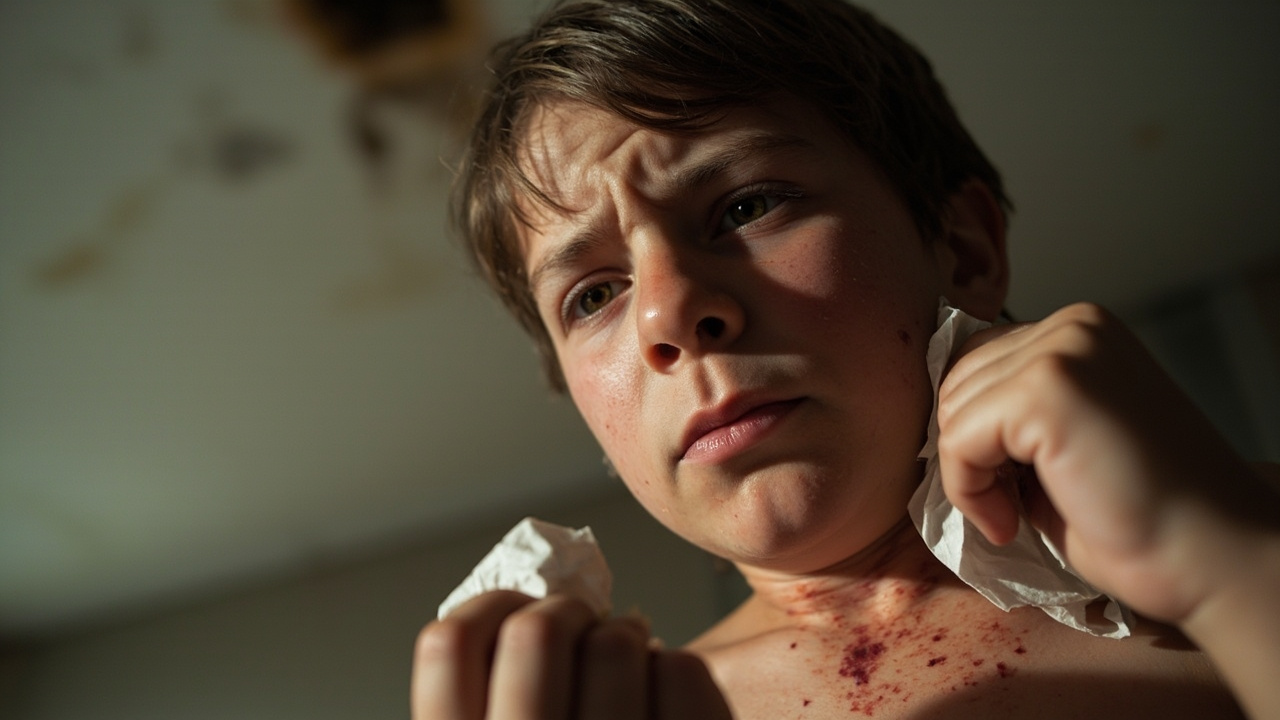
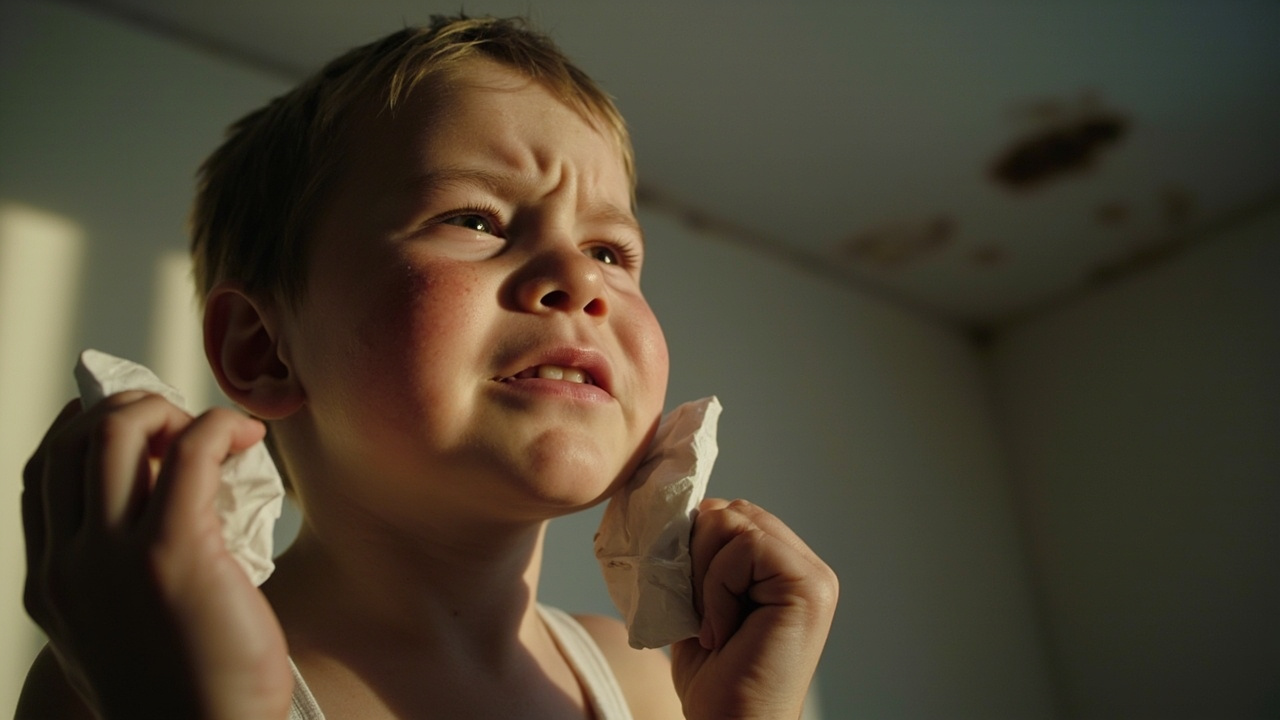
Indoor mold symptoms often mimic a cold. Sneezing, coughing, watery eyes, and skin rashes persist because the source never dries out. You cannot medicate your way out of a moisture problem.

Water damage allergy triggers hide in places you cannot see. Mold grows behind wallpaper in Delaware District row houses. It colonizes insulation in Allentown attics. It spreads under vinyl flooring in Black Rock bungalows. You smell mustiness, but you cannot find the source.

Mildew allergic reactions intensify when heating systems circulate spores through ductwork. One flooded basement in October becomes an allergy crisis by December. Buffalo's freeze-thaw cycles crack concrete. Water seeps in. Humidity climbs above 60 percent. Mold thrives.

Mold exposure symptoms range from annoying to dangerous. Persistent respiratory irritation, chronic sinus infections, and asthma flare-ups all trace back to hidden water damage. Children and elderly residents suffer most.

If you feel worse at home than anywhere else, you likely have active mold growth. The problem will not resolve on its own. Buffalo's climate guarantees it will worsen.

Why Buffalo Homes Trigger Severe Allergic Reactions Year-Round
How We Eliminate Water Damage and Stop Allergic Reactions

How We Eliminate Water Damage and Stop Allergic Reactions

Most homeowners treat the symptoms. We eliminate the cause.

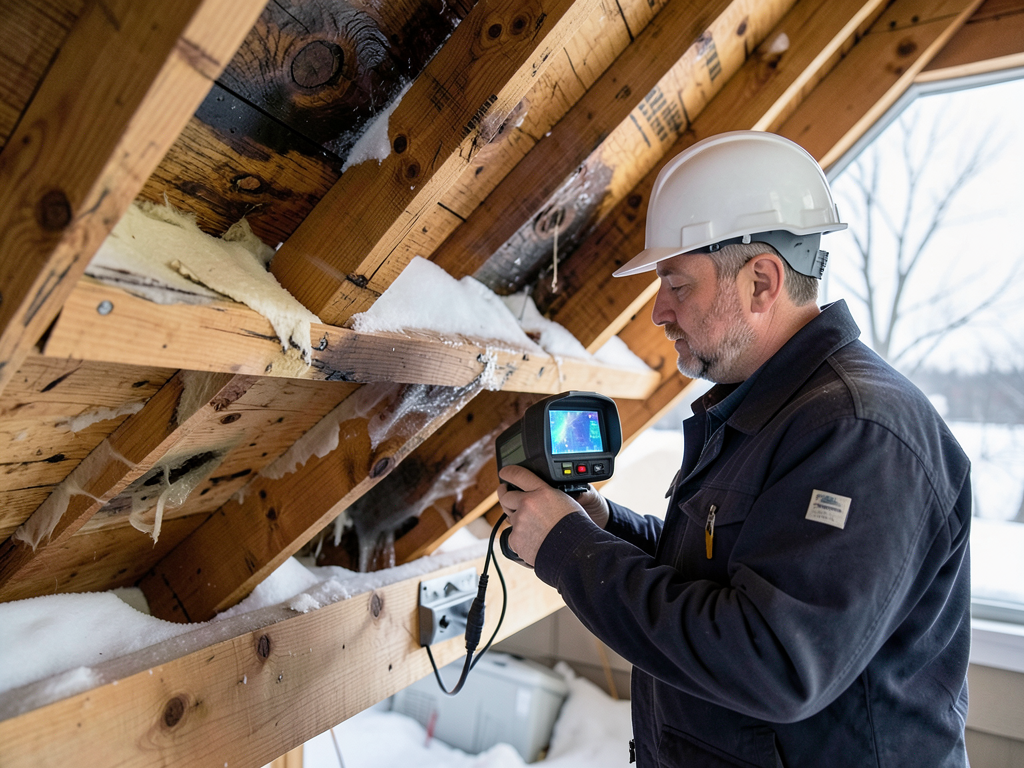
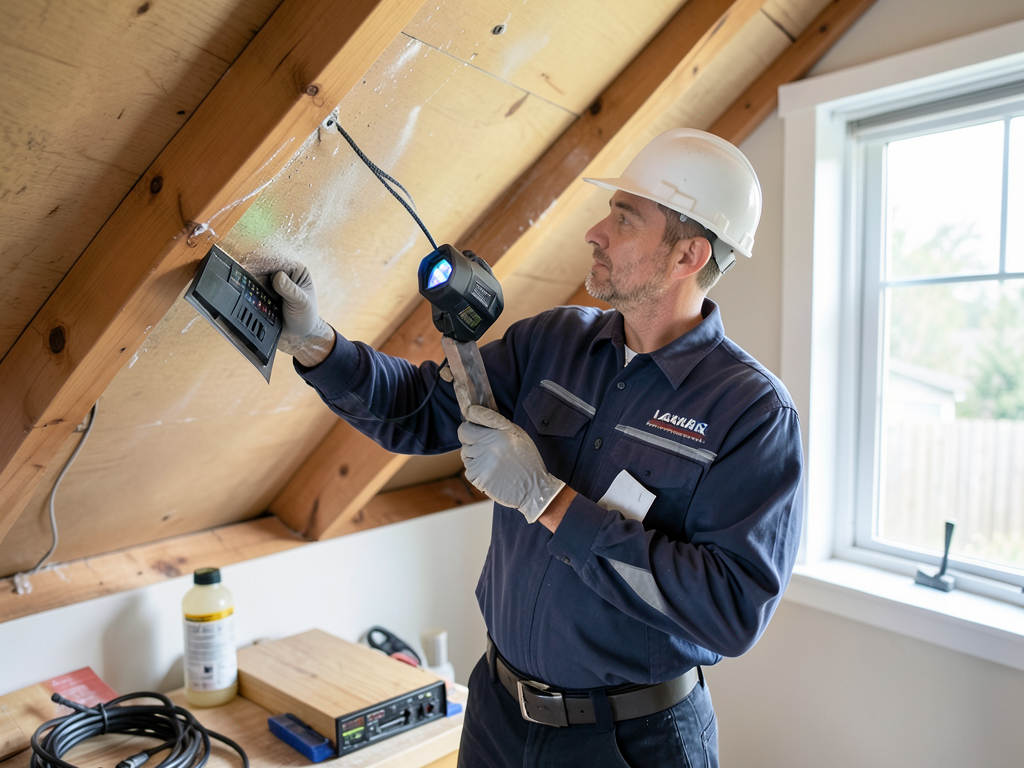
Alpha Water Damage Restoration Buffalo uses thermal imaging cameras to map moisture intrusion patterns invisible to the naked eye. We trace water migration through wall cavities, under flooring systems, and into ceiling assemblies. Cold spots indicate active leaks. Elevated moisture readings confirm microbial activity.

We do not guess. We measure relative humidity with calibrated hygrometers. We test air quality with spore trap sampling. We document contamination levels before remediation begins.

Our containment protocols prevent cross-contamination during mold removal. We establish negative air pressure zones with HEPA-filtered air scrubbers rated for 99.97 percent particle capture. We seal off affected areas with polyethylene barriers and decontamination chambers. Spores stay contained.

We remove contaminated materials down to structural framing when necessary. Drywall, insulation, and carpeting soaked beyond salvage gets stripped and disposed of according to EPA guidelines. We treat framing lumber with antimicrobial solutions, then dry wood moisture content below 15 percent using commercial dehumidifiers and air movers.

Surface cleaning alone fails. We address the moisture source. Cracked foundation walls get sealed with hydraulic cement and exterior waterproofing membrane. Failed sump pumps get replaced with battery backup systems. Ice dam damage requires attic insulation upgrades and ventilation improvements.

We verify remediation success with post-clearance testing. Air samples confirm spore counts return to normal outdoor levels. Moisture meters confirm all materials register dry.

You cannot fix water damage with bleach and a fan. Professional remediation stops allergic reactions by eliminating the environment mold needs to survive.

What Happens During Your Allergy-Causing Mold Investigation

Allergic Reactions in Home – Expert Mold Detection and Water Damage Remediation in Buffalo
01

Emergency Moisture Assessment

We arrive within hours of your call. Our technicians inspect every room where you experience symptoms. We use infrared cameras to scan walls, ceilings, and floors for hidden moisture. We check basements, crawl spaces, and attics. We measure humidity levels and identify active water intrusion points. You receive a written moisture map showing every affected area.
02

Containment and Removal

We isolate contaminated zones with physical barriers and negative air machines. Our crew removes water-damaged materials while capturing airborne spores with HEPA filtration. We treat structural components with EPA-registered antimicrobials. We extract standing water, remove wet insulation, and cut out compromised drywall. Contaminated debris gets bagged and removed from your property immediately.
03

Drying and Verification

We deploy industrial dehumidifiers and air movers to dry all structural materials to safe moisture levels. This process takes 3 to 5 days depending on saturation depth. We monitor progress with daily moisture readings. Once materials register below 15 percent moisture content, we conduct clearance testing. Independent lab analysis confirms your home meets safe air quality standards before reconstruction begins.

Why Buffalo Homeowners Trust Our Water Damage Expertise

Buffalo's housing stock predates modern building science. Victorian-era homes in the Elmwood Village lack vapor barriers. Post-war Cape Cods in Kenmore have undersized attic ventilation. Ranch homes in Amherst sit on poorly graded lots that funnel runoff toward foundations.

We understand these construction patterns because we work in them daily. We know where Delaware District brownstones leak. We know why Parkside basements flood. We know how North Buffalo bungalows trap moisture in knee walls.

This local knowledge matters when diagnosing allergic reactions. A contractor from Rochester cannot tell you why your West Side home smells musty in March. We can. Lake-effect snow sits on your roof for weeks. Melting ice finds gaps in flashing. Water runs down wall cavities. Mold grows behind plaster you cannot see.

We work with Buffalo building inspectors who understand our climate challenges. We follow New York State Department of Labor mold remediation standards. We coordinate with local insurance adjusters familiar with ice dam claims and foundation seepage common to our area.

Our equipment stays in Buffalo. When you call at 3 a.m. because your basement flooded, we arrive with truck-mounted extraction units, not a wet-dry vacuum from Home Depot. We stock commercial dehumidifiers rated for Buffalo's humidity levels. We maintain relationships with local environmental testing labs for same-day spore analysis.

You need a restoration company that understands why Buffalo homes make you sick. We have remediated water damage in every neighborhood from South Buffalo to Tonawanda. We know your house. We know your climate. We know how to stop the allergic reactions permanently.

What to Expect When You Call Alpha Water Damage Restoration Buffalo

Same-Day Emergency Response

We answer our phone 24 hours a day. When you call (716) 317-7717, you speak with a trained technician who can dispatch a crew immediately. We arrive within 2 to 4 hours for emergencies in the Buffalo metro area. Our trucks carry moisture meters, thermal cameras, and air sampling equipment. We start the assessment the moment we walk through your door. You receive a verbal overview of findings before we leave, followed by a detailed written report within 24 hours.

Comprehensive Moisture and Mold Testing

We do not guess where water hides. Our initial assessment includes infrared scanning of all interior walls, moisture meter readings of building materials, and relative humidity measurements in each room. If you report allergic symptoms, we collect air samples and surface samples for laboratory analysis. Results identify specific mold species and concentration levels. This data determines our remediation protocol. We test again after cleanup to confirm contamination has been eliminated. You receive lab reports showing before and after spore counts.

Certified Remediation and Restoration

Our crew follows IICRC S520 mold remediation standards and New York State Department of Labor guidelines. We remove all contaminated materials, treat structural components with antimicrobials, and dry your home to safe moisture levels. We do not leave until independent clearance testing confirms your indoor air quality meets safe standards. Then we coordinate reconstruction. We replace drywall, insulation, and flooring with materials that match your home's original construction. You get your house back in the same condition it was before water damage occurred.

Post-Remediation Monitoring and Prevention

Water damage remediation solves the immediate problem. Prevention stops it from happening again. After we complete restoration, we provide a written report identifying why water entered your home. We recommend specific repairs like foundation sealing, improved drainage, upgraded attic ventilation, or sump pump installation. We offer optional follow-up moisture checks at 30, 60, and 90 days post-remediation. Many clients schedule annual inspections before spring thaw and after fall rains to catch minor leaks before major damage occurs.

Frequently Asked Questions

You Have Questions,
We Have Answers

What could be causing allergies in my house? +

Common culprits include dust mites in bedding and carpets, pet dander, mold spores, and pollen tracked indoors. In Buffalo homes, mold thrives in damp basements due to high humidity and freeze-thaw cycles that stress foundations. Poor ventilation traps allergens, and older homes with compromised building envelopes allow moisture intrusion. Carpets, upholstered furniture, and HVAC systems accumulate dust and dander. If you notice symptoms worsening indoors, inspect basements, crawl spaces, and around windows for water stains or musty odors. These signal mold growth that needs professional remediation to eliminate the allergen source.

How do I figure out what I am allergic to in my house? +

Start by tracking when and where symptoms occur. Keep a journal noting room-specific reactions. Eliminate potential triggers one at a time. Wash bedding in hot water weekly and remove carpets to test dust mite sensitivity. Temporarily relocate pets to check for dander allergies. Inspect basements, bathrooms, and attics for visible mold or water damage. Buffalo homes often have hidden moisture issues from lake-effect snow melt. Consider allergy testing through your doctor for specific IgE antibodies. Professional mold testing and indoor air quality assessments identify hidden spores and confirm suspected allergens when DIY elimination fails.

How to manage an allergic reaction at home? +

For mild reactions, remove yourself from the allergen source immediately. Take an over-the-counter antihistamine like cetirizine or loratadine. Use a saline nasal rinse to clear pollen and dust. Apply cool compresses to itchy skin. Run a HEPA air purifier to reduce airborne particles. If you suspect mold exposure in your Buffalo home, ventilate the area and avoid the contaminated space. Watch for worsening symptoms like difficulty breathing or swelling. Severe reactions with throat tightness, dizziness, or hives require emergency medical attention. Address the root cause by identifying and eliminating allergen sources permanently.

How do you treat an allergy cough? +

An allergy cough stems from postnasal drip or airway irritation. Use over-the-counter antihistamines to reduce mucus production. A humidifier adds moisture to dry winter air in Buffalo homes, soothing irritated airways. Avoid cold, dry air that worsens coughing. Drink warm liquids like herbal tea with honey to coat your throat. Elevate your head while sleeping to prevent mucus buildup. If mold spores trigger your cough, professional remediation eliminates the source. Persistent coughing lasting over three weeks, especially with wheezing or shortness of breath, needs medical evaluation to rule out asthma or infection.

How to test your house for allergens? +

Purchase home allergen test kits online for dust mites, mold, and pet dander. These kits collect samples you mail to a lab for analysis. DIY mold test kits use petri dishes to culture spores, but they only detect what is actively airborne. Hire a certified indoor air quality specialist for comprehensive testing. They use moisture meters, thermal imaging, and air sampling to locate hidden mold behind walls or in HVAC systems. Buffalo homes with basement moisture from groundwater seepage need professional inspection. Testing identifies specific allergens and their concentrations, helping you prioritize remediation efforts effectively.

What could I be allergic to in my own house? +

Dust mites live in mattresses, pillows, and upholstered furniture. Pet dander clings to fabrics and circulates through air vents. Mold grows in damp areas like basements, bathrooms, and around leaky windows. Cockroach droppings trigger allergies in older urban homes. Pollen enters through open windows and on clothing. Volatile organic compounds from cleaning products, paint, or pressed wood furniture cause sensitivity. In Buffalo, basement mold is common due to foundation cracks and poor drainage from heavy snowmelt. Chemical sensitivities to fragrances or gas appliances also cause indoor reactions. Identifying your specific trigger requires systematic elimination or professional testing.

Do air purifiers help allergies? +

Yes, HEPA air purifiers remove 99.97 percent of particles 0.3 microns or larger, including pollen, dust mites, pet dander, and mold spores. Place units in bedrooms and high-traffic areas for best results. Change filters regularly to maintain effectiveness. Purifiers reduce airborne allergens but do not eliminate sources like dust embedded in carpets or mold growing behind walls. In Buffalo homes with basement moisture issues, purifiers provide symptom relief while you address the root problem. They work best combined with source control like professional mold remediation, regular vacuuming with HEPA-equipped cleaners, and reducing humidity below 50 percent.

Can mold cause allergic reactions? +

Absolutely. Mold releases spores and mycotoxins that trigger allergic reactions including sneezing, congestion, itchy eyes, skin rashes, and respiratory distress. Buffalo homes face high mold risk from humid summers, freeze-thaw foundation damage, and basement flooding from rapid snowmelt. Common indoor molds include Aspergillus, Penicillium, and Stachybotrys. Sensitive individuals react to even small exposures. Prolonged exposure worsens symptoms and may lead to chronic sinus infections or asthma. If you see visible mold or smell musty odors, professional water damage restoration and mold remediation are necessary. DIY cleaning spreads spores and fails to address hidden growth in wall cavities.

Why am I congested in my house but not outside? +

Your home traps allergens that outdoor air disperses. Dust mites, pet dander, and mold spores accumulate indoors with poor ventilation. Buffalo homes sealed tight for winter energy efficiency reduce fresh air exchange, concentrating irritants. Forced-air heating distributes allergens through ductwork. Basement moisture from lake-effect precipitation fuels mold growth, releasing spores into living spaces. Carpets and upholstery harbor dust that outdoor environments lack. If congestion disappears outside, inspect your home for water damage, clean HVAC ducts, replace furnace filters monthly, and use exhaust fans in bathrooms. Professional mold inspection identifies hidden contamination causing persistent indoor symptoms.

How do you flush an allergic reaction out of your system? +

Hydration helps flush allergens through your system. Drink eight glasses of water daily. Take antihistamines to block histamine release and reduce inflammation. Use saline nasal rinses to clear pollen and dust from nasal passages. Shower immediately after exposure to remove allergens from skin and hair. Wash clothing in hot water. Eat anti-inflammatory foods like leafy greens and omega-3 fatty acids. Your body naturally metabolizes histamine within hours to days depending on exposure severity. Severe reactions need medical intervention. Eliminate the allergen source in your Buffalo home through professional remediation to prevent repeated exposures and chronic symptoms.

Why Buffalo's Lake-Effect Climate Makes Allergic Reactions in Home a Year-Round Health Threat

Buffalo receives 95 inches of snow annually, more than any major U.S. city. Lake-effect bands dump moisture throughout winter, but the real damage begins during spring thaw. Melting snow overwhelms aging drainage systems. Water seeps through foundation cracks common in pre-1950 homes. Basements stay damp from March through May. Relative humidity climbs above 65 percent, the threshold where mold colonization accelerates. Summer humidity compounds the problem. Buffalo's seasonal temperature swings create condensation inside wall cavities. This trapped moisture feeds mold growth you cannot see but inhale daily. Your allergic reactions worsen because the environment stays perpetually damp.

Alpha Water Damage Restoration Buffalo has remediated water damage in every historic neighborhood from the Fruit Belt to Riverside. We understand how Delaware District row houses trap moisture between shared walls. We know why Allentown apartments develop ceiling mold after ice dams. We work with local building inspectors who recognize Buffalo-specific construction challenges. Our crews train on New York State mold remediation protocols and maintain certifications through the Institute of Inspection, Cleaning and Restoration Certification. When you hire local expertise, you get faster response times, knowledge of regional construction methods, and accountability to your community.

Water Damage Restoration Services in The Buffalo Area

Although we offer rapid mobile service across the entire Buffalo area and surrounding regions, we invite you to view our service area map to confirm our commitment to your community. We are always ready to deploy our expert teams directly to your residential or commercial property, ensuring the fastest possible response time when you need water damage restoration most, right where you are.

Address:
Alpha Water Damage Restoration Buffalo, 369 Washington St, Buffalo, NY, 14203

Additional Services We Offer

Our news updates

Latest Articles & News from The Blogs

The importance of microbial swabbing after a sewer backup in your Lackawanna basement When sewage backs up into your Lackawanna…

The importance of microbial swabbing after a sewer backup in your Lackawanna basement

The importance of microbial swabbing after a sewer backup in your Lackawanna basement When sewage backs up into your Lackawanna…

Simple ways to prevent your pipes from freezing in an unheated North Buffalo crawlspace

Simple ways to prevent your pipes from freezing in an unheated North Buffalo crawlspace Buffalo’s brutal winters and lake-effect snow…

Keeping your kids and pets safe during a home restoration project in Kenmore

Keeping your kids and pets safe during a home restoration project in Kenmore\n\nHome restoration after water damage creates unique safety…

Contact Us

Your symptoms will not improve until we eliminate the moisture source. Call Alpha Water Damage Restoration Buffalo at (716) 317-7717 right now. We will schedule an emergency assessment within hours. You deserve to breathe clean air in your own home.