menu

Commercial Mold Remediation in Buffalo – Minimize Downtime and Protect Your Business Assets

Industrial-grade commercial mold abatement protocols that keep your Buffalo facility operational, compliant with New York State health codes, and protected from liability exposure during remediation.

Slider Image 1
Slider Image 2
Slider Image 3
Slider Image 4
Slider Image 5
Slider Image 7
Slider Image 8
Slider Image 9
Slider Image 10
Slider Image 11

Why Buffalo Commercial Properties Face Elevated Mold Risk

Buffalo's location on the eastern shore of Lake Erie creates persistent humidity that accelerates mold colonization in commercial structures. Winter freeze-thaw cycles damage roof membranes and masonry joints, allowing moisture intrusion into warehouses, office buildings, and retail spaces. Once water penetrates your building envelope, mold can establish colonies within 24 to 48 hours.

The city's aging commercial building stock compounds the problem. Many Buffalo facilities were constructed before modern moisture management standards existed. Flat roofs common in industrial districts trap water. Poorly ventilated mechanical rooms in older buildings create ideal conditions for fungal growth. The result is business interruption, employee health complaints, and potential regulatory violations.

Commercial mold removal cannot wait. Unlike residential properties, your facility operates under strict occupancy codes. New York State Department of Labor regulations require employers to maintain safe indoor air quality. When mold appears in your Buffalo business, you face potential workers' compensation claims, tenant complaints, and inventory contamination. Delaying commercial mold mitigation increases spore concentration and extends the scope of required abatement.

Business mold remediation in commercial spaces demands different protocols than residential work. You need containment strategies that allow partial operation during cleanup. You require documentation for insurance carriers and regulatory agencies. Most critically, you need commercial mold cleanup executed on a timeline that minimizes revenue loss and maintains your operational capacity throughout the remediation process.

Why Buffalo Commercial Properties Face Elevated Mold Risk
Our Commercial Mold Abatement Protocol

Our Commercial Mold Abatement Protocol

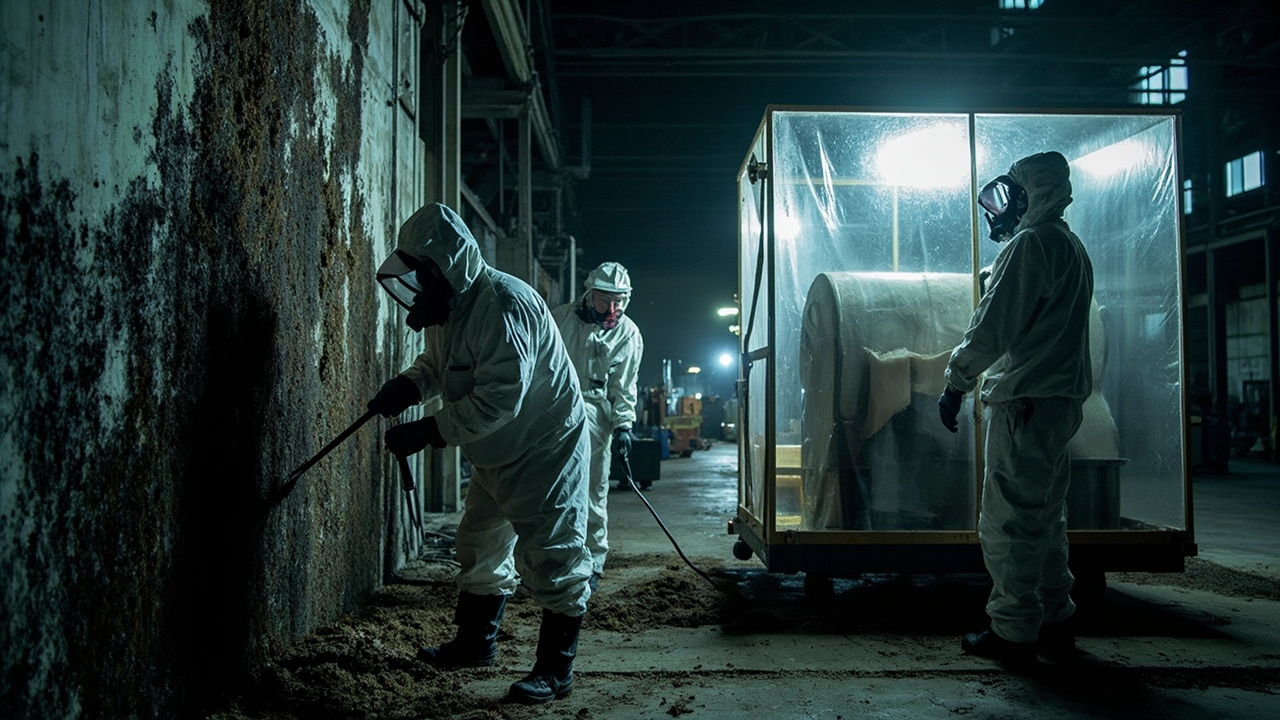
Alpha Water Damage Restoration Buffalo uses negative air pressure containment systems that isolate affected zones while keeping unaffected areas of your facility operational. We install commercial-grade HEPA air scrubbers that maintain negative pressure differentials, preventing cross-contamination into occupied spaces. This approach allows your business to continue operations in unaffected sections during the commercial mold remediation process.

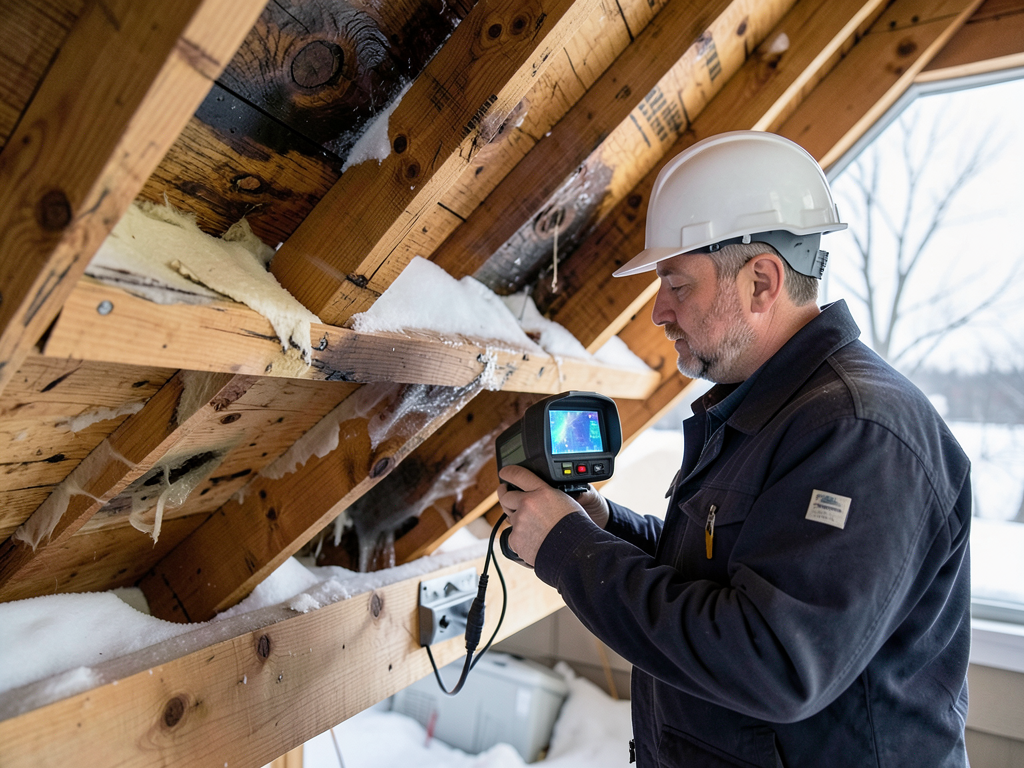
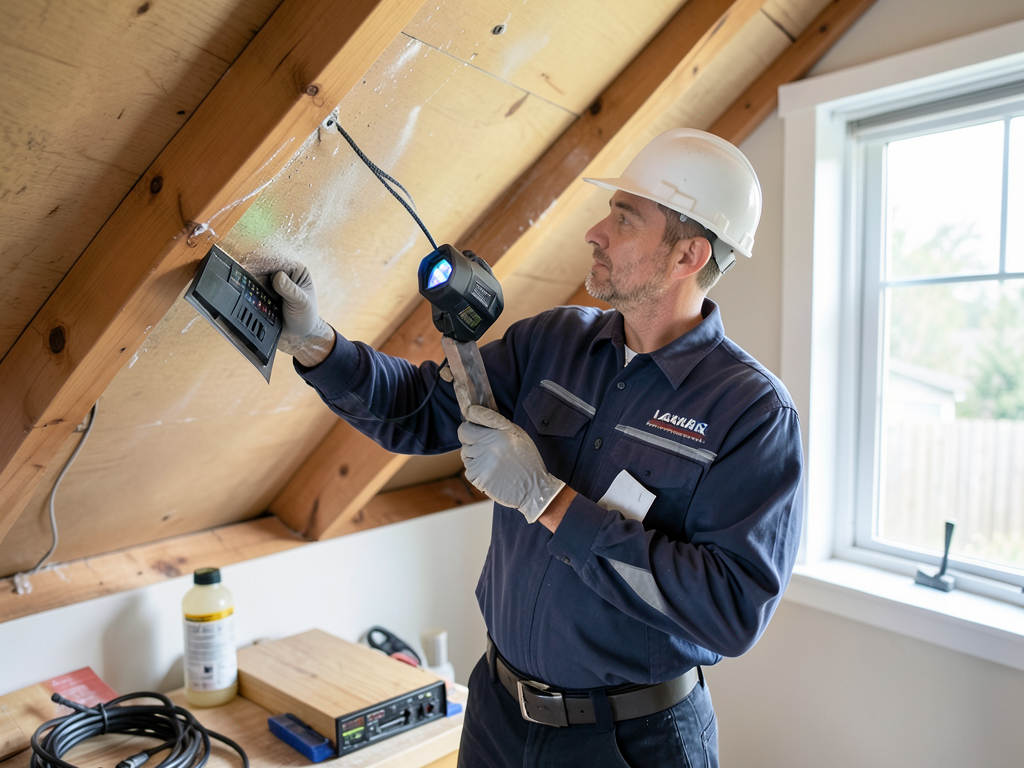
Our assessment begins with moisture mapping using thermal imaging cameras and hygrometers to identify hidden water sources feeding mold growth. We test HVAC systems for spore distribution patterns because ventilation systems often spread contamination throughout commercial buildings. We collect air samples and surface samples for laboratory analysis to identify mold species and determine the appropriate remediation protocol.

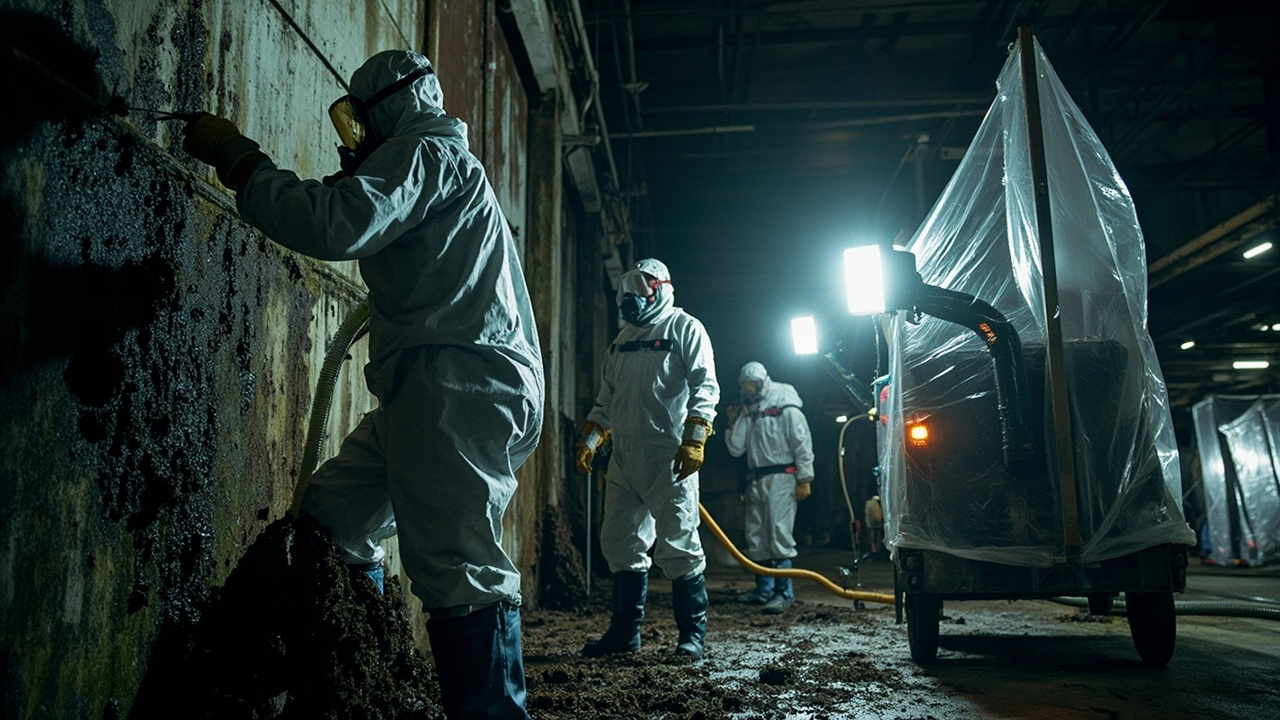
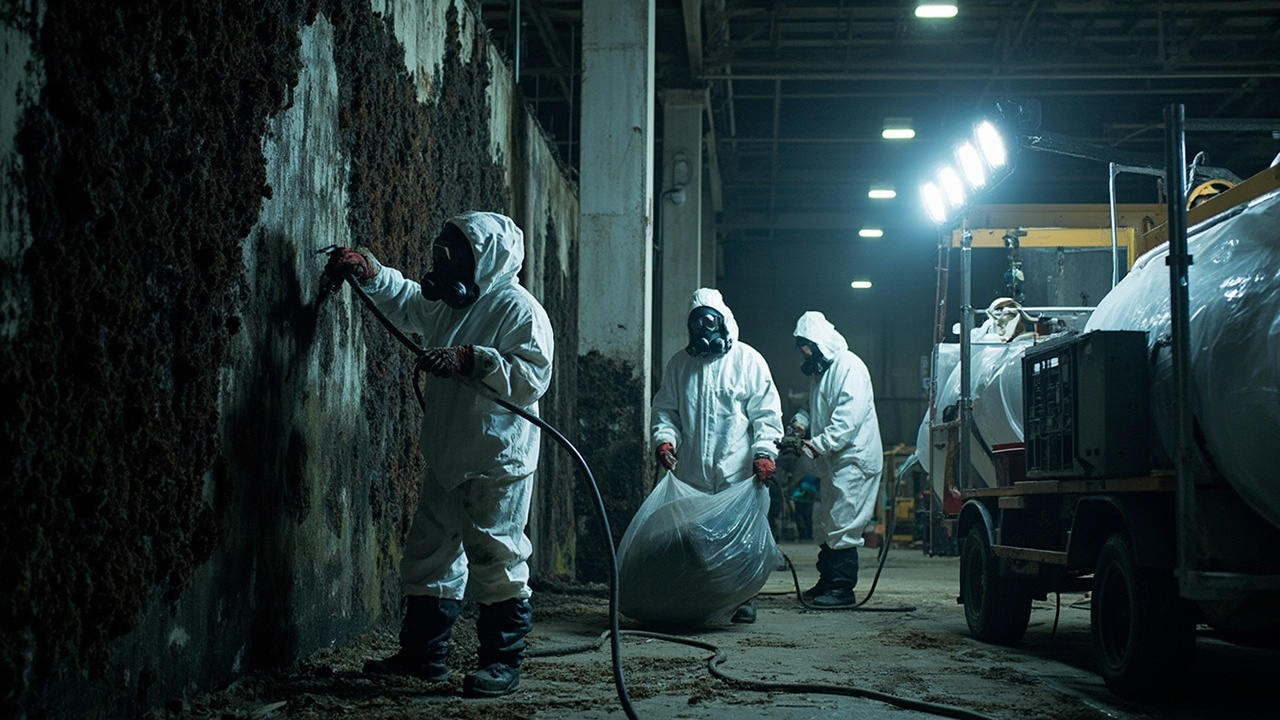
The physical removal process follows New York State Department of Labor Guidelines for Remediation of Mold in Commercial Buildings. We remove contaminated materials using HEPA-filtered vacuums and seal debris in 6-mil polyethylene bags before transport. Structural elements that cannot be removed undergo HEPA sanding or dry ice blasting to eliminate surface colonization. We apply EPA-registered antimicrobial treatments to affected surfaces after physical removal.

Post-remediation verification includes clearance testing by third-party industrial hygienists. We provide complete documentation packages including chain-of-custody records for disposed materials, air quality test results, and photographic evidence of completed work. This documentation satisfies insurance requirements and provides liability protection if tenant complaints arise. Our commercial mold mitigation work meets the standards required for high-stakes commercial environments where regulatory compliance and business continuity are non-negotiable.

How Commercial Mold Remediation Protects Your Buffalo Operation

Commercial Mold Remediation in Buffalo – Minimize Downtime and Protect Your Business Assets
01

Site Assessment and Containment

We map your facility to identify contaminated zones and establish containment barriers using plastic sheeting and negative air machines. This initial assessment determines which areas require immediate closure and which can remain operational. We develop a phased remediation plan that sequences work to minimize business disruption. Our team coordinates with your facility manager to schedule work around operational requirements and establish communication protocols for employee safety.
02

Controlled Material Removal

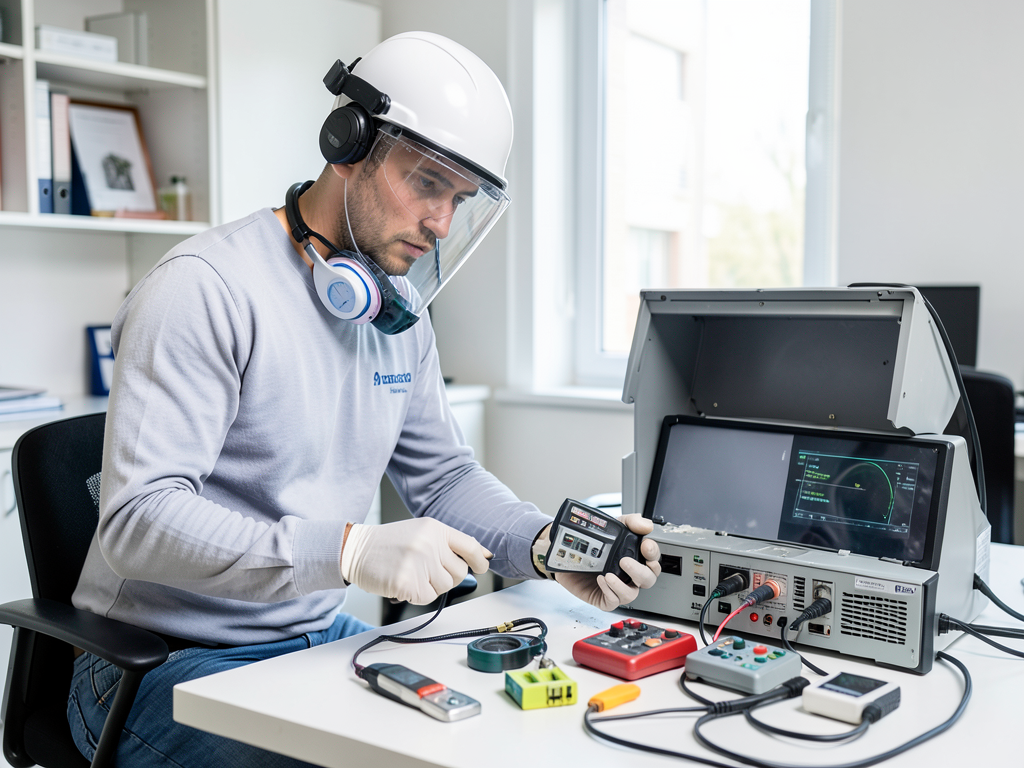
Technicians in full respiratory protection remove contaminated materials using HEPA-filtered equipment that captures airborne spores during demolition. We maintain negative pressure throughout removal to prevent spore migration into clean areas. All removed materials are double-bagged and transported through decontamination chambers before disposal. Structural components receive antimicrobial treatment after physical cleaning. We document each phase with photographs and material disposal receipts for your insurance claim and regulatory compliance files.
03

Verification and Clearance Testing

Independent hygienists collect post-remediation air samples to verify spore counts meet acceptable thresholds for occupancy. We provide complete documentation including laboratory reports, before-and-after photographs, and material disposal manifests. This clearance package satisfies insurance carriers and demonstrates due diligence if employee health complaints arise. Once clearance is confirmed, we remove containment barriers and return affected spaces to operation. You receive a comprehensive report suitable for regulatory inspection or tenant disclosure requirements.

Why Buffalo Businesses Choose Alpha Water Damage Restoration

Commercial mold remediation in Buffalo requires understanding local building construction and regional moisture patterns. We work regularly in the city's historic commercial districts where brick facades and flat roofs create specific vulnerability points. Our technicians recognize how Lake Erie weather patterns affect different building types, from the warehouses along the Buffalo River to the office towers downtown.

We maintain relationships with Buffalo-area industrial hygienists who provide third-party verification services. This local network allows faster turnaround on laboratory analysis and clearance testing. When you need documentation for Erie County health inspectors or New York State Department of Labor compliance officers, we provide reports that meet specific regulatory formatting requirements.

Our equipment inventory includes commercial-grade negative air machines, thermal imaging systems, and truck-mounted extraction units sized for large commercial spaces. We can scale operations from small retail mold cleanup to full warehouse commercial mold abatement projects. This capacity means you work with one contractor throughout the project rather than coordinating multiple vendors.

Business continuity drives our project management approach. We schedule work during off-hours when possible to maintain your operational capacity. Our project managers communicate daily with your facility team to coordinate access, adjust work schedules around business needs, and address employee concerns about air quality. We understand that every day of closure represents lost revenue.

Insurance documentation is built into our process. We photograph conditions before remediation begins, track labor hours by zone, and itemize material disposal costs. This documentation supports your claim and expedites insurer approval. We communicate directly with adjusters to clarify scope and prevent claim disputes that delay your recovery timeline.

What Your Commercial Mold Remediation Project Includes

Response Timeline and Scheduling

We dispatch assessment teams to Buffalo commercial properties within four hours of contact during business hours. Emergency response is available after hours for situations involving active water intrusion or immediate occupancy threats. Initial assessment typically completes within 24 hours, with a written remediation plan and cost estimate delivered within 48 hours. We schedule work around your operational requirements, including nights and weekends when necessary to minimize business disruption. Large projects are phased to allow partial facility operation during remediation.

Initial Assessment Process

Our assessment includes thermal imaging to identify hidden moisture, hygrometer readings to measure humidity levels, and visual inspection of HVAC systems for spore distribution. We collect air samples and surface samples for laboratory analysis to identify mold species and concentration levels. This data determines the appropriate remediation protocol and establishes baseline conditions for post-work verification. You receive a detailed scope of work document that outlines affected areas, required containment protocols, estimated material removal quantities, and projected timeline. This assessment provides the documentation your insurance carrier needs to approve the claim.

Remediation Standards and Results

All work follows New York State Department of Labor mold remediation guidelines and IICRC S520 standards for professional mold remediation. We use HEPA filtration throughout the removal process to prevent cross-contamination. Affected surfaces are cleaned using HEPA vacuuming, antimicrobial treatment, and where necessary, removal and disposal. Post-remediation clearance testing by independent hygienists verifies that spore counts meet acceptable levels before we remove containment barriers. You receive laboratory reports, photographic documentation, and material disposal manifests that demonstrate compliance with regulatory requirements and provide liability protection.

Post-Remediation Documentation and Support

Every project includes a comprehensive documentation package containing laboratory test results, before-and-after photographs, material disposal receipts, and clearance reports from independent hygienists. This package satisfies insurance requirements and provides evidence of proper remediation if regulatory questions arise. We provide recommendations for preventing future mold growth, including moisture management strategies and HVAC maintenance protocols. Follow-up moisture monitoring is available to verify that underlying water intrusion has been resolved. You receive direct contact information for project managers who can answer tenant questions or provide additional documentation if needed for lease negotiations or property transactions.

Frequently Asked Questions

You Have Questions,
We Have Answers

What do professionals use for mold remediation? +

Commercial remediation teams use HEPA-filtered negative air machines to contain airborne spores, antimicrobial agents rated for commercial spaces, and moisture meters to identify hidden water intrusion. They apply EPA-registered fungicides after removing contaminated materials like drywall, insulation, or ceiling tiles. In Buffalo facilities, technicians address mold growth triggered by roof leaks, HVAC condensation, or foundation seepage common in older brick and masonry buildings. Professional equipment includes infrared cameras for moisture mapping, commercial dehumidifiers, and containment barriers that prevent cross-contamination during business operations. This approach minimizes downtime and protects liability.

How much does professional mold removal cost? +

Commercial mold removal pricing depends on square footage affected, containment complexity, and material replacement scope. Small office areas may cost less than large warehouse spaces requiring scaffolding or after-hours access. Buffalo properties with basement mold from groundwater infiltration or attic mold from ice dam leaks require different approaches. Structural drying, air quality testing, and disposal fees add to the total. Multi-floor containment, HVAC system cleaning, and code compliance documentation increase project costs. Request a site assessment with moisture mapping to get accurate estimates based on your facility's specific contamination and operational constraints.

Is professional mold removal worth it? +

For commercial properties, professional mold removal protects liability, maintains code compliance, and prevents business interruption. DIY methods fail to address hidden mold in wall cavities, above ceilings, or within HVAC systems. Buffalo's freeze-thaw cycles and high humidity create persistent moisture issues that require professional moisture control and ventilation correction. Incomplete remediation leads to recurring growth, tenant complaints, and potential litigation. Professional documentation provides evidence of due diligence for insurance claims and lease disputes. The investment prevents larger structural repairs, protects indoor air quality for employees and customers, and maintains property value in competitive commercial real estate markets.

How much is professional mold remediation? +

Professional commercial mold remediation costs vary based on contamination extent, building access, and required containment protocols. Projects range from isolated areas to entire floors requiring negative air pressure zones and decontamination chambers. Buffalo commercial buildings with flat roofs or aging infrastructure often face water intrusion that spreads contamination across multiple zones. Costs include labor, containment materials, disposal, structural drying, antimicrobial treatment, and post-remediation verification testing. Emergency services, after-hours access to avoid business disruption, and specialized equipment increase pricing. Schedule an on-site evaluation to receive project-specific pricing based on your facility's contamination scope and operational requirements.

What kills mold permanently? +

Nothing kills mold permanently without fixing the underlying moisture problem. Mold requires water, organic material, and oxygen to grow. Antimicrobial treatments and fungicides eliminate surface growth, but spores remain dormant until moisture returns. Buffalo commercial properties must address roof leaks, condensation from inadequate insulation, groundwater seepage through foundation walls, and HVAC humidity control failures. Effective solutions combine mold removal, moisture source elimination, improved ventilation, and humidity management below 60 percent. Commercial dehumidification systems, vapor barriers, and building envelope repairs prevent recurrence. Focus on water control, not just surface treatment, to keep your facility mold-free long-term.

How do Japanese bathrooms not get mold? +

Japanese bathrooms prevent mold through superior ventilation, quick-drying surfaces, and water management design. They use exhaust fans that run continuously, tile and grout formulated to resist moisture absorption, and drain systems that eliminate standing water. Buffalo commercial restrooms can adopt similar strategies by upgrading ventilation rates, installing moisture-resistant wall panels, improving grout sealing, and ensuring proper slope toward drains. Regular maintenance protocols that include squeegee use after cleaning and scheduled dehumidification reduce mold risk. Commercial facilities benefit from touchless fixtures that reduce water splashing and antimicrobial surface treatments. Design and ventilation matter more than cleaning frequency alone.

How Buffalo's Lake Erie Humidity Drives Commercial Mold Growth

Buffalo's position on Lake Erie's eastern shore creates year-round humidity that challenges commercial HVAC systems. Summer lake-effect moisture combines with winter condensation from heating systems to maintain elevated indoor humidity levels. Commercial buildings with poor vapor barriers or inadequate ventilation cannot manage this moisture load. The result is condensation on cold surfaces, dampness in wall cavities, and ideal conditions for mold colonization. Buildings in the Lakefront and Black Rock neighborhoods face particularly aggressive moisture intrusion due to prevailing westerly winds off the lake.

Erie County commercial properties operate under strict indoor air quality standards enforced by the New York State Department of Labor. When employees report respiratory symptoms or visible mold, employers must respond with professional assessment and remediation. Our team understands local enforcement patterns and provides documentation that satisfies both county health inspectors and state labor compliance officers. We work regularly with Buffalo commercial property managers who require remediation protocols that maintain occupancy permits while addressing contamination. This local regulatory knowledge prevents compliance violations that could result in facility closure orders.
Water Damage Restoration Services in The Buffalo Area

Although we offer rapid mobile service across the entire Buffalo area and surrounding regions, we invite you to view our service area map to confirm our commitment to your community. We are always ready to deploy our expert teams directly to your residential or commercial property, ensuring the fastest possible response time when you need water damage restoration most, right where you are.

Address:
Alpha Water Damage Restoration Buffalo, 369 Washington St, Buffalo, NY, 14203

Additional Services We Offer

Our news updates

Latest Articles & News from The Blogs

Why Your Sump Pump Alarm is Chirping and What it Means for Your Hamburg Basement Your sump pump alarm is…

Why Your Sump Pump Alarm is Chirping and What it Means for Your Hamburg Basement

Why Your Sump Pump Alarm is Chirping and What it Means for Your Hamburg Basement Your sump pump alarm is…

How Clogged Gutters Lead to Flooded Basements in North Collins during Fall Rains

How Clogged Gutters Lead to Flooded Basements in North Collins during Fall Rains When fall rains hit North Collins, clogged…

The Real Cost of a Slow Refrigerator Leak in Your High End Snyder Kitchen

The Real Cost of a Slow Refrigerator Leak in Your High End Snyder Kitchen A slow drip from your refrigerator’s…

Contact Us

Delay increases spore concentration and extends remediation costs. Contact Alpha Water Damage Restoration Buffalo at (716) 317-7717 for immediate commercial mold assessment. We provide written estimates within 48 hours and can begin containment immediately to minimize business disruption.