menu

Frozen Pipe Burst Cleanup in Buffalo – 24/7 Emergency Response Teams Dispatched in Under 60 Minutes

When a frozen pipe bursts in your Buffalo home or business, every minute counts. Alpha Water Damage Restoration Buffalo deploys certified emergency crews around the clock to stop flooding, extract water, and prevent secondary damage before it spreads.

Slider Image 1
Slider Image 2
Slider Image 3
Slider Image 4
Slider Image 5
Slider Image 7
Slider Image 8
Slider Image 9
Slider Image 10
Slider Image 11

Buffalo's Brutal Winter Conditions Create Perfect Storm for Frozen Pipe Disasters

Buffalo's location on Lake Erie guarantees brutal winters. When temperatures drop below 20 degrees for extended periods, water inside pipes freezes and expands. The ice creates pressure that eventually ruptures the pipe wall. When the ice thaws, hundreds of gallons flood your property in minutes.

Older homes in neighborhoods like Elmwood Village and Allentown were built before modern insulation standards. Exterior walls often lack proper insulation around pipe runs. Basements in North Buffalo and South Buffalo sit partially below grade, where foundation walls transfer cold directly to exposed copper lines. Attics in older bungalows and colonials frequently have inadequate ventilation, allowing arctic air to reach supply lines.

The damage compounds fast. Water soaks through drywall, insulation, and subflooring. Within 24 hours, mold spores activate. Within 48 hours, structural wood begins to warp. Within 72 hours, you face a full-scale burst pipe water damage restoration project instead of simple frozen pipe flood cleanup.

You cannot wait for business hours. Emergency burst pipe water removal requires immediate action. The difference between a manageable cleanup and a total loss often comes down to response time. When you call for frozen pipe burst remediation at 3 AM, you need a crew at your door before sunrise. When your basement floods on Christmas morning, you need water extraction for frozen pipes that same day.

The clock starts the moment the pipe fails. Hesitation turns a plumbing emergency into a structural crisis.

Buffalo's Brutal Winter Conditions Create Perfect Storm for Frozen Pipe Disasters
How Alpha Water Damage Restoration Buffalo Stops the Cascade Before It Destroys Your Property

How Alpha Water Damage Restoration Buffalo Stops the Cascade Before It Destroys Your Property

We do not show up with a wet vacuum and hope for the best. Our frozen pipe burst cleanup protocol follows IICRC S500 water damage restoration standards and prioritizes containment, extraction, and environmental control in that exact order.

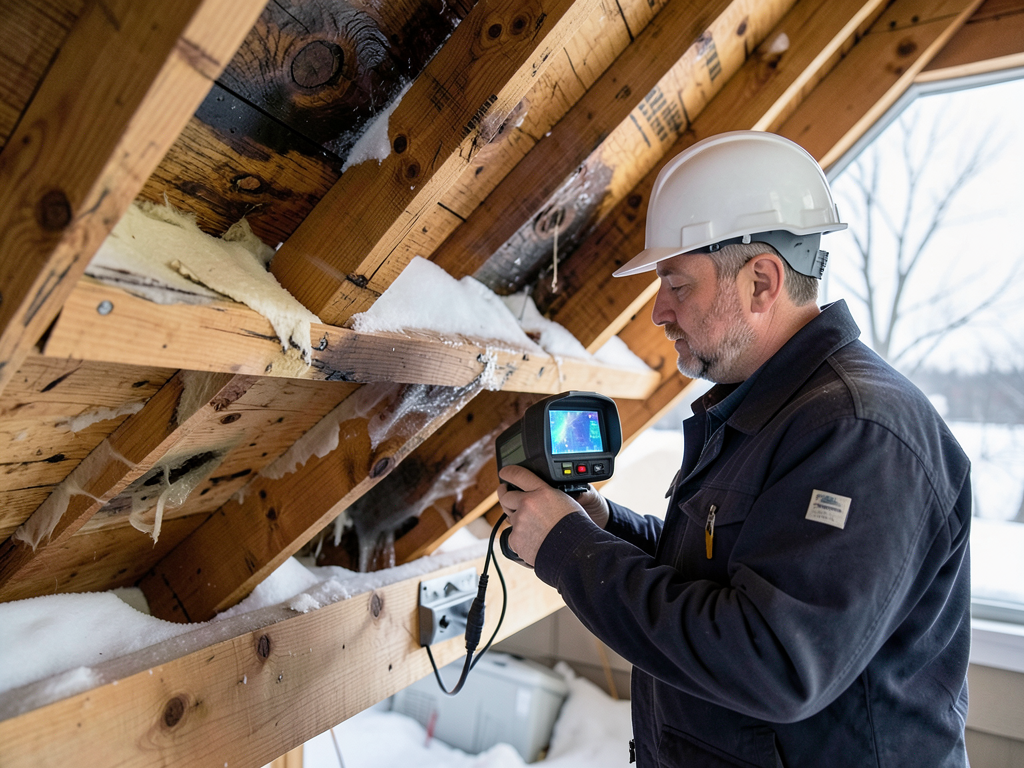
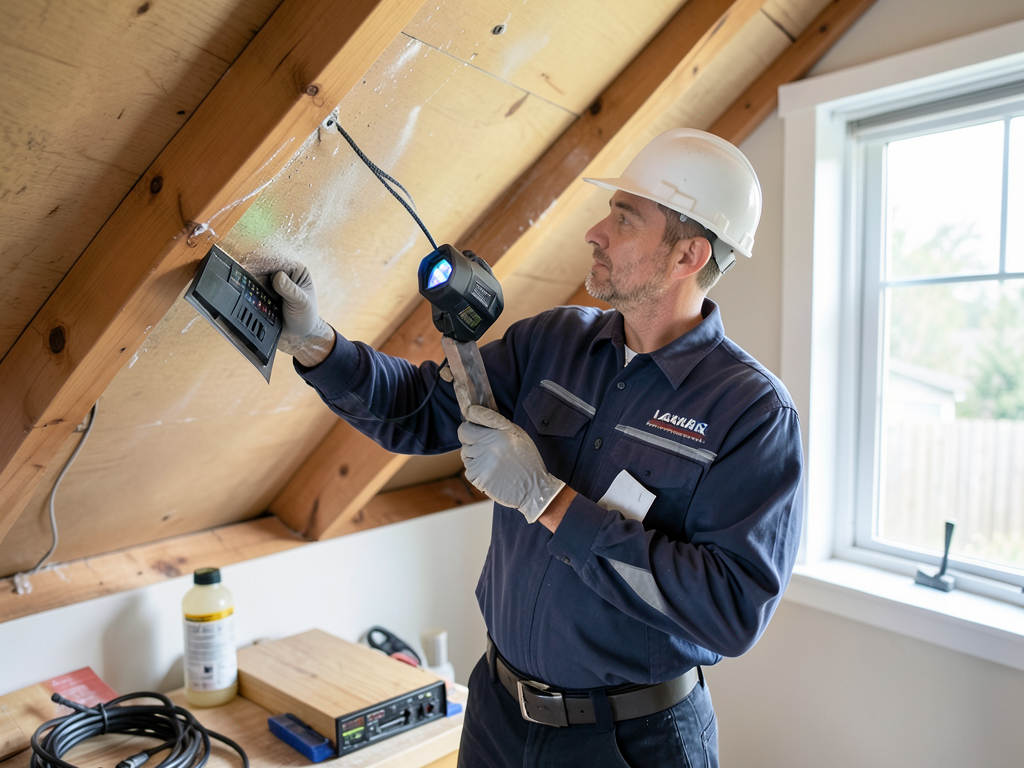
First, we shut off your water supply at the main. If the pipe burst damaged the shutoff valve, we use specialized clamps to isolate the failed section. We then map the water migration pattern using thermal imaging cameras. Water follows the path of least resistance through wall cavities, floor joists, and HVAC chases. You cannot see it, but the camera shows exactly where saturation has spread.

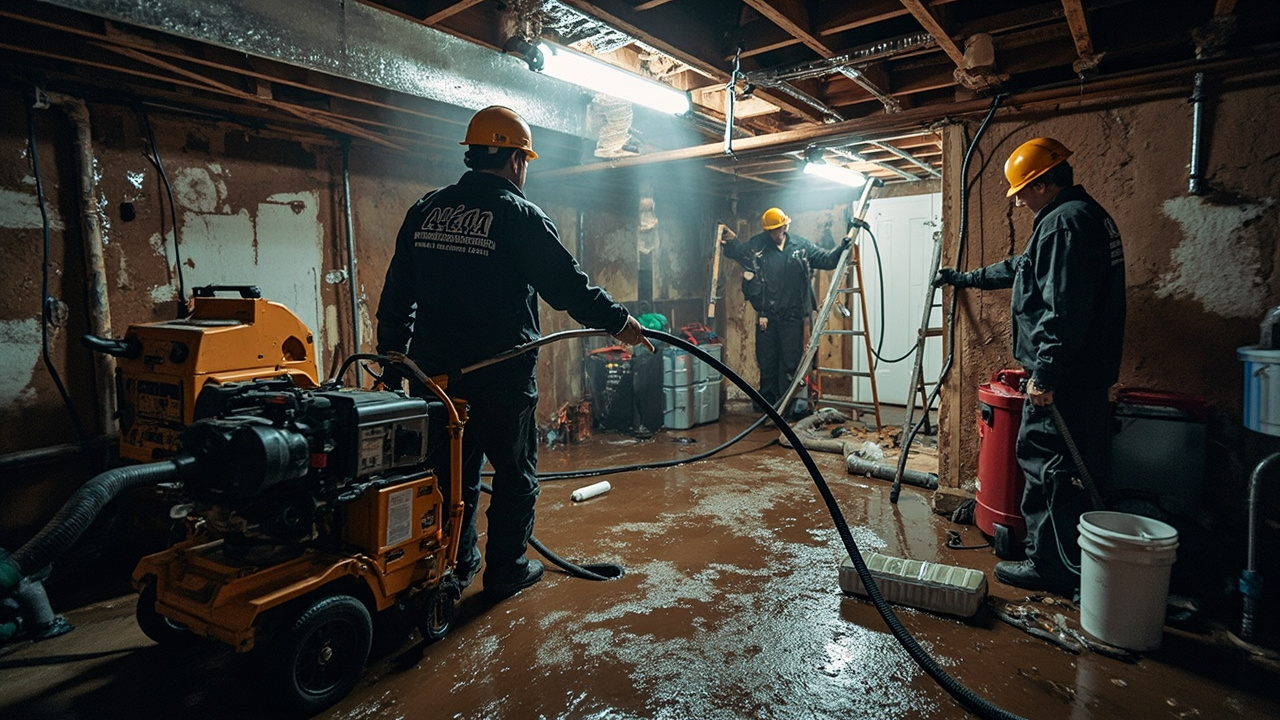
Next, we deploy truck-mounted extraction pumps capable of removing 400 gallons per minute. Portable units handle confined spaces like crawlspaces and mechanical rooms. We pull standing water first, then use weighted extraction wands to draw moisture from carpet padding, underlayment, and insulation batts.

After extraction, we establish drying zones using commercial dehumidifiers and air movers. We target 30 to 50 percent relative humidity to halt microbial growth. Air movers create circulation across wet surfaces to accelerate evaporation. We monitor moisture levels in structural materials using pin-type and non-invasive meters. Drying continues until wood framing and gypsum board return to baseline moisture content below 15 percent.

We document every phase with photos, moisture readings, and equipment logs. Your insurance adjuster needs this data to process your claim. We coordinate directly with carriers to expedite approvals and prevent claim denials due to incomplete documentation.

This is not cleanup. This is controlled emergency mitigation designed to stop loss progression and preserve salvageable materials.

What Happens When You Call for Emergency Frozen Pipe Burst Cleanup

Frozen Pipe Burst Cleanup in Buffalo – 24/7 Emergency Response Teams Dispatched in Under 60 Minutes
01

Immediate Dispatch and Assessment

You call our emergency line. We dispatch the nearest crew immediately. Response time averages 45 to 60 minutes anywhere in Erie County. The team arrives with thermal cameras, moisture meters, and extraction equipment already loaded. We assess the burst location, water volume, and affected zones. You receive a verbal scope of work before we move equipment inside. We explain what we will do, how long it takes, and what you should expect next.
02

Water Extraction and Containment

We isolate the damaged area using polyethylene barriers to prevent cross-contamination into unaffected rooms. Truck-mounted pumps and portable extractors remove standing water. We pull soaked insulation, padding, and non-salvageable materials. Furniture and contents are moved to dry zones or elevated on blocks. We treat all affected surfaces with EPA-registered antimicrobials to inhibit mold and bacterial growth. Extraction typically takes two to four hours depending on water volume and structural complexity.
03

Structural Drying and Monitoring

Industrial dehumidifiers and air movers run continuously for three to five days. We return daily to check moisture levels in framing, subfloors, and wall cavities. Equipment stays on site until all structural materials reach safe moisture thresholds. You receive a final moisture report confirming your property is dry and safe for reconstruction. We coordinate with your plumber to repair the burst pipe and with your contractor to rebuild damaged finishes. Your property is returned to pre-loss condition.

Why Buffalo Property Owners Trust Alpha Water Damage Restoration for Frozen Pipe Emergencies

Buffalo winters do not follow a schedule. Pipes burst at midnight, on weekends, and during holidays. We staff crews 24 hours a day, 365 days a year because frozen pipe emergencies do not wait for convenient business hours.

Our technicians hold IICRC certifications in Water Damage Restoration and Applied Structural Drying. These are not weekend courses. Certification requires classroom hours, field training, and written exams covering microbial remediation, psychrometrics, and structural drying science. When you hire certified techs, you hire people who understand vapor pressure, dew point, and moisture equilibrium, not just how to run a fan.

We know Buffalo construction. Homes built before 1950 in the Delaware District and Parkside neighborhood use plaster over wood lath. You cannot dry plaster the same way you dry drywall. The lath traps moisture and requires targeted air movement and extended drying time. Postwar Cape Cods and ranch homes in Kenmore and Tonawanda use balloon framing, which creates vertical channels for water to migrate between floors. We adjust our drying strategy based on your home's construction type.

We work directly with every major insurance carrier operating in Erie County. We know what documentation State Farm, Allstate, Liberty Mutual, and Erie Insurance require. We photograph damage, log equipment runtime, document daily moisture readings, and provide detailed estimates using Xactimate software. Your adjuster receives a complete claim file, which reduces disputes and speeds payment.

You will speak to the same project manager from start to finish. No call centers. No outsourced dispatch. When you call our emergency line, you reach someone in Buffalo who knows your neighborhood and understands your urgency.

What to Expect During Emergency Frozen Pipe Burst Cleanup

Response Time and Availability

We answer emergency calls 24 hours a day, every day. When you call, you speak to a live dispatcher in Buffalo, not an answering service. We deploy the nearest crew immediately. Average response time is 45 to 60 minutes anywhere in Erie County. Crews arrive fully equipped with extraction pumps, dehumidifiers, air movers, and moisture detection tools. You do not wait for equipment to be ordered or delivered. We bring everything needed to stop water damage progression on the first visit. Emergency service includes nights, weekends, and holidays at no additional charge.

Initial Assessment and Damage Evaluation

The crew leader conducts a visual inspection and uses thermal imaging to identify hidden water migration. We map affected areas, measure moisture levels in structural materials, and photograph all damage. You receive a verbal explanation of what happened, what needs to be done, and how long the process takes. We provide a written scope of work and cost estimate before starting extraction. If you are filing an insurance claim, we document everything your carrier needs. The assessment takes 20 to 30 minutes. You make the final decision on how to proceed.

Complete Water Removal and Structural Drying

Extraction removes visible standing water within two to four hours depending on volume and access. Drying equipment runs continuously for three to five days until structural materials return to safe moisture levels below 15 percent. We monitor progress daily using pin-type and non-invasive moisture meters. You receive written moisture reports at each visit. All affected surfaces are treated with antimicrobial solutions to prevent mold growth. When drying is complete, you receive a final clearance report confirming your property is safe for reconstruction. Materials that cannot be salvaged are removed and documented for your insurance claim.

Insurance Coordination and Documentation

We work directly with your insurance carrier to streamline the claims process. Our estimates use Xactimate software, which is the same platform adjusters use. We provide detailed photo documentation, equipment logs, moisture readings, and material inventories. You receive copies of everything submitted to your carrier. We communicate directly with adjusters to answer questions and justify line items. If your carrier requests additional documentation, we provide it immediately. Most claims are approved within 72 hours when proper documentation is submitted upfront. We can also work on a cash basis if you choose not to file a claim.

Frequently Asked Questions

You Have Questions,
We Have Answers

What to do when a pipe freezes and bursts? +

Shut off your main water supply immediately to stop flooding. Turn off electricity to affected areas to prevent electrical hazards. Document the damage with photos for insurance. Move furniture and valuables to dry areas. Call a 24/7 water damage restoration company in Buffalo right away. Buffalo's brutal winters make frozen pipe bursts common, and water spreads fast through floors and walls. Do not attempt to thaw frozen pipes yourself after a burst. Professionals use extraction equipment, industrial dehumidifiers, and thermal imaging to locate hidden moisture. Speed matters. Water damage worsens every hour, and mold can start within 24 hours.

How to clean up after a pipe burst? +

Start with professional water extraction using truck-mounted pumps and wet vacuums. Remove standing water within the first few hours to prevent structural damage. Pull up soaked carpeting, padding, and damaged drywall. Industrial air movers and dehumidifiers run for 3-5 days to eliminate moisture trapped in walls, subfloors, and insulation. Thermal imaging detects hidden water pockets behind walls. Antimicrobial treatments prevent mold growth. In Buffalo, basements and crawl spaces need extra attention due to poor ventilation and cold concrete foundations. DIY cleanup misses hidden moisture and leads to mold outbreaks weeks later. Professional restoration ensures complete drying and prevents secondary damage.

How much do plumbers charge to unfreeze pipes? +

Plumbers in Buffalo typically charge $150-$300 per hour for emergency pipe thawing, with most jobs taking 1-3 hours depending on pipe location and accessibility. Emergency calls after hours or weekends cost more. If the pipe has already burst, you need water damage restoration, not just a plumber. Restoration companies handle both the plumbing repair and the water cleanup, which saves time and coordination headaches. Costs vary based on damage extent, not just the frozen pipe itself. Insurance often covers burst pipe cleanup but may not cover negligence like leaving your heat off. Get multiple quotes but prioritize 24/7 availability during Buffalo's harsh winter months.

Should you leave your faucets open if your pipes are frozen? +

Yes. Leave faucets slightly open to relieve pressure inside frozen pipes. A slow drip reduces the chance of a burst by allowing water to escape as ice expands. Open both hot and cold taps. This tactic works best for pipes you know are frozen but have not burst yet. In Buffalo, basement pipes and exterior wall plumbing freeze first during cold snaps. If water stops flowing completely, the pipe may already be blocked with ice. Do not wait. Call a professional immediately. Leaving faucets open after a burst will waste water and flood your home. Shut off the main valve first, then address the frozen section.

What not to do if pipes are frozen? +

Never use open flames, propane torches, or high-heat sources to thaw pipes. You risk fire, toxic fumes, and pipe ruptures from uneven heating. Do not ignore frozen pipes and hope they thaw naturally. Ice expands and cracks pipes, even if water is not flowing yet. Do not turn your heat off or set the thermostat below 55 degrees when leaving your Buffalo home during winter. Do not close interior doors to rooms with plumbing. This traps cold air. Do not attempt repairs yourself after a burst. You need professional water extraction and structural drying to prevent mold and hidden damage in walls and subfloors.

At what temperature should you let your faucets drip? +

Let faucets drip when temperatures drop to 20 degrees Fahrenheit or below, especially during Buffalo's frequent overnight freezes. A slow, pencil-thin stream keeps water moving through pipes and prevents ice formation. Focus on faucets connected to exterior walls, unheated basements, or crawl spaces. Both hot and cold lines need circulation. Dripping faucets cost a few extra dollars on your water bill but prevent thousands in burst pipe damage and emergency repairs. If a severe cold snap is forecasted below zero, increase the drip rate slightly. Open cabinet doors under sinks to let warm air reach pipes. Prevention is cheaper than cleanup.

How to dry out a house after burst pipe? +

Remove all standing water immediately using pumps and wet vacuums. Pull up soaked flooring, carpets, and damaged insulation. Run industrial dehumidifiers and air movers continuously for 3-7 days depending on moisture levels. Open windows if outdoor humidity is low, but in Buffalo winters, this is not practical. Focus airflow on walls, subfloors, and hidden cavities. Use moisture meters to track drying progress in studs and drywall. Fans alone will not work. You need commercial-grade equipment to pull moisture from porous materials like wood and concrete. Incomplete drying leads to mold, rot, and structural damage. Professional restoration ensures your home is safe and dry.

How long does it take for a water leak to cause mold? +

Mold begins growing within 24-48 hours after water exposure in warm, humid conditions. In Buffalo homes, basements and poorly ventilated areas develop mold faster. Drywall, insulation, carpet padding, and wood framing absorb water quickly and create ideal mold environments. Visible mold appears within 7-10 days, but spores colonize earlier. If burst pipe water sits longer than 24 hours without extraction, assume mold risk is high. Black mold and toxic species thrive in hidden wall cavities. Professional water damage restoration includes antimicrobial treatment and moisture monitoring to stop mold before it starts. Do not wait. Speed is critical after any flooding event.

Does homeowners insurance cover a pipe burst? +

Yes, most homeowners insurance policies cover sudden and accidental water damage from burst pipes. This includes water extraction, structural drying, repairs to walls, floors, and ceilings, and mold remediation if addressed quickly. Insurance typically does not cover damage from neglect, like failing to heat your Buffalo home during winter or ignoring known leaks. Document everything with photos and contact your insurer immediately after the burst. Restoration companies work directly with insurance adjusters to streamline claims. Keep all receipts. Review your policy for coverage limits and deductibles. Frozen pipe damage is common in Buffalo, so insurers expect prompt action to minimize loss.

Will insurance pay for frozen pipes? +

Insurance covers burst pipes caused by freezing if the damage is sudden and accidental. However, if you left your home unheated or failed to maintain reasonable temperatures during Buffalo's winter, insurers may deny the claim as negligence. Policies require homeowners to take reasonable precautions, like keeping heat at 55 degrees minimum or draining pipes if leaving for extended periods. If pipes freeze but do not burst, insurers rarely cover thawing costs. Coverage applies to the resulting water damage, not the frozen pipe itself. Read your policy exclusions carefully. File claims quickly and document all damage with photos and repair estimates to avoid disputes.

Why Buffalo's Lake Effect Snow and Freeze-Thaw Cycles Make Frozen Pipe Bursts a Constant Winter Threat

Buffalo sits directly in the Lake Erie snowbelt. Arctic air crosses the lake, picks up moisture, and dumps heavy snow across the metro area. Average seasonal snowfall exceeds 95 inches. When temperatures drop below 20 degrees for multiple consecutive days, pipes in exterior walls, attics, and crawlspaces freeze solid. The freeze-thaw cycle is the real threat. Daytime temperatures rise above freezing, then plummet again at night. This constant expansion and contraction fatigues pipe walls until they rupture. Older homes in Elmwood Village, Allentown, and North Buffalo have minimal insulation around pipe runs, which accelerates freezing. Once a pipe bursts, emergency burst pipe water removal becomes critical to prevent secondary mold damage and structural failure.

Alpha Water Damage Restoration Buffalo has handled frozen pipe burst remediation in every neighborhood across Erie County. We understand how Buffalo's older housing stock, lake effect weather, and aging infrastructure create unique challenges. Our crews know which homes are most vulnerable based on construction era and architectural style. We maintain relationships with local plumbers, contractors, and insurance adjusters who trust our documentation and drying protocols. When you need water extraction for frozen pipes in the middle of a blizzard, you need a team that knows Buffalo winters and responds regardless of road conditions. Local expertise matters when minutes determine whether you face a minor cleanup or a major reconstruction project.

Water Damage Restoration Services in The Buffalo Area

Although we offer rapid mobile service across the entire Buffalo area and surrounding regions, we invite you to view our service area map to confirm our commitment to your community. We are always ready to deploy our expert teams directly to your residential or commercial property, ensuring the fastest possible response time when you need water damage restoration most, right where you are.

Address:
Alpha Water Damage Restoration Buffalo, 369 Washington St, Buffalo, NY, 14203

Additional Services We Offer

Our news updates

Latest Articles & News from The Blogs

The importance of microbial swabbing after a sewer backup in your Lackawanna basement When sewage backs up into your Lackawanna…

The importance of microbial swabbing after a sewer backup in your Lackawanna basement

The importance of microbial swabbing after a sewer backup in your Lackawanna basement When sewage backs up into your Lackawanna…

Simple ways to prevent your pipes from freezing in an unheated North Buffalo crawlspace

Simple ways to prevent your pipes from freezing in an unheated North Buffalo crawlspace Buffalo’s brutal winters and lake-effect snow…

Keeping your kids and pets safe during a home restoration project in Kenmore

Keeping your kids and pets safe during a home restoration project in Kenmore\n\nHome restoration after water damage creates unique safety…

Contact Us

Every minute counts when a frozen pipe bursts. Call (716) 317-7717 now for immediate emergency dispatch. We answer 24/7, deploy crews in under 60 minutes, and stop water damage before it destroys your property. Do not wait until morning.