menu

Basement Flood Cleanup in Buffalo – Fast Water Extraction, Mold Prevention, and Full Restoration

Professional basement water extraction and flooded basement remediation for Buffalo homeowners and businesses. We respond immediately to stop secondary damage, remove standing water, and restore your space before mold takes hold.

Slider Image 1
Slider Image 2
Slider Image 3
Slider Image 4
Slider Image 5
Slider Image 7
Slider Image 8
Slider Image 9
Slider Image 10
Slider Image 11

Why Buffalo Basements Flood and Why Speed Matters

Buffalo's freeze-thaw cycles create a unique problem for basement flooding. When snow melts rapidly in spring or after a winter storm, the ground stays frozen beneath the surface. Water cannot penetrate the soil, so it runs directly toward your foundation. Add in aging sewer systems in neighborhoods like Elmwood Village and North Buffalo, and you have a perfect storm for basement water intrusion.

Heavy rainfall combined with clay-heavy soil compounds the issue. Clay does not drain well. Water pools around your foundation, finds cracks in your basement walls, and floods your lower level within hours. Sump pump failures during power outages make it worse. When water sits in your basement for more than 24 hours, mold spores activate. Structural wood begins to warp. Drywall wicks moisture up the walls. Your HVAC system can pull mold spores into your ductwork, spreading contamination throughout your home.

Flooded basement water removal is not just about pumping out water. It requires controlled extraction to prevent foundation shifting, humidity control to stop microbial growth, and infrared moisture detection to find hidden water pockets behind walls. Delaying professional basement flood restoration turns a manageable water event into a costly mold remediation project. Buffalo homeowners near Scajaquada Creek and the Niagara River know this risk well. When your basement floods, the clock starts immediately.

Why Buffalo Basements Flood and Why Speed Matters
How We Handle Basement Flood Restoration the Right Way

How We Handle Basement Flood Restoration the Right Way

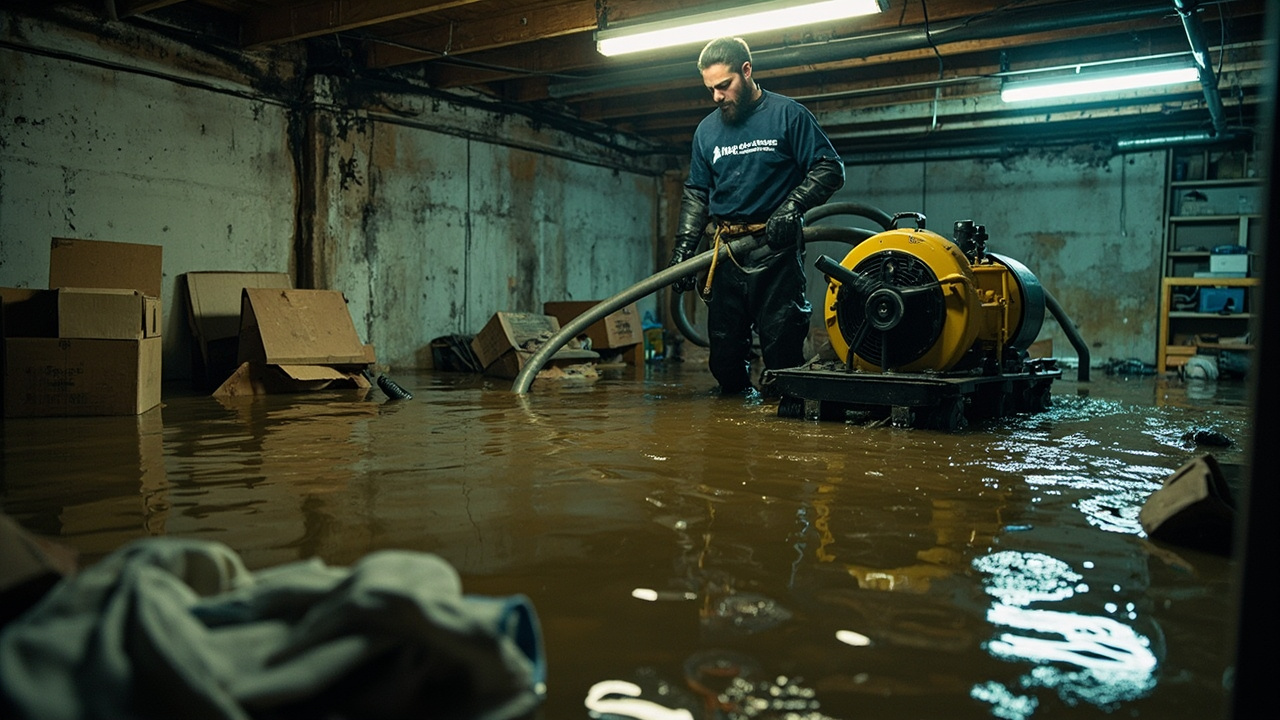
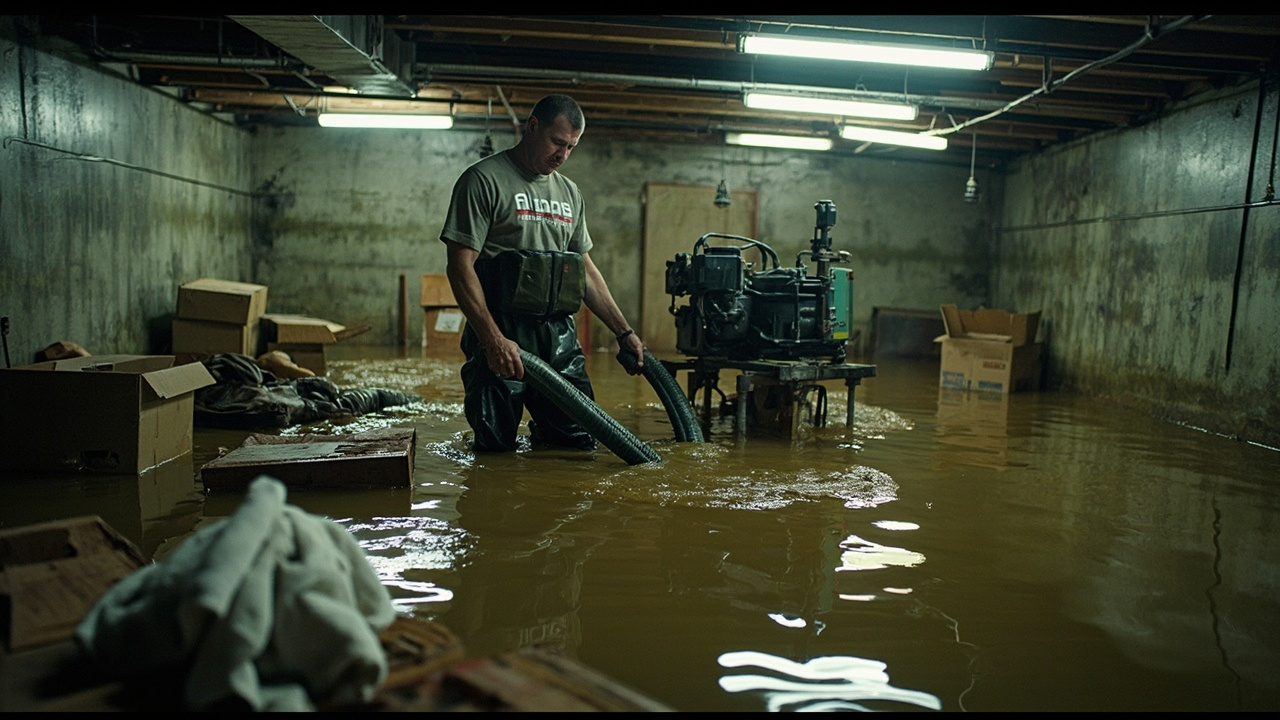
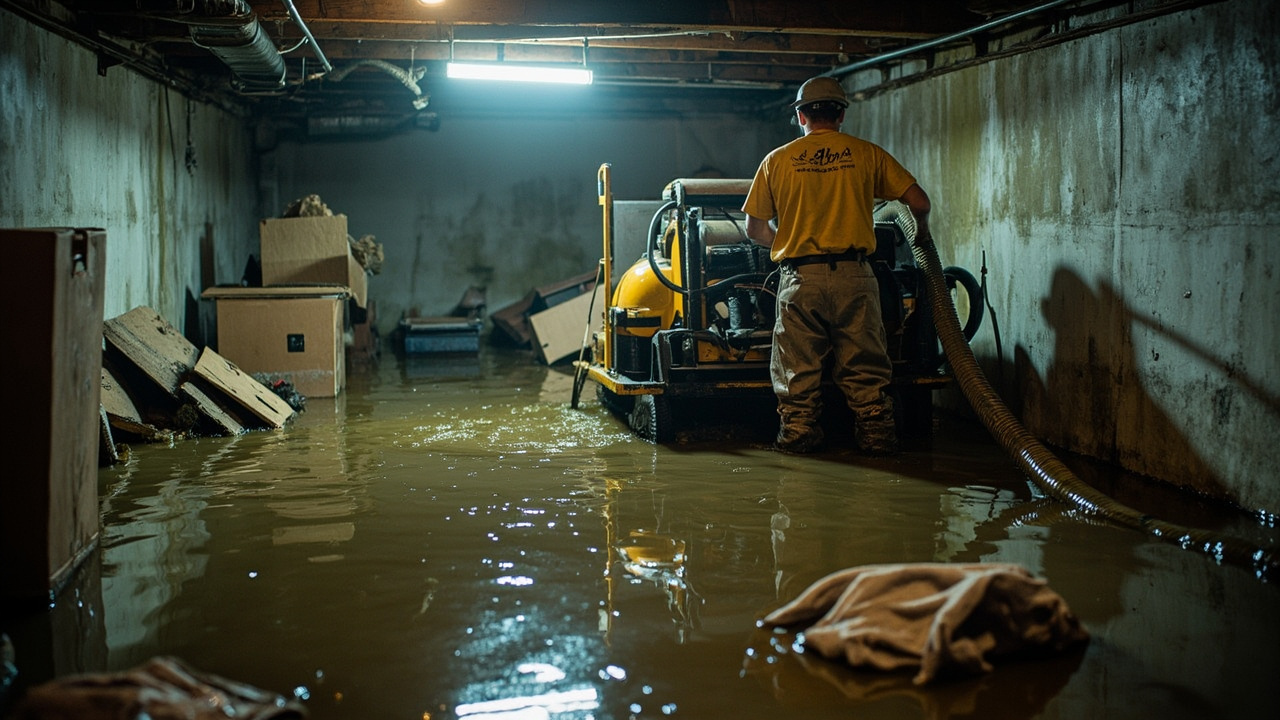
Most homeowners think flooded basement pumping means grabbing a shop vac and sucking up water. That approach leaves you with wet subflooring, trapped moisture in wall cavities, and mold growth within 48 hours. We use truck-mounted extractors that pull water from carpet padding, concrete pores, and subflooring in one pass. Our extraction units generate enough vacuum force to remove water faster than portable units, which reduces drying time and limits secondary damage.

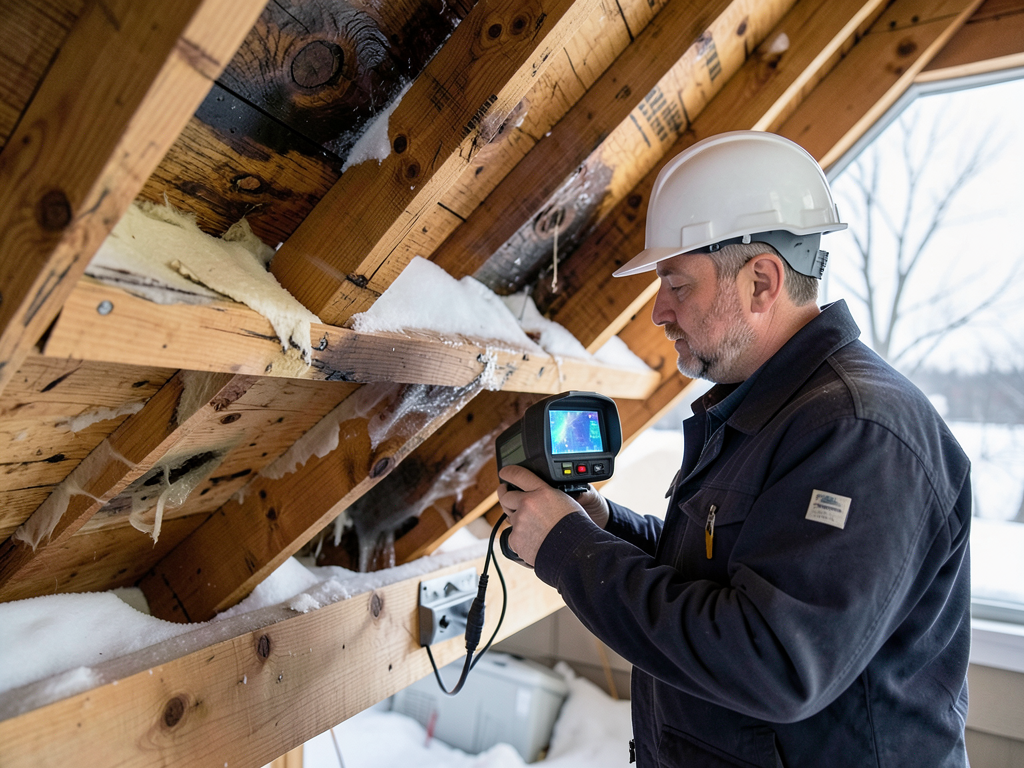
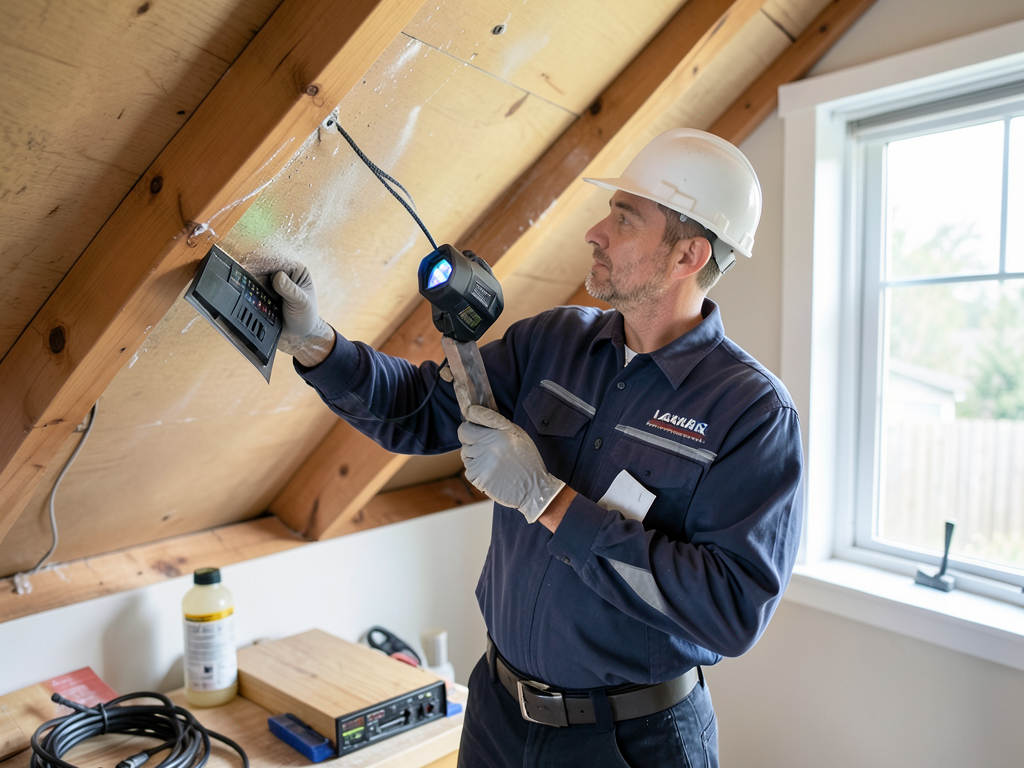
After extraction, we deploy commercial-grade air movers and dehumidifiers calibrated to your basement's cubic footage. Air movers create airflow across wet surfaces, accelerating evaporation. Dehumidifiers pull moisture from the air and discharge it outside, preventing that moisture from redepositing on walls or contents. We do not guess at drying progress. We use thermal imaging cameras to scan walls and floors for hidden moisture. Moisture meters give us exact readings so we know when materials reach safe moisture levels.

Basement water extraction also requires antimicrobial treatment. Even clean water from a broken pipe picks up bacteria and organic material once it contacts your basement floor. We apply EPA-registered antimicrobials to all affected surfaces after extraction. This step prevents microbial growth during the drying process. If your basement flooded with category 2 or category 3 water from a sewer backup or storm surge, we remove contaminated materials like drywall and insulation that cannot be safely restored. Our flooded basement remediation process follows IICRC S500 standards, which insurance adjusters recognize and trust. We document every step with photos and moisture logs so your claim moves forward without delays.

What Happens During Your Basement Flood Cleanup

Basement Flood Cleanup in Buffalo – Fast Water Extraction, Mold Prevention, and Full Restoration
01

Emergency Water Extraction

We arrive with truck-mounted extractors and submersible pumps to remove standing water from your basement. Our equipment removes thousands of gallons per hour, pulling water from carpet, padding, and concrete. We extract water in a controlled sequence to prevent foundation stress and stop water from migrating into wall cavities. Speed here prevents most secondary damage.
02

Moisture Detection and Drying

After extraction, we map moisture levels using thermal imaging and moisture meters. We place air movers and dehumidifiers in precise configurations to create optimal drying conditions. We monitor drying progress daily, adjusting equipment placement as materials dry. This phase continues until all materials reach safe moisture content levels, which prevents mold growth and structural damage.
03

Sanitization and Restoration

Once drying is complete, we apply antimicrobial treatments to all affected surfaces. We remove and dispose of materials that cannot be restored, like contaminated insulation or warped drywall. We clean and deodorize salvageable contents. If your basement requires reconstruction, we coordinate that work to return your space to pre-loss condition. You get a clean, dry, safe basement.

Why Buffalo Homeowners Trust Us for Basement Flood Restoration

Buffalo basements have unique characteristics that require local knowledge. Many homes in Allentown and the West Side have stone foundations from the early 1900s. These foundations crack differently than poured concrete. They require specific waterproofing approaches after a flood. Homes near the Buffalo River or Cazenovia Creek face recurring groundwater intrusion that demands permanent drainage solutions, not just water removal.

We understand Buffalo's building codes and insurance claim processes. We know which local adjusters require psychrometric charts and which accept photo documentation alone. We work directly with your insurance company to document losses, provide accurate estimates, and answer technical questions adjusters ask. This removes the burden from you during an already stressful situation.

Our equipment stays in Buffalo, not hours away in another city. When you call for emergency flooded basement water removal, we dispatch from our local facility. We arrive faster, start extraction sooner, and prevent more damage than companies that travel from Rochester or Erie. We also know which Buffalo neighborhoods flood repeatedly. If your basement floods more than once, we provide honest assessments about whether water extraction alone will solve the problem or whether you need foundation waterproofing, sump pump upgrades, or exterior drainage corrections.

Alpha Water Damage Restoration Buffalo has cleaned up basements in every Buffalo neighborhood. We know the difference between a one-time sump pump failure and chronic groundwater seepage. We give you straight answers about what caused your flood and what will prevent the next one. You get experienced technicians who have seen Buffalo's worst basement floods and know how to restore them correctly.

What You Can Expect During Basement Flood Cleanup

Emergency Response Time

We answer emergency calls 24 hours a day, including weekends and holidays. When your basement floods, you need help immediately, not tomorrow morning. We dispatch technicians to your Buffalo property within 60 to 90 minutes of your call. Our trucks carry extraction equipment, air movers, dehumidifiers, and moisture detection tools, so we start work the moment we arrive. Faster response means less water damage, lower restoration costs, and better outcomes for your property. We do not make you wait until business hours or until a crew becomes available. Your basement flood is our priority the moment you call.

Detailed Damage Assessment

Before we start water extraction, we assess the full scope of damage. We identify the water source, measure moisture levels in floors and walls, and classify the water category. Category 1 water from a supply line requires different handling than category 3 water from a sewer backup. We use thermal imaging to find hidden moisture behind walls and under flooring. We photograph all damage for your insurance claim. You receive a written scope of work that explains what we will do, why we will do it, and how long it will take. This assessment ensures we address all damage, not just visible water.

Complete Drying and Restoration

We do not leave until your basement is dry, clean, and safe. Our drying equipment runs continuously, monitored by technicians who check moisture levels daily. We document drying progress with moisture readings and photos. Once materials reach safe moisture content, we remove equipment and perform final cleaning. If your basement requires reconstruction, we handle that work or coordinate with trusted contractors. You get a fully restored basement that meets pre-loss condition standards. We do not cut corners or leave hidden moisture that will cause problems later.

Insurance Claim Support

We work directly with your insurance company to streamline your claim. We provide detailed documentation, including photos, moisture logs, equipment logs, and itemized estimates. We answer adjuster questions and explain technical aspects of the restoration process. Many insurance companies prefer working with IICRC-certified restorers because they know we follow industry standards. We do not guarantee coverage, but we make the claim process as smooth as possible. You get expert support navigating insurance paperwork during a stressful situation. We bill your insurance company directly in most cases, which reduces your out-of-pocket expenses.

Frequently Asked Questions

You Have Questions,
We Have Answers

How to clean up after a flooded basement? +

Stop the water source first, then shut off power to the basement. Remove standing water with a pump or wet vacuum. Pull out damaged items and document everything with photos for insurance. Remove wet carpet, drywall, and insulation within 24 hours to prevent mold. Disinfect all surfaces with antimicrobial cleaner. Buffalo's high humidity makes fast action critical. Use industrial fans and dehumidifiers to dry the space completely. Never attempt cleanup if water is contaminated by sewage or if structural damage is present. Professional water extraction equipment removes moisture regular shop vacs miss.

How much does it cost to clean up a flooded basement? +

Basement flood cleanup costs vary based on water category, square footage, and damage severity. Minor cleanups with clean water start around a few hundred dollars. Category 2 (gray water) or Category 3 (black water) incidents cost significantly more due to contamination protocols. Extensive structural damage, mold remediation, or content restoration increases costs. Buffalo's older housing stock often requires additional plaster and foundation work. Most restoration companies provide free inspections and detailed estimates before starting work. Insurance typically covers sudden and accidental flooding, which reduces your out-of-pocket expense considerably.

How much does Servpro cost to clean a basement? +

Servpro pricing varies by location and damage scope. They typically charge based on water category, square footage, and required services. Buffalo franchises may have different rates. Most restoration companies, including national chains, provide free inspections and written estimates before starting work. They bill insurance directly in many cases. Compare multiple local estimates to understand fair market rates for your specific situation. Ask about equipment costs, labor rates, and antimicrobial treatments separately. Local restoration companies often provide comparable service at competitive rates with faster response times for Buffalo neighborhoods.

Will insurance pay for a flooded basement? +

Standard homeowners insurance covers sudden and accidental water damage, like burst pipes or appliance failures. It does not cover gradual seepage, groundwater intrusion, or surface water flooding. Sewer backup coverage requires a separate endorsement. Flood insurance through FEMA covers rising water from storms, snowmelt, or Lake Erie overflow. Buffalo's proximity to the lake and frequent freeze-thaw cycles makes understanding your policy critical. Review your declarations page and contact your agent immediately after damage occurs. Document everything with photos and keep all receipts. Most restoration companies work directly with insurance adjusters.

What kills mold after a flood? +

EPA-registered antimicrobial solutions kill mold spores after flooding. Professionals use hospital-grade disinfectants that penetrate porous materials. Bleach works on non-porous surfaces but does not kill mold in drywall or wood. HEPA air scrubbers capture airborne spores during cleanup. The key is removing moisture quickly. Mold needs water to grow, so thorough drying prevents regrowth better than any cleaner. Buffalo basements with poor ventilation require aggressive dehumidification. Porous materials like drywall, insulation, and carpet often need complete removal if contaminated. Surface cleaning alone leaves hidden mold colonies that return.

How long does it take for mold to grow after flooding? +

Mold starts growing within 24 to 48 hours after flooding. Buffalo's humid summers accelerate growth even faster. Spores are always present in the air but need moisture and organic material to colonize. Drywall, wood framing, carpet, and insulation provide perfect food sources. Temperature between 60 and 80 degrees creates ideal conditions. You might not see visible growth for several days, but microscopic colonies establish quickly. This tight timeline makes immediate water extraction critical. Delayed cleanup guarantees mold contamination. Professional drying equipment removes moisture faster than box fans, stopping mold before it starts.

How long does it take to dry out a basement after a flood? +

Complete basement drying takes three to seven days with professional equipment. Buffalo's high humidity extends drying times compared to drier climates. Concrete absorbs water slowly and releases it even slower. Professionals use moisture meters to measure drywall, framing, and concrete at multiple depths. Surface dryness does not mean structural dryness. Industrial dehumidifiers and air movers run continuously, monitored daily. Severely saturated concrete may take two weeks. Opening windows during humid Buffalo summers slows the process. Temperature control and controlled ventilation speed drying. Rushed drying leaves trapped moisture that causes mold and rot months later.

What is the most expensive part of finishing a basement? +

This question addresses basement finishing, not flood cleanup. After water damage, the most expensive repair is usually foundation waterproofing and structural drying. Replacing damaged concrete, installing sump pumps, and exterior drainage systems prevent future flooding. Buffalo's clay soil and high water table require robust waterproofing solutions. Mold remediation with full drywall and insulation replacement adds significant cost. HVAC ductwork replacement if contaminated by sewage also runs high. Content restoration for valuable items requires specialized techniques. Focus on proper water extraction and drying first to minimize total restoration costs and prevent recurring problems.

Does flood insurance pay for clean up? +

Flood insurance through the National Flood Inventory Program covers cleanup costs related to rising water events. This includes water extraction, debris removal, and structural drying. It does not cover cosmetic upgrades or pre-existing damage. Buffalo homeowners near Lake Erie or Scajaquada Creek should verify their flood policy details. FEMA policies have specific limits on basement coverage, often covering only structural elements and essential equipment like furnaces. Contents coverage for basement items is limited. File claims immediately and document everything with photos. Restoration companies familiar with FEMA claims help maximize your coverage and speed up reimbursement.

How much does it cost to finish a 2000 sq ft basement? +

This question addresses new basement finishing, not flood restoration. After water damage to a 2000 square foot basement, restoration costs depend entirely on damage severity and water category. Clean water extraction and drying cost less than sewage contamination requiring full gut and rebuild. Buffalo's older homes often have plaster, horsehair insulation, and knob-and-tube wiring that complicate restoration. Mold remediation, structural repairs, and content restoration add to base cleanup costs. Focus on thorough documentation for insurance and get multiple estimates. Proper restoration now prevents expensive recurring problems from incomplete drying or hidden moisture.

How Buffalo's Spring Snowmelt Creates Basement Flooding Every Year

Buffalo receives more than 90 inches of snow annually, and that snow has to go somewhere when it melts. When temperatures spike in March and April, snow melts faster than the ground can absorb it. Frozen soil beneath the surface acts like concrete, forcing meltwater to run horizontally toward foundations. Homes in low-lying areas near Ellicott Creek and the Scajaquada Creek corridor flood repeatedly during spring thaw. Older neighborhoods with combined sewer systems experience backflow when storm drains cannot handle the volume. Basement flood cleanup becomes a seasonal necessity for many Buffalo homeowners who deal with chronic water intrusion every spring.

Choosing a local restoration company for basement water extraction matters because response time directly impacts damage severity. Companies based outside Buffalo cannot respond quickly during widespread flooding events when dozens of basements flood simultaneously. We maintain equipment inventory in Buffalo, so we scale up during spring flooding season. We understand local construction methods, know which neighborhoods flood predictably, and work with local insurance adjusters who handle Buffalo claims daily. Our technicians live in Buffalo and have restored basements in your neighborhood. You get faster response, better communication, and expertise specific to Buffalo's unique flooding challenges.

Water Damage Restoration Services in The Buffalo Area

Although we offer rapid mobile service across the entire Buffalo area and surrounding regions, we invite you to view our service area map to confirm our commitment to your community. We are always ready to deploy our expert teams directly to your residential or commercial property, ensuring the fastest possible response time when you need water damage restoration most, right where you are.

Address:
Alpha Water Damage Restoration Buffalo, 369 Washington St, Buffalo, NY, 14203

Additional Services We Offer

Our news updates

Latest Articles & News from The Blogs

The importance of microbial swabbing after a sewer backup in your Lackawanna basement When sewage backs up into your Lackawanna…

The importance of microbial swabbing after a sewer backup in your Lackawanna basement

The importance of microbial swabbing after a sewer backup in your Lackawanna basement When sewage backs up into your Lackawanna…

Simple ways to prevent your pipes from freezing in an unheated North Buffalo crawlspace

Simple ways to prevent your pipes from freezing in an unheated North Buffalo crawlspace Buffalo’s brutal winters and lake-effect snow…

Keeping your kids and pets safe during a home restoration project in Kenmore

Keeping your kids and pets safe during a home restoration project in Kenmore\n\nHome restoration after water damage creates unique safety…

Contact Us

Do not let water sit in your basement. Call Alpha Water Damage Restoration Buffalo at (716) 317-7717 for immediate basement water extraction. We respond 24/7 to stop damage, remove water, and restore your property. Every minute counts when your basement floods.