menu

Carpet Water Extraction in Buffalo – Fast Response Before Mold Takes Hold

When water soaks your carpets, every hour counts before mold spores colonize the padding and subfloor. Our truck-mounted extraction systems remove standing water and trapped moisture from carpets across Buffalo's Elmwood Village, North Buffalo, and Allentown neighborhoods within hours of your call.

Slider Image 1
Slider Image 2
Slider Image 3
Slider Image 4
Slider Image 5
Slider Image 7
Slider Image 8
Slider Image 9
Slider Image 10
Slider Image 11

Why Buffalo Carpets Face Constant Water Threats

Buffalo's location between Lake Erie and the Niagara River creates a perfect storm for carpet flooding. Winter freeze-thaw cycles crack foundation walls. Spring snowmelt overwhelms aging sump pumps in homes built before 1950. Summer thunderstorms dump two inches of rain in an hour, backing up combined sewers in lower West Side basements.

Your carpet acts like a sponge. It holds 10 to 15 times its weight in water. The jute backing stays wet for days. The pad underneath turns into a bacterial breeding ground within 24 hours. By hour 48, mold colonies establish themselves in the subfloor.

Most homeowners try wet-dry shop vacuums first. You remove surface water, but 80% of the moisture stays trapped in the padding and tack strips. The carpet feels damp for weeks. That musty smell never leaves. Black spots appear along the baseboards.

Emergency carpet water removal requires industrial extraction equipment that pulls water from deep in the pad. Flooded carpet extraction is not the same as surface cleaning. Water damage carpet extraction targets the hidden moisture that causes long-term problems. You need truck-mounted vacuums generating 500+ inches of water lift and portable air movers creating laminar airflow across the carpet surface.

Buffalo's high humidity makes wet carpet extraction even more critical. Ambient moisture slows natural evaporation. Your carpet stays damp longer. Mold spores thrive in humidity above 60%. Summer months in Buffalo average 70% relative humidity. You are fighting the climate and the water damage.

Why Buffalo Carpets Face Constant Water Threats
How Professional Extraction Removes Water Other Methods Miss

How Professional Extraction Removes Water Other Methods Miss

Carpet water removal starts with identifying the water source. Clean water from supply lines requires different treatment than gray water from washing machines or black water from sewer backups. We classify the contamination level before choosing extraction methods.

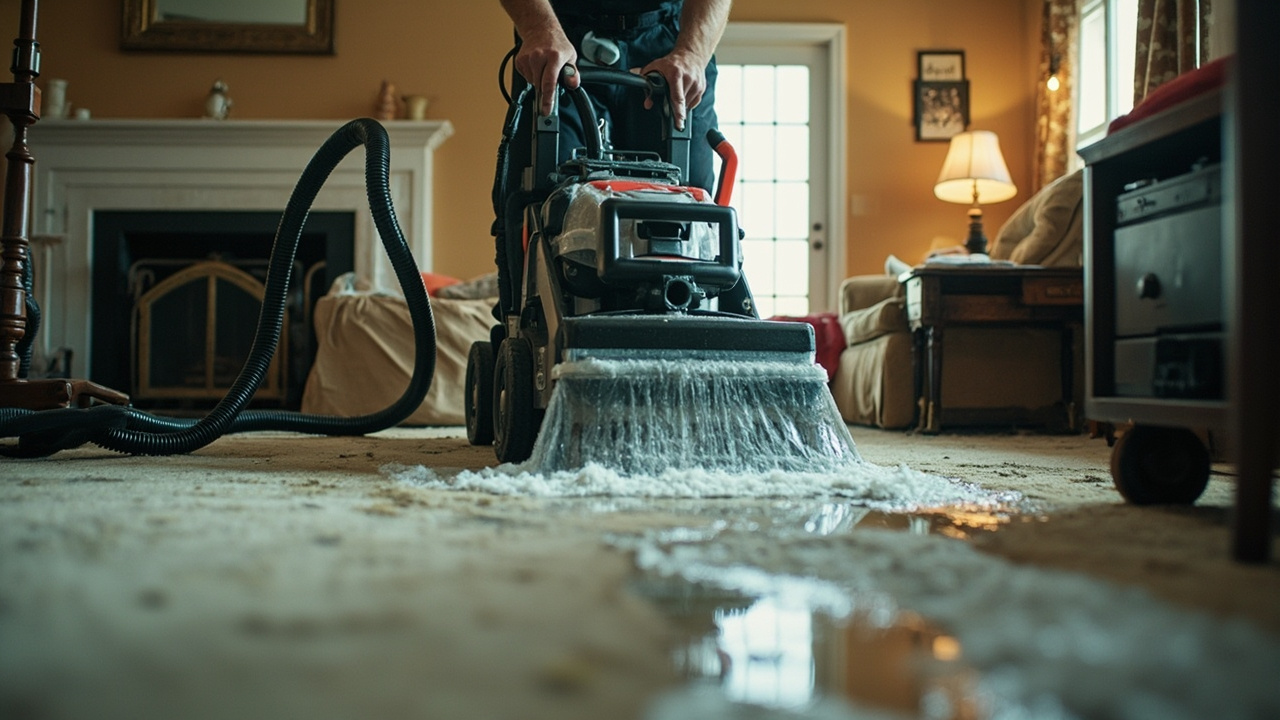
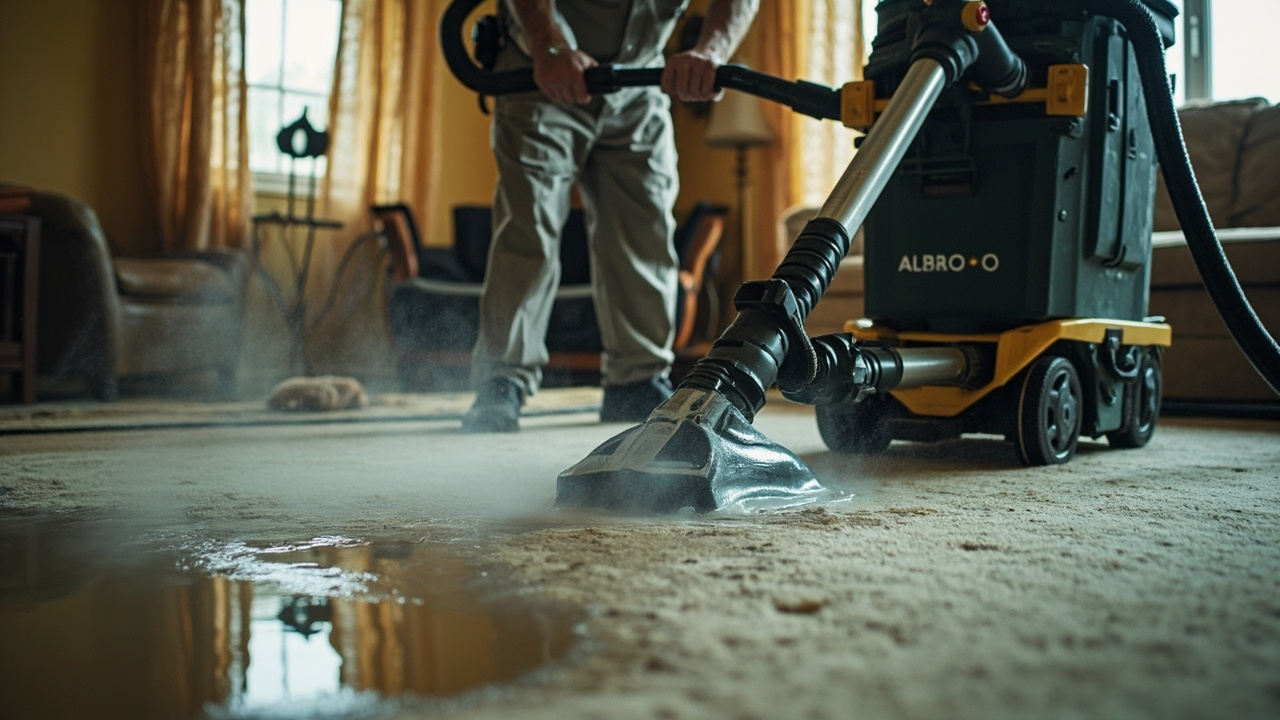
Our truck-mounted extractors connect to your carpet through a wand head with dual jets. Hot water injection loosens embedded water. Simultaneous vacuum suction pulls moisture from the backing and pad. We make 8 to 12 overlapping passes across each section. This technique removes 95% of extractable water.

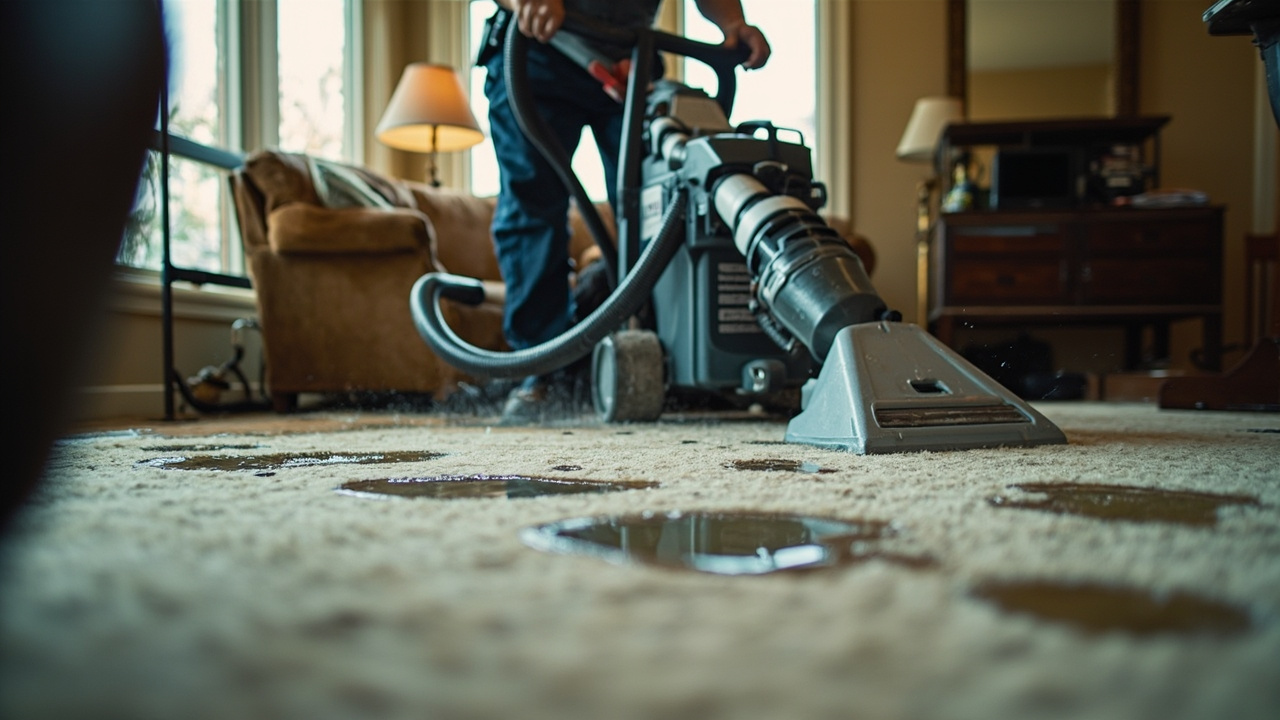
Portable extractors handle stairs and upper floors where truck units cannot reach. These units generate 100+ inches of lift. We extract in multiple directions to address water that migrates horizontally through pad seams.

After initial wet carpet extraction, we measure moisture content using pin-type and pinless meters. Carpet should read below 15% moisture content. Pad should measure under 20%. Subfloor readings above 17% require pad removal.

We position air movers to create diagonal airflow patterns across the carpet. High-velocity fans drive evaporation by constantly replacing saturated air with dry air. We place one air mover per 200 square feet of carpet. Commercial dehumidifiers extract airborne moisture and prevent it from redepositing into the carpet.

Temperature control accelerates drying. We maintain indoor temperatures between 70 and 80 degrees. Warm air holds more moisture. Every 10-degree increase cuts drying time by 30%.

Alpha Water Damage Restoration Buffalo monitors moisture levels every 12 hours. We document readings with photos and moisture maps. This data proves complete drying to insurance adjusters and prevents mold claims later.

What Happens During Emergency Carpet Extraction

Carpet Water Extraction in Buffalo – Fast Response Before Mold Takes Hold
01

Water Source Containment

We stop active water intrusion first. This means shutting off supply valves, plugging drain backflows, or placing tarps over roof leaks. Extraction cannot begin while water continues entering the space. We document the source with photos for insurance claims. If the water contains sewage or chemical contamination, we identify affected zones and establish containment barriers before extraction. This prevents cross-contamination to dry carpet areas and protects your family from exposure to category 2 or 3 water.
02

Deep Moisture Extraction

Truck-mounted extractors connect through exterior access points. We position wand heads directly on saturated carpet and make slow, overlapping passes. The system injects controlled hot water while simultaneously vacuuming. This hydraulic action breaks the water's surface tension in carpet fibers and pad. We extract until water recovery drops below one gallon per 100 square feet. Furniture gets lifted onto foam blocks. We extract underneath and around every obstacle. Edges along baseboards receive focused attention because water concentrates in perimeter zones.
03

Controlled Environment Drying

Air movers and dehumidifiers run continuously for 48 to 72 hours. We adjust equipment placement based on moisture meter readings. If readings stay elevated in specific areas, we reposition air movers to increase airflow velocity. We check subfloor moisture through the carpet using pinless meters. When all readings stabilize below 15%, we remove equipment and perform a final inspection. You receive documentation showing before and after moisture levels. This paperwork satisfies insurance requirements and proves your home is safe from secondary mold damage.

Why Buffalo Homeowners Choose Local Extraction Experts

National franchise operations send technicians from Rochester or Syracuse. You wait four to six hours for help. By then, water has wicked up drywall and soaked subfloors. Local response matters when you are racing mold growth timelines.

Alpha Water Damage Restoration Buffalo keeps equipment staged in North Buffalo. We reach most service calls in under 90 minutes. Our techs know Buffalo's housing stock. We have extracted water from hundreds of Elmwood Village bungalows, Parkside colonials, and West Side doubles. We understand how water moves through balloon-frame construction and where it hides in enclosed porches common to pre-war Buffalo homes.

Buffalo's building department requires permits for structural drying in some commercial properties. We know which projects need permits and which fall under emergency maintenance exemptions. This knowledge prevents delays and code violations that complicate insurance claims.

We work directly with every major insurance carrier operating in Erie County. Our estimates use Xactimate pricing that adjusters recognize. We photograph damage using insurance industry protocols. You get documentation that speeds claim approval.

Buffalo winters create unique challenges. We extract water from carpets in unheated basements where temperatures drop below 40 degrees. Standard drying timelines do not apply in cold environments. We bring supplemental heating equipment to maintain temperatures needed for proper evaporation rates.

Our water damage library includes moisture profiles for 200+ local properties. When we extract carpet in a Richmond Avenue Tudor, we reference past projects in similar homes. We know expected moisture migration patterns. This experience prevents surprises and reduces drying time.

You need a restoration company that understands Buffalo's water challenges, building types, insurance landscape, and climate realities. You need technicians who have solved these exact problems in your neighborhood hundreds of times before.

What to Expect During Carpet Water Extraction Service

Emergency Response Timeline

We answer emergency calls 24 hours a day, seven days a week. When you call (716) 317-7717, you reach our dispatch center immediately. No answering services or voicemail systems. We collect basic information about water source, affected area size, and contamination type. A two-person crew mobilizes within 20 minutes. We arrive at most Buffalo locations in 60 to 90 minutes. Our trucks carry truck-mounted extractors, portable units, air movers, dehumidifiers, and moisture detection equipment. We begin water removal immediately. You do not wait for equipment delivery or second appointments. Emergency carpet water removal starts the moment we enter your property.

Damage Assessment Process

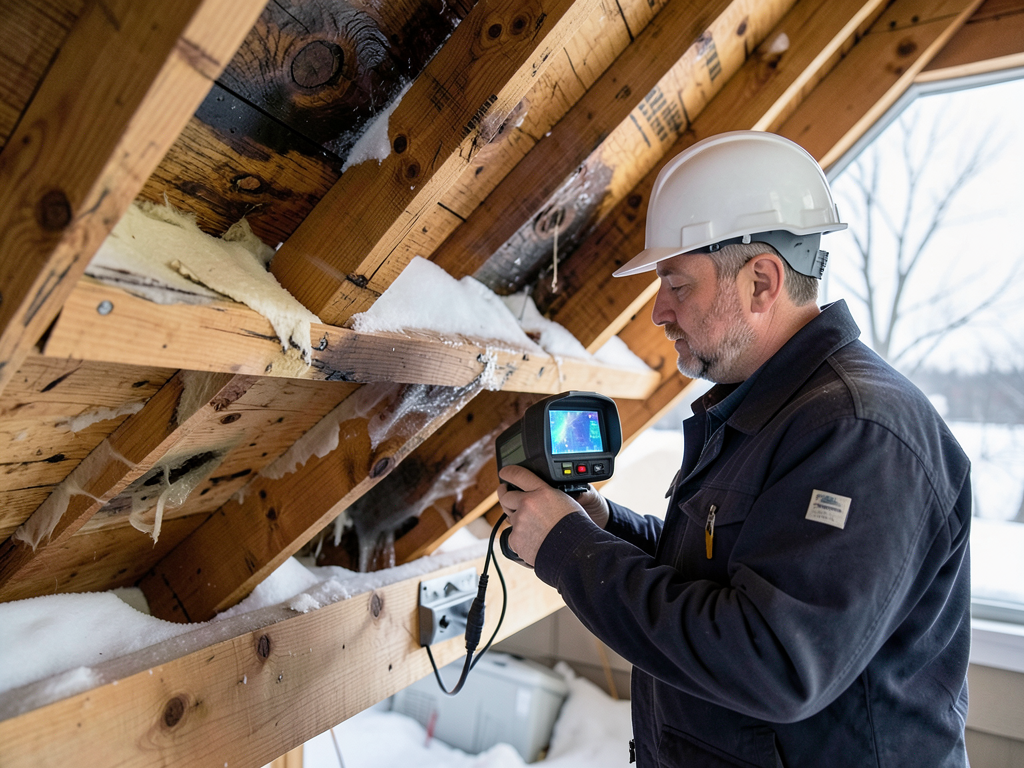
Initial assessment takes 15 to 20 minutes. We identify water category, measure affected square footage, check subfloor moisture, and inspect pad condition. Infrared cameras reveal hidden moisture in walls and under vinyl transition strips. We test carpet pH to detect sewage contamination. You receive a verbal summary of findings. We explain which materials can be saved and which require removal. Our written estimate itemizes extraction, drying equipment rental, antimicrobial treatment, and pad replacement if needed. The estimate breaks down insurance-covered items separately from non-covered services. You approve the scope before we begin. No surprise charges appear later.

Restoration Results

Successful flooded carpet extraction returns moisture levels to pre-loss conditions. Your carpet feels dry to the touch. No musty odors remain. Baseboards show no water staining. Subfloors register moisture content between 10% and 14%. We provide a certificate of completion showing final moisture readings. This document confirms your home meets industry drying standards. Insurance companies accept these certificates as proof of proper mitigation. Your carpet looks and functions like it did before water damage. If we detect permanent staining or texture damage during extraction, we document it and recommend professional carpet cleaning or replacement. You make informed decisions based on accurate condition reports, not sales pressure.

Post-Extraction Monitoring

We return 48 hours after equipment removal for a final moisture check. This follow-up visit confirms that moisture levels remain stable and no hidden water reservoirs are rehydrating the carpet. If readings have increased, we investigate the source and provide additional drying at no extra charge. You receive a maintenance guide explaining how to prevent future carpet water damage. This includes sump pump testing procedures, common supply line failure points in Buffalo homes, and early warning signs of foundation seepage. We offer annual dehumidifier inspections and emergency contact information for future water events. Our service files remain active indefinitely. If you experience another water loss five years later, we have your property history on record and can respond faster.

Frequently Asked Questions

You Have Questions,
We Have Answers

How to extract water from carpet? +

Start by removing standing water with a wet vacuum or extractor tool. Work in overlapping passes, moving slowly to pull moisture from carpet fibers and padding. Lift furniture and extract under each piece. After initial extraction, place commercial air movers to push air across the carpet surface. Add dehumidifiers to pull moisture from the air. In Buffalo's humid climate, this step prevents secondary moisture buildup. Check the padding beneath the carpet. If soaked, padding often requires removal because it holds water and breeds mold. Professional extraction equipment pulls significantly more water than household vacuums.

How much does it cost to extract water from carpet? +

Carpet water extraction in Buffalo typically costs between the base service call and several hundred dollars, depending on the affected square footage and contamination level. Clean water from a broken pipe costs less than sewage backup, which requires sanitization. Padding replacement adds cost. Insurance often covers water damage extraction if the cause is sudden and accidental, like a burst pipe. You pay your deductible, and the insurer handles the rest. DIY rental extractors cost less upfront but remove far less moisture, risking mold growth within 24 to 48 hours, which leads to bigger repair bills.

What draws urine out of carpet? +

Enzymatic cleaners break down uric acid crystals in urine, eliminating odor at the molecular level. Look for products labeled for pet urine with live bacteria cultures. Avoid ammonia-based cleaners, which smell like urine to pets and encourage repeat marking. For serious contamination, professionals use truck-mounted extraction systems that inject cleaning solution deep into carpet fibers and padding, then extract it under high suction. If urine has soaked into the subfloor, surface cleaning will not work. Buffalo homeowners with pets often need pad replacement and subfloor sealing to fully eliminate odor and staining.

How long can carpet be wet before mold? +

Mold spores begin colonizing wet carpet within 24 to 48 hours under the right conditions. Buffalo's high humidity, especially in basements, accelerates this timeline. Warm indoor temperatures during winter heating season create ideal mold growth environments. Padding absorbs water and stays wet longer than carpet surface fibers, becoming a hidden mold farm. If you cannot dry carpet completely within 24 hours using professional-grade air movers and dehumidifiers, replacement is safer. Visible mold means the problem has spread deep into fibers and padding. You cannot salvage moldy carpet without health risks.

What tool is used to get water out of carpet? +

Professionals use truck-mounted hot water extractors, which generate far more suction than portable units. These systems heat water to high temperatures, inject it into carpet fibers under pressure, then extract it along with dirt and moisture. Portable extractors work for smaller areas but lack the power for serious flooding. Air movers, also called carpet dryers, push thousands of cubic feet of air per minute across wet surfaces to speed evaporation. Dehumidifiers remove airborne moisture. In Buffalo's older homes with poor ventilation, dehumidifiers prevent moisture from migrating to walls and creating secondary damage.

Does Stanley Steemer do water extraction? +

Stanley Steemer primarily handles carpet cleaning, not emergency water extraction or restoration. They may offer limited water removal services in some locations, but water damage requires specialized equipment, rapid response, and structural drying knowledge beyond routine cleaning. Water extraction companies deploy within hours, not days. They assess padding, subfloors, and wall cavities for hidden moisture. Buffalo's freeze-thaw cycles and aging housing stock often mean water damage involves more than just surface carpet. You need a restoration company with moisture meters, thermal imaging, and insurance documentation experience, not a cleaning franchise.

Does insurance cover water remediation? +

Homeowners insurance typically covers water remediation if damage results from sudden and accidental events like burst pipes, appliance failures, or roof leaks during storms. Policies exclude gradual damage from neglect, like slow leaks ignored for months. Flood damage requires separate flood insurance. In Buffalo, ice dam damage is often covered because it happens suddenly during winter. Sewage backups may need a rider. Review your policy declarations page. Document everything with photos before starting extraction. Restoration companies in the Buffalo metro area work directly with insurers, handling claims paperwork and direct billing after you pay the deductible.

How much does it cost to remove 1000 square feet of carpet? +

Removing 1,000 square feet of carpet involves labor, disposal, and subfloor prep. Costs vary based on carpet type, furniture moving, and disposal fees. This question conflates removal with water damage restoration. After water damage, you may need carpet removal, padding replacement, subfloor drying, and reinstallation. That total exceeds simple removal. Buffalo disposal fees and labor rates affect pricing. If insurance covers the damage, they pay replacement cost minus depreciation and your deductible. Always get a detailed estimate that separates demo, drying, and reinstallation. Cheap removal without proper drying leads to mold and structural rot.

Should you replace carpet after water damage? +

Replace carpet after water damage if it stayed wet beyond 48 hours, if contamination involves sewage or chemicals, or if mold is visible. Clean water damage caught within 24 hours may allow salvage if you dry the carpet and padding completely. Buffalo's cold winters mean basement flooding often goes unnoticed until mold appears. Padding almost always requires replacement after flooding because it wicks moisture and stays wet. Weigh replacement cost against your deductible. Older carpet with existing wear is not worth saving. New carpet with prompt professional extraction may survive if subfloors and padding dry completely.

What do professional carpet cleaners use for urine? +

Professionals use enzymatic cleaners containing live bacteria that digest organic compounds in urine, breaking down uric acid crystals permanently. They also inject oxidizing agents or encapsulation chemicals deep into carpet fibers using truck-mounted extraction systems. For severe contamination, technicians apply antimicrobial treatments to prevent bacterial growth. Buffalo restoration companies often remove padding and treat subfloors with sealers when urine has soaked through. Blacklight inspection identifies hidden contamination. Surface scrubbing only masks odor temporarily. Professionals measure moisture levels in padding and subfloor, replacing materials when saturation exceeds safe thresholds. This prevents recurring odors and health hazards.

How Lake Effect Snow Drives Buffalo Carpet Water Damage

Buffalo receives 95 inches of snow annually, concentrated between November and March. When temperatures spike above 40 degrees, rapid snowmelt creates water intrusion nightmares. Snow piled against foundation walls melts and seeps through cracks in poured concrete. Ice dams trap meltwater on low-slope roofs common in Buffalo's older neighborhoods. That water backs up under shingles and drips into attic insulation. By the time you see ceiling stains, water has saturated the carpet below. Emergency carpet water removal services in Buffalo spike during January thaws and March warm-ups. Basement carpets in lower-lying areas near Scajaquada Creek and Cayuga Creek flood repeatedly during heavy melt events.

Alpha Water Damage Restoration Buffalo has operated in Erie County for years. We understand how Buffalo's combination of lake effect precipitation, aging housing stock, and outdated combined sewer systems creates chronic water damage problems. Our technicians have extracted water from carpets in every Buffalo ZIP code. We know which neighborhoods flood during spring melt and which streets experience sewer backflows during summer storms. This local knowledge translates to faster extraction and better drying strategies. When you hire a restoration company based 100 miles away, they learn your home's quirks on your dime. We already know how water behaves in Buffalo buildings.
Water Damage Restoration Services in The Buffalo Area

Although we offer rapid mobile service across the entire Buffalo area and surrounding regions, we invite you to view our service area map to confirm our commitment to your community. We are always ready to deploy our expert teams directly to your residential or commercial property, ensuring the fastest possible response time when you need water damage restoration most, right where you are.

Address:
Alpha Water Damage Restoration Buffalo, 369 Washington St, Buffalo, NY, 14203

Additional Services We Offer

Our news updates

Latest Articles & News from The Blogs

The importance of microbial swabbing after a sewer backup in your Lackawanna basement When sewage backs up into your Lackawanna…

The importance of microbial swabbing after a sewer backup in your Lackawanna basement

The importance of microbial swabbing after a sewer backup in your Lackawanna basement When sewage backs up into your Lackawanna…

Simple ways to prevent your pipes from freezing in an unheated North Buffalo crawlspace

Simple ways to prevent your pipes from freezing in an unheated North Buffalo crawlspace Buffalo’s brutal winters and lake-effect snow…

Keeping your kids and pets safe during a home restoration project in Kenmore

Keeping your kids and pets safe during a home restoration project in Kenmore\n\nHome restoration after water damage creates unique safety…

Contact Us

Water damage gets worse every hour you wait. Call (716) 317-7717 now for immediate carpet water extraction in Buffalo. Our crews are ready 24/7 with truck-mounted equipment and industrial drying systems. Stop mold before it starts.