menu

Office Building Water Restoration in Buffalo – Minimize Downtime and Protect Your Business Operations

Alpha Water Damage Restoration Buffalo delivers commercial water damage restoration with industrial-grade equipment and rapid deployment protocols designed to keep your office building operational and prevent revenue loss.

Slider Image 1
Slider Image 2
Slider Image 3
Slider Image 4
Slider Image 5
Slider Image 7
Slider Image 8
Slider Image 9
Slider Image 10
Slider Image 11

Buffalo Office Buildings Face Unique Water Damage Vulnerabilities

Buffalo's lake-effect weather creates specific risks for commercial properties. Heavy snow accumulation on flat or low-slope office roofs leads to ice dams and meltwater infiltration during freeze-thaw cycles. Aging infrastructure in downtown buildings compounds the problem. Many office structures built in the mid-20th century have outdated plumbing systems prone to sudden failures, and older HVAC condensate lines can rupture during Buffalo's extreme temperature swings.

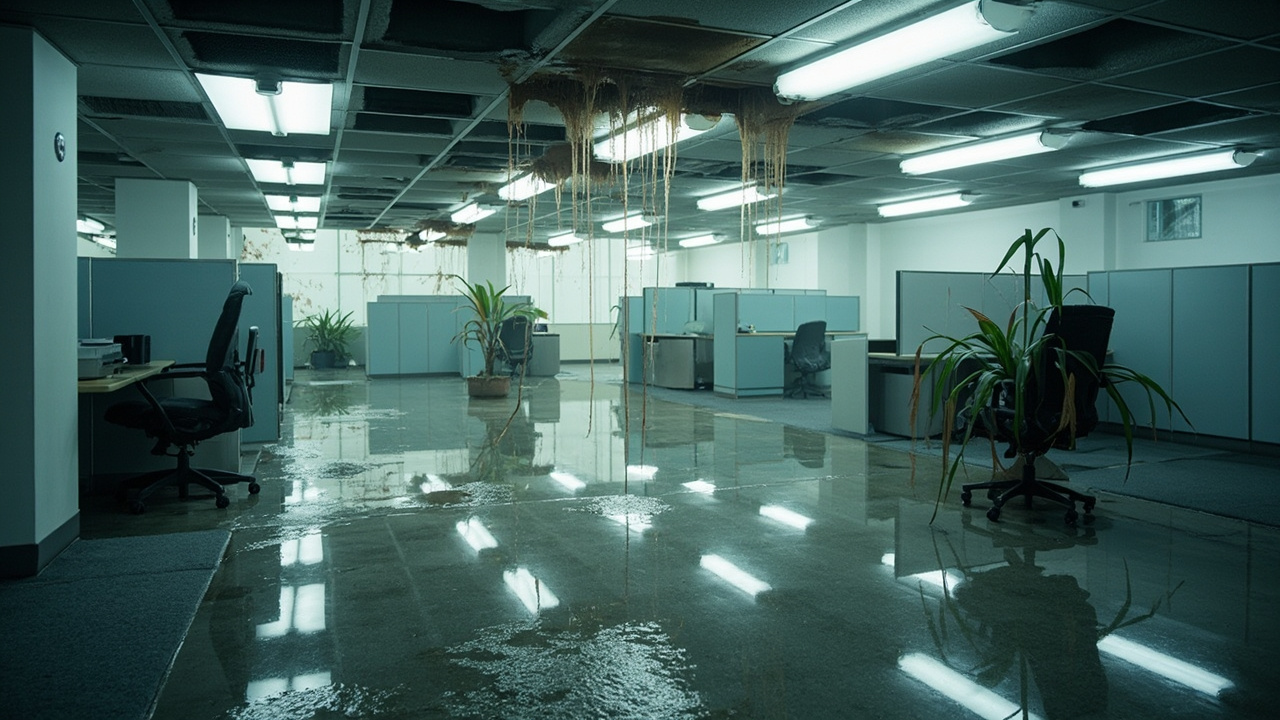
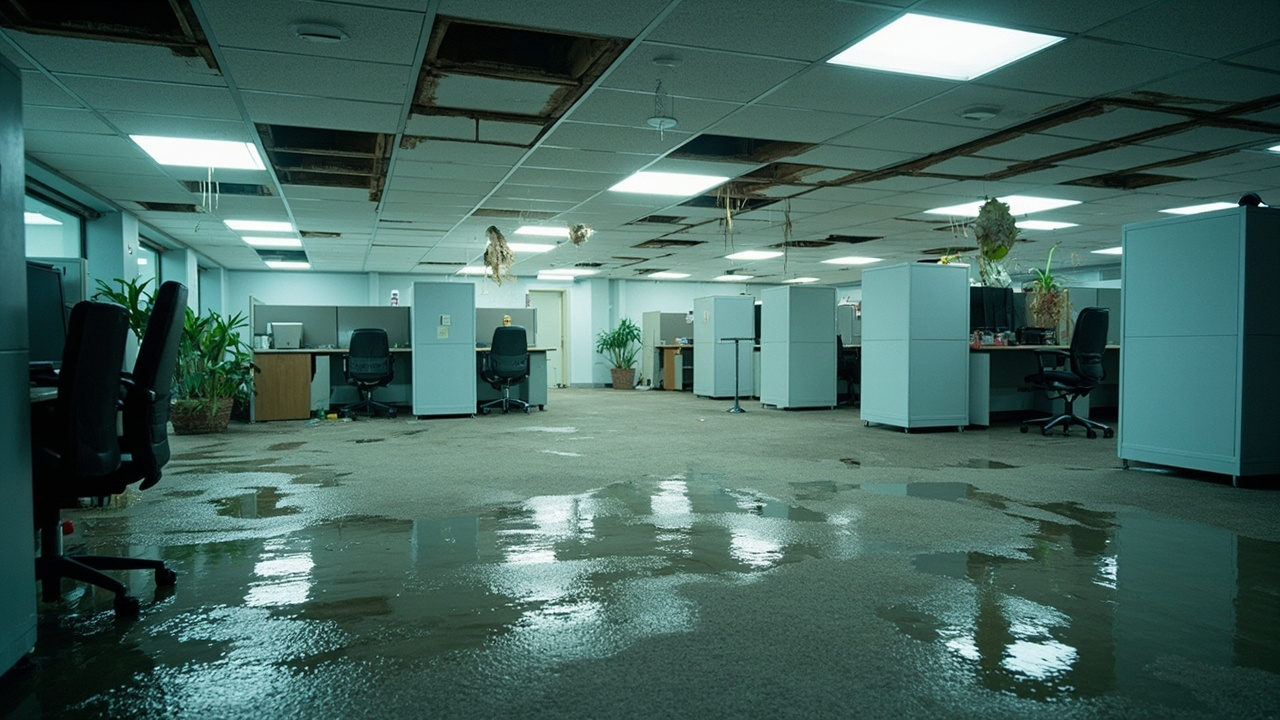
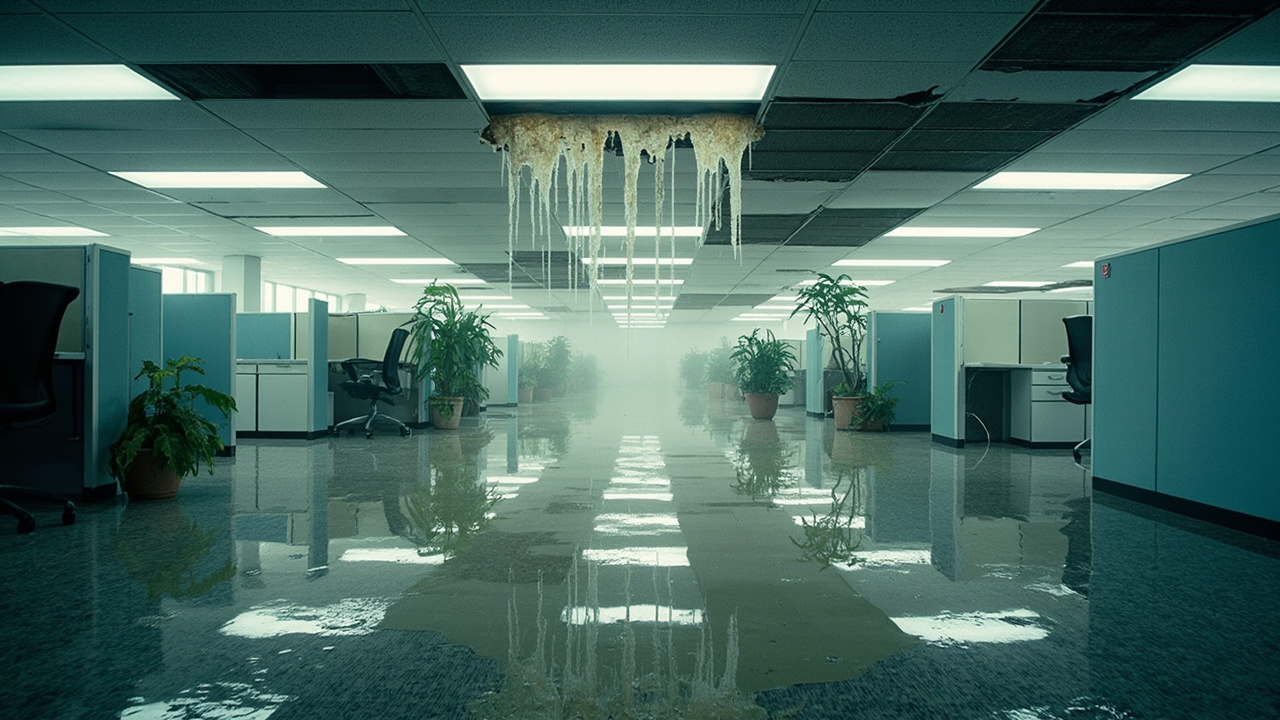
Commercial water damage escalates fast in multi-tenant office environments. A pipe burst on the third floor migrates down through electrical chases and HVAC ductwork, affecting tenants on lower levels within hours. Water travels through drop ceilings, saturates drywall, and infiltrates computer server rooms. The financial impact extends beyond physical damage. Lost productivity, interrupted client services, and potential liability claims multiply hourly.

Business water damage repair in Buffalo requires understanding local building codes and commercial occupancy requirements. The city's commercial building water extraction demands differ from residential work. You need teams capable of coordinating with property managers, insurance adjusters, and tenant businesses simultaneously. Office water damage cleanup cannot wait for normal business hours. Water migrating through suspended ceiling systems or seeping into HVAC plenums creates immediate health hazards and code violations.

Buffalo's commercial property water mitigation specialists must respond regardless of weather conditions or access challenges. Downtown office buildings require coordination with building management for after-hours access and elevator use. Timing matters because every hour of water exposure increases structural damage and business interruption costs.

Buffalo Office Buildings Face Unique Water Damage Vulnerabilities
Industrial-Grade Extraction and Documentation Protocols

Industrial-Grade Extraction and Documentation Protocols

Commercial water damage restoration uses fundamentally different equipment and methods than residential work. Truck-mounted extractors with 100-foot hose capability reach upper floors without dragging portable units through occupied office spaces. We deploy multiple desiccant dehumidifiers that process thousands of cubic feet per minute, not the residential refrigerant units inadequate for large open floor plans.

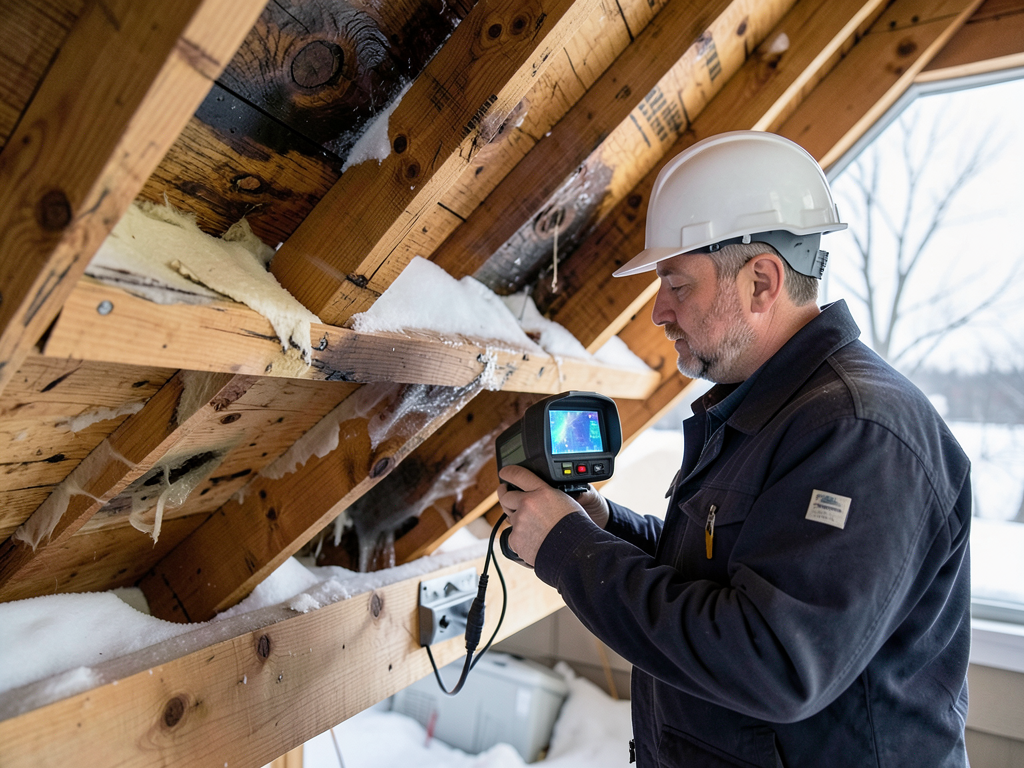
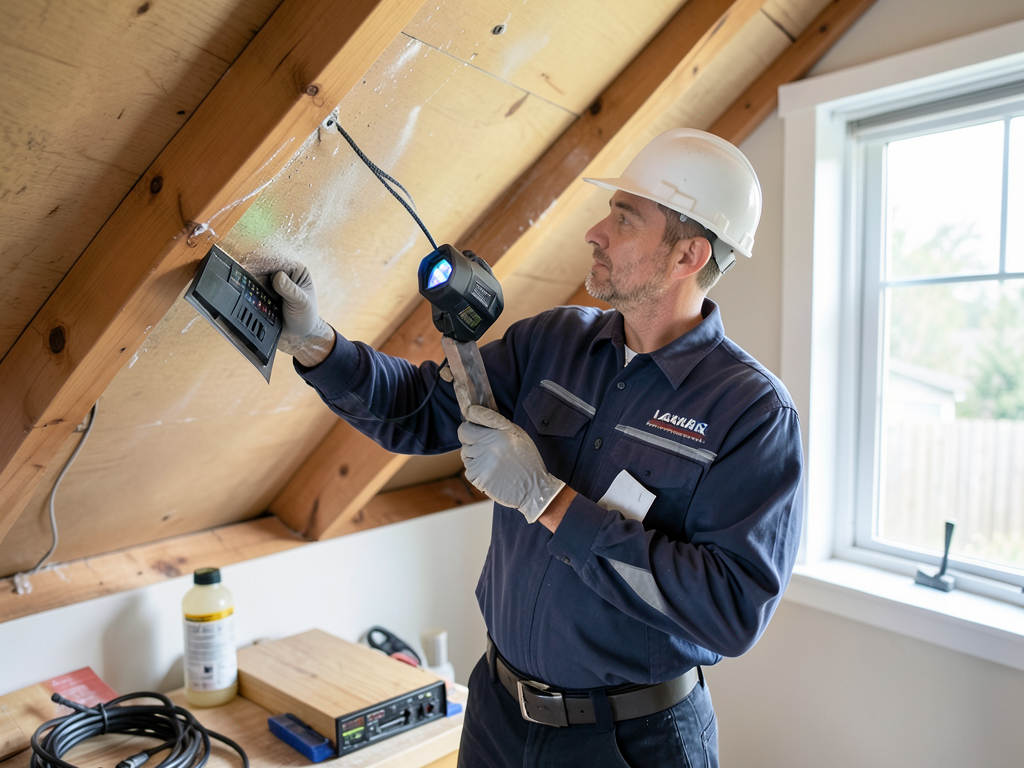
Thermal imaging identifies hidden moisture in concrete slabs and behind finished walls without destructive investigation. Moisture mapping creates documentation your insurance carrier and property manager require. We log relative humidity readings in affected zones every four hours and maintain chain-of-custody records for liability protection.

Office water damage cleanup demands containment strategies that maintain partial building operations. Negative air pressure barriers isolate affected zones from occupied areas. HEPA filtration prevents cross-contamination of mold spores or particulates into clean spaces. We coordinate our work schedule around your peak business hours, deploying crews during evenings and weekends when disruption impacts fewer tenants.

Commercial property water mitigation includes content pack-outs using inventory systems that track every item removed. Your servers, telecommunications equipment, and archived documents receive specialized handling. We work directly with your IT department to protect data infrastructure during building water extraction operations.

Alpha Water Damage Restoration Buffalo maintains the equipment fleet and trained personnel to handle 50,000 square foot office losses. We understand IICRC S500 standards for commercial applications and carry the liability coverage your property insurer requires. Our team coordinates with mechanical contractors to address the source failure while simultaneously mitigating secondary damage. This parallel approach minimizes your total downtime and business interruption exposure.

Your Office Building Restoration Timeline

Office Building Water Restoration in Buffalo – Minimize Downtime and Protect Your Business Operations
01

Emergency Response Deployment

We dispatch teams with commercial extraction equipment within 90 minutes of your call. Our crew coordinator contacts your property manager and obtains building access, floor plans, and utility shutoff locations. We establish incident command protocols with your facilities team and document pre-loss conditions through video and photography. This creates the baseline your insurance adjuster needs to evaluate damages accurately.
02

Water Extraction and Monitoring

Truck-mounted extractors remove standing water from carpeted areas and floor drains. We pull saturated ceiling tiles, document cavity conditions, and install drying equipment in calculated patterns based on psychrometric principles. Continuous monitoring equipment logs temperature and humidity data, creating the documentation your commercial property water mitigation claim requires. We adjust equipment placement daily as drying progresses through different building materials and assemblies.
03

Verification and Clearance

Drying completion requires objective measurement, not visual assessment. We verify moisture content in structural materials matches undamaged reference areas using calibrated meters. Final documentation includes thermal imaging showing uniform temperatures and moisture mapping confirming dry-standard achievement. You receive a complete drying log for your insurance file and certificate of completion clearing the space for reconstruction. This documentation protects you from future liability claims related to hidden moisture.

Buffalo Commercial Restoration Experience That Protects Your Investment

Buffalo office buildings present access and logistics challenges that generic restoration contractors cannot handle. We know which downtown buildings have freight elevator restrictions, which require union labor for after-hours work, and how to coordinate with building engineers in occupied high-rises. This operational knowledge prevents delays that extend your business interruption exposure.

Our equipment inventory supports simultaneous multi-floor operations. When a pipe burst affects three floors in a Delaware Avenue office tower, we deploy enough desiccant dehumidifiers and air movers to dry all affected areas concurrently, not sequentially. This parallel approach cuts your total restoration timeline by days.

Alpha Water Damage Restoration Buffalo maintains relationships with commercial insurance adjusters who regularly work Buffalo properties. We speak their documentation language and provide the moisture logs, equipment placement diagrams, and psychrometric calculations they need to approve your claim quickly. This eliminates the back-and-forth that delays payment and extends your cash flow disruption.

We understand Buffalo's commercial building codes and work directly with city inspectors when water damage affects fire-rated assemblies or structural elements. Our project managers know which repairs trigger permit requirements and coordinate inspections that keep your project moving forward.

Large-loss capability matters in commercial restoration. When water migrates through multiple tenant spaces, you need a contractor with the personnel to pack out contents, dry the structure, and manage reconstruction across different areas simultaneously. We maintain the crew depth to handle these complex projects without subcontracting critical phases to unknown third parties. Every technician working your property is our direct employee, trained in our protocols and accountable to our quality standards.

Commercial Restoration Service Details

Response Time and Availability

We maintain 24/7 dispatch specifically for commercial emergencies. Our average response time for Buffalo office buildings is 90 minutes from initial contact. We keep commercial extraction equipment staged and ready, not shared with residential jobs. Weekend and holiday response follows the same protocols as weekday calls. Your business operates around the clock, and water damage does not wait for business hours. Our dispatch system routes commercial calls to project managers with multi-tenant experience who understand the coordination your property requires.

Initial Assessment and Scope Development

Our assessment includes moisture investigation beyond visible damage. We use thermal imaging to identify water migration paths through walls and ceiling cavities. Moisture mapping documents affected areas with measurements your insurance carrier accepts. You receive a written scope of work within 24 hours detailing equipment placement, estimated drying time, and projected business disruption. This assessment includes coordination requirements with your IT department, security systems, and tenant notification protocols. We identify which building systems require shutdown during restoration and develop workarounds that maintain partial operations.

Drying Documentation and Standards

Commercial drying follows IICRC S500 standards with documented verification at each phase. You receive daily moisture logs showing progress toward dry-standard goals. We photograph equipment placement and document environmental conditions affecting drying rates. Final deliverables include thermal imaging proving uniform drying, moisture content readings matching undamaged reference materials, and certification clearing the space for reconstruction. This documentation package protects you from future moisture-related liability claims and provides the evidence your insurance adjuster needs to close your claim efficiently.

Post-Restoration Monitoring

We conduct follow-up moisture checks 30 and 60 days after equipment removal to verify continued dry conditions. This monitoring catches any secondary moisture issues before they become visible problems. Your property manager receives written verification that affected areas remain dry and documentation for your building maintenance files. If reconstruction occurred, we inspect finished work to confirm proper installation and verify no moisture indicators appear. This extended monitoring protects your property value and provides additional documentation for insurance files or tenant communications regarding remediation completion.

Frequently Asked Questions

You Have Questions,
We Have Answers

How much does a water restoration company charge? +

Pricing depends on damage extent, water category, and square footage affected. Extraction and drying typically range from moderate to substantial costs for commercial spaces, while structural repairs and content restoration add to the total. Category 3 water (sewage, contaminated) increases costs due to hazmat protocols. Buffalo office buildings with multi-floor damage or HVAC system involvement require more extensive work. Most restoration companies provide free assessments and detailed estimates. Insurance often covers sudden, accidental damage like burst pipes or roof leaks. Request itemized quotes from multiple vendors and verify they document for insurance claims purposes.

Does insurance pay for water restoration? +

Commercial policies typically cover sudden and accidental water damage from sources like burst pipes, HVAC failures, or roof leaks. Coverage depends on your policy terms, deductible, and damage cause. Gradual damage from deferred maintenance, seepage, or flooding usually requires separate flood insurance. Buffalo properties face freeze-thaw pipe risks, making winterization documentation critical for claims approval. Your restoration company should provide detailed documentation, photos, and moisture readings to support your claim. Review your policy's water damage exclusions and business interruption coverage. Work with restoration firms experienced in commercial insurance coordination to maximize reimbursement and minimize claim delays.

Is water damage restoration worth it? +

For commercial properties, professional restoration protects your asset value, prevents liability exposure, and maintains business continuity. Unaddressed water damage leads to structural deterioration, mold growth, and code violations that cost significantly more long-term. Buffalo's humidity accelerates microbial growth within 24 to 48 hours. Professional restoration includes moisture detection in hidden cavities, antimicrobial treatment, and documentation for insurance and future buyers. Skipping professional service risks employee health complaints, lease violations, and diminished property value. The cost of restoration is minimal compared to potential tenant lawsuits, lost rent, or structural failure. Proper restoration maintains your building's marketability and compliance.

What is the difference between water remediation and restoration? +

Remediation addresses immediate water removal, containment, and safety hazards. It stops ongoing damage through extraction, drying, and antimicrobial treatment. Restoration rebuilds and returns the property to pre-loss condition through repairs, reconstruction, and finishing work. A complete project requires both phases. Remediation happens first to stabilize the environment and prevent secondary damage like mold or structural weakening. Restoration follows once moisture levels reach acceptable standards. Buffalo commercial properties often need both phases coordinated to minimize business downtime. Some companies offer integrated services while others subcontract reconstruction. Verify your contractor handles both phases or coordinates seamlessly with qualified reconstruction partners.

Do you need a license for water restoration? +

New York does not require a state-specific water restoration license, but legitimate commercial restoration firms carry multiple certifications. Look for IICRC certification in Water Damage Restoration and Applied Structural Drying. Commercial projects often require general contractor licenses, asbestos handling certifications, and lead-safe certifications depending on building age and scope. Buffalo office buildings may fall under specific code requirements. Verify the company carries commercial general liability insurance, workers compensation, and pollution liability coverage. Ask for proof of ongoing training and industry certifications. Unlicensed operators lack insurance backing and proper protocols, creating liability exposure for property owners.

Is water damage in walls covered by insurance? +

Coverage depends on the water source and your policy terms. Sudden pipe bursts, HVAC leaks, or roof damage typically qualify for coverage, including necessary wall demolition and reconstruction. Gradual seepage, condensation, or maintenance-related issues face denial. Buffalo properties with older plumbing or brick facades need documentation showing the damage was sudden and unforeseen. Your adjuster may require invasive inspection to verify damage extent behind walls. Professional moisture mapping and thermal imaging strengthen claims by proving hidden damage. Review your policy's exclusions for seepage, groundwater, and flood. Commercial policies often have higher standards of proof than residential coverage.

What type of water damage is not covered by insurance? +

Policies exclude gradual damage, deferred maintenance, seepage, groundwater intrusion, and surface water flooding. Sewer backups may require separate endorsements. Damage from tenant neglect, frozen pipes in unheated spaces, or known leaks left unrepaired face denial. Buffalo properties must document winterization efforts and maintenance logs to prove damage was unforeseeable. Mold remediation often has sub-limits or exclusions unless directly caused by covered water damage. Cosmetic damage without structural impact may not meet claim thresholds. Earth movement, foundation cracks, and landscaping drainage issues require separate coverage. Review exclusions annually and address maintenance gaps to protect coverage eligibility.

What does water damage restoration include? +

Comprehensive restoration includes emergency water extraction, moisture detection using thermal imaging and hygrometers, structural drying with commercial dehumidifiers and air movers, antimicrobial treatment, content pack-out and cleaning, demolition of unsalvageable materials, and full reconstruction. Buffalo commercial projects require coordinated HVAC assessment to prevent cross-contamination between floors or suites. Documentation includes moisture logs, photo records, and scope reports for insurance. Advanced projects involve odor control, dehumidification of building cavities, and specialty drying for hardwood, documents, or equipment. The process follows IICRC S500 standards with verification drying to confirm moisture levels meet industry benchmarks before reconstruction.

Will insurance cover mold from a leak? +

Coverage depends on timing and causation. If mold results directly from a covered peril like a sudden pipe burst and you mitigate promptly, most policies provide limited mold remediation coverage, often capped at specific dollar amounts. Mold from gradual leaks, high humidity, or delayed response typically faces denial. Buffalo's climate accelerates mold growth, making 24 to 48-hour response critical for coverage eligibility. Insurers require proof the leak was sudden and that you acted reasonably to prevent secondary damage. Document response times, moisture readings, and remediation protocols. Commercial policies often have lower mold sub-limits than residential coverage.

How long does water restoration take? +

Timeline depends on damage scope, water category, and affected systems. Minor office water damage may resolve in three to five days for drying, plus reconstruction time. Multi-floor incidents or Category 3 water require one to two weeks for drying alone. Buffalo winter conditions can extend drying times due to lower ambient temperatures affecting evaporation rates. Structural repairs, permitting, and tenant coordination add weeks to months for full restoration. Business interruption drives accelerated schedules. Most commercial projects phase work to maintain partial operations. Your restoration company should provide a detailed timeline with milestones. Delays occur with hidden damage discovery, insurance negotiations, or supply chain issues.

Lake-Effect Snow Loading and Buffalo Office Building Water Risks

Buffalo office buildings face specific water damage risks from lake-effect snow accumulation. Flat and low-slope commercial roofs common in downtown and suburban office parks collect snow loads that exceed design specifications during heavy lake-effect events. When temperatures rise above freezing, rapid snowmelt overwhelms roof drainage systems designed for gradual runoff. Ice dams form at roof edges and around HVAC curbs, forcing meltwater under membrane roofing and into ceiling cavities. Older buildings with deteriorating flashing around parapet walls experience accelerated water infiltration during freeze-thaw cycles that repeat throughout Buffalo winters.

Commercial water damage restoration in Buffalo requires familiarity with local construction methods and building stock. Many office buildings constructed during Buffalo's manufacturing peak used flat-roof designs with internal drainage that fails when pipes freeze or debris blocks roof drains. Understanding these building-specific vulnerabilities allows faster water source identification and prevents recurring damage during subsequent weather events. Local restoration experience means knowing which downtown buildings have outdated plumbing systems prone to failure and which suburban office parks have HVAC configurations that complicate water extraction and drying operations.
Water Damage Restoration Services in The Buffalo Area

Although we offer rapid mobile service across the entire Buffalo area and surrounding regions, we invite you to view our service area map to confirm our commitment to your community. We are always ready to deploy our expert teams directly to your residential or commercial property, ensuring the fastest possible response time when you need water damage restoration most, right where you are.

Address:
Alpha Water Damage Restoration Buffalo, 369 Washington St, Buffalo, NY, 14203

Additional Services We Offer

Our news updates

Latest Articles & News from The Blogs

The importance of microbial swabbing after a sewer backup in your Lackawanna basement When sewage backs up into your Lackawanna…

The importance of microbial swabbing after a sewer backup in your Lackawanna basement

The importance of microbial swabbing after a sewer backup in your Lackawanna basement When sewage backs up into your Lackawanna…

Simple ways to prevent your pipes from freezing in an unheated North Buffalo crawlspace

Simple ways to prevent your pipes from freezing in an unheated North Buffalo crawlspace Buffalo’s brutal winters and lake-effect snow…

Keeping your kids and pets safe during a home restoration project in Kenmore

Keeping your kids and pets safe during a home restoration project in Kenmore\n\nHome restoration after water damage creates unique safety…

Contact Us

Water damage in your office building compounds hourly. Call Alpha Water Damage Restoration Buffalo now at (716) 317-7717 for immediate commercial response. Our teams deploy with industrial extraction equipment and begin damage mitigation while you coordinate with your insurance carrier.