menu

Basement Waterproofing Guide Buffalo – Expert Solutions for Lake Effect Weather and Foundation Protection

Get proven basement sealing techniques and foundation waterproofing methods that work in Buffalo's freeze-thaw climate, from professionals who understand Western New York's unique water table and soil conditions.

Slider Image 1
Slider Image 2
Slider Image 3
Slider Image 4
Slider Image 5
Slider Image 7
Slider Image 8
Slider Image 9
Slider Image 10
Slider Image 11

Why Buffalo Basements Fail Without Proper Waterproofing

Buffalo homeowners face water infiltration challenges that differ from other regions. Lake effect snow dumps 95 inches annually on average, creating massive spring melt events that saturate soil and push hydrostatic pressure against foundation walls. The freeze-thaw cycle repeats 40 to 50 times each winter, forcing water into microscopic cracks that expand into major structural compromises by spring.

Most Buffalo homes sit on clay-heavy soil that swells when wet and shrinks when dry. This constant movement creates gaps between your foundation and the ground, forming pathways for groundwater entry. Older neighborhoods near Elmwood Village and Allentown feature pre-1950 foundations built with porous stone and basic mortar. These structures never had modern waterproofing membranes or proper drainage systems.

You notice the warning signs first in spring. Musty odors creep up from the basement. White mineral deposits (efflorescence) appear on walls where water evaporates. Dark stains spread across concrete floors. Corner cracks widen each season. By the time you see standing water, the damage extends beyond surface issues into structural integrity problems.

Understanding how to waterproof a basement starts with recognizing these local conditions. Buffalo's combination of heavy precipitation, dramatic temperature swings, and challenging soil composition requires basement sealing techniques that address multiple entry points simultaneously. Generic wet basement solutions fail here because they ignore the specific hydrostatic loads and soil dynamics unique to Western New York. The right leaky basement repair guide must account for our regional climate realities and building characteristics.

Why Buffalo Basements Fail Without Proper Waterproofing
Professional Foundation Waterproofing Methods That Address Root Causes

Professional Foundation Waterproofing Methods That Address Root Causes

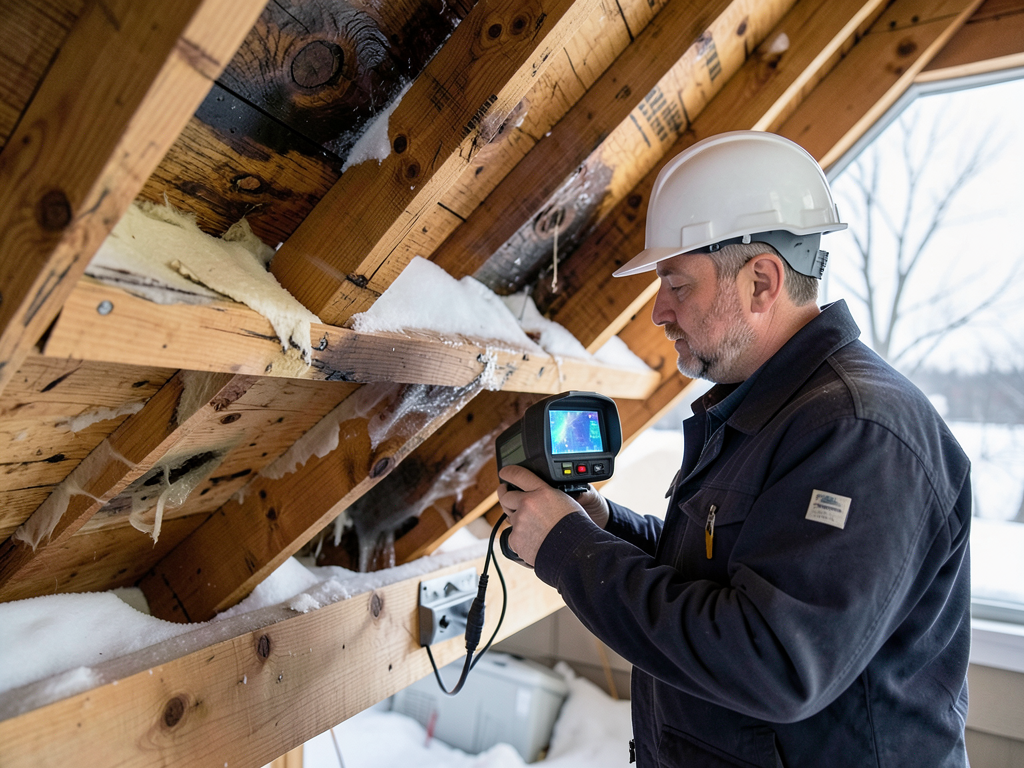
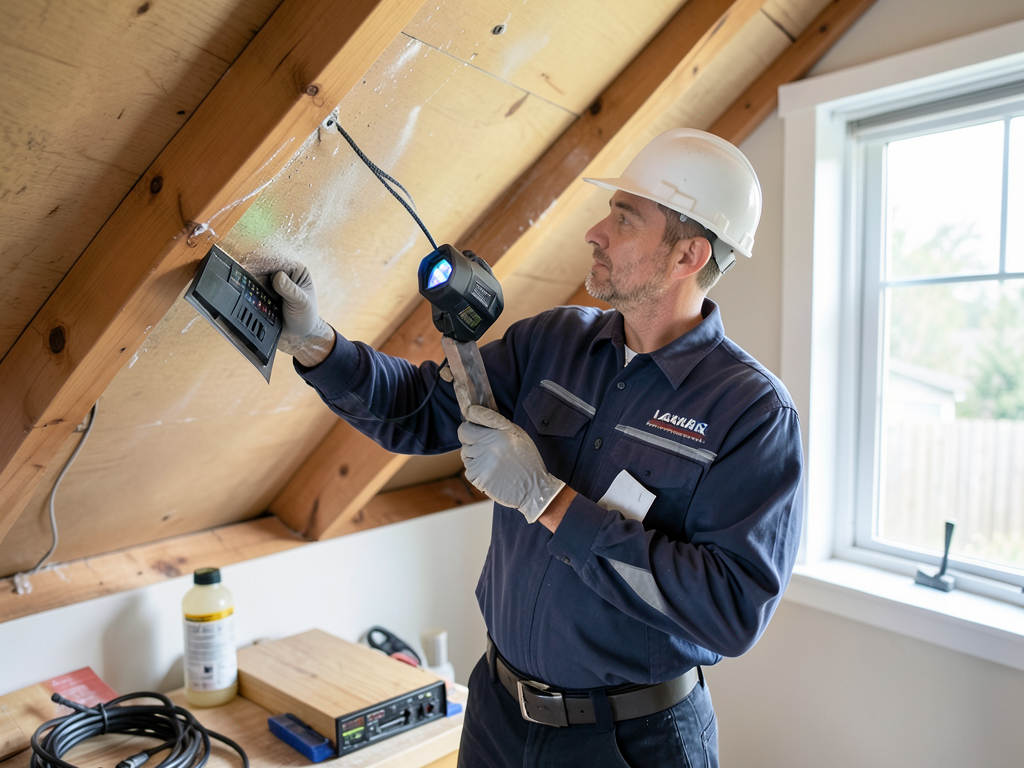
Effective basement waterproofing in Buffalo requires a systems approach, not quick fixes. Alpha Water Damage Restoration Buffalo begins every project with moisture intrusion mapping. We use thermal imaging cameras to identify cold spots where water penetrates walls. Moisture meters measure saturation levels in concrete and determine whether problems originate from exterior hydrostatic pressure, interior condensation, or lateral seepage through wall-floor joints.

Exterior excavation remains the gold standard for foundation waterproofing methods when access allows. We excavate down to the footing, apply rubberized asphalt membrane or spray-on waterproofing coatings, and install perforated drain tile that redirects water away from the foundation. The drain tile connects to a properly graded discharge point or sump system. This approach stops water before it contacts your foundation walls.

Interior solutions work when exterior excavation proves impractical due to landscaping, adjacent structures, or budget constraints. We install interior French drain systems along the perimeter, cutting a channel into the basement floor slab, laying perforated pipe in washed gravel, and routing collected water to a sump pit with a reliable pump. Wall vapor barriers redirect moisture down into the drainage system rather than allowing it to evaporate into living spaces.

Critical components include proper sump pump sizing (Buffalo needs pumps rated for high-volume spring discharge), battery backup systems for power outages during storms, and discharge lines that extend far enough from the house to prevent water cycling back toward the foundation. We also address grading issues, downspout extensions, and window well drainage that contribute to basement water problems. This comprehensive methodology distinguishes professional basement sealing techniques from temporary patches that fail within seasons.

How Professional Basement Assessment Works in Western New York

Basement Waterproofing Guide Buffalo – Expert Solutions for Lake Effect Weather and Foundation Protection
01

Moisture Source Identification

Our technicians conduct a thorough inspection using thermal imaging and moisture detection equipment to pinpoint exactly where water enters your basement. We examine wall-floor joints, identify hydrostatic pressure zones, check for condensation patterns, and assess exterior grade conditions. This diagnostic phase reveals whether you need interior drainage, exterior waterproofing, or combination solutions. We document findings with photos and measurements that inform your customized repair strategy.
02

System Design and Planning

Based on diagnostic results, we design a waterproofing system specific to your foundation type, soil conditions, and water intrusion patterns. This includes calculating proper sump pump capacity for Buffalo's spring melt loads, determining drain tile placement for maximum interception, and specifying membrane materials that withstand freeze-thaw cycling. You receive a detailed scope explaining each component and why it addresses your specific water problems. We account for Buffalo building codes and ensure solutions integrate with your existing structure.
03

Installation and Testing

Installation follows engineered specifications with attention to detail that determines long-term performance. We verify proper slope on drain tile, test sump pump activation cycles, confirm membrane adhesion, and validate discharge routing. After completion, we conduct water testing to demonstrate system function under simulated load conditions. You receive documentation of all work performed, maintenance guidelines for pumps and drainage components, and clear expectations for how your basement will perform through Buffalo's demanding seasonal cycles.

Why Local Expertise Matters for Buffalo Basement Waterproofing

Buffalo's waterproofing challenges require contractors who understand regional conditions, not generic approaches marketed nationwide. Alpha Water Damage Restoration Buffalo has worked in hundreds of Western New York basements across every neighborhood and housing era. We know that North Buffalo homes near Hertel Avenue often have high water tables due to proximity to underground streams. Delaware District properties feature older stone foundations requiring different techniques than poured concrete foundations common in Amherst suburbs.

Local building codes mandate specific standards for sump discharge and foundation drainage. We ensure every installation meets these requirements and passes inspection without delays. Our relationships with local building departments streamline permitting when structural modifications require approval. This familiarity prevents costly rework and project extensions that out-of-area contractors encounter when they misinterpret local code nuances.

We also understand seasonal timing considerations unique to Buffalo. Spring represents peak demand when basements flood from snowmelt. Fall installations allow systems to cure properly before winter freeze cycles stress new waterproofing membranes. Our scheduling accounts for weather windows that affect excavation and concrete work. We stock equipment sized for Buffalo's precipitation loads rather than using undersized pumps designed for drier climates.

Long-term relationships matter when problems develop. We service the systems we install, providing pump maintenance, drain cleaning, and inspection services that keep waterproofing functioning through years of use. You work with technicians who remember your specific installation details and can quickly diagnose any performance issues. This continuity of care proves more valuable than price shopping with contractors who disappear after collecting payment. Local accountability and reputation drive our commitment to solutions that actually work in Buffalo's demanding climate.

What to Expect from Professional Basement Waterproofing Services

Project Timeline and Availability

Most interior drainage system installations complete in two to four days depending on basement size and access conditions. Exterior excavation projects typically require four to seven days accounting for digging, waterproofing application, drain tile installation, and backfill work. We schedule inspections during optimal phases to avoid delays. Emergency water intrusion receives same-day response for assessment and temporary mitigation. Spring represents our busiest season due to snowmelt flooding. Fall and summer installations allow more flexible scheduling and avoid weather delays. We provide realistic timelines during initial consultation and communicate any adjustments needed as work progresses. Our crews arrive on schedule and complete projects without unnecessary extensions.

Comprehensive Diagnostic Assessment

Initial evaluation takes 60 to 90 minutes and covers all potential water entry points and contributing factors. We examine interior basement conditions, exterior grading, downspout discharge, window wells, and foundation crack patterns. Thermal imaging reveals hidden moisture in walls and identifies cold zones indicating active leaks. Moisture meters quantify saturation levels in concrete and determine whether problems stem from groundwater intrusion or condensation issues. You receive a written assessment explaining findings in clear terms, recommended solutions with alternatives, and realistic cost expectations for different approaches. This diagnostic thoroughness prevents misdiagnosis that leads to ineffective repairs. We answer all questions and explain the engineering principles behind recommended solutions so you understand what you're purchasing.

Quality Installation Standards

Every installation follows manufacturer specifications and local building codes. Drain tile sits in minimum four inches of washed gravel to prevent clogging from soil infiltration. Sump pits include sealed covers to prevent humidity release and backup alarms that alert you to pump failure. Waterproofing membranes receive proper surface preparation to ensure adhesion that survives freeze-thaw cycling. Discharge lines include check valves preventing backflow and extend far enough from foundations to prevent water return. We test all systems under load before project completion. You see the installed components and understand how the system functions. Final cleanup removes all debris, and we restore landscaping disturbed during exterior excavation. The result is a basement that stays dry through Buffalo's wettest seasons.

Ongoing Maintenance and Support

Waterproofing systems require periodic maintenance to ensure reliable performance. Sump pumps need annual testing and cleaning to remove sediment that accumulates in pits. Battery backups require replacement every three to five years depending on usage. Drain tile benefits from periodic flushing to clear any soil particles that enter through perforations. We offer maintenance plans that include annual inspections, pump testing, and system cleaning. These visits catch small issues before they become failures during critical spring melt events. We also provide emergency service for pump failures or drainage problems that develop outside regular business hours. You receive priority scheduling as an existing customer. This long-term relationship ensures your investment continues protecting your home for decades. We maintain detailed service records and remind you when maintenance schedules approach.

Frequently Asked Questions

You Have Questions,
We Have Answers

What is the best waterproofing method for basements? +

Interior drainage systems paired with sump pumps work best for Buffalo basements. This approach captures groundwater before it enters living space. A contractor installs perforated drain tile along the footer, channels water to a basin, and pumps it outside. This method addresses hydrostatic pressure from clay soil common in Erie County. Exterior waterproofing with membrane application works for new construction but costs more and requires excavation. For most Buffalo homes built on older foundations, interior systems provide reliable long-term protection against seasonal water table fluctuations and heavy spring runoff.

How much does it cost to waterproof a 1000 sq ft basement? +

Expect to pay between $4,000 and $10,000 for professional basement waterproofing on 1,000 square feet in Buffalo. Cost factors include foundation condition, soil type, and system complexity. Interior drainage with sump pump installation typically runs lower than full exterior excavation and membrane application. Homes in neighborhoods near the Niagara River or with high water tables may need backup pump systems, which increase total investment. Request written estimates from licensed contractors. Avoid cut-rate bids that skip proper drain tile slope or use undersized pumps.

What are common waterproofing mistakes? +

Buffalo homeowners often apply surface sealers without fixing the root cause. Paint-on products trap moisture inside foundation walls, which leads to spalling and structural damage during freeze-thaw cycles. Another mistake is grading soil toward the foundation instead of away. You need at least a six-inch drop over ten feet. Installing gutters without extending downspouts at least five feet from the foundation wastes money. Ignoring footer drains or sump pump maintenance causes system failure. DIY fixes rarely address hydrostatic pressure. Hire a professional who understands Buffalo soil conditions and seasonal water movement.

Why not use Drylok on basement walls? +

Drylok creates a vapor barrier that traps moisture inside concrete block or poured walls. Buffalo basements face constant hydrostatic pressure from clay soil and high water tables. When water cannot escape through the surface, it builds behind the coating and causes efflorescence, peeling, and eventual structural damage. Freeze-thaw cycles worsen the problem. Drylok also hides warning signs of active leaks you need to address. The product works for above-grade masonry but fails below grade. Focus on drainage solutions that move water away from your foundation rather than cosmetic fixes.

What are the three types of basement waterproofing? +

The three basement waterproofing types are interior drainage, exterior waterproofing, and cavity drain systems. Interior drainage uses footer-level drain tile and sump pumps to collect and remove groundwater. Exterior waterproofing applies rubberized membrane and drainage board to foundation walls after excavation. Cavity drain systems install dimpled plastic sheets on interior walls to channel water to floor drains. Buffalo contractors most often recommend interior systems because they handle seasonal water table changes without excavation. Exterior work makes sense during new construction or major foundation repair. Choose based on your specific moisture source and budget.

What is better than Drylok for basement walls? +

Professional-grade hydraulic cement and crystalline waterproofing products outperform Drylok for Buffalo basements. Hydraulic cement expands as it cures to seal active cracks and gaps. Crystalline treatments penetrate concrete and form insoluble crystals that block water pathways while allowing vapor transmission. These products address the root problem rather than creating surface barriers. For comprehensive protection, install interior drainage systems with sump pumps. This approach manages hydrostatic pressure from clay soil and seasonal groundwater fluctuations. Skip topical sealers. Focus on solutions that work with your foundation instead of against it.

How Buffalo's Lake Effect Climate and Soil Conditions Demand Specialized Waterproofing Approaches

Buffalo receives more freeze-thaw cycles than almost any major American city due to our position downwind of Lake Erie. Cold northwest winds pick up moisture crossing open water and dump it as snow when hitting warmer land. This lake effect pattern creates extreme precipitation totals and rapid temperature swings that stress foundation waterproofing beyond typical limits. The freeze-thaw cycles force water into foundation cracks where it expands as ice, widening gaps each winter. Spring brings rapid snowmelt that saturates soil faster than it can drain, creating hydrostatic pressure spikes against basement walls. Clay-heavy soil common throughout Erie County compounds problems by swelling when wet and shrinking when dry, pulling away from foundations and creating infiltration pathways. These conditions make basement waterproofing more complex in Buffalo than in regions with stable temperatures or sandy, well-draining soils.

Alpha Water Damage Restoration Buffalo works exclusively in Western New York, giving us expertise with local soil conditions, building types, and climate challenges that national chains cannot match. We understand the difference between pre-war stone foundations in older city neighborhoods and modern poured concrete foundations in suburban developments. Our solutions account for Buffalo's specific water table fluctuations, soil expansion characteristics, and freeze-thaw demands. We maintain relationships with local building inspectors who know our work meets code requirements consistently. This local focus means you work with technicians who have waterproofed hundreds of Buffalo basements and understand what actually works here rather than applying generic solutions that fail under our unique conditions.

Water Damage Restoration Services in The Buffalo Area

Although we offer rapid mobile service across the entire Buffalo area and surrounding regions, we invite you to view our service area map to confirm our commitment to your community. We are always ready to deploy our expert teams directly to your residential or commercial property, ensuring the fastest possible response time when you need water damage restoration most, right where you are.

Address:
Alpha Water Damage Restoration Buffalo, 369 Washington St, Buffalo, NY, 14203

Additional Services We Offer

Our news updates

Latest Articles & News from The Blogs

The importance of microbial swabbing after a sewer backup in your Lackawanna basement When sewage backs up into your Lackawanna…

The importance of microbial swabbing after a sewer backup in your Lackawanna basement

The importance of microbial swabbing after a sewer backup in your Lackawanna basement When sewage backs up into your Lackawanna…

Simple ways to prevent your pipes from freezing in an unheated North Buffalo crawlspace

Simple ways to prevent your pipes from freezing in an unheated North Buffalo crawlspace Buffalo’s brutal winters and lake-effect snow…

Keeping your kids and pets safe during a home restoration project in Kenmore

Keeping your kids and pets safe during a home restoration project in Kenmore\n\nHome restoration after water damage creates unique safety…

Contact Us

Stop dealing with wet basements and foundation water damage. Call Alpha Water Damage Restoration Buffalo at (716) 317-7717 for a comprehensive assessment. Our technicians provide honest diagnostics and effective solutions that work in Western New York's challenging climate. Protect your home before the next spring melt.