menu

Commercial Sewage Cleanup in Buffalo – Industrial-Grade Response That Keeps Your Business Operational

Alpha Water Damage Restoration Buffalo delivers commercial sewage remediation with the capacity and speed to minimize downtime, protect your employees, and maintain business continuity across Buffalo's industrial and commercial corridors.

Slider Image 1
Slider Image 2
Slider Image 3
Slider Image 4
Slider Image 5
Slider Image 7
Slider Image 8
Slider Image 9
Slider Image 10
Slider Image 11

Buffalo's Aging Infrastructure Creates Commercial Sewage Liability

Buffalo's commercial districts sit on infrastructure built decades ago. Combined sewer systems in downtown and older industrial zones mean heavy spring snowmelt or summer storms can trigger sewage backflows into basements, loading docks, and ground-floor retail spaces. The result is Category 3 black water contamination that shuts down operations, exposes you to OSHA violations, and creates immediate liability for employee and customer safety.

Commercial sewer backup cleaning is not residential work scaled up. You need crews capable of extracting thousands of gallons, industrial-grade disinfection protocols, and documentation that satisfies both your insurer and local health departments. When a sewage main backs up into your warehouse on South Park Avenue or your restaurant on Hertel Avenue loses a floor drain, the clock starts on business interruption losses. Every hour offline costs revenue. Every day closed risks customer defection.

Buffalo's freeze-thaw cycles also stress aging underground lines. Cast iron pipes corrode. Clay tile separates. Tree roots from Buffalo's mature canopy infiltrate joints. The failures happen without warning, and commercial black water extraction becomes an immediate operational priority, not a maintenance issue you can schedule next quarter.

You need a response team that understands the difference between mitigating a flooded office and decontaminating a food service facility under New York State Department of Health scrutiny.

Buffalo's Aging Infrastructure Creates Commercial Sewage Liability
How Alpha Water Damage Restoration Buffalo Executes Commercial Sewage Remediation

How Alpha Water Damage Restoration Buffalo Executes Commercial Sewage Remediation

We deploy truck-mounted extractors capable of handling high-volume commercial sewage removal. Portable units cannot match the GPM flow rates needed to clear a 10,000-square-foot warehouse floor in hours, not days. We isolate contaminated zones using containment barriers and negative air pressure to prevent cross-contamination into clean operational areas. You keep unaffected departments running while we work.

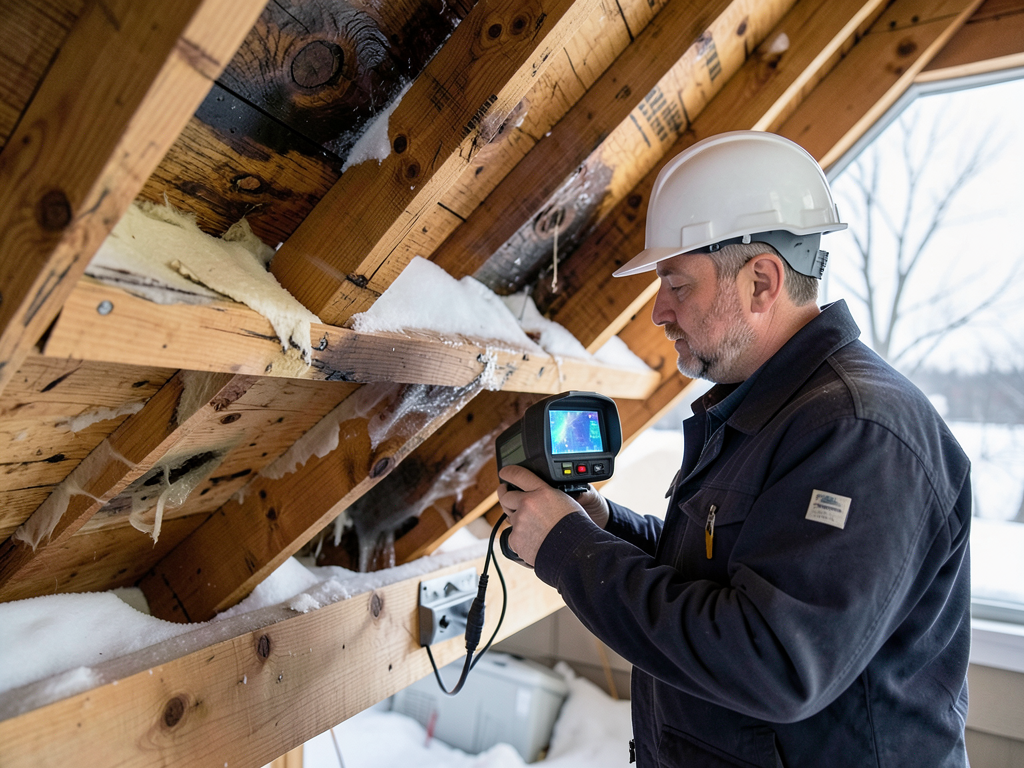
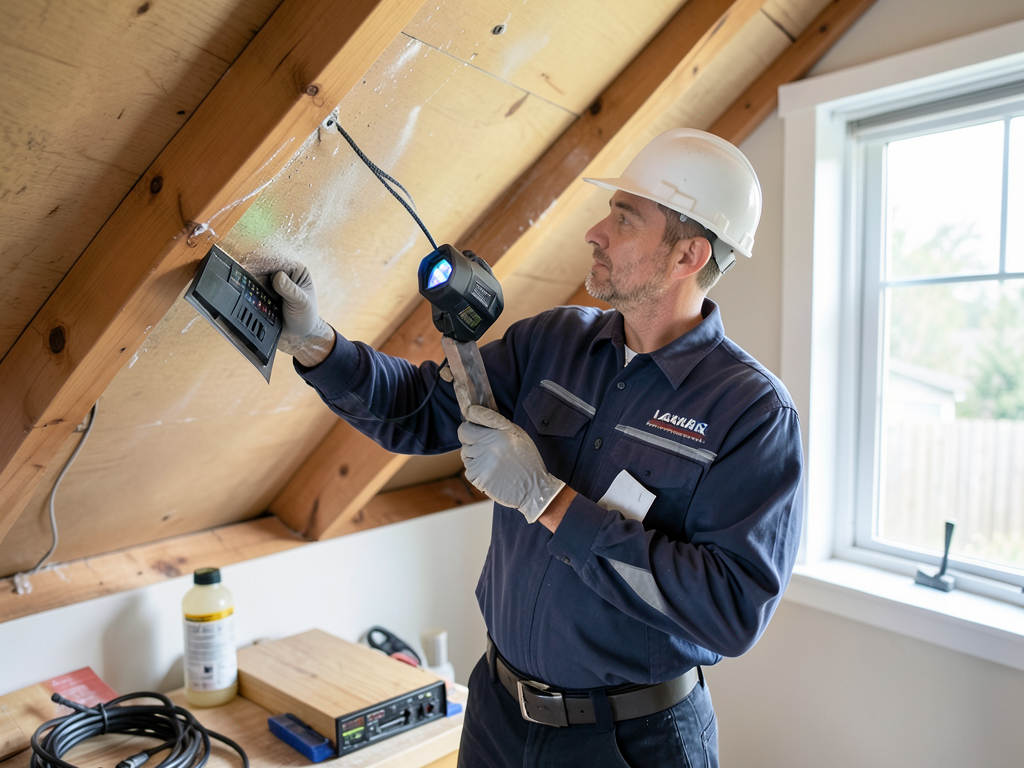
Our crews document every phase for insurance and regulatory compliance. We photograph pre-loss conditions, track moisture readings with thermal imaging, and log all antimicrobial applications. If your adjuster or attorney needs a defensible record, you have it. If Erie County Health Department inspectors arrive, we provide the EPA-registered disinfectant logs and air quality clearance data they require.

Industrial sewage cleanup means understanding what you cannot salvage. Porous materials exposed to black water get removed, not cleaned. Drywall below the floodline comes out. Baseboards, insulation, anything that wicks sewage gets disposed of following biohazard protocols. We do not take shortcuts that leave you vulnerable to mold litigation or failed reinspections.

We also coordinate with your plumber to identify the failure point. A backup caused by a collapsed lateral requires a different remediation scope than a main break or grease trap overflow. We adapt our protocol to the contamination source, not force your situation into a generic template. Buffalo businesses operate in everything from century-old brick to modern tilt-up construction. The approach changes with the building.

How Commercial Sewage Emergencies Get Resolved

Commercial Sewage Cleanup in Buffalo – Industrial-Grade Response That Keeps Your Business Operational
01

Immediate Containment and Extraction

We arrive with truck-mounted extractors and begin removing standing black water within the first hour. Containment barriers isolate the affected zone from operational areas. Negative air machines prevent airborne pathogens from migrating into clean spaces. The goal is to stop the spread, protect unaffected inventory, and give you a clear picture of what can reopen immediately versus what requires full remediation.
02

Disinfection and Material Removal

All surfaces contacted by sewage get treated with EPA-registered antimicrobial agents rated for Category 3 water. Non-salvageable materials are removed and disposed of following biohazard protocols. We pull moisture readings from subfloors and wall cavities to identify hidden saturation. Structural drying begins only after contamination is eliminated. This phase determines whether you face cosmetic repairs or structural rebuilds, and we document everything for your insurer and compliance officers.
03

Clearance Testing and Reopening

Before you reopen, we verify that moisture levels have returned to normal and air quality meets health standards. You receive a clearance report with photos, moisture logs, and disinfection records. If your lease requires third-party environmental testing, we coordinate with industrial hygienists. The objective is a defensible record that your space is safe for employees and customers, not just dry. You reopen with documentation, not assumptions.

Why Buffalo Businesses Choose Alpha Water Damage Restoration Buffalo

We operate in a city where commercial buildings range from renovated grain elevators to new construction in the Medical Campus. That diversity requires familiarity with Buffalo's mixed building stock and the infrastructure challenges that come with it. We know which neighborhoods sit on combined sewers. We know where storm surges from Lake Erie overwhelm drainage systems. We know the difference between remediating a bakery under New York State Ag and Markets oversight versus a machine shop with EPA reporting obligations.

Our crews are trained in OSHA bloodborne pathogen standards and confined space entry protocols. Commercial sewage remediation often means accessing crawl spaces, mechanical rooms, or below-grade vaults where airborne contaminants concentrate. We do not send untrained techs into environments that require respiratory protection and gas monitoring. You get certified personnel who understand the liability you face if someone gets sick on your property.

We also understand business continuity. If you run a restaurant, we coordinate around your least busy hours. If you operate a warehouse, we prioritize clearance for high-turnover inventory zones. If you lease space, we communicate directly with your property manager to satisfy lease obligations and avoid default triggers. Our job is to minimize your interruption losses, not add administrative burdens.

Buffalo businesses do not have time for remediation companies that treat every job like a flooded basement. You need industrial capacity, regulatory fluency, and crews who understand the difference between residential empathy and commercial urgency. We deliver the latter.

What Your Business Can Expect From Start to Clearance

Response Time and Availability

We maintain 24/7 dispatch because sewage emergencies do not wait for business hours. A 3 a.m. main break still requires immediate containment to limit damage and liability. You reach a live person, not an answering service. Our crews arrive with the equipment to begin extraction on first contact. For multi-location operators, we can mobilize multiple teams simultaneously. If you have a portfolio of properties across Buffalo, we scale to your needs, not force you to wait in a queue behind residential calls.

Site Assessment and Scope Documentation

Our initial assessment identifies contamination extent, structural impact, and regulatory exposure. We provide a written scope that separates emergency mitigation from reconstruction. You know what needs to happen immediately to prevent further loss versus what can be scheduled after insurance approval. We map moisture intrusion using thermal cameras and document pre-loss conditions with photo logs. If your adjuster disputes scope, you have third-party verification. If your lease requires notice to your landlord, we provide the documentation that satisfies those clauses.

Clearance and Compliance Delivery

You receive a final report that includes moisture readings, antimicrobial application logs, and photographic evidence of completed work. If your industry requires third-party clearance testing, we coordinate with environmental consultants. If your insurer requires proof of mitigation, the documentation is defensible and complete. The goal is not just a dry building. The goal is a compliant, reopenable space with a paper trail that protects you from future liability claims. You reopen with confidence, not hope.

Post-Remediation Support and Prevention Planning

After clearance, we provide recommendations to reduce recurrence risk. This might include backflow preventer upgrades, sump pump redundancy, or drainage improvements. If your plumber identified a collapsed lateral or root intrusion, we can refer you to qualified contractors. We also offer maintenance contracts for properties with chronic moisture issues or aging infrastructure. The objective is to shift you from reactive crisis management to proactive risk reduction. One remediation event is expensive. Repeat events are unsustainable.

Frequently Asked Questions

You Have Questions,
We Have Answers

How much does sewage cleanup cost? +

Commercial sewage cleanup costs vary based on the extent of contamination, affected square footage, and structural damage. Expect costs to increase if sewage has penetrated flooring, drywall, or HVAC systems. Category 3 water (blackwater) requires specialized disinfection protocols and disposal procedures that drive up labor and equipment expenses. Buffalo properties with older infrastructure often face higher costs due to compromised building materials that require replacement. Time is critical. The longer sewage sits, the more secondary damage occurs, increasing your total restoration expense. Request a detailed scope of work and line-item estimate before authorizing any work.

Does insurance cover sewage cleanup? +

Most commercial property insurance policies cover sudden and accidental sewage backups, but coverage limits vary significantly. Review your policy for sewer backup endorsements, which are often separate riders with sublimits. Gradual damage from deferred maintenance or neglected repairs is typically excluded. Buffalo businesses should verify coverage for loss of income during cleanup, as downtime directly impacts revenue. Document everything. Photograph damage, preserve contaminated materials for inspection, and notify your carrier within the required timeframe. Work with restoration contractors experienced in insurance claims to maximize your recovery and expedite processing.

How often should sewage be cleaned? +

Commercial sewer lines require routine maintenance, not periodic cleanup. Schedule professional camera inspections annually for high-use facilities like restaurants, hotels, and medical offices. Buildings over 30 years old in Buffalo should increase inspection frequency due to aging cast iron and clay pipes susceptible to root intrusion and freeze-thaw damage. Hydro-jetting every 18 to 24 months prevents buildup that causes backups. After any sewage event, conduct a post-remediation inspection to verify line integrity. Preventive maintenance costs less than emergency cleanup and protects against business interruption, liability claims, and code violations that trigger regulatory fines.

Do plumbers clean up sewage? +

Plumbers address the mechanical cause of sewage backups but do not perform biohazard remediation. Sewage contains pathogens, viruses, and bacteria requiring specialized containment, extraction, and disinfection protocols that exceed plumbing scope. After a plumber clears the blockage or repairs the line, you need certified restoration technicians trained in IICRC S500 and S520 standards. Buffalo commercial properties face strict health department requirements. Using unqualified contractors exposes you to regulatory violations and liability. Coordinate both trades. The plumber fixes the source. The restoration company mitigates contamination, removes damaged materials, and restores safe occupancy conditions.

How long does sewage cleanup take? +

Commercial sewage cleanup timelines depend on contamination severity, building size, and affected systems. Small backups confined to a single restroom may resolve in 24 to 48 hours. Extensive contamination affecting multiple floors, HVAC systems, or structural cavities can take seven to fourteen days. Buffalo properties with compromised subflooring or wall cavities require extended drying times due to local humidity levels. Emergency water extraction and containment happen within hours. Demolition, antimicrobial treatment, drying, and reconstruction follow in phases. Business interruption is the real cost. Fast response and proper equipment reduce downtime. Demand a project timeline with milestones before work begins.

Why is my sewer bill 200 dollars? +

This question addresses utility billing, not sewage cleanup, but impacts Buffalo commercial property budgets. High sewer bills result from volumetric charges based on water usage, aging infrastructure surcharges, or stormwater fees assessed by the Buffalo Sewer Authority. Commercial properties pay higher rates than residential accounts. Leaks, inefficient fixtures, or operational practices like continuous equipment cooling can inflate consumption. Review your bill for unexpected rate increases or usage spikes. Sewage backups do not directly cause billing issues, but undetected leaks from damaged lines can. Audit your water use and inspect for hidden leaks to control costs.

What is the average lifespan of a sewer line? +

Sewer line lifespan depends on material composition. Cast iron pipes, common in older Buffalo commercial buildings, last 50 to 60 years but corrode faster in acidic soil conditions. Clay pipes deteriorate in 50 to 70 years and are vulnerable to root intrusion and ground shifting from freeze-thaw cycles. PVC and ABS lines last 75 to 100 years with minimal maintenance. Buffalo's aging infrastructure means many commercial properties operate on pipes nearing or exceeding design life. Schedule camera inspections to assess condition before catastrophic failure. Proactive replacement costs less than emergency repairs, business downtime, and contamination cleanup.

How much does sewage insurance cost? +

This question confuses sewage backup insurance with professional liability. Commercial property insurance policies include sewer backup endorsements as optional add-ons, not standalone products. Premiums depend on property age, location, claims history, and coverage limits. Expect to pay several hundred to a few thousand dollars annually for adequate coverage. Buffalo properties in flood zones or near combined sewer systems face higher premiums. The endorsement typically covers cleanup, structural repairs, and contents replacement up to the sublimit. Review your policy annually. As your building ages or operations change, adjust coverage limits to reflect current replacement costs and potential business interruption losses.

Are trenchless sewer repairs worth it? +

Trenchless sewer repairs deliver strong ROI for Buffalo commercial properties when conditions allow. Pipe bursting and CIPP lining cost 30 to 50 percent less than traditional excavation by eliminating landscaping restoration, pavement replacement, and site disruption. You avoid business interruption from torn-up parking lots or blocked access. Trenchless methods work best for structurally sound pipes with localized damage. Severely collapsed lines or pipes with sharp bends may require conventional excavation. Buffalo's freeze-thaw cycles and older infrastructure make trenchless attractive for extending line life without major disruption. Evaluate pipe condition through camera inspection before committing to any repair method.

How do professionals clean sewer lines? +

Professionals use high-pressure hydro-jetting to scour sewer lines, removing grease buildup, scale, and root intrusions. Water jets reach 3,000 to 4,000 PSI, cutting through obstructions without damaging pipes. Camera inspections before and after jetting confirm line condition and cleaning effectiveness. For persistent blockages, technicians use mechanical augers or root-cutting tools. Buffalo's older commercial infrastructure often requires combination approaches. After clearing, professionals apply enzyme treatments to break down organic waste and prevent rapid re-accumulation. Scheduled maintenance prevents emergency backups. One-time cleaning addresses symptoms. Regular service protects your investment and maintains code compliance for health inspections.

Why Buffalo's Combined Sewer System Increases Commercial Sewage Risk

Buffalo's older commercial districts operate on combined sewer systems that handle both stormwater and sanitary waste in a single pipe. During heavy rain or rapid snowmelt, the system can exceed capacity, forcing sewage back through floor drains and into basements. The Buffalo Sewer Authority manages ongoing infrastructure upgrades, but properties built before the 1960s remain vulnerable. Commercial facilities in the First Ward, downtown, and the East Side face higher backflow risk during spring melt and summer storm events. A backflow preventer is not optional in these zones. It is risk management.

Buffalo businesses also operate under New York State Department of Labor and OSHA regulations that mandate employee protection from biohazards. If sewage contaminates your workspace, you cannot simply mop it up and reopen. You need documented disinfection, air quality clearance, and disposal records for contaminated materials. Alpha Water Damage Restoration Buffalo understands the regulatory environment. We provide the documentation your insurer, landlord, and compliance officers require. Choosing a remediation company without that fluency exposes you to fines, failed inspections, and uninsurable liability.

Water Damage Restoration Services in The Buffalo Area

Although we offer rapid mobile service across the entire Buffalo area and surrounding regions, we invite you to view our service area map to confirm our commitment to your community. We are always ready to deploy our expert teams directly to your residential or commercial property, ensuring the fastest possible response time when you need water damage restoration most, right where you are.

Address:
Alpha Water Damage Restoration Buffalo, 369 Washington St, Buffalo, NY, 14203

Additional Services We Offer

Our news updates

Latest Articles & News from The Blogs

The importance of microbial swabbing after a sewer backup in your Lackawanna basement When sewage backs up into your Lackawanna…

The importance of microbial swabbing after a sewer backup in your Lackawanna basement

The importance of microbial swabbing after a sewer backup in your Lackawanna basement When sewage backs up into your Lackawanna…

Simple ways to prevent your pipes from freezing in an unheated North Buffalo crawlspace

Simple ways to prevent your pipes from freezing in an unheated North Buffalo crawlspace Buffalo’s brutal winters and lake-effect snow…

Keeping your kids and pets safe during a home restoration project in Kenmore

Keeping your kids and pets safe during a home restoration project in Kenmore\n\nHome restoration after water damage creates unique safety…

Contact Us

Sewage contamination is a business continuity threat, not a maintenance problem. Call Alpha Water Damage Restoration Buffalo at (716) 317-7717 for immediate commercial sewage cleanup. We deploy the industrial capacity and regulatory expertise Buffalo businesses require to reopen fast and stay compliant.