menu

Efflorescence on Concrete in Buffalo – Expert Diagnosis and Permanent Moisture Control Solutions

Alpha Water Damage Restoration Buffalo identifies the hidden moisture sources causing white powder on concrete, then applies targeted waterproofing and drainage corrections to stop efflorescence at the root.

Slider Image 1
Slider Image 2
Slider Image 3
Slider Image 4
Slider Image 5
Slider Image 7
Slider Image 8
Slider Image 9
Slider Image 10
Slider Image 11

Why Buffalo Basements and Concrete Slabs Show White Powder Deposits

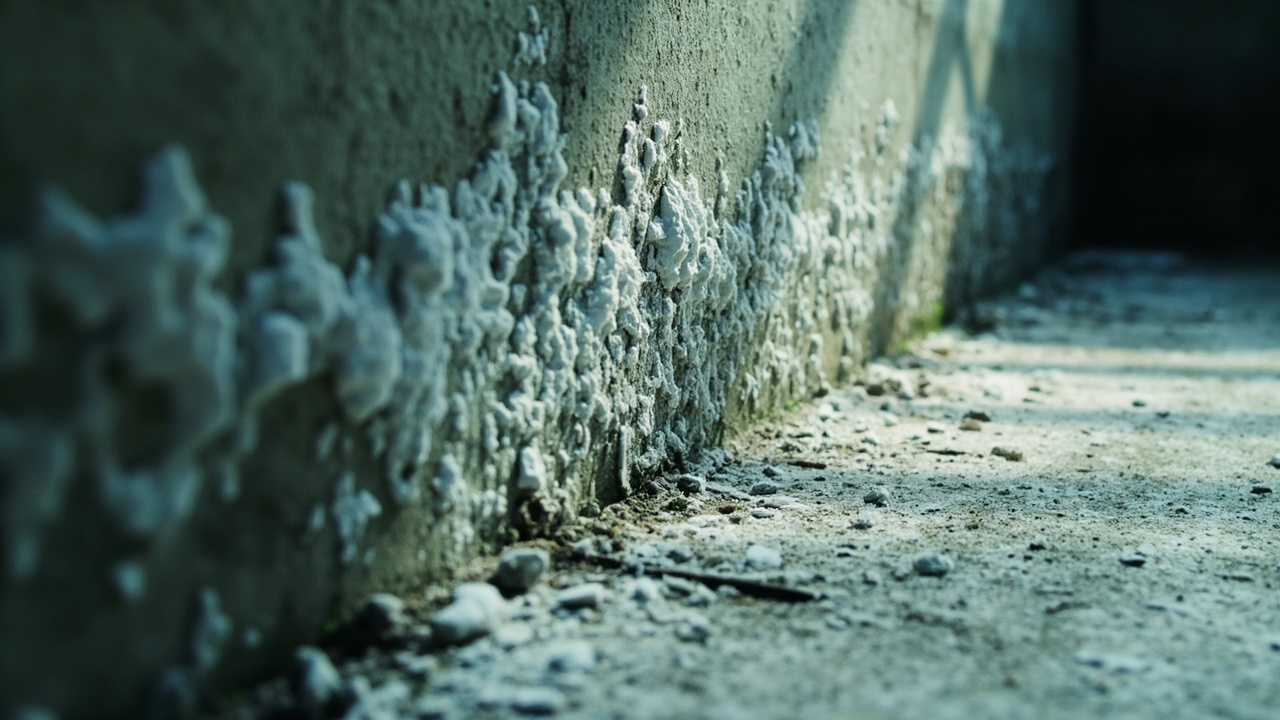
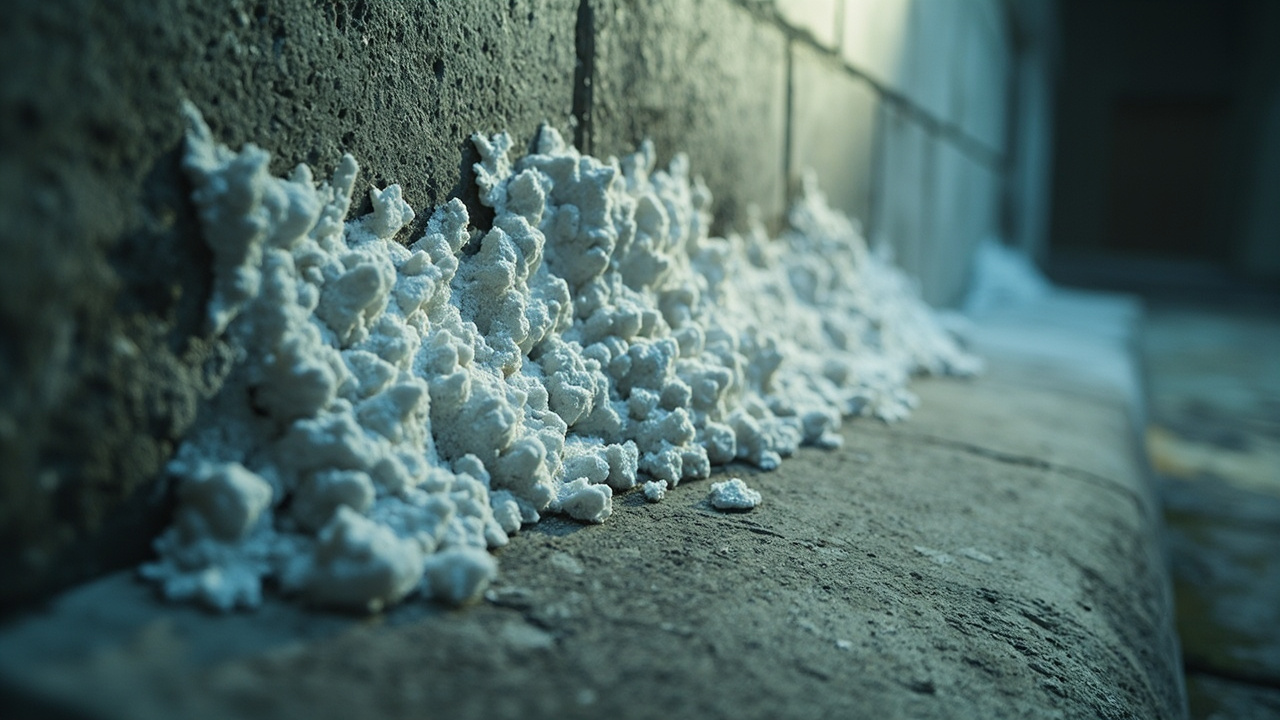
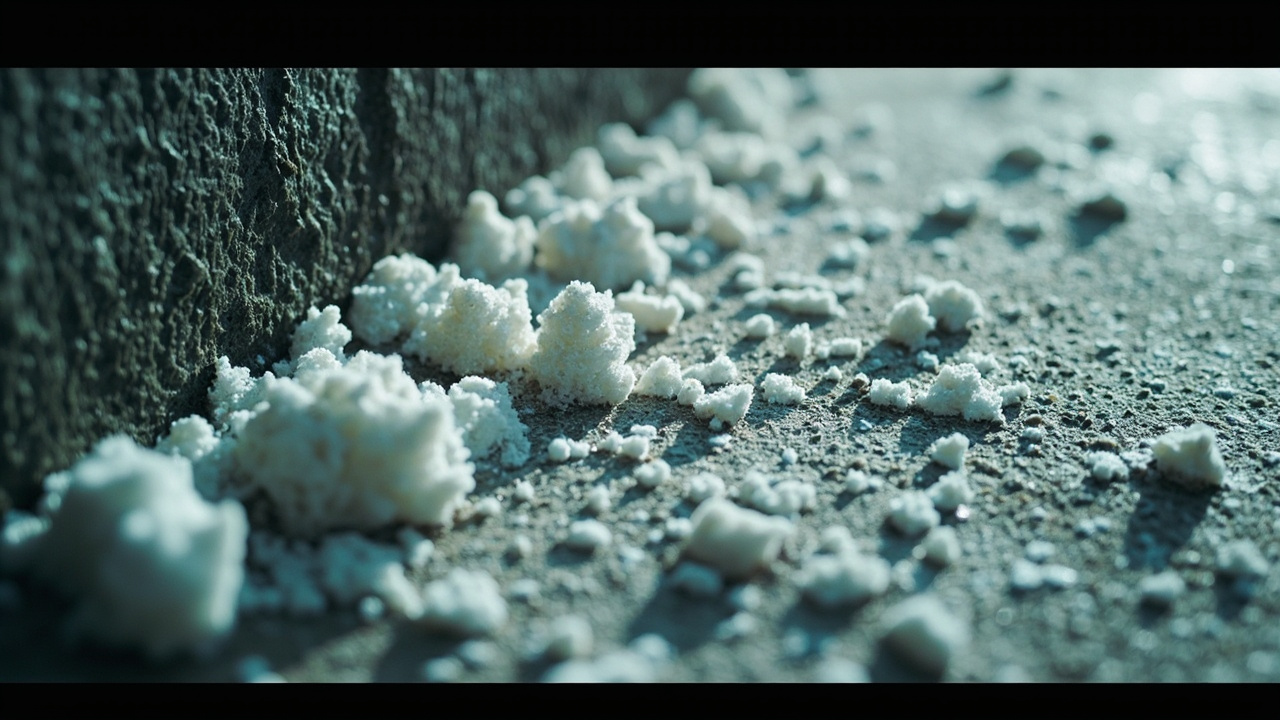
You walk down to your basement and notice a chalky white residue on concrete walls or floors. That crusty buildup is efflorescence, and it happens when water seeps through concrete, dissolves mineral salts, then evaporates on the surface, leaving crystalline deposits behind.

Buffalo's climate makes this problem worse. We sit in the Lake Erie snowbelt, which means heavy snow accumulation in winter, followed by rapid spring thaws. That freeze-thaw cycle drives groundwater against foundation walls. Add in aging sewer laterals and clay-heavy soil common in neighborhoods like North Buffalo and Elmwood Village, and you have constant hydrostatic pressure pushing moisture through porous concrete.

The white powder on concrete is not just cosmetic. It signals active water intrusion. That moisture brings mold spores, weakens mortar joints, and eventually causes spalling where the concrete surface flakes away. If you ignore concrete salt deposits now, you face structural repairs later.

Efflorescence shows up on basement floors, crawl space walls, garage slabs, and exterior foundation walls. The mineral salts on concrete vary in texture. Sometimes you see a fine dust. Other times, you see thick, crusty white residue on concrete that feels gritty when you scrape it. The pattern tells us where the water is coming from. Horizontal lines suggest surface runoff. Vertical streaks point to cracks or cold joints. Understanding the symptom helps us fix the cause, not just clean the surface.

Why Buffalo Basements and Concrete Slabs Show White Powder Deposits
How We Identify and Stop the Moisture Source Behind Efflorescence

How We Identify and Stop the Moisture Source Behind Efflorescence

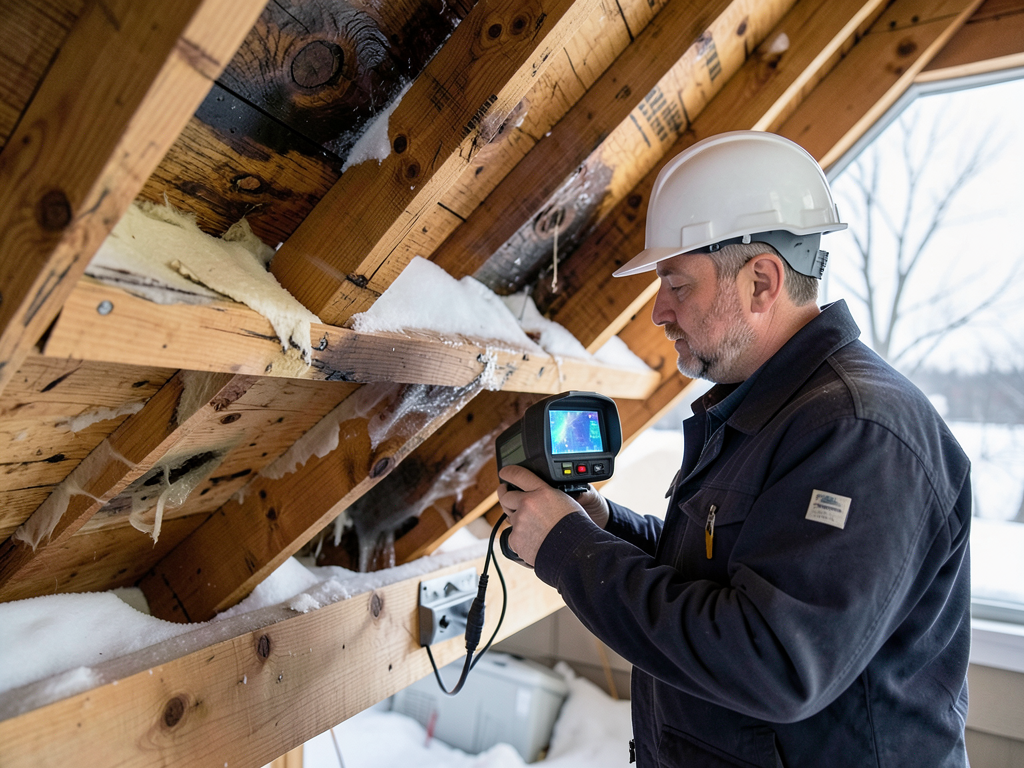
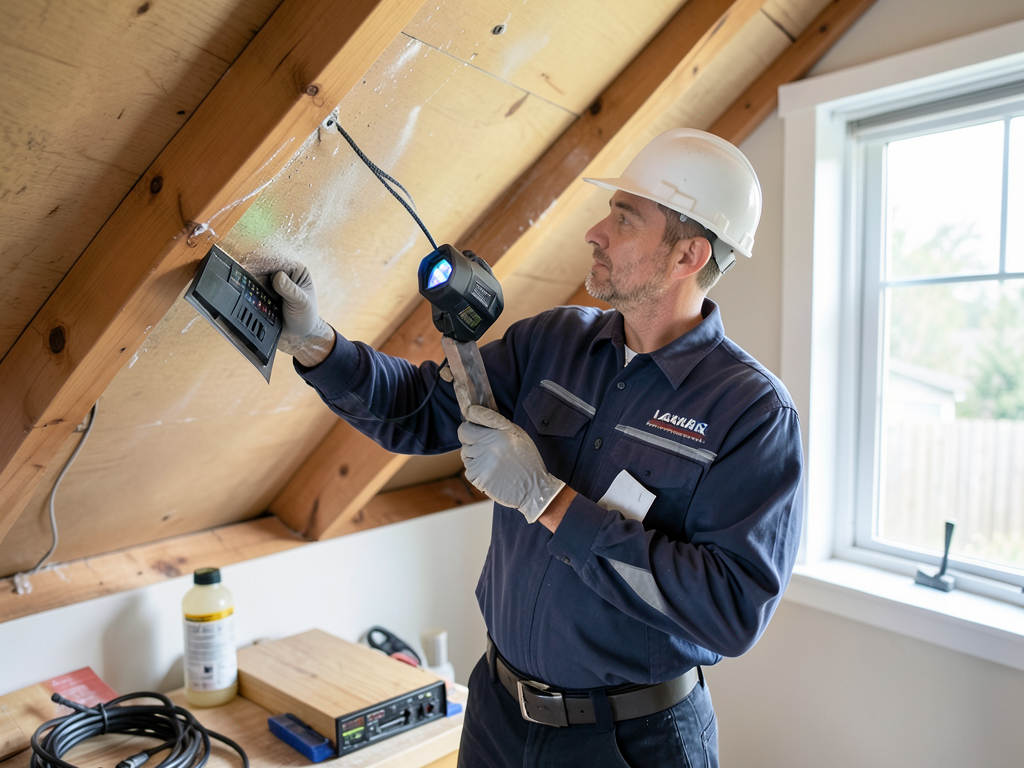
Most contractors scrub off the white powder, apply a sealant, and leave. That approach fails because it traps moisture behind the coating, accelerating spalling and mold growth. We take a diagnostic approach. Alpha Water Damage Restoration Buffalo uses moisture meters, thermal imaging, and visual inspection to map the water pathway.

We check exterior grade slopes, downspout discharge points, and window wells. Many Buffalo homes have settled over decades, creating negative grading where water flows toward the foundation instead of away. We inspect mortar joints, control joints, and any penetrations like utility lines. Cracks smaller than a credit card width can channel gallons of water during a heavy rain.

Once we identify the source, we address it with targeted interventions. Exterior fixes include regrading soil, extending downspouts, and installing or repairing perimeter drains. Interior solutions include crack injection with polyurethane or epoxy, depending on whether the crack is active or dormant. For high water tables or chronic seepage, we install interior drainage systems that intercept water before it reaches the slab surface.

After we control the moisture, we address the concrete itself. We remove loose efflorescence with stiff brushes and pH-neutral cleaners. We never use acid-based cleaners on concrete because they etch the surface and create more porosity. If the concrete surface is compromised, we apply breathable waterproofing membranes that allow vapor transmission while blocking liquid water. This prevents future salt migration without trapping moisture. The result is a dry, stable surface that resists new crystalline deposits.

What Happens When You Call Us About White Powder on Your Concrete

Efflorescence on Concrete in Buffalo – Expert Diagnosis and Permanent Moisture Control Solutions
01

Moisture Source Investigation

We begin with a full property assessment, both interior and exterior. Our technicians use calibrated moisture meters to measure concrete moisture content and thermal cameras to detect temperature differentials that indicate water intrusion. We document the location, pattern, and severity of efflorescence. This diagnostic phase identifies whether your problem stems from surface runoff, foundation cracks, high water tables, or plumbing leaks. We map the water pathway before recommending any remediation.
02

Targeted Moisture Mitigation

Based on the investigation, we implement the appropriate solution. Exterior work might include regrading, installing French drains, or repairing foundation cracks from the outside with hydraulic cement. Interior work might involve crack injection, installing a vapor barrier, or adding a perimeter drainage channel with a sump pump system. We prioritize permanent fixes over temporary patches. Our goal is to redirect water away from the concrete, not just mask the symptom with a surface coating.
03

Surface Restoration and Protection

After we stop the moisture intrusion, we clean and restore the concrete surface. We remove all loose salt deposits and apply a breathable waterproofing system if needed. We verify moisture levels have dropped to acceptable ranges using follow-up meter readings. You receive documentation of the work performed, including photos and moisture readings. We also provide guidance on maintaining proper drainage and humidity levels to prevent recurrence. The concrete stays dry, and the white powder does not return.

Why Buffalo Property Owners Trust Alpha Water Damage Restoration Buffalo for Efflorescence Problems

Efflorescence is not a DIY problem. You can scrub the surface, but if you do not stop the water source, the mineral salts return within weeks. We see this constantly in older Buffalo neighborhoods like Allentown and Black Rock, where homes built in the early 1900s have rubble stone foundations that wick moisture like a sponge.

Alpha Water Damage Restoration Buffalo understands local construction methods. Many Buffalo basements have no exterior waterproofing membrane because older building codes did not require it. We know how to retrofit these structures with interior drainage systems that work with gravity and sump pumps to manage groundwater without excavating the entire foundation.

We also understand the seasonal challenges. Spring thaw in Buffalo can raise the water table by several feet in a matter of days. If your sump pump fails during that window, you flood. We install battery backup systems and water-powered backup pumps that activate even during power outages, which are common during ice storms.

Our technicians are trained in building science, not just surface cleaning. We understand vapor pressure differentials, capillary action, and how concrete cures. We know that sealing a damp basement floor with epoxy will cause the coating to delaminate within months. We recommend breathable systems that allow the concrete to dry from the inside out while blocking liquid water.

We also work directly with insurance adjusters when water damage is involved. Efflorescence itself is typically not covered, but the underlying water intrusion might be, depending on the cause. We provide detailed documentation and moisture readings that support your claim.

What to Expect When We Solve Your Efflorescence Problem

Fast Response and Scheduling

We understand that efflorescence indicates an active moisture problem, so we do not make you wait weeks for an inspection. Most initial assessments happen within 48 hours of your call. During the inspection, we provide a clear explanation of what is causing the white powder and what needs to happen to fix it. If the situation involves active flooding or a plumbing leak, we dispatch immediately. For chronic seepage issues, we schedule the work based on weather conditions and your availability. You get a written scope of work and timeline before we start any remediation.

Thorough Diagnostic Assessment

Our inspection goes beyond looking at the white residue. We measure moisture levels in multiple locations using pin-type and pinless meters. We inspect grading, gutters, downspouts, and window wells. We check for foundation cracks, cold joints, and honeycomb voids in the concrete. We test sump pumps and evaluate interior humidity levels. You receive a written report that explains the findings in plain language, along with photos and moisture readings. We explain what is urgent and what can wait. There is no pressure to authorize work you do not need.

Dry, Stable Concrete Surfaces

After we complete the work, your concrete stays dry. The efflorescence does not return because we eliminated the moisture source. You can walk on the surface without tracking white dust upstairs. If you want to finish the basement later, the concrete is ready for flooring. We verify dryness with follow-up moisture meter readings and provide you with the documentation. The space smells clean, not musty. You do not see new salt deposits forming after rainstorms. The concrete maintains its structural integrity without spalling or flaking.

Ongoing Moisture Monitoring Guidance

We provide written recommendations on maintaining the drainage and waterproofing systems we install. This includes gutter cleaning schedules, sump pump testing procedures, and dehumidifier settings. We explain what to watch for during spring thaw and heavy rain events. If we installed an interior drainage system, we show you how to inspect the sump basin and check the discharge line for blockages. We also offer annual maintenance inspections to verify everything is still functioning correctly. You are not on your own after the work is done.

Frequently Asked Questions

You Have Questions,
We Have Answers

Is efflorescence on concrete a problem? +

Efflorescence itself does not harm concrete structurally. It is a cosmetic issue caused by water dissolving salts in the concrete and depositing them on the surface as the water evaporates. The real problem is what efflorescence signals: ongoing moisture intrusion. In Buffalo, freeze-thaw cycles and heavy snow can drive water through basement walls and slabs. If you see white crusty deposits, the concrete is wet. Persistent efflorescence means you have a drainage issue, foundation crack, or hydrostatic pressure problem. Address the water source first. Ignoring it can lead to mold, spalling, and structural damage over time.

How do you fix efflorescence on concrete? +

Fixing efflorescence requires two steps: removing the deposits and stopping the water. For removal, scrub the surface with a stiff brush and water. For stubborn deposits, use a diluted muriatic acid solution or a dedicated efflorescence cleaner. Rinse thoroughly. Next, identify the moisture source. Buffalo homes face groundwater pressure from clay soil and spring runoff. Repair foundation cracks, improve exterior grading, install or repair gutters, and consider interior or exterior waterproofing. If water keeps entering, efflorescence will return. Fix the leak. Then clean the surface. Treat the cause, not just the symptom.

Should efflorescence be removed? +

Yes. You should remove efflorescence before sealing or coating concrete. The salt crystals prevent sealers from bonding properly, leading to peeling and failure. Cleaning also lets you inspect the surface for cracks or damage hidden beneath the deposits. In Buffalo basements, efflorescence often hides foundation movement or active leaks from hydrostatic pressure. Brush or acid-wash the surface, rinse completely, and let it dry. If efflorescence reappears quickly, you still have a moisture problem. Do not cover it up. Address the water intrusion first. Clean surfaces accept sealers better and last longer.

Can you seal concrete over efflorescence? +

No. Sealing over efflorescence traps salts beneath the coating, causing the sealer to fail. The deposits prevent proper adhesion, and ongoing moisture will push the sealer off from below. You must remove all efflorescence and dry the concrete completely before applying any sealer. In Buffalo, basements stay damp due to clay soil and seasonal water tables. If you seal too soon or without fixing the moisture source, the sealer will bubble, peel, or turn white. Clean the surface, solve the drainage issue, let the slab dry for several days, then seal. Prep work determines success.

How do professionals remove efflorescence? +

Professionals start with a surface evaluation to determine the extent and cause of efflorescence. They use mechanical brushing, pressure washing, or chemical cleaners like diluted muriatic acid or efflorescence removers designed for masonry. After cleaning, they inspect for cracks, joint failures, or moisture pathways. In Buffalo, pros often address exterior grading, install drain tile systems, or apply waterproof membranes to foundation walls. They may also recommend vapor barriers or sump pump upgrades to control groundwater intrusion. The goal is to remove the deposits and eliminate the moisture source. DIY cleaning works for light cases, but recurring efflorescence requires professional waterproofing.

Should I worry about efflorescence? +

Mild efflorescence is cosmetic and not an emergency. Heavy or recurring efflorescence signals an active moisture problem that demands attention. In Buffalo, persistent white deposits on basement walls or garage floors often indicate groundwater seepage, poor drainage, or foundation cracks worsened by freeze-thaw cycles. If left unchecked, chronic moisture leads to mold growth, wood rot, and concrete spalling. You should investigate the source. If efflorescence appears after heavy rain or spring thaw, your foundation is taking on water. Address it before the damage spreads. A dry basement protects your home and health.

Does efflorescence indicate water damage? +

Yes. Efflorescence is a visible symptom of water moving through concrete. It forms when water dissolves salts inside the concrete and carries them to the surface, where they crystallize as the water evaporates. In Buffalo, efflorescence on basement walls or floors indicates groundwater intrusion, leaking foundation cracks, or poor exterior drainage. The white crust is proof that moisture is present and active. If you see efflorescence, you have a water problem. It may not be catastrophic yet, but it signals the need for investigation. Find the source and fix it before mold or structural damage develops.

How do I stop efflorescence from returning? +

Stop efflorescence by eliminating the moisture source. Fix foundation cracks, improve exterior grading so water drains away from the house, clean and extend downspouts, and install or repair perimeter drain tile systems. In Buffalo, clay soil holds water against foundations, increasing hydrostatic pressure. Interior solutions include vapor barriers, waterproof coatings, or sump pump systems to manage groundwater. After fixing the water issue, clean the concrete thoroughly and let it dry. Apply a breathable masonry sealer to reduce moisture transmission. If water cannot enter, salts cannot migrate. Control the water, and efflorescence stops.

What is the best efflorescence remover? +

Efflorescence removers containing phosphoric or sulfamic acid work well for most concrete surfaces. These are safer and less aggressive than muriatic acid, which can etch concrete if misused. For light deposits, scrubbing with water and a stiff brush is often enough. For stubborn buildup in Buffalo basements, use a dedicated masonry cleaner like Prosoco Sure Klean or a diluted muriatic acid solution. Always test a small area first, wear gloves and eye protection, and rinse thoroughly. The best remover depends on the severity. Mild cases need gentle scrubbing. Heavy salt deposits require chemical intervention.

Does Drylok stop efflorescence? +

Drylok and similar waterproof paints do not stop efflorescence. They cover it temporarily, but trapped salts and ongoing moisture will cause the coating to bubble, peel, or discolor. Drylok works as a waterproofing barrier when applied to clean, dry, properly prepped concrete. If efflorescence is present, you must remove it completely and solve the moisture problem before applying Drylok. In Buffalo, painting over efflorescence without addressing groundwater intrusion or foundation leaks leads to coating failure within months. Clean the surface, fix the water source, let it dry, then apply Drylok. Prep determines performance.

How Buffalo's Lake Effect Snow and Clay Soil Drive Efflorescence on Concrete

Buffalo averages 95 inches of snow per year, much of it from lake effect bands that stall over neighborhoods near the Thruway. That snow piles against foundation walls and melts slowly through late March. The meltwater saturates the clay-heavy soil common throughout Erie County, creating hydrostatic pressure that drives water through any crack or porous section of concrete. This sustained pressure is why efflorescence in Buffalo is not a one-time event. It recurs every spring unless you address the drainage and foundation waterproofing. The freeze-thaw cycle also widens existing cracks, making the problem worse each year.

Alpha Water Damage Restoration Buffalo has worked in neighborhoods from South Buffalo to Kenmore. We understand the construction methods used in different eras. Homes built before 1950 often have limestone or rubble foundations with lime-based mortar that degrades over time. Post-war homes have poured concrete foundations, but many lack exterior waterproofing membranes. We tailor our solutions to the specific construction type and soil conditions on your property. Choosing a local contractor means you get someone who has solved this exact problem in homes just like yours, not a generic checklist approach.

Water Damage Restoration Services in The Buffalo Area

Although we offer rapid mobile service across the entire Buffalo area and surrounding regions, we invite you to view our service area map to confirm our commitment to your community. We are always ready to deploy our expert teams directly to your residential or commercial property, ensuring the fastest possible response time when you need water damage restoration most, right where you are.

Address:
Alpha Water Damage Restoration Buffalo, 369 Washington St, Buffalo, NY, 14203

Additional Services We Offer

Our news updates

Latest Articles & News from The Blogs

The importance of microbial swabbing after a sewer backup in your Lackawanna basement When sewage backs up into your Lackawanna…

The importance of microbial swabbing after a sewer backup in your Lackawanna basement

The importance of microbial swabbing after a sewer backup in your Lackawanna basement When sewage backs up into your Lackawanna…

Simple ways to prevent your pipes from freezing in an unheated North Buffalo crawlspace

Simple ways to prevent your pipes from freezing in an unheated North Buffalo crawlspace Buffalo’s brutal winters and lake-effect snow…

Keeping your kids and pets safe during a home restoration project in Kenmore

Keeping your kids and pets safe during a home restoration project in Kenmore\n\nHome restoration after water damage creates unique safety…

Contact Us

White powder on your concrete means water is getting in. Call Alpha Water Damage Restoration Buffalo at (716) 317-7717 for a thorough moisture assessment. We identify the source, stop the water, and restore your concrete to a dry, stable condition.