menu

Rapid Response Flood Extraction in Buffalo – Crews Dispatched in Under 60 Minutes, 24/7

When floodwater invades your Buffalo home or business, every minute costs you more in structural damage and lost belongings. Our rapid response flood extraction teams deploy immediately with industrial-grade pumps and moisture detection technology to stop the damage fast.

Slider Image 1
Slider Image 2
Slider Image 3
Slider Image 4
Slider Image 5
Slider Image 7
Slider Image 8
Slider Image 9
Slider Image 10
Slider Image 11

Why Buffalo Flood Emergencies Demand Immediate Action

Buffalo's proximity to Lake Erie and the Niagara River creates unique flooding risks that catch homeowners off guard. Spring snowmelt combines with heavy rainfall to overwhelm storm drains in neighborhoods like Elmwood Village and North Buffalo. Basement flooding happens fast, and the damage accelerates by the hour.

Floodwater does not just pool on your floor. It seeps into drywall cavities, saturates subflooring, and creates ideal conditions for mold growth within 24 to 48 hours. The longer water sits, the more porous materials absorb moisture. Hardwood floors buckle. Baseboards warp. Insulation becomes a breeding ground for microbial growth. Your home's structure weakens while replacement costs climb.

Buffalo's older housing stock, with aging sump pumps and outdated drainage systems, makes urgent water cleanup critical during heavy rain events. When your basement takes on water at 2 AM, you need emergency water removal services that answer the phone and arrive prepared. You need immediate flood pumping to extract standing water before it migrates to joists and wall studs.

The freeze-thaw cycle common to Western New York compounds the problem. Water that infiltrates foundation cracks during a spring thaw can refreeze, expanding the damage. Commercial properties face similar risks, with loading docks and ground-level storage areas vulnerable during rapid snow melt. Business continuity depends on 24/7 flood extraction that protects inventory and prevents operational shutdowns.

You cannot wait until morning. Emergency water damage extraction begins the moment you call. The sooner we extract the water, the more of your property we can save.

Why Buffalo Flood Emergencies Demand Immediate Action
How Professional Flood Extraction Stops the Damage Cycle

How Professional Flood Extraction Stops the Damage Cycle

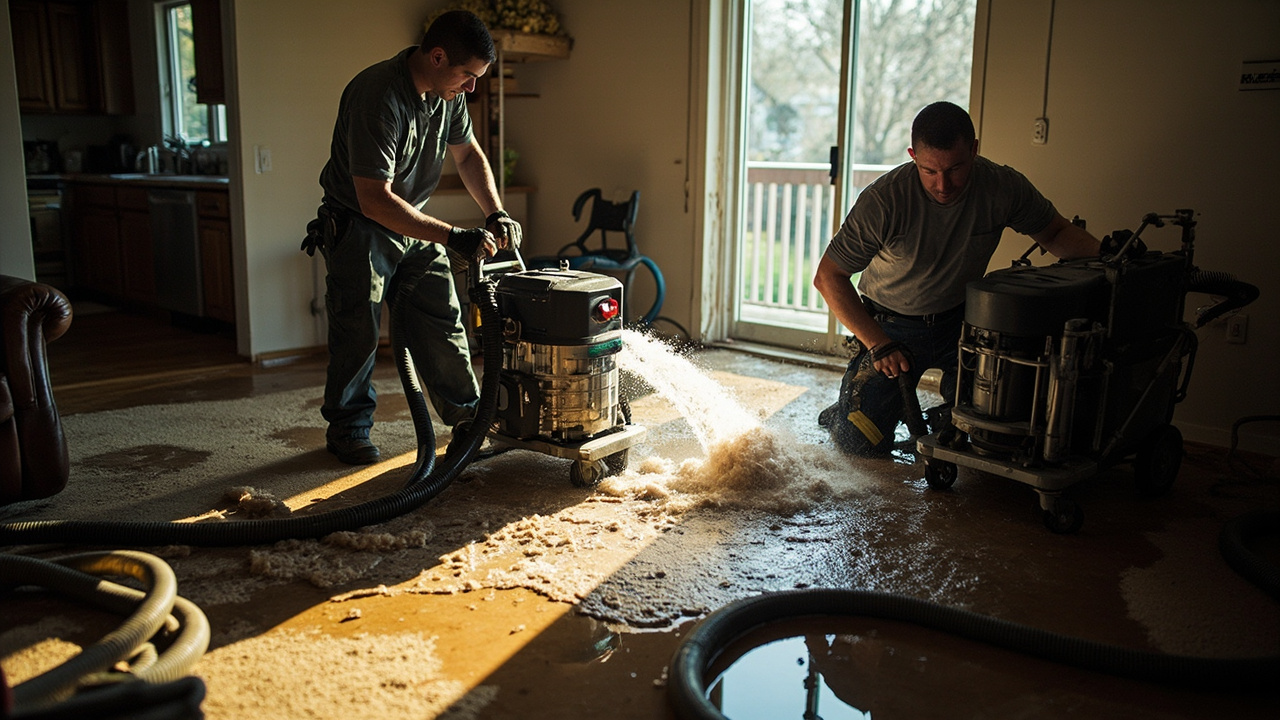
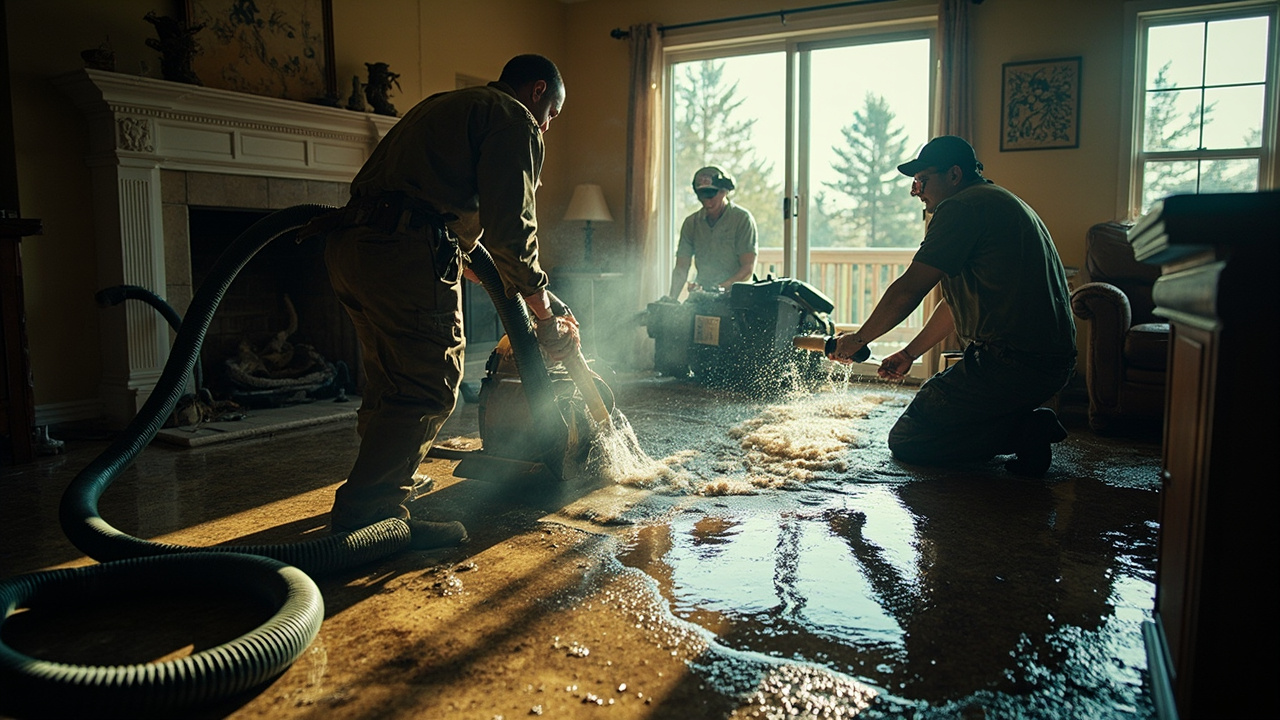
Rapid response flood extraction is not about mopping up water and calling it done. It is a multi-phase process that targets visible standing water and the moisture you cannot see. Our crews arrive with truck-mounted extractors capable of removing thousands of gallons per hour. These are not shop vacs. They are commercial-grade pumps designed for high-volume emergency water removal services.

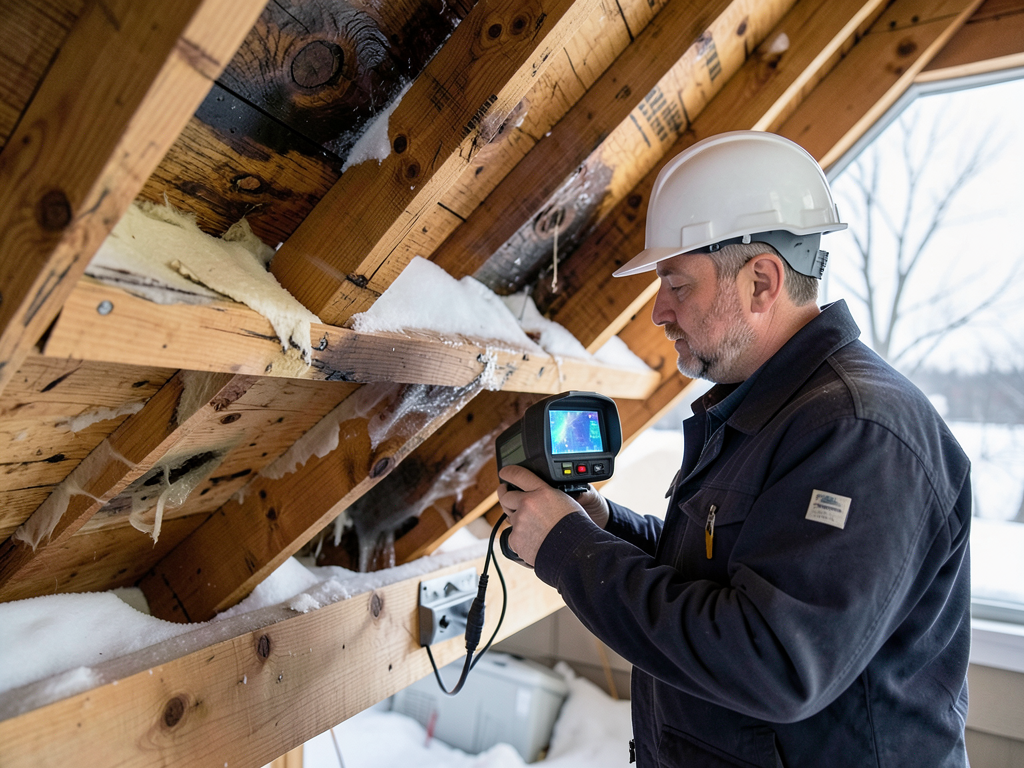
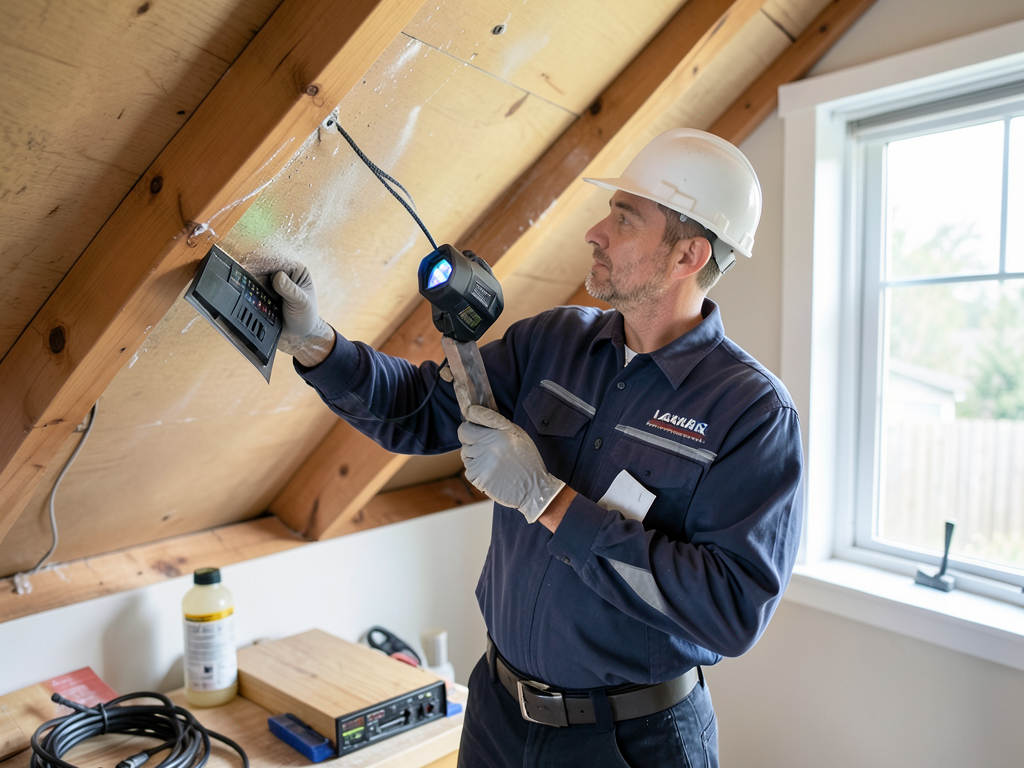
The first priority is water extraction. We deploy submersible pumps for deep standing water and weighted extraction wands for carpet and pad saturation. We measure moisture content in walls, subflooring, and structural components using thermal imaging cameras and moisture meters. This is not guesswork. We document wet zones and track drying progress with precision tools.

After extraction, we address the humidity problem. Standing water is one issue. Airborne moisture is another. We position commercial air movers to create rapid airflow across wet surfaces. These machines accelerate evaporation by moving hundreds of cubic feet of air per minute. We pair them with refrigerant dehumidifiers that pull moisture from the air and dump it outside your property. This prevents secondary damage to materials that were not directly flooded.

We also check for hidden moisture migration. Water follows gravity and pathways of least resistance. It travels behind baseboards, under flooring transitions, and into wall cavities. Our technicians remove baseboards and drill inspection holes when necessary to confirm complete extraction. We do not leave moisture behind to fester.

Alpha Water Damage Restoration Buffalo uses hydroxyl generators and HEPA air scrubbers to address airborne contaminants stirred up during urgent water cleanup. Floodwater often carries bacteria, sewage traces, and organic debris. We treat the air while we dry the structure.

What Happens When You Call for Emergency Flood Extraction

Rapid Response Flood Extraction in Buffalo – Crews Dispatched in Under 60 Minutes, 24/7
01

Immediate Dispatch and Assessment

You call our 24/7 emergency line, and we dispatch a crew immediately. No callbacks. No waiting for office hours. Our technicians arrive with water extraction equipment already loaded and ready to deploy. We assess the flood source, shut off water if needed, and begin extraction within minutes of arrival. Time matters, and we do not waste it.
02

High-Volume Water Removal

We deploy submersible pumps for standing water and weighted extraction tools for saturated materials. Truck-mounted extractors pull water directly to our vehicles, clearing thousands of gallons quickly. We monitor extraction progress with moisture meters, targeting concealed wet zones in subflooring and wall cavities. Our goal is complete water removal, not surface-level cleanup.
03

Structural Drying and Monitoring

Once water is extracted, we position air movers and dehumidifiers to dry the structure completely. We monitor moisture levels daily, adjusting equipment placement to ensure even drying. We document progress and provide readings to your insurance company. We do not remove equipment until moisture content returns to normal ranges. Drying is not a guess. It is a measured process.

Why Buffalo Property Owners Trust Local Flood Extraction Experts

You need a flood extraction team that understands Buffalo's construction and climate challenges. Our crews have worked in homes throughout Allentown, South Buffalo, and the First Ward. We know the basement layouts of century-old homes and the drainage issues that plague properties near Scajaquada Creek.

Local expertise matters when you are facing a flood emergency. We understand how Buffalo's weather patterns create sudden flooding. We know which neighborhoods experience chronic sump pump failures and where foundation cracks are common due to soil composition. This knowledge allows us to anticipate problems and respond with the right equipment the first time.

Alpha Water Damage Restoration Buffalo maintains relationships with local insurance adjusters and property managers. We document our work thoroughly, providing moisture readings, extraction logs, and photo evidence. This makes the claims process faster and protects you from disputes over coverage. We communicate directly with your insurer to streamline approvals and get restoration started without delays.

Our trucks are stocked with equipment designed for Buffalo's specific flood scenarios. We carry backup generators for power outages common during severe weather. We have extraction hoses long enough to reach basements in multi-story homes. We bring thermal imaging cameras to detect moisture in walls without destructive testing.

We also respond to commercial flood emergencies. Restaurants along Hertel Avenue, warehouses in the industrial corridor, and office buildings downtown face catastrophic losses when flooding strikes. We have the capacity to handle large-scale commercial water removal, protecting your business from extended downtime.

You get technicians who live and work in Buffalo. We are not a franchise routing calls to a regional call center. When you need immediate flood pumping, you get a local crew that knows your neighborhood and arrives prepared.

What to Expect During Emergency Flood Extraction

Immediate Response Time

We dispatch crews within 60 minutes of your call, 24 hours a day. Flood emergencies do not follow business hours, and neither do we. Our technicians arrive with fully equipped trucks ready to start water extraction immediately. You get real-time updates on crew arrival and equipment deployment. We prioritize emergency calls and mobilize additional crews during severe weather events. If you call at 3 AM, we respond at 3 AM. Speed determines how much of your property we can save.

Comprehensive Damage Assessment

Our technicians conduct a room-by-room assessment, measuring moisture content in floors, walls, and structural components. We use thermal imaging to identify hidden water migration behind finished surfaces. We document affected areas with photos and moisture readings for your insurance claim. We explain what we find in plain language, so you understand the scope of damage and the extraction plan. You receive a written assessment detailing wet zones, equipment placement, and estimated drying time.

Complete Structural Drying

Extraction is just the first step. We leave air movers and dehumidifiers in place until moisture readings return to normal. Our technicians visit daily to monitor progress and adjust equipment. We provide you with updated moisture logs and photos showing drying progress. You get a structure dried to industry standards, not a rushed job that leads to mold growth later. We confirm drying completion with final moisture readings before removing equipment.

Insurance Coordination and Documentation

We work directly with your insurance company, providing detailed documentation of our emergency water removal services. You get itemized invoices, moisture logs, equipment usage records, and photo evidence. We communicate with adjusters to expedite approvals and prevent claim disputes. Many policies cover emergency flood extraction when you act quickly. We help you navigate the claims process and provide the documentation insurers require. You focus on your family. We handle the paperwork.

Frequently Asked Questions

You Have Questions,
We Have Answers

How much does flood removal cost? +

Flood removal costs in Buffalo vary based on water volume, affected square footage, and damage severity. A basement flood typically ranges from moderate to significant expense depending on structural impact and contamination level. Costs include water extraction, drying equipment, antimicrobial treatment, and structural repairs. Category 3 water (sewage backups common during Buffalo spring thaws) costs more due to biohazard protocols. Most homeowners insurance policies cover sudden flooding from burst pipes or appliance failures. Document everything immediately. Call your insurance company within 24 hours to start your claim. Get a professional assessment before water spreads to floor joists and subfloors.

What is the immediate response to a flood? +

Stop the water source if safe to do so. Shut off main water valve for pipe bursts or turn off appliances for supply line failures. Move to higher ground if sewage is backing up. Do not enter standing water if electrical outlets are submerged. Call a 24/7 flood extraction company immediately. Buffalo homes face freeze-thaw pipe bursts and basement seepage from clay soil saturation. Every hour delays structural damage and mold colonization. Professional crews arrive with truck-mounted extractors and industrial air movers. They assess category level, extract water, and start drying within hours. Take photos for insurance but prioritize safety first.

Who is the largest restoration company? +

SERVPRO operates the most franchise locations nationally for restoration services. However, size does not guarantee the best local response for Buffalo properties. Large franchises often dispatch crews from distant territories during high-demand periods like spring flooding season. Buffalo homeowners need immediate response from locally-based teams who understand Lake Erie snow melt patterns, older home construction with limestone foundations, and city building codes. Look for companies with Buffalo-based equipment and technicians who arrive in minutes, not hours. Verify they carry full liability insurance and employ IICRC-certified water damage specialists. Local expertise beats national footprint during emergencies.

What is a rapid flooding? +

Rapid flooding means water accumulates faster than ground absorption or drainage systems can handle. In Buffalo, this happens during spring snow melt combined with rain, overwhelming storm sewers and causing basement backflow. Rapid flooding also occurs from burst pipes, water heater failures, or sump pump breakdowns during power outages. Water rises in minutes, not hours. Basements fill quickly because Buffalo clay soil prevents natural drainage. Rapid flooding requires immediate extraction before water wicks up drywall, saturates insulation, and penetrates hardwood floors. The first 24 hours determine whether you face cleanup or full reconstruction. Speed directly reduces total damage and costs.

Does insurance cover water remediation? +

Most homeowners insurance covers water remediation from sudden, accidental events like burst pipes, appliance malfunctions, or roof leaks from ice dams common in Buffalo winters. Policies typically exclude gradual damage from neglected maintenance or groundwater seepage through foundation cracks. Flood insurance through NEMA covers rising water from storms or snowmelt but requires separate purchase. Sewage backups need specific endorsements. File your claim immediately and document everything with photos. Insurance adjusters want professional invoices showing extraction, drying, and antimicrobial treatment. Work with restoration companies experienced in Buffalo insurance requirements. They bill directly and handle paperwork while you focus on recovery.

How do I get my property out of a flood zone? +

You cannot remove your property from FEMA flood zone maps through request alone. Flood zones reflect elevation data and historical water patterns near Buffalo waterways like the Niagara River and Scajaquada Creek. To change your designation, hire a licensed surveyor to conduct an elevation certificate proving your lowest floor sits above base flood elevation. Submit this to FEMA with a Letter of Map Amendment application. Alternatively, raise your structure through foundation elevation or install flood vents in crawlspaces. These engineering solutions cost thousands but reduce insurance premiums. Most Buffalo homeowners in moderate zones focus on sump pumps, backwater valves, and quick-response extraction partnerships.

Can you flush a toilet during a flood? +

Do not flush toilets during active flooding if sewage is backing up through drains. Buffalo sewer systems combine stormwater and sanitary waste in older neighborhoods. During heavy rain or snowmelt, the system overloads and pushes contaminated water back through basement floor drains and toilets. Flushing adds pressure and worsens backflow. If flooding comes from a burst pipe or exterior source unrelated to sewage, toilet use depends on whether your main water line still functions safely. When in doubt, shut off water at the main valve. Category 3 water contains dangerous bacteria and requires professional biohazard cleanup, not DIY efforts.

What are the 5 stages of a flood? +

The five flood stages progress from action to catastrophic. Stage 1 is Action Stage when rivers approach flood levels and monitoring begins. Stage 2 is Minor Flooding with minimal property damage. Stage 3 is Moderate Flooding causing road closures and some evacuations. Stage 4 is Major Flooding with extensive property damage and infrastructure failure. Stage 5 is Catastrophic Flooding with complete inundation and life-threatening conditions. Buffalo properties near Cayuga Creek or the Buffalo River face stages 2 to 3 during spring thaws. Basement flooding from overwhelmed storm sewers mimics stage 2 conditions. Understanding stages helps you recognize when to evacuate versus when to call extraction services immediately.

What are the four elements of EPP? +

The four elements of Emergency Preparedness Planning are mitigation, preparedness, response, and recovery. Mitigation reduces flood risk through sump pumps, backwater valves, and foundation waterproofing common in Buffalo basements. Preparedness means having 24/7 extraction company contact numbers, knowing your water shutoff location, and maintaining insurance documentation. Response is your immediate action when flooding starts: stopping water sources, moving valuables, and calling professionals. Recovery involves water extraction, structural drying, repairs, and mold prevention. Buffalo homeowners who plan all four elements recover faster and cheaper. Keep emergency contacts posted near your basement stairs and test your sump pump quarterly.

Who is SERVPRO's biggest competitor? +

SERVPRO competes with ServiceMaster Restore, Paul Davis Restoration, and regional companies across the restoration industry. Competition focuses on response time, equipment quality, and insurance relationships. For Buffalo property owners, the question is not about national brand recognition but local capability. The biggest competitor to any franchise is a locally-owned company with Buffalo-based crews, equipment staged in the metro area, and relationships with neighborhood insurance agents. During emergencies, you need technicians who arrive in 60 minutes, understand Buffalo building stock, and know local water table issues. Check response guarantees, not franchise size, when choosing your flood extraction partner.

How Lake Erie's Influence Creates Buffalo's Unique Flood Extraction Challenges

Buffalo's location at the eastern end of Lake Erie creates flood risks that demand specialized rapid response flood extraction capabilities. Lake effect snow dumps several feet of accumulation in hours during winter, followed by sudden spring thaws that overwhelm aging storm sewers. Neighborhoods near the waterfront and along tributaries like Buffalo Creek experience basement flooding when snowmelt combines with heavy rain. The soil's limited absorption capacity during frozen ground conditions forces water into foundations through cracks and aging mortar joints. Our crews understand these patterns and arrive prepared with high-capacity pumps designed for Buffalo's rapid onset flooding events.

Buffalo's housing stock includes thousands of homes built before modern drainage standards existed. Properties in Elmwood Village, Allentown, and the West Side often have stone foundations and inadequate sump pump systems. Local building codes now require backwater valves and updated drainage, but older homes remain vulnerable. Alpha Water Damage Restoration Buffalo maintains relationships with local contractors, plumbers, and structural engineers who understand Western New York construction. When you need urgent water cleanup, you get a team familiar with Buffalo's architectural quirks and the municipal requirements for restoration work. We know which permits are required and how to coordinate with city inspectors to keep your project moving.

Water Damage Restoration Services in The Buffalo Area

Although we offer rapid mobile service across the entire Buffalo area and surrounding regions, we invite you to view our service area map to confirm our commitment to your community. We are always ready to deploy our expert teams directly to your residential or commercial property, ensuring the fastest possible response time when you need water damage restoration most, right where you are.

Address:
Alpha Water Damage Restoration Buffalo, 369 Washington St, Buffalo, NY, 14203

Additional Services We Offer

Our news updates

Latest Articles & News from The Blogs

The importance of microbial swabbing after a sewer backup in your Lackawanna basement When sewage backs up into your Lackawanna…

The importance of microbial swabbing after a sewer backup in your Lackawanna basement

The importance of microbial swabbing after a sewer backup in your Lackawanna basement When sewage backs up into your Lackawanna…

Simple ways to prevent your pipes from freezing in an unheated North Buffalo crawlspace

Simple ways to prevent your pipes from freezing in an unheated North Buffalo crawlspace Buffalo’s brutal winters and lake-effect snow…

Keeping your kids and pets safe during a home restoration project in Kenmore

Keeping your kids and pets safe during a home restoration project in Kenmore\n\nHome restoration after water damage creates unique safety…

Contact Us

Every minute of delay increases your flood damage and repair costs. Call Alpha Water Damage Restoration Buffalo now at (716) 317-7717. Our crews are standing by 24/7 with industrial extraction equipment ready to deploy. We answer immediately and dispatch fast.