


North Tonawanda sits at the convergence of the Niagara River and Tonawanda Creek, creating a unique moisture challenge that most residents underestimate until it's too late. The clay-heavy soil common throughout Payne Avenue, Wheatfield Street, and the neighborhoods near Gratwick Park holds water like a sponge, forcing groundwater against basement foundations during spring thaws and heavy rain events. Homes built before 1960, which make up a significant portion of housing stock along Oliver Street and near the Gateway Harbor, often lack proper vapor barriers and modern drainage systems.
Lake Erie's humidity combines with fluctuating winter temperatures to create freeze-thaw cycles that crack foundation walls and stress pipe connections. When temperatures drop below freezing, pipes in unheated crawl spaces and exterior walls burst without warning. North Tonawanda's aging infrastructure means many homes still have galvanized steel supply lines that corrode from the inside out, failing suddenly during high-pressure events. Add in the Niagara County requirement for below-frost-line foundation depths, and you have basements that naturally collect water through hydrostatic pressure, especially in lower-lying areas near Two Mile Creek. Water damage here is not just about floods or burst pipes. It's about geography working against your home's structure.
We built our reputation responding to North Tonawanda's worst water emergencies while other companies were still scheduling estimates. When the February 2019 thaw flooded basements across the Gratwick-Highlands neighborhood, our crews were extracting water at 2 AM while competitors waited for business hours. That's the difference between structural damage and a bad memory.
Alpha Water Damage Restoration Buffalo operates from Buffalo with dedicated response zones covering Niagara County, which means our trucks reach North Tonawanda addresses in under 30 minutes for true emergencies. We keep extraction equipment, air movers, and commercial dehumidifiers staged and ready, not sitting in some distant warehouse. Our technicians live in Western New York and understand what happens when Lake Erie humidity meets your soaked drywall.
We work differently than restoration companies that subcontract the actual work. Our crews handle everything from initial water extraction to final antimicrobial treatment, using thermal imaging to find hidden moisture pockets behind walls and under flooring that insurance adjusters miss. We document every step with detailed moisture readings and time-stamped photos that insurance carriers accept without argument, which speeds up your claim and gets repairs funded faster.
North Tonawanda homeowners choose us because we communicate like humans, not corporate scripts. You get a project manager's direct cell number, not a call center. When we say 24-hour response, we mean our crew chief answers at 3 AM on Sunday, not an answering service taking messages. We have pulled water out of historic homes near Webster Street, dried out flooded businesses along Niagara Falls Boulevard, and restored basements after sewer backups in every neighborhood from Sheridan Parkside to the Heights. We know this city's water problems because we have fixed them hundreds of times.

Our crew chiefs carry emergency phones and respond directly to North Tonawanda calls, not a third-party answering service. When you call at midnight with a flooded basement, you talk to the technician who will be at your door within 30 minutes, already planning equipment needs based on your description. No waiting for callbacks or business hours.

We handle documentation and communication with your insurance carrier from first contact through final invoice. Our estimators use Xactimate software that adjusters recognize, submit detailed moisture logs, and provide thermal imaging reports that eliminate claim disputes. Most North Tonawanda clients get approval within 48 hours because we speak the insurance language fluently.
We use FLIR thermal imaging cameras and penetrating moisture meters to find water trapped in wall cavities, under hardwood floors, and inside ceiling assemblies. Surface drying leaves hidden moisture that grows mold within 72 hours. Our technicians map every affected area and verify complete dryness before signing off on restoration, preventing callback problems.
We have restored water damage in North Tonawanda's century-old homes near the Erie Canal, post-war ranches along Niagara Falls Boulevard, and newer construction in Sheridan Parkside. Our crews understand the clay soil drainage issues, foundation designs specific to this area, and how Lake Erie humidity affects drying times. Geographic knowledge matters when minutes count.
Water damage restoration requires more than fans and shop vacuums. Alpha Water Damage Restoration Buffalo provides complete water damage remediation, from emergency extraction through structural repairs and antimicrobial treatment. Our services address every category of water intrusion defined by the Institute of Inspection, Cleaning and Restoration Certification, whether you're dealing with clean water from a supply line failure or category three contamination from a sewage backup.
North Tonawanda properties face diverse water threats. Basement flooding from foundation seepage requires different equipment than second-floor bathroom overflows. Burst pipes in winter demand immediate response to prevent freeze damage, while summer storm flooding needs rapid extraction before humidity fuels mold growth. We structure our services around damage severity and contamination level, not arbitrary package pricing.
Our water removal services include truck-mounted extraction for heavy flooding, injector systems for water trapped in hardwood floors, and specialized drying chambers for contents like furniture and documents. We measure moisture levels in structural materials daily, adjusting equipment placement as conditions change. Restoration work continues until moisture readings match pre-loss baselines, verified by independent testing. This systematic approach prevents the incomplete drying that causes mold problems and failed insurance re-inspections.
We deploy truck-mounted extraction units and submersible pumps to North Tonawanda properties with active water intrusion, removing hundreds of gallons per minute from basements, crawl spaces, and flooded living areas. Our crews arrive with thermal boots, moisture barriers, and containment equipment to prevent water migration into unaffected rooms. We extract standing water first, then use weighted extraction tools to pull moisture from carpets, padding, and subflooring before it reaches floor joists and wall framing.
After extraction, we install commercial air movers and refrigerant dehumidifiers to dry wall cavities, insulation, and structural lumber. Our technicians measure moisture content in drywall, studs, and subfloors using penetrating meters, tracking readings until materials return to normal ranges. We create negative air pressure in affected areas to draw moisture out of enclosed spaces and prevent vapor migration. North Tonawanda's high ambient humidity requires dedicated dehumidification, not just air movement. We monitor conditions remotely and adjust equipment daily.
Sewage backups, river flooding, and contaminated groundwater require specialized cleanup protocols that protect occupant health. We contain affected areas with physical barriers and negative air machines equipped with HEPA filtration. Our crews remove porous materials that cannot be disinfected, then apply EPA-registered antimicrobials to remaining surfaces. We follow IICRC S500 standards for category three water damage, documenting every step for insurance and health department review. Contaminated water cleanup is not a DIY project.
North Tonawanda's location between the Niagara River and Tonawanda Creek creates predictable water damage patterns that repeat across neighborhoods every year. Spring snowmelt overwhelms aging foundation drains in older sections near Oliver Street and Payne Avenue. Summer storms drop inches of rain in minutes, flooding low-lying areas near Gateway Harbor and Two Mile Creek. Winter brings frozen pipes in exterior walls and unheated crawl spaces, especially in homes built before insulation standards improved.
The clay soil underlying most of North Tonawanda holds water against basement walls longer than sandy or loamy soils, creating constant hydrostatic pressure that finds cracks in foundation walls and floor slab joints. Homes near the river corridor deal with seasonal water table fluctuations that push groundwater through basement floors during high-water months. Add in the aging infrastructure common to pre-1970 construction, and you have a perfect storm of water intrusion risks. Insurance claims data from Niagara County shows water damage as the most frequent property loss, exceeding fire and wind damage combined. These patterns are not random. They reflect geography and building stock that make water damage almost inevitable without proper maintenance and rapid response when problems start.
Clay soil and high water tables push groundwater through foundation cracks, floor drains, and slab joints during heavy rain and spring thaws. Basement flooding in North Tonawanda often starts as dampness or small puddles that suddenly become inches of standing water when drainage systems fail. Our crews seal the source, extract water, and dry below-grade spaces completely to prevent mold.
Frozen pipes burst without warning during cold snaps, flooding multiple rooms with pressurized water in minutes. Older homes still have galvanized steel supply lines that corrode internally and fail during normal use. We respond immediately to shut off water flow, extract standing water, and dry wall cavities before hidden moisture causes structural damage that triples repair costs.
Water heater failures, washing machine hose ruptures, and toilet supply line leaks dump gallons of water onto finished floors, soaking subflooring and ceiling assemblies below. These slow leaks often go unnoticed until staining appears or floors start buckling. We use thermal imaging to trace water migration paths and dry hidden areas that homeowners cannot access.
Summer downpours and rapid snowmelt overwhelm gutters, downspouts, and grading around North Tonawanda homes, sending water into basements through window wells, bilco doors, and foundation penetrations. Poor lot drainage funnels water toward foundations instead of away. We extract standing water, document damage for insurance claims, and recommend drainage improvements to prevent repeat flooding.
Water damage creates panic. You are watching your home or business flood and need someone who answers immediately and arrives fast. When you call Alpha Water Damage Restoration Buffalo, you talk directly to a crew chief who asks specific questions about water source, affected areas, and current conditions. We dispatch a response team while still on the phone, usually arriving at North Tonawanda addresses within 30 minutes for true emergencies.
Our first goal is stopping active water intrusion, whether that means shutting off supply valves, tarping roof damage, or setting up sump pumps for ongoing groundwater. We assess damage severity, identify safety hazards like electrical risks or structural concerns, and explain what happens next in clear language. You get a detailed scope of work before we start extraction, including estimated timeline and equipment needs.
We handle insurance notification if you want assistance, or work with the adjuster you have already contacted. Our documentation includes moisture mapping, thermal images, and detailed notes that insurance companies accept without argument. You receive daily updates on drying progress, moisture readings, and timeline adjustments if conditions change. We treat your property like it's ours, protecting unaffected areas and minimizing disruption while working fast enough to prevent secondary damage.
Our crew arrives with extraction equipment already loaded and ready to deploy. The team lead walks through affected areas with moisture meters and thermal cameras, identifying all water migration paths and hidden saturation. You get a verbal explanation of damage extent, safety concerns, and work sequence before extraction starts. We document pre-existing conditions, photograph all affected areas, and note contents that need special handling. This initial assessment takes 15 to 30 minutes and determines equipment needs and crew size.
You receive a project manager's direct cell number for questions and updates. We check moisture levels daily and send text updates showing progress. If drying takes longer than expected due to hidden saturation or weather conditions, we explain why and adjust the timeline. Insurance questions get answered immediately, not routed through customer service. Our crews explain equipment placement, noise levels, and access needs before setting up dehumidifiers and air movers. You know what to expect each day.
We do not remove equipment based on calendar days or visual dryness. Our technicians measure moisture content in all affected materials and compare readings to industry standards for dry conditions. When readings match normal ranges, we document completion with final moisture maps and photographs showing restored conditions. You receive a complete file with all documentation for insurance submission and future reference. Our work is not done until moisture readings confirm your property is completely dry.
Water damage restoration follows a systematic sequence designed to stop damage progression and return your property to pre-loss condition. We follow IICRC S500 standards that define proper restoration procedures based on water category and material affected.
You call our emergency line and speak directly with a crew chief who asks about water source, affected areas, and immediate hazards. We dispatch a response team immediately, typically arriving at North Tonawanda locations within 30 minutes. Our crew brings truck-mounted extraction equipment, moisture detection tools, and containment supplies. We assess damage severity, identify all affected areas using thermal imaging, and explain the restoration plan before starting work.
We remove standing water using truck-mounted extractors and submersible pumps, then deploy commercial air movers and refrigerant dehumidifiers to dry structural materials. Our technicians place equipment based on airflow patterns and moisture readings, creating optimal drying conditions. We monitor moisture levels daily, adjusting equipment as materials dry. Drying typically takes three to seven days depending on saturation depth, affected materials, and ambient humidity conditions.
When moisture readings confirm all materials are dry, we remove equipment and clean affected areas. If restoration work like drywall replacement or flooring repair is needed, our construction crews complete repairs using materials that match existing finishes. You receive complete documentation including moisture logs, thermal images, and final readings for insurance submission. We follow up to confirm your satisfaction and answer any questions about preventing future water damage.
Professional water damage restoration follows specific protocols established by the Institute of Inspection, Cleaning and Restoration Certification, the industry authority that sets technical standards for water damage mitigation. IICRC S500 defines water categories, material classifications, and drying procedures that determine proper restoration methods. Category one water from supply lines requires different handling than category three sewage contamination, which mandates material removal and antimicrobial treatment.
We classify building materials by porosity and drying difficulty. Drywall and insulation absorb water rapidly and require prompt removal if saturation exceeds 50 percent. Hardwood flooring can often be saved with injector drying systems if addressed within 48 hours, but engineered wood products delaminate when wet and need replacement. Structural lumber dries slowly and requires extended dehumidification with verified moisture readings below 16 percent before enclosure.
North Tonawanda's clay soil and high ambient humidity from Lake Erie affect drying times. We calculate grain depression and vapor pressure deficit to determine dehumidifier capacity needed for current conditions. Standard air movers create airflow across wet surfaces, but without adequate dehumidification, they just circulate humid air. Our crews measure temperature, relative humidity, and material moisture content twice daily, adjusting equipment based on psychrometric calculations.
New York State requires proper handling of contaminated materials and documentation of antimicrobial treatments. We follow EPA guidelines for disinfectant application and provide material safety data sheets for all chemicals used. Insurance carriers require daily moisture logs, equipment inventories, and thermal imaging to validate drying progress. Our documentation meets Xactimate standards that adjusters recognize, eliminating claim disputes over scope and pricing. Technical precision prevents the incomplete drying and hidden moisture that cause mold growth, structural damage, and failed reinspections.
We follow Institute of Inspection, Cleaning and Restoration Certification protocols for water classification, material handling, and drying verification. Our technicians hold IICRC Water Damage Restoration certifications and use approved methods for extraction, dehumidification, and antimicrobial treatment. Compliance with S500 standards ensures insurance acceptance and prevents liability issues from improper restoration techniques that cause secondary damage.
Restoration costs depend on water volume, affected square footage, material saturation depth, and contamination category. Category three sewage cleanup costs more than clean water extraction due to disposal requirements and antimicrobial protocols. Hardwood floor drying with injector systems costs less than replacement, but only if started within 48 hours. Insurance typically covers sudden and accidental water damage, excluding maintenance-related failures and flood events requiring separate flood insurance.
Complete structural drying takes three to seven days for most residential water damage, longer for deep saturation in wall cavities and subfloor assemblies. We measure moisture daily and extend equipment placement if readings remain elevated. Rushing the process by removing equipment based on calendar days rather than verified dryness causes mold growth and material failure. North Tonawanda's humidity requires dedicated dehumidification throughout the drying period, not just air movement.
New York requires proper disposal of contaminated materials and documentation of antimicrobial treatments using EPA-registered products. We provide material safety data sheets for all chemicals applied and follow state guidelines for category three water handling. Insurance carriers in New York accept Xactimate estimates and require daily moisture documentation to validate claims. Our protocols meet both state requirements and insurance carrier expectations for proper restoration.
Professional water damage restoration process for North Tonawanda properties. This video explains emergency water extraction procedures, structural drying timelines, and insurance documentation requirements. Alpha Water Damage Restoration Buffalo demonstrates proper water removal techniques including truck-mounted extraction, commercial dehumidification, and thermal imaging moisture detection. Content covers North Tonawanda's specific water damage challenges from clay soil foundation seepage to Niagara River humidity effects on drying conditions.
Alpha Water Damage Restoration Buffalo serves every neighborhood in North Tonawanda, from the historic homes near Gratwick Park and Gateway Harbor along the Niagara River to the residential streets of Sheridan Parkside and the Wheatfield Street corridor. We respond to water emergencies throughout the ZIP codes 14120 and 14150, covering properties from the Erie Canal on the south end to Ellicott Creek and Two Mile Creek watersheds that define the city's northern boundaries.
Our crews know the distinct water damage challenges across North Tonawanda's diverse neighborhoods. The older housing stock along Oliver Street, Payne Avenue, and Webster Street near the original city center faces foundation issues and aging plumbing that require specialized restoration approaches different from post-war construction along Niagara Falls Boulevard and Ward Road. Properties in the Gratwick-Highlands area near the river deal with high water tables and seasonal flooding, while homes in the eastern sections toward Sheridan Drive see more storm water intrusion from poor lot grading.
We maintain rapid response capability to North Tonawanda's commercial corridor along Niagara Falls Boulevard, where business water damage means lost revenue every hour. Our trucks reach the industrial areas near River Road and the small business district downtown within minutes of dispatch. Properties near Tonawanda Creek and the canal basin require quick response because groundwater intrusion can flood basements rapidly when water levels rise.
North Tonawanda sits between Buffalo and Niagara Falls in Niagara County, positioned where Lake Erie's weather patterns and the Niagara River's hydrology create constant moisture challenges. We understand how geography affects water damage in this city, from the clay soil that holds water against foundations to the freeze-thaw cycles that burst pipes every winter. Our coverage extends throughout Niagara County, serving adjacent communities along Military Road, Colvin Boulevard, and the Tonawanda city border, but North Tonawanda remains a core service area where we have restored hundreds of properties and built relationships with local insurance agents and property managers who trust our work.
Water damage restoration in North Tonawanda takes 3 to 7 days for most projects. Small affected areas need 72 hours to dry completely. Large floods or multi-level damage extends timelines to 2 weeks. The process includes water extraction, drying, sanitizing, and repairs. Weather affects drying times in North Tonawanda. High humidity in summer slows moisture removal. Cold winter temperatures require additional heating equipment. Your restoration timeline depends on water source, affected materials, and structural damage extent. Professional teams provide specific completion dates after initial inspection.
Water damage restoration pricing in North Tonawanda depends on affected square footage, water category, and structural damage. Clean water incidents typically run less than sewage contamination. Single room restoration differs from whole house projects. Factors affecting your total include water extraction needs, drying equipment required, antimicrobial treatments, and reconstruction work. Most North Tonawanda companies offer free inspections and detailed estimates. Emergency services after business hours add to base rates. Get written quotes from three local companies before choosing your restoration team.
Most North Tonawanda homeowners insurance policies cover sudden water damage from burst pipes, appliance failures, and storm damage. Your policy typically excludes flood damage, which requires separate flood insurance. Gradual leaks from poor maintenance face denial. Review your policy's water damage coverage limits and deductibles. Document everything with photos and detailed notes. Contact your insurance agent within 24 hours of damage. Many North Tonawanda restoration companies work directly with insurance adjusters. They help file claims and provide required documentation for reimbursement.
Water damage restoration in North Tonawanda takes 3 to 7 days for most projects. Small affected areas need 72 hours to dry completely. Large floods or multi-level damage extends timelines to 2 weeks. The process includes water extraction, drying, sanitizing, and repairs. Weather affects drying times in North Tonawanda. High humidity in summer slows moisture removal. Cold winter temperatures require additional heating equipment. Your restoration timeline depends on water source, affected materials, and structural damage extent. Professional teams provide specific completion dates after initial inspection.
Water damage restoration pricing in North Tonawanda depends on affected square footage, water category, and structural damage. Clean water incidents typically run less than sewage contamination. Single room restoration differs from whole house projects. Factors affecting your total include water extraction needs, drying equipment required, antimicrobial treatments, and reconstruction work. Most North Tonawanda companies offer free inspections and detailed estimates. Emergency services after business hours add to base rates. Get written quotes from three local companies before choosing your restoration team.
Most North Tonawanda homeowners insurance policies cover sudden water damage from burst pipes, appliance failures, and storm damage. Your policy typically excludes flood damage, which requires separate flood insurance. Gradual leaks from poor maintenance face denial. Review your policy's water damage coverage limits and deductibles. Document everything with photos and detailed notes. Contact your insurance agent within 24 hours of damage. Many North Tonawanda restoration companies work directly with insurance adjusters. They help file claims and provide required documentation for reimbursement.
You need water damage restoration in North Tonawanda if you see standing water, wet drywall, or buckled flooring. Check for water stains on ceilings and walls. Musty odors indicate hidden moisture problems. Peeling paint and soft spots in floors signal trapped water. Look for mold growth within 48 hours of water exposure. Your water heater, washing machine hoses, and basement show common leak sources. Touch walls and carpets for dampness. Act immediately when you notice these signs. Delayed response leads to structural damage and health hazards.
You might stay in your North Tonawanda home during minor water damage restoration affecting one room. Extensive damage requires temporary relocation for safety. Sewage contamination makes your home unsafe until sanitization completes. Airborne mold spores pose health risks during removal. Loud drying equipment runs 24 hours, making sleep difficult. Restoration teams need clear access to affected areas. Power may be shut off for safety during electrical work. Ask your restoration company about habitability. They assess air quality, structural safety, and working conditions to determine if staying home is safe.
Mold grows in North Tonawanda homes when moisture sits for 24 to 48 hours. Warm indoor temperatures and organic materials like drywall feed mold spores. High humidity levels above 60 percent accelerate growth. Hidden water in wall cavities and under flooring creates ideal conditions. Poor ventilation traps moisture after water damage. North Tonawanda's humid summers make mold spread faster. Porous materials like carpet, insulation, and wood absorb water and stay damp longer. Quick water removal and thorough drying prevent mold. Professional dehumidification keeps moisture below mold growth thresholds.
Call a North Tonawanda water damage company within the first hour of damage. Water spreads through building materials in minutes. The first 24 hours determine restoration success or total loss. Drywall absorbs water and loses structural integrity after 48 hours. Mold begins growing at the 24 to 48 hour mark. Immediate response prevents secondary damage and reduces overall restoration needs. Many North Tonawanda companies offer 24/7 emergency response. Quick action saves your belongings and minimizes structural repairs. Waiting turns minor damage into major reconstruction projects.
North Tonawanda water damage companies use truck-mounted extractors for water removal. Industrial dehumidifiers pull moisture from air and materials. Air movers create airflow for faster drying. Moisture meters measure water content in walls and floors. Infrared cameras detect hidden water behind surfaces. HEPA air scrubbers remove airborne contaminants and mold spores. Injection drying systems dry hardwood floors without removal. Hydroxyl generators eliminate odors and sanitize spaces. Professional equipment works faster than household fans and dehumidifiers. These tools ensure complete drying and prevent mold growth.
Drying walls in North Tonawanda requires removing baseboards and drilling small holes near the floor. Air movers force air into wall cavities. Dehumidifiers remove moisture from the air. Moisture meters track drying progress inside walls. Insulation removal happens when saturation exceeds 30 percent. Vapor barriers slow drying and need temporary removal. Drywall stays intact if dried within 48 hours. Professionals monitor humidity levels and adjust equipment placement daily. Complete wall drying takes 3 to 5 days with proper equipment. Thorough drying prevents mold and structural damage.
Water removal in North Tonawanda means extracting standing water from your property. Pumps and vacuums remove visible water quickly. Water damage restoration includes removal plus drying, sanitizing, deodorizing, and rebuilding. Restoration addresses all damage effects, from initial extraction through final repairs. Removal alone leaves moisture in materials, causing mold and structural problems. Complete restoration returns your home to pre-damage condition. Professional teams inspect for hidden moisture and damaged materials. Restoration prevents future problems through thorough drying and antimicrobial treatments. Choose full restoration over simple removal for lasting results.
You need water damage restoration in North Tonawanda if you see standing water, wet drywall, or buckled flooring. Check for water stains on ceilings and walls. Musty odors indicate hidden moisture problems. Peeling paint and soft spots in floors signal trapped water. Look for mold growth within 48 hours of water exposure. Your water heater, washing machine hoses, and basement show common leak sources. Touch walls and carpets for dampness. Act immediately when you notice these signs. Delayed response leads to structural damage and health hazards.
You might stay in your North Tonawanda home during minor water damage restoration affecting one room. Extensive damage requires temporary relocation for safety. Sewage contamination makes your home unsafe until sanitization completes. Airborne mold spores pose health risks during removal. Loud drying equipment runs 24 hours, making sleep difficult. Restoration teams need clear access to affected areas. Power may be shut off for safety during electrical work. Ask your restoration company about habitability. They assess air quality, structural safety, and working conditions to determine if staying home is safe.
Mold grows in North Tonawanda homes when moisture sits for 24 to 48 hours. Warm indoor temperatures and organic materials like drywall feed mold spores. High humidity levels above 60 percent accelerate growth. Hidden water in wall cavities and under flooring creates ideal conditions. Poor ventilation traps moisture after water damage. North Tonawanda's humid summers make mold spread faster. Porous materials like carpet, insulation, and wood absorb water and stay damp longer. Quick water removal and thorough drying prevent mold. Professional dehumidification keeps moisture below mold growth thresholds.
Call a North Tonawanda water damage company within the first hour of damage. Water spreads through building materials in minutes. The first 24 hours determine restoration success or total loss. Drywall absorbs water and loses structural integrity after 48 hours. Mold begins growing at the 24 to 48 hour mark. Immediate response prevents secondary damage and reduces overall restoration needs. Many North Tonawanda companies offer 24/7 emergency response. Quick action saves your belongings and minimizes structural repairs. Waiting turns minor damage into major reconstruction projects.
North Tonawanda water damage companies use truck-mounted extractors for water removal. Industrial dehumidifiers pull moisture from air and materials. Air movers create airflow for faster drying. Moisture meters measure water content in walls and floors. Infrared cameras detect hidden water behind surfaces. HEPA air scrubbers remove airborne contaminants and mold spores. Injection drying systems dry hardwood floors without removal. Hydroxyl generators eliminate odors and sanitize spaces. Professional equipment works faster than household fans and dehumidifiers. These tools ensure complete drying and prevent mold growth.
Drying walls in North Tonawanda requires removing baseboards and drilling small holes near the floor. Air movers force air into wall cavities. Dehumidifiers remove moisture from the air. Moisture meters track drying progress inside walls. Insulation removal happens when saturation exceeds 30 percent. Vapor barriers slow drying and need temporary removal. Drywall stays intact if dried within 48 hours. Professionals monitor humidity levels and adjust equipment placement daily. Complete wall drying takes 3 to 5 days with proper equipment. Thorough drying prevents mold and structural damage.
Water removal in North Tonawanda means extracting standing water from your property. Pumps and vacuums remove visible water quickly. Water damage restoration includes removal plus drying, sanitizing, deodorizing, and rebuilding. Restoration addresses all damage effects, from initial extraction through final repairs. Removal alone leaves moisture in materials, causing mold and structural problems. Complete restoration returns your home to pre-damage condition. Professional teams inspect for hidden moisture and damaged materials. Restoration prevents future problems through thorough drying and antimicrobial treatments. Choose full restoration over simple removal for lasting results.
Although we offer rapid mobile service across the entire Buffalo area and surrounding regions, we invite you to view our service area map to confirm our commitment to your community. We are always ready to deploy our expert teams directly to your residential or commercial property, ensuring the fastest possible response time when you need water damage restoration most, right where you are.
Address:
North Tonawanda, NY, 14120
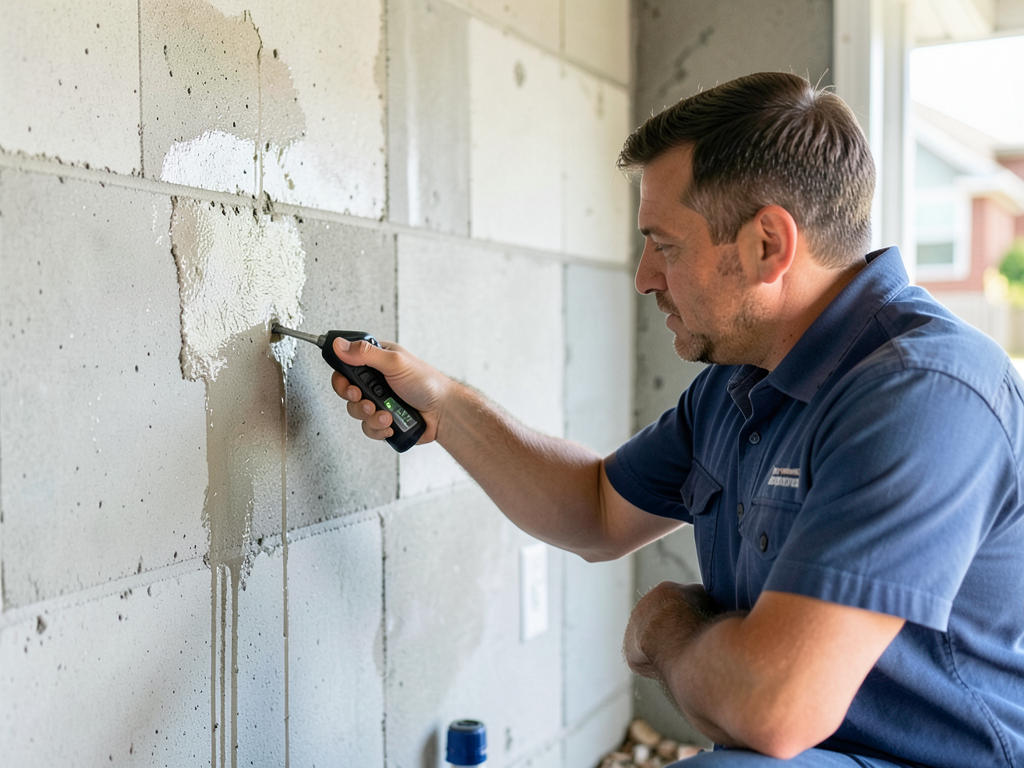
Managing Basement Moisture During the Humid Dog Days of a Buffalo Summer Your basement smells musty. The walls feel damp. You notice condensation on the windows even though it hasn’t rained in days. Buffalo summers…
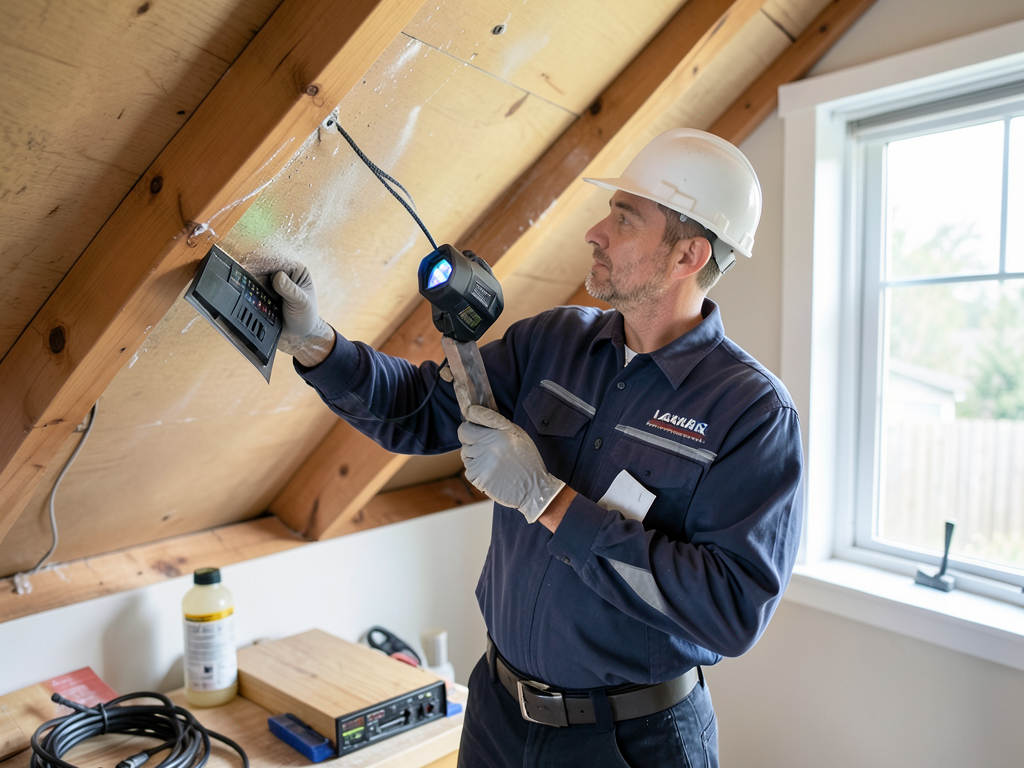
Why High Humidity in Your Lackawanna Attic is a Recipe for Structural Rot High attic…

Protecting Your Home Office Electronics After a Water Leak in Your Snyder Spare Room Water…
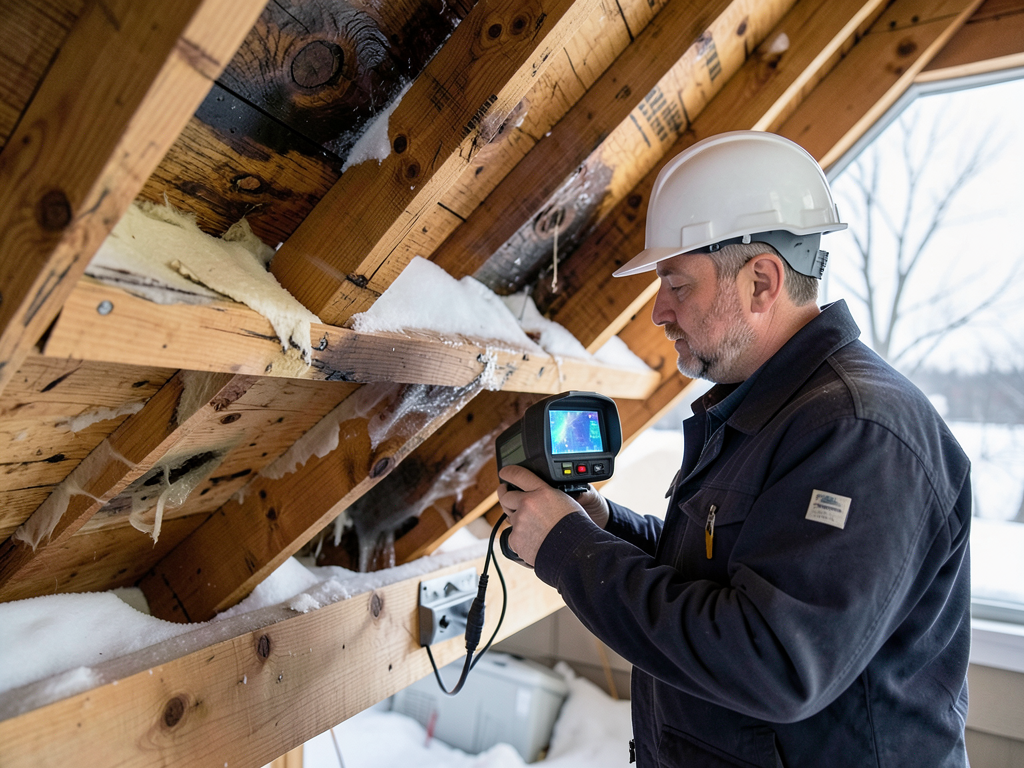
How to Tell if a Small Roof Leak is Actually a Major Mold Risk in…
Water damage spreads every minute you wait. Our crews are standing by with extraction equipment and commercial drying systems. Call (716) 317-7717 now for 24/7 emergency response to your North Tonawanda property.