menu

Peeling Paint & Wallpaper in Buffalo | Expert Diagnosis of Hidden Water Damage

We identify the moisture source behind bubbling paint and lifting wallpaper before it spreads, protecting your Buffalo home from structural damage and mold growth.

Slider Image 1
Slider Image 2
Slider Image 3
Slider Image 4
Slider Image 5
Slider Image 7
Slider Image 8
Slider Image 9
Slider Image 10
Slider Image 11

Why Your Paint and Wallpaper Are Failing in Buffalo Homes

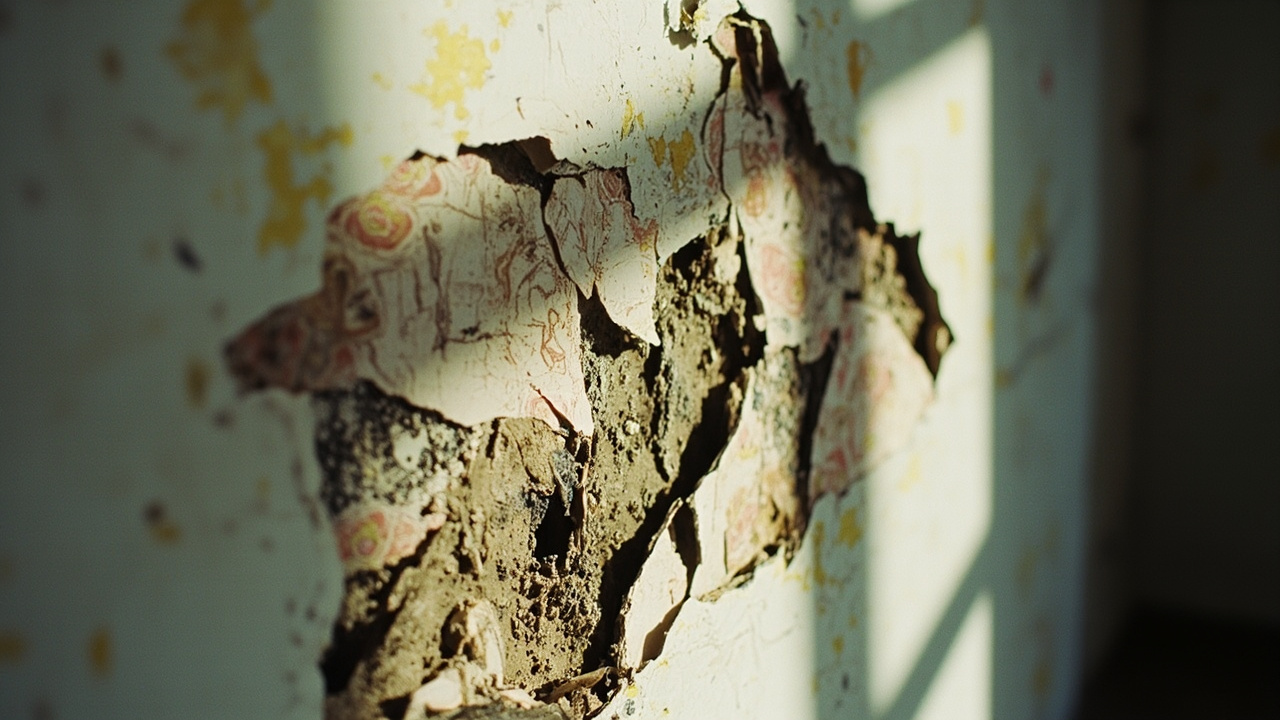
You notice blistering wall paint in the upstairs bedroom. A week later, wallpaper starts lifting near the baseboards. This is not a cosmetic problem. This is water finding a way through your walls.

Buffalo's freeze-thaw cycles create unique challenges for older homes, particularly in neighborhoods like Elmwood Village and North Buffalo where housing stock dates to the early 1900s. When temperatures swing from 15 degrees in January to 40 degrees by noon, ice dams form on roofs. Meltwater backs up under shingles and seeps into wall cavities. You see the result months later as flaking paint and loose wallpaper.

The Lake Erie moisture factor compounds this. Humid air infiltrates through aging window frames and brick mortar joints. When that moisture hits cold exterior walls during winter, condensation forms inside the wall cavity. The water migrates to the surface. Paint loses adhesion. Wallpaper paste fails.

Bubbling paint near windows often signals failed flashing or deteriorated caulking. Peeling paint along ceiling lines points to roof leaks or attic condensation. Lifting wallpaper in bathrooms or kitchens indicates plumbing leaks or inadequate ventilation. Each symptom has a specific cause.

The average Buffalo home experiences 194 days per year with measurable precipitation. That water has to go somewhere. When drainage systems fail or building envelopes age, it goes into your walls. The paint and wallpaper are just messengers telling you there is a bigger problem underneath.

Why Your Paint and Wallpaper Are Failing in Buffalo Homes
How We Find and Fix the Moisture Source

How We Find and Fix the Moisture Source

Alpha Water Damage Restoration Buffalo does not repaint over wet walls. We locate the water source, stop the intrusion, dry the structure, and address the damage properly.

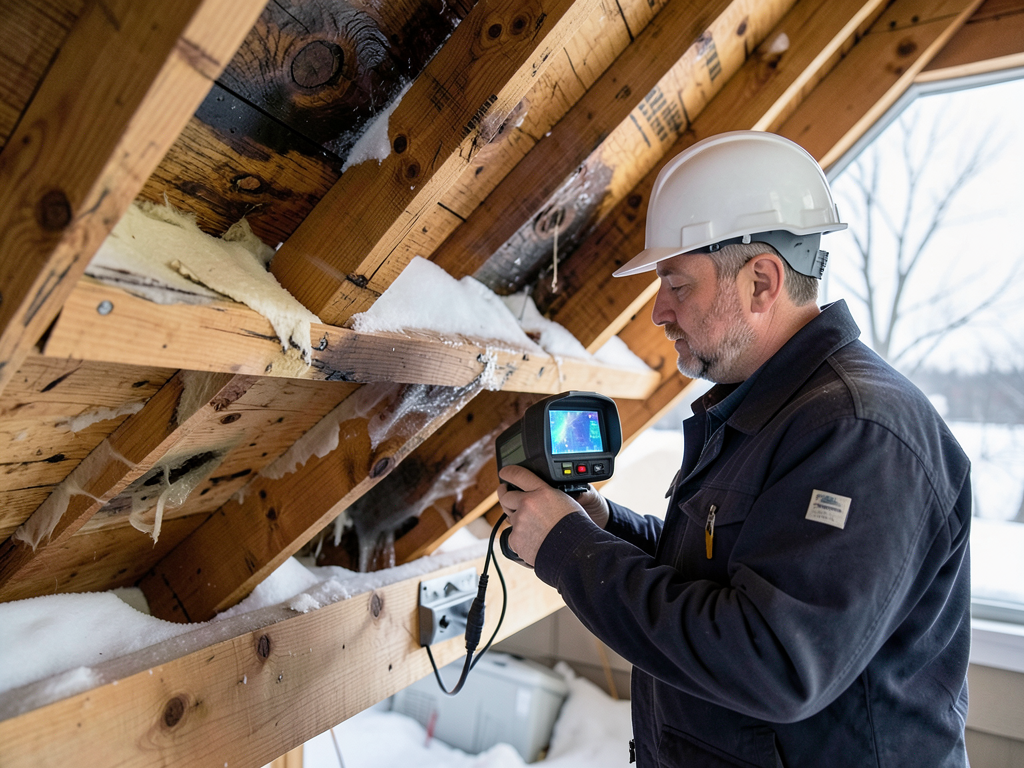
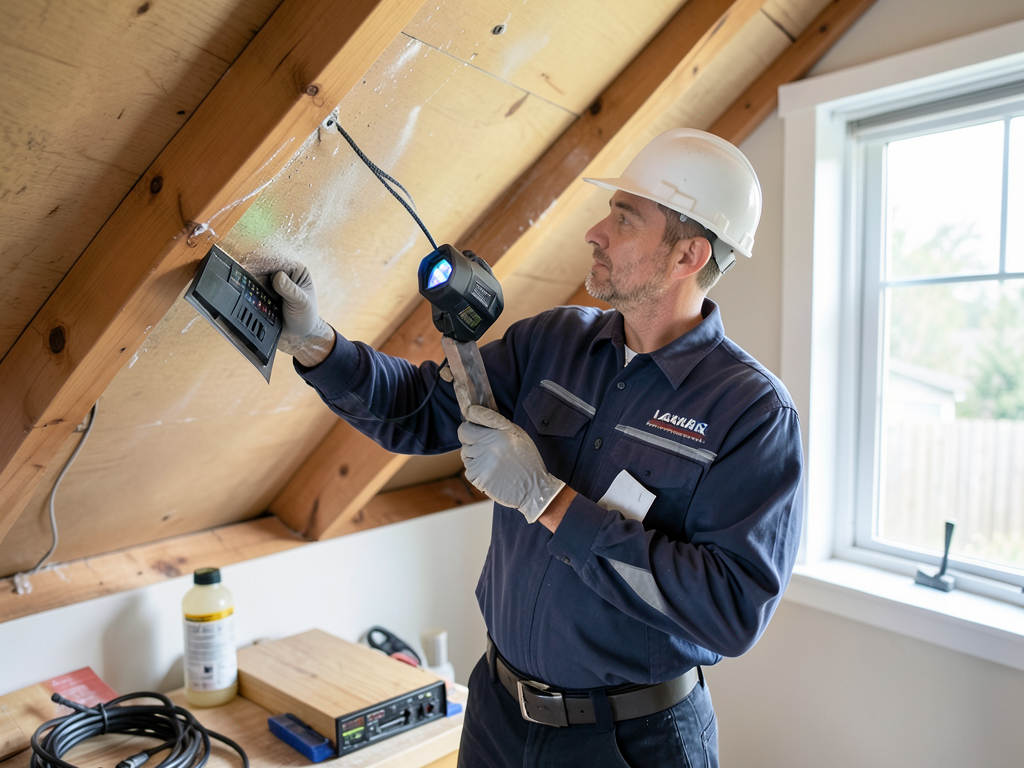
We start with thermal imaging cameras that detect temperature differentials behind walls. Wet insulation shows up as cold spots. Active leaks appear as thermal anomalies. This technology lets us map moisture patterns without demolition.

Next, we use pin-type and pinless moisture meters calibrated for different materials. Wood framing, plaster, drywall, and brick all have different moisture thresholds. We document moisture levels at multiple depths to understand how far the water has penetrated.

For suspected plumbing leaks, we perform pressure testing on supply lines and drain testing with non-toxic dye tracers. For exterior intrusion, we conduct water testing at suspected entry points while monitoring interior conditions. This confirms the pathway.

Once we identify the source, we execute targeted demolition. We remove only the damaged materials necessary to access the problem. If a second-floor bathroom leak is causing first-floor ceiling damage, we open the ceiling in a controlled pattern, trace the leak to its origin, and repair the plumbing.

Drying follows a protocol. We establish containment barriers, place commercial dehumidifiers and air movers in calculated positions based on psychrometric principles, and monitor daily until all materials reach equilibrium moisture content. This typically takes three to five days depending on saturation levels.

We then treat exposed framing with antimicrobial agents if moisture levels exceeded thresholds conducive to mold growth. Only after independent moisture verification do we approve reconstruction.

What Happens When You Call About Peeling Paint

Peeling Paint & Wallpaper in Buffalo | Expert Diagnosis of Hidden Water Damage
01

Emergency Moisture Assessment

We arrive within hours to document the visible damage and test moisture levels in affected walls, ceilings, and adjacent structures. Using thermal imaging and moisture meters, we identify active water sources and map the saturation zone. You receive a preliminary assessment before we leave, explaining what we found and the recommended scope of investigation.
02

Source Identification and Containment

We perform diagnostic testing to pinpoint the exact entry point, whether it is failed roof flashing, a pinhole pipe leak, or condensation from inadequate insulation. Once identified, we stop the water intrusion immediately through temporary or permanent repairs. We then establish drying protocols and begin extraction and dehumidification to prevent secondary damage like mold growth or structural deterioration.
03

Structural Drying and Verification

We monitor moisture levels daily using calibrated equipment until all building materials return to dry standards. This process follows IICRC S500 guidelines for water damage restoration. Once verified dry, we document completion with moisture readings and photographic evidence. You receive a detailed report suitable for insurance claims, and the structure is ready for safe reconstruction without risk of trapped moisture.

Why Buffalo Homeowners Trust Local Water Damage Expertise

Buffalo homes require someone who understands how lake-effect snow loads stress roof structures and how freeze-thaw cycles deteriorate mortar joints in century-old brick homes. We have worked in every neighborhood from Allentown's Victorian mansions to the post-war Cape Cods in Kenmore.

We know that homes built before 1950 in Buffalo often have plaster walls over wood lath. When these walls get wet, the plaster key fails and entire sections detach. We understand the difference between repairable plaster and plaster that needs replacement. A contractor unfamiliar with historic construction methods will tear out salvageable material or worse, leave compromised material in place.

We also understand local building codes and permit requirements. The City of Buffalo requires permits for structural repairs and mechanical work. We handle that documentation. We know which repairs require inspection and which do not. This keeps your project compliant and protects your property value.

Our relationships with local insurance adjusters matter. We speak their language. We document damage using Xactimate estimating software, the same system most carriers use. We provide the photographic evidence, moisture readings, and scope documentation they need to process claims efficiently. This reduces your out-of-pocket costs and claim settlement time.

When we identify a roof leak or plumbing failure, we coordinate with licensed roofers and plumbers who understand Buffalo's specific challenges. We do not subcontract to the lowest bidder from out of state. We work with established local professionals who stand behind their repairs.

You get one point of contact, one timeline, and one entity responsible for the entire restoration from water extraction through final paint.

What to Expect When You Hire Us for Water Damage Behind Peeling Paint

Response Time and Availability

We dispatch within two hours of your call, 24 hours a day, 365 days a year. Water damage does not wait for business hours. Neither do we. Our trucks are equipped with moisture detection equipment, extraction tools, and drying equipment so we can begin mitigation immediately. For active leaks causing ongoing damage, we can often arrive within 60 minutes in the greater Buffalo metro area. Initial assessment and emergency mitigation typically occur the same day you call. This rapid response minimizes secondary damage and reduces overall restoration costs.

Comprehensive Moisture Investigation

We do not guess. We test. Every assessment includes thermal imaging to identify temperature anomalies, moisture meter readings at multiple depths and locations, and visual inspection of potential entry points. We document baseline conditions with photographs and written reports. If the source is not immediately obvious, we perform diagnostic testing including pressure tests on plumbing systems, tracer dye tests, and controlled water testing on exterior assemblies. You receive a written assessment explaining what we found, why the damage occurred, and what repairs are necessary to prevent recurrence.

Permanent Repairs and Restoration

We do not just dry the structure and leave. We coordinate or perform all necessary repairs to return your home to pre-loss condition. This includes replacing damaged drywall, replastering historic walls, repainting to match existing finishes, and reinstalling trim. We use low-VOC primers designed for previously wet surfaces to prevent future paint adhesion failures. All work meets or exceeds local building codes. We perform final moisture verification before closing walls to ensure no trapped moisture remains. You receive documentation of all repairs for your records and insurance.

Prevention and Monitoring Guidance

After restoration, we provide specific recommendations to prevent recurrence. This might include improved attic ventilation, gutter modifications, upgraded bathroom exhaust fans, or dehumidification equipment for basements. We explain what maintenance tasks you should perform and what warning signs indicate new problems. For clients concerned about ongoing moisture issues, we offer periodic moisture monitoring services where we return at scheduled intervals to test conditions and verify the problem has not returned. This is particularly valuable in older Buffalo homes where multiple moisture sources can exist.

Frequently Asked Questions

You Have Questions,
We Have Answers

Why is my paint peeling off the wall like wallpaper? +

Paint peels in sheets when moisture gets trapped between the paint layer and the wall surface. In Buffalo homes, this happens when water leaks through your roof, pipes, or foundation and saturates the drywall or plaster. The water breaks the bond between paint and substrate. You also see this when painters apply new coats over damp walls or skip primer on porous surfaces. The freeze-thaw cycle common in Western New York accelerates the problem. Check for active leaks first. If you find water damage, you need professional moisture remediation before repainting.

What to do if paint is peeling off the wall? +

Stop and identify the source. Peeling paint signals moisture intrusion, poor prep work, or structural damage. Check your attic, basement, and plumbing for leaks. In Buffalo's older homes, this often traces back to ice dams, deteriorated flashing, or foundation cracks. Scrape loose paint, dry the area completely, and test moisture levels with a meter. If readings exceed 16 percent, you have active water damage. Address the leak before cosmetic fixes. Once dry, sand, prime with stain-blocking primer, and repaint. Ignoring the root cause wastes money and lets mold grow.

Is it cheaper to paint or peel and stick wallpaper? +

For DIY work, peel and stick wallpaper costs less upfront. You skip primer, multiple coats, and extensive prep. Standard paint jobs run higher when you factor in proper surface prep, quality paint, and labor. However, paint lasts 7 to 10 years with correct application. Peel and stick wallpaper lifts at seams within 2 to 4 years, especially in Buffalo's humid summers. Paint also increases home value more than temporary wallcoverings. If you have water damage causing peeling, neither option works until you fix the moisture problem. The cheapest fix fails fast.

Can I paint over paint that is peeling? +

No. Painting over peeling paint traps moisture and creates more failure. The new coat peels faster because it bonds to unstable layers beneath. You must scrape all loose paint down to bare substrate. In Buffalo homes with water damage, the substrate itself may be compromised. Test drywall and plaster for softness or discoloration. Sand smooth, apply stain-blocking primer to seal tannins and prevent bleed-through, then paint. Skipping these steps guarantees you repaint within months. If peeling covers large areas, call a water damage restoration company to check for hidden leaks.

How Buffalo's Lake-Effect Climate Creates Paint and Wallpaper Failures

Buffalo receives an average of 95 inches of snow annually, much of it from lake-effect systems that dump moisture-laden snow on roofs for days at a time. This snow accumulation creates ice dams along roof edges, particularly on north-facing slopes. As temperatures fluctuate, meltwater backs up under shingles and runs down into wall cavities. Combined with Buffalo's high humidity levels from Lake Erie proximity, this creates persistent moisture problems in wall assemblies. The result appears as blistering wall paint and loose wallpaper, often months after the actual water intrusion occurred. Understanding this delayed symptom pattern is critical to proper diagnosis.

Alpha Water Damage Restoration Buffalo has worked on homes throughout Erie County for years, from the historic districts downtown to the suburban neighborhoods in Amherst and Clarence. We understand how Buffalo's unique building stock responds to water damage. Many local homes feature balloon framing, plaster walls, and minimal insulation by modern standards. These construction methods require different restoration approaches than newer homes. We are familiar with City of Buffalo permit requirements, work with local building inspectors regularly, and maintain relationships with specialized contractors who understand historic preservation requirements. This local expertise ensures your restoration is done right the first time.

Water Damage Restoration Services in The Buffalo Area

Although we offer rapid mobile service across the entire Buffalo area and surrounding regions, we invite you to view our service area map to confirm our commitment to your community. We are always ready to deploy our expert teams directly to your residential or commercial property, ensuring the fastest possible response time when you need water damage restoration most, right where you are.

Address:
Alpha Water Damage Restoration Buffalo, 369 Washington St, Buffalo, NY, 14203

Additional Services We Offer

Our news updates

Latest Articles & News from The Blogs

The importance of microbial swabbing after a sewer backup in your Lackawanna basement When sewage backs up into your Lackawanna…

The importance of microbial swabbing after a sewer backup in your Lackawanna basement

The importance of microbial swabbing after a sewer backup in your Lackawanna basement When sewage backs up into your Lackawanna…

Simple ways to prevent your pipes from freezing in an unheated North Buffalo crawlspace

Simple ways to prevent your pipes from freezing in an unheated North Buffalo crawlspace Buffalo’s brutal winters and lake-effect snow…

Keeping your kids and pets safe during a home restoration project in Kenmore

Keeping your kids and pets safe during a home restoration project in Kenmore\n\nHome restoration after water damage creates unique safety…

Contact Us

Peeling paint and lifting wallpaper indicate active moisture problems that worsen daily. Call Alpha Water Damage Restoration Buffalo now at (716) 317-7717 for same-day assessment and emergency mitigation. We identify the source, stop the water, and restore your home properly.