

menu

Choosing a Restoration Company in Buffalo – Know What Red Flags to Avoid Before Signing

Learn the seven critical vetting steps that protect Buffalo homeowners from unlicensed contractors, insurance claim denials, and incomplete mold remediation after water damage strikes your property.

Slider Image 1
Slider Image 2
Slider Image 3
Slider Image 4
Slider Image 5
Slider Image 7
Slider Image 8
Slider Image 9
Slider Image 10
Slider Image 11

Why Buffalo Homeowners Get Burned by the Wrong Restoration Company

Buffalo sits at the eastern end of Lake Erie, which means you live in a snow belt. The freeze-thaw cycle here runs from November through April, and when your pipes burst at 2 a.m. in January, you need help fast. That urgency makes you vulnerable.

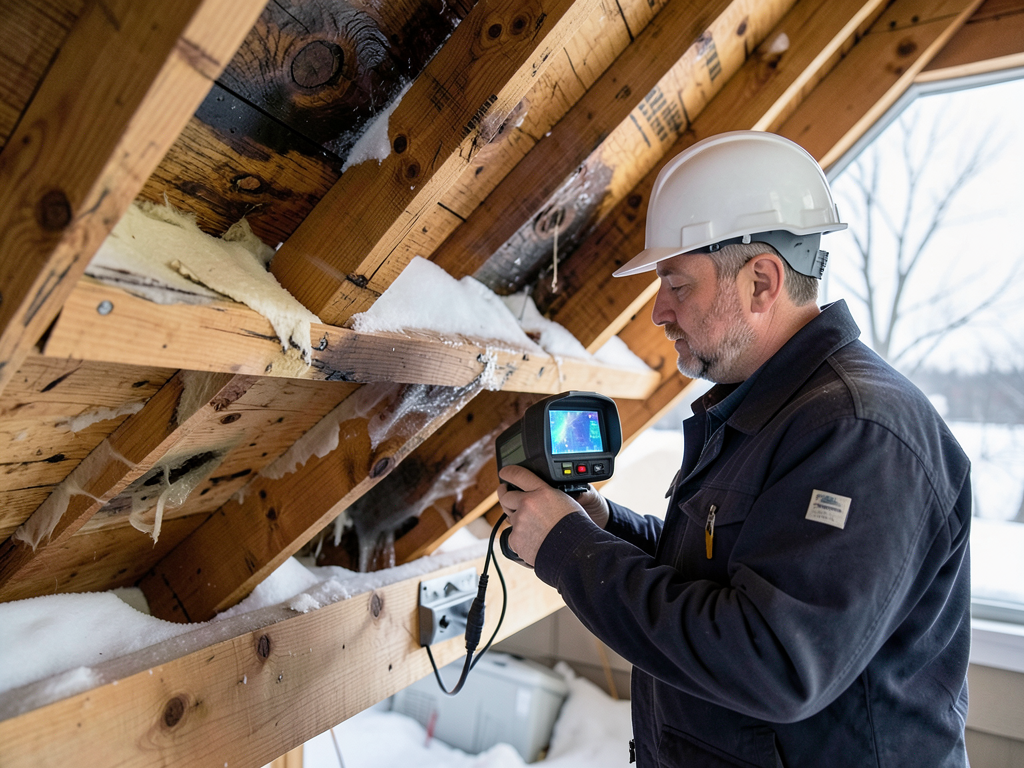
Most homeowners do not realize that hiring a water mitigation service is different from hiring a plumber or a roofer. Restoration contractors work directly with your insurance carrier, extract standing water with industrial equipment, and deploy thermal imaging to find hidden moisture in walls and subfloors. If you pick the wrong company, you risk mold growth within 48 hours, claim denials due to improper documentation, and structural damage that goes undetected until floors buckle.

Selecting a water damage contractor in Buffalo requires you to vet their response time, their IICRC certifications, and their familiarity with local building codes. The clay soil under many Buffalo homes causes foundation shifts that create chronic water intrusion points. A restoration company that does not understand this regional issue will treat the symptom but miss the source.

Finding a reputable water damage company is not about who answers the phone first. It is about who has the equipment, the insurance industry relationships, and the technical expertise to document every step of the mitigation process so your claim gets paid and your home gets dry. Vetting restoration contractors means asking the right questions before they set foot in your home, not after.

Why Buffalo Homeowners Get Burned by the Wrong Restoration Company
The Seven Questions That Separate Real Pros from Fly-By-Night Operators

The Seven Questions That Separate Real Pros from Fly-By-Night Operators

How to pick a restoration company comes down to technical competence and accountability. Start with certifications. Ask if the company holds IICRC certification for water damage restoration and applied structural drying. This is not optional. These credentials mean the technicians understand psychrometry, dew point calculation, and moisture mapping. Without them, they are guessing.

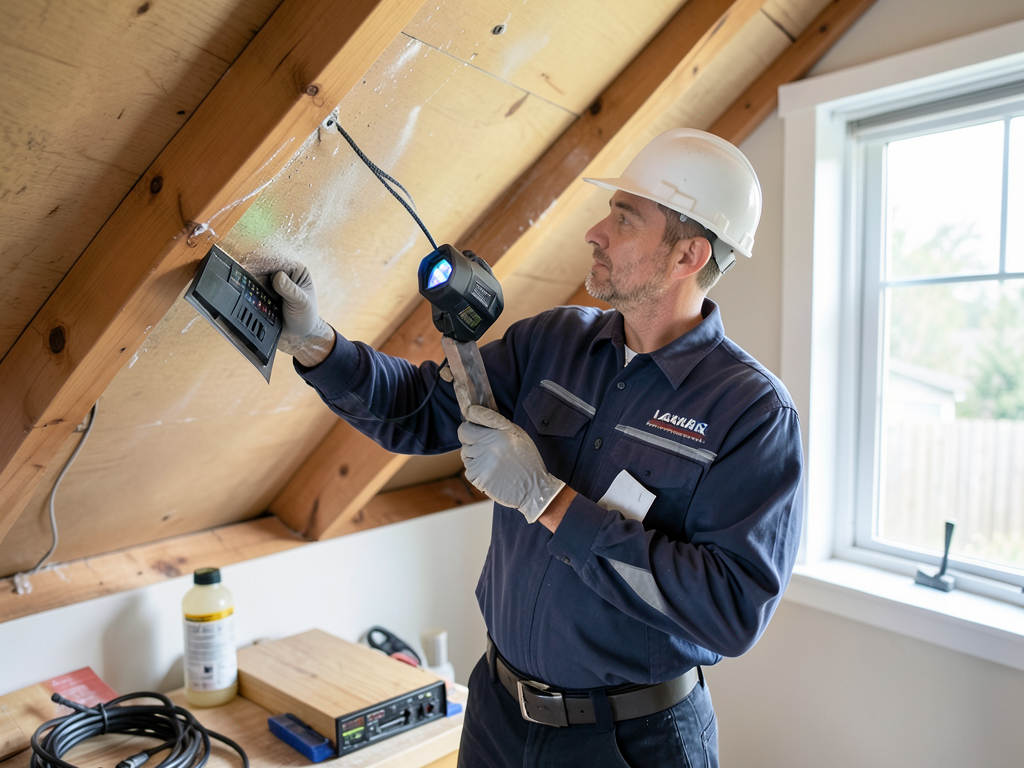
Next, confirm they use moisture meters and thermal imaging cameras on every job. You should see documentation that includes moisture readings taken at multiple stages of the drying process. If they cannot show you a drying log with daily humidity readings and equipment placement diagrams, walk away.

Ask about their insurance claim process. A legitimate water mitigation service will photograph every affected area, document all damaged materials, and communicate directly with your adjuster. They should provide a detailed estimate using Xactimate software, which is the industry standard for insurance claims. If they tell you to handle the insurance yourself, that is a red flag.

Verify their emergency response time. In Buffalo, where winter storms knock out power and cause pipe failures across entire neighborhoods, a 24-hour guarantee means nothing if they are dispatched from Rochester or Syracuse. You need a local crew with local staging, not a call center routing your emergency to the next available truck.

Finally, ask about antimicrobial treatment and air scrubbing. Buffalo's humidity during summer months accelerates mold colonization. Professional restoration includes HEPA filtration and EPA-registered antimicrobials applied to all affected surfaces. If they skip this step, you will pay for it later.

What Happens When You Call a Vetted Restoration Company

Choosing a Restoration Company in Buffalo – Know What Red Flags to Avoid Before Signing
01

Emergency Triage Call

Within five minutes of your call, a trained dispatcher asks specific questions about the water source, the affected square footage, and whether power is safe. They dispatch a crew immediately and walk you through emergency shut-off procedures if needed. You get an ETA, not a vague promise. This call determines response priority and equipment load-out.
02

On-Site Damage Assessment

The crew arrives with moisture detection tools and begins a room-by-room assessment. They classify the water category, measure moisture content in walls and floors, and identify secondary damage like ceiling stains or baseboards pulling away from drywall. You receive a written scope of work and a timeline before any equipment gets placed. This documentation protects your insurance claim.
03

Mitigation and Documentation

Extraction begins immediately using truck-mounted pumps or portable extractors depending on water volume. Air movers and dehumidifiers get staged according to the drying plan. The crew takes daily moisture readings and uploads them to a digital platform your adjuster can access in real time. You get photos, equipment logs, and a certificate of completion when drying is verified complete.

Why Local Knowledge Matters When Your Home Floods in Buffalo

Buffalo is not Phoenix. Your restoration company needs to understand what a Nor'easter does to the drainage systems in Elmwood Village, how ice dams form on the craftsman-style homes in North Buffalo, and why basement flooding spikes in Black Rock during spring thaw. Generic advice from a national chain does not account for the specific failures that happen in this city.

The clay soil under Buffalo homes expands and contracts with moisture changes. This movement creates hydrostatic pressure against foundation walls, which cracks poured concrete and shifts block walls. A restoration contractor who has worked in Buffalo for years recognizes this pattern immediately. They know to inspect for exterior grading issues and recommend drainage solutions, not just dry out your basement and leave.

Buffalo's building stock includes homes built before 1950, many with galvanized plumbing that corrodes from the inside out. When these pipes fail, the water damage is often hidden inside walls until drywall starts sagging. Local contractors check for this during assessments because they have seen it hundreds of times. They know where to look.

Alpha Water Damage Restoration Buffalo operates with crews based in the city, not dispatched from regional hubs. Our technicians live in the neighborhoods they serve. They know which insurance adjusters cover Buffalo claims, which local codes apply to reconstruction work, and how to navigate city permit requirements when structural drying reveals framing damage.

You also need a company that understands Buffalo winters. Frozen ground means exterior excavation is not an option from December through March. If foundation repairs are needed, the sequencing of temporary fixes versus permanent solutions requires local experience. A contractor from a warmer climate will not anticipate this.

What You Should Expect From Start to Finish

Response Time and Availability

You should get a callback within 10 minutes and a crew on-site within two hours for emergency water damage. Companies that operate 24/7 in Buffalo keep trucks staged locally and maintain on-call rotations year-round. If they tell you they can arrive tomorrow, call someone else. Water damage compounds by the hour. Every delay increases the likelihood of mold growth, delaminated flooring, and secondary structural damage. A vetted restoration company treats your emergency as urgent, not as tomorrow's project. Ask if they guarantee arrival times in writing.

Initial Assessment and Scope

The first visit should include a thorough inspection using moisture meters and thermal imaging. You should receive a written assessment that identifies the water source, the contamination level, and the affected materials. This document becomes the foundation of your insurance claim, so it must be detailed and accurate. The contractor should explain what gets removed, what gets dried in place, and what requires antimicrobial treatment. If they hand you a one-page estimate with round numbers, that is a warning sign. Professional assessments include photos, moisture maps, and a drying timeline.

Drying Process and Verification

Drying takes three to five days on average, depending on materials and humidity levels. You should see air movers, dehumidifiers, and HEPA air scrubbers running continuously. The crew should return daily to take moisture readings and adjust equipment placement as needed. You get a drying log that documents progress toward the industry-standard goal of 15 percent moisture content or less in wood and 1.5 percent in drywall. When drying is complete, you receive a certificate of completion that your insurance company requires before reconstruction begins. No shortcuts.

Follow-Up and Reconstruction Coordination

After mitigation is complete, a professional restoration company coordinates with reconstruction contractors or handles the rebuild in-house if they carry the proper licenses. You should not have to manage five different subcontractors. The restoration company should provide a single point of contact who schedules inspections, orders materials, and keeps your project moving. If mold testing is needed, they arrange it through a third-party lab to avoid conflicts of interest. Final walkthroughs should include verification that all affected areas have been restored to pre-loss condition. Ask about post-restoration monitoring visits to confirm no secondary issues develop.

Frequently Asked Questions

You Have Questions,
We Have Answers

How Buffalo's Lake-Effect Climate Accelerates Water Damage Timelines

Buffalo's location at the eastern tip of Lake Erie creates a microclimate that accelerates water damage progression. Lake-effect snow dumps moisture on roofs throughout winter, and when temperatures swing above freezing, ice dams form along eaves. Meltwater backs up under shingles and seeps into attics, often undetected until ceiling stains appear. During summer months, humidity levels climb above 70 percent, which means any water intrusion creates ideal conditions for mold colonization within 48 hours. Selecting a water damage contractor who understands this regional pattern is critical, because generic drying protocols do not account for Buffalo's persistent humidity and seasonal temperature swings.

Finding a reputable water damage company in Buffalo also means working with contractors who understand local building codes and insurance claim procedures specific to Erie County. Many Buffalo homes sit on clay soil that shifts with moisture changes, which causes chronic foundation cracks and basement seepage. A contractor unfamiliar with this geology might treat the immediate water intrusion but miss the underlying structural issue. Alpha Water Damage Restoration Buffalo operates exclusively in this region, which means our crews recognize the specific failure patterns common to Buffalo housing stock. We work directly with adjusters who cover Western New York, and we know how to document claims so they get approved the first time.

Water Damage Restoration Services in The Buffalo Area

Although we offer rapid mobile service across the entire Buffalo area and surrounding regions, we invite you to view our service area map to confirm our commitment to your community. We are always ready to deploy our expert teams directly to your residential or commercial property, ensuring the fastest possible response time when you need water damage restoration most, right where you are.

Address:
Alpha Water Damage Restoration Buffalo, 369 Washington St, Buffalo, NY, 14203

Additional Services We Offer

Our news updates

Latest Articles & News from The Blogs

The importance of microbial swabbing after a sewer backup in your Lackawanna basement When sewage backs up into your Lackawanna…

The importance of microbial swabbing after a sewer backup in your Lackawanna basement

The importance of microbial swabbing after a sewer backup in your Lackawanna basement When sewage backs up into your Lackawanna…

Simple ways to prevent your pipes from freezing in an unheated North Buffalo crawlspace

Simple ways to prevent your pipes from freezing in an unheated North Buffalo crawlspace Buffalo’s brutal winters and lake-effect snow…

Keeping your kids and pets safe during a home restoration project in Kenmore

Keeping your kids and pets safe during a home restoration project in Kenmore\n\nHome restoration after water damage creates unique safety…

Contact Us

Water damage does not wait, and neither should you. Call Alpha Water Damage Restoration Buffalo now at (716) 317-7717 for a free on-site assessment. We respond 24/7 with local crews and industry-certified technicians who understand Buffalo homes.