menu

Understanding Mold Toxicity in Buffalo – Recognize the Warning Signs Before Your Health Deteriorates

Buffalo homeowners face unique mold exposure risks from Lake Erie moisture patterns. Learn to identify mold illness symptoms, black mold health risks, and mycotoxin illness before chronic exposure creates irreversible damage.

Slider Image 1
Slider Image 2
Slider Image 3
Slider Image 4
Slider Image 5
Slider Image 7
Slider Image 8
Slider Image 9
Slider Image 10
Slider Image 11

How Buffalo's Climate Creates Hidden Health Threats in Your Home

Buffalo's position on Lake Erie creates persistent humidity that saturates homes year-round. Winter condensation forms on cold surfaces. Spring thaw floods basements. Summer humidity feeds attic growth. This cycle creates perfect conditions for toxic mold colonization.

Many Buffalo residents dismiss chronic coughing or fatigue as winter allergies or seasonal depression. You might be experiencing mold illness symptoms without knowing the source. Black mold health risks include respiratory distress, neurological problems, and immune suppression. The effects of mold exposure compound over months and years.

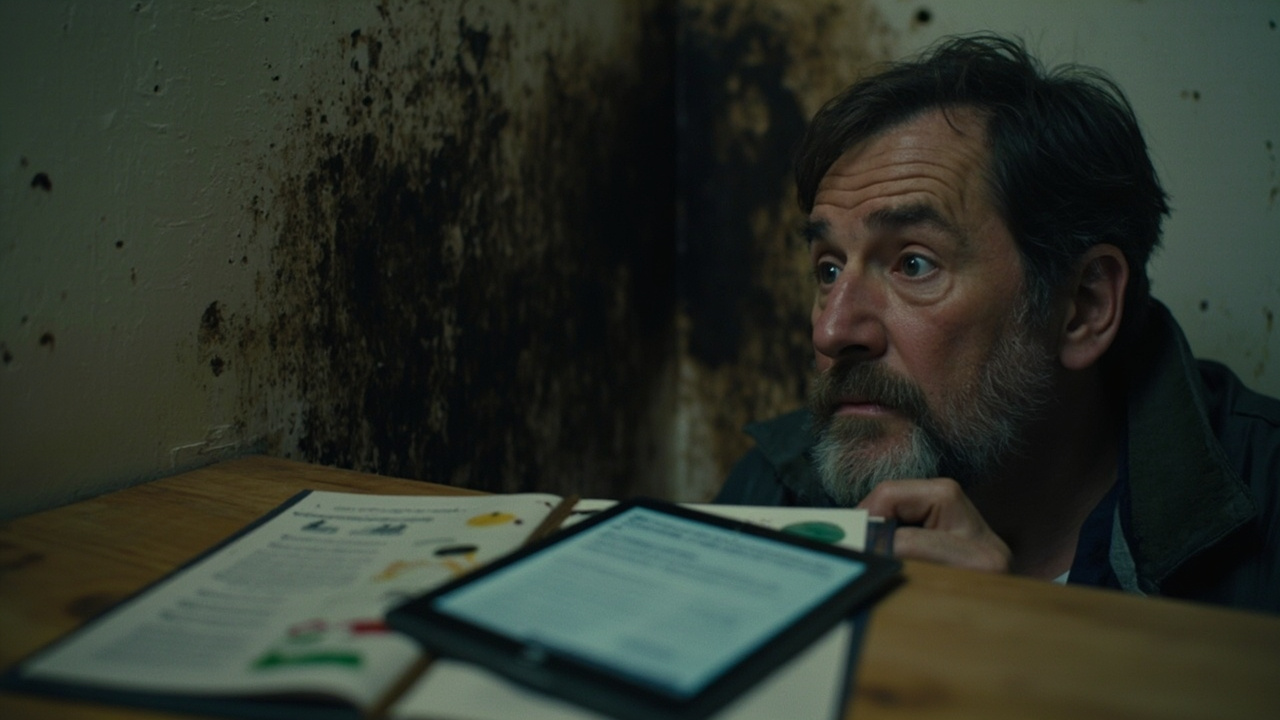
Signs of mold poisoning often mimic other conditions. You experience brain fog that coffee cannot fix. Your sinuses stay inflamed despite allergy medication. Skin rashes appear without explanation. Children develop asthma in homes where no family history exists. These are not coincidences.

Mycotoxin illness develops when fungal spores release chemical compounds into your breathing space. Your body absorbs these toxins through inhalation and skin contact. The damage accumulates silently. By the time visible growth appears on walls, your exposure has already been significant.

Buffalo's older housing stock, particularly in Elmwood Village and Allentown, contains hidden moisture pathways. Plaster walls trap condensation. Balloon framing allows air movement between floors. Cast iron plumbing develops pinhole leaks that go undetected for years. You cannot see the problem, but your body registers the exposure.

The question is not whether mold exists in your home. The question is whether the concentration has reached toxic levels and what damage has already occurred.

How Buffalo's Climate Creates Hidden Health Threats in Your Home
What Medical Research Reveals About Mold Toxicity

What Medical Research Reveals About Mold Toxicity

Mold toxicity operates through multiple biological pathways. Mycotoxins suppress immune function by disrupting cytokine production. Your body loses its ability to regulate inflammation. This creates a cascade where minor exposures trigger disproportionate responses.

Stachybotrys chartarum, commonly called black mold, produces trichothecene mycotoxins that damage cell membranes and protein synthesis. These compounds cross the blood-brain barrier. Neurological symptoms include memory problems, difficulty concentrating, and mood instability. Many Buffalo residents receive depression or anxiety diagnoses when the root cause is environmental exposure.

Aspergillus species release aflatoxins and ochratoxins that stress liver and kidney function. Your body cannot process these compounds efficiently. They accumulate in fatty tissues. This explains why mold illness symptoms persist long after exposure ends.

The diagnostic challenge is that standard medical tests do not detect mycotoxin illness. Blood work appears normal. Chest X-rays show clear. Doctors dismiss complaints as psychosomatic. Meanwhile, urinary mycotoxin testing and visual contrast sensitivity testing reveal significant exposure.

Alpha Water Damage Restoration Buffalo works with environmental medicine specialists who understand this gap. We conduct EPA-approved air sampling that identifies species and concentration levels. We measure spore counts in particles per cubic meter. We document moisture intrusion points using thermal imaging and moisture meters calibrated to IICRC standards.

The approach is methodical. We correlate environmental data with symptom timelines. If your health declined after basement flooding or roof damage, the connection becomes clear. We provide documentation that bridges the gap between your lived experience and medical validation.

How We Investigate Mold Toxicity in Your Buffalo Home

Understanding Mold Toxicity in Buffalo – Recognize the Warning Signs Before Your Health Deteriorates
01

Comprehensive Environmental Assessment

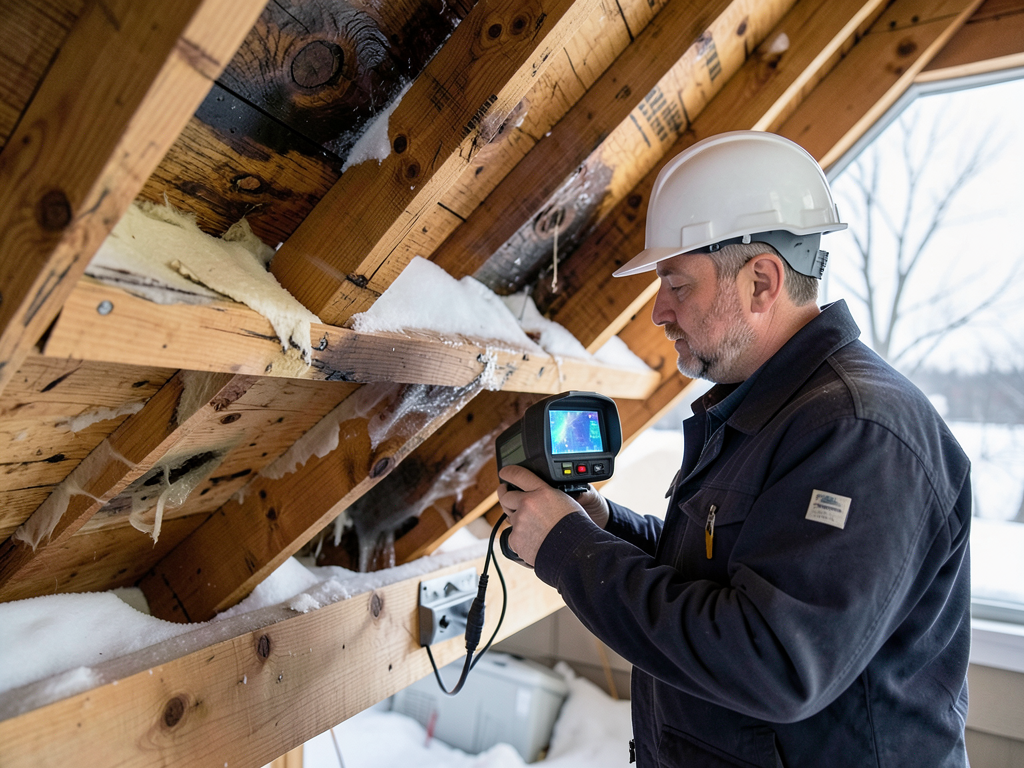
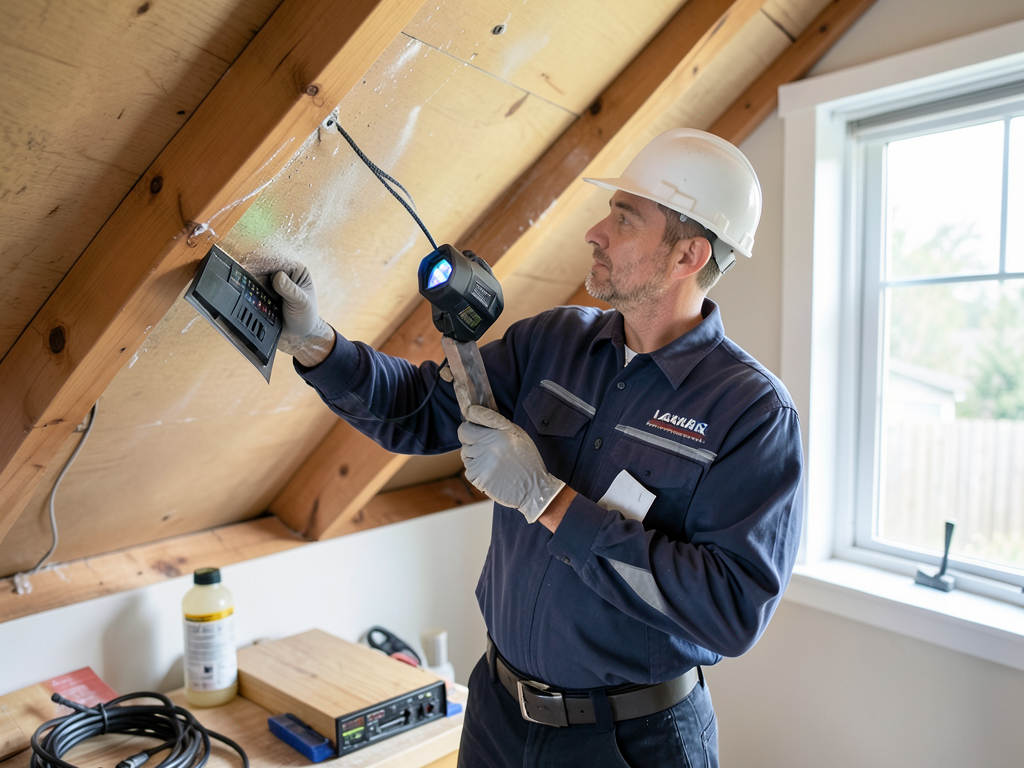
We map your entire structure using moisture detection equipment and thermal imaging cameras. Buffalo homes hide water intrusion in rim joists, behind finished basements, and within exterior wall cavities. We document temperature differentials that indicate active moisture movement. Air sampling captures spore counts in each room. Surface sampling identifies species growing on materials. This data establishes baseline contamination levels before remediation begins.
02

Species Identification and Analysis

Laboratory analysis reveals which mold species colonize your home. Stachybotrys requires different protocols than Penicillium or Cladosporium. We receive reports showing genus, species, and concentration levels measured in colony-forming units. This information determines remediation scope. Toxigenic species require negative air pressure containment. Non-toxigenic species may need only source elimination and cleaning. The approach must match the threat level.
03

Post-Remediation Verification Testing

After remediation, we conduct clearance testing to verify safe occupancy. Air samples must show spore counts below outdoor ambient levels. Surface samples must return negative for growth. We provide certified lab reports documenting your home meets EPA and IICRC standards. This documentation protects your health and property value. Insurance companies and future buyers require proof of proper remediation. We deliver that proof.

Why Buffalo Homeowners Trust Alpha Water Damage Restoration for Mold Assessment

Buffalo's building stock presents unique challenges that require local knowledge. We understand how lake-effect snow creates ice dams on North Buffalo roofs. We know that South Buffalo basements flood during spring runoff from higher elevations. We recognize that West Side homes with original plaster walls trap moisture differently than newer drywall construction.

This specificity matters when investigating mold toxicity. Generic protocols miss the nuances. A technician from another region does not understand why Buffalo attics develop condensation even with adequate ventilation. The answer lies in our extreme temperature swings and humidity patterns driven by Lake Erie.

We work within Buffalo's regulatory framework. The Erie County Health Department has specific requirements for mold remediation in rental properties. Landlords must provide documentation when tenants report health symptoms. We deliver reports that satisfy those requirements while protecting all parties.

Our relationships with local environmental medicine physicians create better outcomes. When your doctor orders mycotoxin testing, we coordinate environmental sampling to match testing timelines. This correlation strengthens the case for remediation and potential insurance claims.

Insurance companies resist mold claims. They argue that damage resulted from maintenance neglect rather than covered perils. We document the chain of causation. If a frozen pipe caused the water intrusion that led to mold growth, we establish that timeline. Our reports have supported successful claims when insurance companies initially denied coverage.

Buffalo homeowners face enough challenges with heating costs, aging infrastructure, and property taxes. You should not have to fight alone when your home makes you sick. We provide the technical expertise and documentation that gives you leverage with insurers, landlords, and medical providers.

What to Expect During Mold Toxicity Investigation

Rapid Response to Health Concerns

Health symptoms require urgent evaluation. We schedule assessments within 24 to 48 hours of your call. Evening and weekend appointments accommodate work schedules. Initial consultation takes two to three hours depending on property size. We cannot rush environmental sampling. Proper protocols require time to capture accurate data. If you experience severe respiratory distress or neurological symptoms, we prioritize your assessment. Some situations warrant immediate temporary relocation while we investigate. Your health takes precedence over property concerns.

Detailed Investigation Protocol

Assessment begins with your health timeline. When did symptoms start? What events preceded them? Did flooding, leaks, or humidity problems occur? We correlate symptoms with environmental changes. Physical inspection identifies moisture sources, ventilation problems, and visible growth. Moisture meters measure material water content. Thermal imaging reveals hidden water intrusion. Air sampling captures airborne spore levels. Surface sampling identifies growth on materials. We collect samples from symptomatic rooms and control areas for comparison. Laboratory analysis takes three to five business days. Results include species identification and concentration data.

Comprehensive Written Documentation

You receive a detailed report showing all findings. Photographs document visible growth and moisture damage. Thermal images reveal temperature anomalies. Moisture maps show elevated readings. Laboratory reports identify species and spore counts. We explain what each finding means for your health. The report includes remediation recommendations prioritized by health risk. Toxigenic mold receives immediate attention. Non-toxigenic issues follow a logical sequence. This documentation supports insurance claims, legal actions, and medical treatment. Physicians use our reports to justify testing and treatment protocols. The investment in proper assessment pays dividends when navigating complex situations.

Ongoing Support and Follow-Up

Investigation is the first step. We guide you through the entire process. If remediation is necessary, we provide detailed protocols and can perform the work or oversee contractors. After remediation, clearance testing verifies success. We recommend retesting if symptoms persist or after significant weather events. Buffalo homes require periodic monitoring given our climate. Annual assessments catch problems early. We maintain records of all testing so you have historical data showing trends. If you sell your property, documentation of professional assessment and remediation protects you from future liability claims.

Frequently Asked Questions

You Have Questions,
We Have Answers

How to tell if your body has mold toxicity? +

Mold toxicity symptoms often mimic other illnesses, making diagnosis tricky. Common signs include chronic fatigue, brain fog, headaches, respiratory issues like wheezing or coughing, sinus congestion, skin rashes, and joint pain. You may notice symptoms worsen in damp environments, common in Buffalo's humid climate. Neurological symptoms like memory problems, dizziness, or mood changes also signal potential exposure. If you experience these symptoms persistently, especially after water damage or in older Buffalo homes with poor ventilation, consult a healthcare provider. Document your symptoms and environment. Professional mold testing in your home can confirm the source while medical evaluation determines your body's reaction.

Can mold cause heartburn? +

Mold exposure can trigger heartburn and acid reflux in sensitive individuals. When you inhale mold spores, they can irritate your respiratory tract and trigger inflammatory responses throughout your body. This inflammation may affect the esophagus and stomach lining, causing gastroesophageal reflux symptoms. Mold toxins called mycotoxins can also disrupt gut function, weakening the lower esophageal sphincter that prevents stomach acid from backing up. Buffalo's damp climate increases mold growth in homes, particularly in basements and crawl spaces. If you notice heartburn worsening at home but improving elsewhere, hidden mold may be the culprit. Address moisture problems promptly to reduce exposure.

What are the 5 most toxic molds? +

The five most toxic molds commonly found in water-damaged buildings are Stachybotrys chartarum (black mold), Aspergillus fumigatus, Chaetomium, Fusarium, and Penicillium. Stachybotrys produces potent mycotoxins causing severe respiratory and neurological symptoms. Aspergillus can trigger invasive infections in immunocompromised people. Chaetomium thrives in water-damaged drywall and produces harmful compounds. Fusarium grows in water-damaged materials and produces toxins affecting the immune system. Penicillium spreads rapidly through HVAC systems. In Buffalo's older housing stock with humidity issues, these molds often colonize after flooding, roof leaks, or basement moisture. Professional remediation is critical when these species are identified, not DIY cleaning.

Can mold cause croup? +

Mold exposure can contribute to croup-like symptoms in children, though it's not the primary cause. Croup typically results from viral infections, but mold spores irritate airways and trigger inflammatory responses that worsen respiratory conditions. Children exposed to indoor mold may develop persistent coughing, wheezing, and breathing difficulty that mimics croup. Buffalo's damp winters push families indoors where mold thrives in poorly ventilated spaces. If your child experiences recurring croup symptoms or respiratory issues that improve away from home, investigate potential mold problems. Basements, bathrooms, and areas with previous water damage are common culprits. Medical evaluation distinguishes viral croup from mold-related respiratory inflammation.

Can bloodwork show mold exposure? +

Standard bloodwork cannot directly detect mold spores, but specialized tests can reveal mold exposure effects. Medical providers can order mycotoxin urine tests, which identify mold toxins your body is processing. Blood tests may show elevated antibodies (IgG, IgE) indicating immune response to specific mold species. Inflammatory markers like C-reactive protein may be elevated. Complete blood counts can reveal immune system changes. These tests require providers familiar with mold illness, as conventional doctors often overlook environmental toxins. In Buffalo, where older homes and humidity create mold-friendly conditions, these specialized tests help connect symptoms to exposure. Combine testing with professional home inspection for complete assessment.

Can air purifiers remove mold spores? +

Air purifiers with true HEPA filters can capture airborne mold spores, reducing exposure. HEPA filters trap 99.97 percent of particles 0.3 microns or larger, which includes most mold spores. However, air purifiers are not a complete solution. They do not address mold growing on surfaces or inside walls, common in Buffalo's older homes after water damage. Purifiers help reduce spore concentration while you remediate the source. Choose units with activated carbon filters to capture mold odors and VOCs. Place them in affected rooms, especially bedrooms and basements. Remember, air purifiers manage symptoms but professional mold removal fixes the problem at its source.

How long does it take for mold in your house to make you sick? +

Mold sickness timing varies based on exposure level, mold type, and individual sensitivity. Some people experience symptoms within 24 to 48 hours of exposure, especially with high spore concentrations after flooding. Others develop symptoms gradually over weeks or months from chronic low-level exposure. Immunocompromised individuals, children, and elderly residents react faster and more severely. In Buffalo's climate, basements and poorly ventilated spaces harbor mold year-round. Seasonal humidity spikes accelerate growth. Toxic molds like Stachybotrys may cause symptoms within days, while common molds take longer. If you notice health changes after water damage or moving into an older Buffalo home, investigate immediately.

Can mold mess up your gut? +

Mold exposure significantly disrupts gut health through multiple pathways. Mycotoxins from toxic molds damage intestinal lining, causing leaky gut syndrome where toxins enter your bloodstream. This triggers widespread inflammation and immune dysfunction. Mold toxins also alter gut bacteria balance, reducing beneficial bacteria while harmful species proliferate. You may experience bloating, diarrhea, constipation, food sensitivities, and abdominal pain. Buffalo's humid environment encourages mold growth in homes, leading to chronic exposure. The gut-brain axis means digestive issues often accompany neurological symptoms like brain fog. If digestive problems coincide with musty odors at home or after water damage, mold may be the underlying cause requiring professional remediation.

Can mold cause thyroid issues? +

Mold exposure can disrupt thyroid function through chronic inflammation and immune system dysregulation. Mycotoxins trigger inflammatory cytokines that interfere with thyroid hormone production and conversion. Some people develop autoimmune thyroid conditions like Hashimoto's thyroiditis after prolonged mold exposure. Symptoms include fatigue, weight changes, hair loss, and temperature sensitivity. Mold toxins may also block thyroid hormone receptors, causing hypothyroid symptoms even with normal lab values. Buffalo's older homes with basement moisture and poor ventilation create ideal mold conditions. If you experience thyroid symptoms alongside respiratory issues, brain fog, or joint pain, consider environmental mold testing. Address the source while working with healthcare providers on thyroid treatment.

Which mold kills you? +

Stachybotrys chartarum, commonly called black mold, produces the most dangerous mycotoxins and can be fatal in extreme cases, particularly for immunocompromised individuals. However, death from mold is rare and typically requires massive exposure or underlying health conditions. Aspergillus species can cause deadly invasive infections in people with weakened immune systems. Most healthy adults experience chronic illness rather than death from mold exposure. Buffalo's climate supports toxic mold growth after water damage, flooding, or in chronically damp basements. The real danger is prolonged exposure causing severe respiratory disease, neurological damage, or organ dysfunction. If you find suspected toxic mold, evacuate and call professionals immediately.

Why Lake Erie Humidity Makes Buffalo Homes High-Risk for Toxic Mold Growth

Buffalo sits in a unique microclimate where Lake Erie generates persistent moisture year-round. Winter lake-effect snow dumps feet of accumulation that melts into foundations. Spring temperatures swing 40 degrees in single days, creating condensation inside walls and attics. Summer humidity hovers between 60 and 80 percent. Fall brings heavy rain that saturates already compromised building envelopes. This constant moisture cycling creates ideal conditions for mold colonization. Homes built before 1960, common in neighborhoods like Parkside and North Park, lack vapor barriers and rely on natural ventilation that no longer functions after window replacements and insulation upgrades. You trap moisture inside with no escape path.

Alpha Water Damage Restoration Buffalo has investigated mold toxicity in hundreds of local homes since establishing operations. We understand the specific failure points in Buffalo construction. We know that brick homes in University Heights develop efflorescence that signals moisture intrusion. We recognize that finished basements in Kenmore trap water vapor against foundation walls. We have documented the correlation between ice dam formation and subsequent attic mold growth in Snyder and Amherst. This local expertise means we find problems other investigators miss. National franchise operations follow generic checklists. We apply Buffalo-specific knowledge earned through years of local experience addressing the exact conditions you face.

Water Damage Restoration Services in The Buffalo Area

Although we offer rapid mobile service across the entire Buffalo area and surrounding regions, we invite you to view our service area map to confirm our commitment to your community. We are always ready to deploy our expert teams directly to your residential or commercial property, ensuring the fastest possible response time when you need water damage restoration most, right where you are.

Address:
Alpha Water Damage Restoration Buffalo, 369 Washington St, Buffalo, NY, 14203

Additional Services We Offer

Our news updates

Latest Articles & News from The Blogs

The importance of microbial swabbing after a sewer backup in your Lackawanna basement When sewage backs up into your Lackawanna…

The importance of microbial swabbing after a sewer backup in your Lackawanna basement

The importance of microbial swabbing after a sewer backup in your Lackawanna basement When sewage backs up into your Lackawanna…

Simple ways to prevent your pipes from freezing in an unheated North Buffalo crawlspace

Simple ways to prevent your pipes from freezing in an unheated North Buffalo crawlspace Buffalo’s brutal winters and lake-effect snow…

Keeping your kids and pets safe during a home restoration project in Kenmore

Keeping your kids and pets safe during a home restoration project in Kenmore\n\nHome restoration after water damage creates unique safety…

Contact Us

Your symptoms are real. Your concerns are valid. Call Alpha Water Damage Restoration Buffalo at (716) 317-7717 for comprehensive mold toxicity investigation. We provide answers when medical providers dismiss your complaints. Professional assessment protects your health and your investment.