menu

Signs of Hidden Mold in Buffalo – Expert Detection Guides to Protect Your Property and Health

Alpha Water Damage Restoration Buffalo provides comprehensive resources to help you identify symptoms of concealed mold, understand indicators of invisible mold growth, and take action before structural damage or health complications occur in your home or business.

Slider Image 1
Slider Image 2
Slider Image 3
Slider Image 4
Slider Image 5
Slider Image 7
Slider Image 8
Slider Image 9
Slider Image 10
Slider Image 11

Why Buffalo Properties Are at High Risk for Concealed Mold Growth

Buffalo's climate creates perfect conditions for hidden mold proliferation. The city experiences temperature swings from freezing winters to humid summers, averaging 70% relative humidity from May through September. This constant moisture cycling allows mold spores to colonize behind walls, under flooring, and in attic spaces where you cannot see them.

Lake Erie's proximity adds another layer of risk. The lake effect creates persistent dampness that seeps into older Buffalo homes, many built before modern vapor barriers existed. Properties in Elmwood Village, North Buffalo, and along Delaware Avenue frequently show evidence of unseen mold in crawl spaces and basement rim joists due to foundation moisture intrusion.

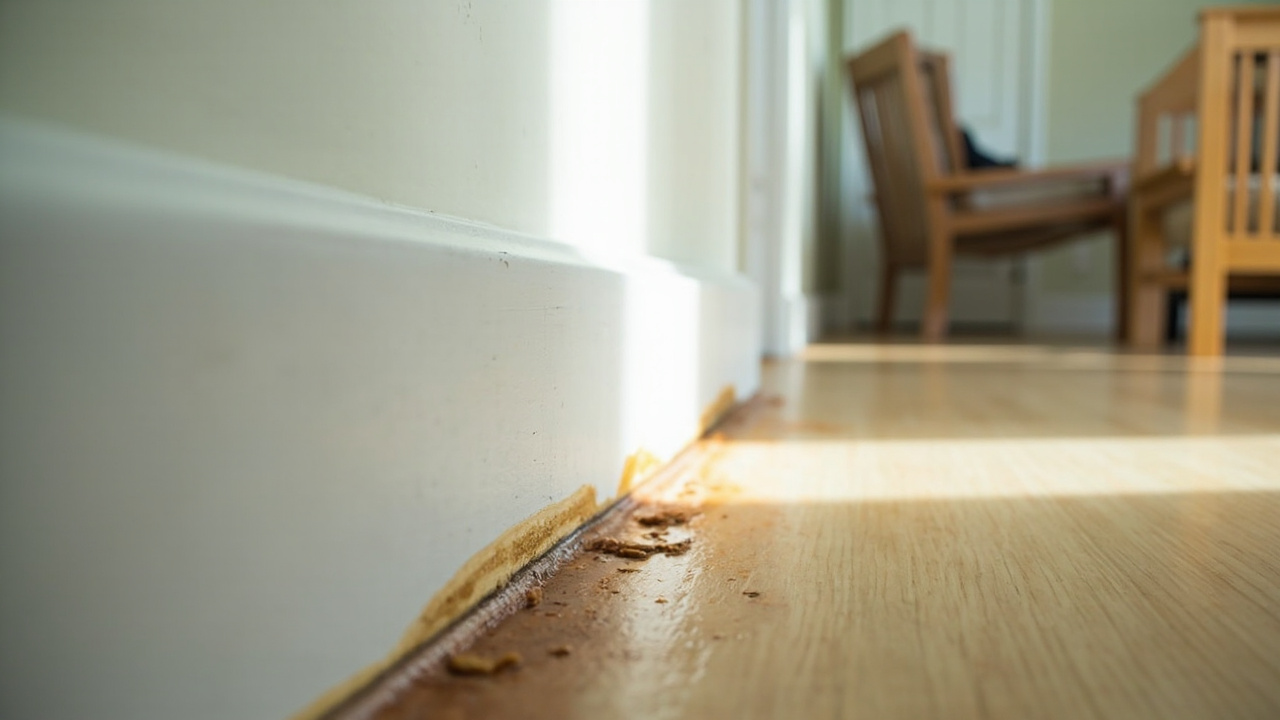
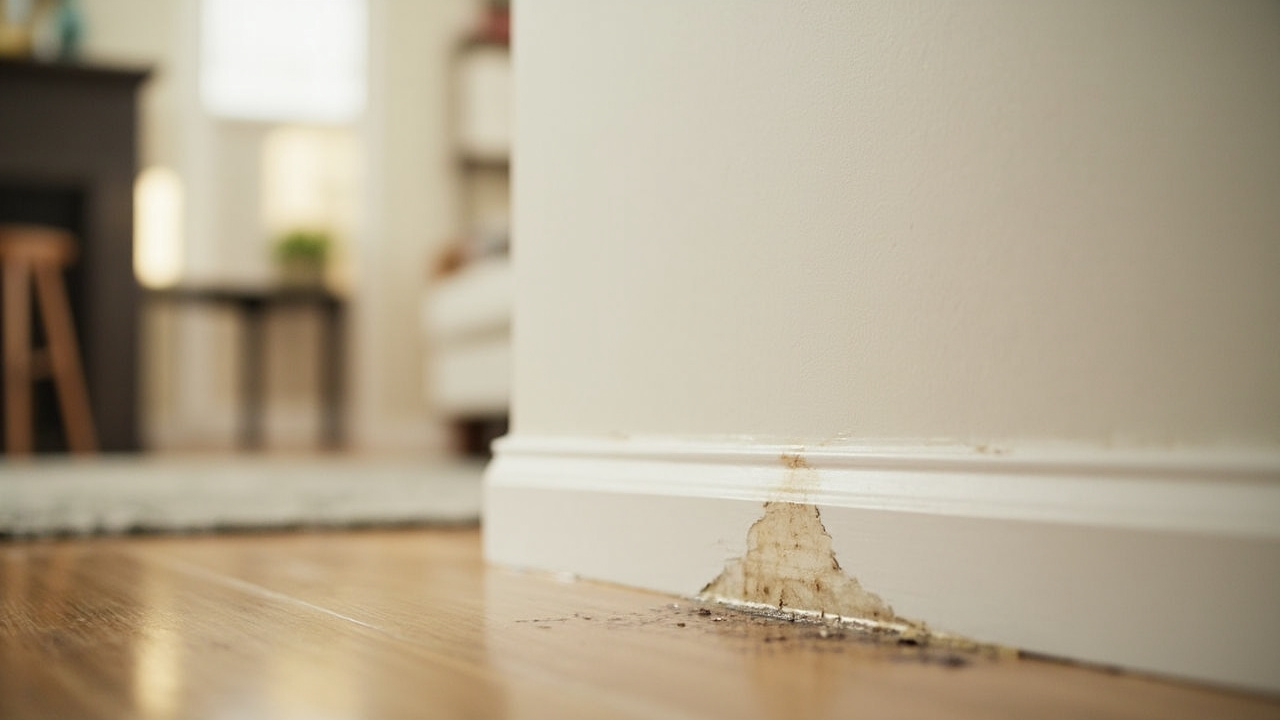
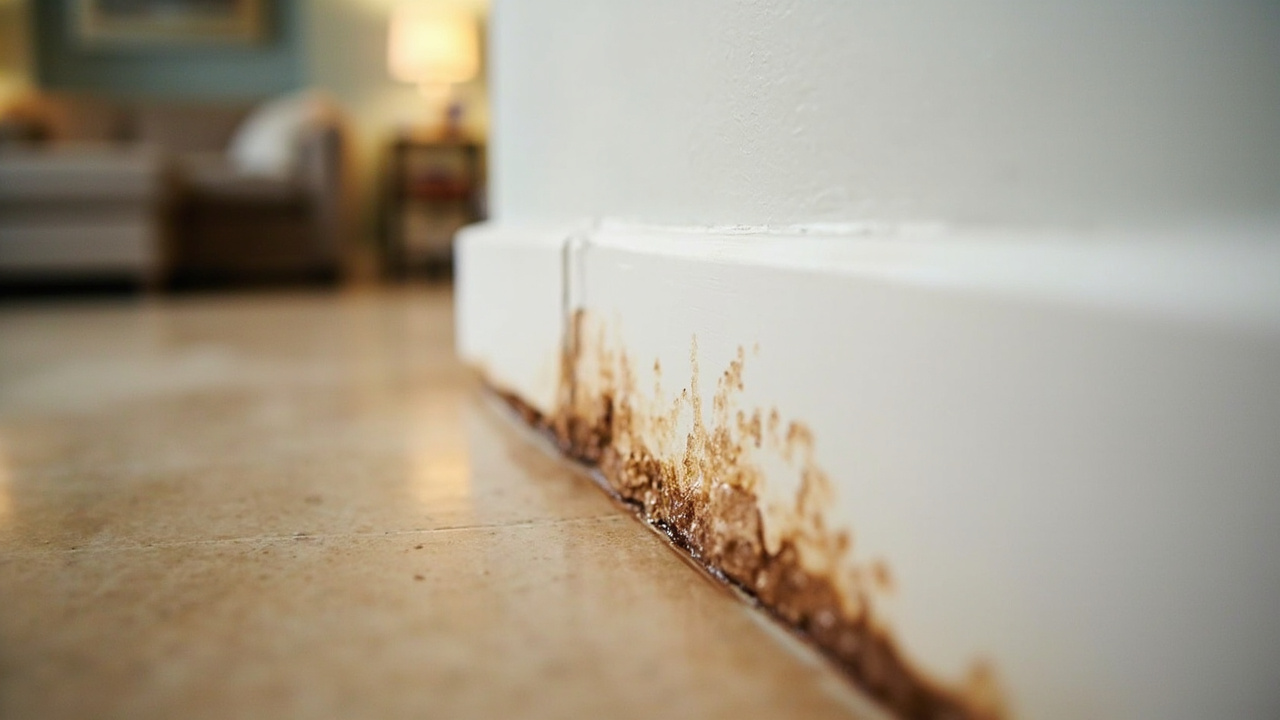
You may notice musty odors that disappear and reappear, unexplained allergic reactions, or water stains that seem to resolve on their own. These are indicators of invisible mold working behind finished surfaces. The freeze-thaw cycles that affect Buffalo from November through March create ice dams on roofs, pushing water under shingles and into wall cavities where it feeds mold colonies for months before you detect them.

Detecting hidden mold requires understanding where moisture accumulates in Buffalo homes. Common problem areas include bathroom exhaust paths that vent into attics instead of outdoors, kitchen soffit spaces above cabinets, and the wall cavities behind vinyl siding where condensation forms during temperature drops. Each symptom of concealed mold tells a story about where water entered your structure and how long the problem has existed.

Why Buffalo Properties Are at High Risk for Concealed Mold Growth
How Professional Mold Detection Works in Buffalo Properties

How Professional Mold Detection Works in Buffalo Properties

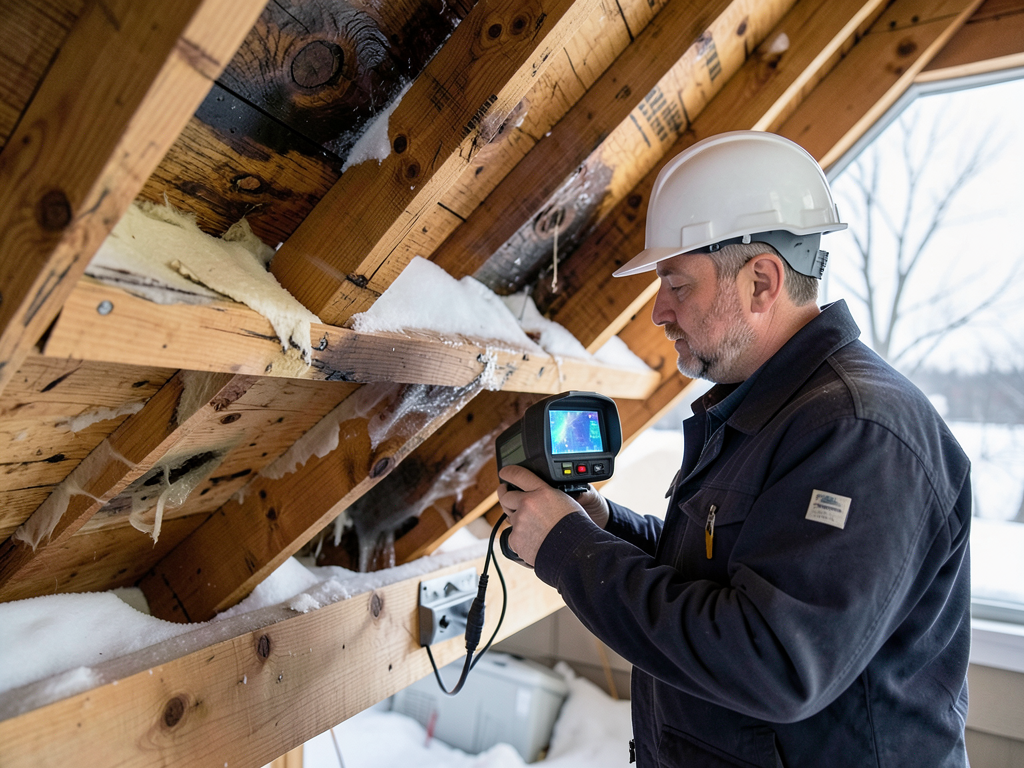
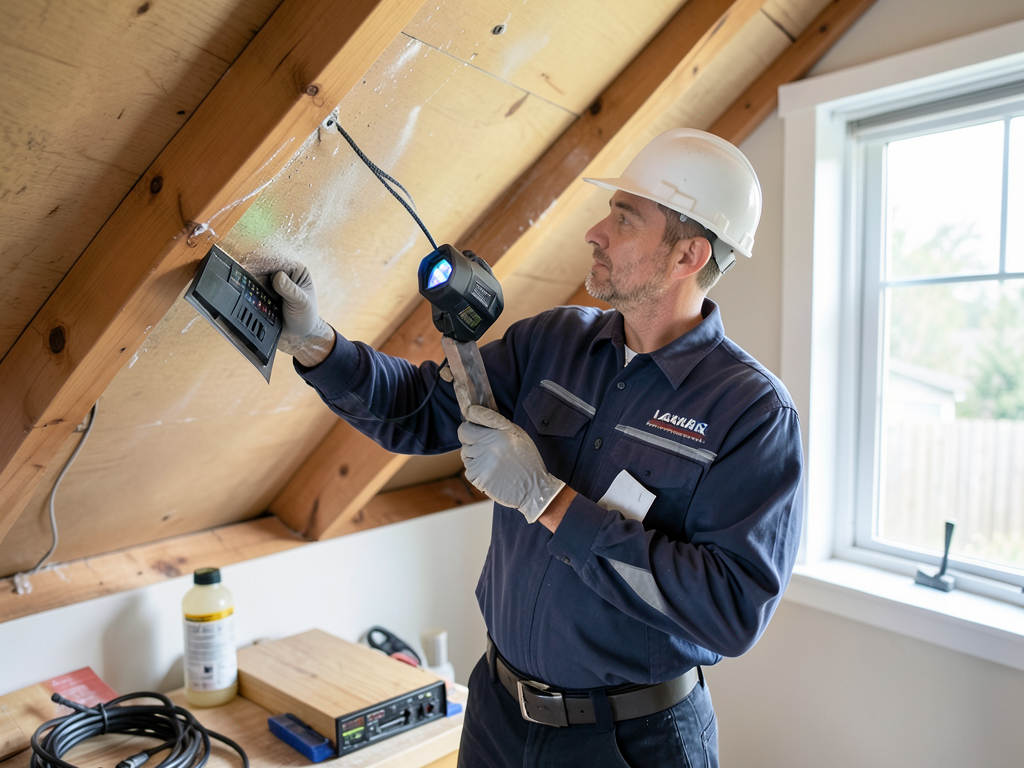
Effective mold detection combines visual assessment, moisture mapping, and air quality testing. Alpha Water Damage Restoration Buffalo uses thermal imaging cameras to identify temperature differentials that indicate moisture accumulation behind walls. Cold spots often reveal where insulation has compressed from water exposure, creating ideal mold growth conditions.

We measure relative humidity in wall cavities using invasive moisture meters that penetrate drywall without causing significant damage. Readings above 17% wood moisture content signal active mold growth potential. We compare these readings across multiple wall sections to map the full extent of moisture intrusion, not just the visible symptoms.

Air sampling captures mold spore concentrations in your indoor environment and compares them to outdoor baseline levels. Elevated indoor spore counts, particularly of Stachybotrys, Aspergillus, or Penicillium species, confirm active mold amplification even when you cannot see growth surfaces. We collect samples at breathing height in multiple rooms to identify which areas have the highest contamination.

Surface sampling using tape lifts or swabs identifies the specific mold species growing on suspect areas. This matters because different species require different remediation approaches and pose varying health risks. Black mold behind bathroom tiles demands more aggressive containment than Cladosporium on window sills.

We trace moisture sources using water intrusion modeling. In Buffalo, this often means inspecting roof valleys for ice dam damage, checking foundation walls for hydrostatic pressure cracks, and evaluating HVAC ductwork for condensation issues. Finding the water source stops future mold growth after remediation completes.

What Happens During a Professional Mold Inspection

Signs of Hidden Mold in Buffalo – Expert Detection Guides to Protect Your Property and Health
01

Initial Property Assessment

We walk through your property documenting visible water damage, noting musty odors, and recording areas where you have experienced health symptoms. This initial survey identifies obvious problem zones and helps us understand the building's water intrusion history. We examine areas most susceptible to Buffalo's climate challenges, including attic insulation, basement perimeter walls, and areas below windows where condensation accumulates during winter months.
02

Moisture and Spore Testing

We deploy thermal imaging equipment to map hidden moisture, use hygrometers to measure humidity levels in wall cavities, and collect air samples for laboratory analysis. This testing phase reveals mold growth you cannot see and quantifies contamination severity. We document moisture readings in percentage points and photograph thermal anomalies to show exactly where water has compromised your building envelope. Lab results typically return within 48 hours, identifying specific mold species and spore concentrations.
03

Detailed Findings Report

You receive a comprehensive report mapping every contaminated area, explaining the moisture source feeding each colony, and outlining remediation scope. We provide photo documentation, lab results, and a written remediation protocol specific to your property. This report serves as your roadmap for addressing the problem and can support insurance claims. We explain which areas require immediate attention and which pose lower risk, helping you prioritize based on budget and health concerns.

Why Buffalo Property Owners Trust Our Mold Detection Resources

Alpha Water Damage Restoration Buffalo has inspected thousands of properties across Erie County, from Victorian homes in the Elmwood Village to commercial buildings downtown. We understand how Buffalo's building stock responds to local climate stressors because we work in these conditions every day.

Our technicians know the difference between surface mildew on north-facing walls and systemic mold growth behind plaster. We recognize the signatures of ice dam damage on Tudor revival homes along Parkside Avenue and can identify the specific vulnerabilities in post-war ranch homes in Kenmore where bathroom exhaust moisture accumulates.

We stay current on New York State mold remediation guidelines and follow IICRC S520 standards for mold assessment. This means our testing protocols meet the requirements for legal documentation, real estate transactions, and insurance claims. When you need evidence of mold presence, our reports stand up to professional scrutiny.

Our detection equipment includes forward-looking infrared cameras that reveal moisture patterns invisible to standard inspections. We invest in laboratory relationships that provide fast turnaround on spore identification, so you get actionable information quickly. Time matters when you are dealing with potential health effects or trying to close a property sale.

We explain findings in plain language. You will understand where the mold is growing, what caused it, and what needs to happen next. We do not use scare tactics or pressure you into immediate remediation contracts. Our goal is to give you accurate information so you can make informed decisions about your property and health.

What You Can Expect from Our Mold Detection Services

Rapid Response Scheduling

We schedule most inspections within 24 to 48 hours of your call. If you are experiencing respiratory symptoms or have discovered visible mold growth, we prioritize your inspection. Standard residential inspections take two to four hours depending on property size and complexity. Commercial properties require more time based on square footage and the number of HVAC zones we need to test. We work around your schedule and can perform inspections during business hours or after-hours to minimize disruption.

Comprehensive Property Evaluation

Our inspection covers all areas where mold commonly grows in Buffalo properties. We check attic ventilation adequacy, inspect crawl spaces for ground moisture, test basement humidity levels, and examine plumbing penetrations where leaks often start. We use borescopes to look inside wall cavities without cutting large access holes. You receive moisture readings for every suspect area and air quality data for occupied spaces. We document everything with photos and thermal images so you can see exactly what we found.

Accurate Lab-Verified Results

Air samples go to accredited microbiology labs for analysis. You receive genus-level identification of mold species and spore counts per cubic meter of air. We compare your indoor readings to outdoor control samples to determine if you have abnormal mold amplification. Surface samples identify the specific species growing on suspect materials. These lab results provide the evidence you need for insurance claims, real estate transactions, or legal documentation. Reports typically arrive within two to three business days.

Ongoing Support and Resources

After inspection, we remain available to answer questions as you review your report. If you proceed with remediation, we provide pre-clearance and post-clearance testing to verify the work eliminated contamination. We offer guidance on preventing future mold growth through humidity control, ventilation improvements, and maintenance practices. You can contact us months later if new symptoms appear or you need help interpreting insurance company questions about your mold history. We maintain inspection records so you have documentation of your property's condition over time.

Frequently Asked Questions

You Have Questions,
We Have Answers

How can you tell if you have hidden mold in your house? +

Look for musty odors, especially in basements or crawl spaces common in Buffalo homes. Check for water stains on ceilings or walls, peeling paint, or warped floors. Buffalo's humidity and freeze-thaw cycles create perfect conditions for hidden growth behind drywall or under carpets. Watch for allergy symptoms that worsen indoors. Inspect areas near plumbing, around HVAC vents, and in attics after ice dams. Discoloration on walls, especially dark spots or patches, signals trouble. If you suspect hidden growth, professional testing identifies the scope before damage spreads through your home's structure.

What are signs of mold sickness? +

Mold exposure triggers respiratory issues like chronic coughing, wheezing, or shortness of breath. You may experience persistent sinus congestion, headaches, or fatigue that improves when you leave your home. Skin rashes, itchy eyes, and throat irritation are common. Some people develop brain fog or difficulty concentrating. Buffalo residents often mistake these symptoms for seasonal allergies due to our variable climate. If multiple family members experience unexplained symptoms simultaneously, investigate your indoor air quality. Immune-compromised individuals face more severe reactions. Document when symptoms worsen to help identify the source.

Can mold cause croup? +

Mold exposure can worsen respiratory conditions but does not directly cause croup, a viral infection affecting children's airways. However, mold spores irritate airways and can trigger croup-like symptoms in sensitive children, including barking cough and breathing difficulty. Buffalo's damp winters increase indoor mold growth, compounding respiratory stress. If your child experiences recurring croup-like symptoms at home, test for mold. Removing mold reduces airway irritation and may decrease symptom frequency. Consult your pediatrician to rule out viral causes, but address any moisture problems in your home to protect respiratory health.

Can mold cause UTIs? +

No direct link exists between mold exposure and urinary tract infections. UTIs result from bacteria entering the urinary system, not from mold spores. However, prolonged mold exposure weakens your immune system, potentially making you more susceptible to infections, including UTIs. If you experience frequent infections alongside respiratory symptoms or musty odors in your Buffalo home, address the mold issue to support overall health. Poor indoor air quality stresses your body's defenses. Focus on eliminating moisture sources and improving ventilation. Treat UTIs with appropriate medical care while resolving any underlying mold problems separately.

Is there such a thing as a mold detector? +

Yes, mold detectors exist but vary in reliability. Air quality monitors measure spore counts and humidity levels. Some devices detect volatile organic compounds released by mold growth. Test kits allow you to collect samples for lab analysis, providing species identification. However, these tools have limitations. Buffalo's humidity fluctuations affect readings. Professional inspections remain more accurate because experts identify hidden growth behind walls or under floors that detectors miss. Moisture meters help locate problem areas. If you suspect mold, combine detector data with visual inspection or hire professionals for comprehensive assessment.

Will mold go away if it dries out? +

No. Drying stops active mold growth but does not eliminate existing colonies or spores. Dead mold still triggers allergic reactions and health issues. Mold roots penetrate porous materials like drywall and wood, common in Buffalo homes. When moisture returns, dormant spores reactivate quickly. Buffalo's humidity and seasonal weather changes create repeated wet-dry cycles. You must physically remove contaminated materials and treat affected surfaces. Simply drying the area leaves spores behind, ready to colonize again. Proper remediation requires removing growth, treating surfaces with antimicrobial solutions, and fixing the moisture source permanently.

What are the 10 warning signs of mold toxicity? +

Watch for chronic fatigue, brain fog, and difficulty concentrating. Respiratory symptoms include persistent coughing, wheezing, and sinus congestion. Headaches and dizziness often worsen at home. Skin irritation, rashes, or unexplained itching signal exposure. Joint pain and muscle aches without clear cause may develop. Digestive issues like nausea or appetite changes occur in some people. Mood changes, including anxiety or depression, can result from prolonged exposure. Sensitivity to light or temperature fluctuations increases. Frequent infections suggest weakened immunity. Buffalo residents should note if symptoms improve when away from home, indicating indoor air quality problems.

What kills mold permanently? +

Complete removal paired with moisture elimination kills mold permanently. Surface treatments with bleach or hydrogen peroxide work on non-porous materials but fail on drywall or wood. Professional remediation removes contaminated materials, treats affected areas with antimicrobial solutions, and addresses the moisture source. Buffalo's climate demands fixing leaks, improving ventilation, and controlling humidity below 50 percent. HEPA filtration during cleanup prevents spore spread. Encapsulation products seal treated surfaces. Without eliminating moisture, mold returns. Focus on prevention through proper drainage, dehumidification, and regular inspection of vulnerable areas like basements and attics.

How do I test my house for mold? +

Start with visual inspection of basements, bathrooms, attics, and crawl spaces common in Buffalo homes. Look for water stains, discoloration, or musty smells. DIY test kits from hardware stores collect air or surface samples for lab analysis. Mail samples to certified labs for species identification and spore counts. Professional inspections provide thermal imaging to detect hidden moisture and comprehensive air quality testing. Inspectors check behind walls, under floors, and in HVAC systems. For accurate results, hire certified mold assessors who follow industry protocols. Testing confirms suspicions and guides remediation scope before work begins.

How do I tell if mold is in my lungs? +

You cannot self-diagnose mold in your lungs. Symptoms include persistent cough, chest tightness, shortness of breath, and wheezing that worsens over time. Coughing up dark or bloody mucus requires immediate medical attention. A physician performs chest X-rays, CT scans, or bronchoscopy to visualize lung tissue. Blood tests and sputum cultures identify fungal infections. Pulmonary aspergillosis, a serious fungal lung infection, requires antifungal medication. If you suspect lung involvement after Buffalo mold exposure, see a pulmonologist immediately. Early diagnosis prevents permanent lung damage. Address your home's mold problem simultaneously to prevent continued exposure.

How Buffalo's Lake Effect Climate Accelerates Hidden Mold Growth Behind Walls

Buffalo receives 94 inches of snow annually, much of it from lake effect storms that deposit moisture-laden snow against building exteriors. As this snow melts and refreezes, water migrates under siding, through brick mortar joints, and around window frames. The city's 160 days per year with measurable precipitation keep exterior walls consistently damp from October through May. This prolonged moisture exposure allows mold to colonize sheathing and wall studs where you cannot see it. Homes in South Buffalo and the First Ward, closest to lake moisture sources, show the highest rates of concealed mold in wall cavities. The indicators of invisible mold often appear as peeling paint or wallpaper bubbling months after water intrusion begins.

Buffalo's housing stock includes thousands of homes built between 1900 and 1950, before vapor barriers and modern moisture management practices existed. These older properties lack the building science features that prevent mold growth. Alpha Water Damage Restoration Buffalo has developed detection protocols specific to Buffalo's architectural styles, from the balloon-frame construction common in Allentown to the brick veneer colonials in Snyder. We know where to look for evidence of unseen mold based on how these buildings were constructed and how Buffalo's climate attacks them. Our familiarity with local building methods helps us find hidden contamination faster and more accurately than inspectors unfamiliar with the region's unique challenges.

Water Damage Restoration Services in The Buffalo Area

Although we offer rapid mobile service across the entire Buffalo area and surrounding regions, we invite you to view our service area map to confirm our commitment to your community. We are always ready to deploy our expert teams directly to your residential or commercial property, ensuring the fastest possible response time when you need water damage restoration most, right where you are.

Address:
Alpha Water Damage Restoration Buffalo, 369 Washington St, Buffalo, NY, 14203

Additional Services We Offer

Our news updates

Latest Articles & News from The Blogs

The importance of microbial swabbing after a sewer backup in your Lackawanna basement When sewage backs up into your Lackawanna…

The importance of microbial swabbing after a sewer backup in your Lackawanna basement

The importance of microbial swabbing after a sewer backup in your Lackawanna basement When sewage backs up into your Lackawanna…

Simple ways to prevent your pipes from freezing in an unheated North Buffalo crawlspace

Simple ways to prevent your pipes from freezing in an unheated North Buffalo crawlspace Buffalo’s brutal winters and lake-effect snow…

Keeping your kids and pets safe during a home restoration project in Kenmore

Keeping your kids and pets safe during a home restoration project in Kenmore\n\nHome restoration after water damage creates unique safety…

Contact Us

Call Alpha Water Damage Restoration Buffalo at (716) 317-7717 for a comprehensive mold inspection. We provide lab-verified results, thermal imaging documentation, and clear remediation guidance. Do not wait until respiratory symptoms force action. Schedule your inspection today.