menu

Steps to Take After a Flood in Buffalo – Your Complete Recovery Checklist for Immediate Action

When floodwater invades your Buffalo home, the first 24 to 48 hours determine the extent of permanent damage. Follow this expert guide to minimize loss, protect your family's health, and document everything for insurance claims.

Slider Image 1
Slider Image 2
Slider Image 3
Slider Image 4
Slider Image 5
Slider Image 7
Slider Image 8
Slider Image 9
Slider Image 10
Slider Image 11

Why Buffalo Homes Face Unique Flood Recovery Challenges

Buffalo sits at the eastern edge of Lake Erie, where lake-effect precipitation combines with aging infrastructure to create severe flooding risks. When water enters your home, you face more than just soggy carpets. The immediate actions after flooding determine whether you salvage your belongings or watch mold colonize your walls within 48 hours.

Floodwater carries contaminants from overwhelmed sewage systems, street runoff, and ground soil. Buffalo's older neighborhoods feature basements with limestone foundations that absorb water like sponges, creating hidden moisture pockets that fuel microbial growth long after visible water disappears. The freeze-thaw cycles common to Western New York also mean structural components weakened by water become vulnerable to cracking when temperatures drop.

Your post-flood recovery checklist begins the moment water recedes. Every hour you wait compounds the damage. Hardwood floors cup and warp. Drywall wicks moisture upward through capillary action. Electrical systems corrode. Insurance adjusters need documentation within specific timeframes, or you risk claim denials.

Understanding what to do after a house flood means recognizing that standing water is only the visible problem. Saturated insulation, compromised structural lumber, and contaminated HVAC ductwork require professional assessment. Buffalo homes built before 1980 may also contain asbestos in flooring adhesives or lead paint, both of which become hazardous when disturbed during water damage clean up steps.

The guide to handling flood damage starts with safety, moves through documentation, and ends with professional remediation. Skip steps, and you pay twice.

Why Buffalo Homes Face Unique Flood Recovery Challenges
The Professional Approach to Flood Recovery in Buffalo

The Professional Approach to Flood Recovery in Buffalo

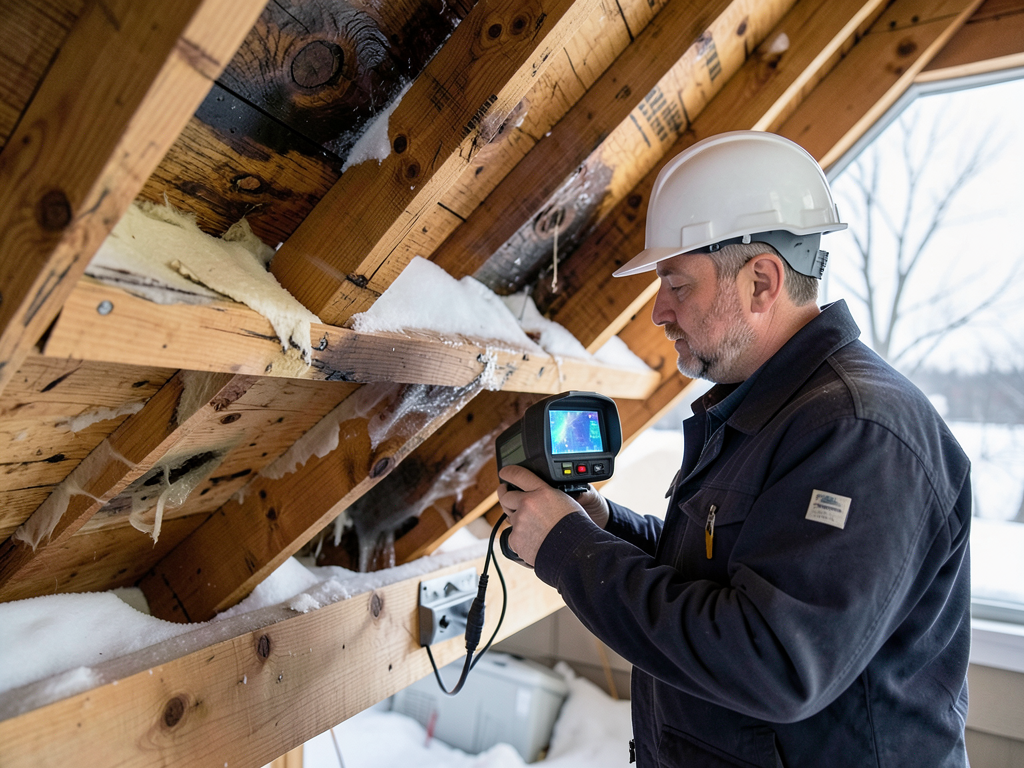
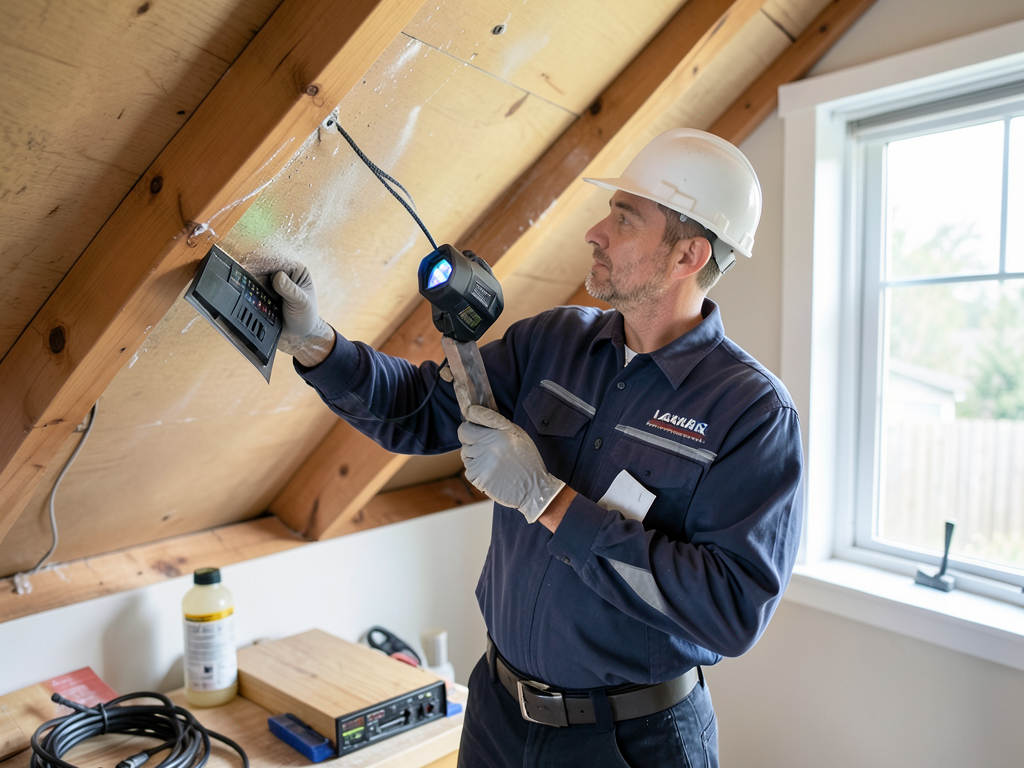
Professional flood restoration follows a scientifically validated sequence that homeowners cannot replicate with box fans and hope. Alpha Water Damage Restoration Buffalo uses thermal imaging cameras to detect moisture in wall cavities, behind baseboards, and within subfloor systems. What looks dry to the naked eye often conceals saturation levels above 15 percent, the threshold where mold spores activate.

We perform psychrometric calculations to determine the specific drying strategy your structure requires. Buffalo's variable humidity levels mean you cannot use generic drying times. A basement flood in July dries differently than one in November. Air movers must create directional airflow patterns that follow moisture migration paths, not just blow air randomly around a room.

Extraction equipment removes standing water, but trapped water in concrete slabs requires desiccant dehumidification or specialized drying mats that pull moisture through surface tension. We classify water damage into three categories based on contamination level. Category 3 water, which includes sewage backups and river flooding, requires antimicrobial treatment and disposal of porous materials that cannot be sanitized.

Structural drying extends beyond visible surfaces. Floor joists, wall studs, and rim joists all retain moisture at different rates based on wood species and dimensional lumber size. We monitor these areas with moisture meters until readings stabilize below 12 percent, the equilibrium moisture content for lumber in Buffalo's climate zone.

Your insurance carrier requires documentation at each phase. We photograph moisture readings, document equipment placement, and maintain daily drying logs that prove we followed IICRC S500 standards for water damage restoration. This protects you during the claims process and ensures your home returns to pre-loss condition.

Your Flood Recovery Timeline from Emergency to Restoration

Steps to Take After a Flood in Buffalo – Your Complete Recovery Checklist for Immediate Action
01

Immediate Safety Assessment

Before entering a flooded structure, we verify electrical systems are de-energized and assess structural stability. Floodwater compromises foundation walls and weakens floor systems. We check for gas leaks, document the water source, and classify the contamination category. This initial assessment determines which materials require removal versus restoration and identifies safety hazards like compromised stairs or ceiling collapses. Every item removed gets photographed for insurance documentation.
02

Water Extraction and Monitoring

Truck-mounted extractors remove standing water at rates exceeding 100 gallons per minute. We then place air movers and dehumidifiers in calculated positions based on room geometry and airflow patterns. Moisture meters track drying progress in structural materials every 12 hours. We adjust equipment placement as moisture migrates from wet areas to drier zones. This phase continues until all materials reach stable, acceptable moisture levels verified through multiple measurement methods.
03

Restoration and Prevention

Once drying completes, we remove damaged materials that cannot be salvaged and begin reconstruction. This includes subfloor replacement, drywall installation, and finish work. We also identify the factors that allowed flooding and recommend mitigation strategies like sump pump upgrades, drainage corrections, or foundation waterproofing. The final walkthrough includes moisture verification testing and documentation that your insurance adjuster needs to close your claim and release final payment.

Why Buffalo Property Owners Choose Alpha Water Damage Restoration

Buffalo's housing stock presents unique restoration challenges that out-of-town contractors mishandle. Homes in neighborhoods like North Buffalo and Elmwood Village feature plaster walls over wood lath, not modern drywall. Drying these systems requires specialized techniques that prevent cracking and delamination. We understand how Buffalo's architectural details respond to water intrusion.

Our technicians hold IICRC certifications in Water Damage Restoration and Applied Structural Drying. This training goes beyond equipment operation to include building science, psychrometrics, and microbial remediation. When we assess your flood damage, we identify hidden problems that surface weeks later if missed during initial inspection.

We maintain direct relationships with insurance adjusters who cover Erie County properties. This familiarity speeds your claim processing and reduces disputes over coverage. We document everything according to Xactimate estimating standards, the software most carriers use for claim valuation. You get accurate repair costs, not inflated estimates that trigger claim denials.

Local response time matters during water emergencies. We dispatch from our Buffalo location within 60 minutes of your call, not from regional offices hours away. Equipment arrives on-site while water still rises, minimizing total damage and accelerating drying timelines.

Buffalo building codes require specific approaches to structural repairs, especially in historic districts where preservation standards apply. We navigate these regulations daily and maintain relationships with city inspectors who review restoration work. This prevents compliance issues that delay your return home and complicate resale down the road. Choose a provider who knows Buffalo construction methods, local water table behavior, and municipal requirements. Your flood recovery depends on expertise, not generic processes applied blindly.

What Your Flood Recovery Process Includes

Emergency Response Timing

Water damage accelerates exponentially. Mold begins colonizing within 24 to 48 hours of initial water contact. We dispatch technicians within one hour of your call, arriving with extraction equipment, moisture detection tools, and safety gear. Our trucks carry sufficient equipment to handle residential floods up to 2,500 square feet without returning for additional machinery. Night, weekend, or holiday, response time stays consistent. Early intervention prevents secondary damage that doubles restoration costs and extends displacement time.

Comprehensive Damage Assessment

Initial inspection takes 45 to 90 minutes depending on property size and flood severity. We use thermal imaging to detect moisture in concealed spaces, moisture meters to quantify saturation levels, and thermo-hygrometers to measure ambient conditions. You receive a written moisture map identifying all affected areas, contamination classification, and removal recommendations. This report accompanies your insurance claim and serves as the baseline for tracking drying progress. We explain findings in clear terms and answer questions before equipment placement begins.

Restoration Quality Standards

Every restoration project concludes with verification testing proving materials returned to acceptable moisture levels. We provide written documentation showing daily moisture readings, equipment logs, and photographic evidence of completion. Structural repairs use materials matching your home's original construction methods. Paint colors are matched through spectrophotometry for invisible repairs. Flooring replacements source products matching existing materials in species, grade, and finish. Your home returns to pre-loss condition, not a patchwork of mismatched repairs that affect resale value.

Post-Restoration Support

Restoration completion does not end our involvement. We provide maintenance recommendations specific to your flood's cause, whether foundation drainage, plumbing failures, or appliance malfunctions. You receive guidance on monitoring for recurring moisture issues and early warning signs of hidden water damage. If questions arise after project completion, our team remains available for consultation. We also coordinate with mitigation specialists for foundation waterproofing, sump pump installation, or grading corrections that prevent future flooding. This comprehensive approach protects your investment long-term.

Frequently Asked Questions

You Have Questions,
We Have Answers

How Buffalo's Combined Sewer System Affects Your Flood Recovery Checklist

Buffalo operates combined sewer systems in older neighborhoods where stormwater and sanitary sewage share pipes. During heavy precipitation, these systems exceed capacity and cause basement backups carrying raw sewage. This means what to do after a house flood includes treating all water as Category 3 contaminated until proven otherwise. Immediate actions after flooding must prioritize health risks, not just water removal. Porous materials like carpeting, padding, drywall, and insulation require disposal when contacted by sewage-contaminated floodwater. Attempting to salvage these items creates long-term health hazards and indoor air quality problems.

Alpha Water Damage Restoration Buffalo maintains relationships with Erie County health inspectors and local building officials who review flood restoration work. We understand Buffalo's specific code requirements for structural drying, mold remediation, and sewage cleanup. Our familiarity with local insurance adjusters who handle claims throughout Western New York streamlines your recovery process and prevents disputes over necessary repairs. When choosing flood restoration services, local expertise determines whether your home returns to safe, code-compliant condition or harbors hidden contamination that surfaces months later.

Water Damage Restoration Services in The Buffalo Area

Although we offer rapid mobile service across the entire Buffalo area and surrounding regions, we invite you to view our service area map to confirm our commitment to your community. We are always ready to deploy our expert teams directly to your residential or commercial property, ensuring the fastest possible response time when you need water damage restoration most, right where you are.

Address:
Alpha Water Damage Restoration Buffalo, 369 Washington St, Buffalo, NY, 14203

Additional Services We Offer

Our news updates

Latest Articles & News from The Blogs

The importance of microbial swabbing after a sewer backup in your Lackawanna basement When sewage backs up into your Lackawanna…

The importance of microbial swabbing after a sewer backup in your Lackawanna basement

The importance of microbial swabbing after a sewer backup in your Lackawanna basement When sewage backs up into your Lackawanna…

Simple ways to prevent your pipes from freezing in an unheated North Buffalo crawlspace

Simple ways to prevent your pipes from freezing in an unheated North Buffalo crawlspace Buffalo’s brutal winters and lake-effect snow…

Keeping your kids and pets safe during a home restoration project in Kenmore

Keeping your kids and pets safe during a home restoration project in Kenmore\n\nHome restoration after water damage creates unique safety…

Contact Us

Every hour floodwater remains increases damage and restoration costs. Call Alpha Water Damage Restoration Buffalo now at (716) 317-7717 for immediate dispatch. Our certified technicians respond within 60 minutes with professional extraction and drying equipment. We handle insurance documentation and restore your home to pre-loss condition.