menu

Black Mold Symptoms in Buffalo – Expert Diagnosis and Safe Removal Before Health Risks Escalate

Alpha Water Damage Restoration Buffalo identifies signs of black mold exposure fast, protects your family from toxic mold health effects, and removes stachybotrys chartarum before respiratory issues, cognitive symptoms, or immune suppression take hold in your home.

Slider Image 1
Slider Image 2
Slider Image 3
Slider Image 4
Slider Image 5
Slider Image 7
Slider Image 8
Slider Image 9
Slider Image 10
Slider Image 11

Why Buffalo Homes Are High-Risk for Black Mold and Stachybotrys Chartarum

Buffalo's climate creates perfect breeding conditions for black mold. The combination of heavy snowfall, spring thaw cycles, and high indoor humidity during winter months turns basements, attics, and wall cavities into incubators for stachybotrys chartarum. This is the strain people fear when they say "black mold."

You might notice a musty odor in your basement or see dark patches creeping along windowsills. Those are warning signs. Black mold poisoning symptoms often start subtly. Persistent coughing, headaches that won't quit, unexplained fatigue, or sinus congestion that lingers for weeks. Some people develop skin rashes or eye irritation. Others experience brain fog or memory issues.

Children and people with asthma face heightened black mold health risks. Prolonged exposure can trigger severe respiratory distress, chronic bronchitis, or immune system suppression. Buffalo's older housing stock, with its original plaster walls and uninsulated crawl spaces, traps moisture behind surfaces where mold colonies thrive undetected for months.

Toxic mold health effects escalate the longer spores circulate through your HVAC system. You breathe them in daily without realizing it. Buffalo's humid summers and poorly ventilated bathrooms compound the problem. Water intrusion from ice dams, leaking roofs after nor'easters, or foundation seepage from spring rains all feed mold growth.

If you experience chronic respiratory symptoms, cognitive issues, or discover visible mold growth in your home, you need professional assessment. Ignoring signs of black mold exposure turns a containable problem into a health crisis.

Why Buffalo Homes Are High-Risk for Black Mold and Stachybotrys Chartarum
How We Identify Black Mold and Contain Toxic Spore Spread

How We Identify Black Mold and Contain Toxic Spore Spread

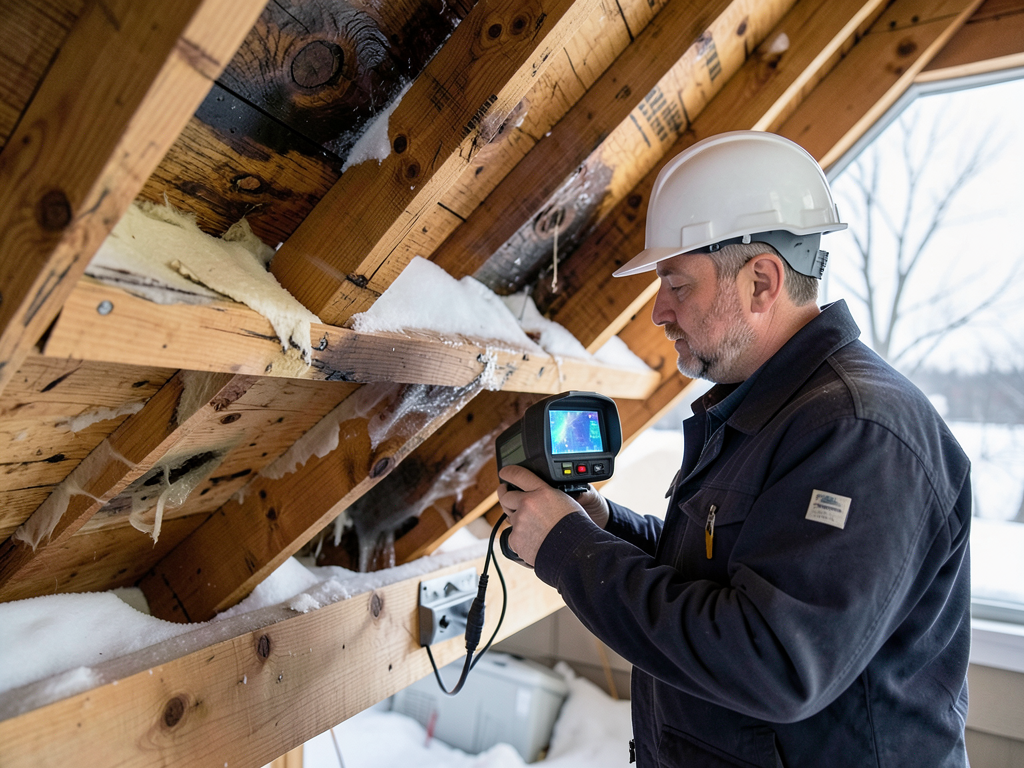
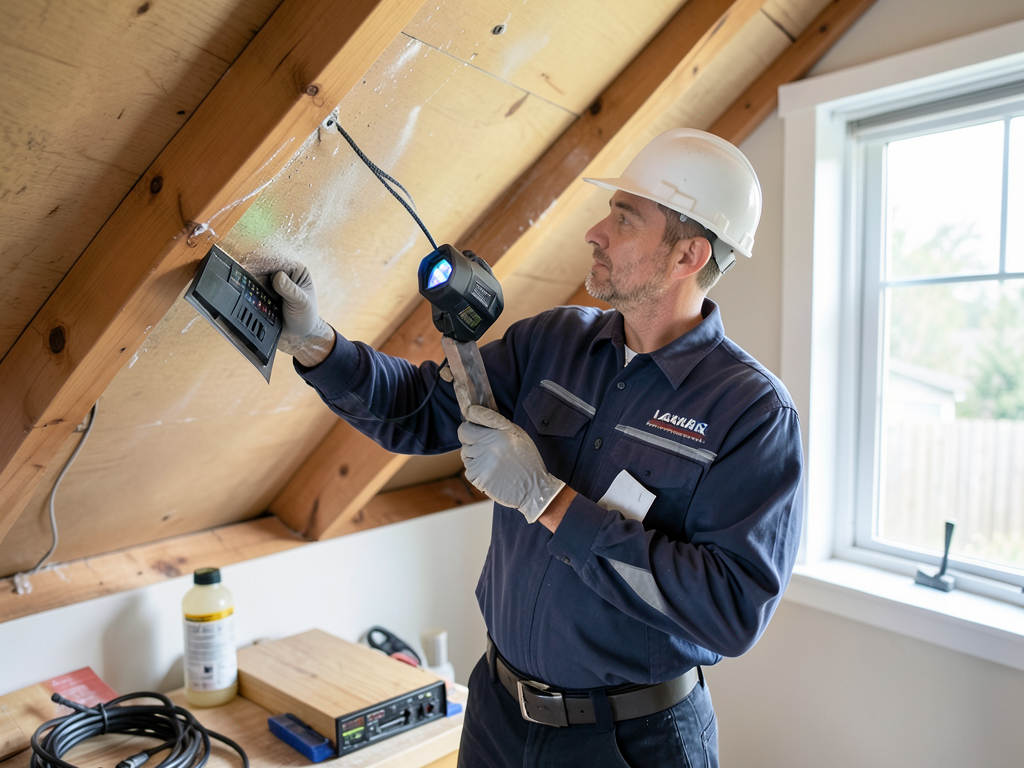
Black mold identification requires more than visual inspection. Alpha Water Damage Restoration Buffalo uses moisture meters, thermal imaging cameras, and air quality sampling to map the full extent of contamination. Stachybotrys chartarum often hides behind drywall, under flooring, or inside HVAC ductwork where you cannot see it.

We start with a comprehensive moisture audit. Mold needs water to grow. We trace every moisture source, from condensation patterns on cold water pipes to hidden leaks in your plumbing stack. Thermal imaging reveals temperature differentials that indicate wet insulation or saturated wall cavities. These are the zones where mold colonizes.

Air sampling captures spore concentration levels throughout your home. We compare indoor readings to outdoor baselines. Elevated indoor spore counts confirm active mold growth even when colonies are hidden. Surface sampling identifies the specific mold species. Not all black-colored mold is stachybotrys chartarum, but only lab analysis confirms the strain.

Containment comes next. We establish negative air pressure zones using commercial air scrubbers with HEPA filtration. This prevents spores from spreading to uncontaminated areas during removal. We seal off work zones with polyethylene barriers and create airlocks for entry and exit.

Our technicians wear full PPE, including respirators with P100 filters, because black mold releases mycotoxins when disturbed. We remove contaminated materials using HEPA vacuums to capture particulates. Porous materials like drywall, insulation, and carpet padding get bagged and disposed of following EPA guidelines. Non-porous surfaces get treated with antimicrobial agents that kill remaining spores and prevent regrowth.

We never just spray bleach and call it fixed. That approach fails because bleach cannot penetrate porous materials where mold roots deep.

What Happens During Black Mold Assessment and Removal

Black Mold Symptoms in Buffalo – Expert Diagnosis and Safe Removal Before Health Risks Escalate
01

Initial Health and Property Assessment

We document your symptoms and timeline of exposure during our first visit. Our team inspects every area where moisture accumulates in Buffalo homes: basements prone to seepage, attics with ice dam damage, bathrooms with poor ventilation, and crawl spaces with dirt floors. We use moisture detection equipment to map wet zones and thermal cameras to identify hidden water intrusion. Air quality testing establishes baseline spore counts before remediation begins.
02

Containment and Safe Removal

We isolate contaminated zones with physical barriers and negative air machines to prevent cross-contamination. All porous materials harboring mold growth get removed and properly disposed of. We HEPA vacuum all surfaces, treat remaining materials with EPA-registered antimicrobials, and verify spore levels drop to safe thresholds through post-remediation testing. Our team wears full respiratory protection throughout the process to handle mycotoxin exposure safely during disturbance of colonies.
03

Moisture Control and Prevention

Mold returns if moisture problems persist. We identify and correct the water source feeding growth, whether that means repairing foundation cracks, improving ventilation, fixing plumbing leaks, or installing dehumidifiers in chronically damp spaces. We provide moisture management strategies specific to Buffalo's climate challenges. Final air quality testing confirms your home meets safe spore concentration standards before we close the project. You receive documentation for insurance claims and future property transactions.

Why Buffalo Residents Trust Alpha Water Damage Restoration for Mold Safety

Buffalo's housing challenges require local knowledge. We understand how freeze-thaw cycles damage foundations, how ice dams force water into attic spaces, and how poor grading around older homes in neighborhoods like Elmwood Village and North Buffalo creates chronic basement moisture issues.

Our team knows Buffalo's building patterns. The city's historic homes feature balloon framing, plaster walls, and minimal vapor barriers. These construction methods trap moisture and create perfect conditions for mold growth behind walls. We have worked in hundreds of Buffalo properties and understand how to access hidden cavities without causing unnecessary structural damage.

We follow New York State Department of Labor mold remediation guidelines and EPA protocols for safe handling of stachybotrys chartarum. Our technicians complete ongoing training in microbial remediation standards. We carry liability coverage specific to mold remediation work.

You need a remediation partner who understands the health implications. Black mold health risks escalate with exposure duration. We prioritize rapid response because every day spores circulate through your home increases toxic load on your respiratory system. Families with young children, elderly residents, or anyone with compromised immunity face amplified danger.

We work directly with insurance carriers familiar with Buffalo's common mold claim scenarios. We document everything: moisture readings, air sample results, photographic evidence, and detailed remediation protocols. This documentation supports your claim and protects your property value.

Alpha Water Damage Restoration Buffalo does not subcontract mold work. Our crews handle assessment, containment, removal, and verification testing. You work with the same team from start to finish. We answer your questions about health risks, explain our process in plain language, and keep you informed throughout remediation.

Buffalo winters are long. Your home should be your refuge, not a source of chronic illness.

What You Can Expect During Black Mold Remediation

Rapid Response and Emergency Service

We dispatch to Buffalo properties within hours of your call. Black mold exposure requires immediate action when symptoms appear. Our assessment team arrives with moisture detection equipment, air sampling tools, and thermal imaging cameras. We provide same-day verbal findings and written reports within 24 hours. Emergency containment and removal starts immediately if your family faces acute exposure risk. We work evenings and weekends because mold does not wait for business hours. Call (716) 317-7717 any time you discover growth or experience symptoms.

Comprehensive Testing and Documentation

Our initial assessment includes moisture mapping, visual inspection of all susceptible areas, and air quality sampling. We collect surface samples from visible growth for lab identification of mold species. You receive a detailed report showing moisture readings, spore concentration levels, contaminated areas, and recommended remediation scope. We photograph all affected zones and document conditions before work begins. Post-remediation verification testing confirms spore levels return to safe thresholds. All documentation supports insurance claims and provides proof of professional remediation for future property disclosure requirements.

Complete Removal and Air Quality Restoration

We establish containment barriers and negative air pressure before disturbing any mold colonies. Our team removes all contaminated porous materials including drywall, insulation, carpet, and padding. We HEPA vacuum and treat all remaining surfaces with antimicrobial solutions that kill spores and prevent regrowth. Commercial air scrubbers with HEPA filtration run continuously during remediation to capture airborne spores. We dispose of contaminated materials following EPA guidelines. Final air quality testing verifies your home meets safe spore concentration standards before we remove containment barriers. You receive clearance documentation and lab results confirming successful remediation.

Moisture Control and Prevention Planning

Mold remediation fails without addressing underlying moisture problems. We identify and correct every water source feeding growth. This includes repairing foundation cracks, fixing plumbing leaks, improving bathroom and attic ventilation, installing vapor barriers in crawl spaces, and recommending dehumidification systems for chronically damp basements. We provide a moisture management plan tailored to your property and Buffalo's climate challenges. Our team explains maintenance steps to prevent recurrence. We offer follow-up inspections to verify moisture control measures remain effective. You receive guidance on monitoring humidity levels and recognizing early warning signs of returning moisture problems.

Frequently Asked Questions

You Have Questions,
We Have Answers

Can you recover from black mold exposure? +

Yes, most people recover from black mold exposure once they stop breathing contaminated air. Your body naturally clears mold spores and toxins when you leave the affected environment. Recovery time depends on exposure length and your immune system. Mild symptoms like coughing or headaches typically fade within days to weeks. Severe respiratory issues may take longer and require medical attention. Buffalo residents should address moisture problems immediately, especially in basements prone to flooding from Lake Erie weather patterns. Removing the mold source is critical. Professional remediation ensures spores do not spread during cleanup, preventing re-exposure.

What does mold poisoning feel like? +

Mold poisoning feels like a persistent flu that will not go away. You might experience constant fatigue, brain fog, and difficulty concentrating. Many Buffalo residents report severe headaches, dizziness, and breathing problems that worsen at home. Respiratory symptoms include wheezing, chest tightness, and chronic coughing. Skin irritation, itchy eyes, and sinus congestion are common. Some people develop joint pain or muscle aches. The frustrating part is symptoms improve when you leave the house but return within hours of coming back. If you feel worse in specific rooms, especially damp basements, mold exposure is likely.

How do you know if you have black mold? +

Black mold appears as dark greenish-black patches with a slimy or fuzzy texture. Check areas with past water damage, especially after Buffalo's harsh winters cause pipe bursts or ice dams. Look behind wallpaper, under sinks, around windows, and in basement corners. You might notice a strong musty, earthy odor before seeing visible growth. Pay attention to discolored walls, peeling paint, or warped surfaces. Water stains indicate moisture problems where mold thrives. If family members develop unexplained respiratory symptoms or allergies at home, hidden mold may be present. Professional testing confirms species and contamination extent.

Can you live in a house with black mold? +

No, you should not live in a house with confirmed black mold. Continuous exposure worsens health problems and can cause permanent respiratory damage. Black mold releases mycotoxins that accumulate in your system over time. Buffalo's high humidity from Lake Erie creates ideal conditions for rapid mold spread. If you discover growth, isolate the affected area immediately. Avoid disturbing mold yourself, as this releases spores throughout your home. Professional remediation is necessary before the space becomes safe again. Temporary relocation during cleanup protects your family, especially children, elderly residents, or anyone with asthma or compromised immunity.

What are the 10 warning signs of mold toxicity? +

Watch for these ten warning signs: persistent fatigue that sleep does not fix, chronic sinus congestion or post-nasal drip, difficulty concentrating or memory problems, unexplained headaches, respiratory issues like wheezing or shortness of breath, skin rashes or irritation, joint pain without injury, digestive problems, increased sensitivity to light or sound, and mood changes including anxiety or depression. Buffalo residents often attribute these symptoms to harsh winter weather or seasonal allergies. If symptoms worsen indoors and improve outdoors, mold toxicity is likely. Multiple family members experiencing similar issues simultaneously is a red flag requiring immediate investigation.

What kills black mold in your body? +

Your body naturally eliminates mold toxins once exposure stops. You cannot kill mold inside your body with treatments. Instead, focus on supporting your immune system and detoxification pathways. Drink plenty of water to flush toxins through your kidneys. Eat nutrient-dense foods rich in antioxidants. Some doctors recommend binders like activated charcoal under medical supervision. The most important step is removing yourself from the contaminated environment. Professional mold remediation eliminates the source. Buffalo residents should address humidity problems and fix leaks promptly. See a physician if symptoms persist after leaving the moldy environment, as medical treatment may be necessary.

How do I test myself for mold exposure? +

Testing for mold exposure requires medical evaluation, not home tests. Schedule an appointment with your doctor if you suspect exposure. They may order blood tests checking for mold antibodies or mycotoxin levels. Urinalysis can detect certain mold metabolites. Some physicians use Visual Contrast Sensitivity testing to assess neurological impact. Keep a symptom journal noting when problems worsen or improve relative to location. Document any visible mold or water damage in your Buffalo home with photos. Environmental testing of your property confirms mold presence and species. Medical testing combined with home inspection provides the clearest picture of exposure severity.

How quickly can black mold affect you? +

Black mold can affect sensitive individuals within hours of exposure. You might notice throat irritation, coughing, or headaches during the first day in a contaminated space. People with asthma or mold allergies react fastest. Healthy adults may not develop obvious symptoms for days or weeks, depending on concentration and exposure duration. Buffalo's cold, damp climate means mold often grows hidden behind walls or in basements, allowing prolonged exposure before discovery. Children and elderly residents typically react more quickly than healthy adults. If you notice immediate symptoms when entering specific areas of your home, leave and investigate for mold growth.

What kills mold permanently? +

Professional remediation kills mold permanently by eliminating moisture sources and removing contaminated materials. EPA-registered antimicrobial solutions destroy mold on non-porous surfaces. Porous materials like drywall, insulation, and carpeting usually require removal and replacement because spores penetrate deep into fibers. Fixing leaks, improving ventilation, and controlling humidity prevents regrowth. Buffalo homeowners must address foundation cracks, roof leaks, and basement moisture from the water table. HEPA filtration during cleanup captures airborne spores. Simply bleaching visible mold does not address hidden growth or moisture problems. Without fixing the water source, mold returns within weeks.

What is commonly mistaken for black mold? +

Several substances resemble black mold and cause confusion. Dark mildew appears similar but grows in thin, flat patches on bathroom tiles and grout. Dirt, soot, and aging stains on walls mimic mold discoloration. Efflorescence, white or dark mineral deposits from water evaporation, confuses Buffalo homeowners dealing with basement moisture. Black yeasts grow in damp areas but spread differently than toxic mold. Some harmless mold species appear dark green or black. Without laboratory testing, visual identification alone is unreliable. If you see dark growth with a slimy texture and musty odor near water damage, treat it seriously and call professionals for testing.

How Buffalo's Lake-Effect Snow and Spring Flooding Create Year-Round Mold Threats

Buffalo receives more than 90 inches of snow annually from Lake Erie's moisture-laden air. This creates a cycle of roof stress, ice dam formation, and attic water intrusion throughout winter. When temperatures spike above freezing, snowmelt overwhelms gutters and saturates foundation walls. Spring brings rapid thaw and heavy rain that floods basements across the city. These conditions turn Buffalo homes into ideal environments for stachybotrys chartarum growth. The mold colonizes wet insulation, soaked drywall, and damp crawl spaces within 48 hours of water exposure. Buffalo's older housing stock lacks modern moisture barriers, making properties particularly vulnerable to hidden mold growth behind walls and under flooring.

Alpha Water Damage Restoration Buffalo has worked with hundreds of local property owners facing mold contamination from seasonal water intrusion. We understand how Buffalo's clay soil causes foundation settling and crack formation. We know which neighborhoods face chronic basement seepage and which architectural styles trap moisture in wall cavities. Our familiarity with local building methods means we access hidden mold growth efficiently without causing unnecessary property damage. We work with Buffalo-area insurance adjusters who understand the city's unique mold claim patterns. Local expertise matters because generic remediation approaches fail to address the specific moisture challenges Buffalo properties face year after year.

Water Damage Restoration Services in The Buffalo Area

Although we offer rapid mobile service across the entire Buffalo area and surrounding regions, we invite you to view our service area map to confirm our commitment to your community. We are always ready to deploy our expert teams directly to your residential or commercial property, ensuring the fastest possible response time when you need water damage restoration most, right where you are.

Address:
Alpha Water Damage Restoration Buffalo, 369 Washington St, Buffalo, NY, 14203

Additional Services We Offer

Our news updates

Latest Articles & News from The Blogs

The importance of microbial swabbing after a sewer backup in your Lackawanna basement When sewage backs up into your Lackawanna…

The importance of microbial swabbing after a sewer backup in your Lackawanna basement

The importance of microbial swabbing after a sewer backup in your Lackawanna basement When sewage backs up into your Lackawanna…

Simple ways to prevent your pipes from freezing in an unheated North Buffalo crawlspace

Simple ways to prevent your pipes from freezing in an unheated North Buffalo crawlspace Buffalo’s brutal winters and lake-effect snow…

Keeping your kids and pets safe during a home restoration project in Kenmore

Keeping your kids and pets safe during a home restoration project in Kenmore\n\nHome restoration after water damage creates unique safety…

Contact Us

Your health is declining while mold spreads. Call Alpha Water Damage Restoration Buffalo at (716) 317-7717 right now for emergency assessment. We dispatch to Buffalo properties immediately, test air quality today, and start containment within hours. Protect your family from toxic mold health effects.