menu

Swollen Baseboards & Trim in Buffalo – Expert Diagnosis and Permanent Solutions

Alpha Water Damage Restoration Buffalo identifies the hidden moisture sources causing swollen baseboards and trim, then fixes the root problem to prevent recurring damage in your home.

Slider Image 1
Slider Image 2
Slider Image 3
Slider Image 4
Slider Image 5
Slider Image 7
Slider Image 8
Slider Image 9
Slider Image 10
Slider Image 11

Why Buffalo Baseboard Molding Swells and Warps

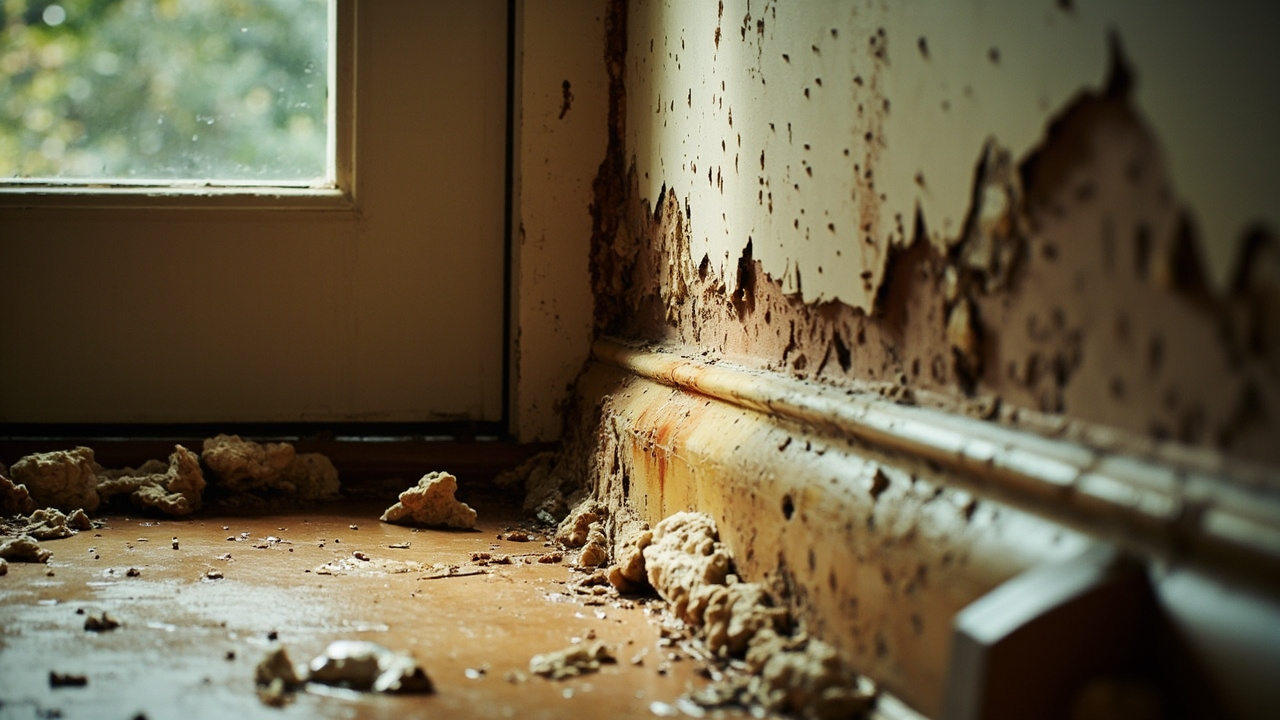
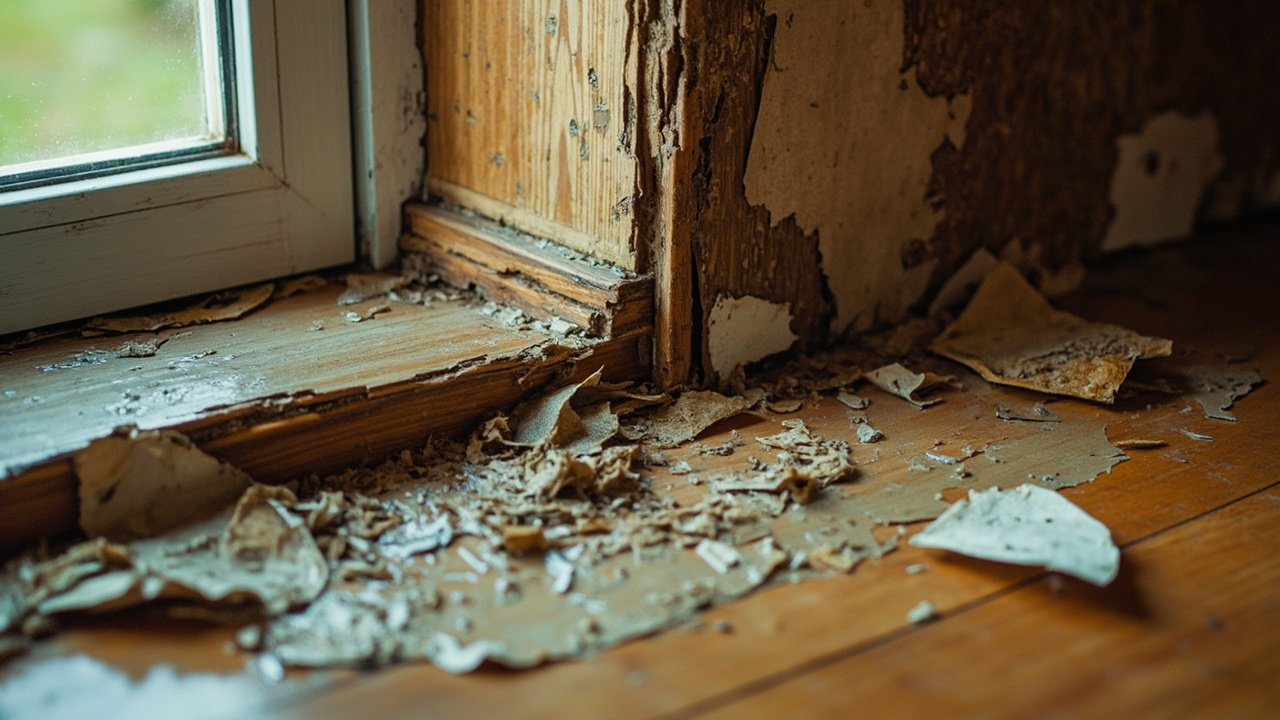
You notice the gap between your baseboard and the wall getting wider. The trim feels soft when you press it. Paint is bubbling along the bottom edge. These are textbook signs of moisture swollen baseboards, and Buffalo's unique climate accelerates the damage.

Buffalo sits on the eastern shore of Lake Erie, where lake-effect moisture drives humidity levels higher than most Northeast cities. When moisture infiltrates your walls through foundation cracks, poor grading, or ice dam meltwater, it migrates downward and saturates the lowest horizontal surfaces. Your baseboards act like sponges.

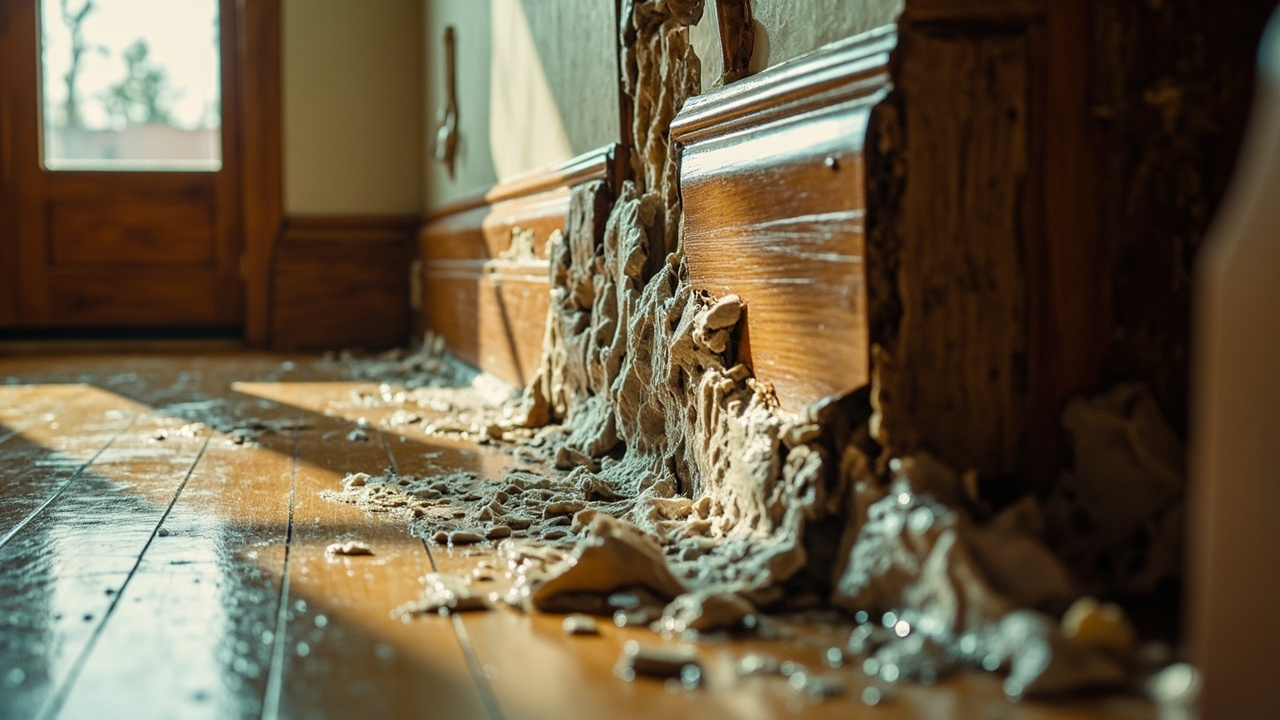
Most Buffalo homes built before 1980 use solid wood trim. Newer construction often features MDF trim, which expands even faster when wet. Expanded MDF trim can double in thickness within 48 hours of saturation. The material loses structural integrity and becomes permanently deformed.

Water damaged baseboards signal a larger problem. The moisture source could be a plumbing leak behind the wall, condensation from poor insulation, or groundwater seeping through your foundation. Buffalo's freeze-thaw cycles crack foundation walls, creating entry points for snowmelt and spring runoff. Clay-heavy soil common in neighborhoods like North Buffalo and Kenmore holds water against foundation walls, increasing hydrostatic pressure.

Warped baseboard molding does not fix itself. The wood fibers or composite materials have already absorbed water and expanded. Even after drying, the material remains distorted. You need to address the moisture source first, then replace the damaged trim. Ignoring bloated wood trim leads to mold growth, wall cavity rot, and subfloor damage that costs significantly more to repair.

Why Buffalo Baseboard Molding Swells and Warps
How We Isolate and Eliminate Moisture Sources

How We Isolate and Eliminate Moisture Sources

Alpha Water Damage Restoration Buffalo does not just rip out swollen baseboards and slap up new trim. We use moisture mapping to find the water source, then engineer a solution that prevents recurrence.

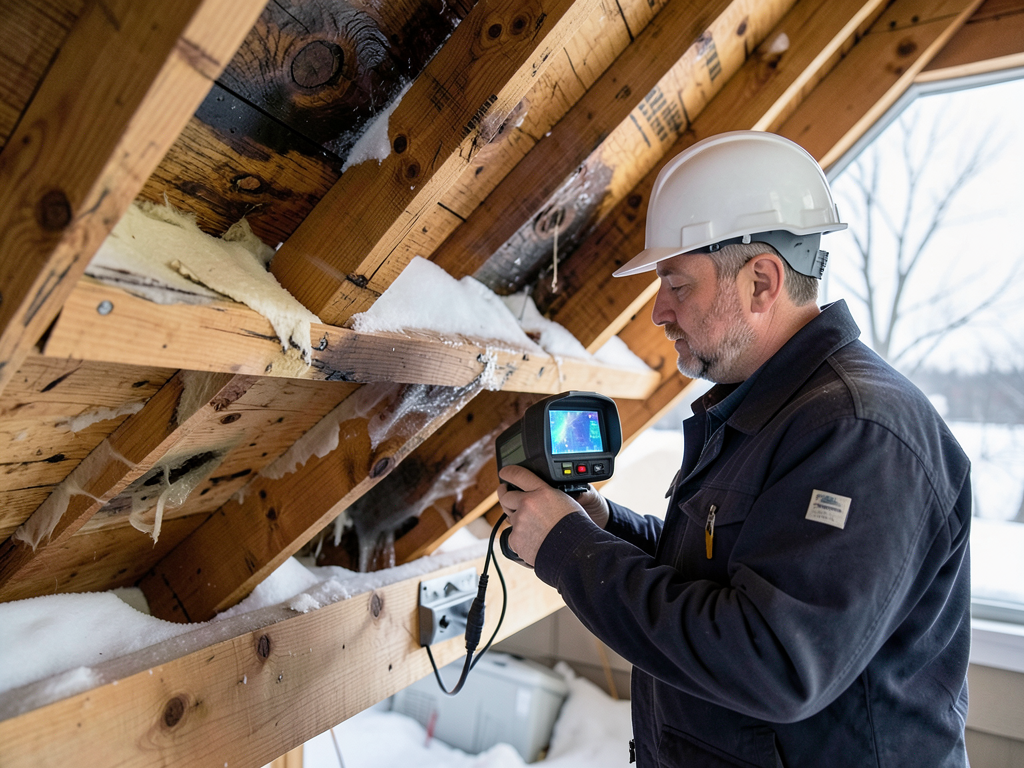
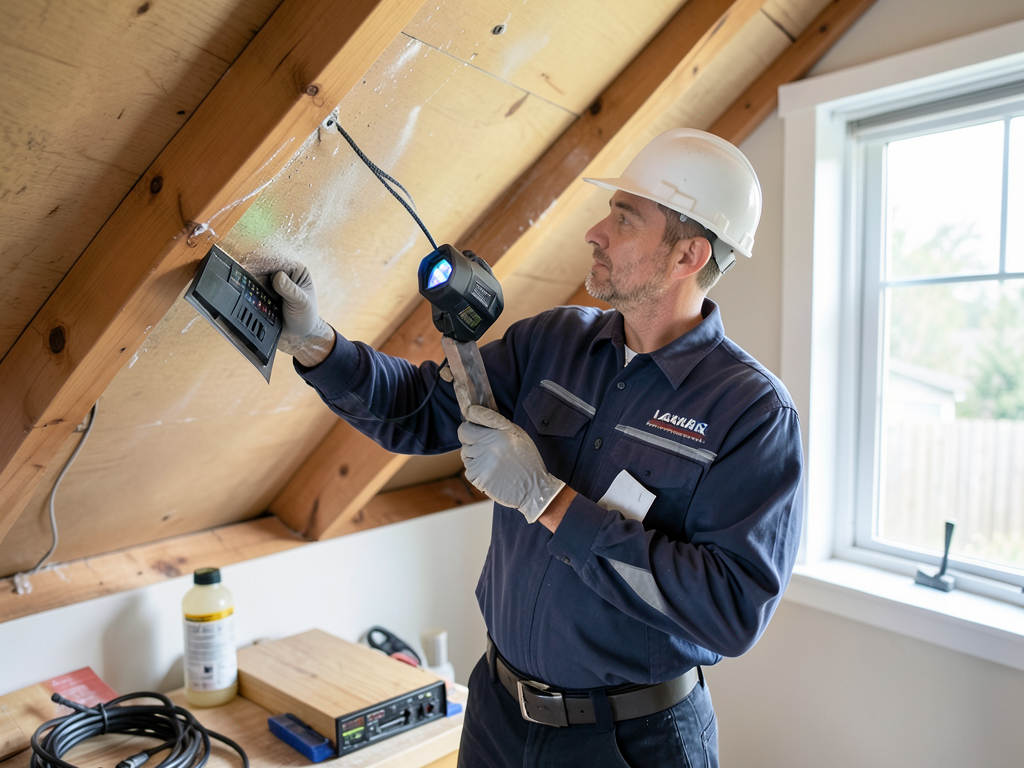
We start with thermal imaging cameras that detect temperature differentials behind walls. Wet building materials show cooler than dry materials. This non-invasive scan reveals hidden moisture pockets without demolition. We then deploy pin-type and pinless moisture meters to quantify water content in wall studs, drywall, and subfloor materials.

Once we map the moisture distribution, we trace the water back to its origin. Common culprits in Buffalo homes include corroded supply lines, failed wax rings under toilets, condensation from uninsulated cold water pipes, and capillary action drawing groundwater through porous concrete. We inspect exterior grading, downspout positioning, and foundation waterproofing to rule out external sources.

After isolating the leak or infiltration point, we execute targeted repairs. This might involve re-sloping grade away from the foundation, sealing foundation cracks with hydraulic cement or polyurethane injection, replacing corroded plumbing, or installing vapor barriers in crawl spaces. We verify the fix with follow-up moisture readings before proceeding to restoration.

Drying comes next. We position commercial-grade air movers and low-grain refrigerant dehumidifiers to reduce humidity below 50 percent. Wall cavities receive focused airflow through strategic access holes. We monitor daily with psychrometers until all materials reach equilibrium moisture content. Only then do we remove damaged trim, treat exposed framing with antimicrobial agents, and install new baseboards that match your existing profile.

What Happens When You Call About Swollen Trim

Swollen Baseboards & Trim in Buffalo – Expert Diagnosis and Permanent Solutions
01

Moisture Mapping Inspection

We arrive with thermal imaging and moisture detection equipment to scan your affected walls and adjacent spaces. This diagnostic session identifies the full extent of water intrusion and reveals whether the problem is isolated or systemic. You receive a detailed moisture map showing exact saturation levels and the probable water entry point before we quote any repair work.
02

Source Repair and Drying

After you approve the scope, we fix the root cause, whether that means plumbing repairs, foundation sealing, or drainage correction. We then deploy industrial drying equipment and monitor wall cavity humidity until materials reach safe moisture levels. This phase prevents mold colonization and ensures new trim will not absorb residual moisture. We document drying progress with daily psychrometric readings.
03

Trim Replacement and Sealing

Once framing is dry and treated, we remove damaged baseboards and install new trim milled to match your existing profiles. We prime all six sides of new wood trim before installation to create a moisture barrier. Joints receive caulk to prevent future water wicking. You get trim that looks original and resists moisture damage, backed by documentation proving the underlying problem is solved.

Why Buffalo Homeowners Choose Alpha Water Damage Restoration

Buffalo's housing stock presents unique challenges. Homes in Elmwood Village, Allentown, and the West Side feature plaster walls, horsehair insulation, and balloon framing that channels water vertically through multiple floors. Cookie-cutter restoration companies trained on modern construction miss these details. We understand how water behaves in century-old homes.

We work with Buffalo's building inspection department regularly and know local code requirements for moisture remediation and ventilation. When we open walls, we ensure all repairs meet current electrical and plumbing codes before closing them back up. This protects your home value and prevents failed inspections if you sell.

Insurance claims require documentation. We photograph moisture readings, maintain chain-of-custody logs for mold samples, and provide detailed scope-of-loss reports that adjusters accept without pushback. Most Buffalo homeowners get full coverage when we handle the claim documentation properly from day one.

Our technicians live in Hamburg, Tonawanda, and Cheektowaga. We respond to Swollen Baseboards & Trim calls in under 90 minutes because we are already nearby. When a pipe bursts at 2 a.m. during a January cold snap, you need someone who understands that Buffalo's aging infrastructure fails predictably during freeze-thaw cycles and stocks parts accordingly.

We do not subcontract demolition or drying. The same certified technicians who perform your inspection handle your mitigation and restoration. This continuity prevents miscommunication and ensures accountability. You get one team, one point of contact, and one company responsible for results.

Alpha Water Damage Restoration Buffalo carries full commercial liability coverage and worker's compensation insurance. You receive certificates of insurance before we start work. This protects you from liability if someone gets injured on your property during restoration.

What to Expect During Baseboard Restoration

Immediate Response Timeline

We arrive within 90 minutes of your call for emergency water intrusion. Non-emergency swollen baseboard assessments get scheduled within 24 hours. The initial inspection takes 45 to 90 minutes depending on how many rooms show damage. You receive a written moisture report and repair quote before we leave. If you approve the scope, we start source repairs within 48 hours. Drying typically takes three to five days depending on humidity levels and material saturation. Trim replacement and finishing happen after materials reach safe moisture content, usually seven to ten days from project start.

Comprehensive Moisture Assessment

Our inspection goes beyond the visible damage. We scan adjacent walls, check crawl spaces and basements, and inspect plumbing fixtures above the affected area. Thermal imaging reveals temperature anomalies that indicate hidden moisture. Pin meters give exact moisture percentages in wood framing and subfloors. We document all findings with photos and moisture maps. You learn whether the problem is isolated to one wall or if moisture has spread through floor joists or wall cavities. This complete picture prevents surprise discoveries after we open walls.

Seamless Trim Matching

Buffalo homes built before 1950 often feature custom milled baseboards with profiles no longer available at big box stores. We bring samples of your existing trim to local millwork shops and have exact matches created. Newer homes with standard profiles get replacement trim from the same manufacturers to ensure grain and finish consistency. We prime all six sides of new wood trim before installation, a step most contractors skip. This creates a moisture barrier that prevents future water absorption. Paint matching happens after installation, using your existing wall paint for perfect blending.

Post-Restoration Monitoring

We return 30 days after project completion to re-scan your walls with moisture meters and verify humidity levels remain stable. This follow-up visit catches any recurring moisture problems before they cause new damage. You receive a final moisture report showing your home is dry and safe. We provide maintenance recommendations specific to your home's construction and moisture source. If the original problem recurs within 90 days due to our workmanship, we return and fix it at no charge. This does not cover new leaks or damage from separate incidents.

Frequently Asked Questions

You Have Questions,
We Have Answers

How to fix swollen baseboards? +

First, identify and stop the water source causing the swelling. Remove the damaged baseboards carefully to prevent further wall damage. Dry the area completely using fans and dehumidifiers. This step matters in Buffalo, where basement moisture and winter ice damming create persistent humidity. Inspect the wall studs and flooring for hidden water damage or mold. If the baseboards are solid wood, minor swelling may shrink after drying, but MDF and particle board stay warped. Replace damaged sections with water-resistant materials. Prime and paint new baseboards before installation to seal them against future moisture intrusion.

What is the 7 rule for baseboards? +

The 7 rule states that baseboard height should be approximately 7 percent of your wall height. For standard 8-foot ceilings common in Buffalo homes, this means 5 to 7-inch baseboards work best. Taller 9 or 10-foot ceilings in historic Buffalo neighborhoods can support 7 to 9-inch baseboards without looking awkward. This proportion creates visual balance between floor and ceiling. Rooms with heavy crown molding need taller baseboards to maintain symmetry. The rule adapts to your home's architectural style, but staying within these ratios prevents baseboards from looking too short or overwhelming the space.

Why do baseboards swell? +

Baseboards swell when moisture penetrates the material and expands the wood fibers or composite core. Common causes include plumbing leaks, foundation seepage, ice dam water intrusion, and high indoor humidity. Buffalo homes face freeze-thaw cycles that push groundwater through basement walls and saturate lower wall sections. MDF and particle board baseboards absorb water faster than solid wood and swell dramatically. Poor ventilation in bathrooms and kitchens traps humid air near baseboards. Mopping floors without proper drying also forces water into baseboard edges. Once moisture enters, the material swells, paint cracks, and the board separates from the wall.

Can you repair swollen particle board? +

Swollen particle board cannot return to its original shape. The material loses structural integrity once water breaks down the resin binders holding wood particles together. You can attempt temporary cosmetic fixes by sanding down minor swelling and applying wood filler, but the repair remains weak and prone to further deterioration. Buffalo's humidity fluctuations will cause continued expansion and contraction. The only permanent solution involves removing and replacing damaged sections with solid wood or moisture-resistant MDF. Particle board in wet areas like basements or bathrooms should always be replaced with water-resistant alternatives to prevent recurring problems and potential mold growth behind the baseboards.

What does water damage on baseboards look like? +

Water damage on baseboards shows as bubbling or peeling paint, warping away from the wall, dark staining along the bottom edge, and a spongy texture when pressed. You may notice white or gray mold spots forming on the surface. In Buffalo homes, basement baseboards often show a tide line where groundwater wicked upward. MDF baseboards expand and crumble at the edges. Wood baseboards may crack vertically as fibers swell unevenly. The wall behind damaged baseboards often feels damp or shows discoloration. A musty smell near floor level indicates hidden moisture. Catching these signs early prevents structural damage and mold spread.

What is the average cost to replace baseboards? +

Baseboard replacement costs vary based on material choice, room size, and labor complexity. Budget-friendly options like basic MDF or pine cost less per linear foot than hardwood or PVC. Rooms with many corners, doorways, or obstacles increase labor time and waste. Removing old baseboards adds cost if they are glued or damaged during removal. Buffalo contractors may charge more during peak renovation seasons. Complex trim profiles require skilled carpenters and cost more than simple flat boards. Painting or staining adds to the total. Material quality matters for longevity, especially in moisture-prone areas. Get multiple local estimates to compare pricing and material recommendations.

What are common trim installation mistakes? +

Common trim installation mistakes include cutting inside corners at 45 degrees instead of coping the joint, which leaves gaps as wood shrinks. Not accounting for uneven floors creates visible gaps under baseboards. Buffalo homes with settling foundations show this problem frequently. Skipping primer before painting allows moisture absorption. Using brads that are too short fails to secure boards to studs properly. Measuring once and cutting without test fits wastes material. Installing baseboards before flooring prevents proper height adjustment. Not filling nail holes and caulking gaps between trim and wall creates an unfinished look. Rushing cuts produces poor miters that never close cleanly.

Should baseboards be flush with the floor? +

Baseboards should sit close to the floor but not necessarily flush. A small gap allows for floor expansion, especially important with hardwood or laminate in Buffalo's humidity swings. The gap should be minimal, usually under a quarter inch, and hidden by the baseboard profile or shoe molding. Uneven floors in older Buffalo homes make perfectly flush baseboards impossible without shimming or scribing. Carpet should tuck slightly under the baseboard edge. Tile and hardwood need a tiny expansion gap that quarter round covers. If your floor is level, baseboards can sit nearly flush, but building codes and flooring manufacturers often require expansion space.

What is the current trend for baseboards? +

Current baseboard trends favor taller profiles, ranging from 5 to 8 inches, even in homes with standard ceiling heights. Simple, clean lines with minimal ornamentation suit modern design preferences. White and off-white painted finishes dominate, providing contrast against darker walls and floors. Buffalo homeowners renovating historic properties often match original tall baseboards with ornate detailing to preserve character. Flat or slightly curved profiles replace heavily carved Victorian styles in contemporary updates. Water-resistant PVC and composite materials gain popularity in moisture-prone areas. Black painted baseboards create dramatic statements in modern interiors. The shift moves away from natural stained wood toward painted finishes that blend with trim packages.

Will a swollen wood floor go back to normal? +

Swollen wood floors rarely return to normal once water damage occurs. Solid hardwood may shrink slightly as it dries, but cupping, crowning, and gaps between boards often remain permanent. Engineered wood and laminate floors with swollen cores never recover their original shape. Buffalo's seasonal humidity changes can worsen the damage as boards expand and contract repeatedly. Fast drying prevents some warping, but floors soaked for more than 24 hours typically need replacement. The subfloor and underlayment also absorb moisture and may require replacement to prevent mold. Professional water extraction within hours of flooding offers the best chance of minimizing permanent damage.

How Lake Erie Humidity Accelerates Baseboard Damage in Buffalo

Buffalo's location on Lake Erie's eastern shore creates persistently higher humidity than inland cities. Lake-effect moisture combines with poor attic ventilation in older homes to create condensation inside wall cavities. This condensation drips down through balloon framing and saturates baseboards from the inside. Many Buffalo homeowners discover swollen baseboards during spring when snowmelt and rising water tables push groundwater through foundation cracks. Clay-heavy soil in North Buffalo, Kenmore, and Tonawanda holds water against foundations longer than sandy soil, increasing hydrostatic pressure and water infiltration. Buffalo's freeze-thaw cycles crack foundation walls and mortar joints, creating new entry points each winter.

Alpha Water Damage Restoration Buffalo has worked on Victorian homes in the Elmwood Village, post-war bungalows in South Buffalo, and mid-century split-levels in Amherst. We understand how water behaves in different foundation types, from stone foundations common in pre-1920 homes to poured concrete in newer construction. We coordinate with Buffalo building inspectors when permits are required and maintain relationships with local millwork shops for custom trim matching. Our technicians live in the metro area and respond faster than regional franchises dispatching crews from Rochester or Syracuse. We stock parts and equipment locally, so you do not wait days for specialized moisture meters or dehumidifiers to arrive from out of state.

Water Damage Restoration Services in The Buffalo Area

Although we offer rapid mobile service across the entire Buffalo area and surrounding regions, we invite you to view our service area map to confirm our commitment to your community. We are always ready to deploy our expert teams directly to your residential or commercial property, ensuring the fastest possible response time when you need water damage restoration most, right where you are.

Address:
Alpha Water Damage Restoration Buffalo, 369 Washington St, Buffalo, NY, 14203

Additional Services We Offer

Our news updates

Latest Articles & News from The Blogs

Why Your Sump Pump Alarm is Chirping and What it Means for Your Hamburg Basement Your sump pump alarm is…

Why Your Sump Pump Alarm is Chirping and What it Means for Your Hamburg Basement

Why Your Sump Pump Alarm is Chirping and What it Means for Your Hamburg Basement Your sump pump alarm is…

How Clogged Gutters Lead to Flooded Basements in North Collins during Fall Rains

How Clogged Gutters Lead to Flooded Basements in North Collins during Fall Rains When fall rains hit North Collins, clogged…

The Real Cost of a Slow Refrigerator Leak in Your High End Snyder Kitchen

The Real Cost of a Slow Refrigerator Leak in Your High End Snyder Kitchen A slow drip from your refrigerator’s…

Contact Us

Swollen baseboards signal active water damage that worsens daily. Call Alpha Water Damage Restoration Buffalo at (716) 317-7717 for same-day assessment. We find the leak, fix the source, and restore your trim permanently.