menu

Fire Sprinkler Water Cleanup in Buffalo – 24/7 Emergency Response Within 60 Minutes

When fire suppression systems discharge unexpectedly, every minute counts. Alpha Water Damage Restoration Buffalo deploys certified crews around the clock to extract water, prevent mold growth, and restore your property before secondary damage spreads.

Slider Image 1
Slider Image 2
Slider Image 3
Slider Image 4
Slider Image 5
Slider Image 7
Slider Image 8
Slider Image 9
Slider Image 10
Slider Image 11

Why Accidental Sprinkler Discharge Is a Crisis in Buffalo Buildings

You walked into your building this morning and found water pouring from the ceiling. The fire sprinkler head activated without warning, and now gallons are soaking your floors, walls, and inventory.

Buffalo's older commercial buildings and mixed-use properties often house aging fire suppression systems that corrode faster due to our freeze-thaw cycles and fluctuating humidity. When temperatures swing 40 degrees in 24 hours, pipe joints weaken. Sprinkler heads corrode. One accidental discharge can release 25 to 250 gallons per minute until someone shuts off the system.

This is not clean water. Fire suppression system water sits stagnant in pipes for years, accumulating rust, sediment, and biofilm. When it floods your space, contamination spreads into drywall, insulation, and subflooring. You have 24 to 48 hours before mold colonies establish. After 72 hours, structural wood begins to swell and warp.

In neighborhoods like Elmwood Village and the Theater District, where historic buildings mix with modern retrofits, emergency sprinkler water removal requires more than shop vacuums and fans. You need industrial-grade extractors, thermal imaging to trace hidden moisture, and antimicrobial treatments to stop microbial growth before it starts.

Burst fire sprinkler flood remediation is time-sensitive. The longer contaminated water sits, the more you pay in replacement costs, lost business hours, and potential liability. Alpha Water Damage Restoration Buffalo responds to accidental sprinkler discharge cleanup calls 24/7 because we know what happens when you wait.

Why Accidental Sprinkler Discharge Is a Crisis in Buffalo Buildings
How We Stop Fire Sprinkler Water Damage in Its Tracks

How We Stop Fire Sprinkler Water Damage in Its Tracks

We do not show up with a wet vacuum and hope for the best. Fire sprinkler water damage restoration requires a systematic approach to water extraction, decontamination, and structural drying.

Our crews arrive with truck-mounted extraction units capable of removing thousands of gallons per hour. We start with standing water, then transition to low-profile extractors for water trapped under baseboards, behind walls, and beneath flooring. We pull moisture from places you cannot see.

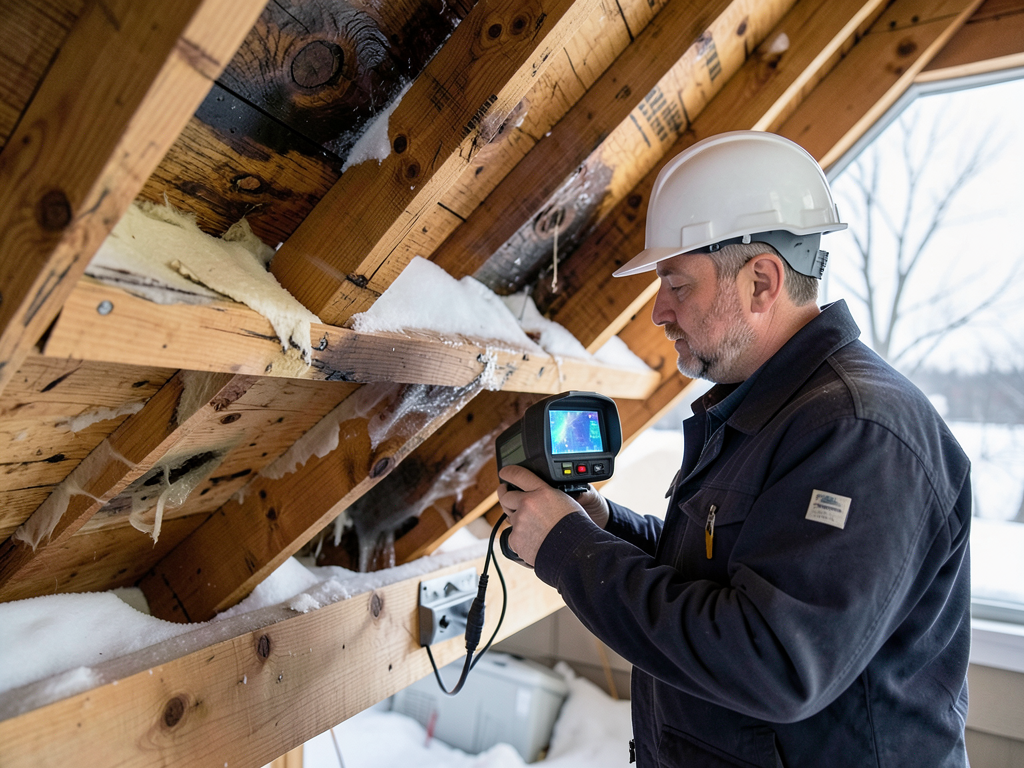
Next, we map the damage using infrared thermal cameras. Fire suppression system water travels through wall cavities, floor joists, and HVAC chases. You might see pooling in one room, but moisture could be migrating two floors down. Thermal imaging shows us the full saturation footprint so nothing gets missed.

Once we have extracted bulk water, we deploy commercial dehumidifiers and air movers to create negative pressure drying environments. We target specific moisture levels using hygrometers, adjusting equipment placement every 12 hours based on real-time readings. Drywall should return to 12 percent moisture content or lower. Structural wood should hit 15 percent or below.

We also treat all affected surfaces with EPA-registered antimicrobial solutions. Contaminated sprinkler water carries bacteria and rust particulates that feed mold growth. Surface cleaning is not enough. We apply penetrating biocides that kill spores on contact and inhibit regrowth during the drying phase.

Buffalo's humidity makes drying harder. Summer dew points above 65 degrees slow evaporation. We compensate by using desiccant dehumidifiers that work in high-humidity conditions, pulling moisture even when the air feels thick. We do not leave until your space is dry, clean, and safe.

What Happens When You Call for Emergency Sprinkler Water Removal

Fire Sprinkler Water Cleanup in Buffalo – 24/7 Emergency Response Within 60 Minutes
01

Immediate Dispatch and Assessment

You call our emergency line, and we dispatch a crew within 60 minutes. Our technicians arrive with water extraction equipment, moisture meters, and thermal cameras. We assess the discharge source, measure saturation levels, and identify contamination risks. You receive a verbal action plan before we move any equipment. We document everything with photos and moisture readings for insurance claims.
02

Water Extraction and Containment

We extract standing water using truck-mounted pumps and portable extractors. We remove soaked materials that cannot be saved, like saturated insulation and delaminated flooring. We set up containment barriers to prevent cross-contamination into unaffected areas. Air scrubbers with HEPA filters capture airborne particulates and odors. We treat all surfaces with antimicrobial agents to stop microbial growth before the drying phase begins.
03

Structural Drying and Verification

We place industrial dehumidifiers and air movers strategically to dry walls, floors, and hidden cavities. We monitor moisture levels daily using pin and pinless meters, adjusting equipment until all materials reach safe moisture content. Once drying is complete, we perform a final thermal scan and moisture verification. You receive a drying log and certificate of completion for your insurance provider and building management records.

Why Buffalo Property Owners Trust Alpha Water Damage Restoration

When a fire sprinkler discharges, you need a company that understands Buffalo's building stock and responds faster than corporate franchises with call centers three states away.

We operate locally. Our crews know Buffalo's neighborhoods, from the masonry construction in Allentown to the wood-frame multifamily buildings in North Buffalo. We have worked in century-old warehouses along the waterfront and modern office complexes in downtown. We understand how water behaves in balloon-frame construction versus platform framing, and we adjust our drying strategies accordingly.

We also know Buffalo's insurance landscape. Many property owners carry coverage through regional carriers like Independent Health or local agents tied to national providers. We work directly with adjusters, provide detailed moisture documentation, and submit estimates using Xactimate software that insurers recognize. We do not play games with scope creep or inflated line items. You get transparent pricing and a paper trail that speeds up claims approval.

Our technicians hold IICRC certifications in water damage restoration and applied structural drying. We are not handymen with a truck. We follow ANSI/IICRC S500 standards for water damage restoration, which govern everything from moisture mapping to antimicrobial application. When we say a space is dry, it means we have verified it with calibrated instruments and documented the results.

We also respond faster than most competitors. Our average dispatch time is under 60 minutes for emergency calls within Erie County. We keep extraction equipment staged and ready, and our crews carry mobile payment systems so you can get started immediately without waiting for paperwork approvals.

Buffalo winters are hard on buildings, and aging fire suppression systems fail without warning. When they do, you need a team that shows up prepared, works efficiently, and delivers results you can document. That is what we do.

What You Can Expect During Fire Sprinkler Water Cleanup

Emergency Response Time

We dispatch crews 24 hours a day, seven days a week. Most emergency sprinkler water removal jobs in Buffalo receive a technician on-site within 60 minutes of your call. We do not make you wait until morning or the next business day. Water damage accelerates by the hour, and delays cost you more in replacement materials and lost productivity. Our trucks carry enough equipment to start extraction immediately, and we scale up resources if the job requires additional dehumidifiers or air movers.

Initial Damage Assessment

When we arrive, we inspect the discharge source, measure moisture content in walls and floors, and use thermal imaging to map water migration. We document saturation levels with photos and moisture meter readings. You receive a verbal overview of the damage scope, estimated drying time, and equipment requirements. We also identify materials that must be removed versus those that can be dried in place. This assessment forms the basis of your insurance claim documentation.

Dry, Clean, and Safe Results

Our goal is to return your property to pre-loss condition. We extract all standing water, dry structural materials to safe moisture levels, and apply antimicrobial treatments to prevent mold growth. We verify drying completion using calibrated hygrometers and provide you with a detailed moisture log. Floors, walls, and ceilings are tested to confirm they meet IICRC drying standards. You receive documentation that satisfies insurance requirements and building code compliance for any reconstruction work that follows.

Post-Restoration Follow-Up

After drying is complete, we perform a final walkthrough to verify all affected areas meet safe moisture thresholds. We provide you with a certificate of completion and a copy of all moisture logs for your records. If reconstruction is needed, we can coordinate with licensed contractors who understand Buffalo building codes and historic preservation requirements. We also offer optional follow-up inspections at 30 and 60 days to ensure no hidden moisture issues have developed.

Frequently Asked Questions

You Have Questions,
We Have Answers

Is fire sprinkler water clean? +

No. Fire sprinkler water sits stagnant in pipes for years, sometimes decades. This creates rust, bacteria, and biofilm buildup that turns the water black, brown, or gray. When a sprinkler head activates in Buffalo, you get contaminated water flooding your property. This water contains metal particulates, sediment, and microbial growth that stain carpets, drywall, and furniture. It smells foul and poses health risks. You need professional extraction and sanitization immediately. Do not attempt DIY cleanup. The longer contaminated sprinkler water sits, the worse the damage and odor become. Call a restoration team now.

What is the 3x rule for sprinklers? +

The 3x rule states you must maintain three times the diameter of a sprinkler head as clear space around it. For a half-inch sprinkler head, you need 18 inches of clearance. This prevents storage, decorations, or equipment from blocking water distribution during activation. Buffalo buildings often violate this rule in storage areas, especially older warehouses near the waterfront. Blocked sprinkler heads fail to extinguish fires properly and cause uneven water damage when activated. If your sprinkler discharged and caused flooding, blocked heads may have worsened the problem. Restoration teams check for this during cleanup.

How often do sprinkler systems need to be flushed? +

Commercial fire sprinkler systems in Buffalo should be flushed annually, though many property owners skip this maintenance. Flushing removes sediment and rust buildup that accelerates corrosion and creates foul-smelling discharge during activation. Buildings with older piping, common in Buffalo's historic districts, accumulate debris faster. If your system activated and released black water, poor maintenance likely worsened the contamination. Municipal water quality and pipe age both factor into flushing frequency. After a discharge event, systems require professional inspection and flushing before refilling. Do not delay this step or you risk repeat contamination issues.

How to drain water from a fire sprinkler system? +

Stop. Do not drain a fire sprinkler system yourself unless you are a licensed fire protection contractor. Improper draining causes air pockets, pressure imbalances, and system failure. After a sprinkler activation in Buffalo, call a certified technician to drain, inspect, and refill the system correctly. The process involves closing control valves, opening drain valves at low points, and purging air from lines. Freezing temperatures in Buffalo add complexity. Pipes must be drained completely to prevent ice damage during winter months. Your insurance adjuster may require documentation before system reactivation. Focus on water extraction from your building first.

Why does fire sprinkler water smell bad? +

Fire sprinkler water smells like rotten eggs or sewage because of anaerobic bacteria, rust, and biofilm that grow in stagnant pipes. Water sits in these lines for years without circulation, creating a breeding ground for microbes that produce hydrogen sulfide gas. Buffalo's older commercial buildings, especially near the waterfront and downtown, have decades-old sprinkler systems with severe buildup. When a head activates, this putrid water floods your space. The smell penetrates porous materials like drywall, insulation, and wood. Standard cleaning will not remove it. You need professional deodorization, antimicrobial treatment, and often material removal to eliminate the odor permanently.

Can I use the fire hydrant to fill my pool? +

No. Using a fire hydrant without authorization is illegal in Buffalo and across New York State. Fire hydrants are emergency infrastructure maintained by the Buffalo Water Authority. Unauthorized use results in fines, potential criminal charges, and liability for water theft. Hydrant water is not treated for recreational use and may contain contaminants. Backflow from pools can also contaminate the municipal water supply, creating a public health hazard. If you need large water volumes, contact the Water Authority for a meter and permit. This question is unrelated to fire sprinkler cleanup, but the legal answer is clear. Never touch a hydrant without permission.

What is the 18 rule for fire sprinklers? +

The 18-inch rule requires you to maintain 18 inches of clear space below sprinkler heads at all times. This prevents storage or equipment from blocking water spray patterns during activation. Buffalo warehouse and retail spaces often violate this rule by stacking inventory too high or installing temporary partitions. Blocked sprinkler heads cause uneven fire suppression and concentrated water damage in certain areas. If your sprinkler system discharged after a fire, obstructed heads may have created worse flooding by directing water flow unpredictably. Restoration professionals assess clearance issues during cleanup to prevent future problems.

What is the 30 30 rule for irrigation? +

The 30-30 rule applies to lawn irrigation, not fire sprinkler cleanup. It states you should water when grass shows a footprint for 30 minutes and soil moisture reaches 30 percent. This question is irrelevant to emergency water damage from fire sprinklers in Buffalo commercial or residential properties. If your sprinkler system activated and flooded your building, you need immediate water extraction, not irrigation advice. Focus on stopping structural damage, mold growth, and contamination spread. Call a restoration team experienced with sprinkler discharge cleanup. Every hour of delay increases restoration costs and damage severity.

Will vaping set off a sprinkler system? +

No. Fire sprinkler heads activate from heat, typically at 155 to 165 degrees Fahrenheit, not smoke or vapor. Vaping produces aerosol that dissipates quickly and does not reach the temperature threshold needed to trigger sprinkler heads. However, vaping near smoke detectors can set off alarms in Buffalo buildings, causing confusion and panic. Sprinkler heads only open when the fusible link or glass bulb melts from sustained high heat near the ceiling. If a sprinkler activated in your building without fire, you likely have a mechanical failure, freeze damage, or accidental impact. Call a restoration company immediately to extract water.

What is the life expectancy of a fire sprinkler system? +

Fire sprinkler systems last 50 to 100 years, but individual components fail sooner. Sprinkler heads need replacement every 20 to 25 years due to corrosion and sediment buildup. Pipes in Buffalo buildings face accelerated deterioration from freeze-thaw cycles, especially in unheated spaces near the waterfront. Older systems installed before 1980 often use materials prone to rust and leaks. If your system activated unexpectedly, age-related failure may be the cause. Regular inspections and component replacement extend system life. After a discharge event, technicians assess pipe condition and head integrity before reactivation. Do not assume an old system is reliable.

How Buffalo's Freeze-Thaw Cycles Make Fire Sprinkler Failures More Common

Buffalo experiences an average of 40 freeze-thaw cycles per winter, and each cycle stresses fire suppression system piping. When temperatures drop below freezing, water inside sprinkler pipes expands. When it thaws, pipe joints weaken and corrosion accelerates. Older buildings along Elmwood Avenue and in the Larkinville district often have original cast iron or galvanized steel sprinkler systems installed decades ago. These systems were not designed for Buffalo's extreme temperature swings, and failures happen without warning. One corroded fitting or weakened solder joint can trigger a full discharge, flooding entire floors before anyone shuts off the water supply.

Buffalo property owners need restoration companies that understand local construction methods and respond faster than national franchises. We know which buildings have balloon framing that allows water to travel vertically through wall cavities. We know which neighborhoods have combined sewer systems that limit our drainage options during extraction. We also work with local insurance adjusters who expect detailed moisture documentation and IICRC-compliant drying protocols. When you hire Alpha Water Damage Restoration Buffalo, you get a crew that knows Erie County building codes, responds in under an hour, and delivers results that satisfy both your insurance carrier and city inspectors.

Water Damage Restoration Services in The Buffalo Area

Although we offer rapid mobile service across the entire Buffalo area and surrounding regions, we invite you to view our service area map to confirm our commitment to your community. We are always ready to deploy our expert teams directly to your residential or commercial property, ensuring the fastest possible response time when you need water damage restoration most, right where you are.

Address:
Alpha Water Damage Restoration Buffalo, 369 Washington St, Buffalo, NY, 14203

Additional Services We Offer

Our news updates

Latest Articles & News from The Blogs

The importance of microbial swabbing after a sewer backup in your Lackawanna basement When sewage backs up into your Lackawanna…

The importance of microbial swabbing after a sewer backup in your Lackawanna basement

The importance of microbial swabbing after a sewer backup in your Lackawanna basement When sewage backs up into your Lackawanna…

Simple ways to prevent your pipes from freezing in an unheated North Buffalo crawlspace

Simple ways to prevent your pipes from freezing in an unheated North Buffalo crawlspace Buffalo’s brutal winters and lake-effect snow…

Keeping your kids and pets safe during a home restoration project in Kenmore

Keeping your kids and pets safe during a home restoration project in Kenmore\n\nHome restoration after water damage creates unique safety…

Contact Us

Water damage spreads by the minute. Call Alpha Water Damage Restoration Buffalo at (716) 317-7717 for immediate dispatch. Our crews respond 24/7 with industrial extraction equipment, thermal imaging, and certified technicians ready to stop the damage and start the drying process.