menu

Toilet Overflow Cleanup in Buffalo – Fast Response Stops Contamination and Water Damage in Minutes

Alpha Water Damage Restoration Buffalo delivers emergency toilet water extraction and toilet sewage removal 24/7, protecting your home or business from black water contamination, structural damage, and health hazards across the Buffalo metro.

Slider Image 1
Slider Image 2
Slider Image 3
Slider Image 4
Slider Image 5
Slider Image 7
Slider Image 8
Slider Image 9
Slider Image 10
Slider Image 11

Why Toilet Overflows in Buffalo Homes Escalate Fast

A toilet overflow is not a simple spill. You are dealing with Category 2 or Category 3 water, which carries raw sewage, bacteria, and pathogens. Buffalo's aging housing stock compounds the problem. Many homes in neighborhoods like Elmwood Village and Allentown were built before 1950, with cast iron drain lines that corrode from the inside. When these pipes fail or clog, toilet overflows spread contaminated water across tile, subfloor, and into wall cavities within minutes.

Buffalo's freeze-thaw cycles make this worse. Winter temps drop below 20 degrees, then spike in early spring. This expansion and contraction can crack toilet flanges, wax rings, and supply lines. You might not see the damage until a flush sends water cascading across your bathroom floor and seeping into the ceiling below.

The risk is immediate. Black water exposure can cause respiratory distress, skin infections, and gastrointestinal illness. Porous materials like drywall and carpet padding absorb sewage fast. If you wait even a few hours, you are looking at full material removal, not just extraction. Emergency toilet water extraction must start within 60 minutes to prevent permanent damage and mold colonization. Overflowing toilet cleanup is not a DIY job. You need professional toilet flood restoration to remove contaminated materials, disinfect affected areas, and dry structural components to industry standards. Toilet overflow remediation protects your family and your property value.

Why Toilet Overflows in Buffalo Homes Escalate Fast
How Alpha Water Damage Restoration Buffalo Executes Toilet Sewage Removal

How Alpha Water Damage Restoration Buffalo Executes Toilet Sewage Removal

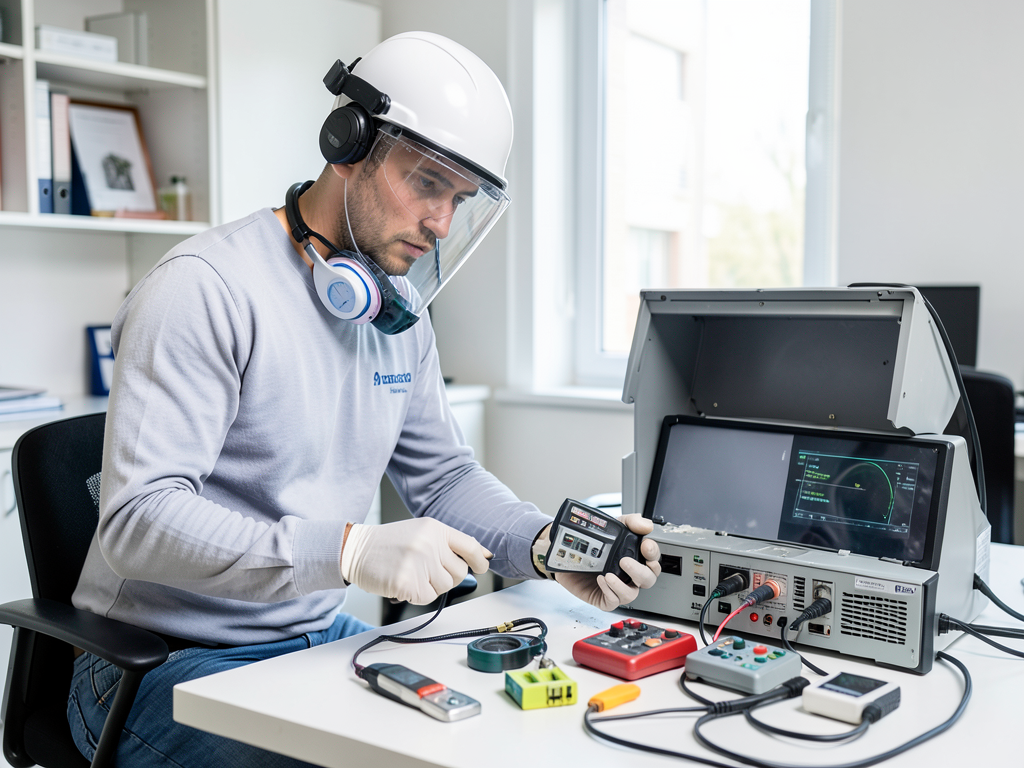
We treat every toilet overflow as a biohazard event. Our technicians arrive with truck-mounted extraction units, HEPA-filtered air scrubbers, and EPA-registered antimicrobial agents. We do not mop up water and call it done. Toilet sewage removal requires negative air pressure containment to prevent cross-contamination to unaffected rooms.

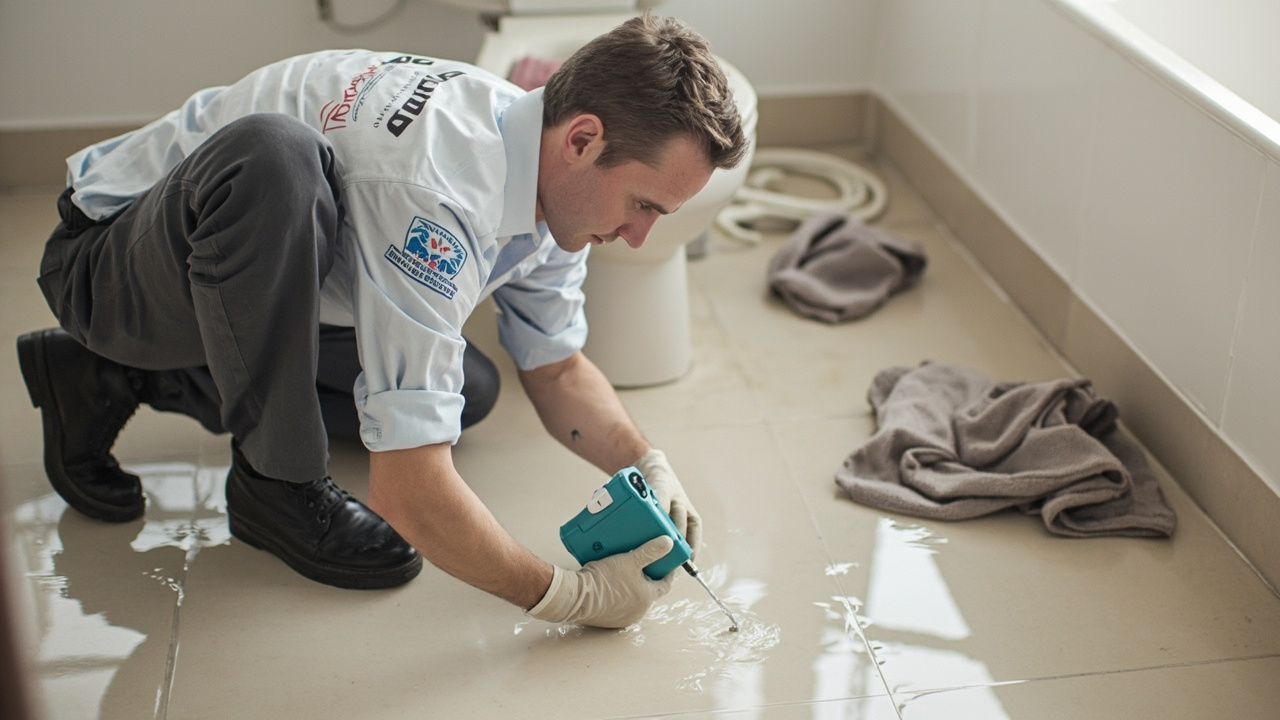
First, we extract standing water using weighted wands that pull from carpet, tile, and grout lines. Then we remove contaminated materials. Category 3 water saturates drywall, baseboards, and subfloor beyond salvage. We cut and remove affected sections, bag them as biohazard waste, and document the scope for your insurance claim.

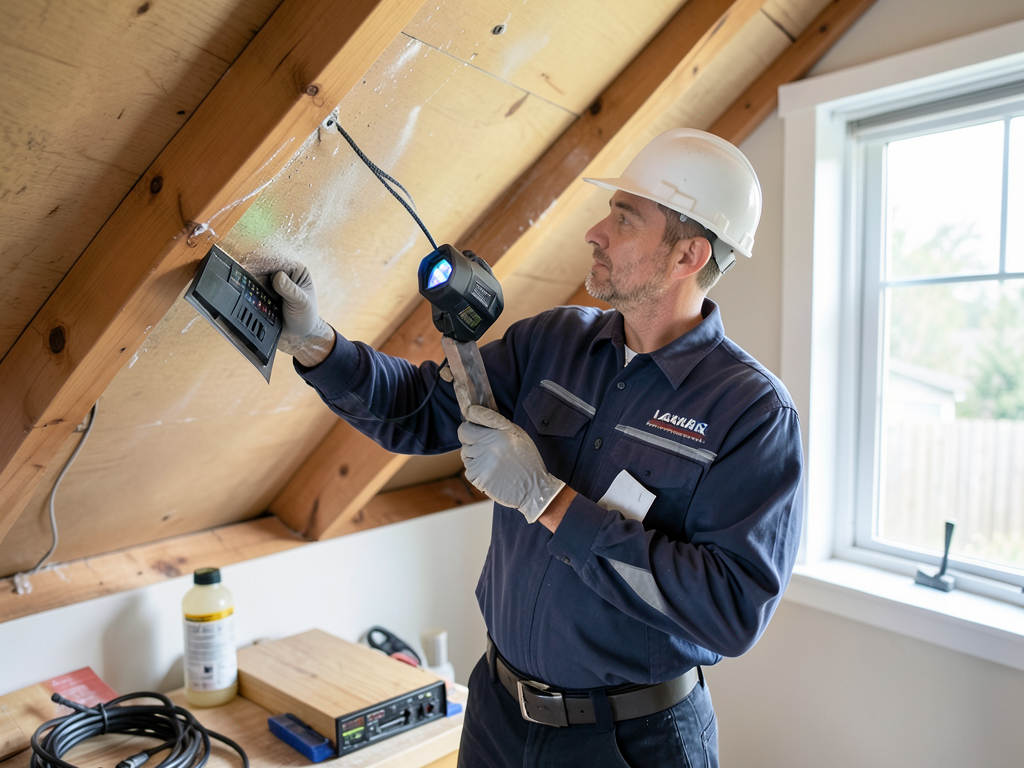
Next, we apply hospital-grade disinfectants to all hard surfaces. Toilet overflow remediation is not complete until we verify ATP testing shows microbial counts below safe thresholds. We then place low-grain refrigerant dehumidifiers and axial air movers to dry framing, joists, and concrete slab. Moisture meters confirm wood studs return to 12 percent moisture content or below, which prevents secondary mold growth.

Buffalo's humidity levels in summer can exceed 70 percent. This slows natural drying and creates ideal conditions for Stachybotrys and Aspergillus colonization. We monitor drying with daily moisture mapping and thermal imaging. You get a transparent timeline, not vague promises. Our toilet flood restoration process follows IICRC S500 standards for water damage and IICRC S520 standards for mold prevention. You are not gambling with your health or your home.

What Happens During Emergency Toilet Overflow Cleanup

Toilet Overflow Cleanup in Buffalo – Fast Response Stops Contamination and Water Damage in Minutes
01

Immediate Containment and Extraction

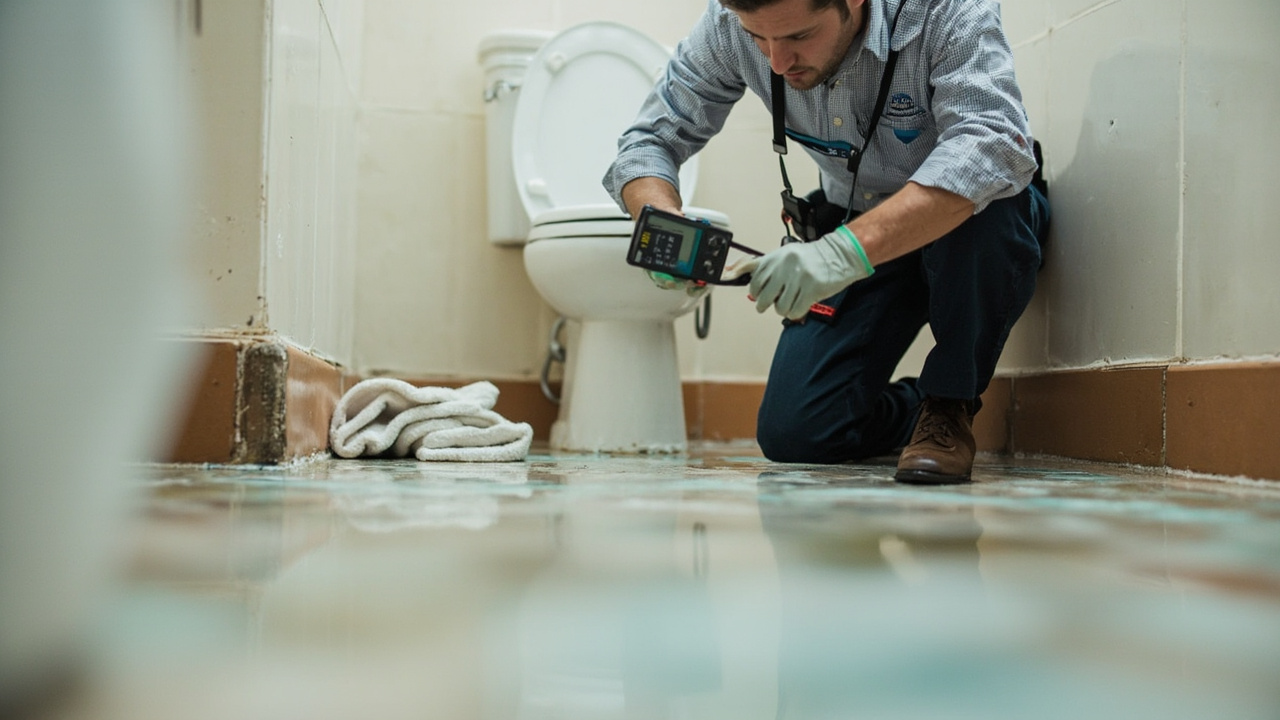
We isolate the affected area with poly sheeting and negative air pressure to prevent sewage contamination from spreading. Our truck-mounted extractors pull standing water from all surface types, including tile grout, carpet padding, and subfloor seams. You get Category 3 black water removed within the first 30 minutes, stopping further saturation and microbial spread. We document moisture readings at baseboards and adjacent walls to map the full extent of water migration.
02

Material Removal and Disinfection

We remove unsalvageable materials like saturated drywall, baseboards, and padding. These items cannot be cleaned after sewage exposure. All affected surfaces receive EPA-registered antimicrobial treatment to kill bacteria, viruses, and pathogens. We use ATP surface testing to confirm sanitation meets safe levels before drying begins. You get a clean, disinfected environment, not just dried contamination. This step protects you from long-term health risks and prevents future odor problems from bacterial colonies embedded in porous materials.
03

Structural Drying and Verification

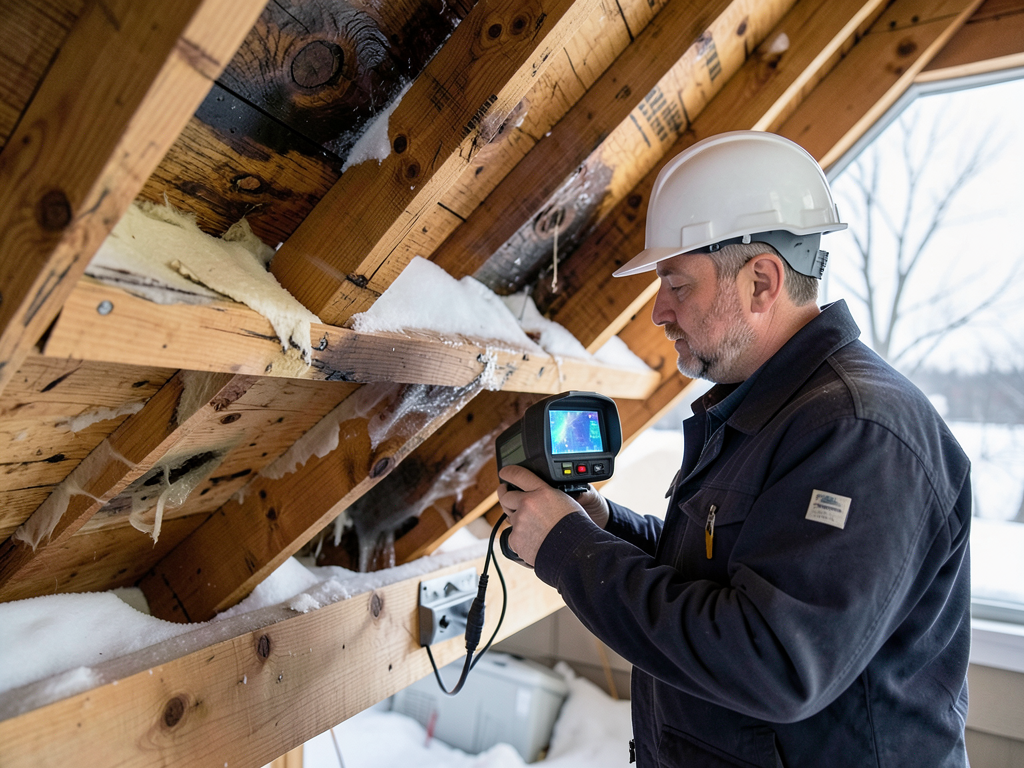
We deploy commercial dehumidifiers and air movers to bring framing, subflooring, and concrete back to dry standard. Moisture meters track progress daily. Thermal imaging reveals hidden moisture in wall cavities and ceiling joists. Drying continues until readings confirm wood moisture content drops below 12 percent. You receive a final moisture map and certificate of completion. This documentation supports your insurance claim and proves your home is safe for reconstruction. No guesswork, no moisture left behind to trigger mold growth later.

Why Buffalo Residents Trust Alpha Water Damage Restoration for Overflowing Toilet Cleanup

We know Buffalo's housing challenges. Many homes in North Buffalo, South Buffalo, and the West Side have plumbing systems installed in the 1940s and 1950s. These systems were not designed for modern water usage or low-flow toilets. When a backup happens, it hits fast and spreads through shared waste stacks in multi-family buildings.

We have worked with property managers in Buffalo's older apartment complexes where a second-floor toilet overflow flooded three units below. We understand how quickly this turns into a liability nightmare. Our response time averages under 90 minutes across Erie County. We arrive with the equipment and manpower to contain the damage immediately, not hours later after sewage has migrated through floor assemblies.

Buffalo's building codes require proper ventilation and moisture control after water damage. We work directly with local inspectors and insurance adjusters who know our process meets or exceeds city and state standards. You will not face code violations or claim denials because we cut corners. We document every step with photo logs, moisture readings, and scope sheets that satisfy the toughest underwriters.

Our technicians live and work in Buffalo. We have restored homes in Delaware District, Parkside, and Kaisertown. We understand the construction methods, the foundation types, and the drainage challenges unique to this region. When you call Alpha Water Damage Restoration Buffalo, you get a team that knows your neighborhood and treats your home like it is our own. We do not outsource to out-of-state contractors who have never seen a Buffalo winter or worked with Erie County's clay soil conditions.

What You Can Expect from Our Toilet Overflow Cleanup Service

Immediate Dispatch and Arrival

We answer calls 24 hours a day, every day of the year. When you call (716) 317-7717, you speak with a live technician who dispatches a crew immediately. We do not use call centers or answering services. Our average arrival time is under 90 minutes for all of Erie County, including Cheektowaga, Tonawanda, and Amherst. Speed matters because every minute contaminated water sits in your home increases damage and health risk. We arrive ready to work with extraction equipment, containment supplies, and moisture detection tools loaded and ready. You get action, not appointments scheduled days later.

Comprehensive Damage Assessment

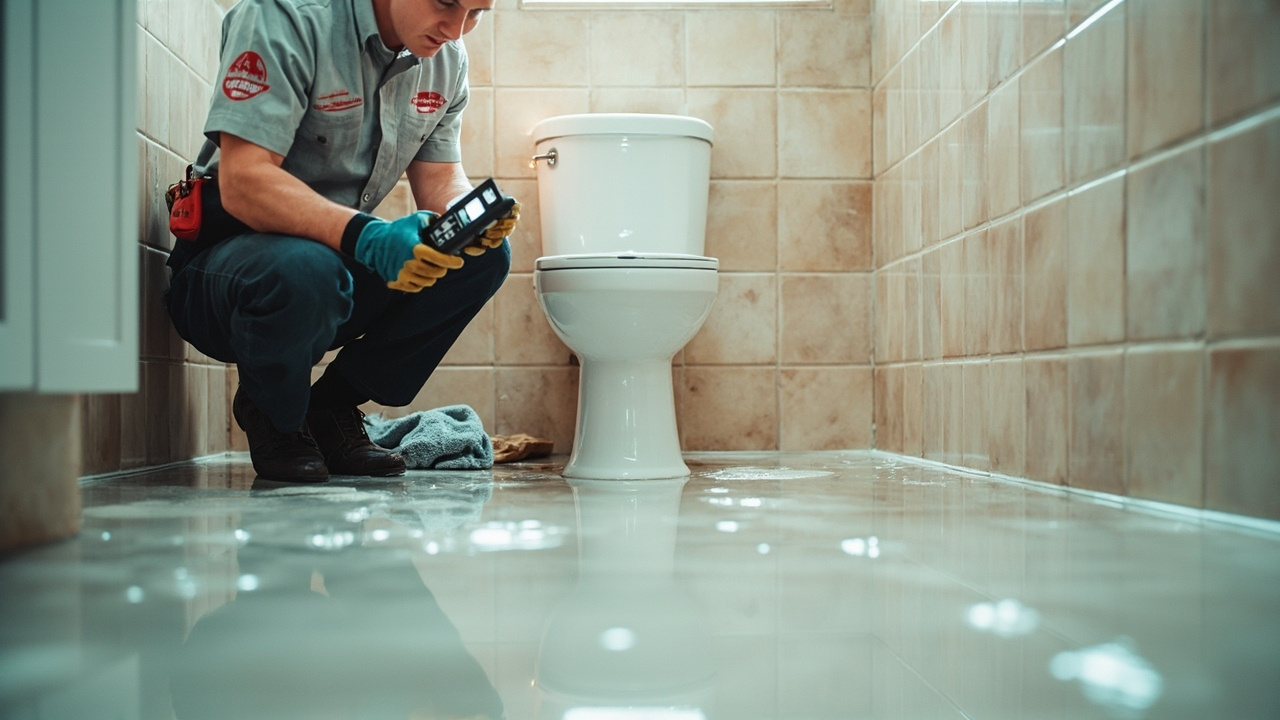
We do not guess at moisture levels or hidden damage. Our technicians use penetrating moisture meters, thermal imaging cameras, and hygrometers to map the full extent of water migration. You receive a written scope of damage that identifies affected materials, moisture readings, and recommended remediation steps. This documentation is formatted for insurance claims and includes photos, diagrams, and material lists. We explain what needs removal, what can be dried, and why. You understand the work before it starts. No surprises, no upselling, no vague estimates. You get a clear roadmap from contamination to restoration.

Certified Restoration Standards

Our work follows IICRC S500 water damage standards and IICRC S520 mold remediation protocols. We do not stop drying when materials feel dry. We continue until moisture meters confirm readings match industry dry standards. You receive a certificate of completion that documents final moisture levels, antimicrobial treatments applied, and ATP sanitation test results. This certification protects you if you sell your home later or need to prove the work was done correctly. Insurance adjusters and home inspectors recognize IICRC standards. You get restoration backed by science, not guesswork or shortcuts.

Post-Restoration Support and Monitoring

We provide a final walkthrough and explain how to monitor for any signs of recurring moisture or odor. You receive our direct contact information and can reach out with questions during reconstruction. If you detect any musty smells or new moisture concerns within 30 days, we return to reassess at no charge. This is not a warranty, it is a commitment to make sure the job was done right. We also coordinate with your contractor or insurance-preferred vendor to ensure reconstruction starts on a properly dried and disinfected surface. You are not left to navigate the rebuild alone. We stay available until your home is fully restored.

Frequently Asked Questions

You Have Questions,
We Have Answers

How to clean up after toilet overflows? +

Stop the water first. Turn off the supply valve behind the toilet or shut off your main water line. Remove standing water with towels or a wet vacuum. Disinfect all affected surfaces with EPA-registered cleaners, focusing on floors, baseboards, and any porous materials. In Buffalo homes with older subflooring, sewage can seep between boards fast. Remove contaminated materials immediately. Wear gloves and eye protection. Category 3 water (sewage) requires professional extraction equipment and antimicrobial treatment to prevent mold and bacteria spread. Do not mop sewage water. You will spread contamination.

Can you pour vinegar in a toilet overflow tube? +

No. Vinegar will not clear a clog in the overflow tube. The overflow tube prevents tank water from spilling onto your bathroom floor when the fill valve malfunctions. It does not connect to the drain system where clogs occur. If your toilet overflows from the bowl, the blockage is in the trap or drain line, not the overflow tube. Pouring vinegar down the tube wastes time during an emergency. Turn off the water supply and call a plumber or water damage restoration specialist immediately to address the actual clog.

How to clean a toilet overflow tube? +

The overflow tube inside your tank rarely needs cleaning unless you have mineral buildup from Buffalo's moderately hard water. Turn off the water supply and flush to empty the tank. Use a small brush or cloth with white vinegar to remove calcium deposits from the tube opening. Rinse with clean water. The tube should be clear and unobstructed to allow excess water to drain into the bowl if the fill valve fails. If you see black mold or heavy sediment, your tank may need full disinfection after a sewage backup event.

Will hydrogen peroxide dissolve toilet paper? +

Hydrogen peroxide will not dissolve toilet paper effectively. It breaks down organic matter slowly and lacks the mechanical action needed to clear a clog. Toilet paper breaks down naturally in water over time, but a blockage means something is preventing movement. Plunging or using a closet auger works better for paper clogs. For Buffalo homes with older cast iron drain lines prone to rust buildup, professional hydro-jetting may be required. Never flush additional chemicals during an overflow. You risk contaminating standing water and making cleanup harder.

How to get rid of smell after toilet overflows? +

Remove all contaminated materials first. Sewage odor persists because bacteria colonize porous surfaces like grout, wood subflooring, and drywall. Clean hard surfaces with enzymatic cleaners designed for sewage cleanup. Run fans and dehumidifiers to dry the area completely within 48 hours to prevent mold growth, especially critical in Buffalo's humid summers. Replace padding, subflooring, or drywall that absorbed sewage. Spray antimicrobial treatments on remaining surfaces. If the smell persists after cleaning, sewage likely penetrated deeper than visible. Professional extraction equipment and thermal imaging can locate hidden contamination.

What are two things you should never flush down a toilet? +

Never flush wipes (even those labeled flushable) or feminine hygiene products. Wipes do not break down like toilet paper and snag on rough spots in older pipes common throughout Buffalo's aging housing stock. They create blockages that trap grease, hair, and other debris. Feminine products absorb water and expand, causing immediate clogs in toilet traps and branch lines. These clogs often cause sewage backups into your home. Only flush human waste and toilet paper. Everything else belongs in the trash, no exceptions.

Can I leave vinegar in the toilet tank overnight? +

Yes, but it serves limited purpose. Vinegar (acetic acid) can dissolve minor mineral deposits from Buffalo's moderately hard water overnight. It will not disinfect sewage contamination or remove heavy rust stains in older tanks. Pour two cups of white vinegar into the tank, let it sit overnight, then scrub and flush in the morning. This works for routine maintenance, not emergency cleanup. After a toilet overflow with sewage exposure, the tank and bowl need EPA-registered disinfectants to kill pathogens. Vinegar lacks the antimicrobial strength required.

What do plumbers say about baking soda and vinegar? +

Most plumbers say baking soda and vinegar create a fizzy reaction but lack clearing power for real clogs. The chemical reaction produces carbon dioxide gas and water, not a strong drain solvent. It might dislodge light soap buildup but fails against hair, grease, or paper jammed in pipes. For Buffalo homes with cast iron or galvanized steel drain lines prone to corrosion, this mixture does nothing. Plumbers use mechanical tools (augers, hydro-jets) and enzymatic cleaners for tough clogs. Save the baking soda for baking, not plumbing emergencies.

What do plumbers recommend for cleaning toilet tanks? +

Plumbers recommend turning off the water supply, flushing to empty the tank, then scrubbing with a toilet bowl cleaner containing hydrochloric acid or a specialized tank cleaner. For Buffalo homes with hard water, CLR or Lime-A-Way removes mineral deposits effectively. Scrub the fill valve, flapper, and overflow tube. Rinse thoroughly before refilling. Avoid bleach tablets that sit in the tank. They degrade rubber flappers and gaskets over time, causing leaks. After a sewage overflow event, tanks require disinfection with EPA-registered antimicrobial products, not household cleaners.

How Buffalo's Aging Sewer Infrastructure Increases Toilet Overflow Risk

Buffalo's combined sewer system handles both stormwater and wastewater in many older neighborhoods. During heavy rain or rapid snowmelt, the system can overwhelm, causing backflow into residential plumbing. This drives sewage up through floor drains and toilets, especially in basements. Homes built before 1960 in areas like Black Rock and Riverside are particularly vulnerable. When combined sewer overflow events occur, toilet flood restoration becomes urgent because you are dealing with municipal waste, not just household sewage. Backwater valves can prevent some incidents, but once contamination enters your home, professional toilet sewage removal is the only safe response.

Local contractors who understand Buffalo's plumbing and drainage challenges make a difference. We work with the Buffalo Sewer Authority and understand how backflow incidents track with storm events and system capacity issues. Our familiarity with Erie County's soil conditions and frost depth requirements ensures drying and remediation account for local construction methods. When you choose Alpha Water Damage Restoration Buffalo for overflowing toilet cleanup, you get a team trained in local codes and experienced with the specific challenges of Buffalo's housing stock and municipal infrastructure. We are not a national franchise reading from a script. We know this city.
Water Damage Restoration Services in The Buffalo Area

Although we offer rapid mobile service across the entire Buffalo area and surrounding regions, we invite you to view our service area map to confirm our commitment to your community. We are always ready to deploy our expert teams directly to your residential or commercial property, ensuring the fastest possible response time when you need water damage restoration most, right where you are.

Address:
Alpha Water Damage Restoration Buffalo, 369 Washington St, Buffalo, NY, 14203

Additional Services We Offer

Our news updates

Latest Articles & News from The Blogs

The importance of microbial swabbing after a sewer backup in your Lackawanna basement When sewage backs up into your Lackawanna…

The importance of microbial swabbing after a sewer backup in your Lackawanna basement

The importance of microbial swabbing after a sewer backup in your Lackawanna basement When sewage backs up into your Lackawanna…

Simple ways to prevent your pipes from freezing in an unheated North Buffalo crawlspace

Simple ways to prevent your pipes from freezing in an unheated North Buffalo crawlspace Buffalo’s brutal winters and lake-effect snow…

Keeping your kids and pets safe during a home restoration project in Kenmore

Keeping your kids and pets safe during a home restoration project in Kenmore\n\nHome restoration after water damage creates unique safety…

Contact Us

Every minute you wait, contamination spreads deeper into your floors and walls. Call (716) 317-7717 now for emergency toilet overflow cleanup. We dispatch immediately and arrive ready to contain, extract, and disinfect. Protect your family and your home tonight.