menu

Sump Pump Failure Cleanup in Buffalo – 24/7 Emergency Response Stops Water Damage Fast

When your sump pump fails and your basement floods, Alpha Water Damage Restoration Buffalo deploys certified technicians within 60 minutes to extract standing water, prevent mold growth, and restore your property before structural damage sets in.

Slider Image 1
Slider Image 2
Slider Image 3
Slider Image 4
Slider Image 5
Slider Image 7
Slider Image 8
Slider Image 9
Slider Image 10
Slider Image 11

Buffalo Basements Flood Fast When Sump Pumps Fail

You walk downstairs and your feet hit cold water. Your sump pump died during last night's storm, and now three inches of water cover your basement floor. This happens constantly across Buffalo, especially during spring snowmelt and summer thunderstorms when water tables rise and aging sump pumps give out under pressure.

Buffalo sits in a high water table zone. The city averages over 94 inches of precipitation annually when you combine rain and snow. Your basement naturally collects groundwater through foundation walls and floor joints. Your sump pump is the only barrier between dry storage and a flooded mess.

When that pump stops working, water enters fast. A standard residential sump basin fills at roughly 10 gallons per minute during heavy rain events. Without a functioning pump, your basement can accumulate several hundred gallons in under an hour. The longer water sits, the worse your problems become.

Sump pump failure water extraction must start immediately. Standing water wicks into drywall, insulation, and wooden floor joists within 24 hours. Mold spores activate in 48 to 72 hours. Your furnace, water heater, and electrical panels face corrosion damage. Stored belongings absorb moisture and become unsalvageable.

Buffalo homeowners face additional risks during freeze-thaw cycles. When pumps fail in early spring, meltwater combines with rain to create extreme flooding conditions. Clay-heavy soil around older Buffalo homes does not drain well, which increases hydrostatic pressure against foundation walls. A broken sump pump during these conditions can lead to emergency sump pump cleanup services that involve structural repairs, not just water removal.

You need sump pump backup water removal before secondary damage compounds your losses.

Buffalo Basements Flood Fast When Sump Pumps Fail
Our Sump Pump Overflow Cleanup Process Stops Damage at the Source

Our Sump Pump Overflow Cleanup Process Stops Damage at the Source

Alpha Water Damage Restoration Buffalo does not just pump out water and leave. We execute a full mitigation protocol designed to prevent hidden damage that shows up weeks later as mold, rot, or foundation compromise.

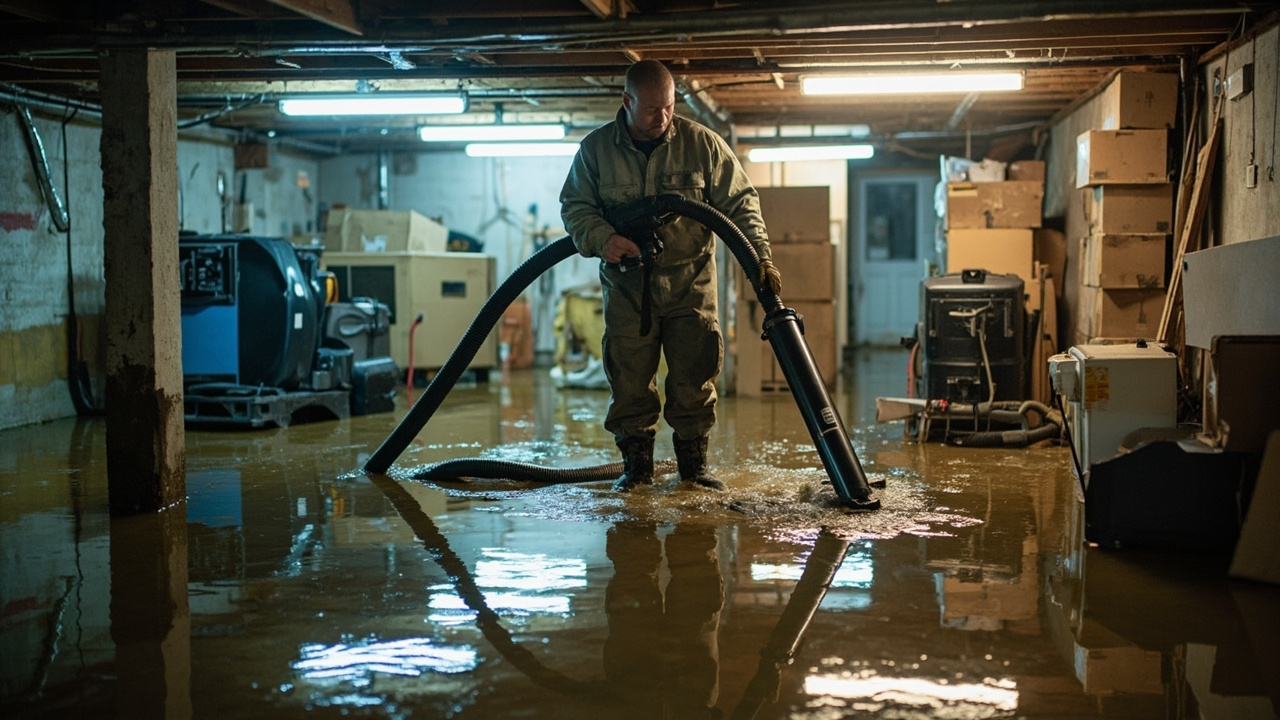
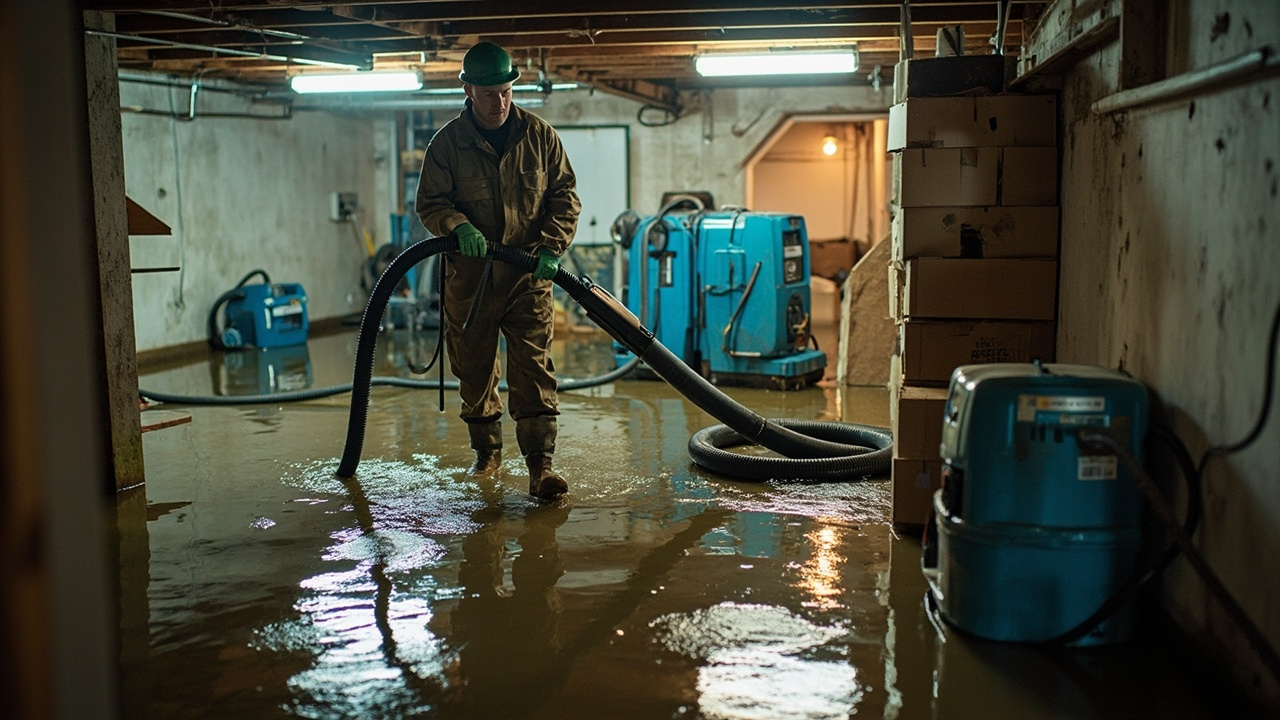
Our technicians arrive with truck-mounted extraction units that pull water faster than shop vacs or portable pumps. We deploy submersible pumps rated for continuous duty cycles, which means we can handle high-volume sump pump overflow cleanup without equipment failure. For basements with more than two inches of standing water, we use weighted wands that extract from the lowest point first to prevent water migration into walls.

Once visible water is gone, we assess your sump pump system. Most failures stem from float switch malfunction, impeller clogs, or electrical issues. We identify whether your pump died from age, debris, or power loss. If your pump failed because your discharge line froze or your check valve broke, we document that for your insurance claim.

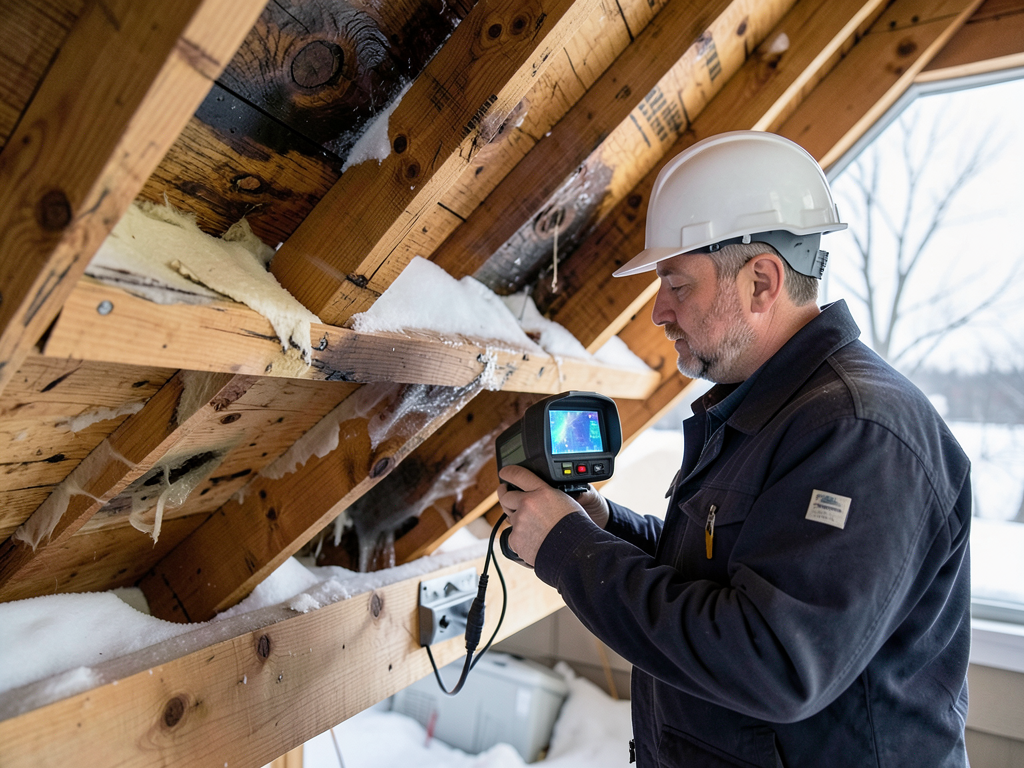
Next comes moisture mapping. We use thermal imaging cameras and pin-type moisture meters to scan walls, floors, and structural members. Water hides inside wall cavities and under flooring. If we do not find it now, you will smell mold in three weeks.

We then set up commercial-grade dehumidifiers and air movers. These machines create controlled airflow that pulls moisture from porous materials like concrete and wood. Our equipment runs on dedicated circuits to avoid overloading your electrical panel. We monitor humidity levels with hygrometers and adjust equipment daily until all materials reach safe moisture content thresholds below 15 percent.

Broken sump pump water damage restoration also includes antimicrobial application. We treat affected surfaces with EPA-registered disinfectants to kill bacteria and prevent microbial growth during the drying phase.

This is how you stop a flooded basement from becoming a condemned basement.

What Happens During Emergency Sump Pump Cleanup

Sump Pump Failure Cleanup in Buffalo – 24/7 Emergency Response Stops Water Damage Fast
01

Immediate Water Extraction

We start with rapid water removal using industrial extraction pumps and weighted wands. Our technicians remove standing water first, then extract moisture trapped in carpets, padding, and porous flooring materials. Speed matters because every hour water sits increases absorption into structural materials. We remove the visible threat before it becomes hidden damage.
02

Moisture Detection and Documentation

After extraction, we map moisture using thermal imaging and meter readings. We check behind baseboards, inside wall cavities, and under flooring to locate hidden saturation. This step is critical for insurance documentation and ensures we dry everything, not just what you can see. We photograph damage and create detailed moisture logs for your claim adjuster.
03

Controlled Structural Drying

We deploy dehumidifiers and air movers in a calculated layout to create optimal drying conditions. Our equipment runs continuously until moisture levels drop to safe thresholds. We monitor progress daily and adjust equipment placement to target stubborn wet spots. Once drying is complete, we treat all affected surfaces with antimicrobial solutions to prevent mold growth during reconstruction.

Why Buffalo Homeowners Choose Us for Sump Pump Failure Cleanup

You can call a plumber to replace your pump, but that does not fix the damage already done. You need water damage restoration specialists who understand how Buffalo's climate and building stock create unique drying challenges.

Most Buffalo homes were built between 1900 and 1960. These older homes have stone or poured concrete foundations, not modern waterproofed block. When water floods these basements, it penetrates deeper into porous materials. Standard drying times do not apply. We adjust our protocols based on your home's construction type and age.

We also understand Buffalo's seasonal flooding patterns. Spring snowmelt creates the highest risk period for sump pump failures. When temperatures swing from 20 degrees to 50 degrees in 48 hours, the ground releases massive amounts of water. Your sump pump runs nonstop during these events. If it fails, you need technicians who can respond immediately, not next Tuesday.

Alpha Water Damage Restoration Buffalo operates 24/7 dispatch. When you call at 2 a.m. because your basement is flooding, a real person answers and a truck rolls within the hour. We do not use answering services or schedule you for the next available appointment. Emergency sump pump cleanup services mean emergency response, not business hours convenience.

We also work directly with your insurance company. Sump pump failures fall under different coverage clauses than other water damage. Some policies exclude sump pump overflow unless you carry specific endorsements. We document everything according to insurance industry standards, which speeds up your claim and maximizes your coverage. Our estimates include detailed line items that adjusters recognize and approve without endless back-and-forth.

You also get transparency. We explain what we are doing and why. If your floor joists need replacement because of rot, we show you the damage and explain your options. If your concrete floor can be saved with proper drying, we tell you that too. No upselling, no scare tactics.

Buffalo homeowners trust us because we fix the problem correctly the first time.

What to Expect When You Call for Sump Pump Failure Cleanup

Response Time and Availability

We answer emergency calls 24 hours a day, 365 days a year. When your sump pump fails at midnight during a thunderstorm, you will reach a live person who dispatches a crew immediately. Our average response time across Buffalo is under 60 minutes. We do not wait until morning or push you to the next day. Water damage gets worse by the hour, so we treat every call as urgent. Our trucks carry full extraction and drying equipment, which means we start work the moment we arrive. No return trips for forgotten tools or equipment rentals.

Initial Assessment and Documentation

Our first step is a complete damage assessment. We inspect your sump pump system to determine why it failed. We check electrical connections, float switches, discharge lines, and check valves. We also map water damage using moisture meters and thermal cameras. This assessment identifies all affected areas, including hidden moisture behind walls and under flooring. We document everything with photos and detailed notes for your insurance claim. You receive a written scope of work before we start any billable restoration services. This transparency ensures you understand what needs to be done and why.

Restoration Quality and Standards

We follow IICRC S500 standards for water damage restoration. This means we dry your basement to measurable moisture content thresholds, not just until it looks dry. We use commercial-grade dehumidifiers and air movers positioned according to psychrometric calculations, not guesswork. Our technicians monitor drying progress daily with calibrated meters. We do not pull equipment until moisture levels in all structural materials drop below 15 percent. This prevents callback visits for mold growth or lingering odors. Your basement will be genuinely dry and safe for reconstruction, not just surface dry.

Follow-Up and Prevention Guidance

After restoration is complete, we provide a detailed report showing before-and-after moisture readings and photos of completed work. We also give you practical guidance on preventing future sump pump failures. This includes recommendations for backup battery systems, water-powered backup pumps, and alarm systems that alert you when your primary pump stops working. We explain maintenance tasks like testing your float switch quarterly and cleaning your sump basin annually. If your failure resulted from a systemic issue like inadequate drainage or an undersized pump, we refer you to qualified contractors who can address the root cause.

Frequently Asked Questions

You Have Questions,
We Have Answers

How to clean up after sump pump failure? +

Turn off power to the sump pump at the breaker immediately. Remove standing water with a wet vac or submersible pump. Pull out wet items and debris from the pit. Check for hidden water damage in walls, floors, and crawlspaces. Buffalo basements flood fast during snowmelt or heavy rain, so document everything with photos for insurance. Disinfect affected surfaces with antimicrobial cleaner. Run dehumidifiers and fans to dry the space within 24 hours. If water spread beyond the pit or soaked drywall, call a professional restoration team right away to prevent mold growth.

How much does it cost to have a sump pump cleaned? +

Sump pump cleaning typically costs between $100 and $300, depending on the level of buildup and pit condition. If you need emergency water extraction after a failure, restoration services start higher due to 24/7 response and equipment. Buffalo homes with high water tables or older pumps often need more frequent cleaning. The cost includes removing sludge, checking the float switch, testing the discharge line, and inspecting the basin. Regular maintenance is cheaper than emergency cleanup. Ask your technician about debris buildup from Buffalo clay soil, which clogs systems faster than sandy areas.

How do you clean sludge out of a sump pump? +

Unplug the pump and remove it from the pit. Use a plastic scoop or small bucket to remove thick sludge and debris from the basin bottom. Spray the pump housing and inlet screen with a garden hose to clear clogs. For heavy buildup, soak components in a vinegar solution or mild degreaser. Buffalo basements often collect clay sediment and iron bacteria, which create rust-colored slime. Scrub stubborn deposits with a stiff brush. Rinse everything thoroughly before reinstalling. Check the discharge pipe for blockages too. If sludge is excessive, you may need a filter or more frequent cleaning.

What to do when a sump pump fails? +

Shut off power to the pump and remove standing water immediately using a wet vac or rental pump. Move valuables and furniture away from wet areas. Open windows if weather permits and run fans to increase airflow. Buffalo humidity makes mold growth fast, so speed matters. Call your insurance company to report the failure and document damage with photos. Contact a water damage restoration company within hours if water affected living spaces or soaked building materials. Check the pump for obvious issues like a stuck float or clogged intake, but leave repairs to a licensed plumber or pump specialist.

Can I put a chlorine tablet in my sump pump? +

No. Chlorine tablets can corrode pump components, damage seals, and create toxic fumes in enclosed basements. While some homeowners use bleach to control odors or bacteria, tablets are too concentrated and unpredictable. Buffalo basements with moisture issues need proper ventilation and drainage solutions, not chemical shortcuts. If you smell sewage or mildew from your sump pit, the problem is usually stagnant water, debris buildup, or a dry trap in the discharge line. Clean the pit thoroughly, check for clogs, and install a vent if odors persist. Use antimicrobial cleaners designed for pumps, not pool chemicals.

How long does it take for mold to grow after flooding? +

Mold can start growing within 24 to 48 hours after water exposure. Buffalo basements stay damp longer due to high humidity and poor ventilation, which speeds colonization. Porous materials like drywall, insulation, and carpet provide ideal conditions. You may not see visible mold for several days, but microscopic spores begin spreading fast. This is why emergency water extraction and dehumidification must happen immediately after sump pump failure. If water sat longer than 48 hours or soaked wall cavities, assume mold risk is high. Professional moisture meters and thermal imaging detect hidden moisture you cannot see.

Does homeowners insurance cover sump pump failure? +

Standard homeowners insurance usually does not cover sump pump failure unless you purchased a separate water backup or sump pump endorsement. This add-on coverage typically costs $50 to $100 annually and covers overflow damage up to policy limits. Flood insurance through FEMA does not cover sump issues either. Buffalo properties near Scajaquada Creek or other waterways face higher risk and should carry backup coverage. Read your policy declarations page carefully. If your pump failed due to power outages during storms, your claim may be denied without the endorsement. Document everything and file claims quickly.

What is the most common reason for sump pump failure? +

The most common reason is a stuck or faulty float switch, which prevents the pump from activating when water rises. Power outages during Buffalo snowstorms and spring storms also cause failures when you need the pump most. Clogged discharge lines freeze in winter or get blocked by debris. Pump motors burn out from running too frequently in homes with high water tables or undersized pits. Lack of maintenance allows sludge and sediment to jam the impeller. Backup pumps fail when primary pumps run continuously without relief. Check your system twice yearly and install a battery backup for storm season.

How to clean out a sump pump without removing it? +

Unplug the pump but leave it in the pit. Use a wet vac with a narrow attachment to suction debris and sludge from around the pump housing. Scoop out larger debris with a small bucket or plastic container. Pour a bucket of clean water into the pit to rinse loose sediment toward the pump intake, then vacuum again. Check the discharge pipe opening for clogs you can clear by hand. This method works for light maintenance, but Buffalo clay soil and iron bacteria buildup often require full removal for deep cleaning. If odors or sludge persist, pull the pump for thorough inspection.

What are the signs of a failing sump pump? +

Listen for unusual noises like grinding, rattling, or continuous running without stopping. Watch for visible rust, corrosion, or cracks on the pump housing. If the pump runs but water does not discharge, the impeller is jammed or the line is clogged. Irregular cycling, where the pump turns on and off rapidly, signals a bad float switch. Buffalo basements may show water stains near the pit or damp walls when the pump struggles. Test your system by pouring water into the pit and watching activation. If the motor hums but does not pump, bearings are failing. Replace pumps older than seven years.

Why Buffalo's Spring Snowmelt Creates Peak Sump Pump Failures

Buffalo receives an average of 95 inches of snow annually. When spring temperatures rise, that snow melts rapidly and saturates the ground. The water table rises significantly during March and April, which forces groundwater through foundation walls and floor cracks. Your sump pump runs continuously during these weeks, often cycling every few minutes. This constant demand causes motor burnout, float switch failure, and impeller damage. Older homes in neighborhoods like North Buffalo and Parkside face additional risk because their sump systems were installed decades ago and have never been upgraded. When these pumps fail during peak melt periods, basements flood in minutes.

Alpha Water Damage Restoration Buffalo has worked in this city long enough to understand how local soil conditions and aging infrastructure create unique water damage scenarios. We know which neighborhoods flood first during heavy rain. We understand how Buffalo's combined sewer system can backflow into basements during extreme weather events. We work with local building inspectors and insurance adjusters who recognize our documentation standards and trust our mitigation protocols. When you hire a local company that knows Buffalo's building stock and weather patterns, you get faster, smarter restoration that accounts for the specific challenges your home faces.


Water Damage Restoration Services in The Buffalo Area

Although we offer rapid mobile service across the entire Buffalo area and surrounding regions, we invite you to view our service area map to confirm our commitment to your community. We are always ready to deploy our expert teams directly to your residential or commercial property, ensuring the fastest possible response time when you need water damage restoration most, right where you are.

Address:
Alpha Water Damage Restoration Buffalo, 369 Washington St, Buffalo, NY, 14203

Additional Services We Offer

Our news updates

Latest Articles & News from The Blogs

The importance of microbial swabbing after a sewer backup in your Lackawanna basement When sewage backs up into your Lackawanna…

The importance of microbial swabbing after a sewer backup in your Lackawanna basement

The importance of microbial swabbing after a sewer backup in your Lackawanna basement When sewage backs up into your Lackawanna…

Simple ways to prevent your pipes from freezing in an unheated North Buffalo crawlspace

Simple ways to prevent your pipes from freezing in an unheated North Buffalo crawlspace Buffalo’s brutal winters and lake-effect snow…

Keeping your kids and pets safe during a home restoration project in Kenmore

Keeping your kids and pets safe during a home restoration project in Kenmore\n\nHome restoration after water damage creates unique safety…

Contact Us

Call Alpha Water Damage Restoration Buffalo at (716) 317-7717 right now. Our dispatch team will send a crew to your address within the hour. We extract water, dry your basement, and prevent the secondary damage that turns a pump failure into a reconstruction nightmare.