menu

Retail Store Water Cleanup in Buffalo – Minimize Downtime and Protect Your Revenue Stream

Alpha Water Damage Restoration Buffalo delivers industrial-grade commercial retail water extraction and shop water damage mitigation designed to restore operations fast, preserve inventory, and protect your business from extended closures.

Slider Image 1
Slider Image 2
Slider Image 3
Slider Image 4
Slider Image 5
Slider Image 7
Slider Image 8
Slider Image 9
Slider Image 10
Slider Image 11

Why Buffalo Retail Stores Face Unique Water Damage Risks

Buffalo's freeze-thaw cycles and aging commercial infrastructure create persistent water intrusion risks for retail operations. When a pipe bursts in the stockroom or a roof leak saturates your sales floor, every hour of closure translates to lost revenue and customer attrition.

The city's heavy lake-effect snow creates ice dams on flat commercial roofs common in the Elmwood Village and Hertel Avenue districts. When these dams melt, water migrates through roofing membranes and into your retail space. Ground floor storefronts along Main Street and Delaware Avenue face additional risks from street-level flooding during rapid spring thaws, where snowmelt overwhelms municipal drainage systems and backs into commercial properties.

Most retail water damage restoration scenarios require immediate action to prevent three critical failures. Inventory contamination spreads rapidly through cardboard packaging and fabric goods. Structural water migration compromises drywall and subflooring beneath fixtures and displays. Humidity elevation promotes mold colonization in HVAC systems and behind wall assemblies, creating liability exposure and code violations.

Commercial retail water extraction demands different equipment and protocols than residential work. Your point-of-sale systems, security infrastructure, and refrigeration units require protection during remediation. Store flood cleanup services must coordinate with landlords, property managers, and insurance adjusters while maintaining your ability to conduct limited operations. The goal is containment and rapid drying to restore full retail function, not cosmetic repair that leaves moisture trapped in building cavities.

Why Buffalo Retail Stores Face Unique Water Damage Risks
Commercial-Grade Water Extraction Protocol for Active Retail Environments

Commercial-Grade Water Extraction Protocol for Active Retail Environments

Shop water damage mitigation in an active retail setting requires surgical precision. You cannot afford to shut down completely, and we structure our approach to preserve partial operations when possible.

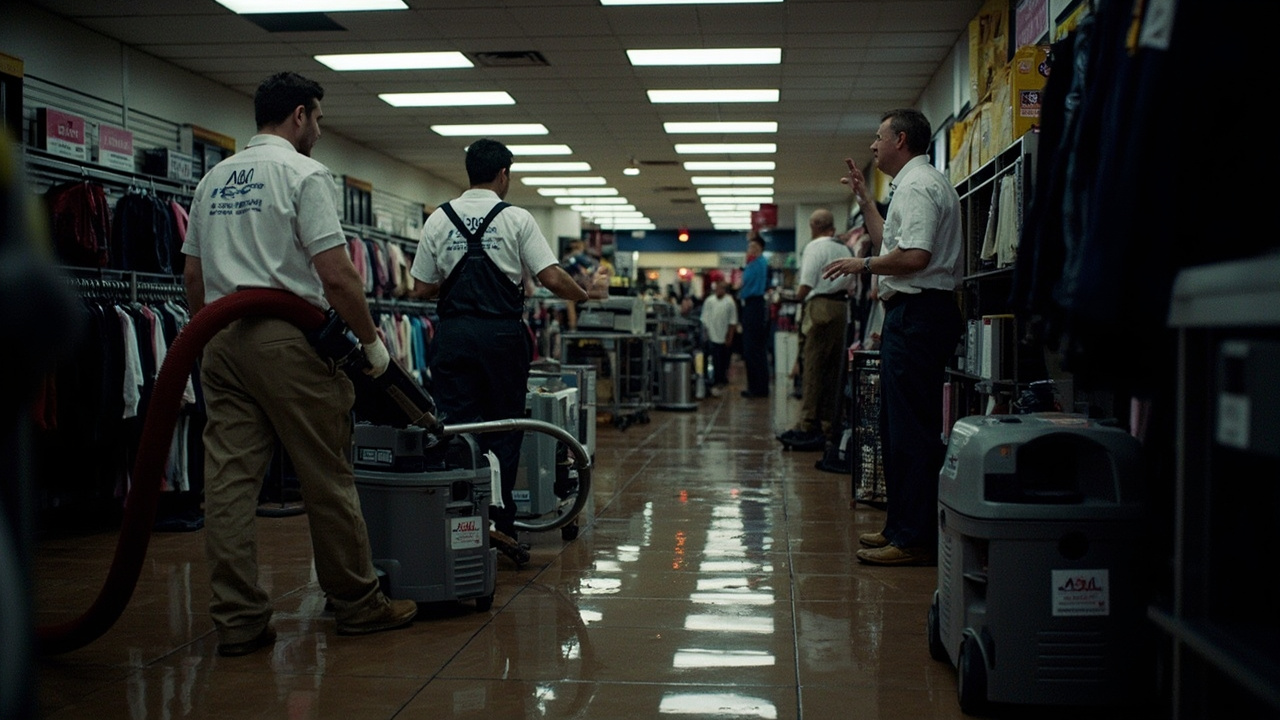
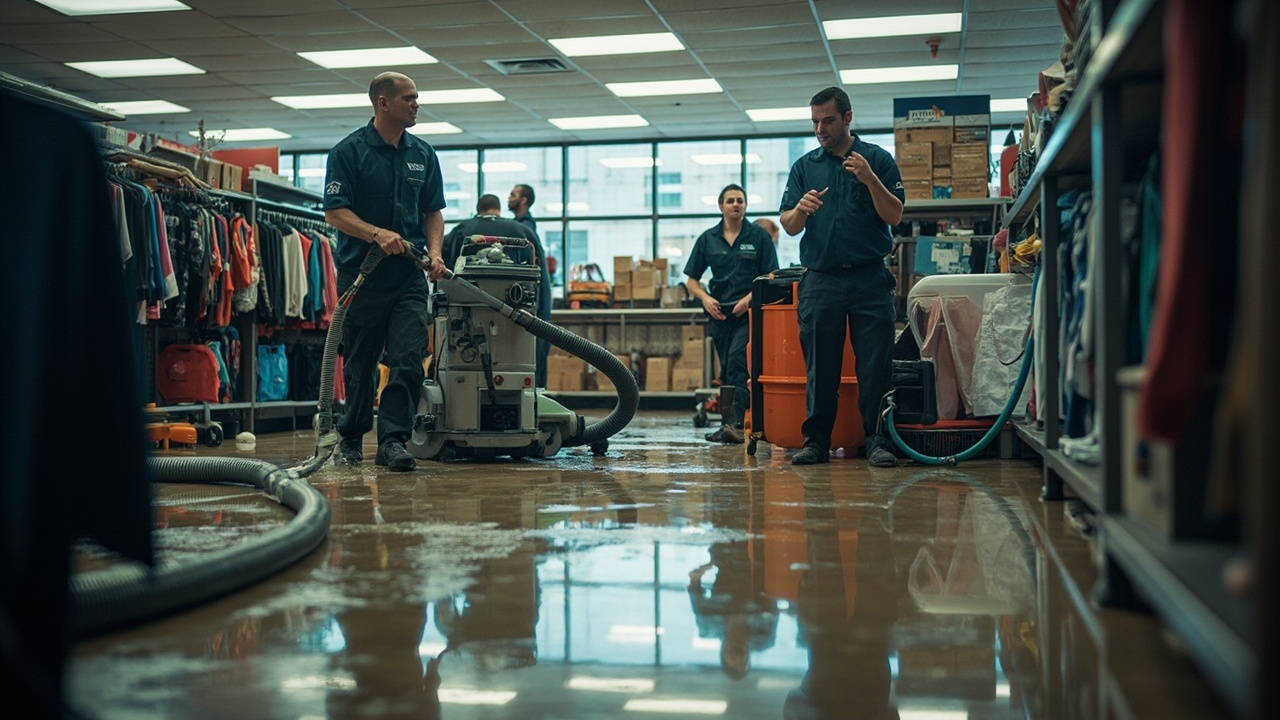
We deploy truck-mounted extraction units that pull standing water from carpet and concrete slab floors without requiring interior equipment staging. For tile installations common in Buffalo retail spaces, we use weighted extraction tools that create suction seals against grout lines, removing water from substrate layers where standard wet vacuums fail.

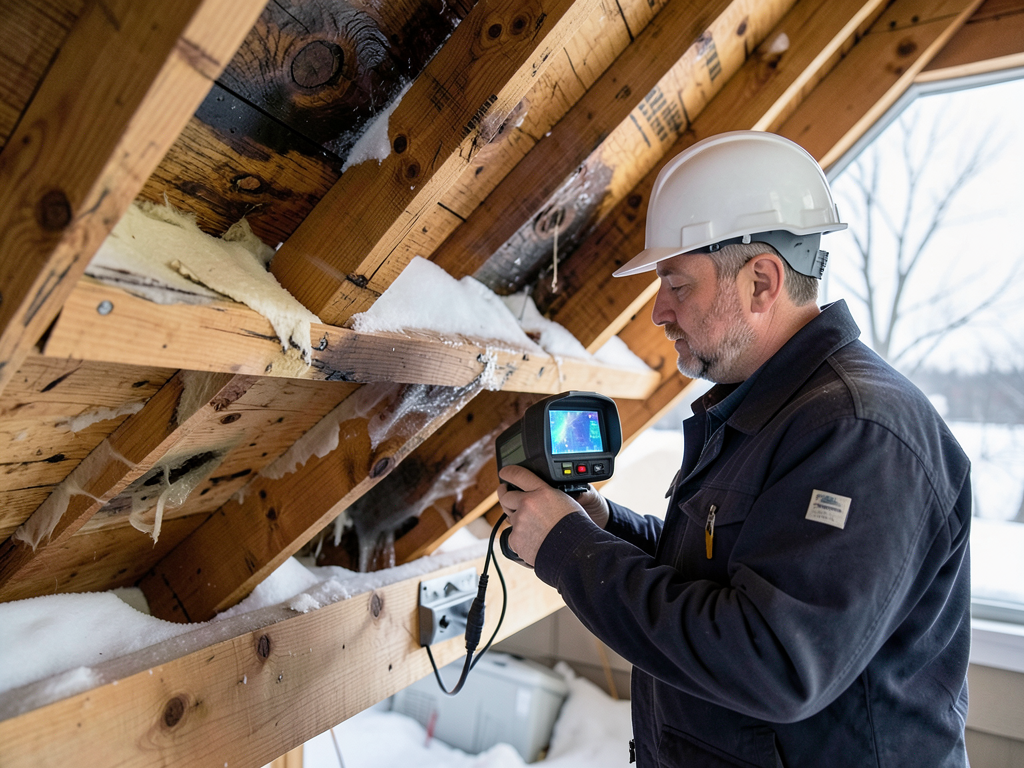
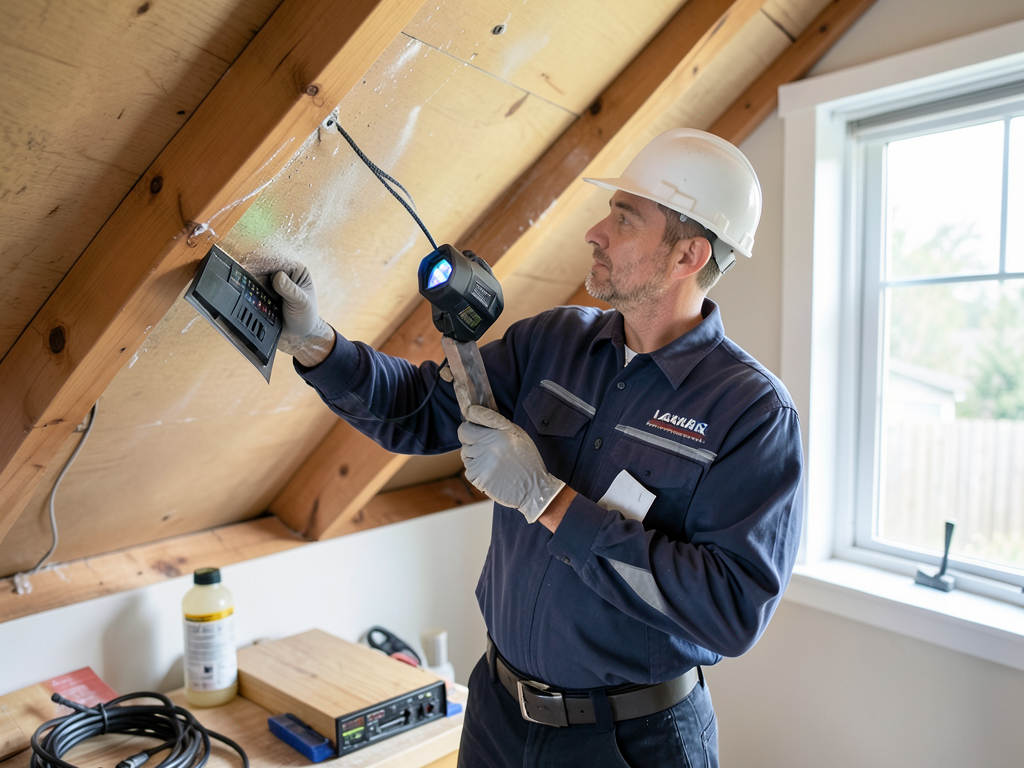
Our commercial retail water extraction process includes thermal imaging of all wall cavities and fixture bases to map moisture migration. Water travels through the path of least resistance, often appearing 20 feet from the initial intrusion point. We document these moisture maps for insurance adjusters and create containment barriers using negative air pressure chambers. This allows you to operate in unaffected sections while we dry compromised zones.

Desiccant dehumidification systems cycle your entire retail volume every 90 minutes, dropping relative humidity below the threshold for microbial growth within 48 hours. We monitor moisture content in structural materials using pin-type and non-invasive meters, documenting dry-down rates for compliance documentation.

For refrigerated display cases and walk-in coolers, we verify that water intrusion has not compromised insulation integrity or electrical safety. Any ceiling grid removal for access to plenum spaces is cataloged and restored to match existing conditions. We coordinate after-hours work to minimize customer-facing disruption and schedule loud equipment operation outside peak retail hours when your lease allows flexibility.

What Happens During Commercial Retail Water Remediation

Retail Store Water Cleanup in Buffalo – Minimize Downtime and Protect Your Revenue Stream
01

Emergency Site Containment

We arrive within two hours of your call to stop active water intrusion and protect unaffected inventory. Our team identifies the source, whether a supply line failure, roof leak, or HVAC condensate overflow. We establish physical barriers using poly sheeting and aluminum framing to isolate damaged sections, allowing continued operation in dry zones. All electrical circuits in affected areas are evaluated for safety before extraction begins.
02

Inventory and Asset Protection

Before extraction equipment deployment, we relocate salvageable merchandise and protect fixed assets like point-of-sale terminals and security systems. Our inventory documentation includes photographs and written logs for insurance claims. Water-damaged goods are segregated by contamination category, clean water versus gray water, to determine restoration viability. This documentation protects you from disputes over claimed losses and provides the adjuster with clear evidence.
03

Structural Drying and Verification

We install commercial air movers and desiccant dehumidifiers calibrated to your space volume and construction type. Drying targets are based on material moisture content readings, not arbitrary timeframes. We verify structural components have returned to baseline dry standards using calibrated hygrometers before removing equipment. You receive a completion certificate documenting final moisture levels for lease compliance and future property transactions.

Why Buffalo Retailers Choose Alpha Water Damage Restoration Buffalo

Commercial water damage in Buffalo requires familiarity with the city's mixed-age building stock and the specific challenges of retail spaces in historic structures. Many Elmwood Village storefronts occupy first-floor spaces in buildings constructed before modern waterproofing standards existed. We understand how water migrates through limestone foundations and brick cavity walls common to these properties.

Our technicians hold IICRC certifications in commercial drying and understand New York State building codes governing occupied commercial spaces during remediation. We coordinate with Buffalo building inspectors when structural repairs require permits and provide documentation that satisfies both insurance carriers and commercial landlords.

Alpha Water Damage Restoration Buffalo maintains relationships with commercial property managers throughout the Delaware District and Allentown neighborhoods. We understand lease requirements regarding after-hours access, certificate of insurance provisions, and tenant improvement restoration standards. When your remediation work affects common areas or building systems, we communicate directly with property ownership to streamline approvals.

We carry commercial liability coverage that meets the requirements for work in occupied retail spaces and can provide certificates of insurance within hours of project commencement. Our equipment inventory includes redundant backup units, so equipment failure never extends your closure timeline.

For multi-location retailers, we provide consistent documentation and reporting across all Buffalo-area stores. You receive the same moisture mapping protocols and drying verification standards whether we are working in your Walden Galleria location or your downtown storefront. This consistency simplifies insurance processing and internal reporting to corporate risk management.

Understanding the Commercial Water Cleanup Timeline

Response Time and Initial Containment

We dispatch crews to Buffalo retail locations within two hours of contact, 24 hours per day. Emergency response includes source water shutoff, temporary power if needed, and initial damage assessment. You receive a preliminary scope of work and estimated timeline within four hours of our arrival. For after-hours emergencies, we coordinate with your emergency contacts and building management to secure access without waiting for business hours. Our goal is containment completion before the next business day opening.

Damage Assessment and Insurance Coordination

Our project managers document all affected areas using thermal imaging, moisture mapping, and photographic evidence. We provide detailed estimates that separate emergency mitigation from reconstruction, allowing your insurance carrier to issue initial payment for critical work. We communicate directly with adjusters to expedite approvals and submit daily progress reports for claims requiring ongoing documentation. If your commercial policy includes business interruption coverage, we provide the timeline documentation needed to support those claims.

Drying Completion and Reopening

Most retail water extraction and drying projects reach completion within five to seven days, depending on the extent of saturation and building construction type. We verify drying using calibrated moisture meters and document that all structural components have returned to dry standard before equipment removal. You receive a completion certificate with moisture readings for each affected area. This documentation satisfies lease requirements and provides proof of proper remediation if future moisture issues arise in adjacent spaces.

Post-Remediation Monitoring and Prevention

After equipment removal, we offer optional moisture monitoring at 30 and 60 days to verify that no latent moisture remains in wall cavities or subfloor assemblies. For retail clients with multiple locations, we provide water damage prevention consultations that identify vulnerable building components before failure occurs. This includes evaluation of roof drainage systems, HVAC condensate lines, and supply plumbing in areas where leaks would cause maximum business disruption. Preventive maintenance is cheaper than emergency restoration.

Frequently Asked Questions

You Have Questions,
We Have Answers

How much does a water restoration company charge? +

Restoration costs depend on damage scope, square footage, and equipment needed. Retail stores face variable pricing based on inventory exposure, flooring type, and business interruption factors. Expect charges for water extraction, drying equipment, antimicrobial treatment, and moisture monitoring. Buffalo properties with basement retail spaces or aging infrastructure face higher costs due to structural complexity. Most companies charge by square footage or hourly rates, plus equipment rental. Documentation matters for insurance claims and tax write-offs. Request itemized estimates from multiple vendors. Commercial jobs require certified technicians and compliance with local building codes, which affects pricing compared to residential work.

What kills mold after a water leak? +

EPA-registered antimicrobial solutions kill mold after water events. Commercial-grade products include quaternary ammonium compounds and hydrogen peroxide treatments. For retail environments in Buffalo, professional remediation uses HEPA filtration and negative air pressure to prevent spore spread. Surface cleaning alone fails because mold roots penetrate porous materials like drywall and ceiling tiles. Effective treatment requires removing moisture source, drying affected areas below 60% humidity, then applying biocides. Retail stores must address hidden mold behind fixtures and under flooring. DIY bleach solutions miss subsurface growth. Professional remediation includes air quality testing post-treatment to verify clearance before reopening to customers.

How much does Servpro charge to clean a basement? +

Competitor pricing varies widely based on damage extent and service scope. Basement cleanup costs reflect square footage, contamination level, and equipment duration. Buffalo basements face unique challenges from freeze-thaw cycles and high groundwater tables. Commercial basement restoration requires industrial dehumidifiers, air movers, and antimicrobial treatments. Most projects range from basic extraction to full structural drying with mold remediation. Request detailed estimates comparing scope of work, not just bottom-line numbers. Verify insurance direct-billing capabilities and emergency response times. Focus on restoration quality and business continuity rather than lowest bid. Cheap cleanup often leads to recurring moisture problems and mold growth.

How to clean up a lot of spilled water? +

Immediate extraction prevents secondary damage to retail inventory and flooring. Use wet vacuums for standing water, then deploy commercial air movers and dehumidifiers. Buffalo stores must act fast because humidity accelerates mold growth within 24 hours. Remove soaked merchandise and document losses for insurance. Pull back carpeting and check subfloors for saturation. Retail environments need strategic equipment placement to maintain customer access while drying. Monitor moisture levels in walls and baseboards using meters. Large spills require professional extraction equipment beyond shop vacuums. Thorough drying takes 3-5 days minimum. Rushing reopening risks liability from slip hazards and air quality issues.

Do you need a license for water restoration? +

New York State requires proper business licensing and insurance for restoration contractors. While no specific water damage license exists, legitimate companies carry general liability insurance, workers compensation, and often hold IICRC certification. Buffalo commercial projects may require additional permits for structural work or mold remediation exceeding 10 square feet. Verify contractor credentials before signing agreements. Ask for proof of insurance and check references from other retail clients. Unlicensed operators create liability exposure if workers get injured on your property. Commercial restoration impacts business operations, so credential verification protects against fraud and ensures code compliance for insurance claim approval.

What is a typical water treatment cost? +

Water treatment systems for retail stores vary by application. Point-of-use filtration costs differ from whole-building water softening or backflow prevention. Buffalo businesses face hard water issues requiring commercial softeners or reverse osmosis systems. Treatment costs depend on water volume, contamination type, and regulatory requirements. Retail food establishments need different specifications than clothing stores. Installation includes equipment, plumbing modifications, and ongoing maintenance contracts. Budget for periodic filter replacement and annual inspections. Treatment system costs are separate from water damage restoration expenses. Consult commercial plumbing contractors familiar with Buffalo water quality and local code requirements for accurate commercial-grade system pricing.

What are the 10 warning signs of mold toxicity? +

Mold toxicity symptoms include respiratory distress, persistent headaches, fatigue, cognitive impairment, skin irritation, sinus congestion, joint pain, digestive issues, vision problems, and immune system dysfunction. Retail employees exposed daily face cumulative health risks. Buffalo buildings with poor ventilation and high humidity create ideal mold conditions. Symptoms vary by exposure duration and mold species present. Black mold produces mycotoxins causing severe reactions. Employee complaints about air quality warrant immediate professional assessment. Liability increases if you ignore health complaints. Document incidents and conduct air quality testing. Commercial spaces require different remediation standards than residential properties to protect workers and customers under OSHA guidelines.

Does insurance cover mold from a water leak? +

Commercial property insurance covers mold if water damage results from covered perils like burst pipes or roof leaks. Policies exclude mold from maintenance neglect or long-term seepage. Buffalo retailers must report water events immediately to preserve coverage. Insurance adjusters distinguish between sudden accidents and gradual deterioration. Most policies cap mold remediation at $10,000 unless you purchased additional coverage. Document everything with photos and professional assessments. Delayed reporting allows insurers to deny claims for pre-existing conditions. Business interruption coverage may apply if mold forces temporary closure. Review policy exclusions and maintain detailed maintenance records proving you addressed building issues promptly.

How do Japanese bathrooms not get mold? +

Japanese bathrooms use superior ventilation, rapid-dry materials, and minimalist design reducing mold-friendly surfaces. They install high-capacity exhaust fans, use non-porous wall panels instead of tile grout, and design floors with proper drainage slopes. Buffalo retail bathrooms can adopt similar strategies including continuous ventilation, waterproof wall systems, and regular squeegee protocols. Japanese facilities emphasize prevention over remediation through immediate water removal and air circulation. Retail bathrooms need commercial-grade ventilation meeting code requirements. The approach focuses on eliminating moisture rather than fighting mold growth. Cultural maintenance habits like post-use drying reduce standing water. Apply these principles with Buffalo-appropriate HVAC sizing for cold climate humidity control.

How does $19 house cleaning work? +

Budget cleaning services target residential markets with limited scope work and time restrictions. These promotions exclude commercial retail spaces requiring specialized equipment and liability coverage. The model uses loss-leader pricing to upsell additional services. Buffalo retail stores need commercial-grade cleaning meeting health codes and insurance requirements. Residential pricing does not apply to business environments with customer traffic, inventory protection needs, and after-hours scheduling. Retail cleaning requires bonded, insured contractors with commercial references. Discount residential services lack proper training for retail floor care, fixture cleaning, and loss prevention protocols. Commercial cleaning contracts specify scope, frequency, and quality standards protecting your business interests.

Lake-Effect Snow and Retail Water Damage Patterns in Buffalo

Buffalo receives an average of 95 inches of snow annually, much of it concentrated in rapid lake-effect events that deposit two to three feet within 24 hours. This snow accumulation on flat commercial roofs creates structural loads that exceed design thresholds, particularly on older retail buildings in the Black Rock and Riverside neighborhoods. When temperatures swing above freezing, snowmelt overwhelms roof drains and scuppers, causing ponding that migrates through roofing membranes. Retail stores in single-story strip centers face the highest risk because these buildings often lack adequate drainage capacity for extreme melt events.

Alpha Water Damage Restoration Buffalo operates year-round in conditions that define commercial water damage risk in Western New York. Our crews understand how Buffalo's building stock responds to freeze-thaw cycles and where water intrusion typically occurs in commercial retail construction. We maintain equipment staging throughout Erie County to ensure rapid response regardless of weather conditions. When other providers delay service due to road conditions, our local presence means we are already positioned to respond to retail emergencies across the Buffalo metro area.
Water Damage Restoration Services in The Buffalo Area

Although we offer rapid mobile service across the entire Buffalo area and surrounding regions, we invite you to view our service area map to confirm our commitment to your community. We are always ready to deploy our expert teams directly to your residential or commercial property, ensuring the fastest possible response time when you need water damage restoration most, right where you are.

Address:
Alpha Water Damage Restoration Buffalo, 369 Washington St, Buffalo, NY, 14203

Additional Services We Offer

Our news updates

Latest Articles & News from The Blogs

The importance of microbial swabbing after a sewer backup in your Lackawanna basement When sewage backs up into your Lackawanna…

The importance of microbial swabbing after a sewer backup in your Lackawanna basement

The importance of microbial swabbing after a sewer backup in your Lackawanna basement When sewage backs up into your Lackawanna…

Simple ways to prevent your pipes from freezing in an unheated North Buffalo crawlspace

Simple ways to prevent your pipes from freezing in an unheated North Buffalo crawlspace Buffalo’s brutal winters and lake-effect snow…

Keeping your kids and pets safe during a home restoration project in Kenmore

Keeping your kids and pets safe during a home restoration project in Kenmore\n\nHome restoration after water damage creates unique safety…

Contact Us

Every hour your store remains closed costs revenue and sends customers to competitors. Call Alpha Water Damage Restoration Buffalo at (716) 317-7717 now for immediate commercial water extraction. We respond within two hours and work around your operating schedule to minimize business disruption.