menu

Sanitization & Odor Removal in Buffalo – Complete Disinfection After Water Damage

Alpha Water Damage Restoration Buffalo provides thorough sanitization and odor removal using hospital-grade antimicrobial treatments and advanced odor abatement technology to eliminate bacteria, mold spores, and persistent odors from your property after flooding or water intrusion.

Slider Image 1
Slider Image 2
Slider Image 3
Slider Image 4
Slider Image 5
Slider Image 7
Slider Image 8
Slider Image 9
Slider Image 10
Slider Image 11

Why Water Damage in Buffalo Demands Professional Sanitization

Buffalo's climate creates the perfect environment for bacterial growth and persistent odors after water damage. The high humidity levels during summer months and the freeze-thaw cycles in winter mean water intrusion rarely happens cleanly. Floodwater from the Niagara River or basement seepage carries contaminants from aging sewer systems throughout the older neighborhoods of Allentown and Elmwood Village.

You cannot see bacteria. You cannot see mold spores. You can only smell the result, and by then, the contamination has spread through porous materials like drywall, insulation, and subflooring. Standard cleaning does not kill pathogens. Bleach and household cleaners create a surface illusion of cleanliness while bacteria colonies thrive in hidden cavities.

Disinfection and deodorization require specialized equipment and EPA-registered antimicrobial treatments that penetrate beyond visible surfaces. The musty smell in your basement is not just unpleasant. It signals active microbial growth releasing volatile organic compounds into your breathing air. These compounds trigger respiratory issues, aggravate allergies, and create chronic health problems for occupants.

Properties near the Buffalo River or in flood-prone areas like South Buffalo face recurring moisture issues that demand comprehensive sanitizing and deodorizing after each event. The clay-heavy soil common throughout Erie County holds water against foundation walls, creating persistent dampness that feeds microbial growth cycles. Without professional odor control services, you are living in a contaminated environment masked by air fresheners and open windows.

Why Water Damage in Buffalo Demands Professional Sanitization
How Alpha Water Damage Restoration Buffalo Eliminates Contaminants

How Alpha Water Damage Restoration Buffalo Eliminates Contaminants

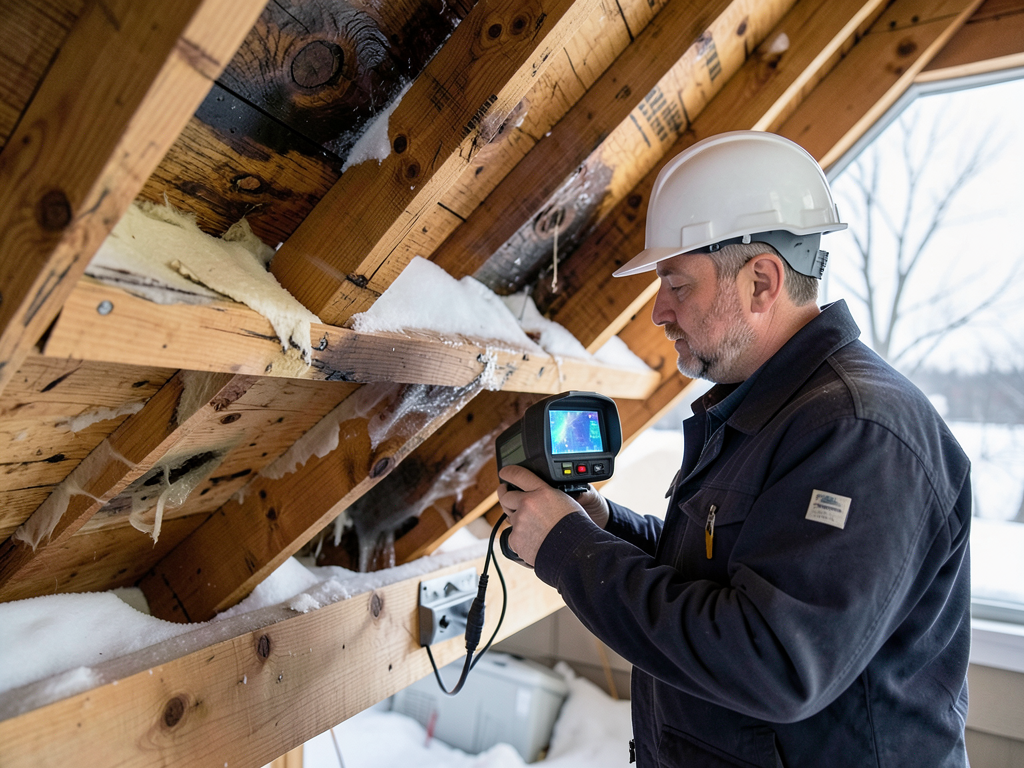
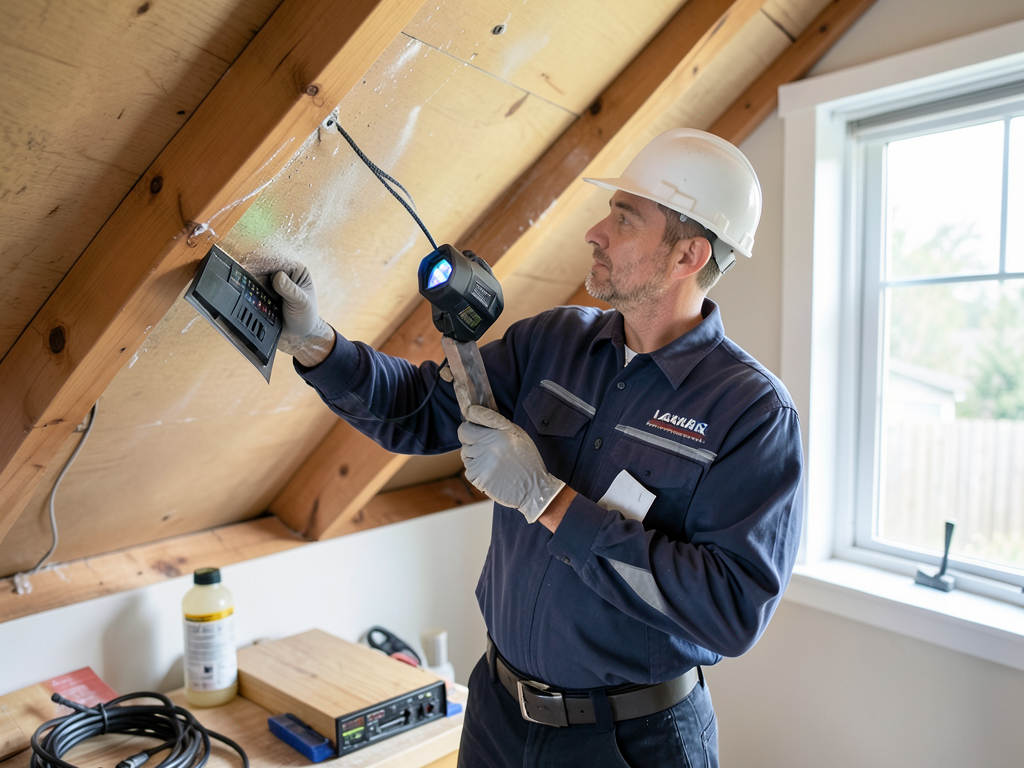
We use a systematic approach that addresses contamination at the molecular level, not just the surface. Our process begins with moisture mapping using thermal imaging cameras to identify every area where water penetrated. Hidden moisture creates hidden contamination. We do not guess. We measure.

Antimicrobial treatment starts with HEPA-filtered negative air machines that prevent cross-contamination during the cleaning process. We remove contaminated materials that cannot be salvaged, then apply EPA-registered disinfectants designed for the specific contamination category. Category 1 water from supply lines requires different protocols than Category 3 water from sewage backups or river flooding.

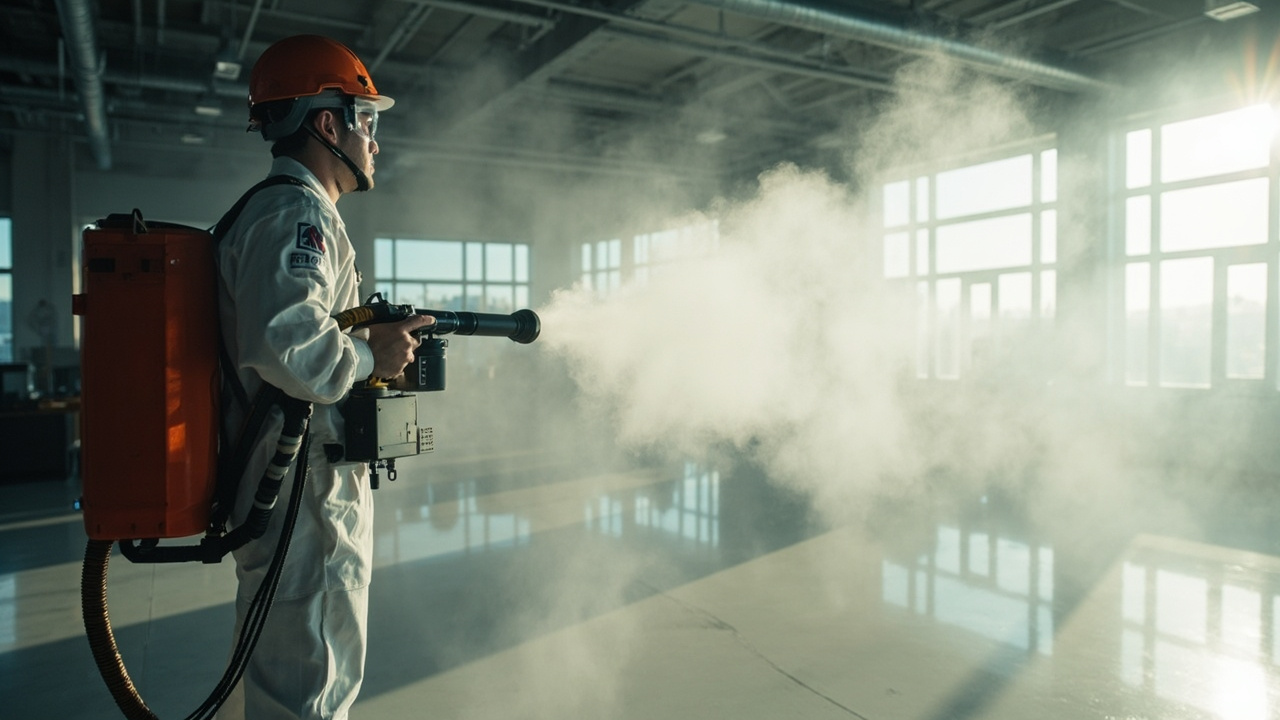
Our odor abatement technology uses hydroxyl generators and thermal fogging to break down odor molecules at the chemical level. Hydroxyl radicals oxidize organic compounds without leaving chemical residues or requiring building evacuation. This matters in occupied commercial buildings or homes where families cannot relocate during treatment.

We treat HVAC systems separately because ductwork spreads contamination throughout the entire structure. Mold spores and bacteria colonize in duct interiors, then circulate every time the system runs. We fog ductwork with antimicrobial vapor and install HEPA filtration to capture airborne particles during the drying process.

Final sanitizing and deodorizing includes ultraviolet-C light treatment in crawl spaces and enclosed areas where chemical treatments cannot reach effectively. UV-C disrupts microbial DNA, preventing reproduction. We verify treatment effectiveness with ATP testing that measures biological activity on surfaces. Clean should mean clean at the microbial level, not just the visual level.

What Happens During Professional Sanitization

Sanitization & Odor Removal in Buffalo – Complete Disinfection After Water Damage
01

Contamination Assessment

We identify contamination categories and test affected materials for bacterial presence using ATP meters and moisture sensors. This determines which materials require removal versus treatment. We document contamination levels with photographic evidence and moisture readings for insurance claims. Every affected area gets mapped and categorized according to IICRC S500 standards for proper remediation protocols.
02

Antimicrobial Application

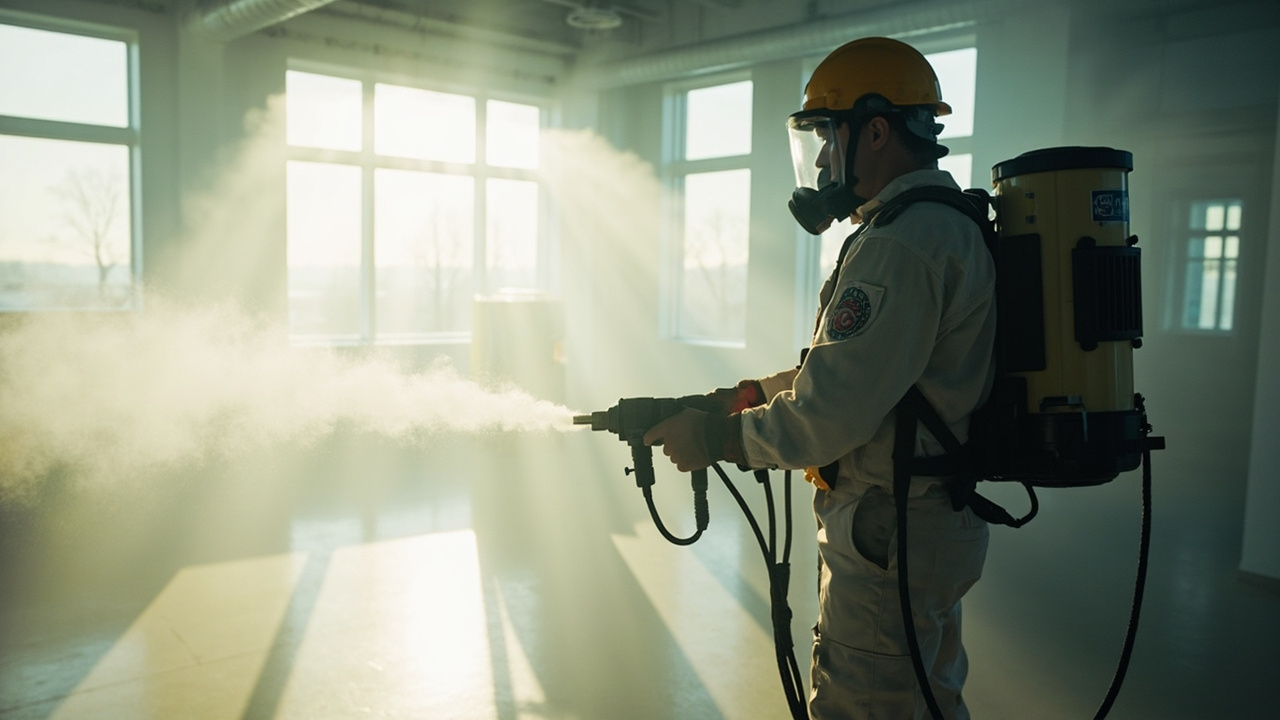
We apply hospital-grade disinfectants to all affected surfaces using electrostatic sprayers that wrap antimicrobial solution around complex geometries and into porous materials. Treatment dwell time varies by product and contamination level. We treat structural cavities, HVAC systems, and hidden spaces where moisture created microbial growth. Thermal fogging reaches areas physical spraying cannot access effectively.
03

Odor Elimination Verification

We use hydroxyl generators and ozone treatment in unoccupied spaces to oxidize remaining odor molecules after antimicrobial treatment. Final verification includes ATP testing to confirm surface cleanliness and air quality testing to measure particulate levels and VOC concentrations. We provide documentation showing pre-treatment and post-treatment contamination levels. You receive a sanitization certificate detailing all treatments performed and areas addressed.

Why Buffalo Properties Need Specialized Sanitization Expertise

Buffalo's housing stock presents unique challenges for water damage sanitization. The concentration of homes built before 1950 in neighborhoods like North Buffalo and the West Side means you are dealing with plaster walls, hardwood floors over board subfloors, and basement foundations that were never designed for modern moisture control. These construction methods create hidden cavities where contamination spreads undetected.

Alpha Water Damage Restoration Buffalo understands how water moves through balloon-frame construction common in pre-war homes. We know that water travels vertically through wall cavities in these structures, contaminating multiple floors from a single intrusion point. Generic cleaning companies treat visible damage without addressing the hidden contamination pathways specific to Buffalo's architectural heritage.

Our familiarity with Erie County's clay soil conditions informs our approach to basement contamination. The expansive clay creates hydrostatic pressure against foundation walls, forcing contaminated groundwater through cracks and creating chronic moisture issues. We address the source conditions, not just the immediate damage.

Commercial properties in Buffalo face different challenges. The aging infrastructure in downtown buildings and the industrial corridor near the Buffalo River means water intrusion often carries heavy metal contamination and industrial residues requiring specialized treatment protocols. We maintain certifications for handling contaminated water categories that affect commercial and industrial properties.

We work directly with local insurance adjusters who understand Buffalo's specific water damage patterns. Our documentation meets New York State requirements for mold remediation and follows EPA guidelines for antimicrobial treatment. This local expertise prevents claim denials and ensures you receive proper coverage for comprehensive sanitization services.

What You Can Expect From Our Sanitization Services

Response Time and Availability

We respond to sanitization requests within two hours of your call. Water damage contamination worsens rapidly in Buffalo's humid climate. Bacterial colonies double every 20 minutes in optimal conditions. Mold spores germinate within 24 to 48 hours of water exposure. Speed determines whether you need surface treatment or full material replacement. Our trucks carry antimicrobial treatments and containment equipment for immediate deployment. We operate 24 hours daily because contamination does not wait for business hours. Emergency sanitization prevents minor water damage from becoming a major health hazard.

Initial Contamination Evaluation

Your initial assessment includes moisture mapping, contamination category identification, and affected material testing. We use thermal imaging to locate hidden moisture and moisture meters to measure water content in structural materials. You receive a detailed scope of work explaining which materials require removal, which can be treated in place, and the specific antimicrobial protocols needed for your contamination category. We explain the difference between Category 1 clean water, Category 2 gray water, and Category 3 black water because treatment protocols differ significantly. This assessment takes 45 to 90 minutes depending on property size.

Treatment Results and Air Quality

Complete sanitization eliminates detectable bacterial presence and removes odors at the molecular level. You will notice the difference immediately. The musty smell disappears. The air feels cleaner. We verify results with ATP testing that measures biological contamination on surfaces. Final air quality testing documents particulate levels and confirms your property meets indoor air quality standards. You receive laboratory reports showing before and after contamination levels. This documentation protects your property value and provides proof of proper remediation for future buyers or tenants.

Post-Treatment Monitoring

We provide moisture monitoring for 72 hours after treatment to confirm complete drying and prevent recontamination. Residual moisture allows bacterial regrowth. We install monitoring equipment that alerts us to moisture level changes requiring additional treatment. You receive recommendations for preventing future contamination based on your property's specific vulnerability factors. This includes guidance on dehumidification, drainage improvements, and HVAC maintenance. We document all treatments performed and provide certification for insurance claims and property disclosure requirements. Follow-up testing is available if odors return or moisture reappears.

Frequently Asked Questions

You Have Questions,
We Have Answers

What is the strongest odor eliminator? +

Professional-grade hydroxyl generators and ozone machines eliminate odors at the molecular level. Unlike masking sprays, these units break down odor-causing compounds in the air and embedded in surfaces. Enzyme-based cleaners work well for organic smells like pet urine or sewage. In Buffalo homes dealing with flood damage or basement moisture, thermal fogging penetrates porous materials like drywall and insulation. The most effective approach combines source removal (pulling out wet materials), deep cleaning, and air treatment. You cannot spray away a dead animal in the wall or black mold behind drywall. Remove the source first.

What do nursing homes use to get rid of urine smell? +

Nursing facilities use enzyme cleaners that digest uric acid crystals, the source of persistent urine odor. These products contain bacteria that consume organic waste. Facilities also apply encapsulants that seal odor molecules into surfaces during cleaning. Air scrubbers with HEPA and carbon filtration run continuously in patient areas. In Buffalo, where older homes often lack proper ventilation, professionals use hydroxyl generators during deep cleaning because they are safe around occupants. The key is breaking down uric acid, not masking the smell with fragrance. Surface cleaning alone fails because urine penetrates subflooring and carpet padding.

How do I permanently get rid of a bad smell in my house? +

Identify the source before treating symptoms. Pull up carpets to check for pet urine in padding. Inspect crawl spaces for dead rodents or standing water. Check HVAC ducts for mold growth. In Buffalo, basement moisture from poor drainage or foundation cracks often creates musty smells. After removing the source, clean all affected surfaces with enzyme cleaners or antimicrobial solutions. Use hydroxyl generators or ozone treatment when the home is unoccupied. Replace porous materials like drywall or insulation if contaminated. Masking sprays and air fresheners fail because they do not address the root cause.

What do nurses use to block smells? +

Nurses apply mentholated ointment under the nose to block strong odors during wound care or patient hygiene tasks. Peppermint oil on surgical masks works similarly. Some use scented hand lotion rubbed above the upper lip. These are temporary barriers, not solutions. In water damage restoration, technicians wear respirators with organic vapor cartridges when dealing with sewage or decomposition. Buffalo properties affected by sewage backups or flooding require proper PPE. The goal is blocking inhalation of harmful particles and gases, not just unpleasant smells. Respiratory protection matters when handling contaminated materials.

What kills all smells? +

No single product kills all smells because odors come from different sources. Ozone destroys most organic odors by oxidizing molecules, but it requires evacuating the space. Hydroxyl generators work similarly but are safer around belongings. Enzyme cleaners break down protein-based smells like urine or vomit. Activated carbon absorbs chemical odors. Thermal fogging penetrates porous materials. In Buffalo homes with water damage, professionals combine methods based on the contamination type. Sewage requires antimicrobial treatment. Smoke damage needs different chemistry than pet odors. The source dictates the solution. Removing contaminated materials often matters more than any chemical treatment.

What do realtors use to make a house smell good? +

Realtors use staged scents like vanilla, citrus, or baked goods to create a welcoming impression. Some plug in diffusers or simmer cinnamon on the stove before showings. These tactics mask smells temporarily. If you are selling a Buffalo home with pet odors or basement mustiness, buyers will notice during inspections. Professional remediation addresses the source. Ozone treatment or hydroxyl generators neutralize odors before listing. Replace carpets if padding absorbed urine. Seal basement floors if moisture wicks through concrete. Buyers walk away from homes with lingering smells because they signal hidden problems like water damage or mold.

What is the old lady's smell called? +

The term is nonenal, a chemical compound that increases in human skin oil after age 40. It produces a greasy, grassy smell that clings to fabrics and enclosed spaces. Poor ventilation worsens the problem. In Buffalo, older homes with limited airflow trap this odor in upholstery and carpets. Regular laundering of linens and increased ventilation help. Enzyme cleaners break down the lipid compounds. Air purifiers with activated carbon filters absorb airborne particles. Deep cleaning of soft furnishings reduces buildup. The smell is natural and harmless, but it concentrates in spaces without air exchange.

How do professionals remove pee smell? +

Professionals locate all contaminated areas using UV lights, which make urine glow under blacklight. They remove carpets and padding because urine soaks through to subflooring. Wood floors get sanded if urine penetrated the finish. Concrete gets sealed with vapor barriers after enzyme treatment. In Buffalo homes, urine often reaches floor joists in older construction. Technicians apply enzyme treatments that digest uric acid crystals, then use hydroxyl generators to treat the air. Subflooring may need replacement if saturation is deep. Masking the smell without removing contaminated materials fails because urine reactivates with humidity.

What do morticians use to block smells? +

Morticians use embalming fluids containing formaldehyde, which preserves tissue and controls decomposition odors. Facilities ventilate heavily and use industrial air scrubbers. During body preparation, they apply disinfectants and deodorizers to surfaces. In restoration work involving biohazard cleanup or unattended death, professionals use similar protocols. Buffalo properties affected by these situations require EPA-registered disinfectants, proper containment, and specialized air filtration. Technicians wear full PPE and dispose of contaminated materials as medical waste. Hydroxyl treatment follows physical removal. These situations demand professional remediation, not DIY attempts. The health risks and psychological impact require trained specialists.

What is the hardest smell to get rid of in a house? +

Smoke from fires penetrates every porous surface and requires specialized cleaning. The chemical residue bonds to materials and reactivates with heat or humidity. In Buffalo, older homes with plaster walls and wood framing absorb smoke deeply. Professionals use thermal fogging, ozone treatment, and soot-specific detergents. Contents get cleaned individually or replaced. HVAC systems need duct cleaning because smoke travels through ventilation. Decomposition odors rank second because they penetrate subflooring and wall cavities. Both require removing affected materials and treating air and surfaces. Painting over smoke damage traps odors temporarily, then they return.

How Buffalo's Aging Infrastructure Affects Water Damage Contamination

Buffalo's combined sewer system creates unique contamination risks during heavy rainfall and spring snowmelt. The system carries both stormwater and sewage in the same pipes, and overwhelmed capacity causes backups into basement drains throughout older neighborhoods. This means what appears to be clean water flooding is actually Category 3 contaminated water requiring aggressive antimicrobial treatment and material removal. Properties near Scajaquada Creek and the Buffalo River face elevated contamination risks during flood events. The close proximity to industrial sites along the waterfront means floodwater often carries chemical residues and heavy metals requiring specialized odor control services beyond standard disinfection protocols.

Alpha Water Damage Restoration Buffalo maintains relationships with local environmental testing labs that understand Erie County's specific contamination patterns. We know which areas face recurring issues with compromised groundwater. We understand New York State health department requirements for antimicrobial treatment documentation and mold remediation certification. This local expertise matters when your insurance adjuster questions treatment necessity or scope. We provide documentation that meets both industry standards and local regulatory requirements. Our familiarity with Buffalo's building stock, from historic mansions on Delaware Avenue to commercial properties downtown, ensures we apply appropriate sanitizing and deodorizing protocols for your specific structure type and contamination category.
Water Damage Restoration Services in The Buffalo Area

Although we offer rapid mobile service across the entire Buffalo area and surrounding regions, we invite you to view our service area map to confirm our commitment to your community. We are always ready to deploy our expert teams directly to your residential or commercial property, ensuring the fastest possible response time when you need water damage restoration most, right where you are.

Address:
Alpha Water Damage Restoration Buffalo, 369 Washington St, Buffalo, NY, 14203

Additional Services We Offer

Our news updates

Latest Articles & News from The Blogs

The importance of microbial swabbing after a sewer backup in your Lackawanna basement When sewage backs up into your Lackawanna…

The importance of microbial swabbing after a sewer backup in your Lackawanna basement

The importance of microbial swabbing after a sewer backup in your Lackawanna basement When sewage backs up into your Lackawanna…

Simple ways to prevent your pipes from freezing in an unheated North Buffalo crawlspace

Simple ways to prevent your pipes from freezing in an unheated North Buffalo crawlspace Buffalo’s brutal winters and lake-effect snow…

Keeping your kids and pets safe during a home restoration project in Kenmore

Keeping your kids and pets safe during a home restoration project in Kenmore\n\nHome restoration after water damage creates unique safety…

Contact Us

Call Alpha Water Damage Restoration Buffalo at (716) 317-7717 for immediate sanitization and odor removal. We respond within two hours with antimicrobial treatments and contamination testing equipment. Every hour you wait allows bacterial colonies to expand and odors to penetrate deeper into porous materials.