menu

Attic Water Damage Cleanup in Buffalo – Expert Restoration to Prevent Structural Collapse and Mold Contamination

Alpha Water Damage Restoration Buffalo delivers comprehensive attic water damage cleanup using industrial dehumidifiers, thermal imaging, and antimicrobial treatments to protect your home from hidden moisture damage and ceiling failure.

Slider Image 1
Slider Image 2
Slider Image 3
Slider Image 4
Slider Image 5
Slider Image 7
Slider Image 8
Slider Image 9
Slider Image 10
Slider Image 11

How Lake Effect Snow and Ice Dams Turn Buffalo Attics Into Disaster Zones

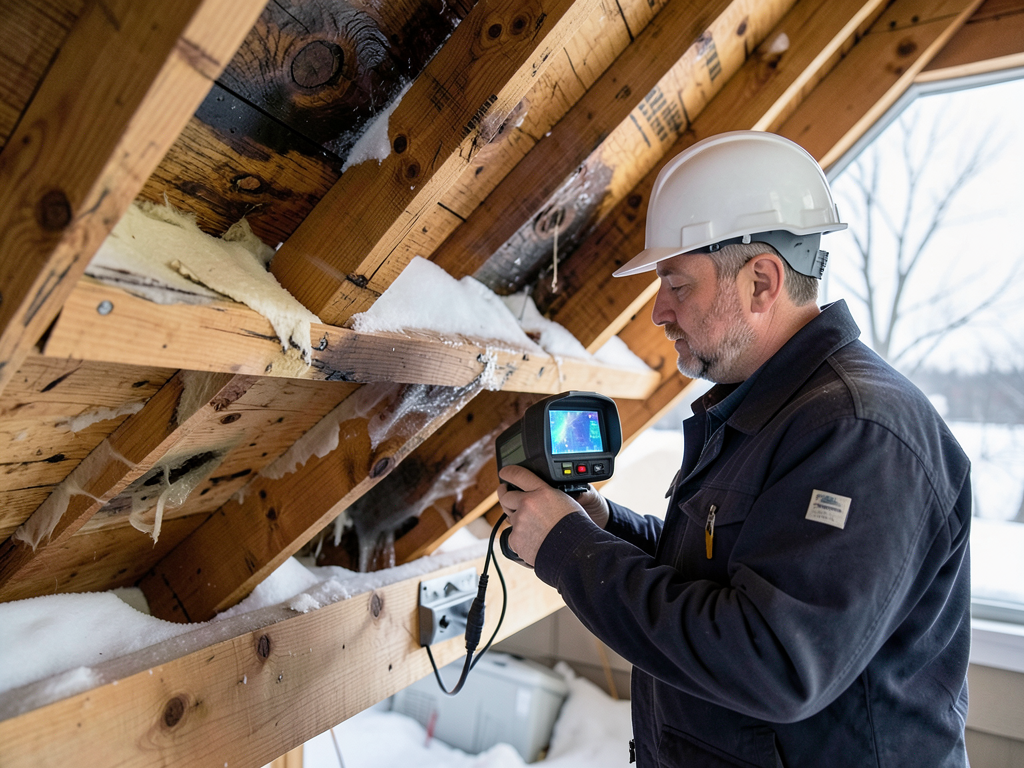
You walk upstairs and notice a brown stain spreading across your ceiling. Or you hear dripping in the walls after a winter storm. Buffalo's proximity to Lake Erie creates relentless lake effect snow that dumps 95 inches annually on the metro area. When snow accumulates on roofs, heat escaping from your home creates ice dams along the eaves. Meltwater backs up under shingles and floods directly into your attic space.

Most homeowners do not realize attic water damage until the ceiling drywall buckles or until mold spreads through the insulation. By that point, you are facing structural repairs, contaminated insulation removal, and potential ceiling replacement. Attic water damage restoration requires more than mopping up visible puddles. You need attic water removal services that address hidden moisture trapped in wood framing, fiberglass batts, and blown-in cellulose.

Buffalo's freeze-thaw cycles compound the problem. Water penetrates roof decking during a thaw, then freezes again overnight, expanding and cracking the wood substrate. This creates permanent entry points for future leaks. Attic leak cleanup must identify the source breach, extract all moisture, and prevent microbial growth in porous materials. Attic flood restoration goes beyond surface drying. It requires controlled demolition of wet materials, HEPA filtration during insulation removal, and verification that structural lumber moisture content drops below 15 percent to prevent rot.

Ignoring attic water damage repair allows hidden mold colonies to release spores into your HVAC system, spreading allergens throughout your home. The longer moisture sits, the more expensive the fix becomes.

How Lake Effect Snow and Ice Dams Turn Buffalo Attics Into Disaster Zones
Our Four-Phase Attic Water Extraction and Structural Drying Protocol

Our Four-Phase Attic Water Extraction and Structural Drying Protocol

Alpha Water Damage Restoration Buffalo uses a systematic approach to attic water damage cleanup that addresses both visible water and hidden moisture reservoirs. We do not guess. We measure.

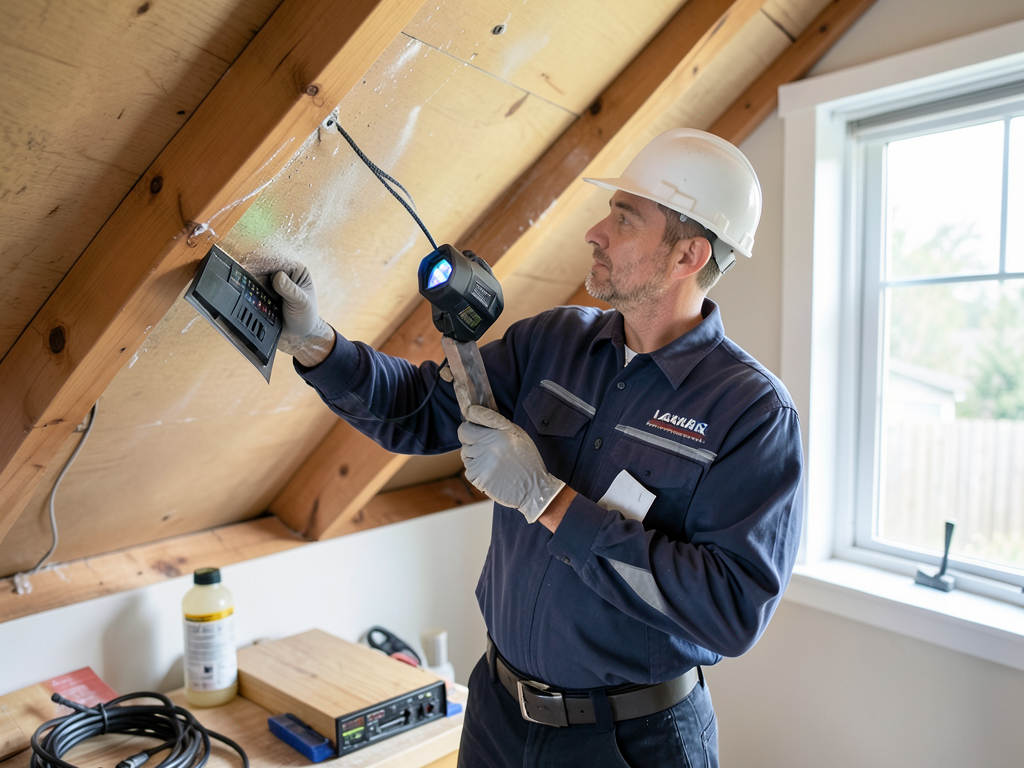
We deploy penetrating moisture meters and thermal imaging cameras to map water migration patterns in your attic. Water does not stay where it enters. It travels along roof trusses, soaks into ceiling joists, and pools in low spots between framing members. Our technicians document moisture readings in wood framing at multiple depths to establish a baseline. This data drives our drying strategy and proves when restoration is complete.

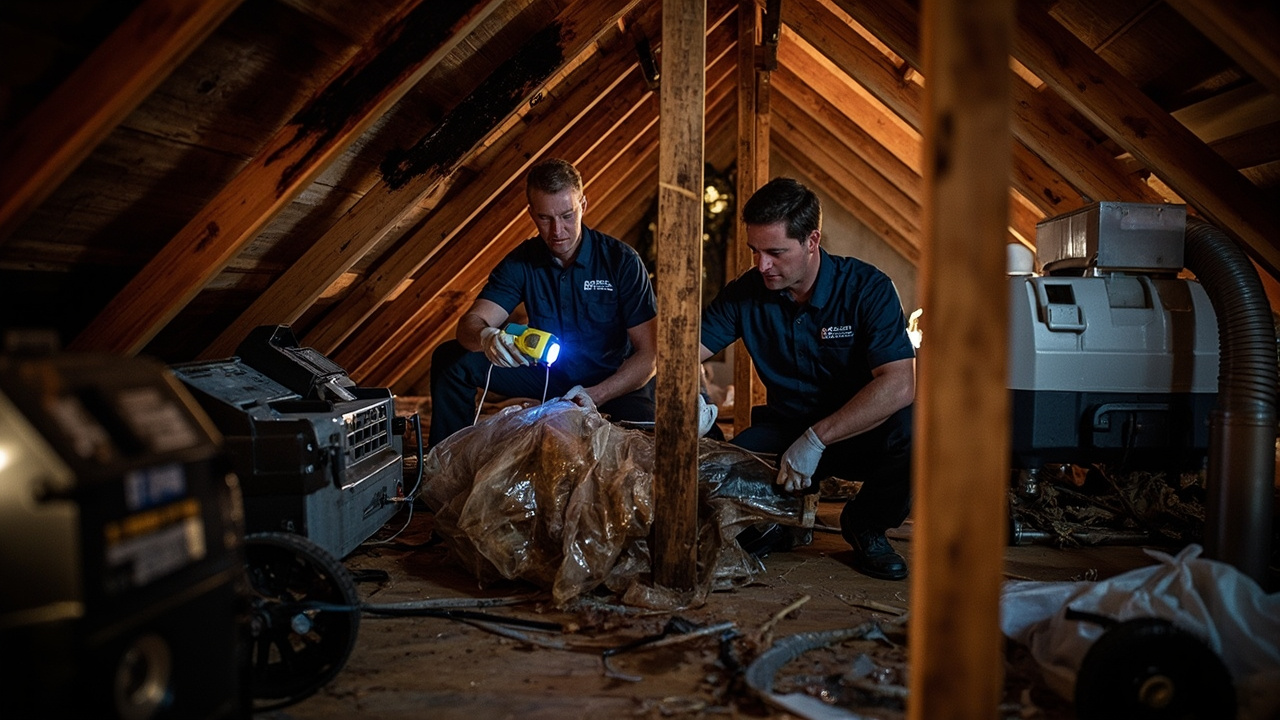
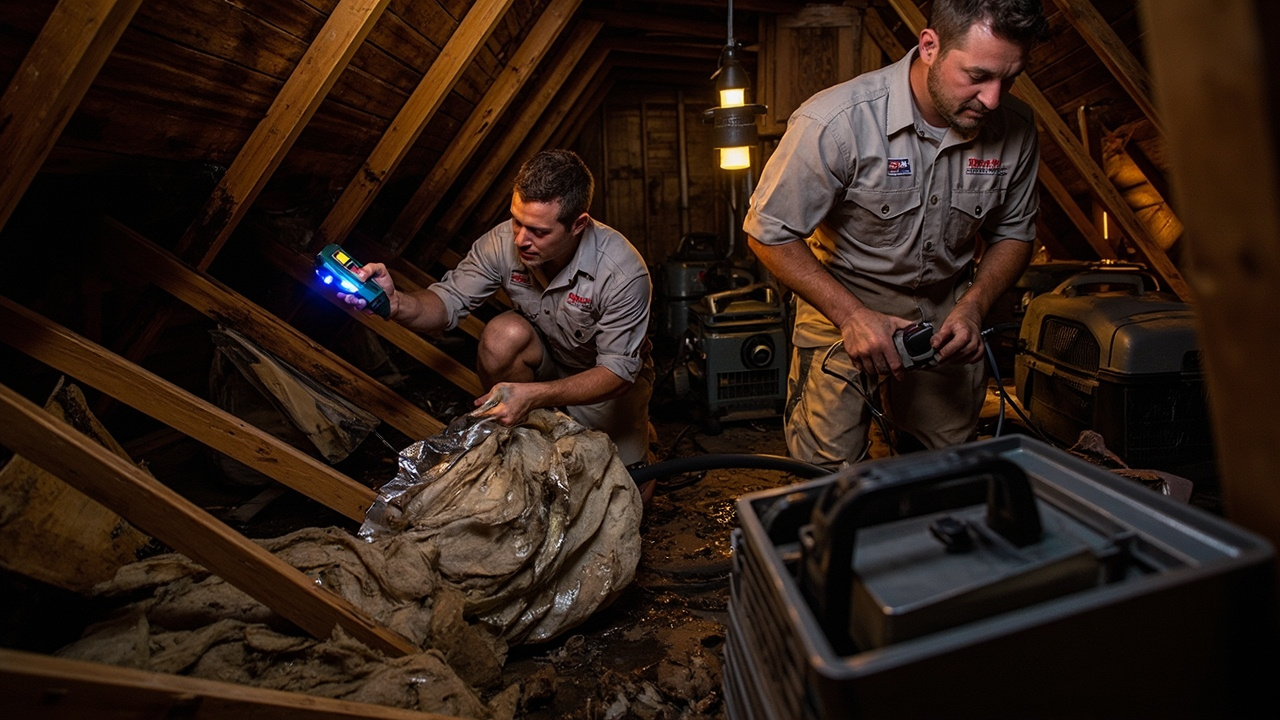
Next, we extract standing water using truck-mounted pumps and portable extractors. We remove soaked insulation in contained zones to prevent cross-contamination. Wet fiberglass and cellulose cannot be saved. These materials hold moisture indefinitely and become mold incubators within 48 hours. We bag and remove compromised insulation following IICRC S520 mold remediation standards.

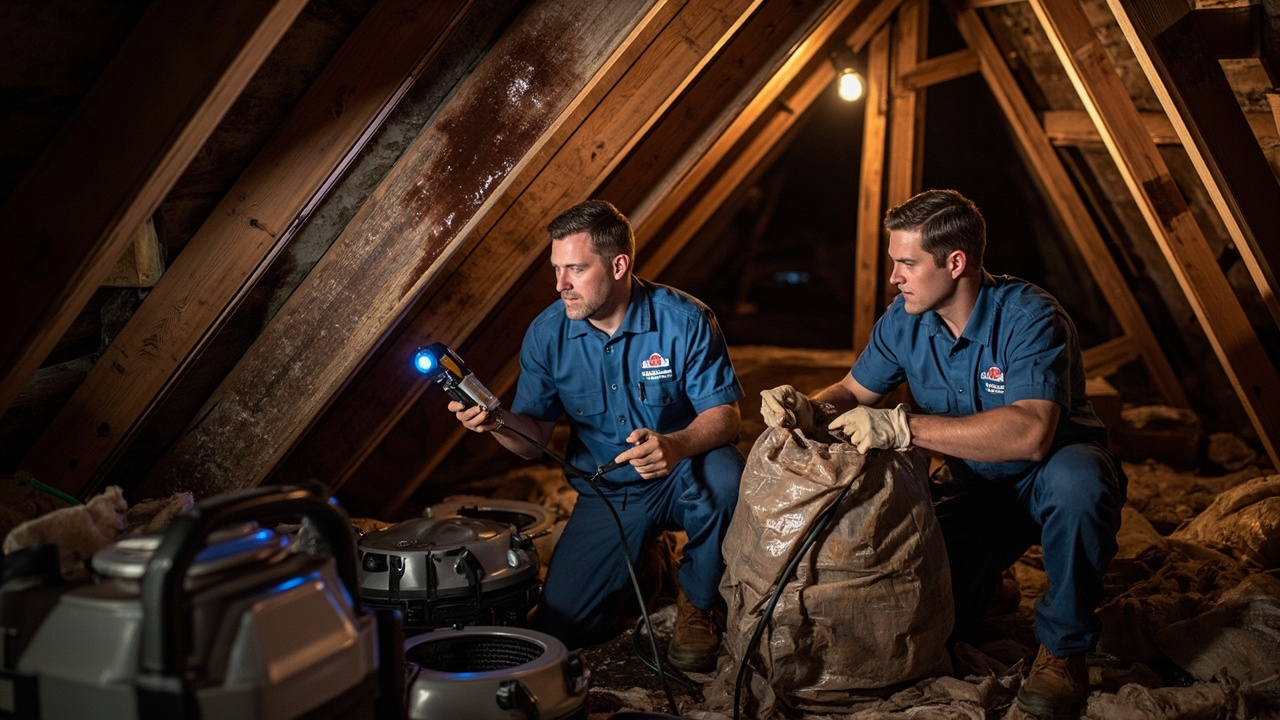
We position commercial air movers to create continuous airflow across wet roof decking and framing. Low-grain refrigerant dehumidifiers pull moisture from the air faster than it can evaporate from building materials. We monitor vapor pressure differentials and adjust equipment placement every 12 hours based on psychrometric readings. This is precision drying, not fan placement guesswork.

We apply EPA-registered antimicrobial treatments to all affected wood surfaces after moisture levels drop. This inhibits mold germination during the final drying phase. Final verification uses moisture meters calibrated to species-specific wood moisture content standards. Your attic is dry when our instruments confirm it, not when it looks dry.

What Happens When You Call for Attic Water Damage Cleanup

Attic Water Damage Cleanup in Buffalo – Expert Restoration to Prevent Structural Collapse and Mold Contamination
01

Emergency Assessment and Containment

Our crew arrives within 90 minutes for emergency calls. We assess the water source, establish containment barriers to protect living spaces below, and document all damage with photos and moisture readings. You receive a detailed scope of work before demolition begins, including insurance documentation requirements and expected timeline for full attic water damage restoration completion.
02

Water Extraction and Material Removal

We remove standing water, extract moisture from salvageable materials, and perform controlled demolition of unsalvageable insulation and damaged roof decking. All wet materials are bagged at the source using HEPA containment to prevent spore dispersal. We create negative air pressure in the attic using air scrubbers with activated carbon filters to capture airborne particulates during the attic leak cleanup process.
03

Structural Drying and Verification

Industrial dehumidifiers and air movers run continuously until wood moisture content drops to acceptable levels. We take daily readings and adjust equipment based on drying progress. Final verification includes antimicrobial application, thermal imaging to confirm no hidden moisture pockets remain, and written certification that your attic meets IICRC drying standards for safe reconstruction and attic water damage repair completion.

Why Buffalo Homeowners Choose Alpha Water Damage Restoration for Attic Emergencies

Buffalo attic water damage requires specialized knowledge of lake effect precipitation patterns and ice dam formation mechanics. Alpha Water Damage Restoration Buffalo has restored attics in Elmwood Village, North Buffalo, and South Buffalo neighborhoods where century-old homes with steep roof pitches and minimal attic ventilation create unique water intrusion challenges.

We understand that most Buffalo homes were built before modern building codes mandated ice and water shield underlayment. Older homes in the Allentown Historic District and Delaware District often have original roof decking with gaps between planks, allowing water to penetrate directly into attic cavities. Our technicians recognize these vulnerabilities and adjust restoration protocols accordingly.

We work directly with local insurance adjusters who handle claims throughout Erie County. Our documentation meets Xactimate estimating standards and includes the moisture mapping data adjusters require to approve full scope repairs. We photograph every stage of attic water removal services and provide daily progress reports to keep you informed and your insurer updated.

Our equipment inventory includes specialized low-profile dehumidifiers designed for tight attic access points common in Buffalo's older housing stock. We do not force standard equipment into spaces where it creates ventilation problems or limits our ability to position air movers effectively. We adapt our tools to your attic configuration.

We also coordinate with local roofers who understand Buffalo's climate demands. If your leak originated from storm damage or failed flashing, we connect you with contractors experienced in ice dam prevention and proper ventilation installation. Attic flood restoration is not complete until the entry point is permanently sealed and ventilation is adequate to prevent future condensation issues.

What to Expect During Your Attic Water Damage Cleanup Project

Response Time and Availability

We answer emergency calls 24 hours a day, 365 days per year. Winter ice dam failures and summer storm damage do not wait for business hours. Our dispatch team routes the closest crew to your location, and you receive an estimated arrival time within 15 minutes of your call. For non-emergency attic water damage restoration, we schedule assessments within 24 hours. Equipment deployment begins immediately after you approve the scope. We do not wait days to start drying. Every hour of delay increases mold risk and structural damage.

Initial Assessment and Moisture Mapping

Your assessment includes thermal imaging of all attic surfaces, penetrating moisture readings in roof framing and ceiling joists, and documentation of insulation saturation levels. We identify the water source, trace migration paths, and determine if HVAC ductwork or electrical systems were compromised. You receive a written report with photos, moisture map overlays, and equipment placement recommendations. This report serves as your insurance claim foundation and guides our restoration strategy throughout the attic leak cleanup process.

Drying Results and Final Verification

Your project concludes when all building materials return to normal moisture content ranges. We provide a Certificate of Completion with final moisture readings, photos of dried areas, and confirmation that antimicrobial treatments were applied. This documentation proves to insurance companies and future home buyers that attic water damage repair was performed correctly. You receive a detailed summary of all materials removed, equipment used, and drying timeline. Your attic is ready for insulation replacement and reconstruction once our final verification is complete.

Post-Restoration Monitoring and Prevention

We recommend follow-up moisture checks 30 days after equipment removal to confirm no hidden moisture sources reactivated. For homes with recurring ice dam issues, we provide ventilation improvement recommendations and connect you with insulation contractors who specialize in air sealing and thermal barrier upgrades. Proper attic ventilation and insulation prevent future condensation and ice dam formation. We offer seasonal roof inspections to catch minor issues before they become major attic water damage restoration projects. Prevention is always cheaper than emergency extraction.

Frequently Asked Questions

You Have Questions,
We Have Answers

How to fix water damage in an attic? +

First, stop the water source. If a roof leak, place buckets and call a roofer immediately. Next, extract standing water using a wet vac or pump. Remove soaked insulation, as it traps moisture and breeds mold fast in Buffalo's humid climate. Set up fans and dehumidifiers to dry structural wood completely. Check for hidden moisture in joists and rafters using a moisture meter. Disinfect all affected surfaces to prevent microbial growth. If the damage is extensive or you see mold, call a professional restoration company. Buffalo's freeze-thaw cycles can worsen structural damage, so speed matters.

What is the 7 and 7 rule for a finished attic? +

The 7 and 7 rule means finished attics must have at least 7 feet of ceiling height for at least 50 percent of the floor area, and the space must be 7 feet wide at minimum. This applies to habitable spaces under the New York State building code. Buffalo inspectors enforce this during permit reviews. If your attic does not meet this requirement, you cannot legally finish it as living space. Violating this rule risks penalties and complications when selling your home. Always verify your attic dimensions before planning renovation work.

How much does it cost to repair water damage in the attic? +

Attic water damage repair costs vary based on leak size, structural damage, and mold presence. Minor repairs with small leaks may run a few hundred dollars. Extensive damage involving roof repair, insulation replacement, and mold remediation can reach several thousand. Buffalo's older housing stock often has hidden structural issues that increase costs. Factors include the extent of wood rot, drywall replacement, and electrical system damage. Insurance may cover some costs if the leak is sudden and accidental. Get multiple estimates from local contractors familiar with Buffalo's housing styles and climate challenges.

How much does water damage remediation cost? +

Water damage remediation costs depend on the affected area size, water category, and damage severity. Small jobs may cost under a thousand dollars. Larger projects involving structural drying, mold removal, and reconstruction can exceed several thousand. In Buffalo, heavy snow melt and ice dams drive up attic damage claims in spring. Category 3 water, contaminated water, costs more to remediate than clean water. Professional companies use industrial equipment and follow strict protocols. Most homeowners insurance policies cover sudden water damage, reducing out-of-pocket expenses. Always document damage immediately for claims.

Will homeowners insurance cover water damage from a roof leak? +

Homeowners insurance typically covers sudden and accidental roof leaks, such as storm damage or fallen tree branches. Coverage excludes leaks from poor maintenance, like worn shingles you ignored. Buffalo homes face heavy snow loads and ice dams, which insurers may cover if the damage happens quickly. Review your policy for exclusions and limits. Document all damage with photos and keep repair receipts. File claims promptly. If your insurer denies coverage, ask for written reasons and consider an independent adjuster. Preventative maintenance, like annual roof inspections, protects your coverage eligibility.

Will a one-time water leak cause mold? +

Yes. Mold can grow within 24 to 48 hours if conditions are right. Buffalo's humid summers and poor attic ventilation accelerate mold growth after even minor leaks. Organic materials like wood, drywall, and insulation provide food for spores. If you dry the area completely within 24 hours, you reduce mold risk significantly. However, hidden moisture in structural cavities can still promote growth. Always inspect thoroughly and use moisture meters to confirm dryness. If you smell musty odors or see discoloration, call a mold remediation specialist immediately. Delayed action worsens damage and health risks.

What happens if you finish an attic without a permit? +

Finishing an attic without a permit in Buffalo risks fines, forced removal of work, and complications when selling your home. The city requires permits for structural changes, electrical work, and habitable space conversions. Inspectors verify compliance with fire codes, egress windows, ceiling height rules, and insulation standards. Unpermitted work may void homeowners insurance if a fire or accident occurs. Buyers often walk away from homes with unpermitted attic conversions. If discovered during an inspection, you may face costly remediation. Always pull permits and schedule inspections to protect your investment and legal standing.

How much does it cost to renovate an attic? +

Attic renovation costs depend on project scope. Basic insulation upgrades and ventilation fixes cost a few thousand dollars. Full conversions to living space, including flooring, drywall, HVAC extensions, and egress windows, can exceed tens of thousands. Buffalo's older homes may need structural reinforcements due to outdated framing or sagging joists. Electrical and plumbing extensions add cost. Permitting and inspection fees apply. Factor in heating and cooling system upgrades, as attics lose heat quickly in Buffalo winters. Get detailed quotes from licensed contractors familiar with local building codes and climate demands.

Is attic restoration worth it? +

Attic restoration is worth it if you address structural damage, mold, or poor insulation affecting your home's safety and energy efficiency. Buffalo winters expose poorly insulated attics, driving up heating costs and causing ice dams. Restoring damaged wood framing prevents collapse risks. Mold remediation protects indoor air quality. If you plan to sell, a clean, functional attic adds value and prevents inspection failures. However, cosmetic upgrades alone may not justify costs. Focus on functional improvements like proper ventilation, upgraded insulation, and moisture control. Weigh restoration costs against energy savings and home value increases.

How much does Home Depot charge for water damage ceiling repair? +

Home Depot does not perform water damage ceiling repair directly. They refer customers to third-party contractors through their installation services program. Costs vary based on contractor rates, damage extent, and materials. For attic ceiling damage in Buffalo, expect charges for drywall replacement, paint, and labor. Home Depot sells materials like drywall, joint compound, and moisture-resistant paint if you prefer DIY repairs. For comprehensive attic water damage, hiring a local restoration company ensures proper structural drying, mold prevention, and code compliance. Retail referral services may lack the specialized equipment needed for hidden moisture detection.

Why Buffalo's Lake Effect Climate Makes Attic Water Damage Cleanup Time-Critical

Buffalo receives more snow than almost any major U.S. city due to lake effect bands from Lake Erie. When cold Canadian air masses move across the warmer lake surface, they pick up moisture and dump it as heavy snow across the metro area. This creates unique attic water damage risks. Ice dams form when heat loss from your living space melts snow on your roof, and the meltwater refreezes at the colder eaves. This ice barrier forces water under shingles and directly into attic cavities. Older Buffalo homes in neighborhoods like Parkside and University Heights often lack proper attic insulation and ventilation, making them particularly vulnerable to ice dam flooding and requiring immediate attic water removal services to prevent ceiling collapse.

Alpha Water Damage Restoration Buffalo has worked with Erie County building inspectors and local insurance adjusters on hundreds of attic flood restoration projects. We understand that many Buffalo homes were built before modern building codes required vapor barriers and adequate soffit ventilation. This local expertise allows us to identify structural vulnerabilities common to Western New York construction and adjust our attic water damage repair protocols accordingly. Our technicians are trained in historic home restoration techniques required for properties in Buffalo's designated historic districts, where preservation standards mandate specific drying methods and material handling procedures. Choosing a local provider means working with technicians who understand your home's construction and your neighborhood's unique challenges.

Water Damage Restoration Services in The Buffalo Area

Although we offer rapid mobile service across the entire Buffalo area and surrounding regions, we invite you to view our service area map to confirm our commitment to your community. We are always ready to deploy our expert teams directly to your residential or commercial property, ensuring the fastest possible response time when you need water damage restoration most, right where you are.

Address:
Alpha Water Damage Restoration Buffalo, 369 Washington St, Buffalo, NY, 14203

Additional Services We Offer

Our news updates

Latest Articles & News from The Blogs

Emergency Drying Services for Burst Refrigerator Lines in Starin Central A burst refrigerator water line in your Starin Central kitchen…

Emergency Drying Services for Burst Refrigerator Lines in Starin Central

Emergency Drying Services for Burst Refrigerator Lines in Starin Central A burst refrigerator water line in your Starin Central kitchen…

The importance of microbial swabbing after a sewer backup in your Lackawanna basement

The importance of microbial swabbing after a sewer backup in your Lackawanna basement When sewage backs up into your Lackawanna…

Simple ways to prevent your pipes from freezing in an unheated North Buffalo crawlspace

Simple ways to prevent your pipes from freezing in an unheated North Buffalo crawlspace Buffalo’s brutal winters and lake-effect snow…

Contact Us

Call Alpha Water Damage Restoration Buffalo now at (716) 317-7717. Our crews are standing by 24/7 to respond to attic water emergencies throughout the Buffalo metro area. We arrive fast, document everything for insurance, and start drying immediately.