menu

Crawl Space Cleanup & Encapsulation in Buffalo – Protect Your Foundation from Lake Effect Moisture

Complete crawl space remediation, vapor barrier installation, and waterproofing to prevent mold growth, structural rot, and energy loss caused by Buffalo's high humidity and freeze-thaw cycles.

Slider Image 1
Slider Image 2
Slider Image 3
Slider Image 4
Slider Image 5
Slider Image 7
Slider Image 8
Slider Image 9
Slider Image 10
Slider Image 11

Why Buffalo Crawl Spaces Fail Faster Than Most

Buffalo's proximity to Lake Erie creates relentless moisture problems below your home. Lake effect snow dumps massive water volume each winter. Spring thaw floods crawl spaces with runoff. Summer humidity turns unconditioned spaces into breeding grounds for mold and wood rot.

Your crawl space sits on clay-rich soil that expands when wet and contracts when dry. This constant movement cracks foundation walls and allows groundwater intrusion. The freeze-thaw cycle repeats 30 to 40 times per winter in Western New York. Ice formation pushes moisture through concrete block and creates hydrostatic pressure against foundation walls.

Vented crawl spaces pull humid outdoor air inside during summer months. That moisture condenses on cool surfaces like floor joists and subfloors. You get mold, musty odors, and structural damage. In winter, those same vents let frigid air freeze your pipes and waste heating dollars.

Most Buffalo homes built before 1990 have dirt crawl spaces with minimal vapor barriers. Ground moisture evaporates continuously. A single uncovered crawl space releases 10 to 15 gallons of water vapor into your home each day. That moisture migrates upward through floors, damaging hardwood and creating health risks.

Crawl space waterproofing and encapsulation stop the cycle. Crawl space sealing services eliminate outside air infiltration. Proper crawl space restoration addresses both water intrusion and vapor transmission. You need both to protect your investment in Buffalo's harsh climate.

Why Buffalo Crawl Spaces Fail Faster Than Most
How We Fix Buffalo Crawl Spaces Permanently

How We Fix Buffalo Crawl Spaces Permanently

We start with complete water removal and damage assessment. Our technicians identify every moisture entry point, structural weakness, and contaminated material. Standing water gets extracted with commercial pumps. Saturated insulation and damaged vapor barriers come out immediately.

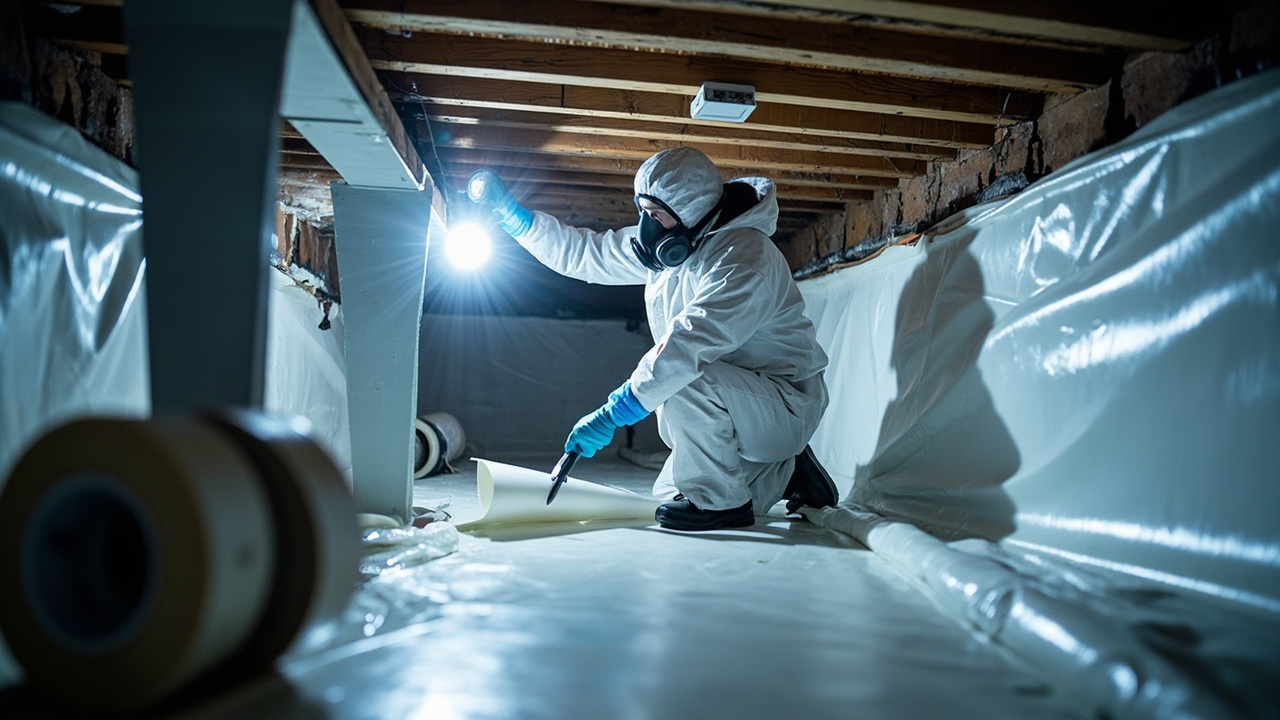
Mold remediation follows EPA protocols. We contain the work area, remove contaminated materials, and treat surfaces with antimicrobial solutions. HEPA filtration captures airborne spores during removal. We document the entire process for insurance claims.

Foundation cracks and gaps receive polyurethane or epoxy injection. These flexible sealants stop groundwater intrusion while accommodating seasonal soil movement. We install interior drainage systems if hydrostatic pressure threatens foundation integrity. Perimeter drains channel water to sump pump systems with battery backup.

Crawl space vapor barrier installation uses reinforced polyethylene sheeting rated at 12 to 20 mils thickness. We seal every seam with contractor-grade tape and extend barriers up foundation walls. Floor penetrations around pipes and posts get custom sealing to eliminate vapor pathways.

Crawl space sealing services include closing foundation vents and installing insulated access doors. We insulate rim joists with closed-cell spray foam to create a thermal boundary. This converts your crawl space into conditioned space that protects plumbing and improves upstairs comfort.

Dehumidification systems maintain 50 to 55 percent relative humidity year-round. Commercial-grade units sized for your space prevent condensation and mold growth. We install condensate pumps to remove collected moisture automatically.

Alpha Water Damage Restoration Buffalo completes crawl space remediation to current building science standards. Your space stays dry, your floors stay warm, and your foundation stays protected.

What Happens During Your Crawl Space Transformation

Crawl Space Cleanup & Encapsulation in Buffalo – Protect Your Foundation from Lake Effect Moisture
01

Complete Moisture Assessment

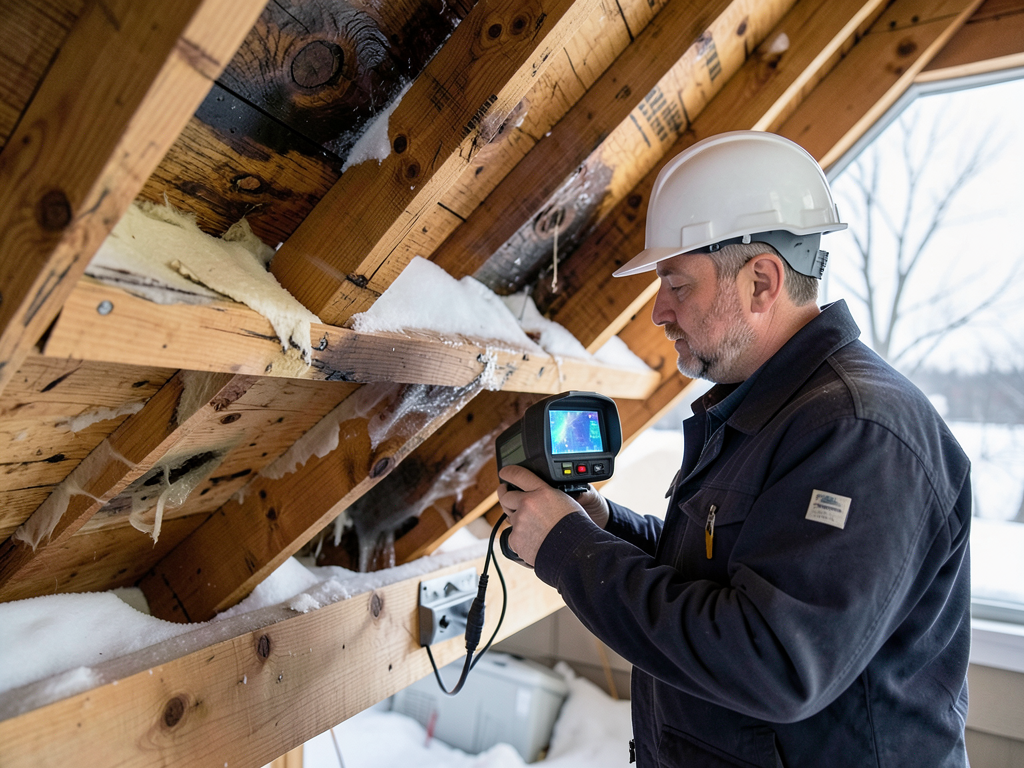
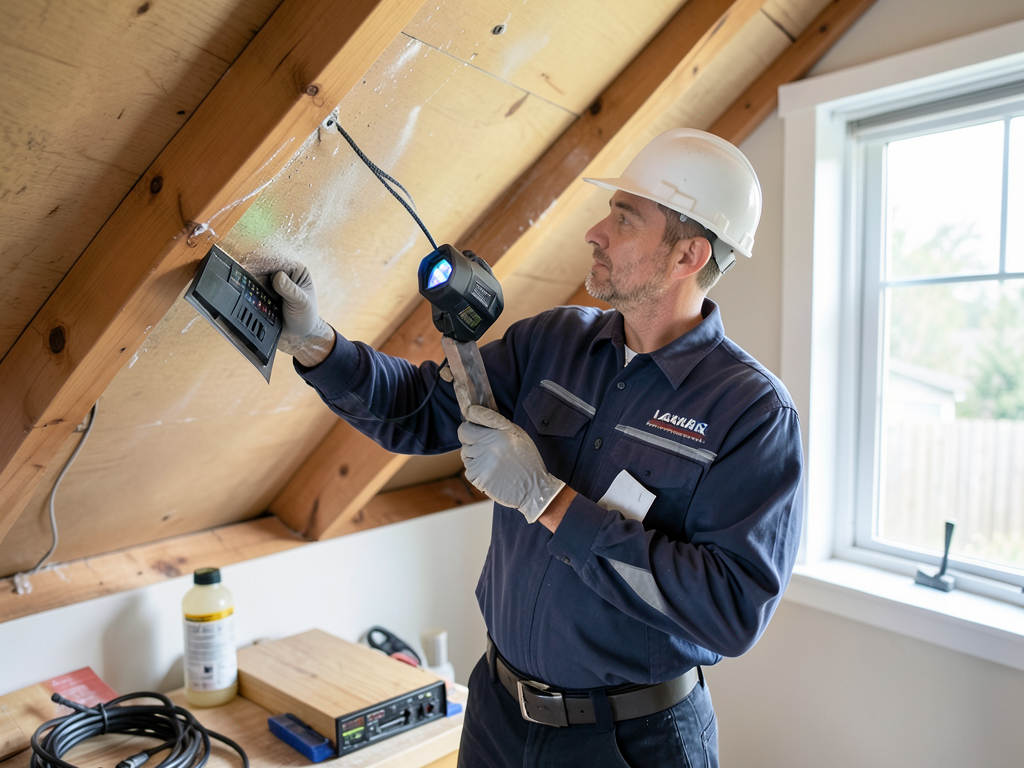
Our technicians inspect every square foot of your crawl space with thermal imaging cameras and moisture meters. We map water entry points, measure humidity levels, and document structural damage. You receive a detailed report showing problem areas and recommended solutions. We test for mold presence and identify contaminated materials requiring removal. This diagnostic phase determines the exact scope of work needed for effective crawl space waterproofing in your specific situation.
02

Water Removal and Remediation

We extract standing water, remove damaged materials, and treat mold growth before any encapsulation begins. Commercial extractors and air movers dry structural elements completely. Contaminated insulation, vapor barriers, and debris get bagged and removed. Foundation cracks receive professional sealing to stop active leaks. We install drainage systems or sump pumps if groundwater pressure requires it. Your crawl space reaches dry, clean condition before we move to the encapsulation phase.
03

Encapsulation and Climate Control

We install heavy-duty vapor barriers across floors and up foundation walls, sealing every seam and penetration. Foundation vents get closed permanently. Rim joists receive spray foam insulation to create a conditioned space. We install a commercial dehumidification system sized for your crawl space volume. Final testing confirms humidity control and vapor barrier integrity. You receive documentation of all work completed and maintenance recommendations. Your crawl space now functions as protected, conditioned space beneath your home.

Why Buffalo Homeowners Choose Local Crawl Space Experts

Buffalo's building codes and climate demands require specialized knowledge. We understand Erie County frost depth requirements and foundation construction methods common in Western New York homes. Your 1920s brick colonial needs different solutions than a 1970s ranch in Amherst or a waterfront property in North Buffalo.

We work with local building inspectors regularly. Our crawl space sealing services meet current NYS energy code requirements for conditioned spaces. We know which vapor barrier installation methods pass inspection and which shortcuts cause callbacks.

Buffalo's seasonal extremes test every crawl space system twice yearly. Lake effect snow creates spring flooding that overwhelms inadequate drainage. Summer humidity challenges dehumidification capacity. We size equipment and design systems for worst-case Buffalo conditions, not national averages.

Insurance restoration work requires detailed documentation and direct communication with adjusters. We photograph every stage of crawl space restoration, provide moisture readings, and justify each line item. Our estimates align with Xactimate pricing used by major carriers. You get faster claim approval and fewer disputes.

Local material suppliers stock our preferred vapor barriers, drainage components, and dehumidifiers. We get same-day delivery on most items. National companies shipping from warehouses create project delays when Buffalo weather changes plans.

Our technicians live in Hamburg, Orchard Park, Clarence, and Tonawanda. They respond quickly because they drive local routes daily. When your crawl space floods during a February thaw, you get help within hours, not days.

Alpha Water Damage Restoration Buffalo has completed crawl space remediation in hundreds of Western New York homes. We know what works in Buffalo because we only work in Buffalo.

What to Expect from Professional Crawl Space Services

Response Time and Project Duration

We schedule initial assessments within 24 to 48 hours of your call. Emergency water removal begins the same day if your crawl space has active flooding. Complete crawl space encapsulation typically takes three to five days depending on space size and damage extent. We work continuously once started to minimize disruption. Small spaces under 1,000 square feet may finish in two days. Larger homes with extensive mold remediation or drainage installation require additional time. Weather affects exterior work like downspout extensions or grading improvements. We provide realistic timelines during the estimate and update you if conditions change the schedule.

Thorough Initial Inspection Process

Our assessment covers structural integrity, moisture sources, ventilation issues, insulation condition, and existing drainage systems. We use thermal imaging to identify temperature differences indicating air leaks or wet insulation. Moisture meters measure water content in wood framing and concrete. We photograph damage for insurance documentation and reference during repairs. You receive a written report explaining findings in clear language. We identify immediate hazards like compromised support posts or electrical hazards from water contact. The inspection takes 60 to 90 minutes for typical homes. We answer questions and explain recommended solutions before leaving. You get a detailed estimate within 24 hours.

Quality Standards and Final Results

Your completed crawl space stays dry year-round with controlled humidity below 55 percent. Vapor barriers remain intact with no tears, gaps, or unsealed seams. All foundation penetrations receive proper sealing. Dehumidification systems operate automatically with minimal maintenance requirements. Insulation provides thermal protection that reduces heating costs and prevents frozen pipes. You notice improved comfort upstairs as floor temperatures increase and drafts disappear. Musty odors eliminate completely once moisture control stabilizes. We test final humidity levels and provide baseline readings for your records. The space remains accessible for future mechanical work or storage use. Your foundation gains long-term protection from moisture damage.

Ongoing Support and Maintenance

We provide maintenance guidelines for your dehumidification system and vapor barriers. Most systems require filter changes every six months and annual professional inspection. We offer maintenance agreements that include yearly crawl space checks, equipment servicing, and priority emergency response. You receive our direct contact information for questions or concerns after project completion. If humidity levels rise or new water intrusion occurs, we return to diagnose and correct the issue. Many crawl space problems stem from exterior drainage changes or gutter failures that develop over time. We help identify these contributing factors and recommend solutions. Our work addresses current damage and establishes monitoring practices that prevent future problems.

Frequently Asked Questions

You Have Questions,
We Have Answers

How much does it typically cost to encapsulate a crawl space? +

Encapsulation costs depend on crawl space size, condition, and moisture issues. Factors include square footage, vapor barrier thickness, insulation type, drainage system needs, and mold remediation. Buffalo homes with older foundations or high groundwater often require more prep work, which affects the total. Expect costs to vary based on access difficulty and whether you need a sump pump or dehumidifier. The investment protects your foundation from Buffalo's freeze-thaw cycles and prevents structural damage. Get a site inspection to identify specific issues like standing water or rotted floor joists before pricing.

Is it worth it to encapsulate a crawlspace? +

Encapsulation delivers real value for Buffalo homeowners. It blocks moisture from reaching floor joists, prevents mold growth, and reduces heating costs during harsh winters. Unencapsulated crawl spaces let cold air and humidity infiltrate your home, forcing your HVAC system to work harder. Encapsulation also protects against Buffalo's freeze-thaw cycles, which stress foundations. You gain improved indoor air quality, better structural integrity, and lower energy bills. If you have persistent musty odors, cold floors, or pest problems, encapsulation solves these issues at the source. It's preventative maintenance that pays off long-term.

What does crawl space encapsulation include? +

Encapsulation involves installing a heavy-duty vapor barrier across crawl space floors and walls, sealing vents, and treating exposed soil. The process includes removing debris and damaged insulation, addressing drainage problems, and installing a dehumidifier if needed. Many Buffalo projects add insulation to rim joists and install a sump pump to manage groundwater. Contractors seal all seams and penetrations to create an airtight barrier. Foundation repairs or mold remediation happen first if structural damage exists. The goal is a controlled environment that keeps moisture, pests, and cold air out while protecting your foundation.

Is it worth it to clean a crawl space? +

Cleaning your crawl space is worth it, especially in Buffalo where moisture accumulates from snow melt and humidity. Debris, old insulation, and organic material create breeding grounds for mold and pests. Removing contaminated materials improves air quality throughout your home since crawl space air rises into living spaces. Cleaning also lets you inspect for foundation cracks, plumbing leaks, or termite damage before they worsen. If you smell mustiness or notice increased allergies, cleaning addresses the root cause. It's a necessary first step before encapsulation and prevents future structural problems.

What are the negatives of crawl space encapsulation? +

Encapsulation requires proper installation to avoid trapping existing moisture. If drainage problems aren't fixed first, water can pool beneath the vapor barrier. Some Buffalo homeowners worry about condensation on cold foundation walls during summer months if ventilation isn't balanced correctly. Dehumidifiers add ongoing electricity costs. Encapsulation also makes future plumbing or electrical access harder since barriers seal the space. Poor installation can create new problems instead of solving them. Choose contractors who address drainage, install dehumidifiers when needed, and use proper sealing techniques to avoid these issues.

Will insurance cover crawl space encapsulation? +

Standard homeowners insurance typically doesn't cover encapsulation because insurers view it as preventative maintenance, not sudden damage repair. However, if water damage from a covered event like burst pipes or sewer backup requires crawl space cleanup, insurance may pay for restoration work. Some policies cover mold remediation if it stems from a covered loss. Review your policy details or ask your agent about specific coverage. In Buffalo, where basement and crawl space flooding happens regularly, maintaining proper documentation of moisture problems helps if you file a claim later.

What are the downsides of encapsulation? +

Encapsulation can trap moisture if your contractor skips critical steps like fixing drainage or foundation leaks. Sealed crawl spaces need dehumidifiers to manage humidity, adding to your electric bill. Buffalo's clay soil and high water table mean groundwater management is essential before sealing. Without proper vapor barriers and drainage, you risk wood rot and foundation damage. Encapsulation also limits access for future plumbing or electrical work. Some homeowners dislike the ongoing maintenance of checking dehumidifiers and sump pumps. These downsides are avoidable with thorough site assessment and correct installation techniques.

Can I write off crawl space encapsulation? +

You cannot deduct encapsulation as a repair on your taxes. The IRS considers it a capital improvement that adds value to your home, not a deductible expense. However, if you use part of your home for business, you may depreciate the improvement proportionally over time. When you sell, capital improvements increase your cost basis, potentially reducing capital gains tax. Keep all receipts and documentation. Consult a tax professional familiar with Buffalo property laws for guidance specific to your situation, especially if the work relates to rental property or home office use.

How much does it cost to insulate a 1000 sq ft crawl space? +

Insulating a 1000 square foot crawl space depends on insulation type, thickness, and installation complexity. Spray foam costs more than batt insulation but provides better moisture resistance. Buffalo crawl spaces often need extra attention to rim joists where cold air penetrates. Adding vapor barriers, sealing vents, and treating existing moisture problems increases costs. Access difficulty and ceiling height affect labor expenses. Many Buffalo homes require mold treatment or debris removal before insulation installation. Get multiple quotes that include site-specific factors like groundwater management and foundation condition for accurate pricing.

What are the disadvantages of encapsulation? +

Encapsulation disadvantages include upfront costs, ongoing dehumidifier maintenance, and reduced crawl space access. If water problems aren't fixed first, trapped moisture damages floor joists and subflooring. Buffalo's freeze-thaw cycles stress foundations, so proper drainage installation is critical before sealing. Some systems require monitoring and filter changes. Poorly installed vapor barriers can shift or tear, reducing effectiveness. Encapsulation also makes future HVAC, plumbing, or pest inspections more difficult. These disadvantages are manageable with professional installation that addresses drainage, uses quality materials, and includes proper ventilation design for your specific foundation type.

How Lake Erie Weather Patterns Accelerate Buffalo Crawl Space Deterioration

Lake effect snow creates unique moisture challenges in Western New York crawl spaces. Buffalo receives 95 inches of snow annually, much of it concentrated in narrow bands based on wind direction off Lake Erie. This snow accumulates against foundation walls and melts repeatedly during winter warm spells. Meltwater infiltrates through foundation cracks and saturates soil adjacent to footings. Spring thaw releases massive volumes of water that overwhelm perimeter drains and flood crawl spaces. Summer humidity averages 70 percent due to lake proximity. That moisture condenses on cool crawl space surfaces and promotes mold growth on organic materials. Proper crawl space waterproofing and vapor barrier installation address these specific Buffalo climate factors.

Buffalo building codes evolved significantly after the 2006 October storm and subsequent flooding events. Erie County now requires improved foundation drainage for new construction and major renovations. Local building inspectors understand crawl space moisture problems and enforce proper remediation standards. We maintain relationships with municipal code enforcement offices throughout the Buffalo metro area. Our crawl space encapsulation methods meet or exceed NYS Residential Code requirements for conditioned spaces. We pull permits when required and coordinate inspections to keep projects compliant. Choosing local contractors familiar with Buffalo regulations prevents costly rework and ensures your crawl space restoration meets legal standards for future home sales.

Water Damage Restoration Services in The Buffalo Area

Although we offer rapid mobile service across the entire Buffalo area and surrounding regions, we invite you to view our service area map to confirm our commitment to your community. We are always ready to deploy our expert teams directly to your residential or commercial property, ensuring the fastest possible response time when you need water damage restoration most, right where you are.

Address:
Alpha Water Damage Restoration Buffalo, 369 Washington St, Buffalo, NY, 14203

Additional Services We Offer

Our news updates

Latest Articles & News from The Blogs

The importance of microbial swabbing after a sewer backup in your Lackawanna basement When sewage backs up into your Lackawanna…

The importance of microbial swabbing after a sewer backup in your Lackawanna basement

The importance of microbial swabbing after a sewer backup in your Lackawanna basement When sewage backs up into your Lackawanna…

Simple ways to prevent your pipes from freezing in an unheated North Buffalo crawlspace

Simple ways to prevent your pipes from freezing in an unheated North Buffalo crawlspace Buffalo’s brutal winters and lake-effect snow…

Keeping your kids and pets safe during a home restoration project in Kenmore

Keeping your kids and pets safe during a home restoration project in Kenmore\n\nHome restoration after water damage creates unique safety…

Contact Us

Stop crawl space moisture from damaging your Buffalo home. Call Alpha Water Damage Restoration Buffalo at (716) 317-7717 for a complete inspection and written estimate. We respond quickly, work efficiently, and fix the problem right the first time.