menu

Burst Pipe Water Damage Buffalo – Expert Restoration Within Hours of Your Emergency

Alpha Water Damage Restoration Buffalo delivers rapid water extraction, structural drying, and complete burst pipe water cleanup to prevent mold growth and secondary damage in Western New York homes and businesses.

Slider Image 1
Slider Image 2
Slider Image 3
Slider Image 4
Slider Image 5
Slider Image 7
Slider Image 8
Slider Image 9
Slider Image 10
Slider Image 11

Why Burst Pipes Flood Buffalo Properties Year-Round

Buffalo's freeze-thaw cycles hammer residential and commercial plumbing from November through April. When temperatures plunge below zero, water inside pipes expands and creates catastrophic pressure. A single ruptured pipe releases hundreds of gallons per hour into walls, ceilings, and crawl spaces. The damage accelerates in older neighborhoods like Allentown and Elmwood Village, where century-old copper lines and cast iron supply systems deteriorate faster than modern PEX installations.

Summer brings a different threat. High humidity combined with aggressive air conditioning use causes condensation buildup on cold water lines. This moisture weakens pipe joints and corrodes fittings until a sudden rupture floods basements and first-floor living spaces. Many Buffalo homeowners only discover broken pipe water damage after noticing ceiling stains, warped hardwood, or a sudden spike in their water bill.

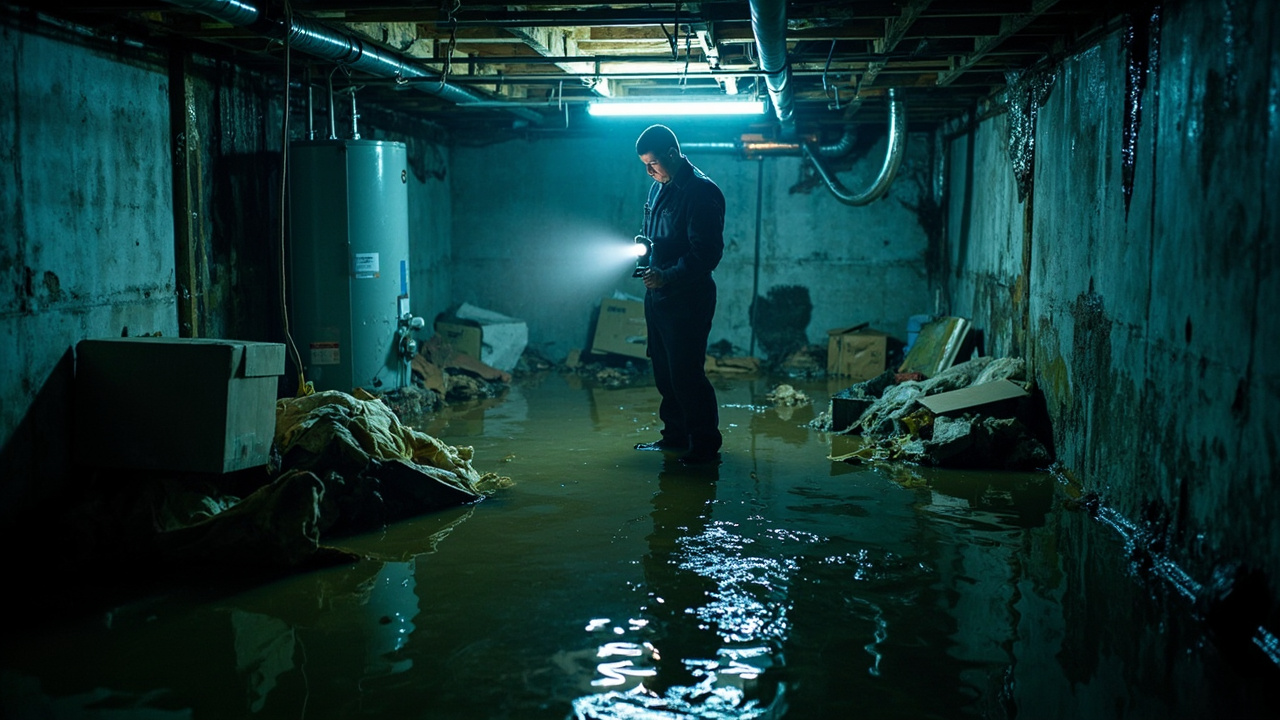
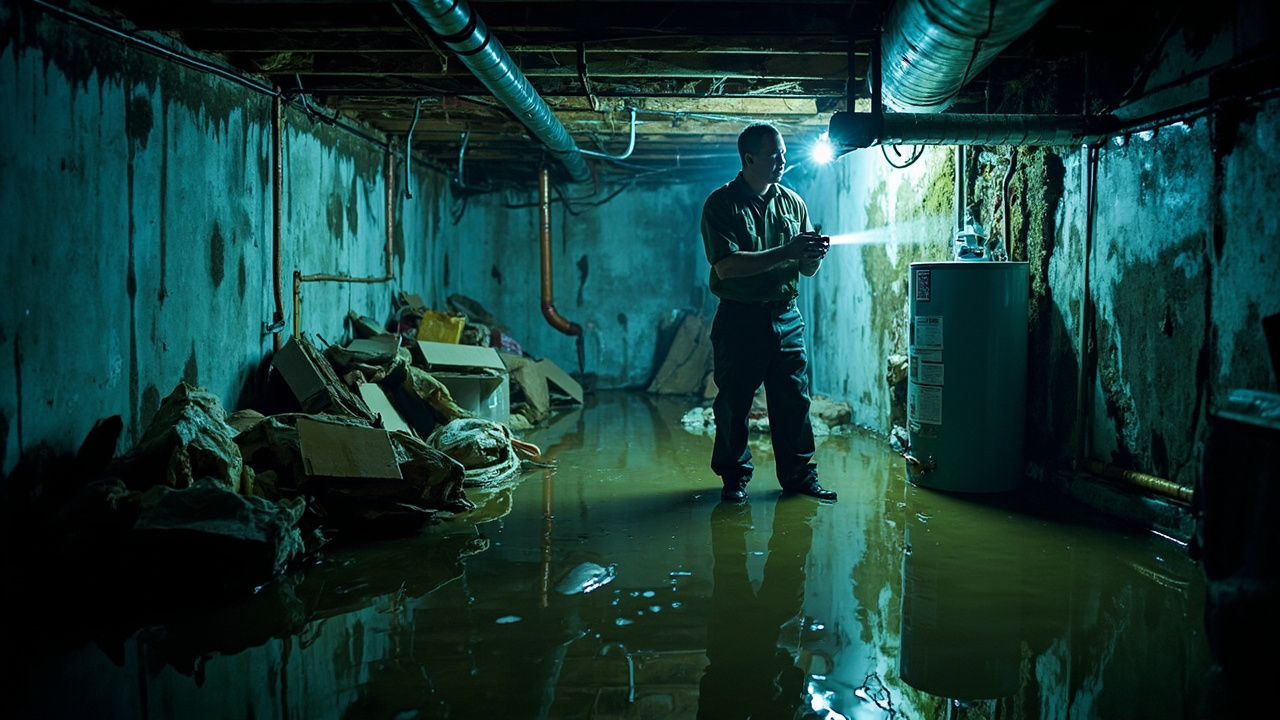
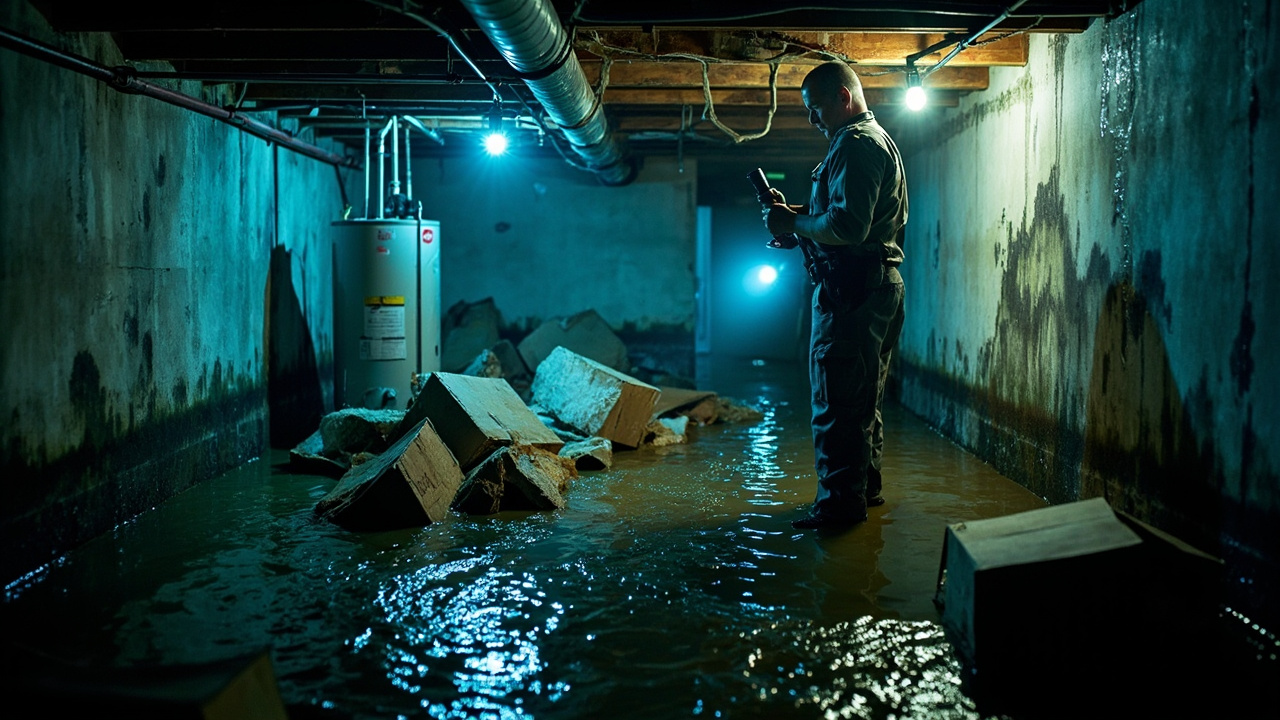
Water damage from burst pipe incidents rarely stays contained. Water travels through floor joists, soaks insulation, and saturates drywall within minutes. The porous nature of wood-frame construction in Buffalo homes allows burst pipe flooding to spread laterally through multiple rooms before you notice the source. Within 24 to 48 hours, wet building materials create ideal conditions for mold colonization. This transforms a plumbing failure into a health hazard that requires professional remediation beyond simple water removal.

The location of the rupture determines severity. Supply line failures under sinks or behind toilets cause immediate visible flooding. Hidden breaks inside wall cavities or above ceilings go undetected until structural damage becomes obvious. Both scenarios demand immediate professional water extraction and drying to prevent permanent damage to your property.

Why Burst Pipes Flood Buffalo Properties Year-Round
Our Technical Approach to Burst Pipe Water Cleanup

Our Technical Approach to Burst Pipe Water Cleanup

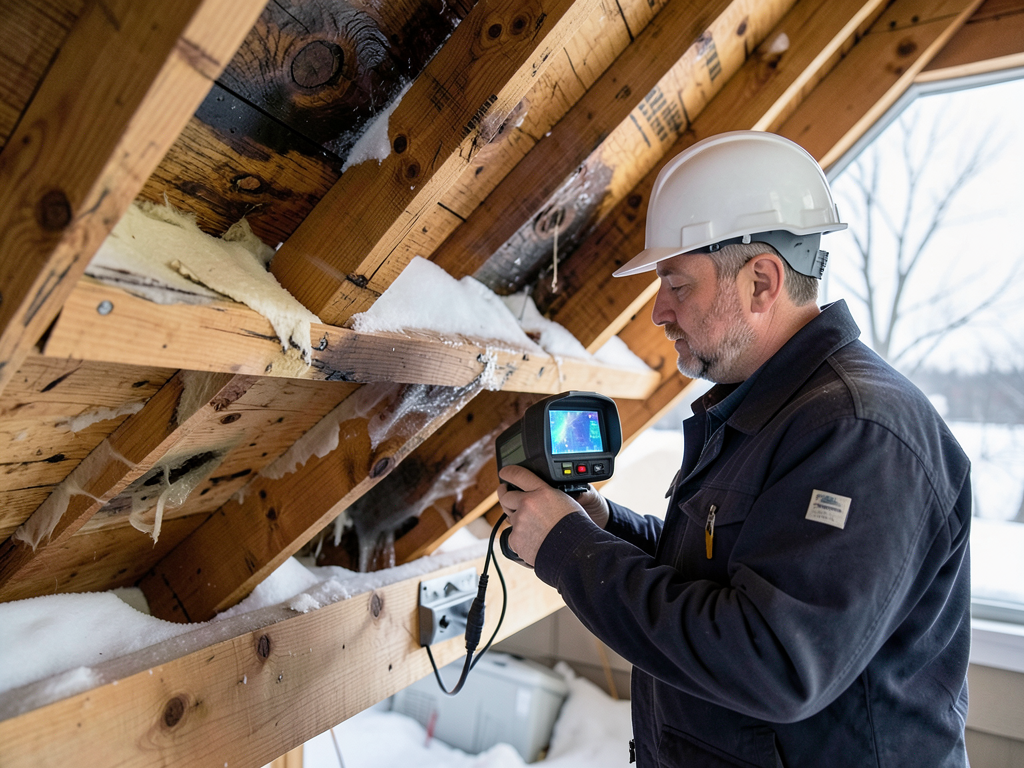
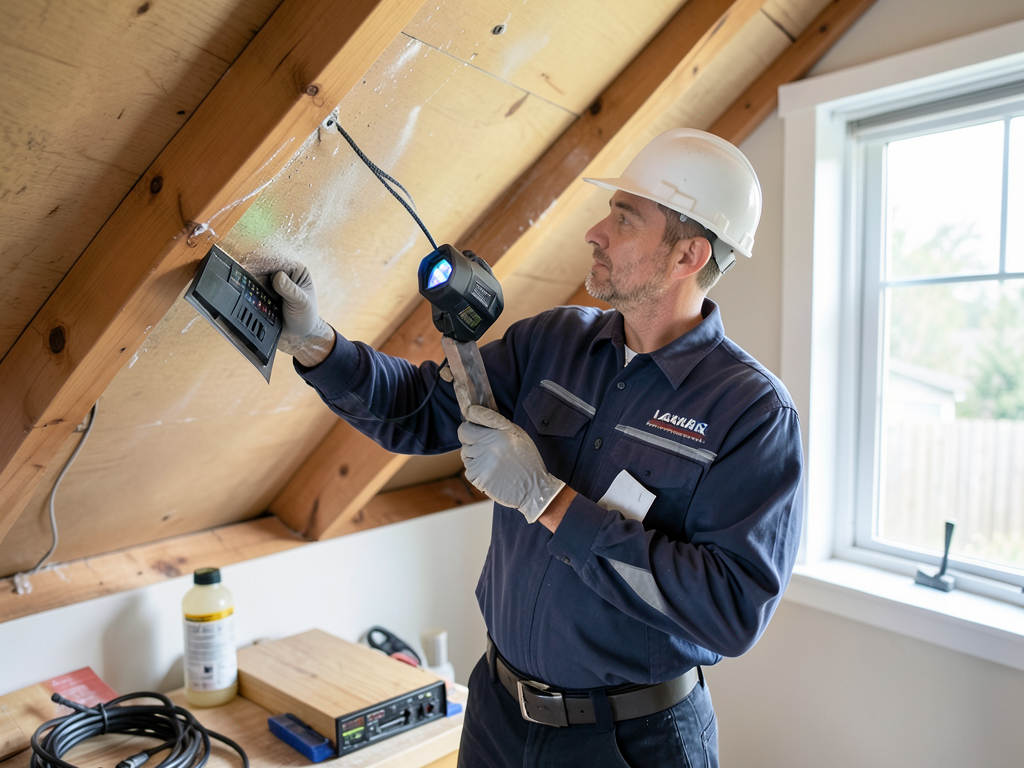
Alpha Water Damage Restoration Buffalo deploys truck-mounted extraction units that remove standing water at 150 gallons per minute. We do not use shop vacuums or rental equipment. Our technicians map moisture penetration using thermal imaging cameras and penetrating moisture meters calibrated for wood, drywall, and concrete substrates. This diagnostic phase identifies hidden water migration that standard visual inspection misses.

After extraction, we establish controlled drying environments using commercial-grade dehumidifiers and axial air movers positioned according to psychrometric principles. We monitor vapor pressure differentials and adjust equipment placement every 12 hours based on moisture readings. This process prevents secondary damage like delamination, efflorescence, and microbial growth. We do not simply set up fans and leave.

Structural drying for ruptured pipe water damage requires different protocols than other water losses. Pressurized pipe failures drive water deep into building assemblies. We use injecti-dry systems to force heated air into wall cavities and under flooring. This targeted approach reduces drying time from weeks to days and prevents the need for extensive demolition. We document moisture levels three times daily and provide detailed logs for insurance claims.

Our process includes antimicrobial application on all affected surfaces after water removal. Buffalo's humidity creates aggressive mold growth on wet materials within 72 hours. We apply EPA-registered disinfectants that eliminate existing contamination and inhibit future colonization. This step protects your indoor air quality while structural components dry to acceptable moisture content. We verify completion using lab-grade moisture meters before removing equipment.

What Happens During Emergency Burst Pipe Response

Burst Pipe Water Damage Buffalo – Expert Restoration Within Hours of Your Emergency
01

Emergency Water Shutoff

Our technicians locate and close the main water supply valve within minutes of arrival. We identify the ruptured pipe section, assess the break type, and determine if additional supply lines require isolation. For multi-unit buildings in Buffalo's Fruit Belt or Black Rock neighborhoods, we coordinate with property managers to minimize disruption while stopping active flooding. This immediate action prevents additional water damage and allows our crew to begin extraction.
02

Water Extraction and Assessment

Truck-mounted pumps remove standing water from all affected areas while our lead technician documents damage extent using calibrated moisture detection equipment. We photograph conditions, measure affected square footage, and test building materials for saturation depth. This comprehensive assessment creates the restoration scope and insurance documentation you need. We identify structural concerns like compromised floor joists or ceiling collapse risk that require immediate attention beyond standard water cleanup procedures.
03

Controlled Structural Drying

We position industrial dehumidifiers and air movers according to moisture mapping data, creating optimized airflow patterns that accelerate evaporation without causing secondary damage. Our crew monitors drying progress every 12 hours and adjusts equipment placement based on new moisture readings. We maintain detailed drying logs that document humidity levels, temperature, and material moisture content from start to finish. The process continues until all affected materials reach industry-standard dry readings.

Why Buffalo Property Owners Choose Alpha Water Damage Restoration

Buffalo's building stock presents unique restoration challenges that require local knowledge. We understand how balloon-frame construction in Delaware District homes allows vertical water migration through wall cavities. We know that basements in North Buffalo frequently lack proper drainage systems, turning burst pipe flooding into prolonged standing water problems. Our technicians recognize when original plaster and lath walls require different drying protocols than modern drywall installations.

We work directly with every major insurance carrier operating in Erie County. Our estimators use Xactimate software with local pricing databases that reflect Buffalo's labor rates and material costs. This eliminates the back-and-forth disputes that delay restoration projects. We provide detailed photo documentation, moisture logs, and equipment placement records that satisfy adjuster requirements on the first submission. Most claims receive approval within 48 hours of our initial assessment.

Our response time matters during water emergencies. We maintain equipment staging facilities in Buffalo, which means our trucks arrive with full extraction and drying packages already loaded. You do not wait while we source rental equipment or drive from distant locations. We dispatch crews within 60 minutes of your call, 24 hours per day, every day of the year. This rapid response prevents the exponential damage increase that occurs when burst pipe water damage sits untreated for hours.

Alpha Water Damage Restoration Buffalo employs IICRC-certified technicians who complete continuing education in water damage restoration, structural drying, and applied microbial remediation. Our crew leaders hold Water Damage Restoration Technician and Applied Structural Drying certifications. This training translates to proper equipment use, accurate moisture assessment, and restoration techniques that prevent callbacks and long-term problems like hidden mold growth or structural failure.

What to Expect During Your Burst Pipe Restoration

Emergency Response Timeline

We dispatch crews to Buffalo properties within 60 minutes of your emergency call. Our technicians arrive with truck-mounted extraction equipment, industrial dehumidifiers, and moisture detection tools already loaded. Water removal begins immediately upon arrival. Initial extraction and equipment setup typically takes two to four hours depending on flood extent. We establish the controlled drying environment during this first visit and provide you with a preliminary damage assessment before leaving the property. Our crews return every 12 hours to monitor progress and adjust equipment until moisture readings reach acceptable levels.

Comprehensive Damage Documentation

Our initial assessment includes thermal imaging of all potentially affected areas, penetrating moisture readings at multiple depths, and detailed photography of visible damage. We measure and diagram affected square footage room by room. This documentation package includes equipment logs, psychrometric calculations, and daily moisture readings throughout the drying process. We provide copies directly to you and your insurance adjuster within 24 hours of our first visit. This thorough approach prevents disputes about damage extent and ensures accurate claim valuation for broken pipe water damage restoration.

Verified Dry Standards

We do not remove equipment based on timelines or assumptions. Our technicians verify dryness using calibrated moisture meters that measure water content in wood, drywall, concrete, and other building materials. We compare affected area readings against unaffected control areas in your property. Materials must reach moisture content within 5% of unaffected baseline readings before we consider the job complete. You receive final documentation showing all tested locations and their moisture levels. This verification process prevents premature equipment removal that leads to mold growth and callback situations weeks after the initial burst pipe water cleanup.

Post-Restoration Monitoring Protocol

Alpha Water Damage Restoration Buffalo provides follow-up moisture checks at 30 and 90 days after equipment removal at no additional charge. These verification visits ensure that no hidden moisture remains in wall cavities or subfloor areas that could cause delayed problems. We document these final checks with the same calibrated equipment used during active restoration. If any areas show elevated moisture during follow-up visits, we return with appropriate equipment to address the issue immediately. This monitoring protocol protects your property investment and provides peace of mind after ruptured pipe water damage incidents.

Frequently Asked Questions

You Have Questions,
We Have Answers

Will insurance cover water damage from burst pipe? +

Most homeowners insurance policies cover sudden and accidental water damage from burst pipes. Coverage includes water extraction, structural drying, and repairs to damaged walls, floors, and ceilings. However, policies exclude damage from neglect or lack of maintenance. If you left your Buffalo home unheated during winter and pipes froze, your claim may be denied. Insurance also typically does not cover the cost to replace the pipe itself, only the resulting water damage. Document everything immediately with photos, shut off water, and contact your insurer within 24 hours to start your claim.

How many hours below freezing to freeze pipes? +

Pipes in Buffalo homes can begin freezing after just 6 hours of exposure to temperatures below 20 degrees Fahrenheit. Exterior walls, crawl spaces, and unheated basements face the highest risk. Wind chill accelerates freezing, especially during lake-effect cold snaps common along Lake Erie. Copper and PEX pipes freeze faster than galvanized steel due to thinner walls. Once water inside freezes and expands, pressure builds until the pipe bursts. Homes built before 1980 often lack adequate insulation in exterior wall cavities, increasing freeze risk during Buffalo's harsh winters.

What to do immediately after a pipe bursts? +

Shut off your main water supply immediately to stop flooding. Locate the valve near your water meter or where the main line enters your home. Turn off electricity at the breaker box if water contacts outlets or appliances. Move furniture and belongings to dry areas. Use towels or a wet vacuum to remove standing water quickly. Open cabinet doors under sinks to release pressure. Take photos of all damage for insurance documentation. Call a licensed water damage restoration company immediately. In Buffalo, frozen pipe bursts can dump hundreds of gallons in minutes, so speed matters.

Who is responsible for burst water pipes? +

Homeowners are responsible for pipes inside their property line, including interior plumbing and the main service line from the house to the street connection. The city of Buffalo maintains responsibility for water mains in the street and the connection point at the curb. If a pipe bursts inside your walls, under your foundation, or in your yard, you pay for repairs. Landlords are responsible for rental property plumbing. If neglect caused the burst, such as failing to heat the home during winter, insurance may deny your claim and you cover all costs.

What is the average insurance payout for water damage? +

The average insurance payout for water damage ranges from $3,000 to $12,000, depending on severity and affected areas. Minor burst pipe incidents may settle around $3,500 for extraction and drying. Major events involving multiple rooms, flooring replacement, and mold remediation can exceed $15,000. Buffalo homes with finished basements face higher payouts due to drywall, flooring, and mechanical system exposure. Your payout depends on your deductible, coverage limits, and documentation quality. Insurers subtract depreciation for older materials. Always get a professional assessment before accepting an initial settlement offer.

Why would insurance deny a water damage claim? +

Insurance denies water damage claims for several reasons. The most common is neglect, such as failing to maintain heat in your Buffalo home during winter or ignoring visible pipe corrosion. Gradual leaks or long-term seepage are excluded because policies cover sudden accidents only. If you file a claim weeks after discovering damage, insurers suspect you delayed mitigation, worsening the loss. Lack of documentation, incomplete maintenance records, or pre-existing damage also trigger denials. Vacant homes require special riders. Always read your policy exclusions and respond immediately when damage occurs.

At what temperature should you let your faucets drip? +

Let faucets drip when temperatures drop to 20 degrees Fahrenheit or below in Buffalo. A slow, pencil-thin stream prevents pressure buildup and keeps water moving through vulnerable pipes. Focus on faucets along exterior walls, in unheated basements, or in rooms above crawl spaces. Both hot and cold lines need protection, so slightly open both taps. Lake-effect cold fronts can push temperatures below zero quickly, especially in North Buffalo and Riverside neighborhoods. The small water cost is far cheaper than repairing a burst pipe and flood damage.

What are signs of pipe damage after freezing? +

Warning signs include reduced water pressure, discolored water with rust particles, strange clanking or banging noises when you turn on taps, and visible frost on exposed pipes. You may notice damp spots on walls, ceilings, or floors where hidden pipes run. Musty odors suggest moisture intrusion behind drywall. In Buffalo homes, check basement rim joists and exterior wall cavities after deep freezes. Bulging or cracked pipes indicate ice expansion damage. If you see any of these signs, call a plumber immediately before a full rupture occurs.

What type of pipes burst most easily? +

Copper pipes burst most easily during freezing because they have thin walls and conduct cold efficiently. PEX pipes handle expansion better due to flexibility but can still fail at fittings. Older galvanized steel pipes resist freezing longer but corrode internally, creating weak points. Pipes in exterior walls, crawl spaces, and unheated garages face the highest risk. Buffalo homes built before 1970 often have undersized insulation around plumbing runs. Pipes with existing corrosion, pinhole leaks, or hard water scale buildup fail faster under freezing stress than new installations.

How much does it usually cost to fix a burst pipe? +

Repairing a burst pipe costs between $500 and $2,000 depending on location and accessibility. Simple exposed pipe repairs run $500 to $800. Pipes hidden behind walls or under slabs cost $1,200 to $2,000 due to demolition and restoration work. These figures cover only plumbing repairs, not water damage restoration. Extracting water, drying structures, replacing drywall, and treating mold adds $2,000 to $10,000 depending on severity. Buffalo homes with finished basements face higher total costs. Insurance typically covers damage but not the pipe replacement itself.

How Buffalo's Freeze-Thaw Cycles Create Unique Burst Pipe Risks

Buffalo experiences an average of 25 freeze-thaw cycles each winter, where temperatures swing from below freezing at night to above 32 degrees during the day. This constant expansion and contraction stresses pipe joints and weakens solder connections in copper supply lines. Older homes in Parkside and University Heights neighborhoods face higher risk because original plumbing installations often lack proper insulation in exterior walls and unheated crawl spaces. When pipes freeze and thaw repeatedly, microscopic cracks develop that eventually rupture without warning. The sudden transition from frozen to flowing water creates hydraulic shock that can blow out weakened pipe sections and flood multiple rooms within minutes.

Local building codes in Buffalo now require pipe insulation in vulnerable areas, but thousands of properties built before 1980 lack these protections. Our technicians understand which neighborhoods and construction types face elevated burst pipe flooding risk. We work with property owners throughout Erie County to document pre-existing conditions that contributed to pipe failures, information that proves valuable during insurance claim reviews. This local knowledge helps us provide accurate restoration timelines and prevents the confusion that occurs when out-of-area contractors misunderstand Buffalo's specific climate challenges and their impact on residential plumbing systems.

Water Damage Restoration Services in The Buffalo Area

Although we offer rapid mobile service across the entire Buffalo area and surrounding regions, we invite you to view our service area map to confirm our commitment to your community. We are always ready to deploy our expert teams directly to your residential or commercial property, ensuring the fastest possible response time when you need water damage restoration most, right where you are.

Address:
Alpha Water Damage Restoration Buffalo, 369 Washington St, Buffalo, NY, 14203

Additional Services We Offer

Our news updates

Latest Articles & News from The Blogs

The importance of microbial swabbing after a sewer backup in your Lackawanna basement When sewage backs up into your Lackawanna…

The importance of microbial swabbing after a sewer backup in your Lackawanna basement

The importance of microbial swabbing after a sewer backup in your Lackawanna basement When sewage backs up into your Lackawanna…

Simple ways to prevent your pipes from freezing in an unheated North Buffalo crawlspace

Simple ways to prevent your pipes from freezing in an unheated North Buffalo crawlspace Buffalo’s brutal winters and lake-effect snow…

Keeping your kids and pets safe during a home restoration project in Kenmore

Keeping your kids and pets safe during a home restoration project in Kenmore\n\nHome restoration after water damage creates unique safety…

Contact Us

Water damage spreads rapidly through building materials. Every hour of delay increases restoration costs and health risks. Call Alpha Water Damage Restoration Buffalo now at (716) 317-7717 for immediate dispatch. Our crews respond 24/7 with full extraction and drying equipment ready to deploy.